Search history
Clear allSearch by image
XDrag and drop an image here or upload an image
Max 5MB per image
UploadSign In | Join

Search history
Clear allSearch by image
XDrag and drop an image here or upload an image
Max 5MB per image
UploadSign In | Join

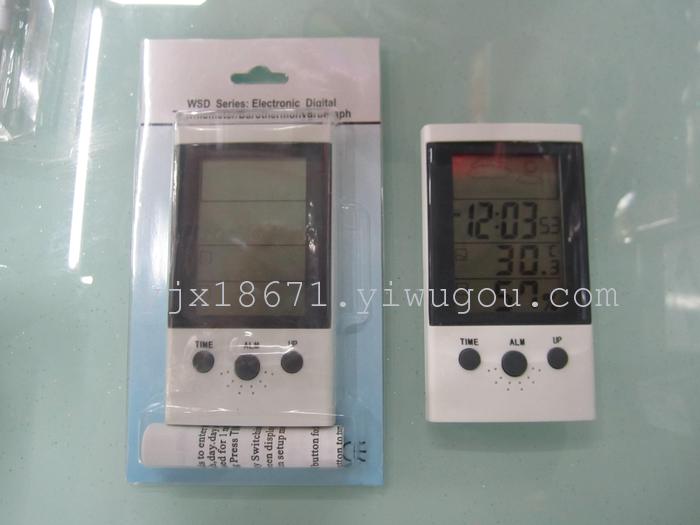
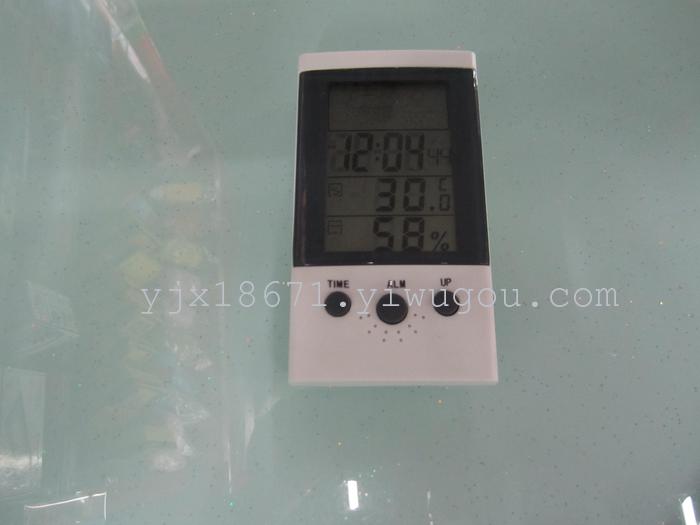
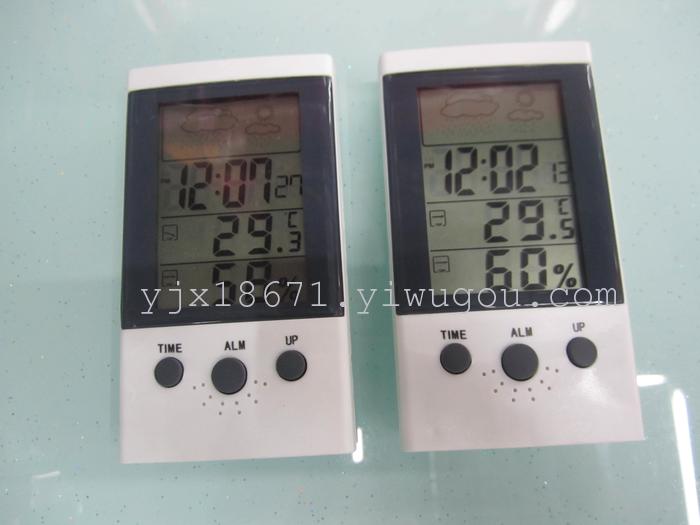
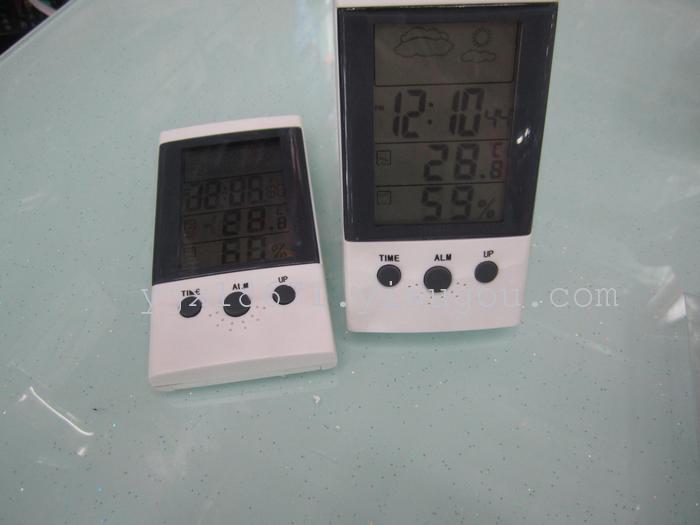
Suitable for: family, office, school, laboratory, hospital and other places, especially for improving and monitoring the storage environment of Pu'er tea.Necessary tools. At the same time, for large quantities of Tibetan tea, it is recommended to place temperature and humidity meters in different directions of the tea warehouse for comprehensive monitoring, as even the same
The temperature and humidity in different positions of a roomThe situation is quite different.
Usage:
A thermohygrometer is widely used in laboratories, animal husbandry, instrument and meter workshops, libraries, hospitals, computer microcomputer rooms, hotels, restaurants, and homes, etc. It is an indispensable excellent tool for monitoring your working and living environment.
1. Measurement Range:
Temperature: -20°C to 50°CHumidity: 10%RH – 90%RH
Section Two: Technical Specifications
The temperature should be below 10 degrees Celsius (or within ±1.5 degrees) and the humidity should be below 40%RH (or within ±7%RH).
Temperature: 10°C - 25°C (or ±1°C) Humidity: 40%RH - 75%RH (or ±5%RH)
Temperature above 25 degrees Celsius (or within ±1.5 degrees Celsius) Humidity above 75%RH (or within ±7%RH)
3. Usage Notes:
This product should be placed in a place with natural ventilation, away from cold and heat sources. Avoid heat accumulation, and do not expose it to direct sunlight.Use in a clean and dust-free environment, as dust contamination can affect the accuracy of the warning value. The device must be used perpendicular to the wall. Do not directly contact steam, and do not blow into it with your breath, as this can cause condensation inside the device, leading to a drift in the display value.
Best environmental temperature reference values:
The most suitable environment for the human body: temperature 15-25 degrees Celsius, relative humidity 45%RH-75%RH
Room Environment: 40%RH-70%RH
Library, art museum, and museum: 40%RH-60%RH
Computer microcomputer room, communication room: 45%RH-60%RH
Fabric and cotton wool textile storage: 40%RH-60%RH
Dairy product storage: 50%RH-60%RH
Fruit storage: 60%RH-70%RH
The most favorable environment for disease prevention and treatment: 30%RH-50%RH
1. The Relationship between Temperature/Humidity/Barometric Pressure and Human Health
The humidity of the air has a close relationship with human health. Because only through heat metabolism and water salt metabolism can maintain physiological balance. In winter, in a dry room with a higher room temperature, people will feel dry mouth and throat; while in the rainy summer, people will feel hot and uncomfortable. This is because the former air humidity is too small, and the latter air humidity is too large.
Scientists have found through epidemiological investigations that the incidence of diseases such as influenza, diphtheria, asthma, whooping cough, meningitis, and bronchitis significantly increases in the low temperature and low humidity winter. Low humidity accelerates the reproduction rate of influenza viruses and strong Gram-positive pathogens, and it is easy to spread with dust, causing disease outbreaks. On the other hand, low humidity in the air can make the resistance of the respiratory system decrease, easily inducing and exacerbating respiratory diseases. According to research, the internal respiratory tract of the nose, the lungs, and the reticular alveoli are covered by mucous membranes with branched cilia. When the air humidity is lower than 40",When it is humid, cilia movement becomes very slow, and dust is easily attached to the mucous membrane, stimulating the throat and causing a cough, leading to respiratory diseases. On the contrary, in hot and humid summers, due to excessive humidity, the body's pineal gland secretes more hormones, and the concentration of thyroid hormones and adrenalin in the body decreases relative to the cells, causing them to "slack off," leading to lethargy, listlessness, and being prone to symptoms such as nausea, vomiting, constipation, loss of appetite, irritability, fatigue, dizziness, migraine, cerebral thrombosis, etc. This is because in humid air, there are more types of mold, and some fungal spores can attach to dust to form toxic dust, causing allergic reactions in people. In addition, indoor humidity can cause increased blood vessel pressure and breathing difficulties in the human body, triggering a variety of diseases.
A survey conducted in Chicago, USA, indicates that as humidity increases with temperature, people tend to lose self-control and become irritable, leading to a tenfold increase in typist errors. Police records also confirm that the criminal rate is highest in the humid months of April to September. Researchers have conducted a five-year investigation of nearly 1,300 employees in 11 industries, finding that when the relative humidity of the air increases to over 80%, the rate of work-related accidents increases by 30%.
The humidity of the air has a significant impact on beauty. When the humidity is low, dry air can easily steal water from the body, making the skin rough, causing dry mouth, chapped lips, and even bleeding. When the humidity is too high, people with oily skin will look even oilier and puffy. High humidity can also affect hair styles, as the hair absorbs excess moisture, causing the hair to extend by 3%, making it curly and weak.
Scientific research shows that the air humidity most conducive to human health is between 49% and 51%. Both excessive or insufficient humidity have adverse effects on the human body.
The Impact of Altitude on Humans
At the summit of Mount Everest, which is 8848.13 meters above sea level (based on the Yellow Sea sea level), the air pressure is onlyThe sea level is 30%, and people can only breathe 30% of the oxygen there. This is the altitude of people above 8000 meters.The main factors that cannot be borne. At an altitude of 5500 meters, human civilization stops here. No one can do it here.Living at high altitudes for a long time, people's lungs will expel more carbon dioxide, which hinders...The pH value of human blood. Kidneys will discharge more fluid to neutralize the acidity of the blood, causing a person toBody dehydration, no one can live here for a year. At an altitude of 2800 meters, almost everyone feels the air.Thin influence. The respiratory rate increases, and the body responds to hypoxia to a certain extent, causing the brain to slightly swell.Swelling, headache and nausea, increased levels of hormones in the kidneys, and increased red blood cells in the blood. At sea level, breathing is easy and natural, with sufficient oxygen in the blood, and a normal heart rate. Additionally, for every 100 meters in elevation, the intensity of ultraviolet radiation increases by about 1.3%. The main factors affecting human health due to solar radiation are ultraviolet rays, with greater intensity and shorter wavelengths causing greater damage to the body.
II. Calibration Method (Applicable to the Series of Needle-type Temperature and Humidity Meters)
1. How to calibrate a humidity gauge
Cover a wet towel over the back of the humidity meter or wrap it completely for about 30 minutes.
At this time, the humidity gauge should show a humidity reading of 95%RH.
If the pointer does not point to 95% RH, use the appropriate screwdriver to adjust the spiral fixed frame at the back or by opening the cover, until the pointer points to 95% RH.
2. How to calibrate the thermometer
Adopt another precise and accurate thermometer as a reference, and adjust until the correct reading is achieved using the above method.
3. How to calibrate the pressure gauge
①. Compare with another barometer that shows the correct atmospheric pressure at that time, or compare with the local weather report.
2. If the barometer shows a lower reading than the correct pressure at the time, please turn the screw on the back of the barometer counterclockwise with a screwdriver, until the barometer's display is calibrated to the correct reading. The opposite applies if the reading is higher.
3. Usage Precautions and Maintenance:
1. Temperature and humidity clock should be hung in a place with good ventilation, avoid being installed on the wall directly exposed to sunlight, and the air outlet of the air conditioner. After 30 minutes, it can indicate the correct reading.
2. Do not expose the temperature and humidity meter to rain, and do not install it in an environment with corrosive gases to copper.
3. Human comfort temperature and humidity: 18℃—23℃ 45%RH—65%RH
The suitable humidity for crops is: 22℃—32℃ 60%RH—80%RH
5. Users can compare the temperature and humidity data displayed by this product with the suitable and storage temperature and humidity data provided below for various products, providing a scientific basis for your storage.
When it comes to temperature and humidity, we naturally associate with the scorching heat of "Three Furnaces" and the coldness of "Three Sub-zero Days." In fact, the changes in temperature and humidity throughout the seasons are closely related to our health. Research shows that the optimal health temperature for the human body is 18°C-25°C, and the health humidity is 40%-70%RH. In this environment, the body feels the most comfortable. When the temperature is between 24°C-30°C and the humidity is less than 60%, the body feels hot but not stuffy. When the temperature is higher than 80°C and the humidity is greater than 70%, the body feels hot and stuffy. When the temperature is higher than 36°C and the humidity is greater than 80%, the body feels severe heat and sweaty, and the sweat mechanism is hindered, which is easy to suffer from heat stroke due to the accumulation of a large amount of heat in the body. The error rate of work is ten times higher than usual, and the rate of accidental industrial accidents increases.
Temperature and Humidity and Disease:
Traditional Chinese medicine refers to "wind, cold, heat, dampness, dryness, and fire" as the Six Qi. In actuality, the Six Qi are reflections of air movement, temperature variations, and humidity levels. When the Six Qi experience sudden changes or when a person's resistance and adaptability decline, they become factors leading to disease. In spring, more wind-related diseases occur, in summer, more heat-related diseases, at the end of summer and beginning of autumn, more dampness-related diseases, in late autumn, more dryness-related diseases, and in winter, more cold-related diseases. Many diseases are closely related to temperature and humidity, especially to low humidity levels. Modern medicine has discovered that bacteria have the shortest average lifespan at a relative humidity of 45%-55%, and either excessive or insufficient humidity can lead to extended bacterial life spans. When the air humidity is 35%RH, the cilia movement on the mucous membranes of the nasal and respiratory tracts slows down, making dust and bacteria more likely to adhere to the membranes, stimulating the throat and causing cough and other respiratory diseases. When the air is dry, the reproduction rate of influenza viruses and Gram-positive bacteria that can cause infections accelerates, and they are more likely to spread, leading to disease. In addition, allergic diseases such as allergic dermatitis, asthma, and itching skin are also related to dry air.
Beauty Secrets:
The main component of skin is water, accounting for about 70% in the epidermis and dermis of adults. Proper moisture can maintain the luster and color of the skin. To achieve a balance between the air and skin moisture, it is necessary to control the humidity of the air appropriately. If one is exposed to dry conditions for a long time, the epidermis will gradually lose its elasticity and luster due to lack of water, accelerating the aging of the stratum corneum. In addition, high temperatures and extreme cold can lead to imbalances in the body's water content. Therefore, sensing temperature and humidity changes at any time and taking appropriate protective measures are important aspects for maintaining the luster of the skin.
Electrostatic Killer:
Dry air not only triggers various diseases but also has certain destructive effects on daily life, such as causing furniture deformation, cracking, and damage, especially for wood floors, which are more likely to crack and lift. In addition, the static electricity caused by dryness has known harmful effects on human health and production. Because of the destructive nature of static electricity, modern computer and communication equipment rooms have increasingly strict requirements for environmental humidity, generally requiring 45%-60%RH. When the environmental humidity is too low, it is easy to cause short circuits and middle-layer fires due to static electricity, which can easily destroy the normal operation of the program, affect the calculation results; in serious cases, it can cause equipment damage, with disastrous consequences. The more people realize this, the stronger their health and environmental awareness will be, so they have bought air conditioners, electric heating heaters, humidifiers, dehumidifiers, and air exchange fans to adjust the environmental temperature and humidity at any time to ensure a healthier and more comfortable life.
Everything in the world has a 'degree'. Exceeding the 'degree' will lead to the opposite. The temperature and humidity meter produced by Minggao Hardware Products (Shenzhen) Co., Ltd. can help you master the changes of temperature and humidity precisely, improving the surrounding environment. High-quality and humanized products are convenient for you to use the temperature and humidity regulation device in time to achieve the best health value range.
|
The storage of various products |
| 商品 | Temperature (℃) | Relative Humidity (%RH) | 商品 | Temperature (℃) | Relative Humidity (%RH) | 商品 | Temperature (℃) | Relative Humidity (%RH) |
| Enamel products |
≤35 |
≤80 |
Cigarette |
≤25 |
55~70 |
Fur Products |
≤30 |
≤75 |
| Bamboo and Wood Products |
≤30 |
60~75 |
Sugar |
≤30 |
≤70 |
Leather Products |
≤30 |
≤75 |
|
Paper Products |
≤35 |
≤75 |
Cotton textiles |
≤35 |
≤75 |
Artificial leather products |
-10~25 |
≤75 |
| Fish and meat canned food |
-5~25 |
≤75 |
Woolen goods |
≤30 |
≤75 |
Metal products |
≤35 |
≤75 |
| Green Vegetable Canned Food |
0~25 |
≤75 |
Silk fabric |
≤35 |
≤75 |
干电池 |
-10~25 |
≤75 |
| Sugar Water Canned Food |
-5~15 |
≤75 |
linen fabric |
≤35 |
≤75 |
Detergent |
≤25 |
≤75 |
| Condensed Milk Canned |
-5~15 |
≤75 |
Polyester fabric |
≤35 |
≤80 |
Soap |
≤25 |
60~80 |
|
White wine |
≤30 |
≤75 |
Polyester yarn products |
≤35 |
≤80 |
Cosmetics |
≤30 |
60~80 |
| 果酒 |
-5~20 |
≤75 |
fur |
≤30 | ≤75 | Perfume |
≤20 |
70~85 |
|
Suitable growth temperature for mold and mildew fungi
|
|
group |
Growth temperature (°C) |
举 例 | ||
|
最低 |
most suitable" 或 "best suited |
highest | ||
|
Cold-loving microorganisms |
-10 to 5 |
10 to 20 |
25 to 30 | Microorganisms in water and refrigeration |
|
mesophilic microorganisms |
10 to 20 |
25 to 30 |
40 to 45 |
Saprophytic microorganisms that live on humans and animals |
|
10 to 20 |
37 to 40 |
40 to 45 | ||
| Thermophilic microorganisms |
25 to 45 |
50 ~ 60 |
70 to 80 |
Microorganisms in hot springs and compost |
|
The lowest relative temperature requirements for the development of three types of mold fungi |
Temperature for Growth of Fungi at Different Temperatures | ||
|
Microbial types |
Minimum Relative Humidity (%RH) Required for Cultivation |
Temperature (℃) |
Relative Humidity at which Mold Growth Begins (%RH) |
| Hydrophilic (High Humidity) Microorganisms |
≤ 90 |
15 |
85 to 90 |
|
Mesophilic ( Mesic ) Microorganisms |
80 to 90 |
20 |
80 to 85 |
|
Xerophilic ( low-moisture-tolerant) microorganisms |
≤ 80 |
27 | 70 to 75 |
|
30 |
70 to 74 | ||
Update time:


TOP