Search history
Clear allSearch by image
XDrag and drop an image here or upload an image
Max 5MB per image
UploadSign In | Join

Search history
Clear allSearch by image
XDrag and drop an image here or upload an image
Max 5MB per image
UploadSign In | Join
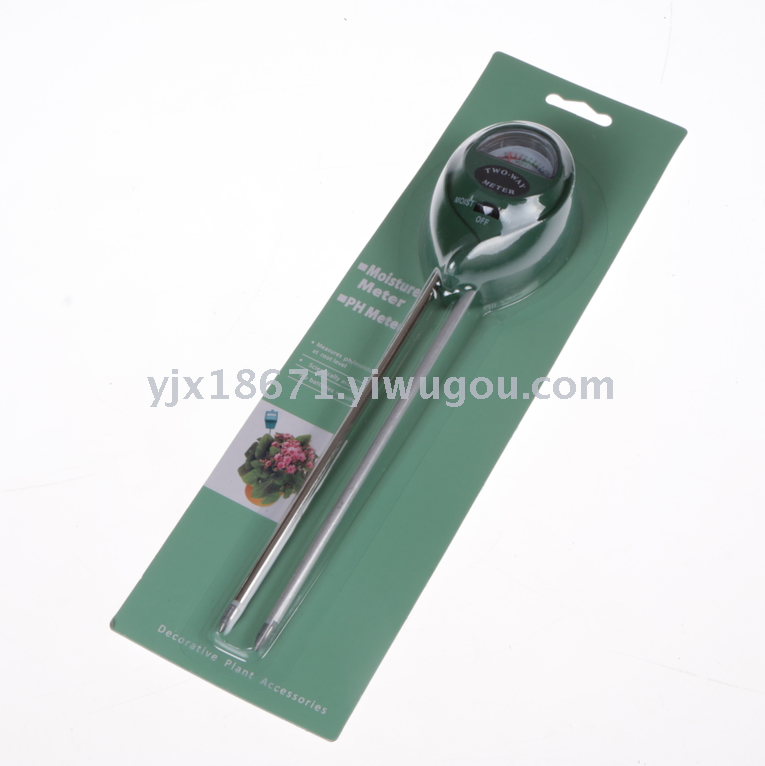
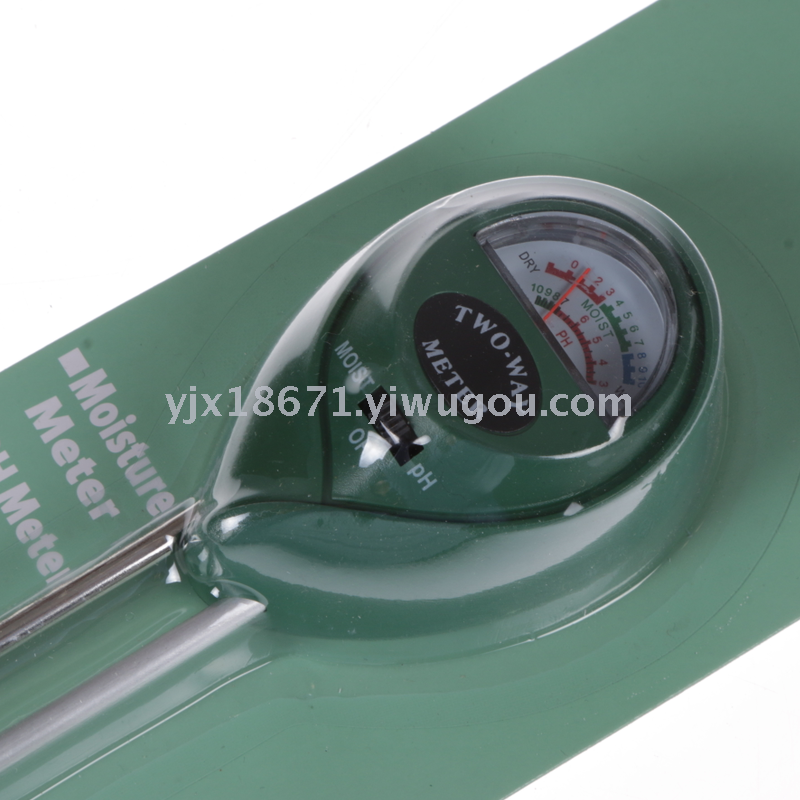
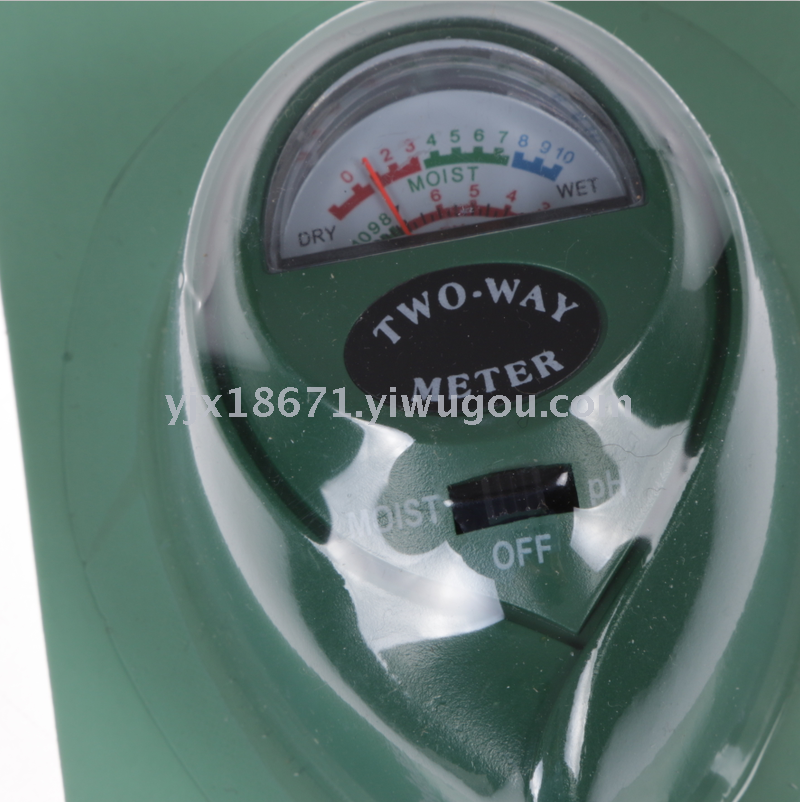
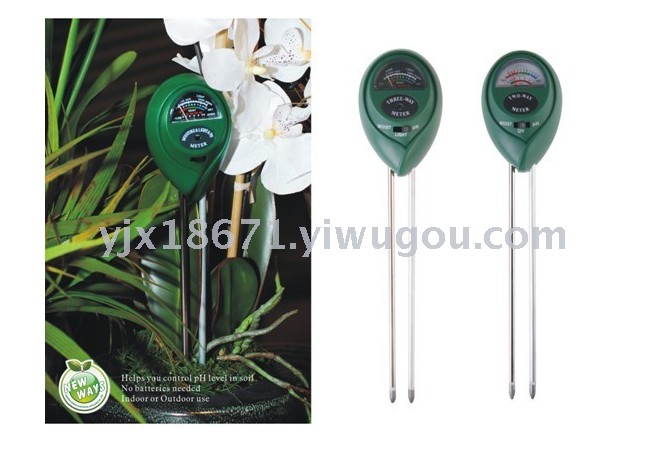
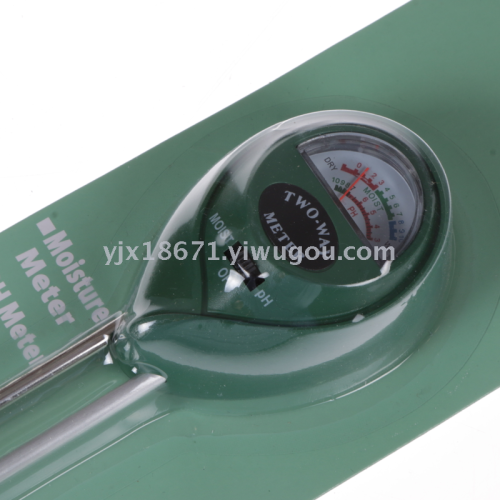
Humidity Detection:
Use the 'MOIST' setting. Select soil without stones and insert the probe, inserting it to a depth of about 1/3 of the probe's length. At this point, you can read the humidity value on the middle scale (DRY-WET). If necessary, add water.
General Instructions: Red Zone (1-3): Plants do not require frequent watering unless they become dry and the gauge is below half the scale. For plants like cacti, enter the red zone when the gauge indicates dryness. Green Zone (4-7): Plants require regular watering after the gauge enters the green zone. Water plants such as bougainvillea, pineapple, lychee, heavenly bamboo, phalaenopsis, orchids, monkeywood, alocasia, and epiphyllum....., etc. Blue Zone (8-10): Do not water, as it will drown the plants.
Use the "LIGHT" setting, refer to the following table to determine if the plant lighting is appropriate, otherwise adjust the light source or change the plant's position.
Detection of pH (acid-base region):
Use the 'PH' setting. Wipe the probe clean with a tissue or cotton cloth, insert it into moist soil. If the reading is outside 6.5-7.5, add lime to increase alkalinity or acidic substances to increase acidity. The typical pH value for acidic vegetables is 5.5-7.0, and the fruits are different.。
Update time:


TOP