Search history
Clear allSearch by image
XDrag and drop an image here or upload an image
Max 5MB per image
UploadSign In | Join

Search history
Clear allSearch by image
XDrag and drop an image here or upload an image
Max 5MB per image
UploadSign In | Join
X Email Mobile
YiWu HongAn Medical Instrument Co,:LTD 11yr.
Contacts Henry Xu Chat
Mobile 86-13626692800
E-mail 13626692800@163.com
13626692800

WhatsApp +86 13626692800
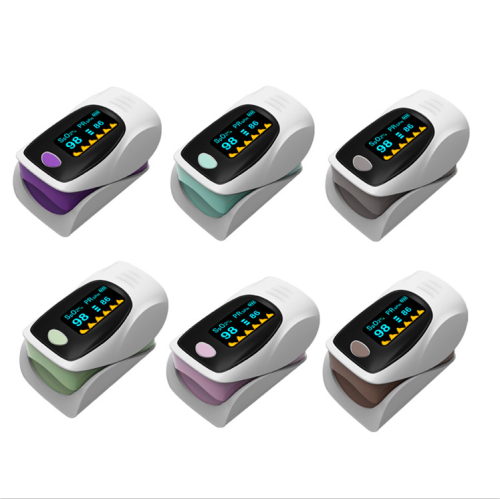
Product dimensions: 65mm * 30mm * 30mm, bare weight: 36 grams
Color box dimensions: 102*63*37 mm, weight: 64 grams (without battery)
Packaging dimensions: 100 units, 345*230*410 mm, 7 kg
200 units, 420*350*410 mm, 14 kg
pi Blood Flow Index, perfusion metrics:
Generally, the PI serves as a parameter indicator that reflects the limb perfusion status of the subject, indicating the detection accuracy of the machine. That is, it can still be detected under conditions of low and weak perfusion.
Moreover, through the display of PI, it can also indicate the individual’s physical condition issues, such as when low perfusion occurs to reveal whether there are underlying causes like heart problems or shock. It can also reflect whether external factors, such as cold weather or poor peripheral circulation, are responsible, allowing for an accurate assessment based on these conditions!
PI refers to the Perfusion Index (PI). The PI value reflects the pulsatile blood flow, that is, the capacity for blood perfusion. The greater the pulsatile blood flow, the more pulsatile components there are, and the higher the PI value. Therefore, the measurement site (skin, nails, bones, etc.) and the patient's own blood perfusion status (the flow of arterial blood) will both affect the PI value. Since the sympathetic nervous system influences heart rate and arterial blood pressure (affecting pulsatile arterial blood flow), the body’s nervous regulatory system or mental state will also indirectly impact the PI value. As a result, the PI value varies depending on the anesthesia state.
Update time:


TOP