
Search history
Clear allSearch by image
XDrag and drop an image here or upload an image
Max 5MB per image
UploadSign In | Join

Search history
Clear allSearch by image
XDrag and drop an image here or upload an image
Max 5MB per image
UploadSign In | Join
X Email Mobile
| contact customer service | CN¥ 0.0 |
ErIca car accessories company 12yr.
Contacts liu Chat
Mobile 86-13655793515
E-mail 64888894@qq.com
15267412799

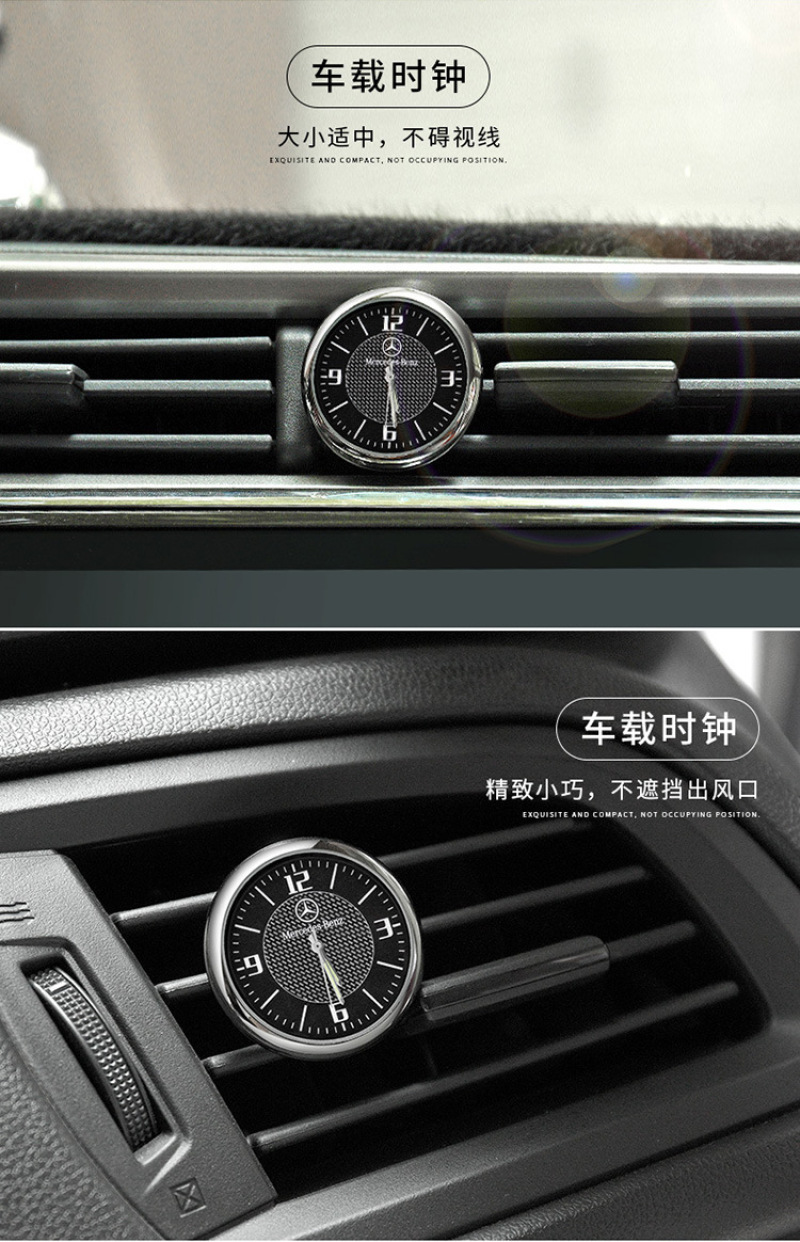
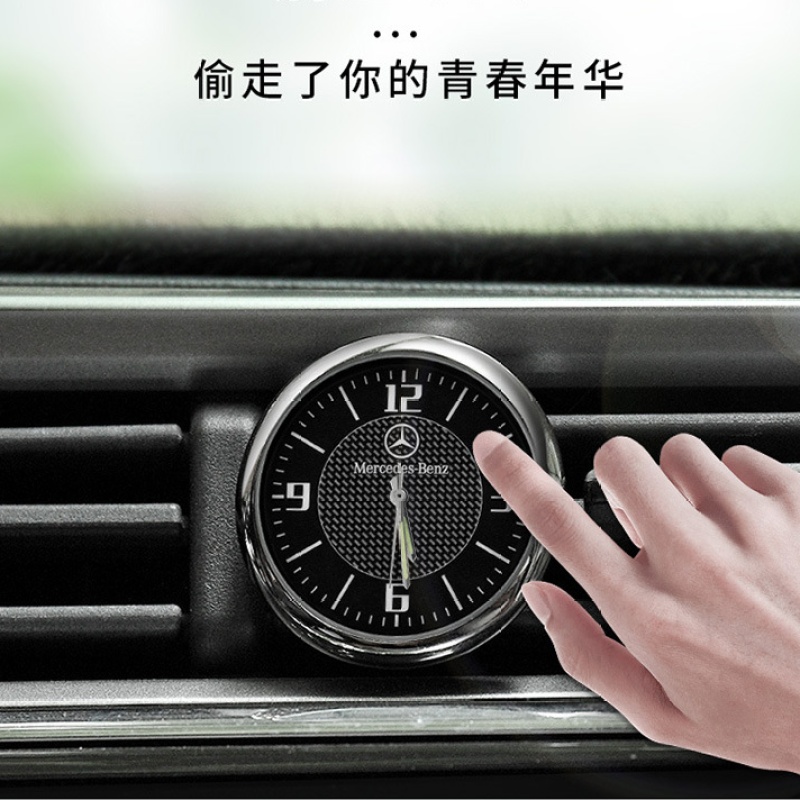
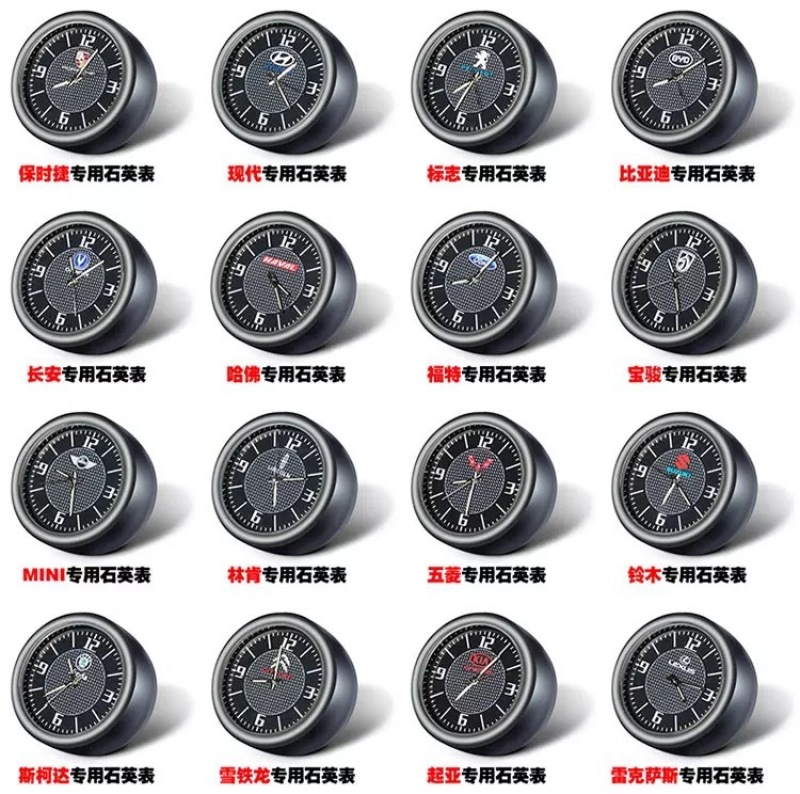
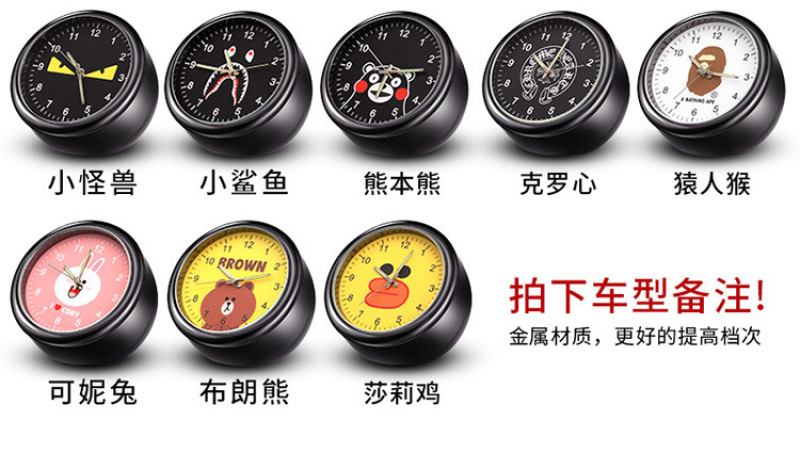
 1: Unit Price Commitment - Maximizing Customer Profit!
5: Integrity Wins the World - Being Punctual and Trustworthy is Our Mission, and Achieving a Win-Win Situation with Our Customers is Our Goal!
Quartz watch usage tips:
1. Non-professional personnel are not allowed to open the back cover to prevent damage.
2. After adjusting the watch, make sure to push the crown all the way back to the bottom.
3. Strap Length Adjustment: For minor adjustments, move the buckle pin position. For major adjustments, disassemble and reassemble the strap links. This instruction is only applicable to standard quartz and mechanical watches and does not include watches with special movements.
1. Battery
When the second hand of a quartz watch jumps or stops every few seconds, or when the battery is exhausted, it is necessary to replace the battery in time to avoid leaving the dead battery in the watch for a long time, which may cause damage to the movement.
2. Temperature
The normal working temperature for quartz watches is -5 degrees to 50 degrees Celsius. Please do not place the watch in an environment with high or low temperatures (such as taking a sauna, soaking in hot springs), otherwise it may affect the accuracy of the watch and the lifespan of the battery.
3. Fully Automatic Mechanical Watch
A fully automatic mechanical watch requires the wearer's arm to automatically wind the watch, so it must be worn for at least eight hours a day to ensure accurate timekeeping. If the watch is not worn enough during the day, it may not run properly, so it is recommended to swing the watch horizontally for one minute when taking it off at night to recharge the spring.
4. Waterproof
Water-resistant watches have a water-resistant function in daily life, but they should not be worn for swimming or diving. It is recommended not to wear them when taking a bath to avoid water entering the movement coil, which may cause a short circuit or rust, affecting the watch's accuracy.
5. Impact and Vibration
Wristwatches made of high-hardness materials (such as hard alloy, ceramic, sapphire, etc.) have poor impact resistance. They should be avoided from falling or colliding, and should not be rubbed against high-hardness items.
6. Magnetic
Wearable watches should be kept away from television sets, magnets, speakers, and other objects with strong magnetic fields to prevent magnetic fields from damaging the movement and affecting the accuracy of the watch's timekeeping.
7. Chemicals
Wearables should be avoided from contact with various solvents (e.g., alcohol, gasoline), mercury, cosmetics, spray, adhesive, detergent, paint, and other corrosive liquids or gases, to prevent the surface of the watch case and strap from being eroded, discolored, deformed, or damaged.
8. Careful Care
Dust, moisture, and humidity that accumulate on the case and strap of a watch can cause rust. Therefore, it is recommended to regularly clean the watch with a soft dry cloth. Carefully protect your watch and use it correctly according to the instructions provided in the user manual.
Update time:


TOP


