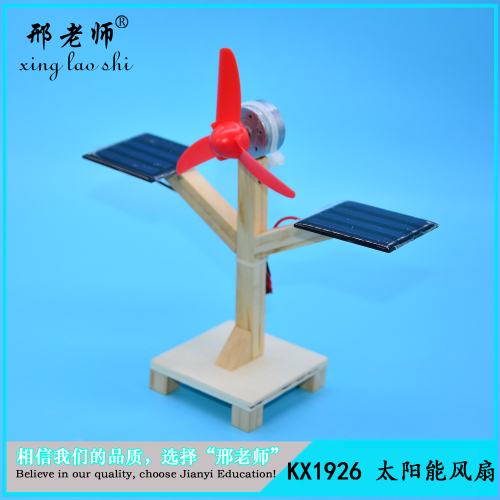
Product Name: KX1926 Solar Fan
Product Code: KX1926
Size: 180*60*172mm
Weight: About 100g
Material: Wood + Motor + Solar Panel + Plastic Components + Wood Glue.
Color: Wooden color
Battery-free: Solar-powered
Packing: 500 pcs
Box Specification: 600*450*550mm
Summer often leads to power shortages, and solar fan is a way to generate electricity by utilizing natural resources—solar energy. The working principle of a solar fan is a solar panel that, as soon as there is light, converts the light into voltage, which is then transmitted to the fan's motor through cables in time. The gear transmission makes the fan spin, and children need a fan in summer, right? But fans need batteries, which can be very power-hungry. Let's make a solar-powered fan instead. Here are the steps to make one: ...
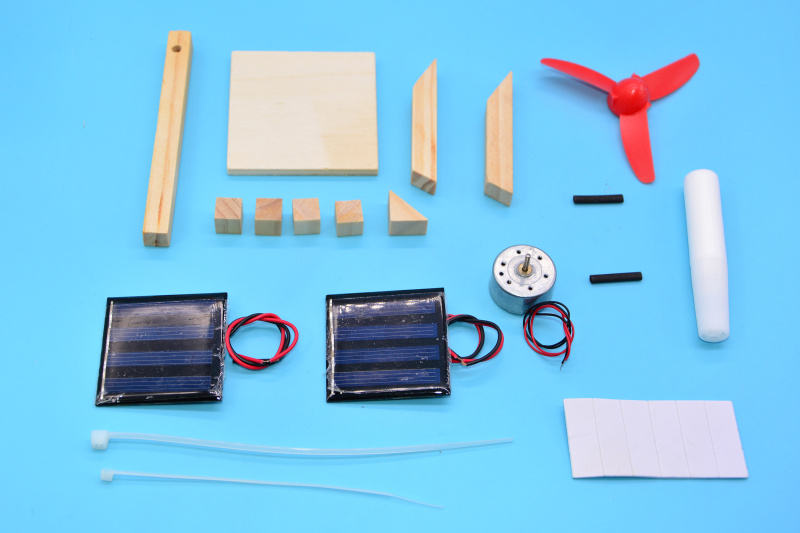
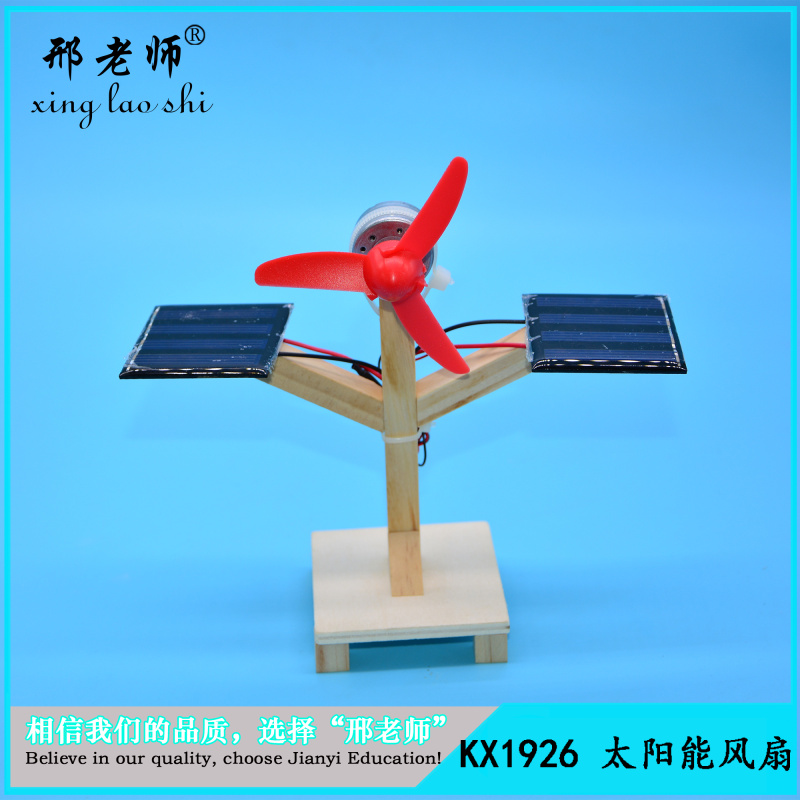
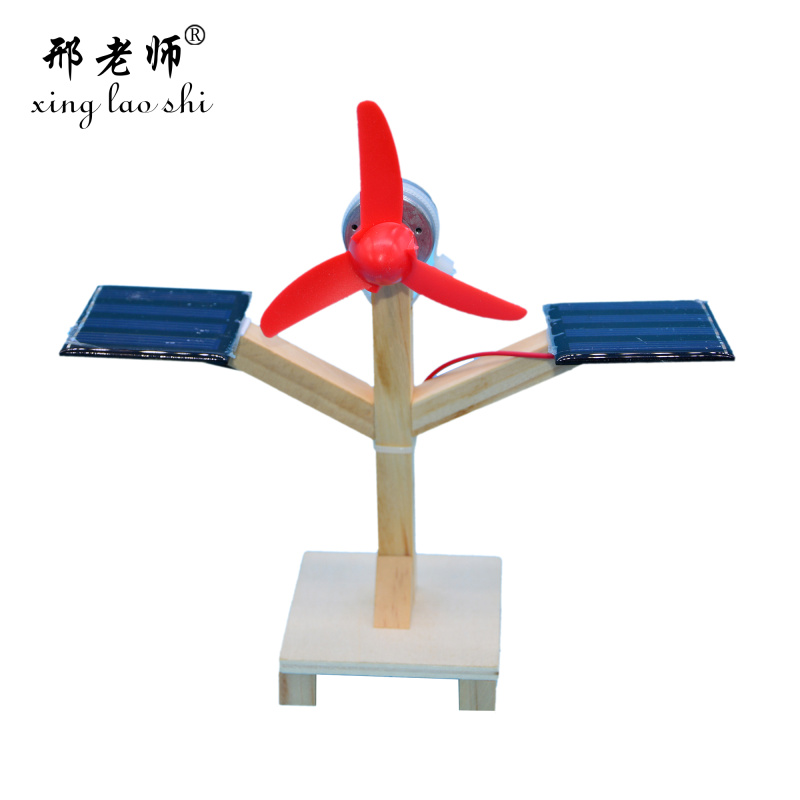
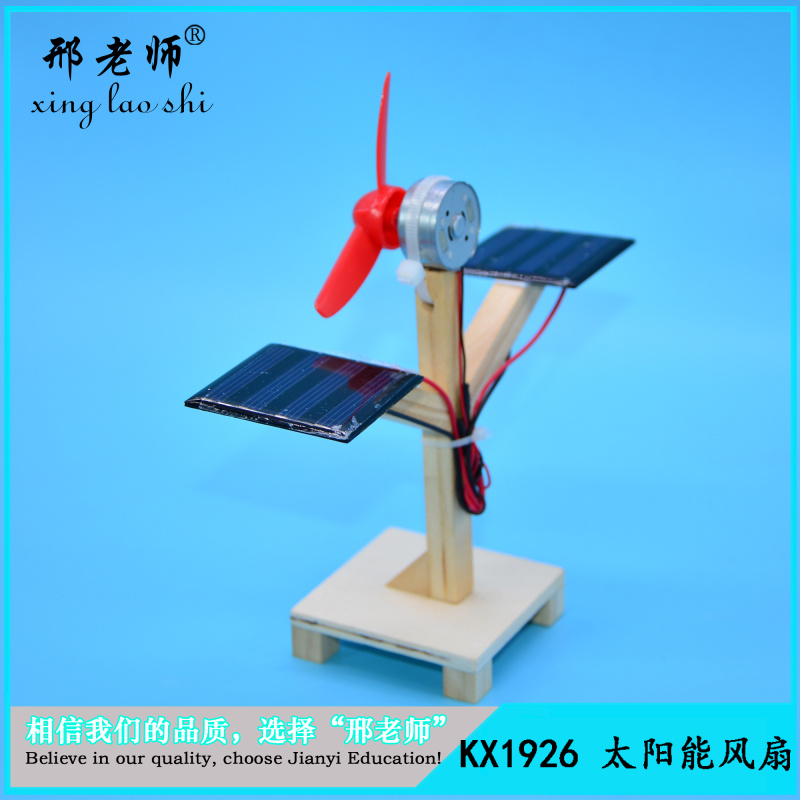
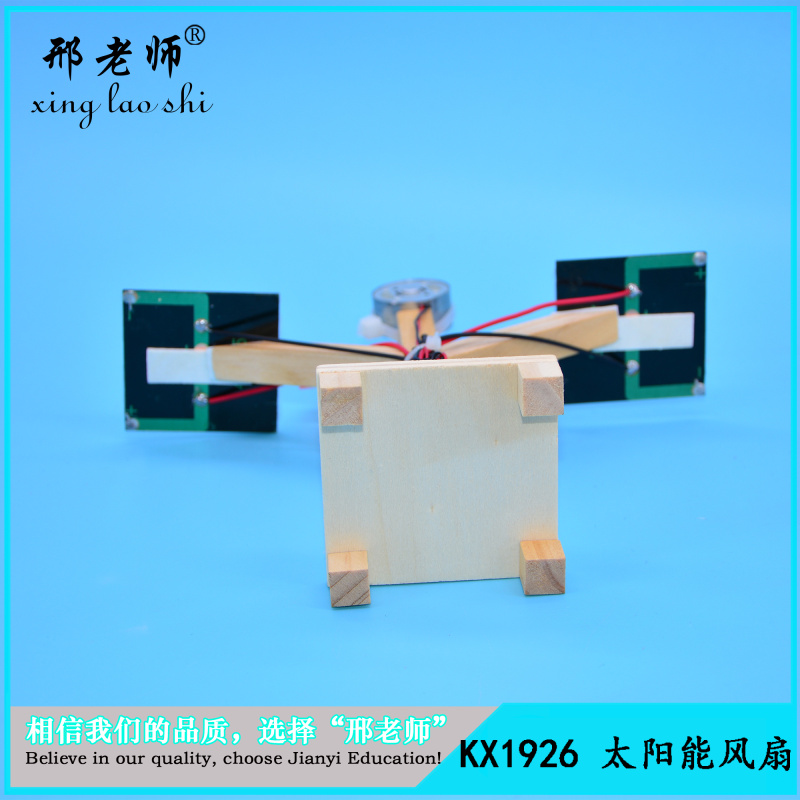
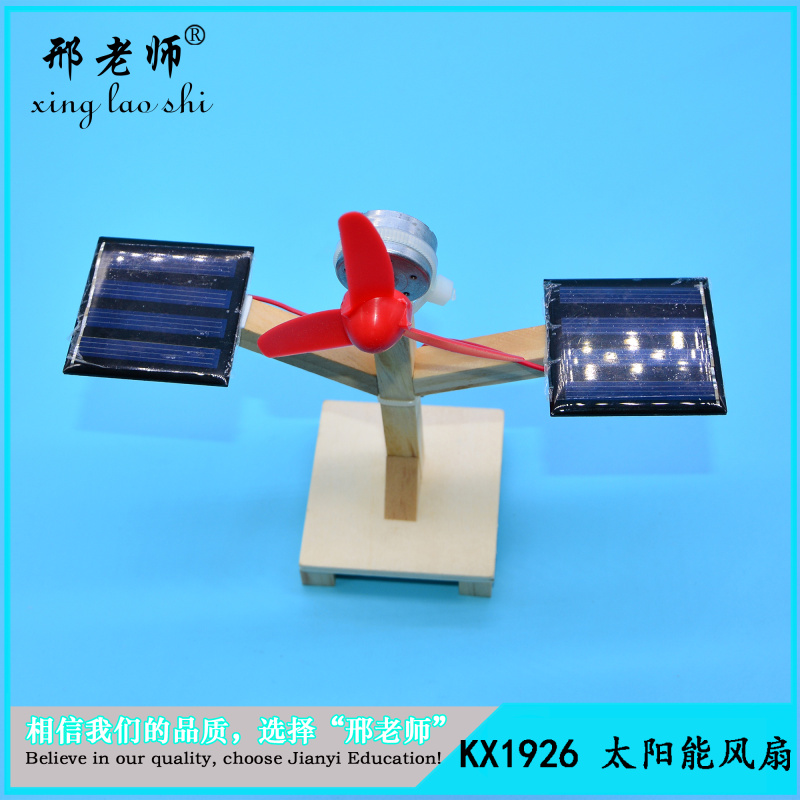
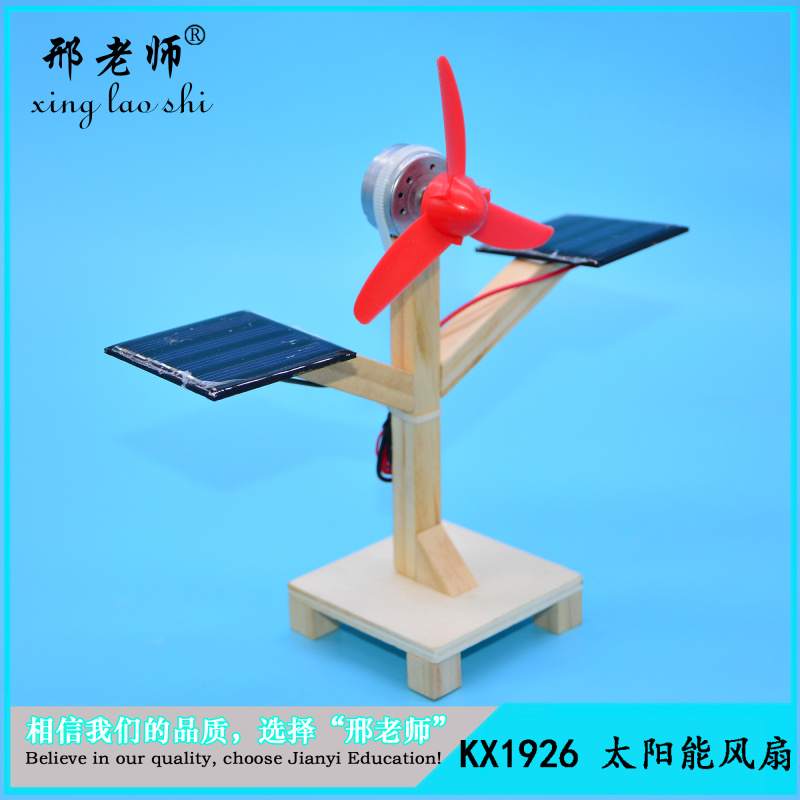
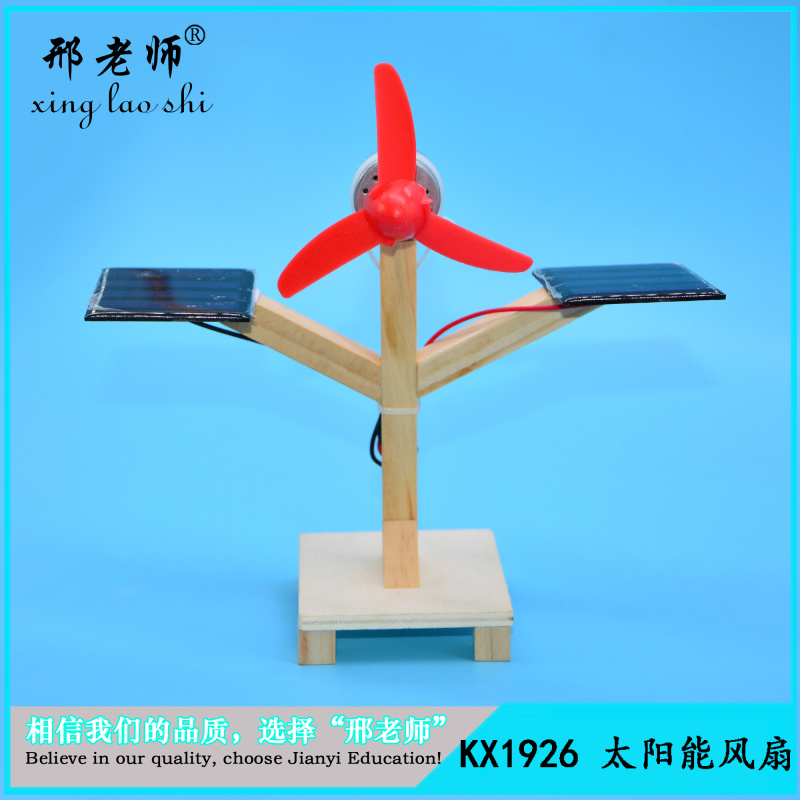
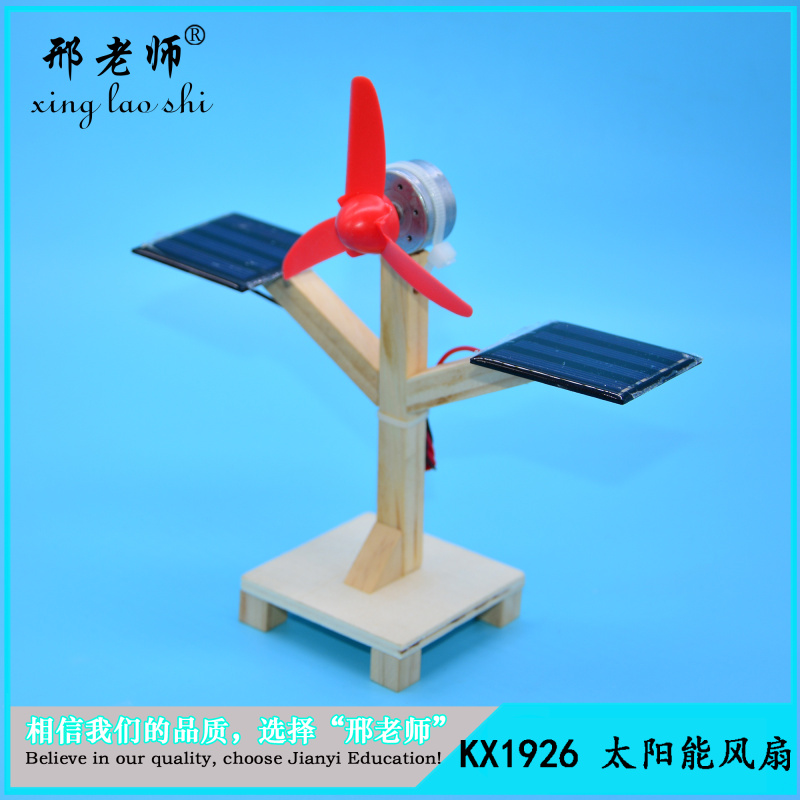
Experimental focus: Understanding the simple configuration principle of a shampoo solar-powered fan.
Experimental Objective: 1. To understand the main components of a solar-powered fan.
2. Understand the role of each component in a solar-powered fan
Experimental Cognition
Solar panels: Solar panels, also known as solar photovoltaic panels, are devices that absorb sunlight and convert solar radiation into electrical energy through photoelectric or photochemical effects, either directly or indirectly. The main material of most solar panels is "silicon," but due to the high production costs, they have not been widely and generally used. Compared to conventional batteries and rechargeable batteries, solar batteries are considered more environmentally friendly and energy-saving green products.
Solar-powered motor: A solar-powered motor includes solar cells, which are designed to generate power from sunlight. This motor converts thermal energy from the solar panels into electrical energy, making it very effective and economical for generating power.
Knowledge Expansion: When sunlight strikes a semiconductor p-n junction, it forms new hole-electron pairs. Under the influence of the electric field at the p-n junction, the holes flow from the n-region to the p-region, and the electrons flow from the p-region to the n-region. Once the circuit is connected, this creates an electric current. This is the working principle of photoelectric effect solar cells.