
Search history
Clear allSearch by image
XDrag and drop an image here or upload an image
Max 5MB per image
UploadSign In | Join

Search history
Clear allSearch by image
XDrag and drop an image here or upload an image
Max 5MB per image
UploadSign In | Join
X Email Mobile
| Number | Unit-price | Total | |||
| I want to buy: | × | 22.0 | = | 0 |


A new item has been added to your Shopping Cart. You now have items in your Shopping Cart.
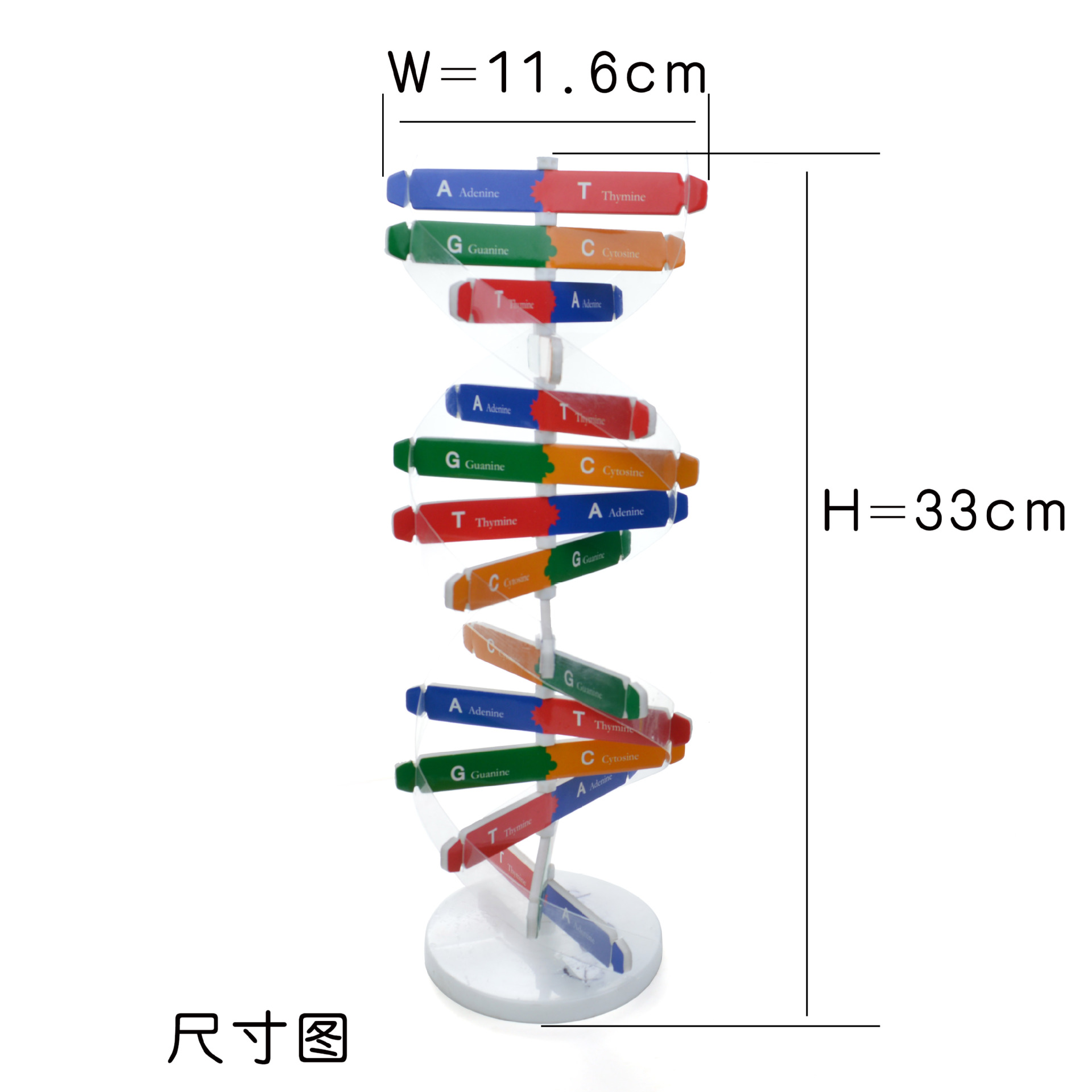
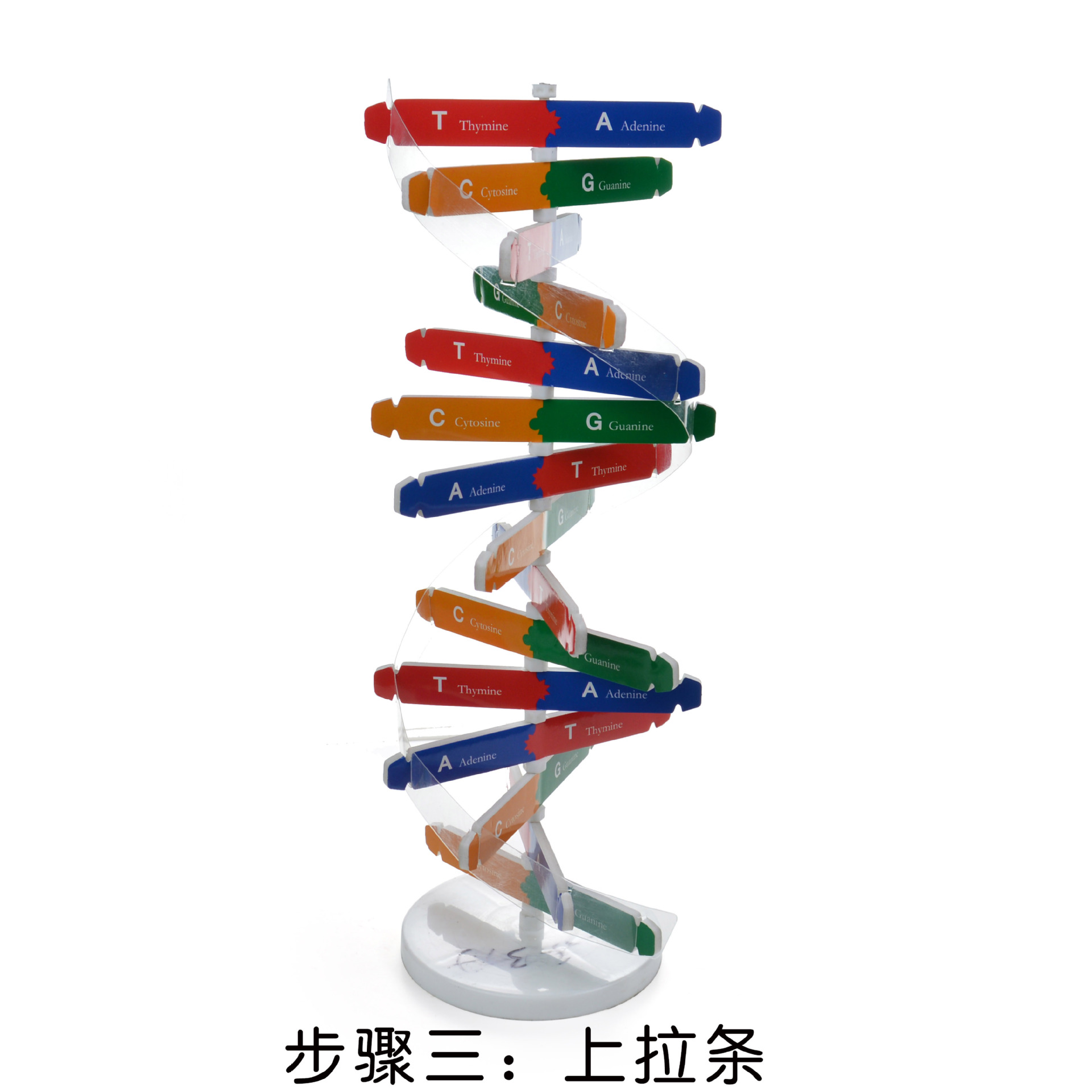
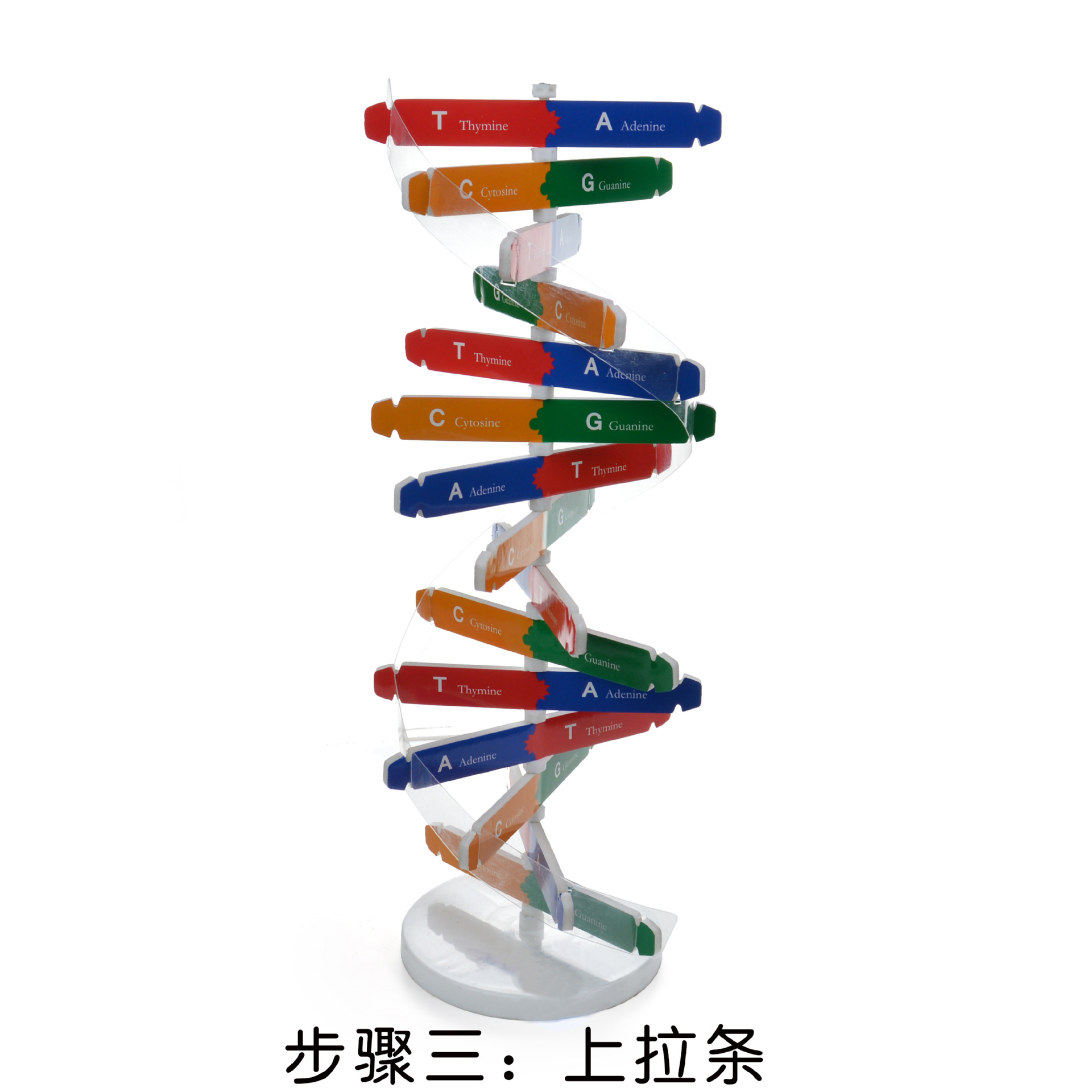
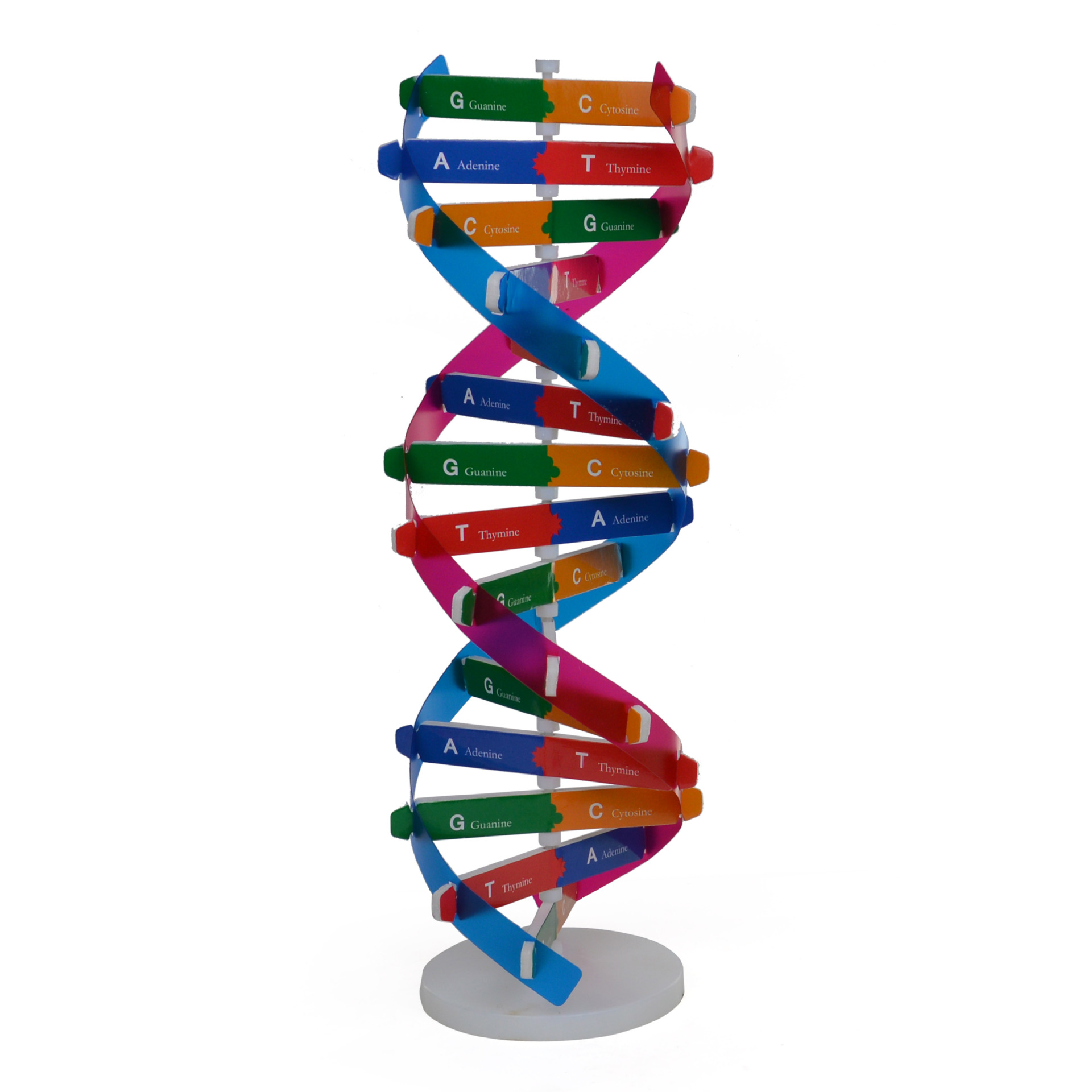
Human DNA Structure Model
Base refers to the derivatives of purines and pyrimidines, which are components of nucleic acids, nucleosides, and nucleotides. The main bases of DNA and RNA are slightly different, with an important distinction being: thymine is the main pyrimidine base in DNA, which is rarely seen in RNA; on the contrary, uracil is the main pyrimidine base in RNA, which is rare in DNA.
In addition to the main bases, there are also some rare bases in nucleic acids with low concentrations. The structures of rare bases are diverse, and most of them are methyl derivatives of the main bases. tRNA often contains more rare bases, and some tRNA contains rare bases reaching 10%. Purine and pyrimidine bases are nearly planar molecules, which are relatively insoluble in water: they have strong absorption in the ultraviolet light region at about 260 nanometers.
Experimental Objective: 1. What is the three-dimensional structure of DNA?
What are the basic units that make up DNA?
What principles do base pairs follow?
Experiment Report:
Rule One: In a double-stranded DNA molecule, A equals T, G equals C. That is, A+G equals T+C or A+C equals T+G.
5 types of nucleotides
5 types of nucleotides
In other words, the total number of purine bases equals the total number of pyrimidine bases, each accounting for 50% of the total number of bases.
Rule 2: In a double-stranded DNA molecule, the ratio of the sum of the complementary base pairs to the ratio of each single strand of the DNA molecule is equal. (A1+A2+T1+T2)/(G1+G2+C1+C2) = (A1+T1)/(G1+C1) = (A2+T2)/(G2+C2).
Rule 3: In a DNA molecule, the sum of the ratios of unpaired bases in one strand to the complementary strand is equal to the reciprocal of this ratio, that is, the ratio of one strand equals the reciprocal of the ratio of the complementary strand. (A1+G1)/(T1+C1)=(T2+C2)/(A2+G2).
Rule 4: In double-stranded DNA molecules, the ratio of the two complementary bases to the total base ratio equals the ratio of any one strand to the base ratio, and it equals the ratio of the transcription-formed mRNA to the base ratio. That is, the double-stranded (A+T)% or (G+C)% = any single-stranded (A+T)% or (G+C)% = the mRNA (A+U)% or (G+C)%.
Rule 5: The ratio of the sum of complementary base pairs in the DNA molecules of different organisms (A+T)/(G+C) is different, representing the specificity of each organism's DNA.


Update time:


TOP


