
Search history
Clear allSearch by image
XDrag and drop an image here or upload an image
Max 5MB per image
UploadSign In | Join

Search history
Clear allSearch by image
XDrag and drop an image here or upload an image
Max 5MB per image
UploadSign In | Join
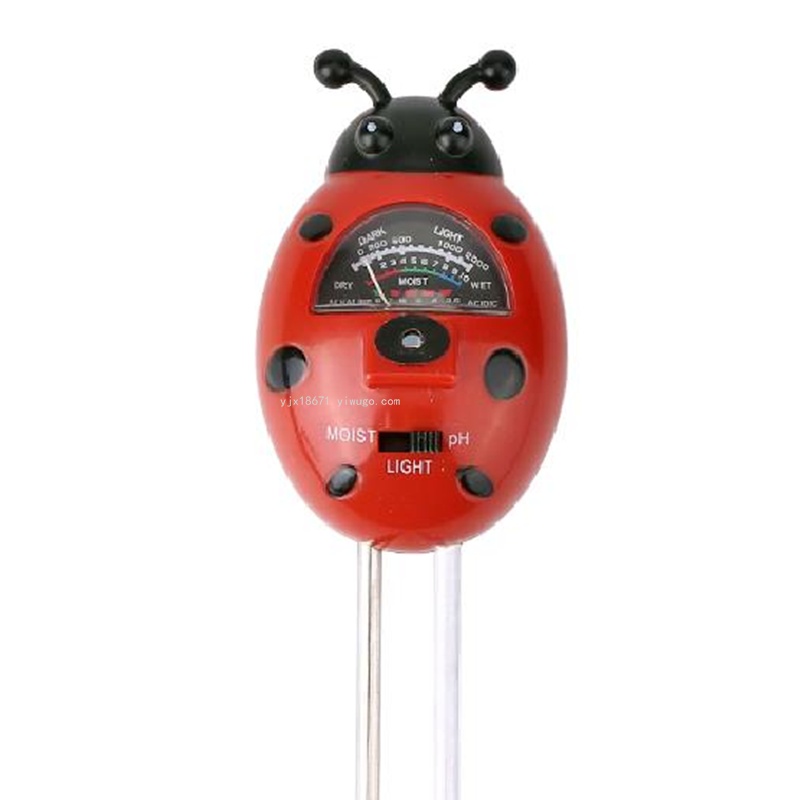
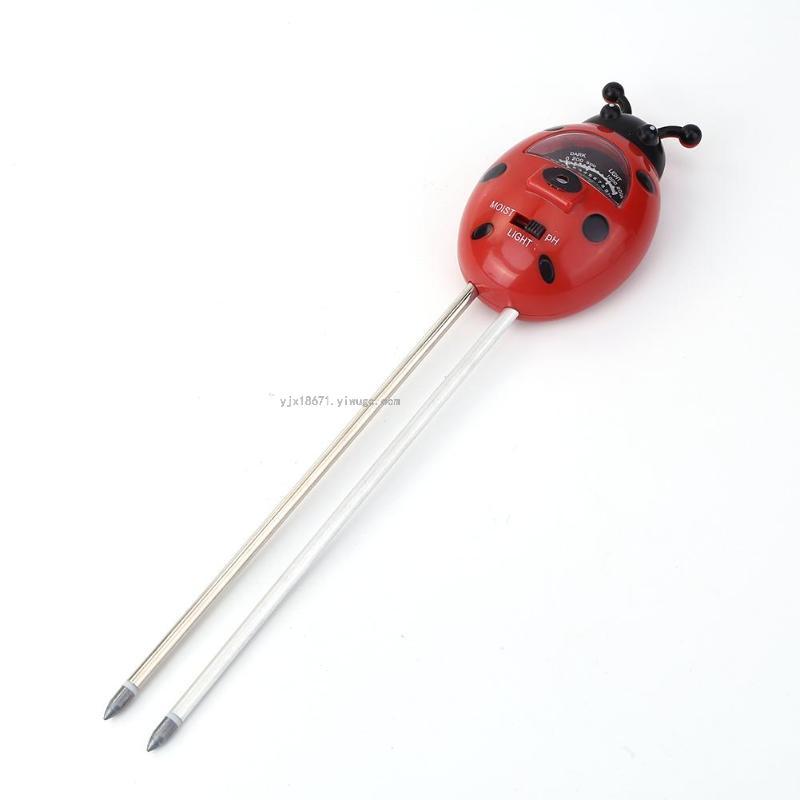
This instrument is a great helper for gardening, capable of testing the pH value (acidity and alkalinity), soil moisture, and light intensity. It does not require batteries. The probe is approximately 17cm long.
Instructions for Use:
When measuring soil pH and moisture, insert the probe as deeply as possible into the soil, leaving about 1 centimeter of the probe above the soil surface.
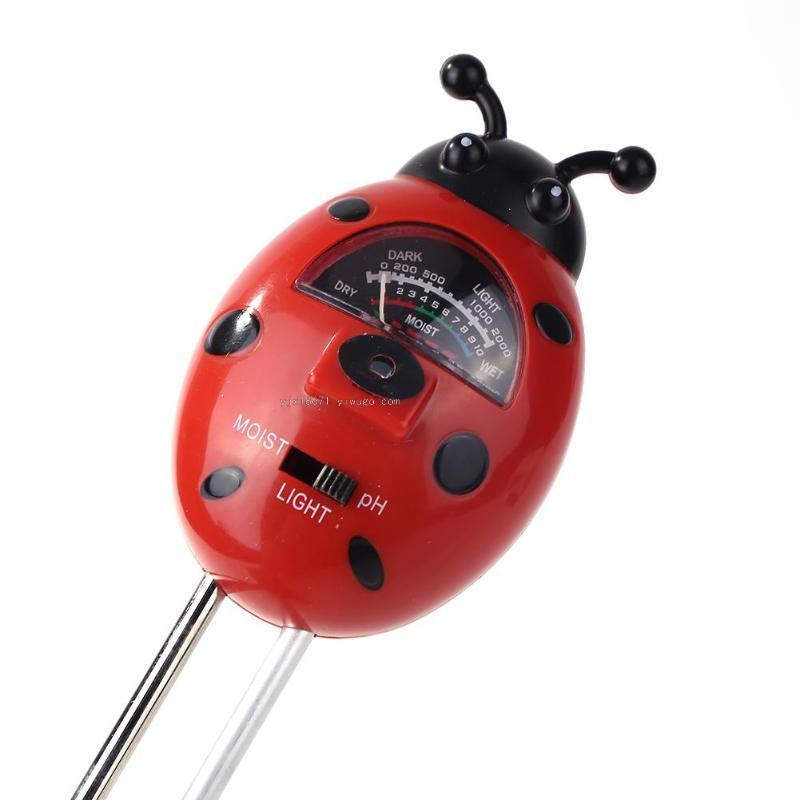
Press the button on the pen to MOIST, MOIST is the moisture key, corresponding to the table is MOIST, DRY is dry, WET is wet, the value of 1-3 (red part) indicates that it needs to water, 4-7 (green part) is appropriate, please adjust the watering time according to the plant variety, 8-10 (blue part) indicates that it is too wet.
Press the button on the pen to PH, PH is the acid-base degree key, corresponding to the value of 8-3.5 on the table, ALKALINE is alkaline, ACDIC is acid, the value of 7 is basically neutral, the smaller the number indicates the greater acidity, please adjust the soil acid-base degree according to the plant species.
The LIGHT key represents the light intensity, with a measurement range of 0-2000 lumens. The higher the number, the stronger the light. Please determine whether to provide shade based on the plant variety.
When using the device, be careful not to touch the stone when inserting the electrode, and do not apply excessive force, or it may easily damage the electrode. After use, clean the electrode.
What is the range of soil pH for common crops?
Soil pH has a significant impact on the availability of plant nutrients, soil structure, and crop growth. Firstly, organic nutrients in the soil must undergo microbial activity to transform them into available nutrients for plant absorption. Most of the microorganisms involved in organic matter decomposition thrive in an environment close to neutral, which is why the availability of soil nutrients is generally optimal when the soil is close to neutral. Secondly, soil pH also affects soil structure. In acidic soils, the concentration of hydrogen ions can lead to a reduction in the amount of exchangeable cations, which is important for maintaining soil structure.Calcium ions are leached out, so acidic soils are prone to compaction. While alkaline soils contain a large amount of replaceable sodium ions and hydroxide ions, which cause soil particles to disperse, leading to compaction after drying, causing poor structural quality of the alkaline soil. In addition, soil pH is also closely related to plant growth. In nature, some plants have strict requirements for soil pH conditions, and they can only grow within a certain pH range. These plants can serve as indicators for soil pH, hence they are called indicator plants. For example, rhododendron can only grow on acidic soil and is an indicator plant for acidic soil; Cypress is an indicator plant for calcareous soil, and Salsola is an indicator plant for alkaline soil. Different cultivated plants also have different pH ranges suitable for growth (see the following table), knowing their respective growth ranges, we can adapt to local conditions and choose suitable crops to plant according to soil pH; or according to the crop, adjust the soil pH to the appropriate range.
Main crop growth soil pH
Crop Name pH Crop Name pH Crop Name pH
Rice 6.0-7.0 Peanuts 5.0-6.0
Wheat 6.0-7.0 Watermelon 6.0-7.0
Corn 6.0-7.0 Tea 5.0-5.5 Cabbage 6.0-7.0
Soybeans 6.0-7.0 Potatoes 4.8-5.4 Tomatoes 6.0-7.0
Sugarcane 6.0-8.0, oranges and mandarins 5.0-7.0, pumpkins 6.0-8.0
Sweet Potato 6.0-6.0, Lychee 6.0-7.0, Cucumber 6.0-8.0
Update time:


TOP


