
Search history
Clear allSearch by image
XDrag and drop an image here or upload an image
Max 5MB per image
UploadSign In | Join

Search history
Clear allSearch by image
XDrag and drop an image here or upload an image
Max 5MB per image
UploadSign In | Join
X Email Mobile
 sakyamuni buddha club map
|
¥280000.0 | 1 pair available |
|
 sakyamuni buddha
|
¥19900.0 | 1 pair available |
|
 heart sutra scroll
|
¥5200.0 | 1 pair available |
|
 heart sutra with picture
|
¥3600.0 | 1 pair available |
|
 mogao grottoes rebound pipa
|
¥1680.0 | 2 pair available |
|
 mogao grottoes support bodhisattva
|
¥1680.0 | 2 pair available |
|


A new item has been added to your Shopping Cart. You now have items in your Shopping Cart.
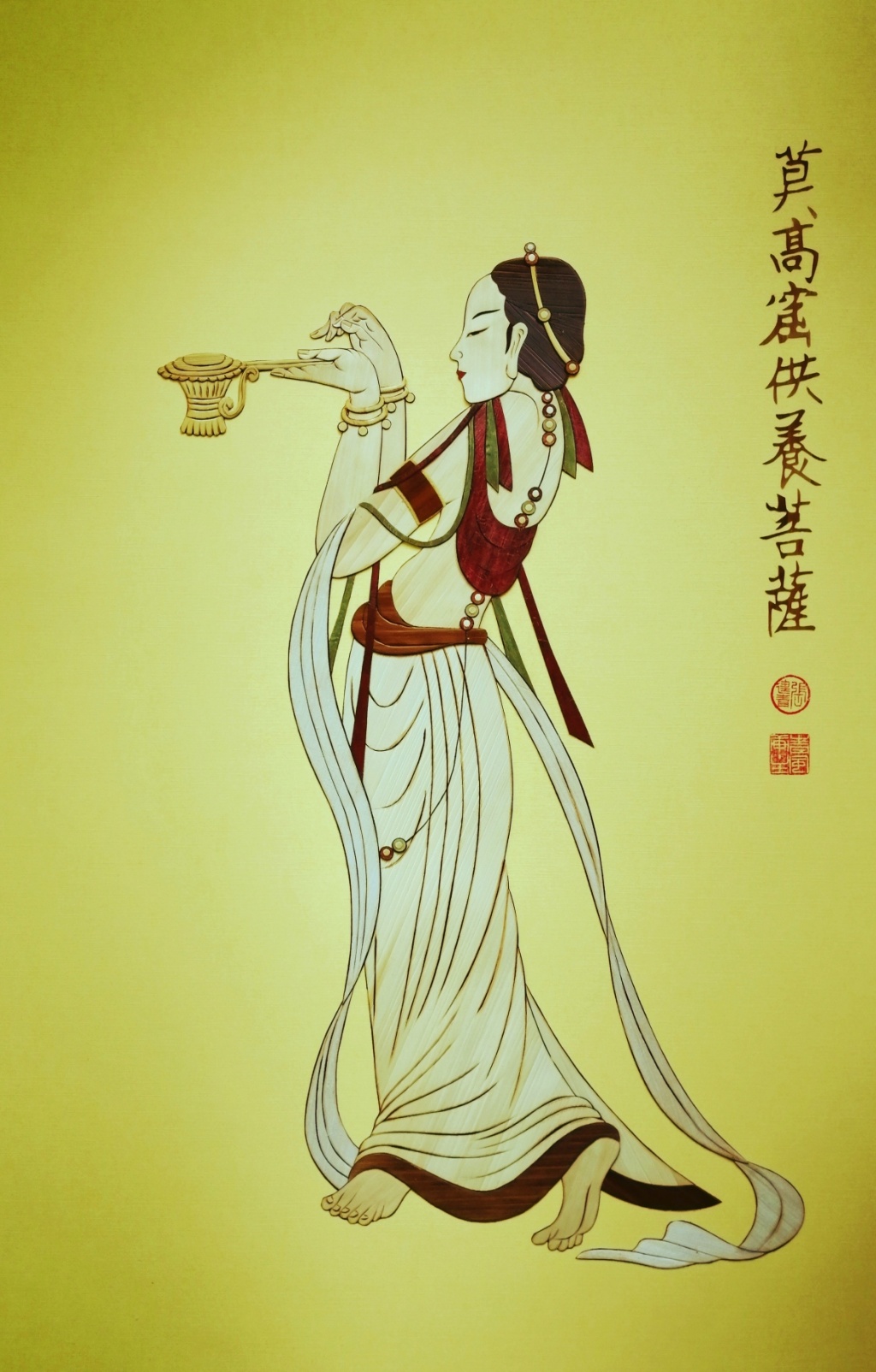
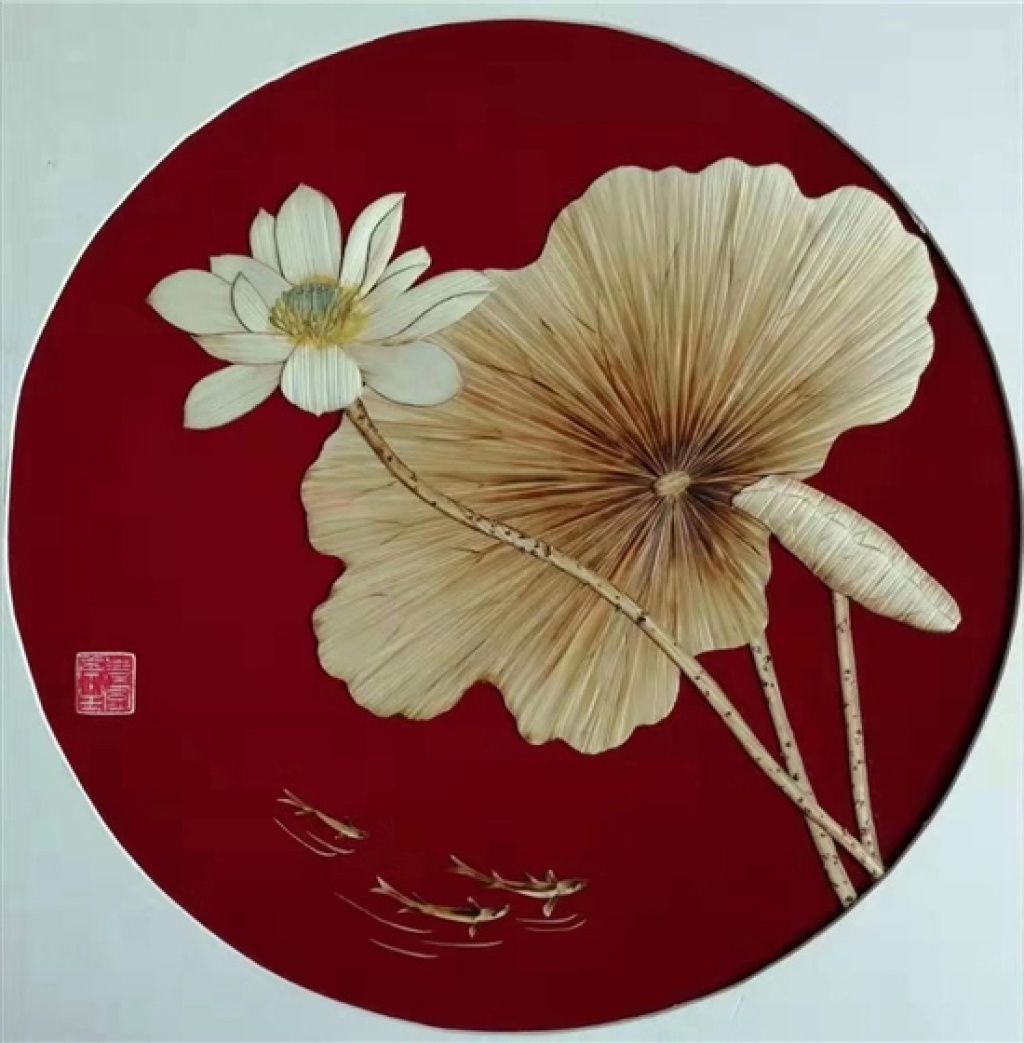
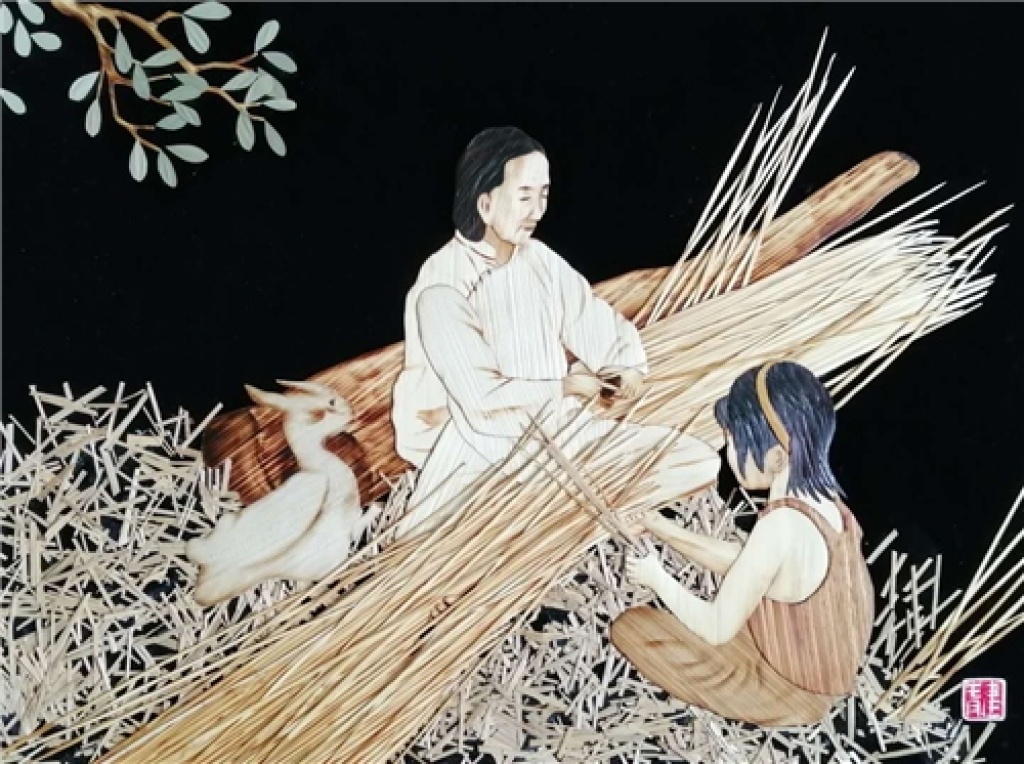
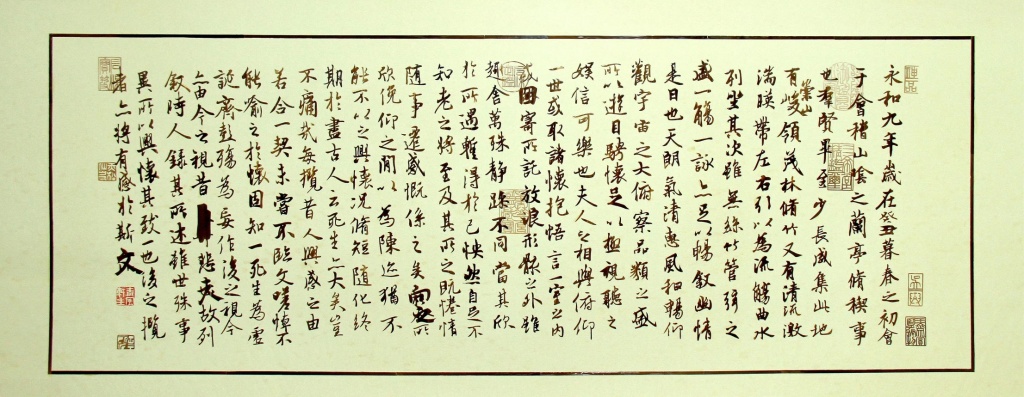
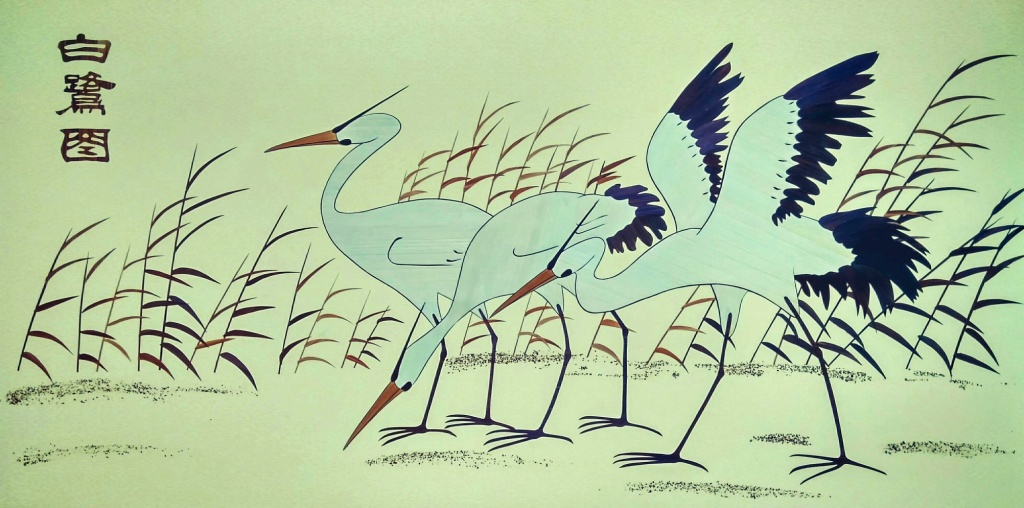
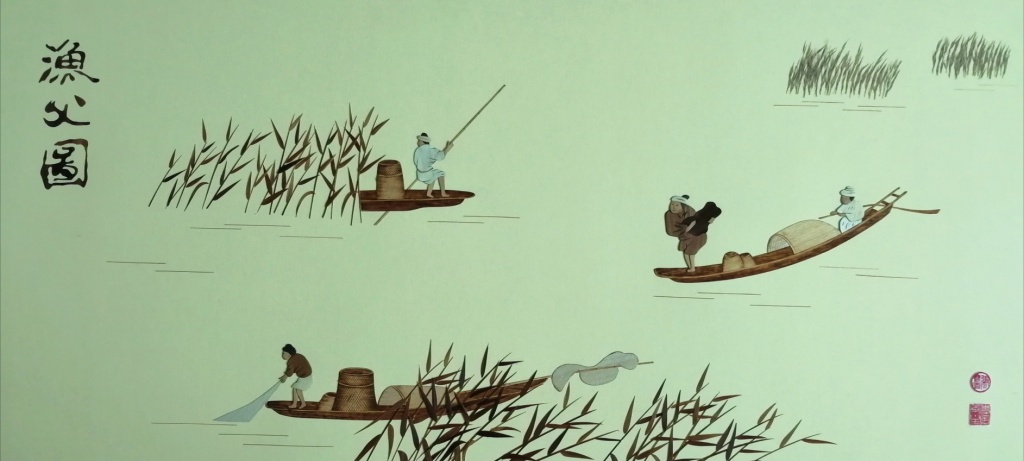
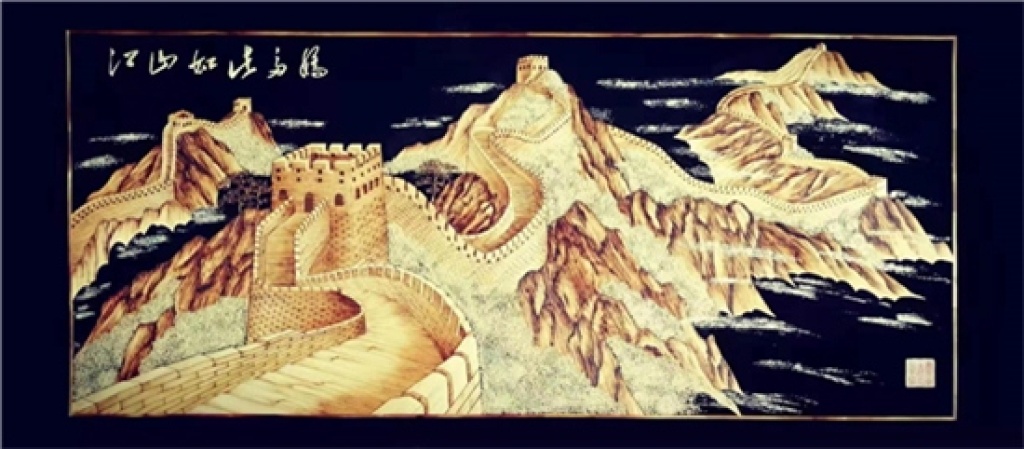
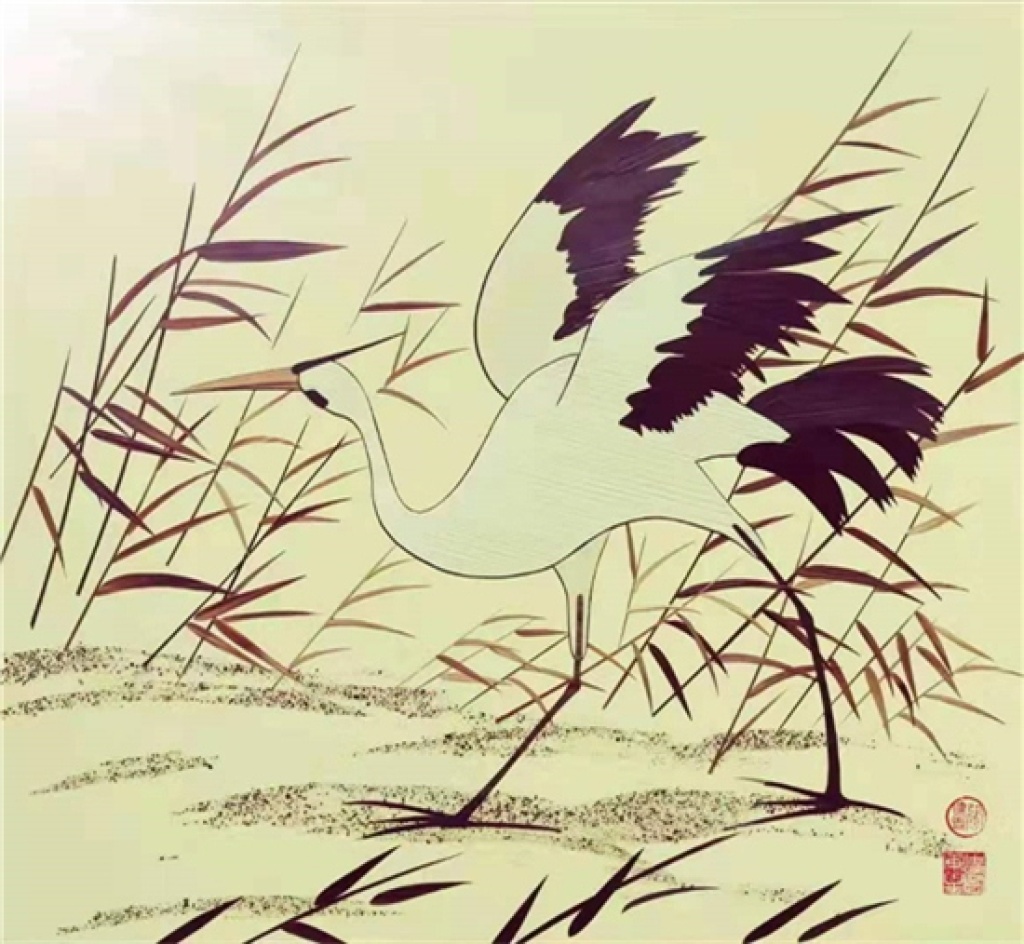
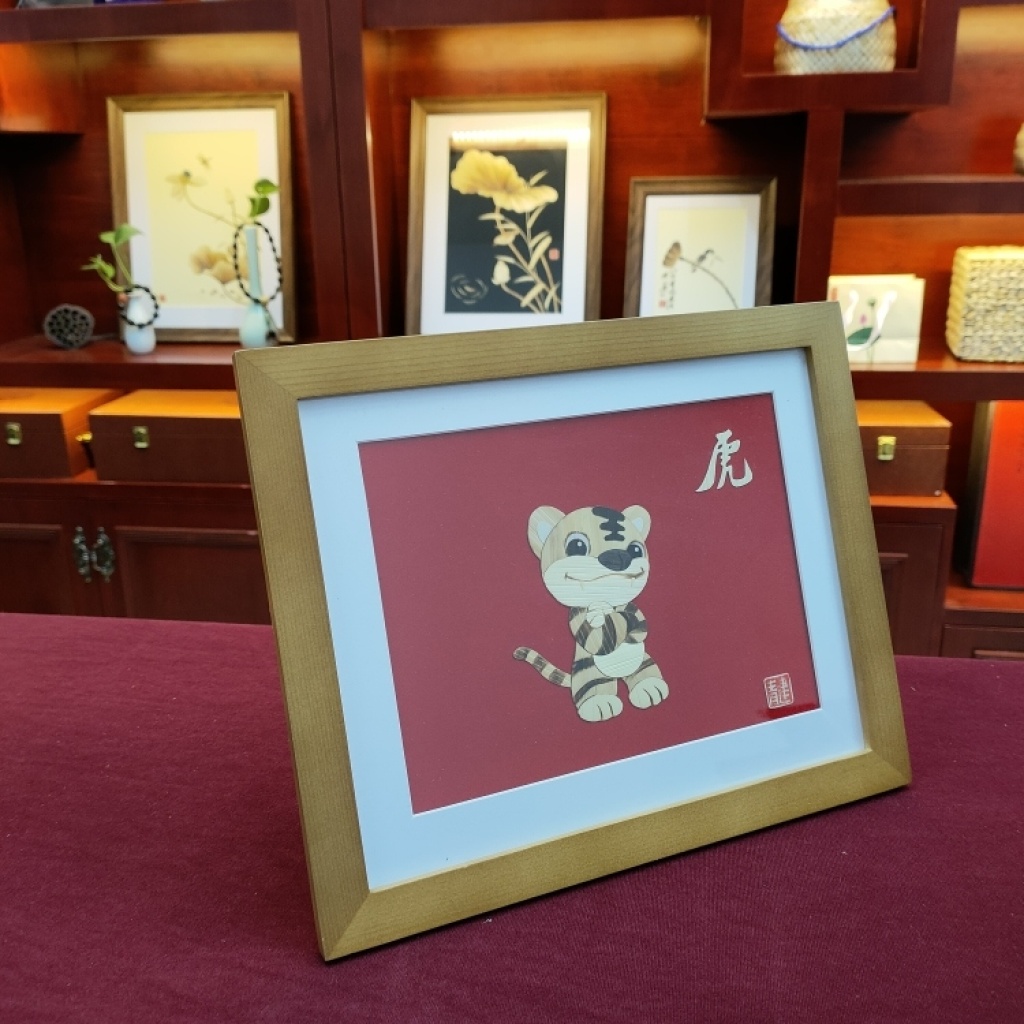
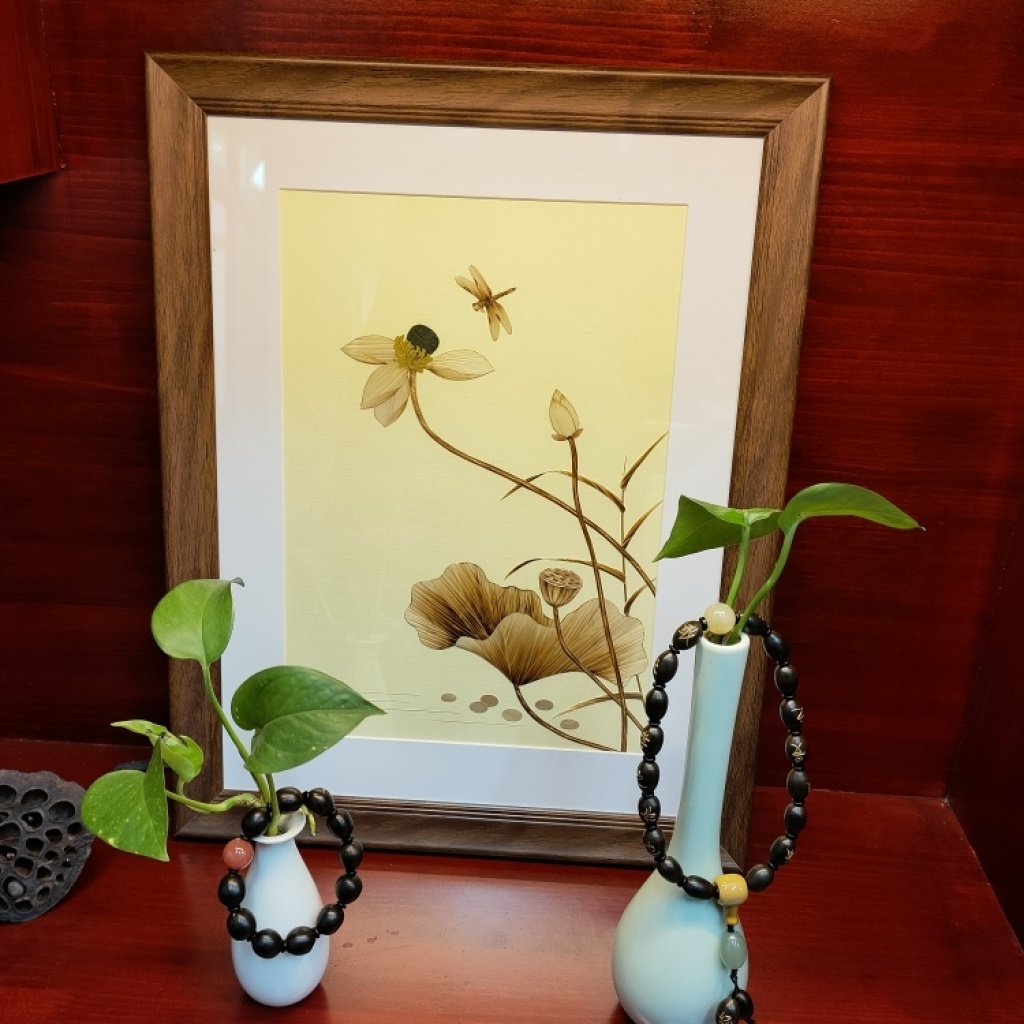
 There is an ancient story: a single reed boat carries Bodhidharma, and ten thousand scrolls of scriptures benefit all beings." The reed - opens the reed flower, shows five leaves, is born with Buddha nature. Reed painting is a rare flower among the fine traditional folk arts of China. It is said to have begun in the Tang Dynasty, flourished in the Song Dynasty, and become popular in the Ming and Qing dynasties. However, due to various reasons, it once faced the risk of extinction. Reed painting inheritor Zhang Jianqing, on the basis of inheriting the excellent cultural traditions of the older generation of folk artists, boldly innovates and improves the production process with modern special tools, inventing the reed painting through carving and lining velvet paper technology, creating reed paintings that combine both traditional artistic beauty and modern life breath. It makes full use of the natural luster and material of natural reeds to portray the vivid life of heaven and earth, wind and rain, flowers and birds, fish and insects, characters and scenery, flowers and animals, etc., skillfully winning the favor of nature. In terms of creation, she boldly absorbed a variety of artistic performance forms such as traditional Chinese painting, woodcut, paper-cutting, oil painting, and burning painting, presenting the unity of heavenly interest and the exquisite artistic conception. In terms of painting style, it takes the folk traditional craft as the foundation and strives for the characteristics of the times; in terms of color use, it takes the natural color of reeds as the main tone, accentuated with a little bright color and rich changes, with red and black as the background color, making it a whole, eye-catching and atmospheric. The production is exquisite, the color is bright, the appearance is realistic, giving people a return to the original art enjoyment. "From the material to the creation of the vivid reed painting, through the initial processing such as cutting, drying, drying, scraping, grinding, scalding, moistening, and then flatting, polishing, splicing, adhering, coloring, and other more than 30 processes are carefully woven into a whole, which is completely handmade, and a little carelessness will lead to failure. If you don't have patience to do such work, it is impossible to complete." Zhang Jianqing seriously said. Through continuous exploration, the reed paintings created by her gradually attracted people's attention with their realistic images, and more and more people came to visit her reed paintings. Keeping the skill, what is kept is not a picture, but the history and culture carried by the skill in the process of inheritance; what is kept is the vitality given by the weaving and heating; what is kept is the inheritance and promotion of traditional culture by the craftsman. Keeping the skill, what is kept is not a picture, but the history and culture carried by the skill in the process of inheritance; what is kept is the vitality given by the weaving and heating; what is kept is the inheritance and promotion of traditional culture by the craftsman.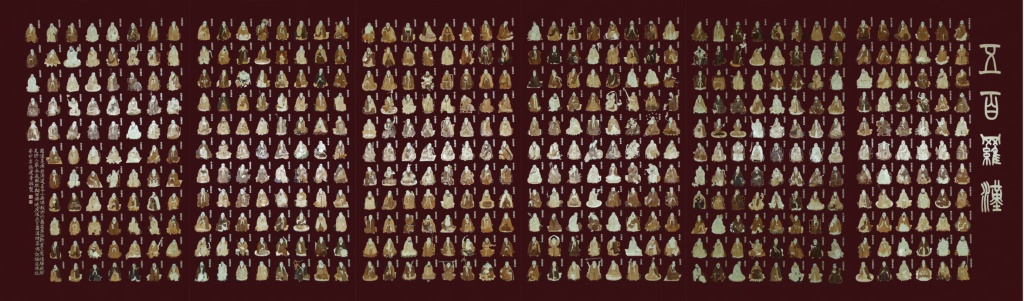
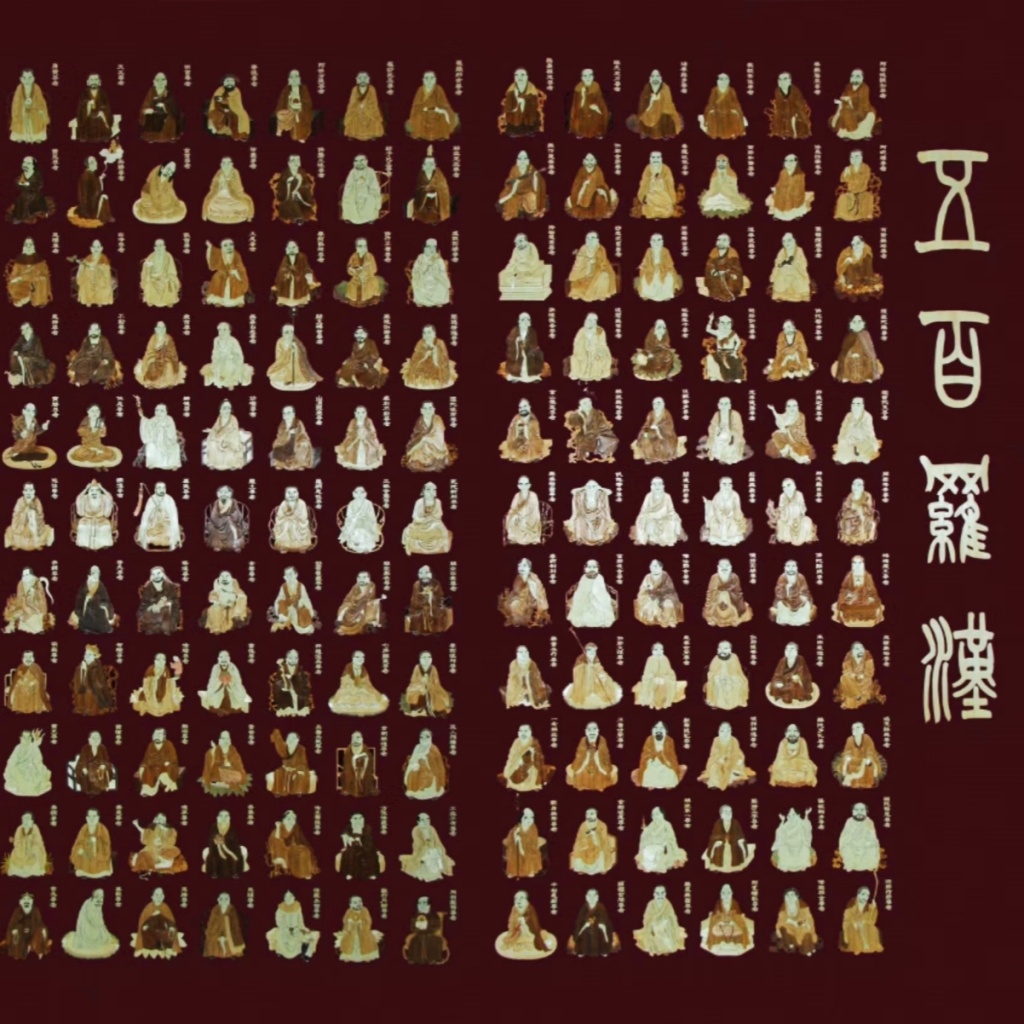
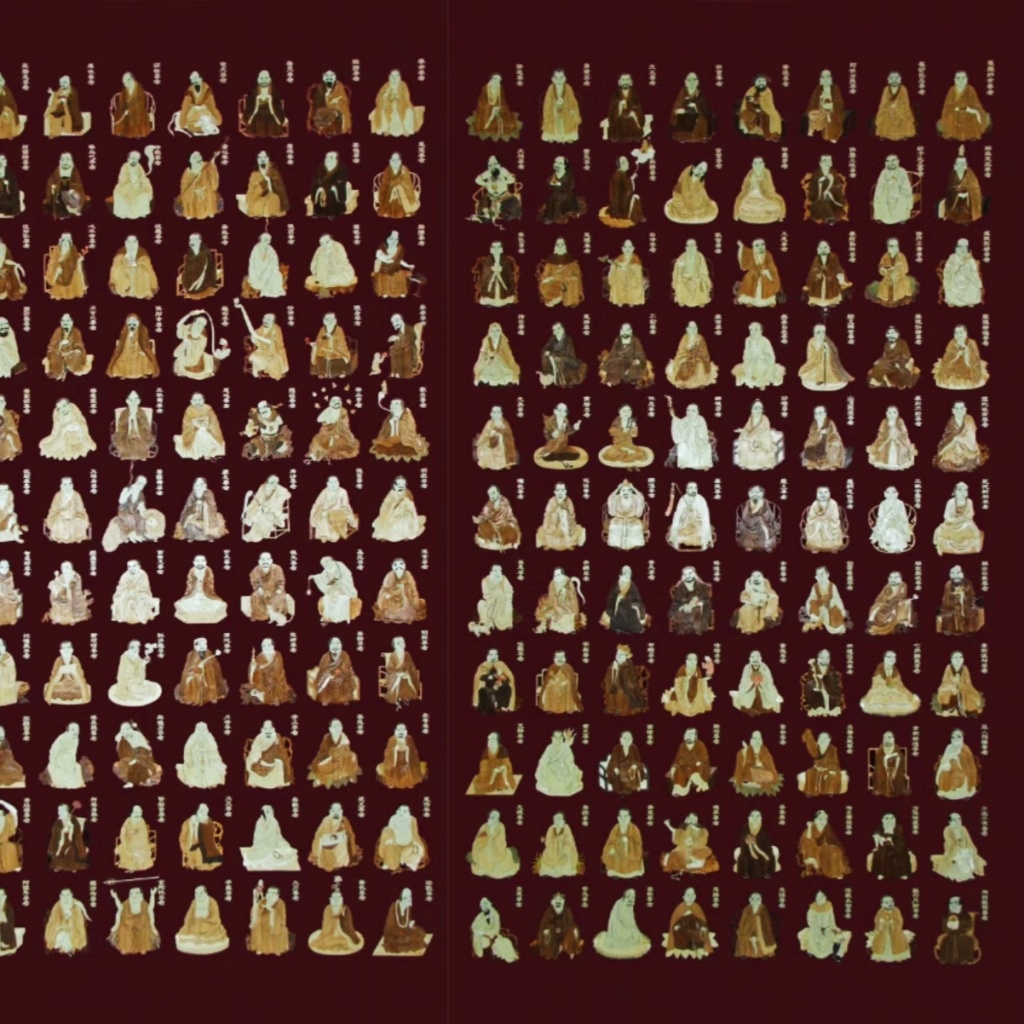
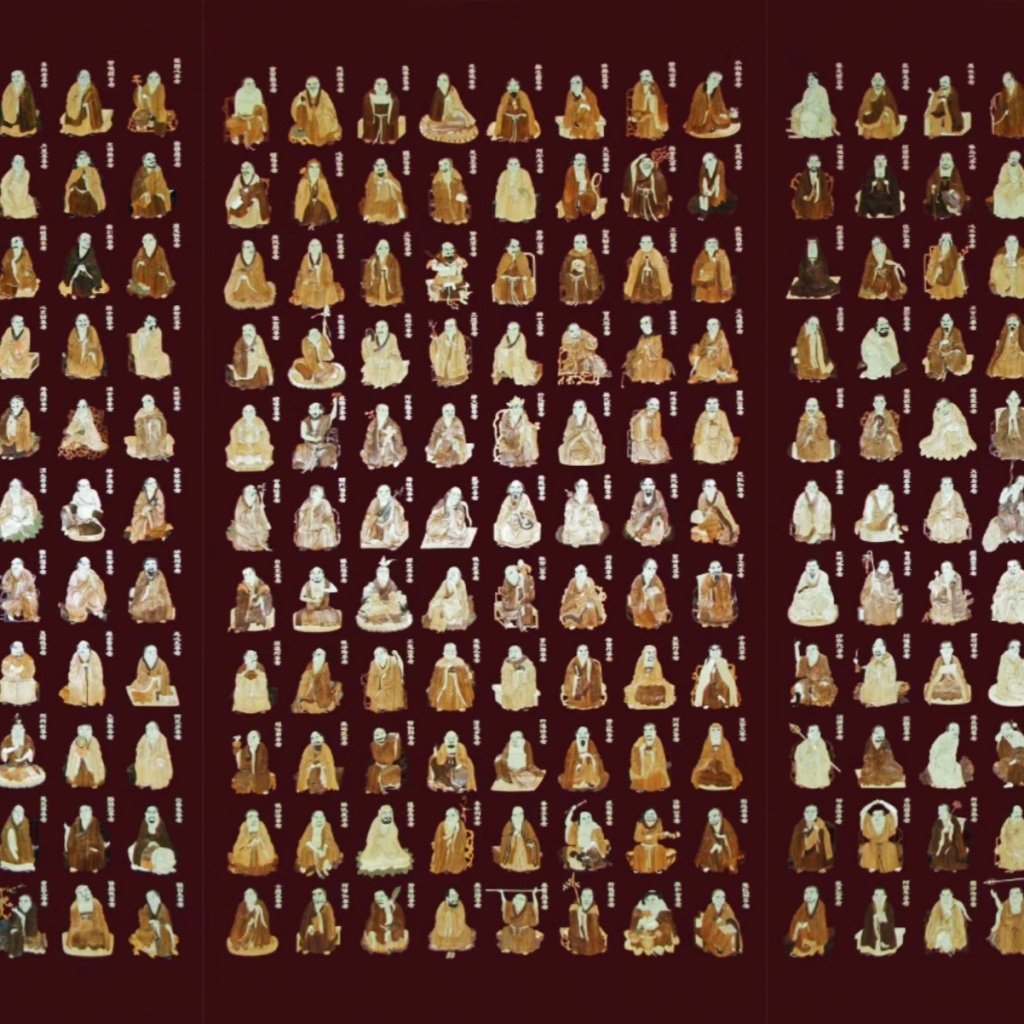
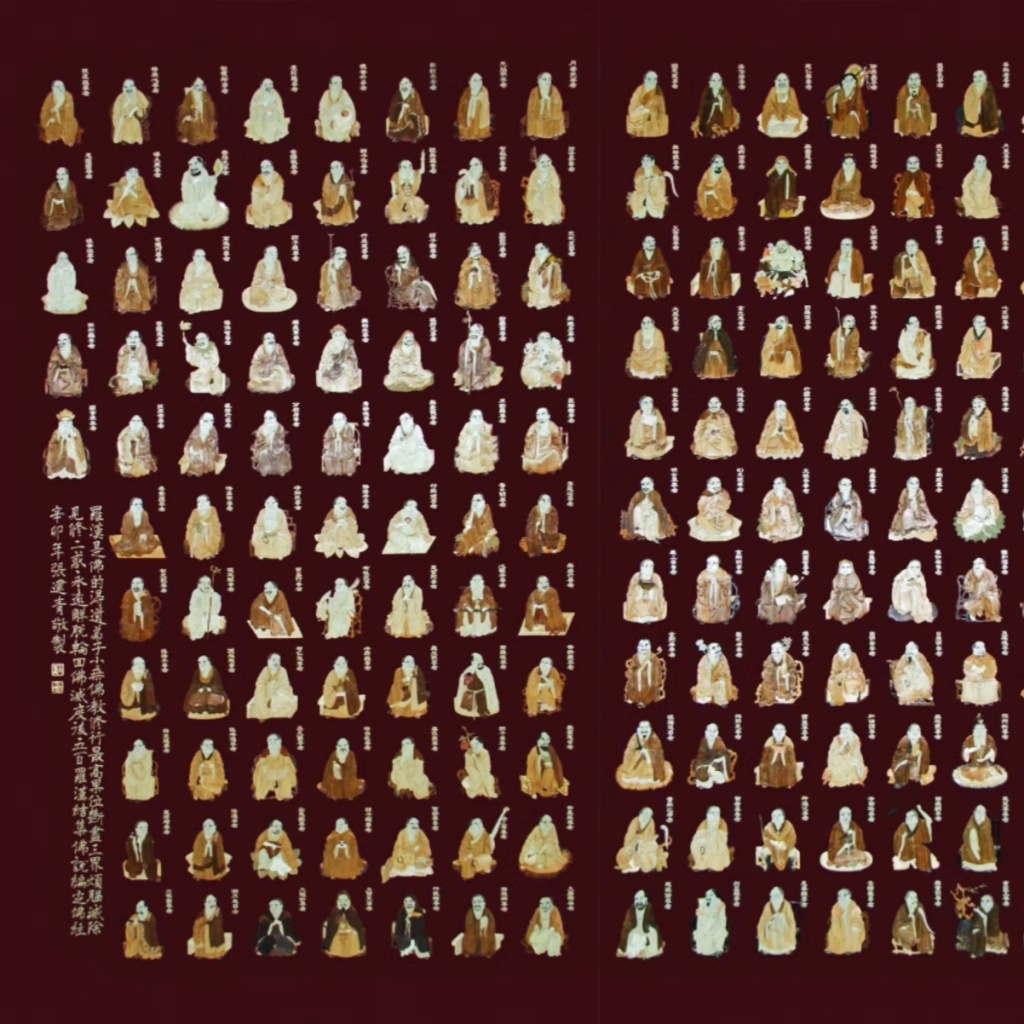
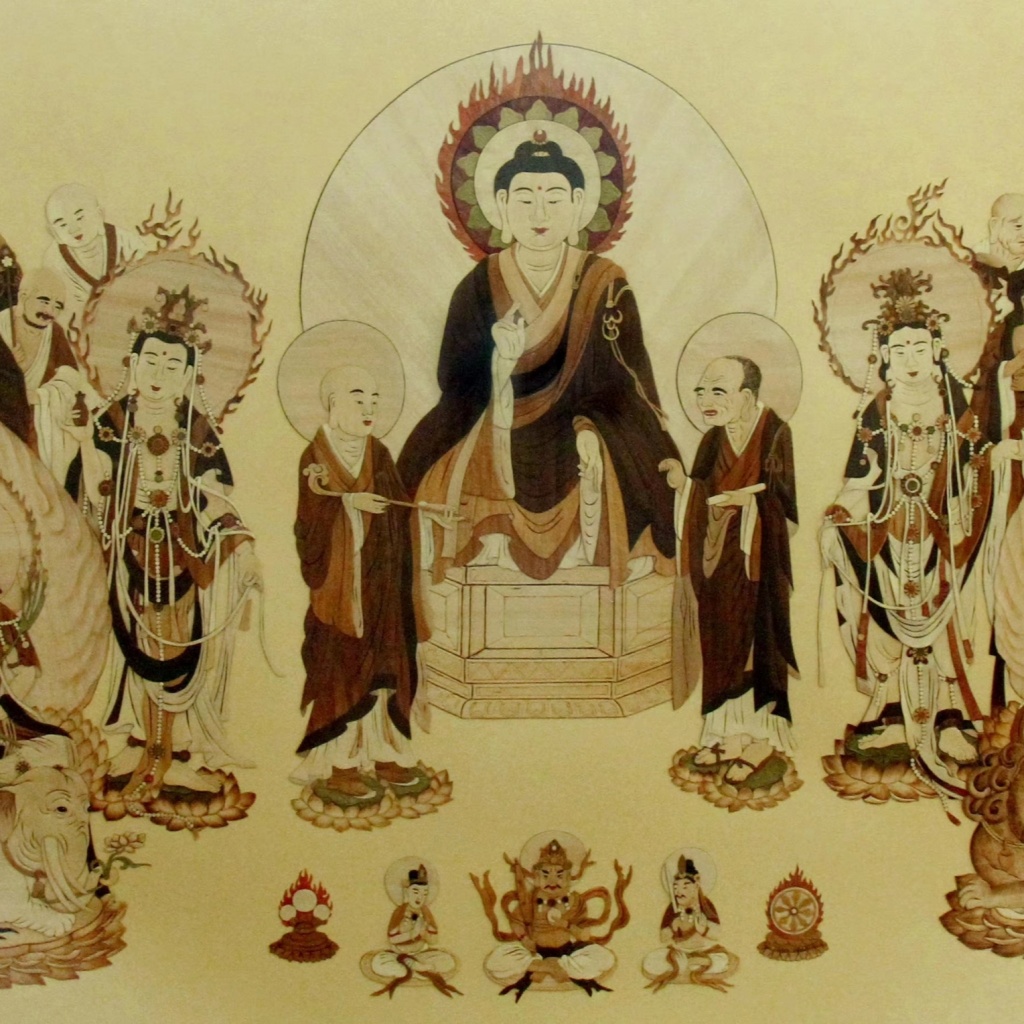
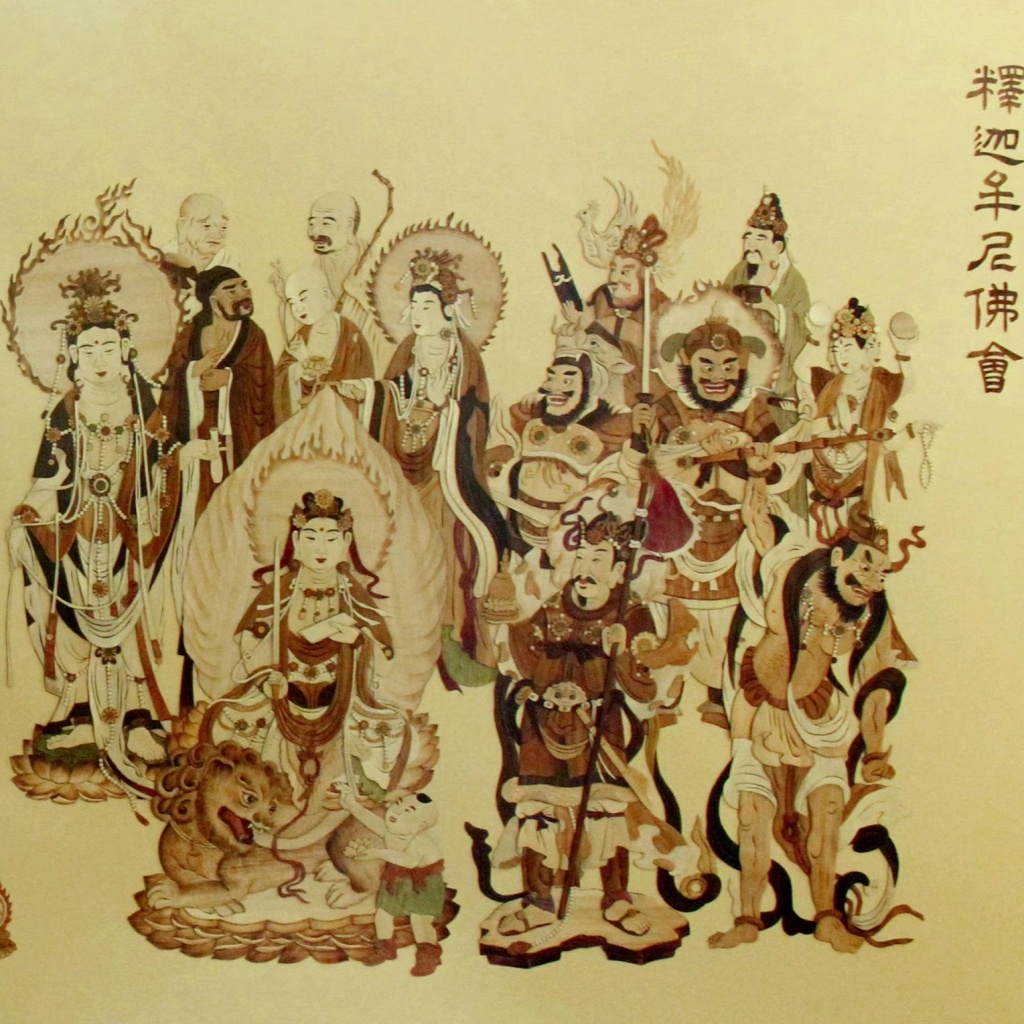
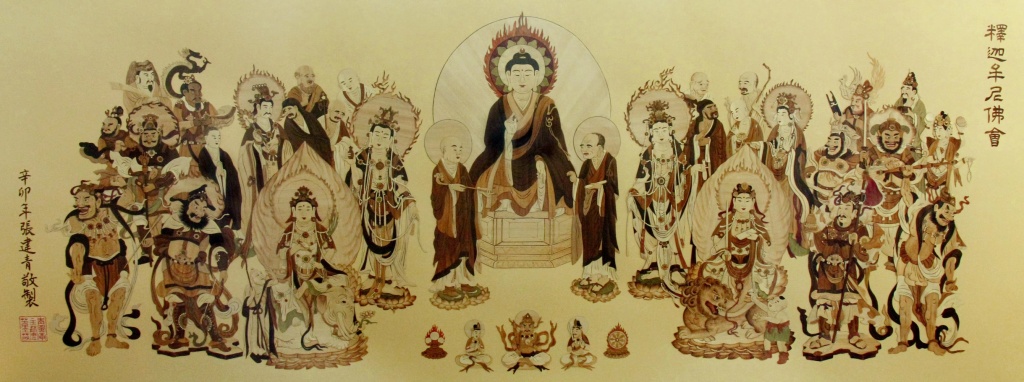 The Buddha Shakyamuni's Meeting with the Disciples (Unique Piece) measures 195cm wide and 78cm high, inspired by the work of Zhang Shengwen from the Dali Kingdom. Asking price: 280,000 yuan.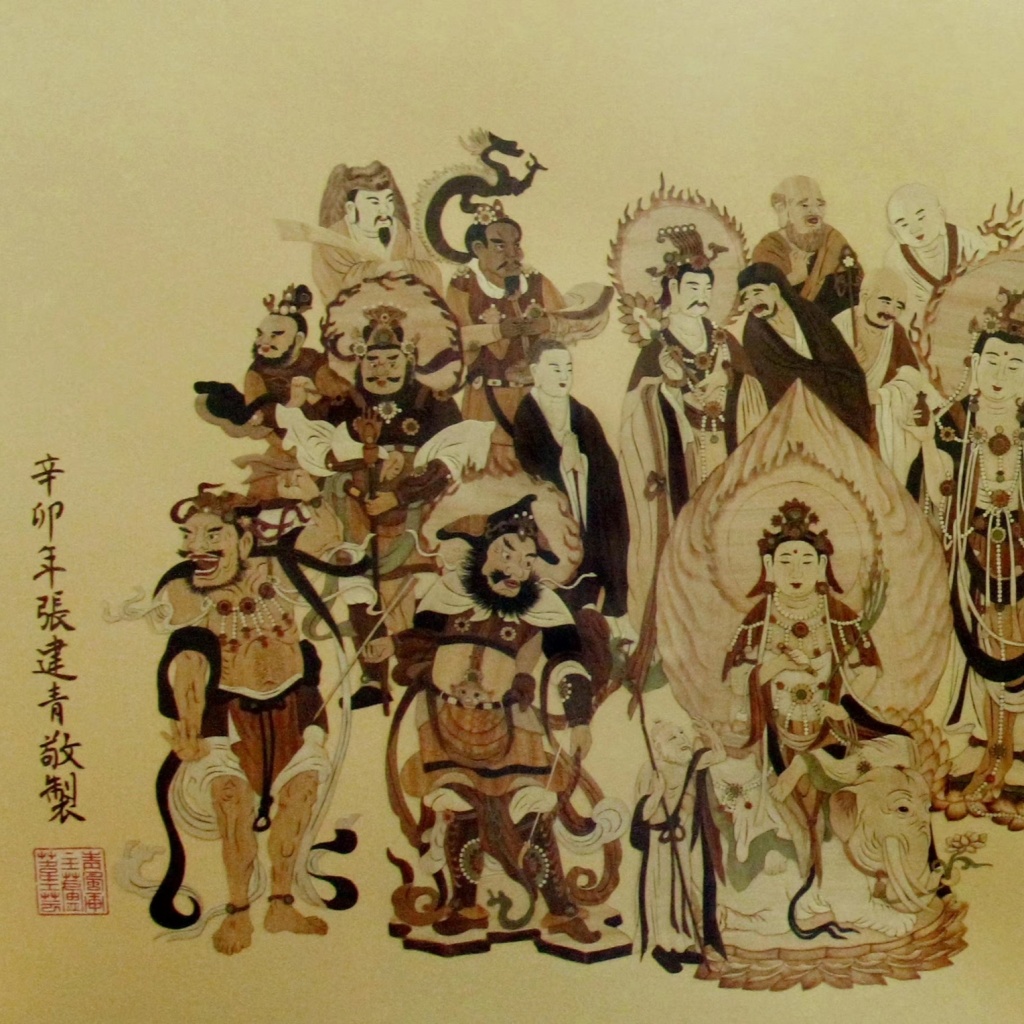
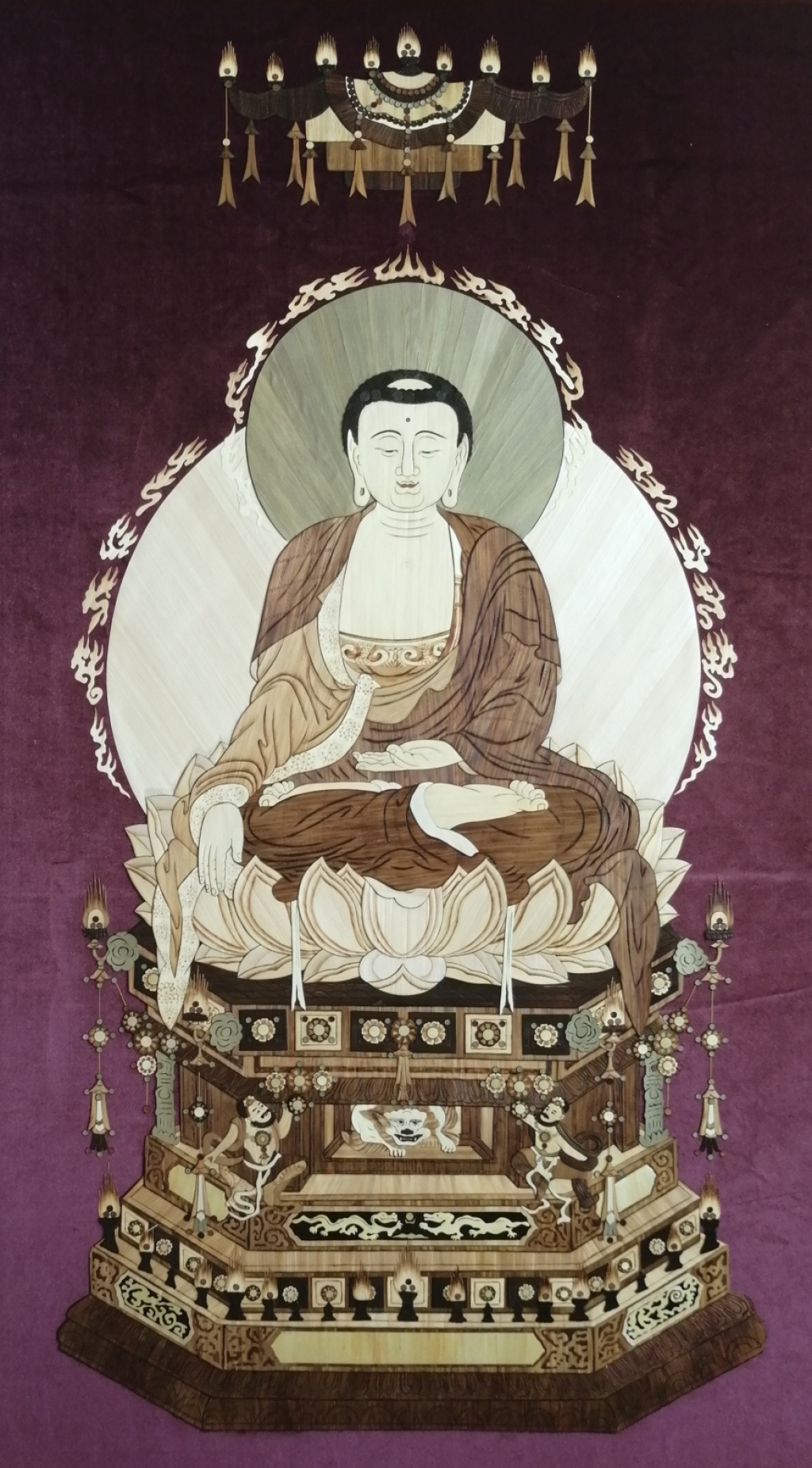
 Buddha Sakyamuni, 90cm wide, 160cm high, imitating the work of Ding Guanpeng from the Ming Dynasty. Buddha Sakyamuni, the founder of Buddhism, was born as Gautama Siddhartha (c. 563-483 BCE) in Kapilavastu, a city in the northern part of ancient India. He was the son of King Suddhodana, the ruler of Kapilavastu. Buddha Sakyamuni was born on the eighth day of the fourth month. His title of Sakyamuni means "the sage of the Sakyas," and his devotees reverently address him as the Buddha.
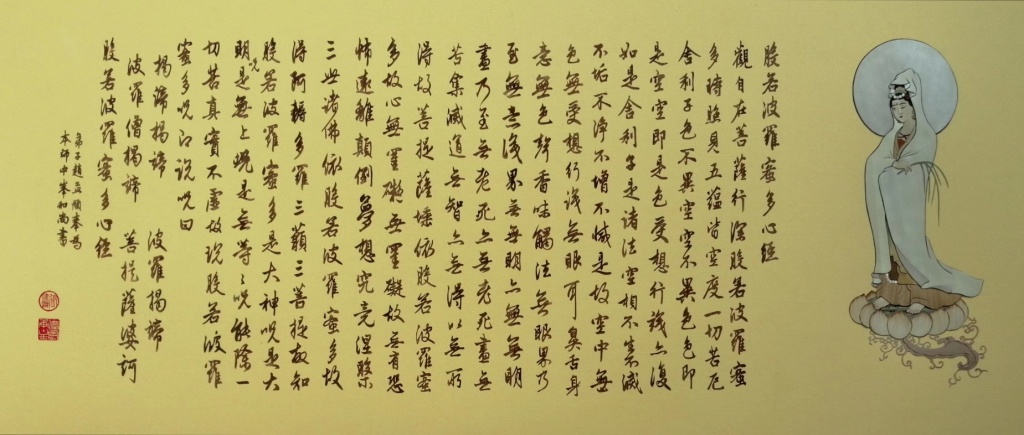
 The Heart Sutra with images, 116cm wide and 53cm high, is a replica of the paintings by Zhao Mengfu from the Yuan Dynasty. Reading the Heart Sutra can help cultivate one's character and temperament.
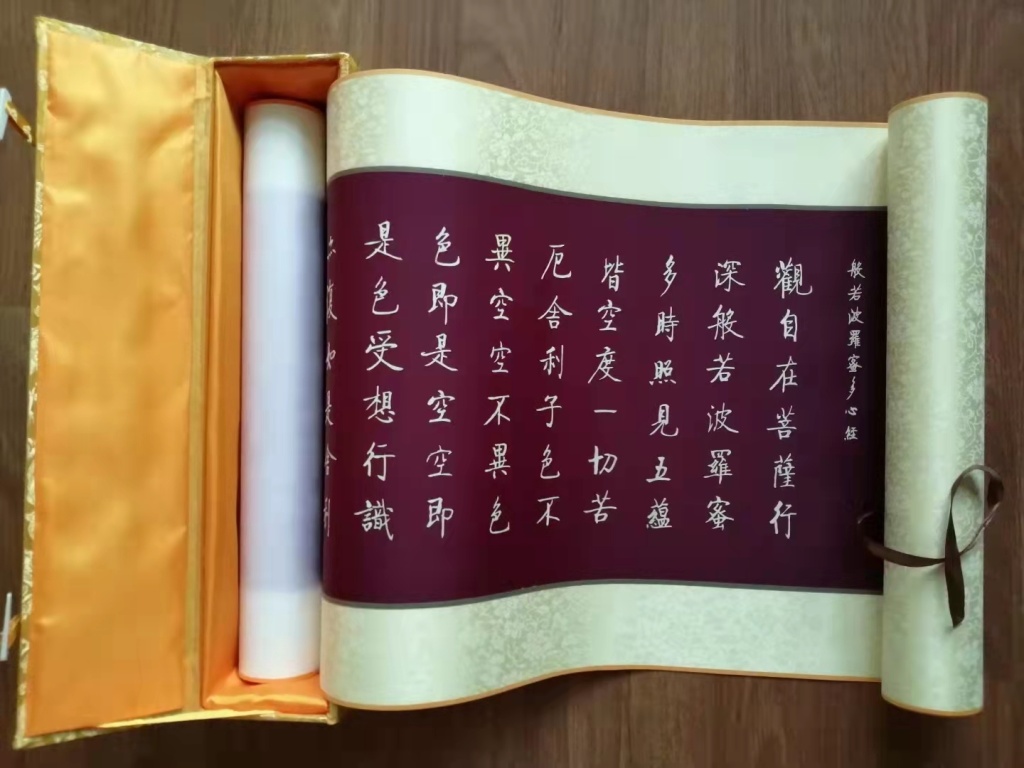
 The Heart Sutra scroll, width 40cm, length 140cm
 The Mogao Grottoes murals are 54 cm wide and 75 cm high.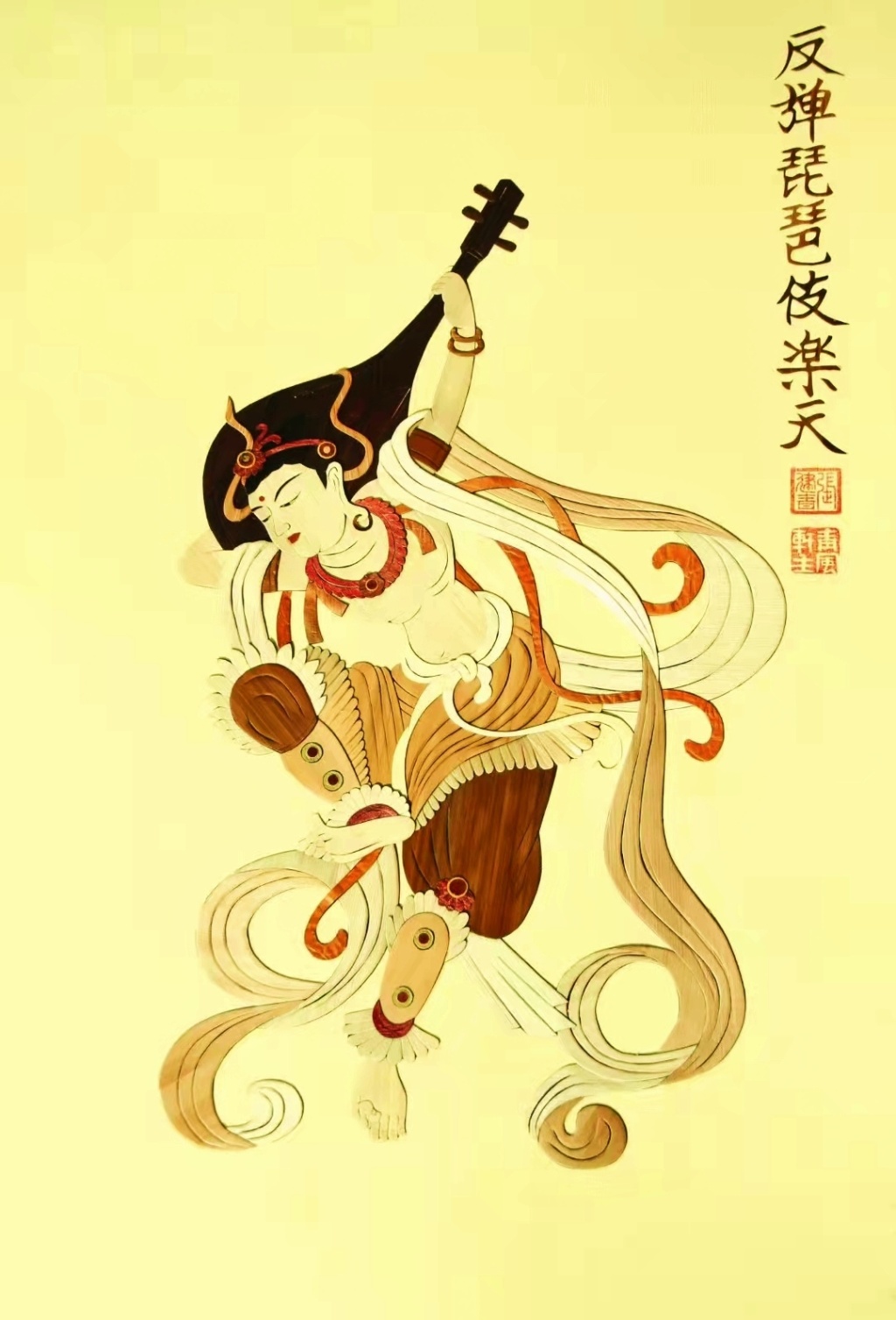
 Works Appreciation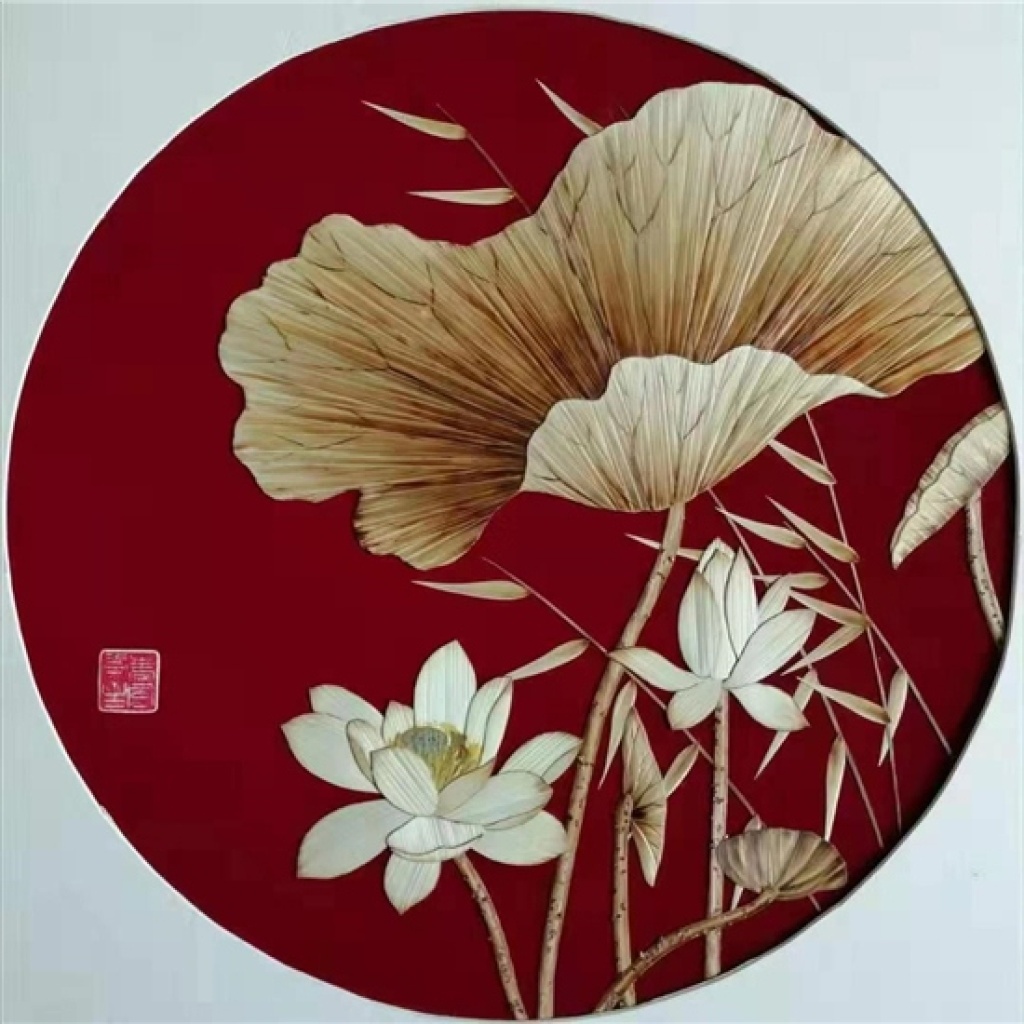


 Photographs of the actual item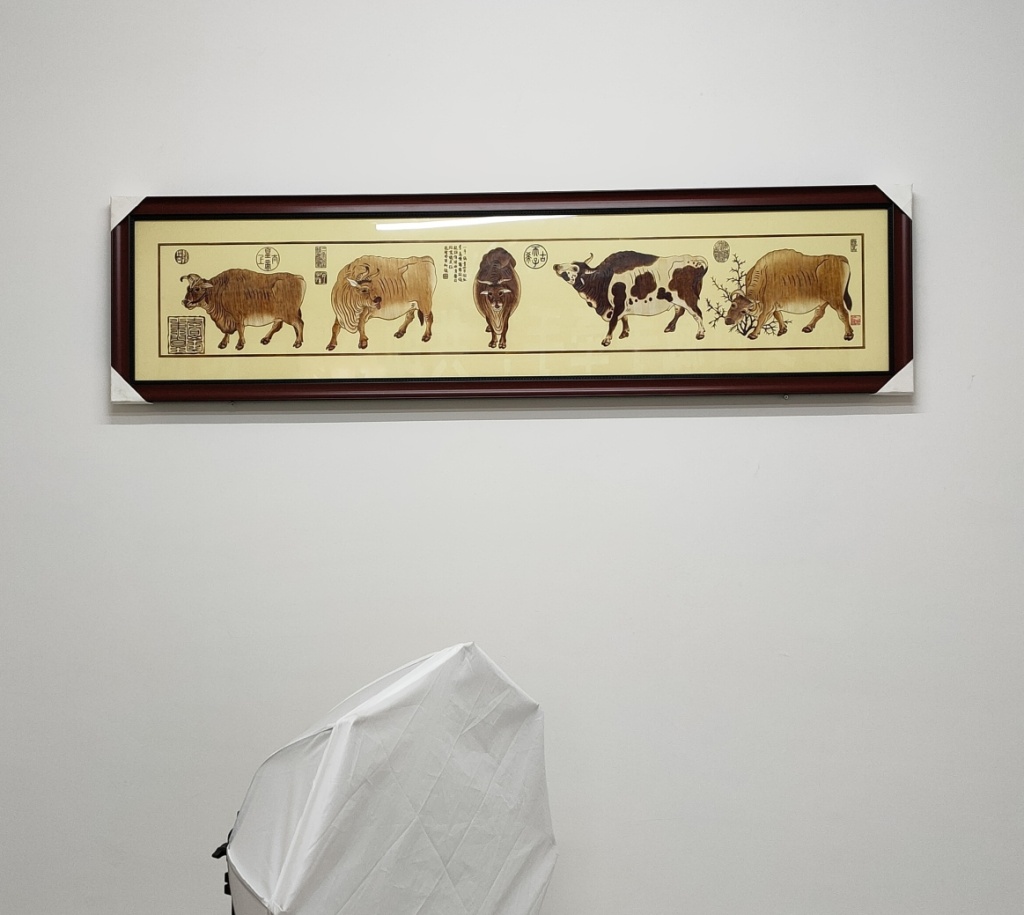
Update time:


TOP


