Search history
Clear allSearch by image
XDrag and drop an image here or upload an image
Max 5MB per image
UploadSign In | Join

Search history
Clear allSearch by image
XDrag and drop an image here or upload an image
Max 5MB per image
UploadSign In | Join
X Email Mobile
| Number | Unit-price | Total | |||
| I want to buy: | × | 5.0 | = | 0 |


A new item has been added to your Shopping Cart. You now have items in your Shopping Cart.
Jin Hua sanrefers to the peak abacus co., LTD 12yr.
Contacts:maomaoChat
Mobile:86-13615895667
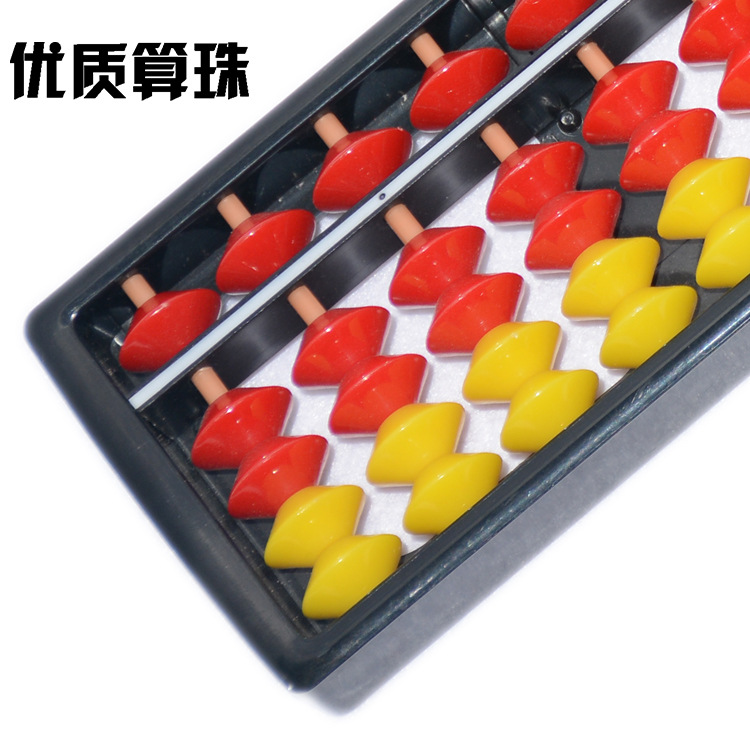
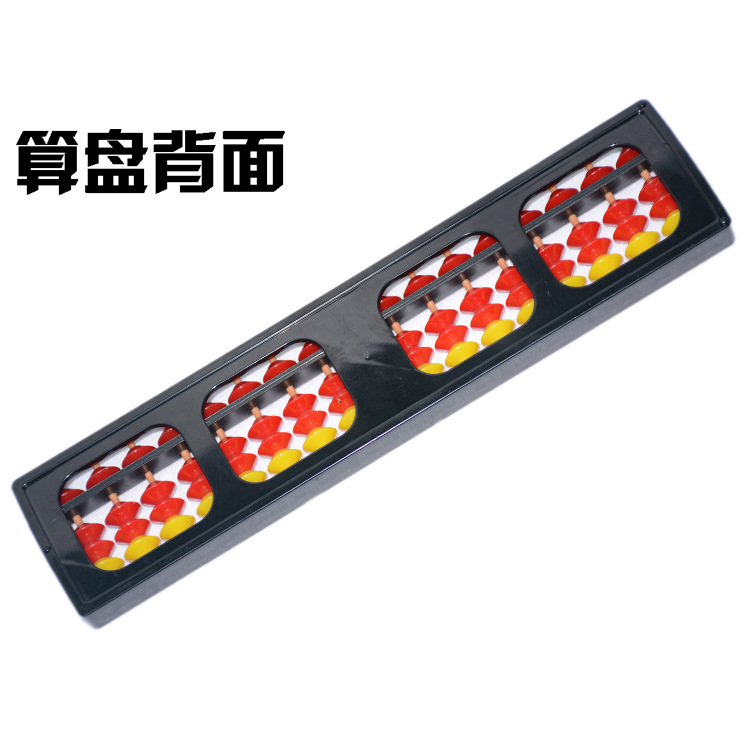
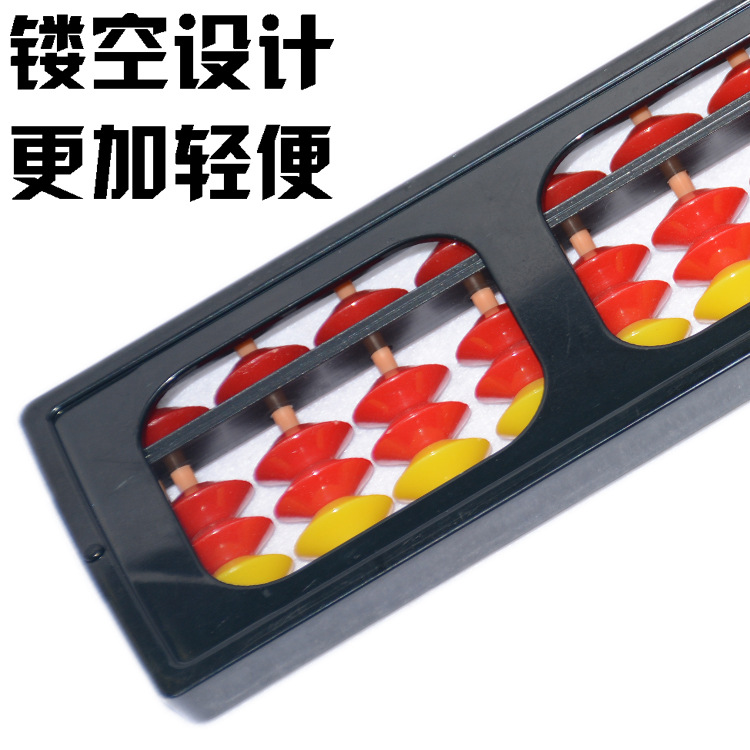
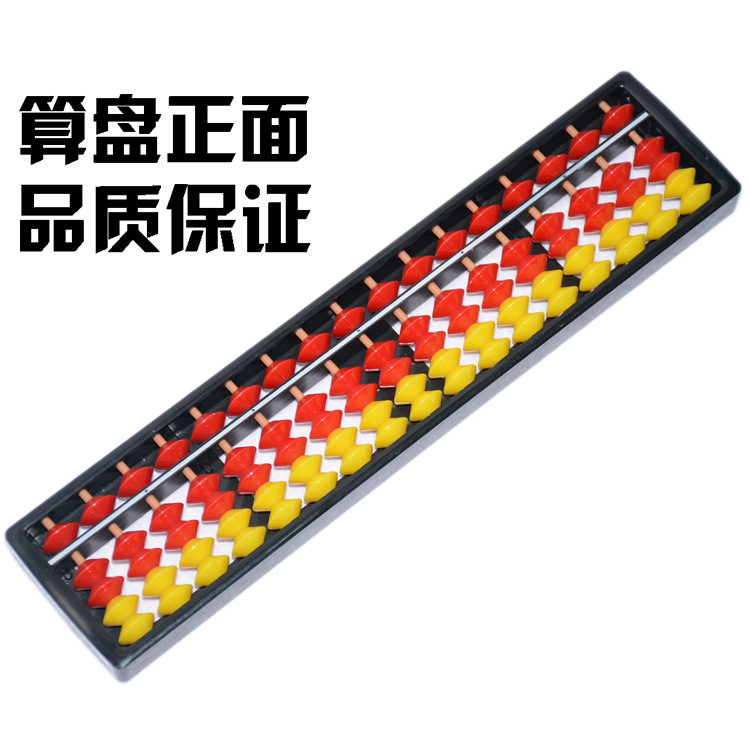
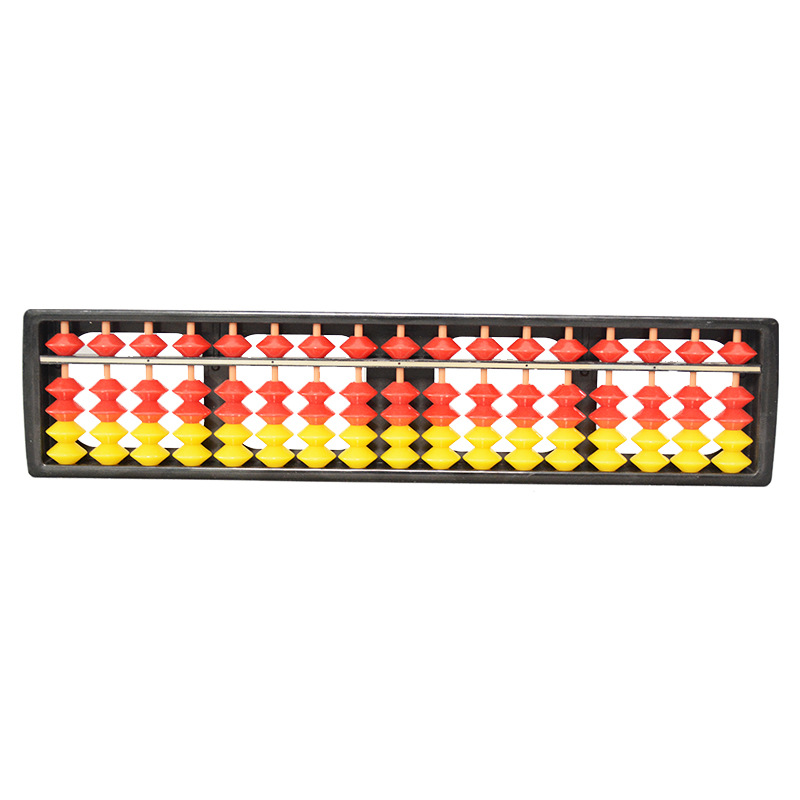
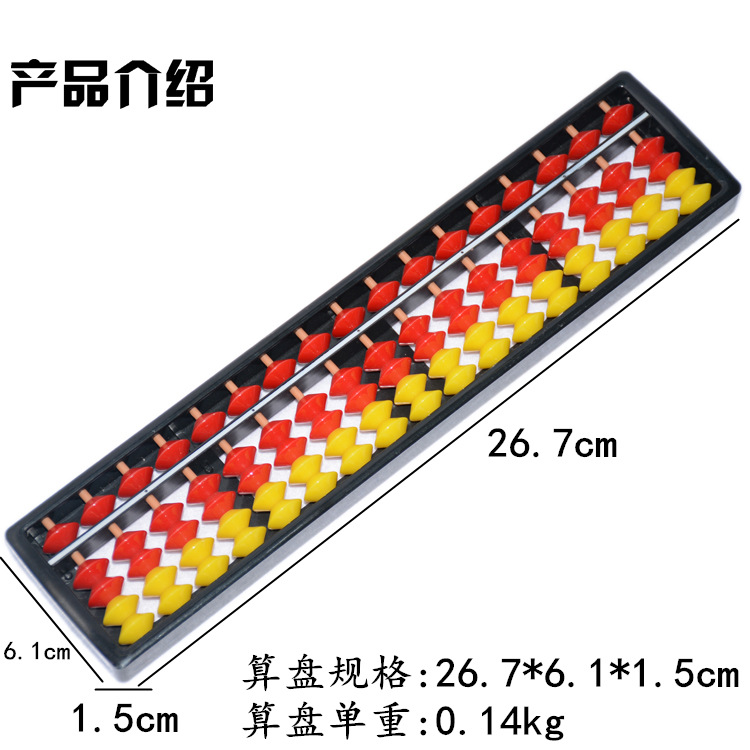
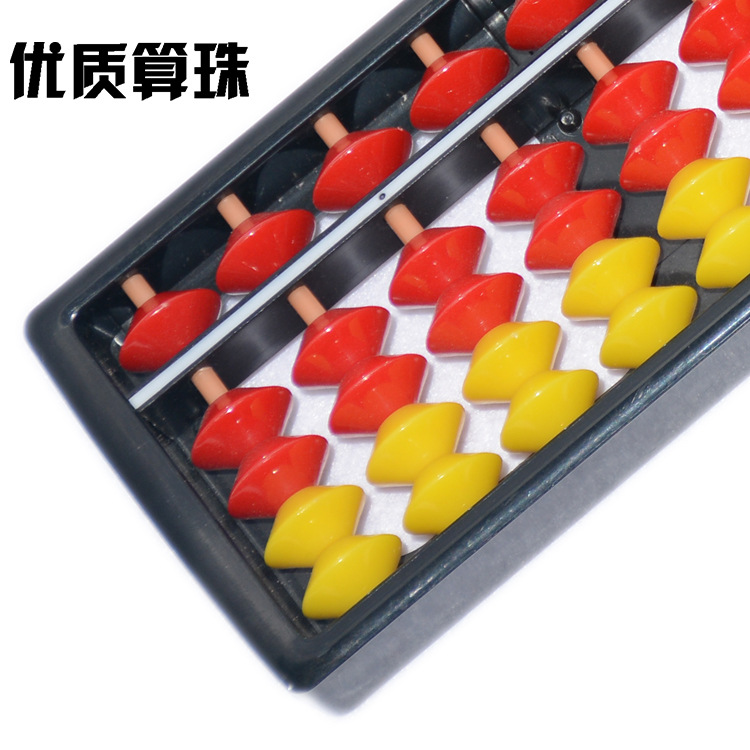
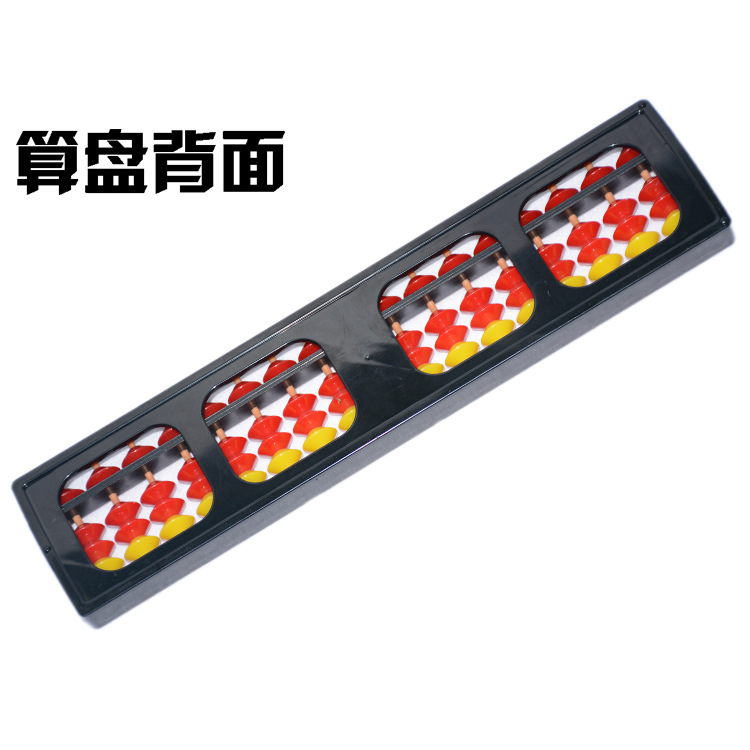
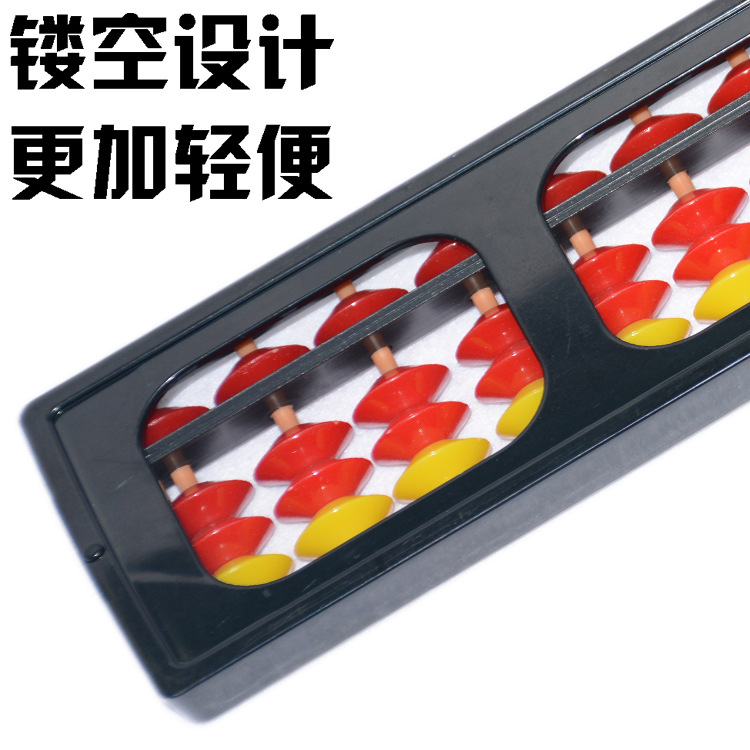
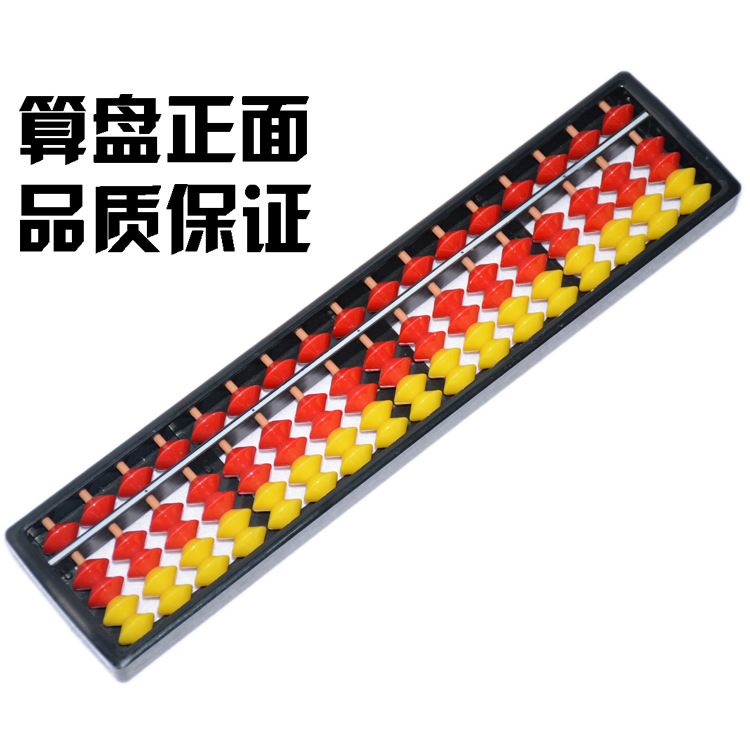
E-mail:Abacus Name: 17-row Plastic Abacus
Abacus Specification: 26.7*6.1*1.5cm
Abacus single weight: 0.14kg

About Mental Arithmetic
Abacus mental arithmetic is a calculation method in which numbers are transformed into abacus symbols and appear in the mind, and then calculations such as addition, subtraction, multiplication, and division are performed based on abacus principles.
Its feature lies in the clever combination of the traditional Chinese abacus method with visual memory.
By calculating the results in one's head, the speed of calculation is incredibly fast, comparable to that of modern computers.
Based on the traditional abacus, the abacus-style mental arithmetic is a revolution in the history of abacus development.
It transforms the traditional abacus's calculation function into an enlightenment function, suitable for children aged 4-12 to learn, with the best learning age being 4-10 years old.
The benefits of learning abacus arithmetic for children include the following:
Children combine left and right hand to play with beads, promoting the balanced development of both sides of the brain.
Children's eyes, ears, hands, mouths, and brains are all involved simultaneously, cultivating children's attention, observation, memory, and imagination.
Cultivate children's good habits of being focused when still and active when moving.
To rapidly improve children's computational abilities, form good logical thinking skills, and promote the development of intellectual potential, leading to benefits for a lifetime.
Addition Rhyme Table No carry addition Carry addition Direct addition Full five addition Carry into ten addition Break five addition Addition: One goes up, one goes down, one goes away, nine goes in one. Addition: Two goes up, two goes down, two goes away, eight goes in one. Addition: Three goes up, three goes down, three goes away, seven goes in one. Addition: Four goes up, four goes down, four goes away, six goes in one. Addition: Five goes up, five goes down, five goes away, one goes in one. Addition: Six goes up, six goes down, six goes away, five goes in one. Addition: Seven goes up, seven goes down, seven goes away, five goes in one. Addition: Eight goes up, eight goes down, eight goes away, five goes in one. Addition: Nine goes up, nine goes down, nine goes away, five goes in one.
Subtraction Rhyme Table
Decrement without carrying: one less one, one goes up four and takes away five, one decreases one and returns to nineDecrement with carrying: two less two, two goes up three and takes away five, two decreases one and returns to eightDecrement with carrying: three less three, three goes up two and takes away five, three decreases one and returns to sevenDecrement with carrying: four less four, four goes up one and takes away five, four decreases one and returns to sixDecrement with carrying: five less five, five goes back one and returns to fiveDecrement with carrying: six less six, six goes back one and returns to four, six goes back one and returns to fiveRemoves one from decreasing seven: seven less seven, seven goes back one and returns to three, seven goes back one and returns to fiveRemoves one from decreasing eight: eight less eight, eight goes back one and returns to two, eight goes back one and returns to fiveRemoves one from decreasing nine: nine less nine, nine goes back one and returns to one, nine goes back one and returns to fiveRemoves one from decreasing four: four less four, four goes back one and returns to three, four goes back one and returns to five
Multiplication Table
In the Spring and Autumn period and Warring States period, the method of arithmetic was already applied in the calculation; the formula of the return division was first seen in Yang Hui's "The Treasure of Arithmetic Operations" [1274], and the nine return formulas in Zhu Shijie's "Arithmetic Enlightenment" [1299] are already basically the same as the modern ones. With the four arithmetic formulas, the algorithm of the abacus forms a system and has been used for a long time. III. The big 99 arithmetic formula table 11 01 12 02 13 03 14 04 15 05 16 06 17 07 18 08 19 09 22 02 23 03 24 04 25 05 26 06 27 07 28 08 29 09 33 03 34 04 35 05 36 06 37 07 38 08 39 09 44 04 45 08 46 12 47 16 48 20 49 24nbspnbsp五一05五二10五三15五四20五五25五六30五七35五八40五九45nbspnbsp六一06六二12六三18六四24六五30六六36六七42六八48六九54nbspnbsp七一07七二14七三21七四28七五35七六42七七49七八56七九63nbspnbsp八一08八二16八三24八四32八五40八六48八七56八八64八九72nbspnbsp九一09九二18九三27九四36九五45九六54九七63九八72九九81
Abacus Division
Numeric division in the abacus has two methods: the recursive method and the quotient method. The recursive method uses a mnemonic to calculate, including the nine recursive mnemonics, the retreating merchant mnemonic, and the merchant nine mnemonic. The nine recursive mnemonics total 61 sentences: One recursive (using 1 as the divisor): - For numbers that can be divided by 1, you simply add one. - For numbers that can be divided by 2, you add two. - For numbers that can be divided by 3, you add three. - For numbers that can be divided by 4, you add four. - For numbers that can be divided by 5, you add five. - For numbers that can be divided by 6, you add six. - For numbers that can be divided by 7, you add seven. - For numbers that can be divided by 8, you add eight. - For numbers that can be divided by 9, you add nine. Two recursive (using 2 as the divisor): - For numbers that can be divided by 2, you add one. - For numbers that can be divided by 4, you add two. - For numbers that can be divided by 6, you add three. - For numbers that can be divided by 8, you add four. - For numbers that can be divided by 21, you add five. Three recursive (using 3 as the divisor): - For numbers that can be divided by 3, you add one. - For numbers that can be divided by 6, you add two. - For numbers that can be divided by 9, you add three. - For numbers that can be divided by 31, you add one. - For numbers that can be divided by 32, you add two. Four recursive (using 4 as the divisor): - For numbers that can be divided by 4, you add one. - For numbers that can be divided by 8, you add two. - For numbers that can be divided by 24, you add five. - For numbers that can be divided by 28, you add two. - For numbers that can be divided by 37, you add two. Five recursive (using 5 as the divisor): - For numbers that can be divided by 5, you add one. - For numbers that can be divided by 25, you add two. - For numbers that can be divided by 50, you add four. - For numbers that can be divided by 56, you add six. - For numbers that can be divided by 65, you add eight. Please provide the Chinese text you want to translate, and I will translate it for you.Six-fold division (using 6): when divided by 6, advance by one when reaching a multiple of 6, advance by two when reaching a multiple of 12, add 5 to 3 when reaching 6, add 4 to 1 when reaching 1, add 2 to 2 when reaching 2, add 4 to 4 when reaching 4, add 2 to 2 when reaching 5, add 4 to 2 when reaching 8, add 6 to 2 when reaching 12, add 4 to 4 when reaching 16, add 2 to 2 when reaching 20, add 4 to 4 when reaching 24, add 6 to 2 when reaching 28, add 4 to 4 when reaching 32, add 2 to 2 when reaching 36, add 4 to 4 when reaching 40, add 6 to 2 when reaching 44, add 4 to 4 when reaching 48, add 2 to 2 when reaching 52, add 4 to 4 when reaching 56, add 2 to 2 when reaching 60, add 4 to 4 when reaching 64, add 6 to 2 when reaching 68, add 4 to 4 when reaching 72, add 2 to 2 when reaching 76, add 4 to 4 when reaching 80. Seven-fold division (using 7): when divided by 7, advance by one when reaching a multiple of 7, advance by two when reaching a multiple of 14, add 3 to 1 when reaching 1, add 6 to 2 when reaching 2, add 2 to 2 when reaching 3, add 5 to 2 when reaching 5, add 1 to 1 when reaching 6, add 4 to 4 when reaching 8, add 6 to 4 when reaching 14, add 5 to 4 when reaching 21, add 1 to 4 when reaching 28, add 6 to 4 when reaching 35, add 5 to 4 when reaching 42, add 1 to 4 when reaching 49, add 6 to 4 when reaching 56, add 5 to 4 when reaching 63, add 1 to 4 when reaching 70, add 6 to 4 when reaching 78. Eight-fold division (using 8): when divided by 8, advance by one when reaching a multiple of 8, add 5 to 1 when reaching 1, add 2 to 1 when reaching 2, add 4 to 1 when reaching 4, add 6 to 1 when reaching 8, add 2 to 1 when reaching 12, add 4 to 1 when reaching 16, add 6 to 1 when reaching 24, add 2 to 1 when reaching 32, add 4 to 1 when reaching 40, add 6 to 1 when reaching 48, add 2 to 1 when reaching 56, add 4 to 1 when reaching 64, add 6 to 1 when reaching 72, add 2 to 1 when reaching 80. Nine-fold division (using 9): when divided by 9, advance by one when reaching a multiple of 9, add 1 to 1 when reaching 1, add 2 to 1 when reaching 2, add 3 to 1 when reaching 3, add 4 to 1 when reaching 4, add 5 to 1 when reaching 5, add 6 to 1 when reaching 6, add 7 to 1 when reaching 7, add 8 to 1 when reaching 8, add 9 to 1 when reaching 9.Two one adds five, two times two equals fourteen, two times six equals twenty-six, two times eight equals thirty-two, two times ten equals forty. Thirty-one, thirty-two, three times two equals sixty-two, three times three equals nineteen, three times six equals twenty-nine, three times eight equals thirty. Forty-one, forty-two, four times two equals eighty-four, four times three equals one hundred twenty-six, four times four equals one hundred eighty-four, four times five equals two hundred twenty. Five times one equals five, five times two equals ten, five times three equals fifteen, five times four equals twenty, five times five equals twenty-five. Six times one equals six, six times two equals twelve, six times three equals eighteen, six times four equals twenty-four, six times five equals thirty. Seven times one equals seven, seven times two equals fourteen, seven times three equals twenty-one, seven times four equals twenty-eight, seven times five equals thirty-five, seven times six equals forty-two, seven times seven equals forty-nine, seven times eight equals fifty-six, seven times nine equals sixty-three. Eight times one equals eight, eight times two equals sixteen, eight times three equals twenty-four, eight times four equals thirty-two, eight times five equals forty, eight times six equals forty-eight, eight times seven equals fifty-six, eight times eight equals sixty-four. Nine times one equals nine, nine times two equals eighteen, nine times three equals twenty-seven, nine times four equals thirty-six, nine times five equals forty-five, nine times six equals fifty-four, nine times seven equals sixty-three, nine times eight equals seventy-two, nine times nine equals eighty-one. The Song dynasty mathematician Yang Hui, in his "Daily Algorithms" (1262), invented a rhyme to calculate the price of a jin from the price of a two.The following translation of the Chinese text into English is provided: "In the book 'Mathematical Enlightenment' by the great mathematician Zhu Shijie of the Yuan Dynasty (1299), the following fifteen sentences were further advanced: 1. One inquiry, six two fives separated; 116 equals 0.0625 2. Second inquiry, one two fives back; 216 equals 0.125 3. Third inquiry, one eight sevens fives; 316 equals 0.1875 4. Fourth inquiry, change to twenty-fives; 416 equals 0.25 5. Fifth inquiry, three twos fives; 516 equals 0.3125 6. Sixth inquiry, two sevens fives; 616 equals 0.375 7. Seventh inquiry, four three fives; 716 equals 0.4375 8. Eighth inquiry, turn to fives; 816 equals 0.5 9. Ninth inquiry, five six two fives; 916 equals 0.5625 10. Tenth inquiry, six two fives; 1016 equals 0.625 11. Eleventh inquiry, six eight seven fives; 1116 equals 0."687512求,七五;1216=07513求,八一二五;1316=0812514求,八七五;1416=087515求,九三七五;1516=09375nbspnbsp退商口诀共9句:nbspnbsp无除退一下还一,无除退一下还二,无除退一下还三,nbspnbsp无除退一下还四,无除退一下还五,无除退一下还六,nbspnbsp无除退一下还七,无除退一下还八,无除退一下还九,nbspnbsp商九(又叫撞归,是除以以9开头的数,商用大了,退商的时候用的)口诀共9句:nbspnbsp见一无除作九一,见二无除作九二,见三无除作九三,nbspnbsp见四无除作九四,见五无除作九五,见六无除作九六,nbspnbspSee seven without making nine seven, see eight without making nine eight, see nine without making ninety-nine. Divisions where the divisor is a single-digit number are called 'single return'; divisions where the divisor is a double-digit or more are called 'return division', with the first digit of the divisor being called 'return', and the following digits being called 'division'. For example, if the divisor is 534 in a return division, it is called 'five return three four division', which means to first use the 'five return' mnemonic to find the quotient, and then to divide by 34.
Edit this section
珠算常用术语: 1. 算盘:一种古老的计算工具,由一系列的珠子组成,用于进行加减乘除等数学运算。 2. 算盘:算盘的底部部分,通常由木制或塑料制成,用于放置算盘。 3. 算珠:算盘上的珠子,通常由木质或塑料制成,用于进行计算。 4. 算珠架:算盘上用于支撑算珠的部分,通常由金属或塑料制成。 5. 算珠杆:算盘上用于移动算珠的部分,通常由金属或塑料制成。 6. 算珠孔:算盘上用于放置算珠的部分,通常由金属或塑料制成。 7. 算珠杆孔:算盘上用于连接算珠杆和算珠孔的部分,通常由金属或塑料制成。 8. 算珠杆扣:算盘上用于固定算珠杆的部分,通常由金属或塑料制成。 9. 算珠杆扣孔:算盘上用于连接算珠杆扣和算珠杆孔的部分,通常由金属或塑料制成。 10. 算珠杆扣扣孔:算盘上用于连接算珠杆扣扣孔和算珠杆孔的部分,通常由金属或塑料制成。
Neutral: When both the up and down positions of a certain gear are away from the beam, it is called a neutral position. A neutral position indicates that there is no count for that gear, or it represents 0.Empty diskEach notch of the abacus is empty, which means there is no counting on the entire board, which is called an empty abacus. The inner beads: the beads that count on the beam are called inner beads.outer pearlThe beads that are not counted from the beam are called the outer beads. Backing up: refers to moving the lower beads towards the beam. Moving down: refers to moving the upper beads towards the beam. Moving away: refers to moving the upper beads or lower beads away from the beam. This gear: refers to the gear that is about to count the beads. Front gear: refers to the previous gear, also known as the left gear (position). Back gear: refers to the gear after the current gear, also known as the right gear (position). Floating beads: when the beads are moved too lightly, they do not depend on the beam or frame, and the beads floating in the middle of the gear are called floating beads. Bearing beads: when moving the beads, the beads that should not be moved into or out of the current gear or neighboring gears are called bearing beads. Real beads: beads that depend on the beam to represent the correct number. Void beads: also known as negative beads, refers to the suspended beads that are moved to neither depend on the beam nor the frame, representing negative numbers.Placing numbers: Also known as setting numbers, it refers to entering numbers into the abacus according to the calculation requirements to prepare for the calculation. Tier: Also known as grade, it refers to the position of the grade. Misaligned: Also known as misplacement, it refers to the process of not entering the beads into the correct grade during calculation. Spaced grade: Also known as spaced position, it refers to the second grade (position) on the left and right of the empty grade of the current number. In the spaced grade multiplication, the product of the two numbers is entered on the right two positions of the multiplicand; in spaced grade division, the spaced grade quotient refers to the left two positions of the first digit of the divisor. Carry: It refers to when the current grade is increased by one number and is greater than or equal to 10, it must add 1 to the front grade, which is called carry. Backing off: It refers to when the current grade is reduced by a number and there is not enough in this grade, allowing one to be reduced by 1 to the front grade, which is called backing off. Leading digit: Also known as the highest digit, it refers to the first non-zero digit of a multi-digit number as the leading digit. For example, in 3284, the digit 3 is the leading digit.The digit 7 in the number 0726. Tail: Also known as the lowest digit, refers to the last digit of a multiple-digit number. For example, the 5 in 3275, the 0 in 120, and the 9 in 48129. Second digit: Essentially, it refers to the second digit of a multiple-digit number. For example, the 8 in 3865 and the 1 in 04178. Real number: In ancient mathematical books, the terms for the multiplicand and the divisor are collectively known as real numbers, abbreviated as real. Method number: In ancient mathematical books, the terms for the multiplicand and the divisor are collectively known as method numbers, abbreviated as method. Multiplication and addition: Refers to the multiplicand's each digit multiplied by the multiplicand's respective digit, adding the product as you multiply on the abacus. Multiplication and subtraction: Also known as the subtraction of the product, refers to each digit of the quotient multiplied by the divisor, subtracting the product from the divisor. Divisor head: Refers to the highest digit of the divisor. Product head: Refers to the first digit of the product.The first digit of a quotient is referred to as the quotient's leading digit. Estimating the quotient: In division, to obtain each quotient, one must calculate with care, estimating the divisor to be a multiple of the dividend. This process of mental calculation is called estimating the quotient. Trial quotient: Also known as the initial quotient, it refers to the preliminary estimate of a quotient that is either too large or too small, which is called a trial quotient. Placing the quotient: Also known as establishing the quotient, refers to the process of entering the trial quotient into the abacus. Adjusting the quotient: After placing the quotient, if it is proven by multiplication and subtraction that the trial quotient is incorrect, it needs to be adjusted. Confirmed quotient: After placing the quotient, if it is proven by multiplication and subtraction that the trial quotient is neither too large nor too small. Division to the end: Refers to the situation where the dividend is divided by the divisor until a certain position, with no remainder, which is called division to the end. Division that is not complete: Refers to the situation where division results in an infinite loop or non-loop decimal when it cannot be completed. For example: 1 ÷ 3 = 0.333...; 1 ÷ 7 = 0.142857142857....Remainder: The remainder is the number left over when a division cannot be completed, and the division is stopped at a specific number of digits or a predetermined position. In the process of calculation, often, each time the quotient is divided by the divisor, there is a remaining number, which is usually also called the remainder. Retracting the quotient: If the initial quotient is too large, reducing it to a smaller value is called "retracting the quotient." Supplementing the quotient: If the initial quotient is too small, increasing it to a larger value is called "supplementing the quotient." Fake quotient: In the process of division calculation, in order to facilitate calculation, an initial quotient is established, and then adjusted to obtain the exact quotient. The initial established quotient is called the fake quotient. Clearing the board: Removing the beads on each rack from the abacus to make the entire board empty is called "clearing the board." Whole board practice: All the racks on the abacus, or most of the racks, are practiced in moving beads, as well as comprehensive practice based on the basic rules of calculation, is called "whole board practice."
Addition Rhyme Table: No Carry Addition Carry Addition
"Directly add to full, then add to ten, then break the five and add to ten, then add.
:"Add one: one goes up one, five goes down four, one goes up nine
:"Add two: two goes up two, two goes down five and then goes up three, two goes down eight and then goes up one.
:"Add three: three goes up three, three goes down five and takes away two, three goes down seven and enters one.
:"Add four: four goes up four, four goes down five and takes away one, four goes down six and advances one.
:"Add five: Five goes up five, five goes down five and advances one.
:"Add six: six goes up six, six goes down four and advances one, six goes up one and advances five.
:"Add seven: seven goes up seven, seven goes down three and enters one, seven goes up two and goes down five and enters one.
:"Add eight: eight goes to eight, eight goes to two and advances one, eight goes to three and advances one
:"Add nine: nine goes to nine, nine goes to one, and nine goes to five when four goes to one.
Subtraction Rhyme Table
Decrement without carrying, decrement with carrying
Direct reduction breaks five reduction, ten reduction, supplement five reduction
Subtract one: one down from one is one, one up from four is five, one back from one is nine.
Subtraction: Two from two is two, two from three is five, two from eight is one.
Subtract three: three times three, three plus two equals five, three subtract one equals seven.
Subtract four: four goes down to four, four goes up to five, four goes back to six.
"Subtract five: five goes down five, five goes back one and becomes five.
Subtract six: six minus six is zero, six minus one is five, six minus one is four, six minus one is five minus one.
Subtract seven: seven minus seven is four, seven minus one is six, seven minus one is five, and then subtract two.
Subtract eight: eight down eight, eight back one and return two, eight back one and return five to remove three
Subtract nine: nine minus nine, nine minus one equals one, nine minus one equals five minus four.
Multiplication Table
In the Spring and Autumn period and Warring States period, it was already applied in arithmetic.
The formula for the "return and elimination" is first seen in the "Treasury of Arithmetic Operations" by Yang Hui from 1274.
The nine-step sum-up method recorded in Zhu Shijie's "Mathematical Enlightenment" from 1299 is essentially the same as what is used today.
With the four-step formula, the abacus algorithm forms an integrated system that has been used for a long time.
Three, the big ninety-nine times table
110112021303140415051606170718081909
2022042306240825102612271428162918
1, 3, 6, 9, 12, 15, 18, 21, 24, 27
4104 4208 4312 4416 4520 4624 4728 4832 4936
May 1, 5:00; May 2, 10:00; May 3, 15:00; May 4, 20:00; May 5, 25:00; May 6, 30:00; May 7, 35:00; May 8, 40:00; May 9, 45:00
June 1, 6:00 AM; June 2, 12:00 PM; June 3, 6:00 PM; June 4, 12:00 PM; June 5, 6:00 PM; June 6, 12:00 PM; June 7, 6:00 PM; June 8, 12:00 PM; June 9, 6:00 PM
July 1, 2021, 7:21 PM
810882168324843285408648875688648972
9109, 9218, 9327, 9436, 9545, 9654, 9763, 9872, 9981
Abacus Division
The two types of abacus division are the recursive method and the quotient method.
The method of using the jiugui (nine-in-one) formula for calculation involves the jiugui formula, the shangshang (decreasing the quotient) formula, and the shangjiu (quotient of nine) formula.
"九归口诀共61句:" 1. 归元无二,方便之门。 2. 归元无二,方便之门。 3. 归元无二,方便之门。 4. 归元无二,方便之门。 5. 归元无二,方便之门。 6. 归元无二,方便之门。 7. 归元无二,方便之门。 8. 归元无二,方便之门。 9. 归元无二,方便之门。 10. 归元无二,方便之门。 11. 归元无二,方便之门。 12. 归元无二,方便之门。 13. 归元无二,方便之门。 14. 归元无二,方便之门。 15. 归元无二,方便之门。 16. 归元无二,方便之门。 17. 归元无二,方便之门。 18. 归元无二,方便之门。 19. 归元无二,方便之门。 20. 归元无二,方便之门。 21. 归元无二,方便之门。 22. 归元无二,方便之门。 23. 归元无二,方便之门。 24. 归元无二,方便之门。 25. 归元无二,方便之门。 26. 归元无二,方便之门。 27. 归元无二,方便之门。 28. 归元无二,方便之门。 29. 归元无二,方便之门。 30. 归元无二,方便之门。 31. 归元无二,方便之门。 32. 归元无二,方便之门。 33. 归元无二,方便之门。 34. 归元无二,方便之门。 35. 归元无二,方便之门。 36. 归元无二,方便之门。 37. 归元无二,方便之门。 38. 归元无二,方便之门。 39. 归元无二,方便之门。 40. 归元无二,方便之门。 41. 归元无二,方便之门。 42. 归元无二,方便之门。 43. 归元无二,方便之门。 44. 归元无二,方便之门。 45. 归元无二,方便之门。 46. 归元无二,方便之门。 47. 归元无二,方便之门。 48. 归元无二,方便之门。 49. 归元无二,方便之门。 50. 归元无二,方便之门。 51. 归元无二,方便之门。 52. 归元无二,方便之门。 53. 归元无二,方便之门。 54. 归元无二,方便之门。 55. 归元无二,方便之门。 56. 归元无二,方便之门。 57. 归元无二,方便之门。 58. 归元无二,方便之门。 59. 归元无二,方便之门。 60. 归元无二,方便之门。 61. 归元无二,方便之门。
A return (with 1 divided): when you encounter a one, you advance one; when you encounter a two, you advance two; when you encounter a three, you advance three; when you encounter a four, you advance four; when you encounter a five, you advance five; when you encounter a six, you advance six; when you encounter a seven, you advance seven; when you encounter an eight, you advance eight; when you encounter a nine, you advance nine.
二归(用2除):逢二进一,逢四进二,逢六进三,逢八进四,二一添作五." Translation: "Two returns (divided by 2): when you get a two, add one; when you get a four, add two; when you get a six, add three; when you get an eight, add four; and when you get a two followed by a one, add five.
Three returns (using 3 as a divisor): when a number is divisible by 3, it advances one step; when it is divisible by 6, it advances two steps; when it is divisible by 9, it advances three steps. If the number is 1, it advances one step; if it is 2, it advances two steps; if it is 3, it advances three steps.
Four returns (using 4 as the divisor): when you encounter a four, add one; when you encounter an eight, add two; if you have a four, two, and one, add three to make five; if you have a four, two, one, and two, add three to make seven; if you have a four, two, one, two, and two, add three to make nine.
Five times return (using 5 as the divisor): when you divide by 5, round up to the next integer, 1, 2, 4, 6, 8.
Six returns (divided by 6): advance one when six, advance two when twelve, add five to three six, add four to one six, two sixes and three, two sixes and four, two sixes and two.
Seven return (use 7 to divide): advance one when meeting seven, advance two when meeting fourteen, add three after seven, add six after seven twice, seven three four surplus two, seven four five surplus five, seven five seven surplus one, seven six eight surplus four.
Eight times division: when divided by 8, round up to the next higher number, if the result is 4 or less, add 1 to the result, if the result is 5 or less, add 2 to the result, if the result is 6 or less, add 3 to the result, if the result is 56 or less, add 6 to the result, if the result is 66 or less, add 7 to the result, if the result is 76 or less, add 8 to the result.
Nine times nine (using 9 as a divisor): when you reach a multiple of 9, add 1. For example, 9 × 1 = 9, add 1 to get 10; 9 × 2 = 18, add 2 to get 20; 9 × 3 = 27, add 3 to get 30; 9 × 4 = 36, add 4 to get 40; 9 × 5 = 45, add 5 to get 50; 9 × 6 = 54, add 6 to get 60; 9 × 7 = 63, add 7 to get 70; 9 × 8 = 72, add 8 to get 80.
Zhu Shijie's "Arithmetic Enlightenment" (1299) contains the "Song of the Return and Division"...
"One return is like one visit, one visit is like ten.
21 added as 5, 2 times 7 equals 14, 2 times 13 equals 26, 2 times 17 equals 34, 2 times 19 equals 38, 2 times 21 equals 42
One hundred and thirty-one, one hundred and thirty-two, one hundred and sixty-two, every third number is a multiple of 16, and 29 and 30 are also multiples of 16.
412242 added as 54372, meets 4 and becomes 18, then 20
Five times five, double it, and then every fifth number, add ten.
Six plus four, six, two, three, twenty-six, three, add as five, six, four, sixty-four, six, five, eighty-two, when meeting six, add ten.
七一下加三七二下加六七三四十二七四五十五七五七十一七六八十四逢七进成十
Eight one plus two eight two plus four eight three plus six eight four added as five eight fifty-six eight sixty-four eight seventy-six meets eight into ten
Nine returns to the body, meets nine to become ten.
The Song Dynasty mathematician Yang Hui, in his "Daily Use Arithmetic" (1262), composed a verse to calculate the price of two from the price of one.
In the book "Mathematical Enlightenment" by the great mathematician Zhu Shijie of the Yuan Dynasty (1299), it was further advanced into the following fifteen sentences:
One, six two five; (1/16 = 0.0625)
Two, one-two-five; (2/16 = 0.125)
Three requests, 1875; (3/16 equals 0.1875)
Four, change to 25; (4/16 = 0.25)
Five divided by sixteen is; (5/16 = 0.3125)
Six times the sum of two and three, divided by five, equals 0.375.
Seven divided by sixteen equals 0.4375.
Eight divided by sixteen equals zero point five; turn around and it becomes five.
Nine divided by sixteen equals 0.5625.
Ten divided by sixteen equals 0.625.
11除以16等于0.6875
12除以16等于0.75
13除以16等于0.8125
14除以16等于0.875
15除以16等于0.9375
Retreat from business mantra, a total of 9 sentences:
Without the removal of a return to one, without the removal of a return to two, without the removal of a return to three.
Without the removal of the back four, without the removal of the back five, without the removal of the back six,
Without the removal of the back one still seven, without the removal of the back one still eight, without the removal of the back one still nine,
Shang Jiu (also known as Zhuang Gui, which is divided by numbers starting with 9, and is used when the commercial use is too large and the retraction of the merchant is used) formula has a total of 9 sentences:
See a nothing except for the ninety-one, see two nothing except for the ninety-two, see three nothing except for the ninety-three.
If you see a four without a division, make it a nine-four; if you see a five without a division, make it a nine-five; if you see a six without a division, make it a nine-six.
If you see a number without a division, treat it as if it were multiplied by 9.
Divisions where the divisor is a single-digit number are called "single return"; divisions where the divisor is a double-digit or more are called "return division". The first digit of the divisor is called "return", and the following digits are called "division". For example, the return division of 534 is called "five return three four division". That is, after using the return formula to find the quotient, the remainder is then divided by 34.
珠算常用术语: 1. 算盘:一种古老的计算工具,由一系列的珠子组成,用于进行加减乘除等数学运算。 2. 算盘:算盘的底部部分,通常由木制或塑料制成,用于放置算盘。 3. 算珠:算盘上的珠子,通常由木质或塑料制成,用于进行计算。 4. 算珠架:算盘上用于支撑算珠的部分,通常由金属或塑料制成。 5. 算珠杆:算盘上用于移动算珠的部分,通常由金属或塑料制成。 6. 算珠孔:算盘上用于放置算珠的部分,通常由金属或塑料制成。 7. 算珠杆孔:算盘上用于连接算珠杆和算珠孔的部分,通常由金属或塑料制成。 8. 算珠杆扣:算盘上用于固定算珠杆的部分,通常由金属或塑料制成。 9. 算珠杆扣孔:算盘上用于连接算珠杆扣和算珠杆孔的部分,通常由金属或塑料制成。 10. 算珠杆扣扣孔:算盘上用于连接算珠杆扣扣孔和算珠杆孔的部分,通常由金属或塑料制成。
Neutral: When both the up and down positions of a certain gear are away from the beam, it is called a neutral position. A neutral position indicates that there is no count for that gear, or it represents 0.
Empty diskEach notch of the abacus is empty, which means that there is no counting on the entire board, which is called an empty abacus.
内珠:靠梁记数的算珠,叫做内珠。
outer pearlThe beads that are not counted in the Liang are called the outer beads.
Pull up: refers to the act of moving the lower beads towards the beam.
Pull off: refers to moving the upper beads towards the beam.
Pull off: refers to moving the upper beads or lower beads away from the beam.
This term refers to the set of beads that is about to be counted.
The front gear refers to the previous gear of this gear, also known as the left gear (position).
The rear gear: refers to the next gear after this one, also known as the right gear (position).
Floating beads: when playing with beads, if you don't apply enough force, they won't stick to the beams or frames, and the beads floating in the middle of the grid are considered floating beads.
带珠:拨珠时,把本档或邻档不应拨入或拨去的算珠带入或带出叫带珠。" Translation: "带珠:在拨珠时,如果将本档或相邻档的算珠拨入或带出,这些本不应拨入或带出的算珠称为带珠。
实珠:靠梁表示正数的算珠。
Negative Beads: Also known as floating beads, they refer to the beads that are not on the beams or frames, representing negative numbers.
Placing numbers: also known as setting numbers, involves teaching how to enter numbers into the abacus according to the requirements of the calculation to prepare for the calculation.
Gear position: Also known as grade, refers to the rank of the gear.
Misalignment: Also known as misplacement, refers to the process of not setting the beads into the correct position during calculations.
Interstice: Also known as interposition, refers to the second position (bit) on the left and right of the current position. In the interstice multiplication, when two numbers are multiplied, the product's individual digit is printed on the right two positions of the multiplicand; in the interstice division, the interstice quotient refers to the left two positions of the first digit of the divisor.
Carry: It refers to when the sum of a number and another number is greater than or equal to 10, then one must be added to the previous digit, which is called a carry.
Decrement: It refers to when a number is subtracted from the current digit and there is not enough, allowing for a decrease by one to the preceding digit, which is called decrement.
First digit: Also known as the highest digit, refers to the first non-zero digit of a multiple-digit number. For example, in the number 3284, the digit 3 is the first digit, and in the number 0.0726, the digit 7 is the first digit.
Least significant digit: Also known as the lowest digit, refers to the last digit of a multiple-digit number. For example, in the number 3275, the digit 5 is the least significant digit, and in the number 120, the digit 0 is the least significant digit. For the number 481.29, the digit 9 is the least significant digit.
The number 9.
Sub-position: It refers to the second digit of a multi-digit number. For example, in the number 3865, the 8 is the sub-position, and in the number 0.4178, the 1 is the sub-position.
Real numbers: In ancient mathematical books, the terms for the multiplicand and the divisor are generally referred to as real numbers, abbreviated as "real."
The method number: in ancient mathematical books, the terms for multiplicand and divisor are collectively referred to as the method number, abbreviated as the method.
Multiplication with addition: This refers to multiplying each digit of the multiplicand by each digit of the multiplier, adding the products as you go on the abacus.
Carry-subtract: Also known as the subtractive product, it refers to the process of multiplying each quotient by the divisor and subtracting the product from the dividend.
除首:是指除数的最高位数。
积首:是指积数的首位数。
The first digit of a number is referred to as the 'first digit of a number.'
Estimating the quotient: In division, to obtain each quotient, one must calculate carefully, estimating the multiples of the divisor the dividend is. This process of mental calculation is called estimating the quotient.
试商:也叫初商,是指在估算商数时初步求得偏大或偏小的商数,称为试商。
Placing a merchant: Also known as establishing a merchant, refers to the process of entering a trial merchant into the abacus.
Adjusting the estimate: After setting the estimate, through the multiplication and subtraction proof, the trial estimate is incorrect, and the initial estimate needs to be adjusted.
确商:置商后,经乘减证明,试商不大也不小。
Divided to the point of no remainder: It refers to the situation where the dividend is divided by the divisor, and when dividing to a certain place, there is no remainder, which is called being divided to the point of no remainder.
Incommensurable: refers to the situation when division results in an infinite loop or non-terminating decimal when division cannot be completed. For example: 1÷3 = 0.333...; 1÷7 = 0.142857142857....
Remainder: The remainder of a division that cannot be divided by an integer, when the quotient is obtained to each digit or a predetermined number, the number left over after subtracting the divisor from the dividend is called the remainder. In the process of calculation, often the dividend has a remaining number each time the product of the quotient and the divisor, which is usually also called the remainder.
Retreat: If the initial offer is too high, reducing it to a lower amount is called 'Retreat.'
Complementary: If the initial subtraction is too small, increase it to call it 'Complementary'.
Hypothetical quotient: In the process of division, for the convenience of calculation, we first establish a quotient, and then adjust it to obtain the exact quotient. The first established quotient is called the hypothetical quotient.
Clear the board: remove the beads from each column to the beams, making the entire board empty, which is called clearing the board.
Whole board practice: Practice on all or most of the beaders on the abacus, as well as comprehensive practice following the basic arithmetic rules, is called whole board practice.
Update time:


TOP