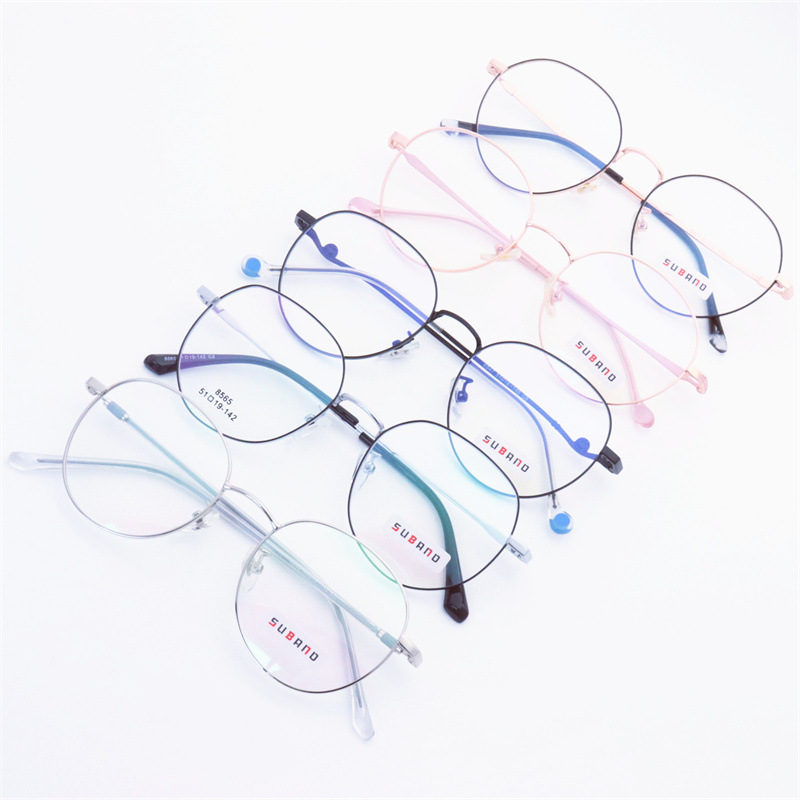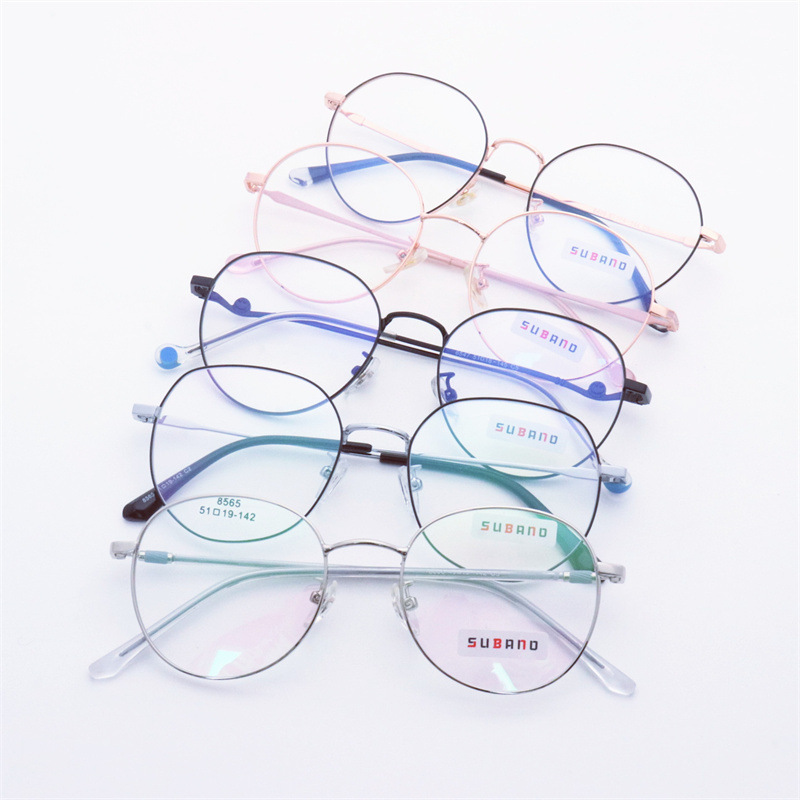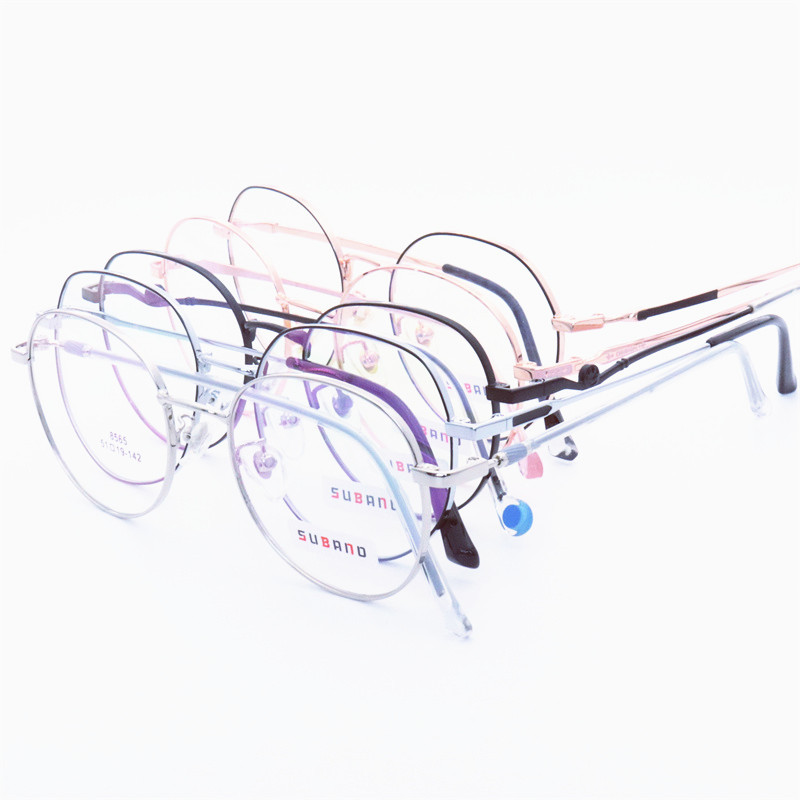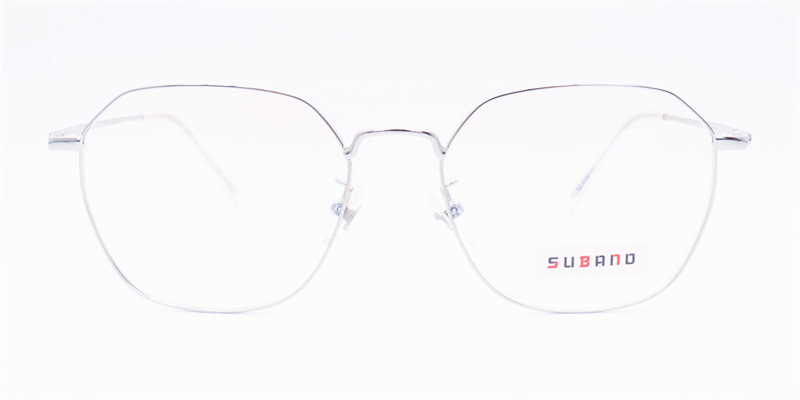


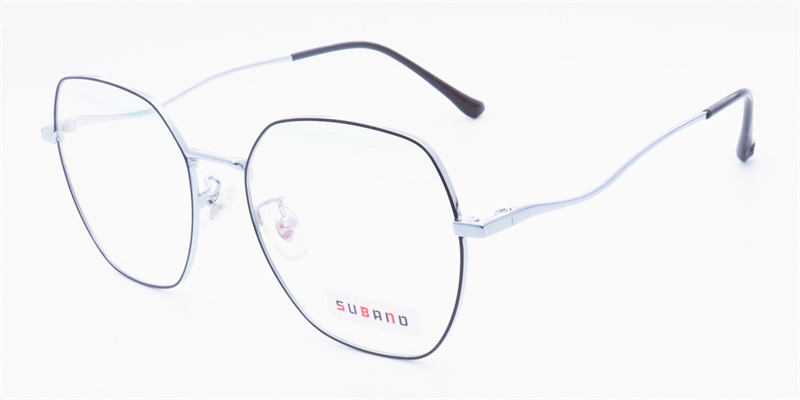


Metal Materials
The metal materials used for eyeglass frames include copper alloy.
Jinnickel
AlloyHe Gui
MetalThree categories.
"requires a certain degree of hardness.
SoftSex, elasticity, wear resistance, corrosion resistance, weight
lightTherefore, the metal materials used to make eyeglass frames are almost all alloys or processed on the metal surface.
1、White
CopperFrame (Copper-Zinc Alloy):
The main components are 64% copper, 18% zinc, and 18% nickel. The material for the frame is inexpensive and easy to process, and electroplating is mainly used to manufacture hinge pins, support wires, and other small parts, as well as low-grade frames.
2. High Nickel Alloy Frames
The nickel content is over 80%, mainly including nickel-chromium alloys and manganese-nickel alloys, etc. High-nickel alloys have better corrosion resistance, and the material has good elasticity.
3、Monner Material Frames
Nickel-copper alloy, with a nickel content of about 63% and copper at 28%, also contains small amounts of iron and manganese, especially: corrosion resistance, high strength, and solid welding, making it the most commonly used material for mid-range frames.
4. Titanium Frame
Titanium has a specific gravity of only 4.5, which makes it very corrosion-resistant. Its strength is twice that of steel, making it ideal for use in the construction of components such as the cases of spacecrafts. Therefore, it is often referred to as the "space metal." Additionally, titanium does not cause metal allergies, making it a preferred choice for medical implants. However, early on, titanium faced challenges such as difficult machining and welding. These issues have been gradually resolved with the advancement of technology.
JapanThe market for titanium materials has become mainstream, and the titanium materials in the European and American markets mainly come from Japan. Titanium frame glasses are generally indicated as Ti-P or TiTAN, and basically, they are made of titanium except for the hinge, screws, and other components.
5. Titanium Memory Frame
A new alloy composed of nickel and titanium in an atomic ratio of 1:1, which is 25% lighter than conventional alloys and has the same corrosion resistance as titanium. In addition, it has excellent elasticity. Shape memory titanium alloy: It exhibits the property of shape memory at temperatures below 0°C, and it exhibits high elasticity between 0°C and 40°C. The memory titanium alloy has better corrosion resistance than Monel alloys and high nickel alloys, but it is slightly inferior to pure titanium and β-titanium.
6. β-TiTAN titanium alloy
A special alloy formed by mixing pure titanium (accounting for 70%) with rare metals such as cobalt and chromium (accounting for 30%). Ultra-light and ultra-elastic spectacles frames can be made very thin. Due to the good stability of the alloy of titanium with cobalt and chromium, there is no skin allergy phenomenon, and it will have greater development and popularity in the coming decades.
7、Gold-plated Frame
The process involves adding solder or directly mechanically bonding the surface metal to the substrate, which results in a thicker surface metal layer compared to electroplating. This also offers a bright appearance and excellent durability and corrosion resistance. Gold-plated items are denoted as follows: according to the International Precious Metals Conference, items with a gold to alloy weight ratio of over 1/20 are marked with the symbol GF, while those with a ratio of less than 1/20 are marked with the symbol GP.
8、K gold frame
It is usually 18K gold, indicating that the pure gold content in the frame is 18/24 of 24K. If expressed as 750/1000, it means that silver, copper, and other materials make up 250/1000. For a pair of glasses made of 18K gold weighing 40 grams, the gold content is 18÷24×40=30 grams.
Contact Information (WeChat): 13676811255
Welcome to call for consultation!!!!