
Search history
Clear allSearch by image
XDrag and drop an image here or upload an image
Max 5MB per image
UploadSign In | Join

Search history
Clear allSearch by image
XDrag and drop an image here or upload an image
Max 5MB per image
UploadSign In | Join
X Email Mobile
| Number | Unit-price | Total | |||
| I want to buy: | × | 3.2 | = | 0 |


A new item has been added to your Shopping Cart. You now have items in your Shopping Cart.
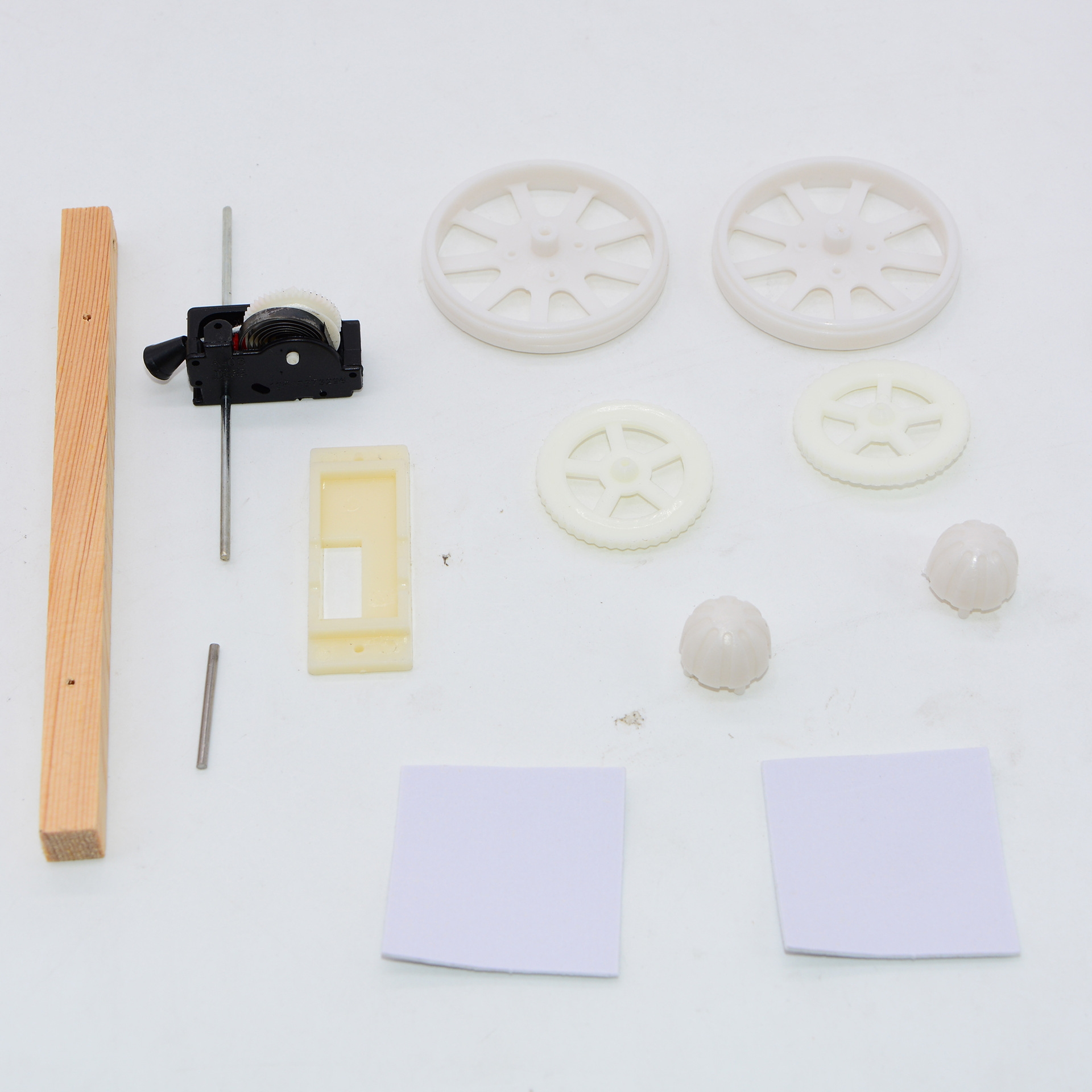
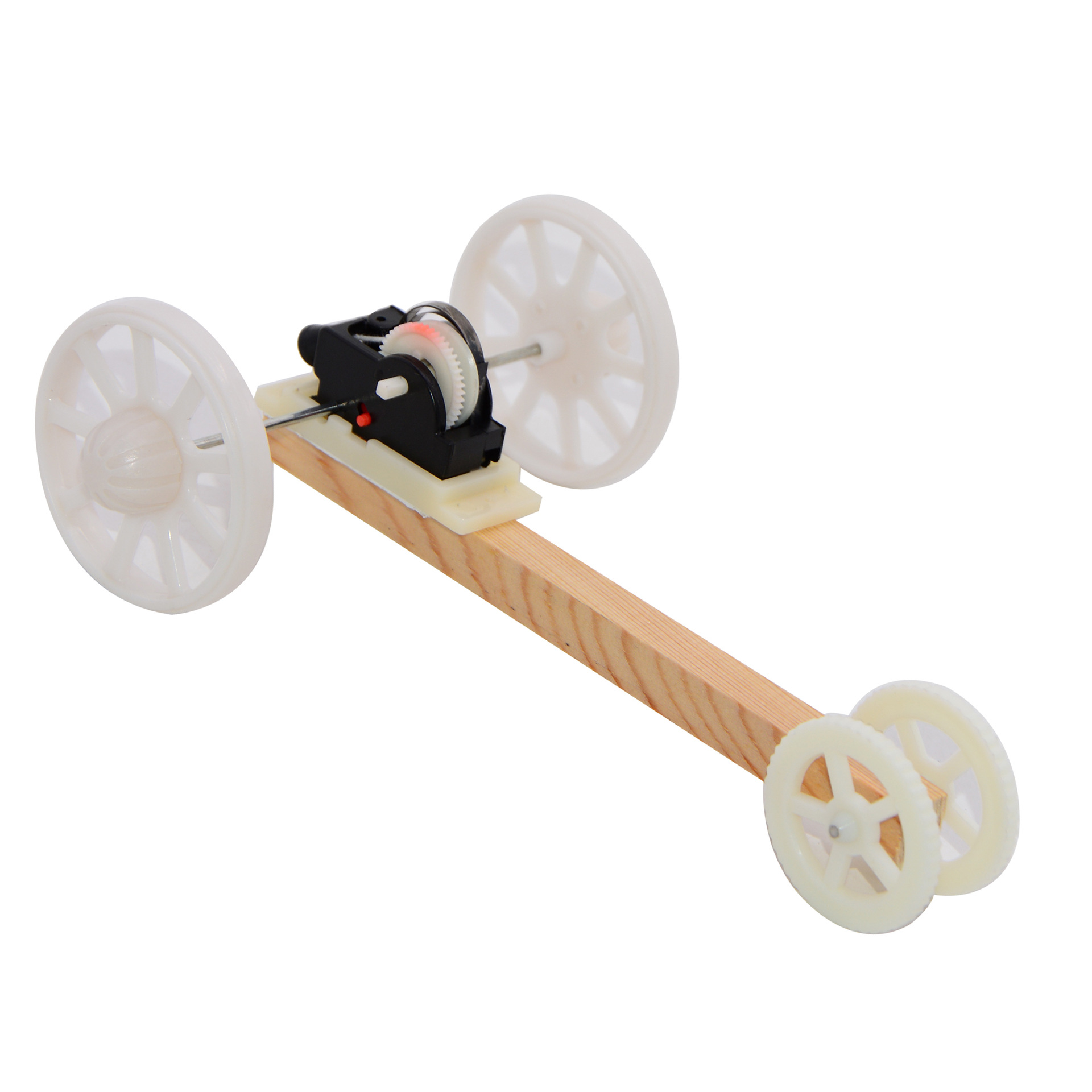
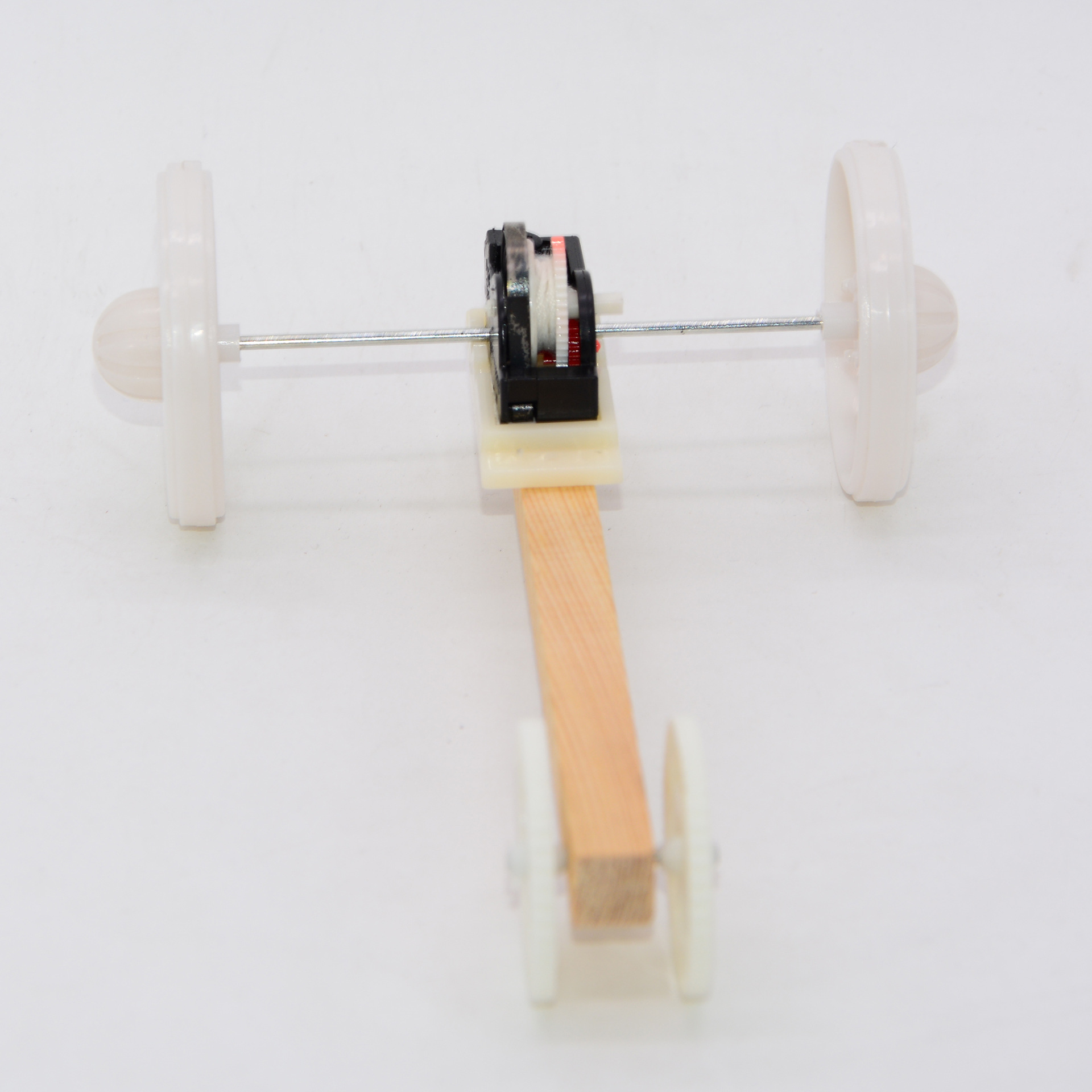
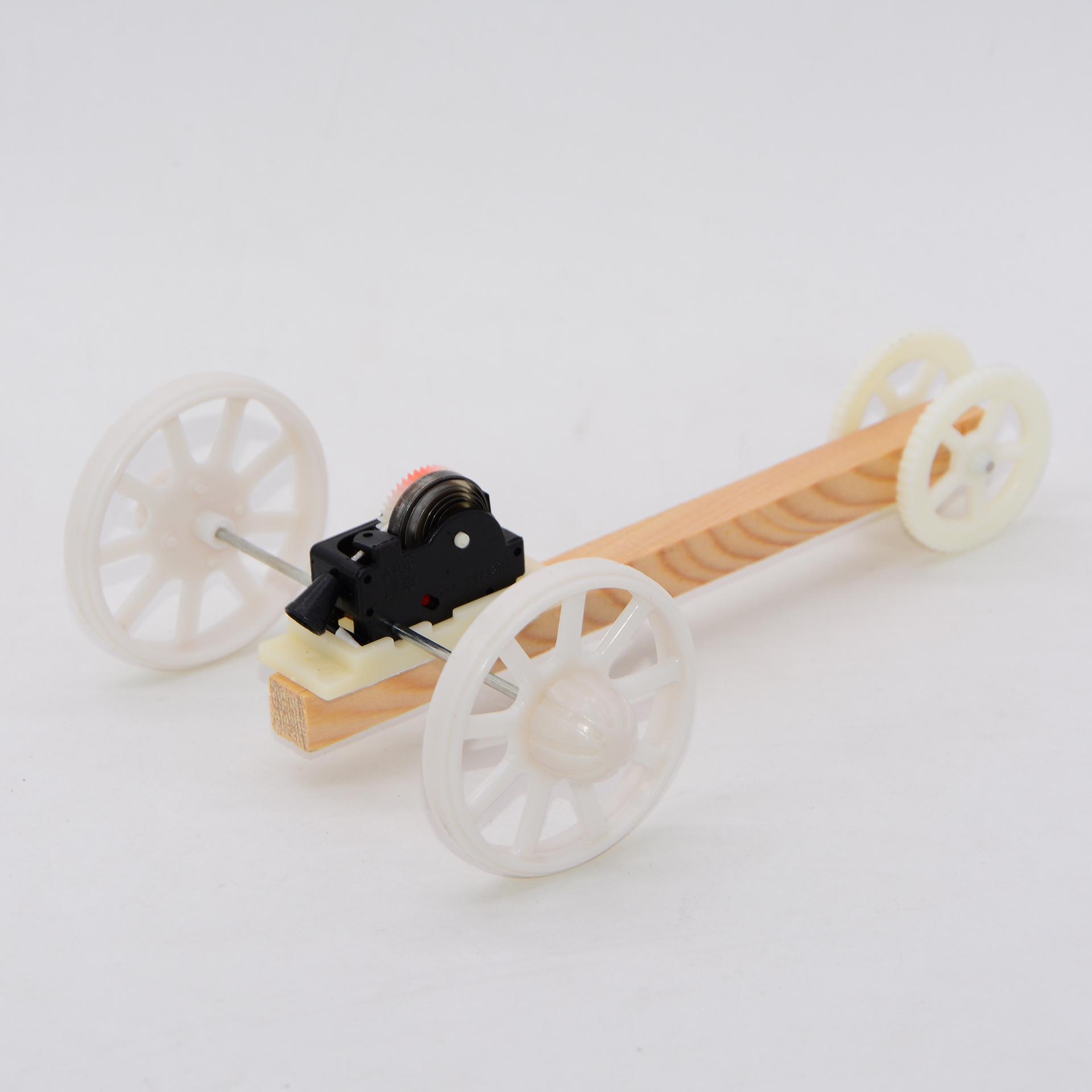
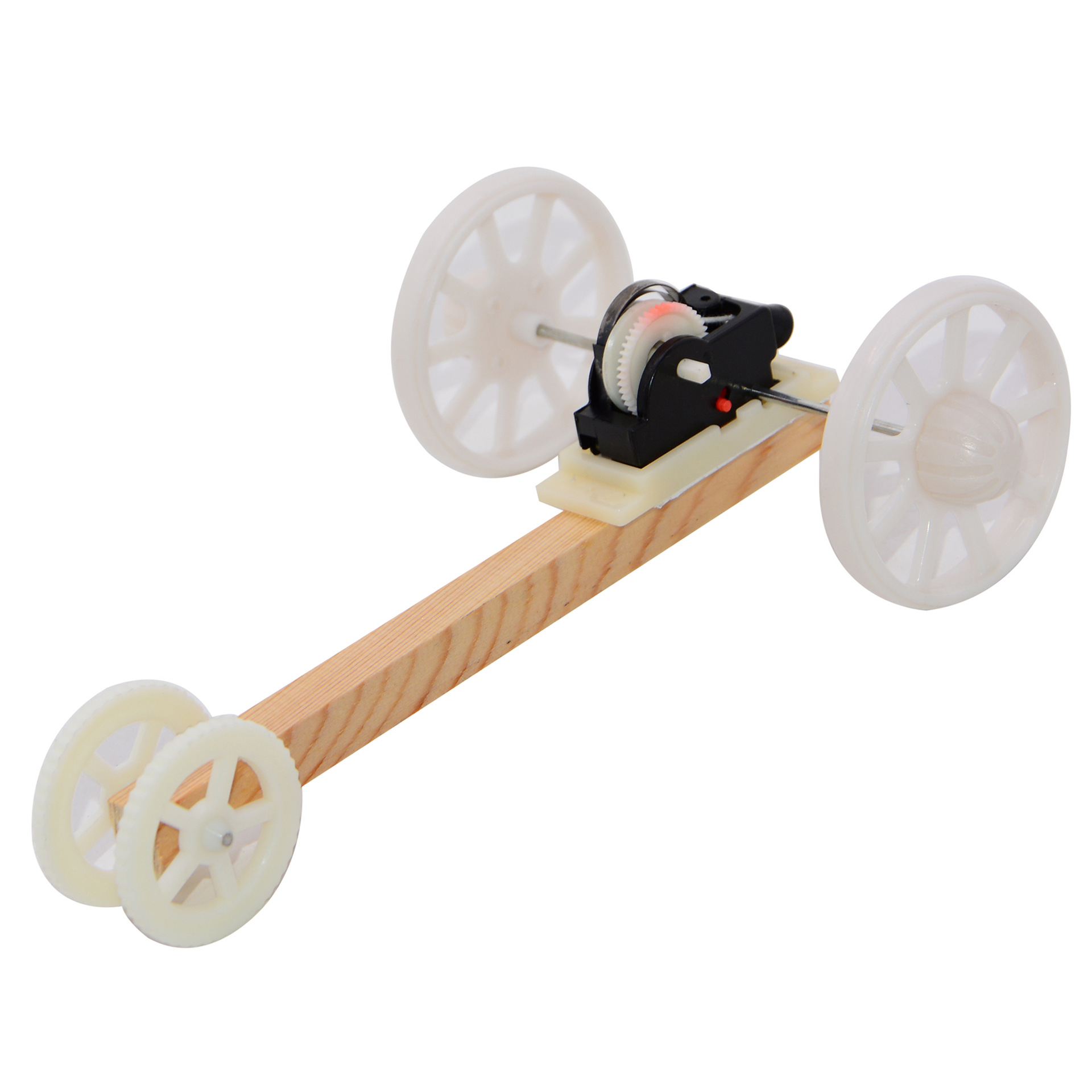
Pull-string spring car
The "rebound car" is connected to its rear tire via the "axis," which is fixedly linked to the gears within the rebound gear. When you work on the car by pulling it backward, the rear wheel rotates backward, and the force is transmitted through the axis to the rebound gear, which does work. The gears drive the rebound gear structure (spring structure or rubber band structure) to convert the kinetic energy of the hand into potential energy (such as the rubber band rotating and stretching or the spring being compressed, etc.).
When the hand is released, the car loses one of the forces that maintains its balance, namely the increased friction between the rear tire and the ground when the car is pressed by the hand.F1In Chinese, the concept of 'grip' is often referred to, and when the return gear reverses direction and releases potential energy through the shaft, the shaft then rotates to convert the potential energy into kinetic energy.
Since the usual back-wheel drive cars are designed with the rear wheels turning clockwise when viewed from the left side of the car, the back-force gears are designed to store energy by turning counterclockwise when viewed from the left side of the car. Furthermore, due to the fixed direction of the axle, as long as the back-force gears can store enough energy (i.e., have enough revolutions) or the static friction between the gears and the ground is small enough, the back-wheel drive car can move forward by outputting energy from the back-force gears.
-In simple terms, it's a car that remembers the power you give it.
Update time:


TOP


