Search history
Clear allSearch by image
XDrag and drop an image here or upload an image
Max 5MB per image
UploadSign In | Join

Search history
Clear allSearch by image
XDrag and drop an image here or upload an image
Max 5MB per image
UploadSign In | Join
X Email Mobile
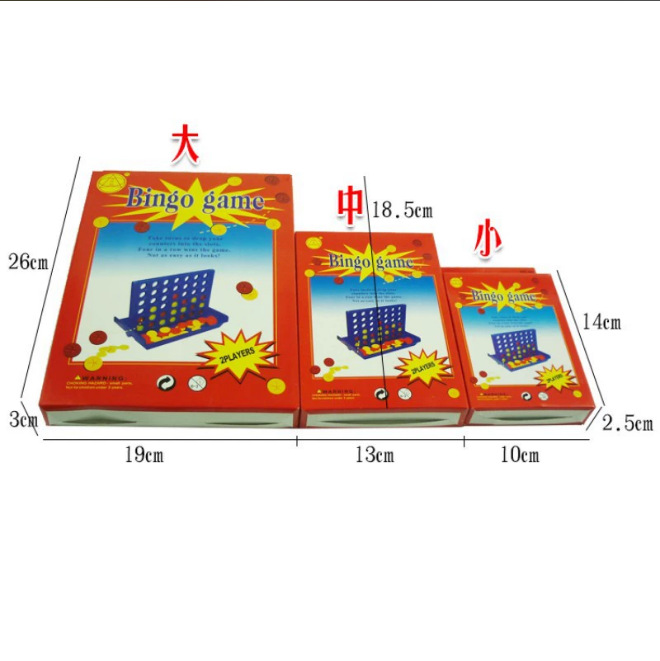
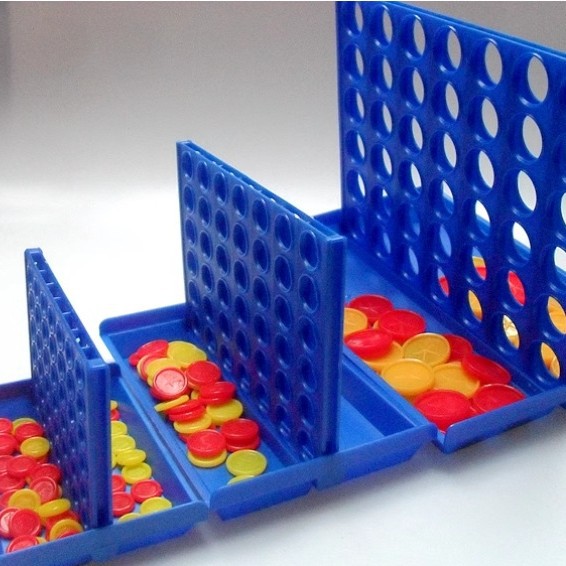
| large (403) 60 pairs per box | ¥6.5 | 9999 set available |
|
| medium (402) 200 pairs per box | ¥3.2 | 9999 set available |
|
| small (401) 400 pairs per box | ¥1.8 | 9999 set available |
|


A new item has been added to your Shopping Cart. You now have items in your Shopping Cart.
Manufacturer Direct, Bulk Orders Only
Please note the quantity and the number of boxes when placing an order.
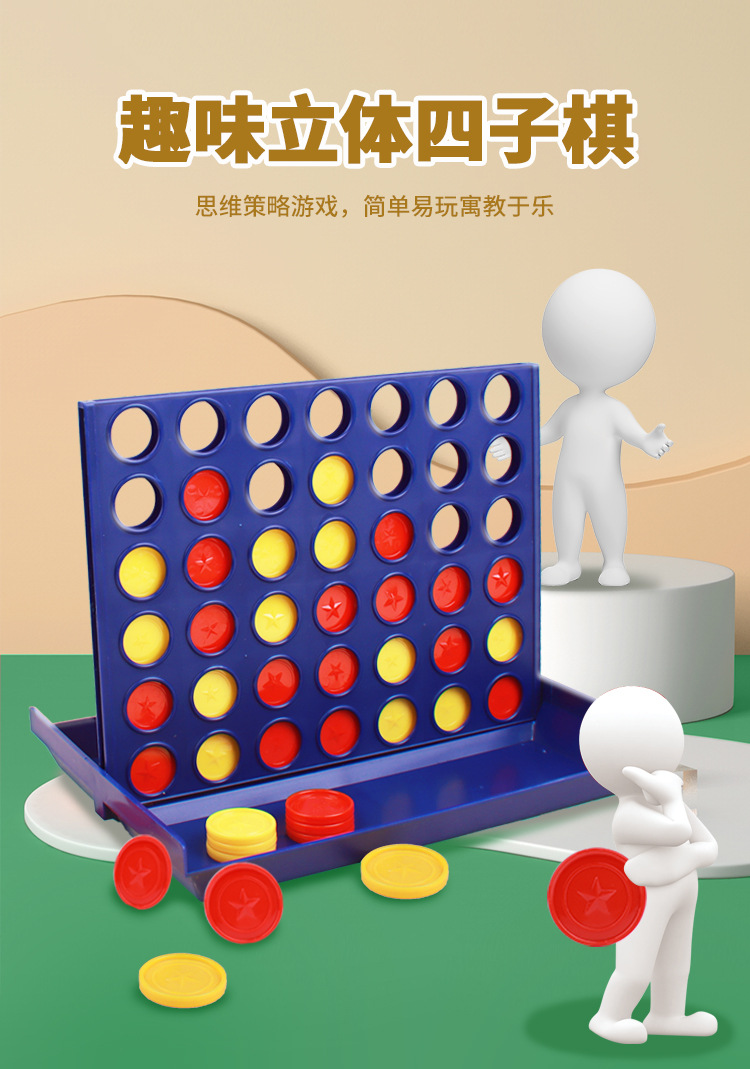


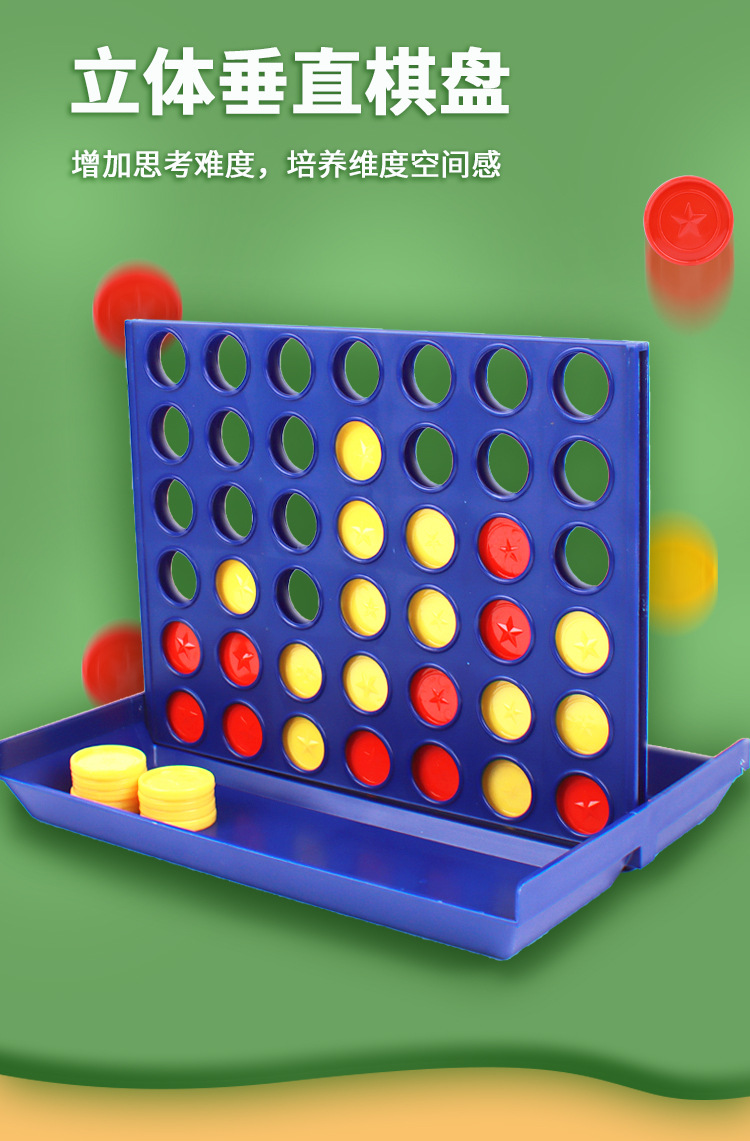
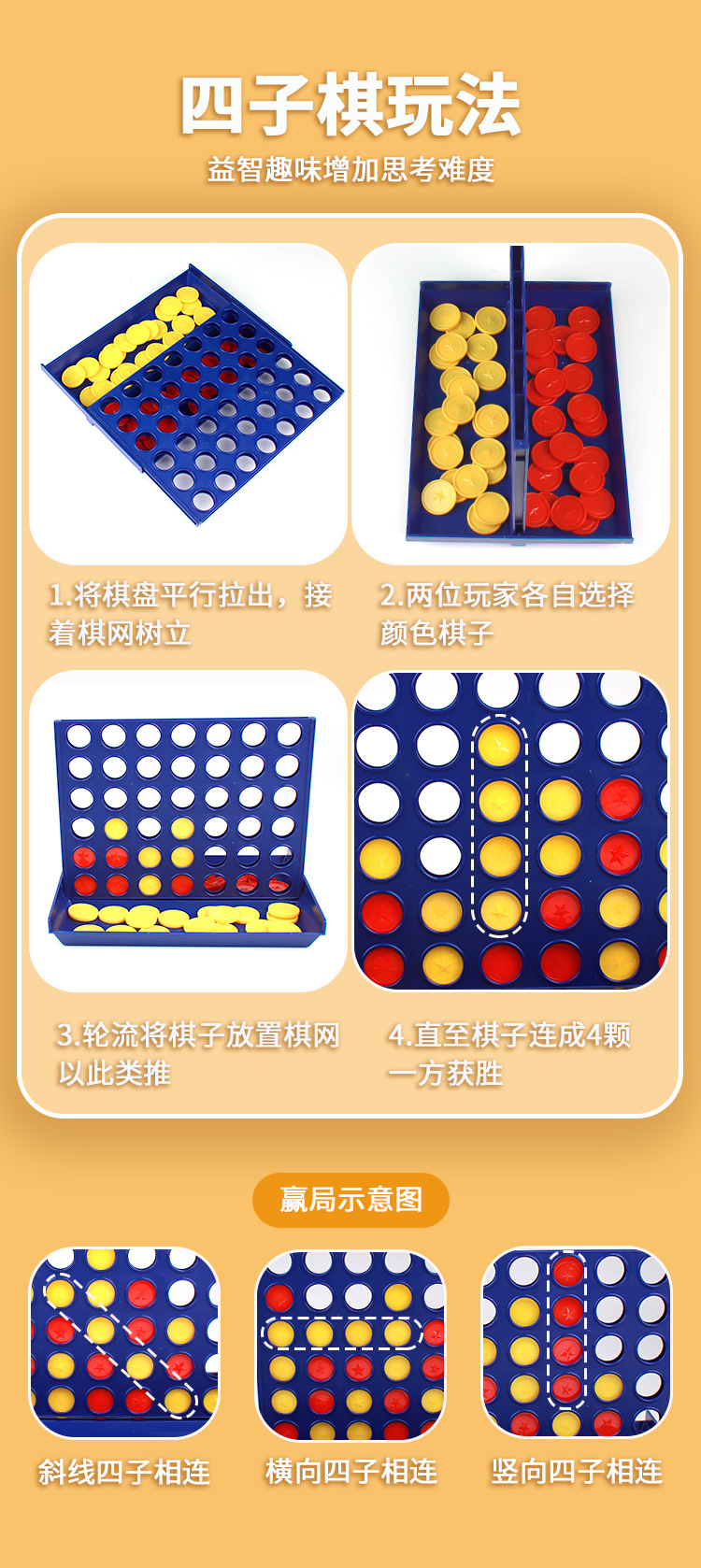
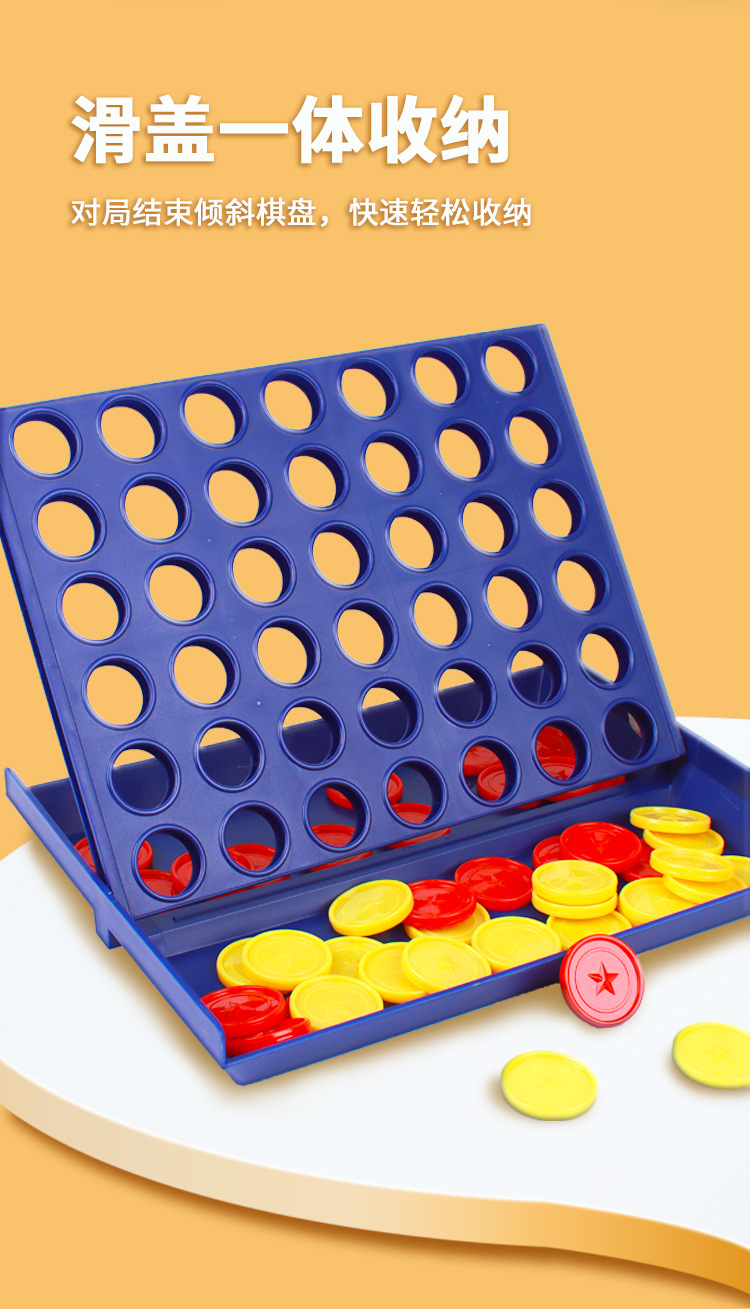

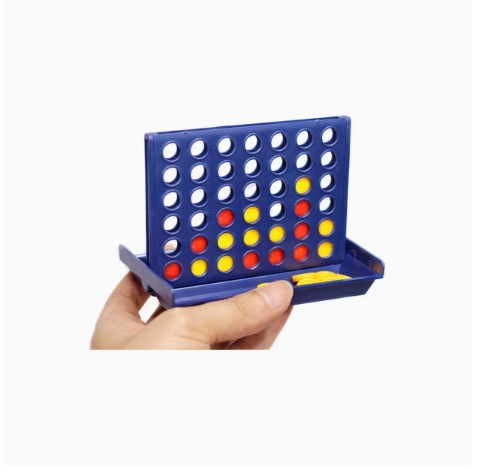
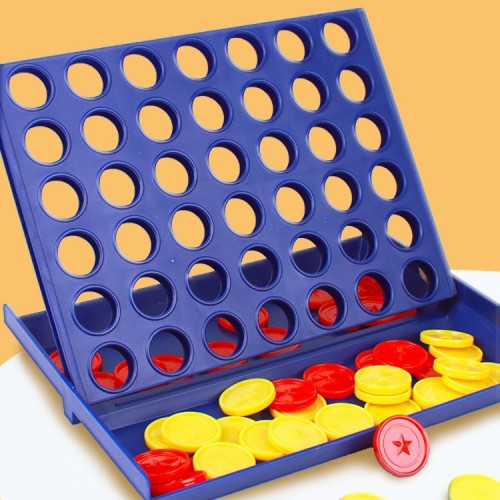
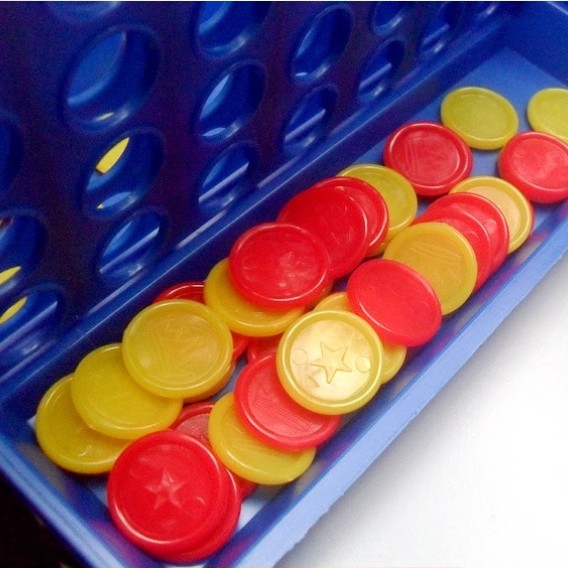
Chessboard and Chess Pieces:Chessboards are usually placed vertically, forming a grid structure with seven columns and six rows. The pieces are usually of two different colors to facilitate the distinction between the two opposing sides.
Game Objective:Both sides take turns to place their pieces at the top of the board's columns, and win when they form a continuous sequence of four of their own color in any direction, horizontally, vertically, or diagonally.
Game Start and Turn Process:The game begins with an empty board. Both players decide who goes first through methods such as rock-paper-scissors, and the player who goes first places a piece on a column by choosing it. The piece will fall from the top of the column and occupy the blank space at the bottom. The player who goes second repeats this action, and the game continues in turns.
Winning Judgment:During the placement of the chess pieces, once a player's pieces form a sequence of four in a row, whether it is a horizontal line spanning four squares, a vertical line running through four squares, or a diagonal line connecting four squares, the player immediately wins and the game ends. If the chessboard is filled with pieces and neither player has formed a sequence of four in a row, the game is declared a draw.
Strategy Highlights:Players must work hard to build their own four-in-a-row, while also being vigilant and blocking the opponent's attempts to form a connection. In the early stages, it is advisable to occupy the center columns of the chessboard, as the range of the pieces here is wider, making it easier to form a connection. In the later stages, it is necessary to adapt flexibly to the situation, observe the opponent's moves, and seize key positions.
In conclusion, the rules of four-in-row are simple and easy to learn, yet they contain a rich variety of strategic variations, making them suitable for players of all ages for entertainment and leisure.
Update time:


TOP