|
Product Description
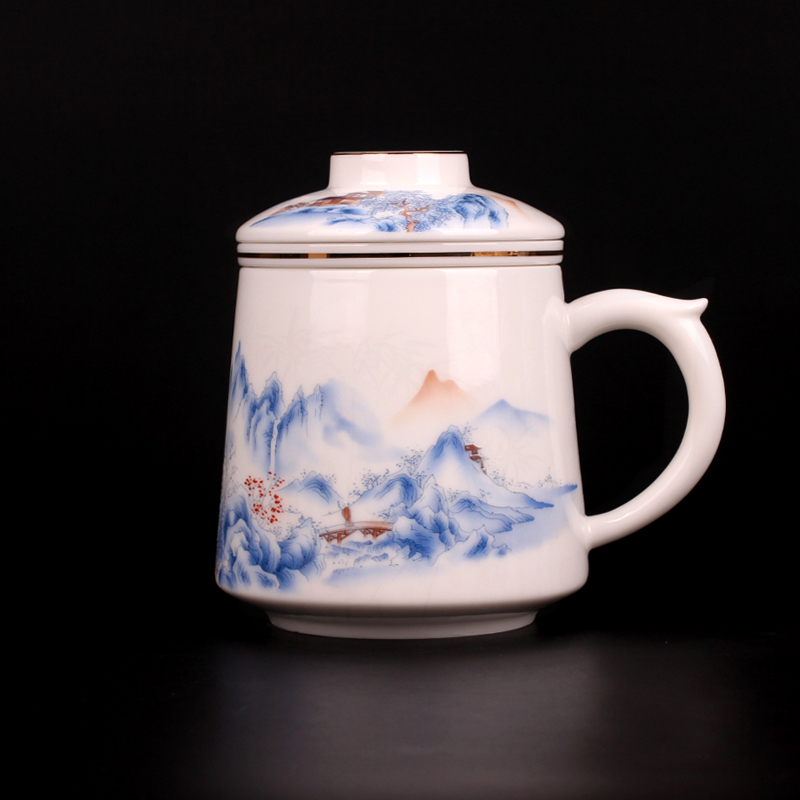
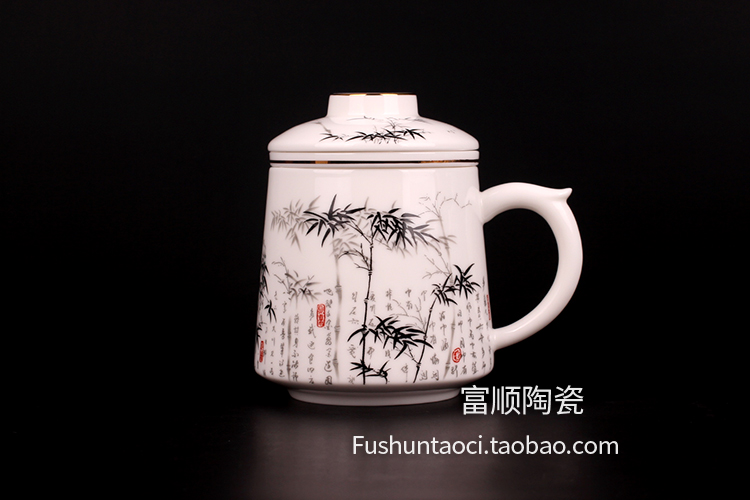
Capacity: About 500ML
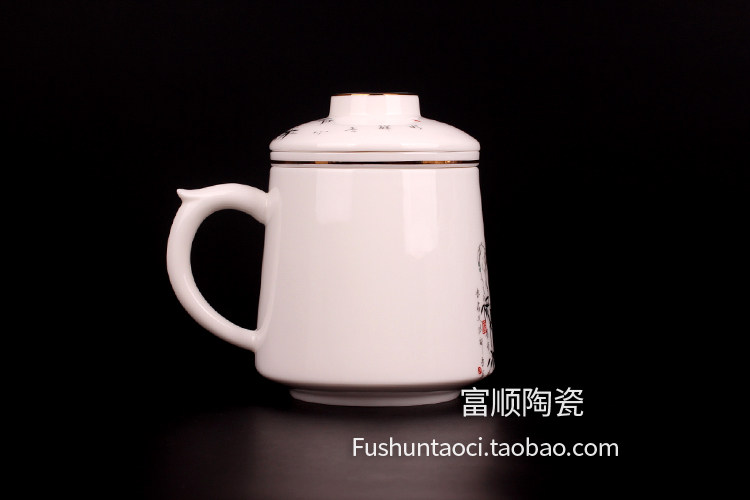
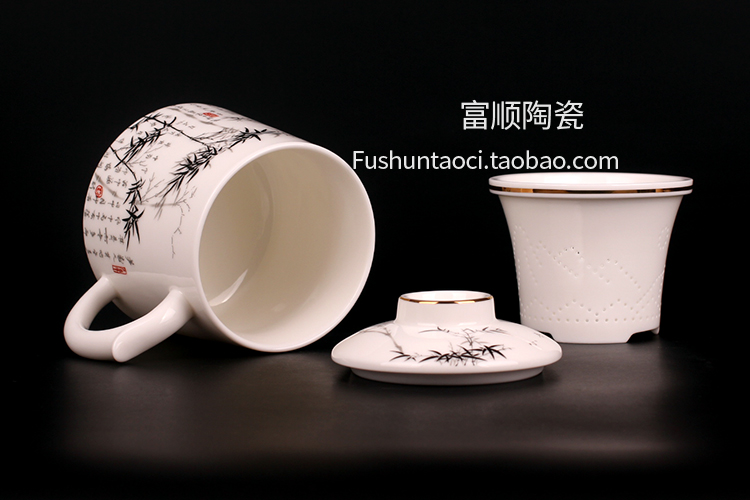
Dimensions: Height with lid approx. 12.8CM, net height approx. 9.8CM, diameter approx. 8.8CM
Jingdezhen Ceramics Introduction
Jingdezhen is the representative and symbol of "the country of porcelain," with a long history of porcelain production and exquisite porcelain, renowned worldwide, hence the nickname "Porcelain Capital." Jingdezhen has a long history of producing porcelain, and in the Tang Dynasty, it produced white porcelain as white as jade, earning the nickname "fake jade." In the Song Dynasty, Emperor Zhenzong of Song bestowed the honor of the imperial decree, granting the year Jingde to Jingdezhen, and thus Jingdezhen porcelain became famous throughout the world. Subsequently, through the Yuan, Ming, and Qing dynasties, it became the national center for porcelain production. By the Qing Kangxi, Yongzheng, and Qianlong dynasties, porcelain development reached its historical peak.
More than 2,000 years of porcelain culture and skills have accumulated, laying a foundation for Jingdezhen to become the world-recognized capital of porcelain. Jingdezhen porcelain is described as "white as jade, thin as paper, clear as a mirror, and resonant as a bell." In particular, the fusion of craftsmanship, calligraphy, painting, sculpture, and poetry is truly "more precious than treasure and clearer than a mirror, more beautiful than the words of Jing and Guan, and more beautiful than Su." Elegant and beautiful blue and white, colorful and vibrant painted, colorful and brilliant glaze, transparent and delicate thin body, and skillfully crafted sculpture are all treasures of Chinese culture and art.
Jingdezhen ceramic features
1. Appearance beauty: The porcelain is fine and transparent, the shape is beautiful and elegant, the color surface is moist and bright, and the flower surface is colorful and diverse.
2. High-grade: Produced in Jingdezhen, it has long been the exclusive porcelain for the imperial family, combining both practical use and artistic value.
3. Precision in craft: The process is complex with a secondary firing.
4. Processing difficulty: During the firing process, extremely high standards are required for its regularity, whiteness, transparency, and thermal stability, leading to a high rate of waste.
|