Search history
Clear allSearch by image
XDrag and drop an image here or upload an image
Max 5MB per image
UploadSign In | Join

Search history
Clear allSearch by image
XDrag and drop an image here or upload an image
Max 5MB per image
UploadSign In | Join
X Email Mobile
| copper wheel | CN¥ 0.0 |
Yiwu Zhenghui Daily Necessities Co., Ltd. 2yr.
Contacts Li Liling Chat
Mobile 86-13732447366
E-mail 395598268@qq.com
WeChat 13732447366
Additional tax points will be added to the invoice, please consult the customer service for more details!
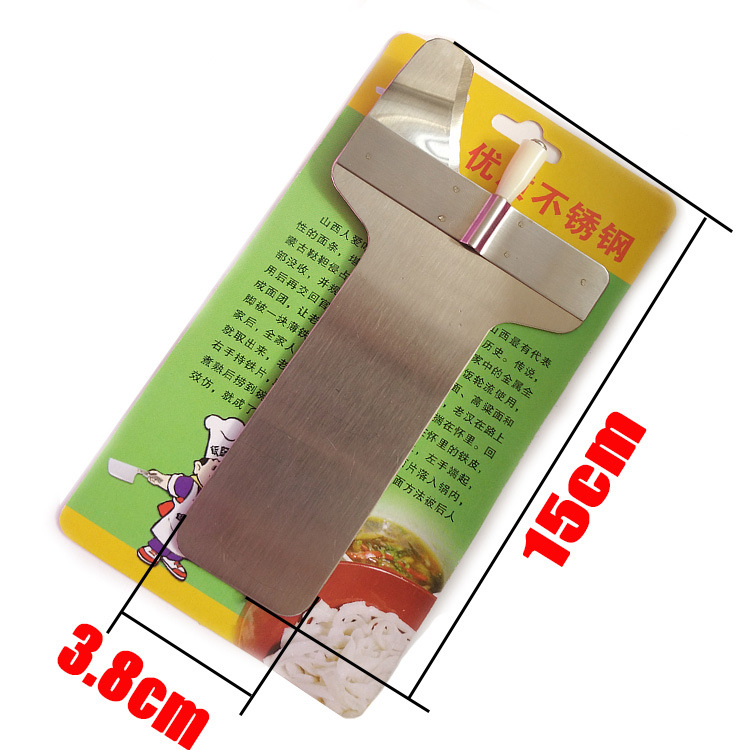
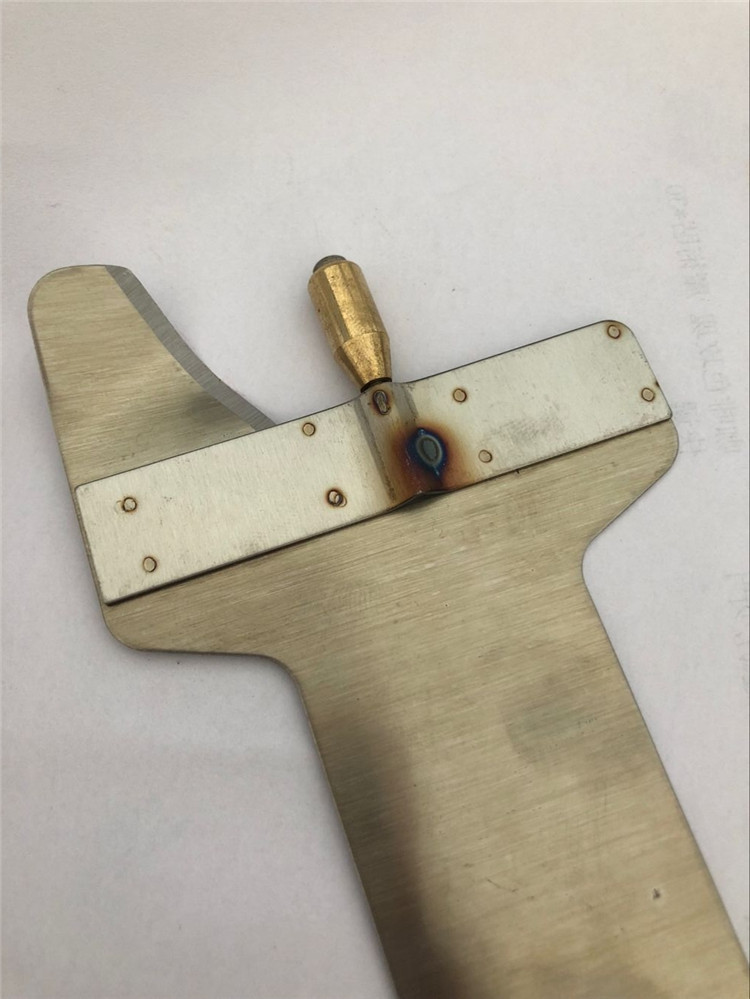

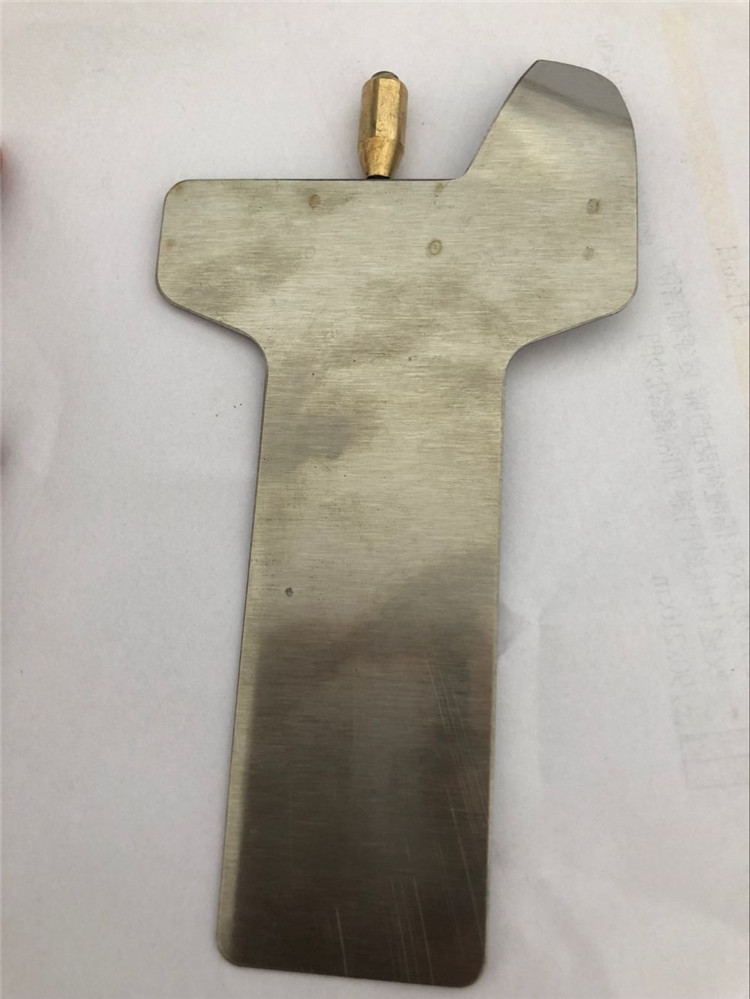
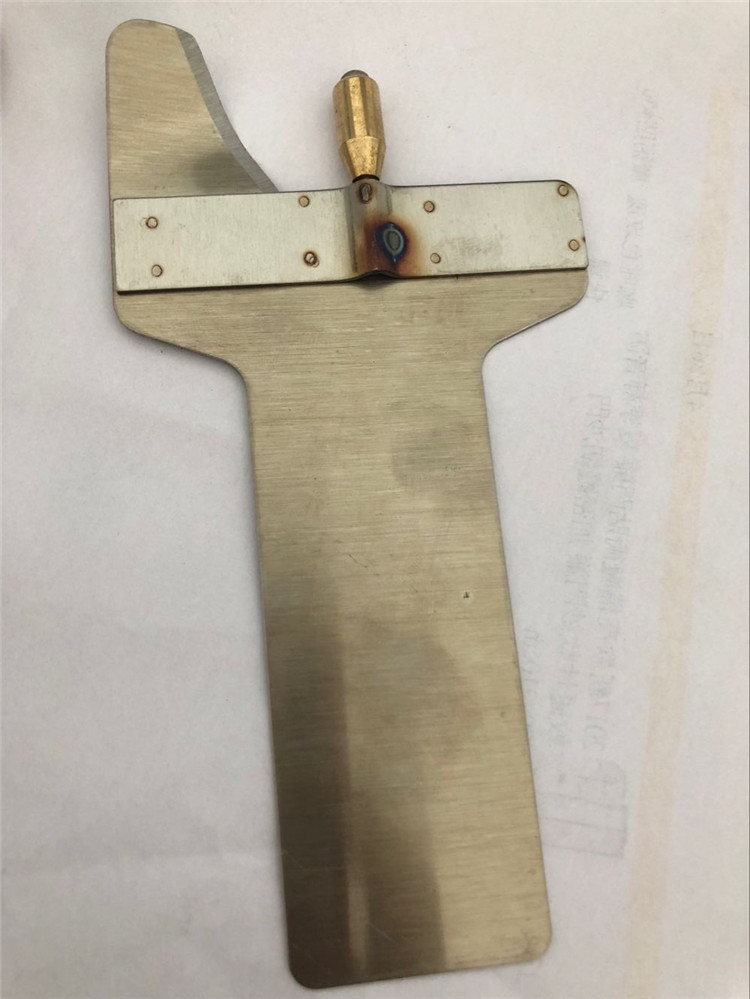
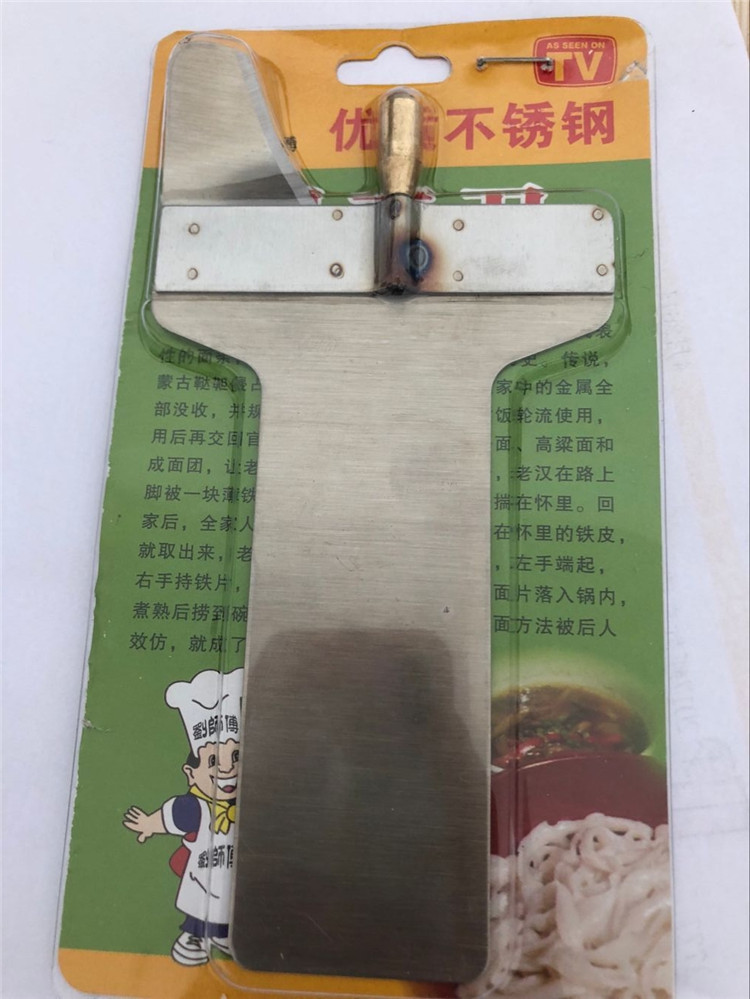
The world of noodles lies in China, and China's noodles lie in Shanxi, and Shanxi truly deserves to be known as the homeland of noodles." This is a praise from Mr. Tsuneo Inoue, president of the star food Zushi Association, after investigating Shanxi noodles. Since ancient times, Shanxi noodles have been renowned for their variety and health benefits. Shanxi noodles have a long history and a long-standing tradition, with a recordable history of over 2,000 years.
Dao Xiao Noodles" is a daily favorite food of the people of Shanxi Province, known for its unique flavor and fame both at home and abroad. The noodles are named after being cut with a knife, as they are entirely cut by knife. The noodles are thick in the middle and thin at the edges, with distinct edges, resembling willow leaves. They are soft and non-sticky when eaten, and taste better the more you chew, which makes them popular among those who like eating noodles. It is one of the five famous noodle dishes, along with Beijing's Lu Dan Noodles, Shandong's Yi Fu Noodles, Henan's Fish Baked Noodles, and Sichuan's Dang Dang Noodles, and enjoys high reputation. There is a story about the Dao Xiao Noodles. It is said that when the Mongolians occupied the central plains and established the Yuan Dynasty, the rulers feared that the people might rebel, so they confiscated all metal utensils from households and made relevant regulations, with ten households sharing one kitchen knife. Cooking and cutting vegetables were rotated, and after use, they were returned to the Mongolians for storage. One day, an old man's wife made dough and told the old man to get the kitchen knife. However, the knife was taken away, and the old man had to go home and wait. Just as the old man left the Mongolian gate, he was bumped by something and looked down to find a thin iron sheet. He picked it up and put it in his chest. When he got home, the pot was boiling, and the whole family was waiting for noodles, but the knife was not returned, and the old man was frantically turning around. Suddenly, he thought of the iron sheet in his chest and took it out to say, "Let's use this iron sheet to cut the noodles.The wife took a look at the thin and soft tin sheet and muttered, 'How can something so soft cut noodles?' The old man angrily said, 'If you can't cut it, just chop it.' The word 'chop' reminded the wife, so she put the dough on a wooden board, kneaded it, held the tin sheet in one hand, and stood by the stove, chopping the noodles into the boiling water. The pieces of noodles fell into the pot, cooked, and then put into the bowl, topped with sauce for the old man to eat. As he ate, the old man praised it. In this way, it spread from one to ten, then from ten to a hundred, and eventually spread across the entire Sanjin region, gaining people's favor.
Sliced noodles, stretched noodles, fish-floating noodles, and knife-sliced noodles are collectively known as the four major noodles of Shanxi. They are mentioned in the late Qing Dynasty's "Vegetarianism Briefly Explained." The traditional method of preparation involves holding the dough with one hand and slicing it with a knife directly into a boiling pot. The key to mastering the art of making sliced noodles is: "The knife should never leave the dough, and the dough should never leave the knife. Keep your arm straight and firm, hold the dough level, maintain a straight line with your hands and eyes, and slice the dough in one edge after another. When using a flat knife, the noodles should be flat, and when using a curved knife, they should be triangular." If eating sliced noodles is a blessing for the taste buds, then watching them is a blessing for the eyes. In 1958, during the technical competition of the financial and material system in Taiyuan, the capital of Shanxi Province, the experts could slice noodles that were about 21 centimeters long and 0.2-0.4 centimeters thick. They could slice 118 times a minute, and could slice 2500 grams of flour mixed with water into a wet dough per hour, which left the audience dazed and delighted. There is a popular saying that praises them: "One leaf falls into the pot, one leaf floats away, one leaf leaves the dough and another knife emerges, silver fish fall into the water and turn white waves, willows with the wind fall from the tree." In May 1983, Mr. Masaharu Hirota, a member of the star food company in Japan, came to Taiyuan to shoot a television program on the production of noodles. After visiting the skilled techniques of the chefs at Jinyang Hotel and Taiyuan Noodle Shop, he said: "The world of noodles is in China, and the noodles of China are in Shanxi. Taiyuan truly deserves to be the birthplace of noodles."
Sliced noodles face and the technical requirements of the surface are more stringent, the ratio of water and flour, requiring accuracy, generally one pound of flour three two water, beat the surface ear, then knead into a dough, and then cover with a wet cloth, rest for half an hour and then knead, until kneaded evenly, kneaded soft, kneaded light. If the kneading skills are not enough, it is easy to stick to the knife and break the strip when slicing. Now, most of the places in the country make sliced noodles, mostly use the strength king's noodle making process, which makes the surface ear, one is more surface, two is the surface of the strength. In addition, the charm of sliced noodles lies in the knife skills. The knife, generally does not use kitchen knives, from the special arc shaped slicing knife. When operating, the left hand holds the kneaded dough, the right hand holds the knife, the wrist should be smart, the effort should be flat, the force should be uniform, facing the soup pot, chu, chu, chu, one knife after another, the surface leaf, one leaf connected to another, just like a meteor chasing the moon, drawing a curved white line in the air, the surface leaf falls into the soup pot, the soup rolls and the surface rolls, just like silver fish playing in the water, it is very beautiful. A skilled chef can slice about 200 knives per minute, and the length of each surface leaf is exactly six inches. Before eating, you can visit the chef to slice the noodles, which is no different from enjoying an artistic performance.
Seasoning
The condiments for knife-cut noodles (commonly known as "toping" or "seasoning") are also varied, including tomato sauce, meat fried sauce, lamb sauce, golden needle and black fungus egg soup, etc., and are accompanied by fresh seasonal vegetables, such as shredded cucumber, leek flowers, mung bean sprouts, boiled soybeans, green garlic, and chili powder, etc., and a little old vinegar is added, which is very delicious.
brine
In general, knife cut noodles are a type of noodles that are suitable for being served with various toppings as a sauce, but according to people's habits, knife cut noodles are generally more suitable with a sauce that has a larger amount of broth. Now, the following are the recipes for three types of sauce from Shanxi, which you can refer to:
meat braising
Preparation Method:
Pork: There are two types of minced meat. The lean meat is three times as much as the fat meat, and the lean meat should be larger pieces, while the fat meat should be smaller pieces.
Pour some salad oil into the pot, first cook the fat out of the pork, cook it slightly dry, and then drain it out.
Fry the bay leaves, peppercorns, star anise, cardamom, cloves, and nutmeg in the oil over low heat. Just a few of these are enough, no more than a couple. The smaller the fire, the better to extract the aroma. After the spices have released their flavor, remove them from the oil.
Add about one tablespoon of bean paste, stir-fry until the oil turns red and the pot is filled with red bubbles. Then add the lean meat and stir-fry for a while, then add fresh ginger, green onion, and garlic. Note that the amount of green onion and garlic should equal that of ginger. Add them in order.First, fry the ginger, green onions, and garlic for about 10 seconds each. Then, add cooking wine, dark soy sauce, light soy sauce, and a little vinegar. Be careful not to add too much vinegar, about 10 grams of MSG, and then continue to fry for a while.
Pour the stock, making sure it's 3.5 times the weight of the meat. When you add the stock, you should first taste it to check the saltiness, mainly to season the meat. Turn the fire to high, and once the stock boils, turn it down to low. There are two main steps: add the spice bag, placing it in the bag according to a certain ratio. You have to adjust this yourself in the pot, and you can't leave the area. Cook for a while, about two minutes, and taste the stock to see if it has a good flavor. Then remove it. Then add the other spice bag and cook for a certain amount of time before removing it.
Three Fresh Flavors
Ingredients:
100 grams of water-soaked sea cucumber, 100 grams of water-soaked squid, 100 grams of cooked chicken, and 500 grams of eggs.
Ingredients:
Lard 50 grams, green onion knot 50 grams, appropriate amount of salt, 2 grams of pepper, 5 garlic cloves, 5 grams of MSG, 25 grams of cooking wine, 50 grams of soy sauce, 5 grams of ginger juice.
Preparation Method:
1. Cut the sea cucumber and squid into small pieces, blanch them in boiling water, and set them aside. Cut the cooked chicken into small pieces, and cut the green onions into sections.
2. Heat the lard until it is hot, add the pepper and green onions to fry until the aroma is released to form green onion oil, discard the green onions and pepper and set aside; Add the squid slices, sea cucumber slices, and chicken slices to the pot and stir-fry briefly, then add the seasoning ingredients to mix well and set aside for later use.
3. Heat the pot and add 2500 grams of bone soup. Boil it, then add the sea cucumber and other ingredients to taste. Thicken with water starch, beat the eggs and add them to the soup to make the Sanxian soup stock.
Tomato and Mustard Green Braise
Ingredients:
Tomatoes 2 pieces, Chinese mustard green 500 grams.
Ingredients:
Lard 50g, green onion knot 50g, salt to taste.
Preparation Method:
1. Cut the tomatoes into small pieces and chop the snow peas into fine pieces and set them aside.
2. Place 2500 grams of water in the pot, add the tomatoes and snow peas, and then add lard to boil the soup.
3. Add the seasoning to the pot to taste, and the tomato snow pea broth is ready.
In summary, the preparation of soup stock varies greatly, but one principle remains constant: it should be primarily salty and fresh, which generally suits the taste preferences of northern people.
Update time:


TOP