Search history
Clear allSearch by image
XDrag and drop an image here or upload an image
Max 5MB per image
UploadSign In | Join

X Email Mobile
|
|
¥0.0 | 20000 piece available |
|
A new item has been added to your Shopping Cart. You now have items in your Shopping Cart.


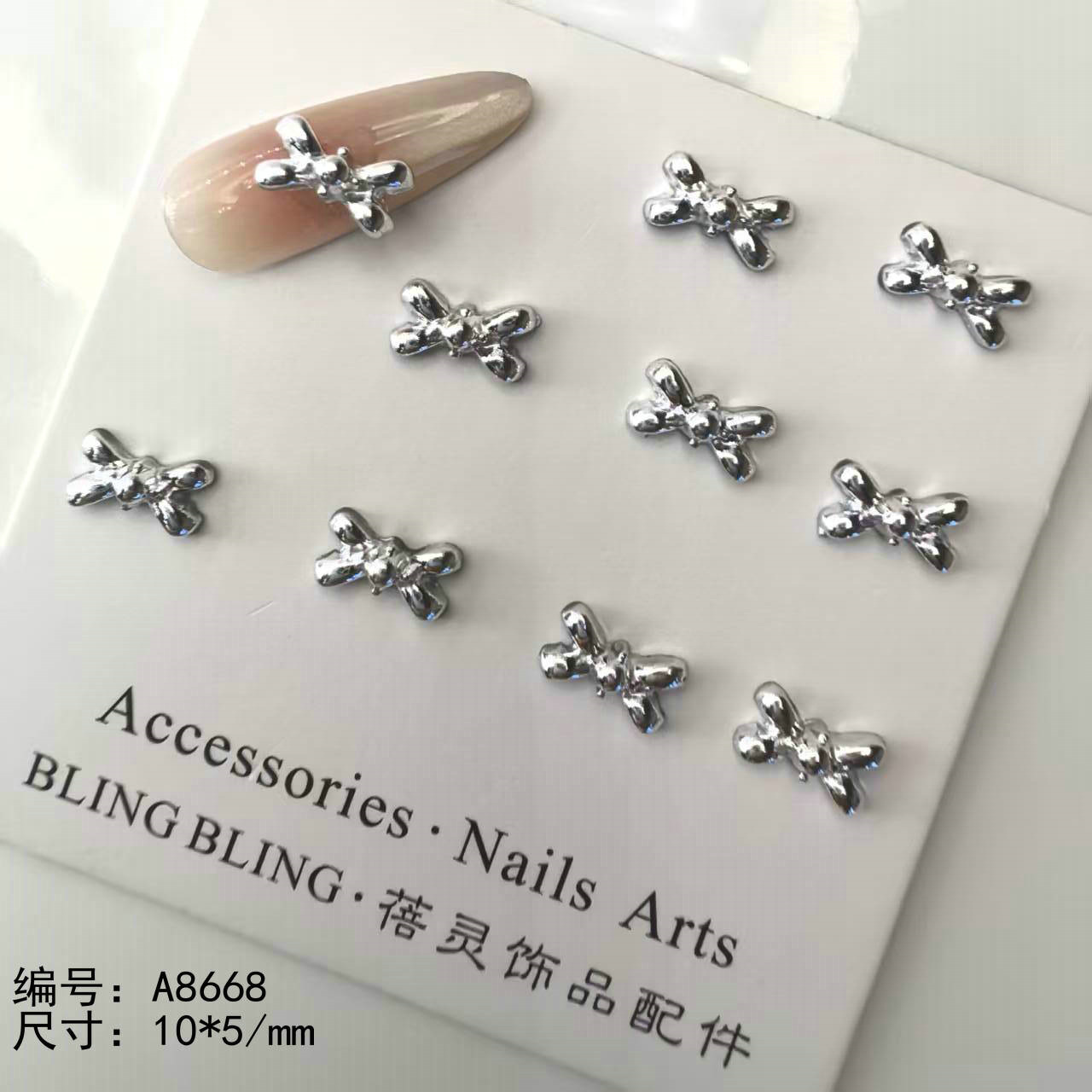
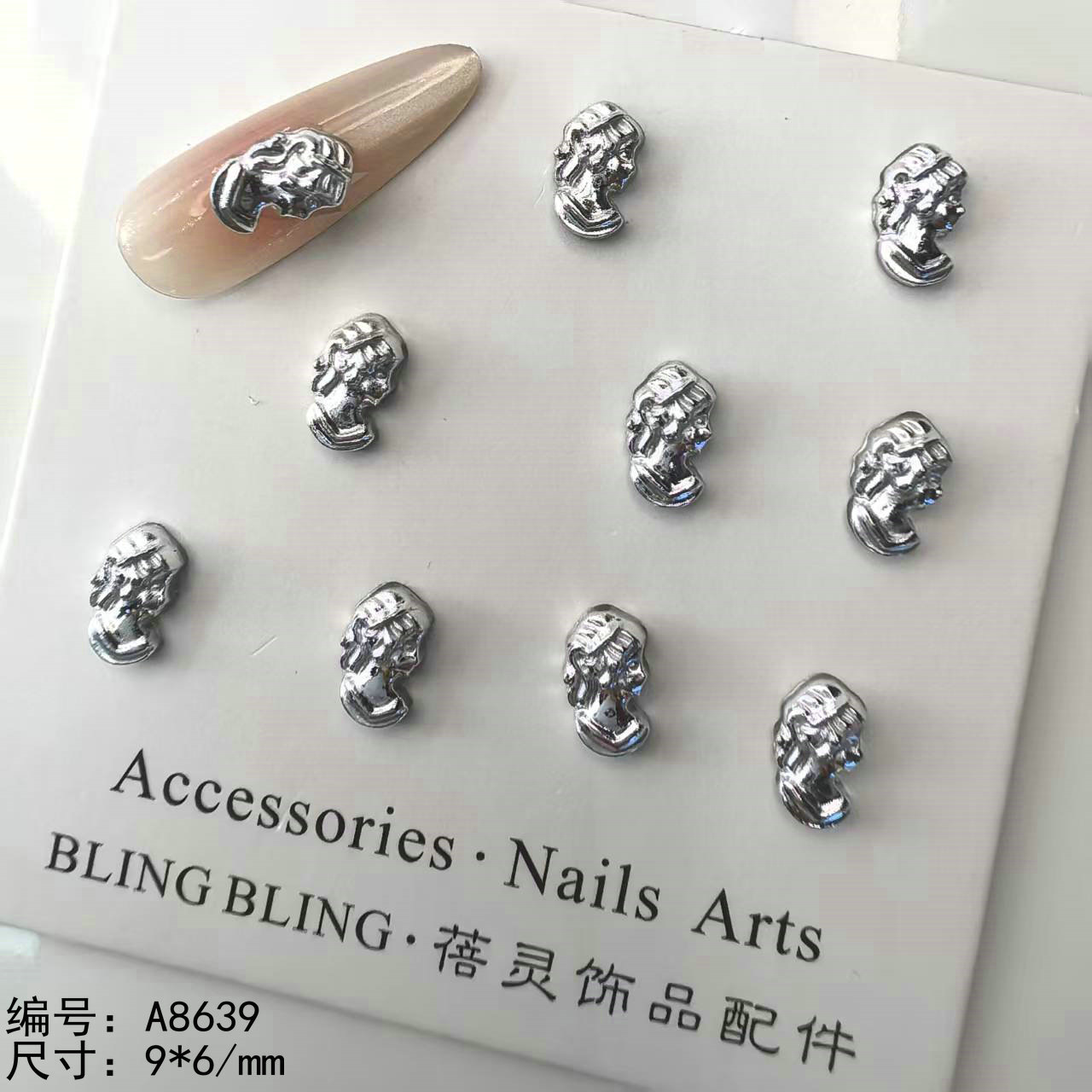
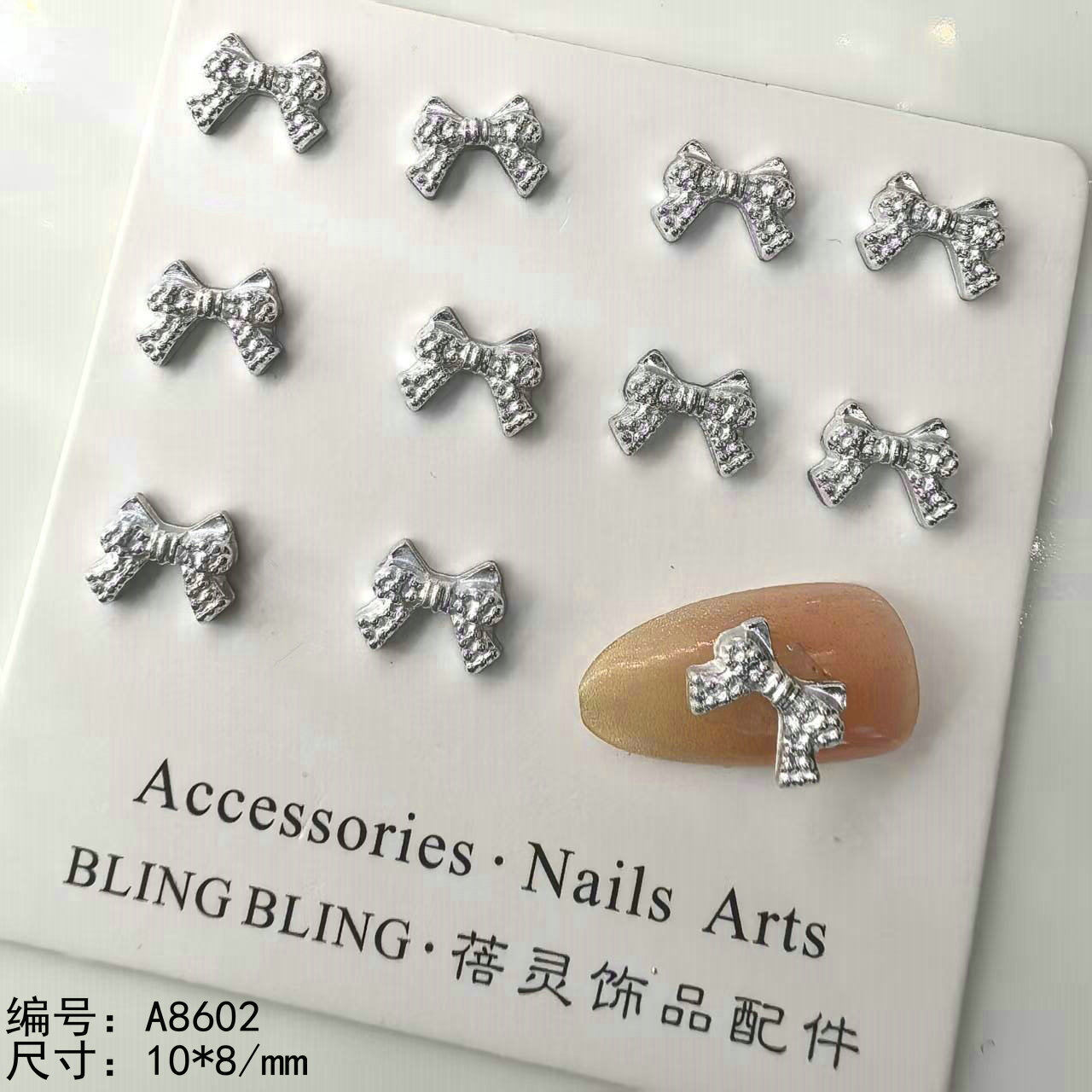
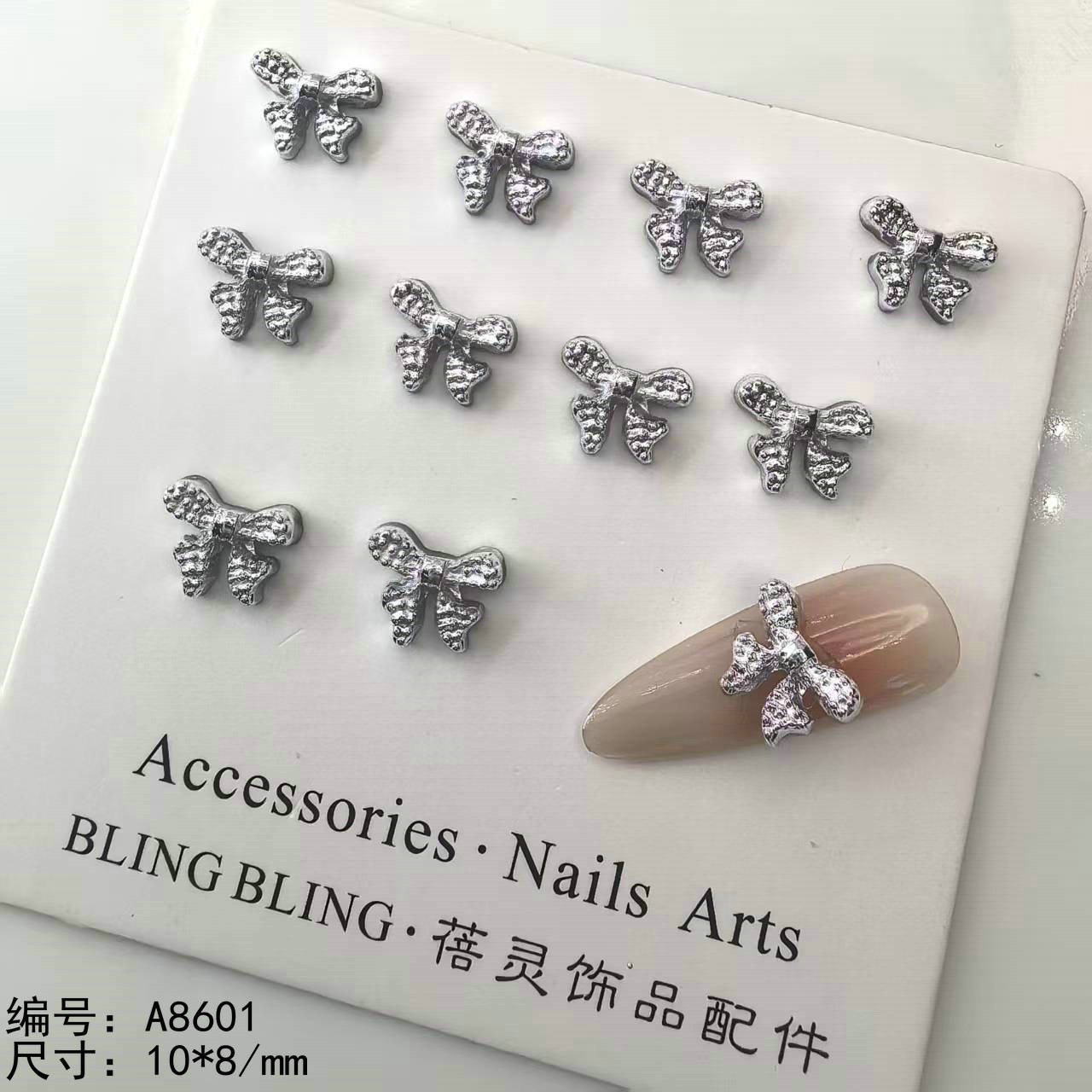
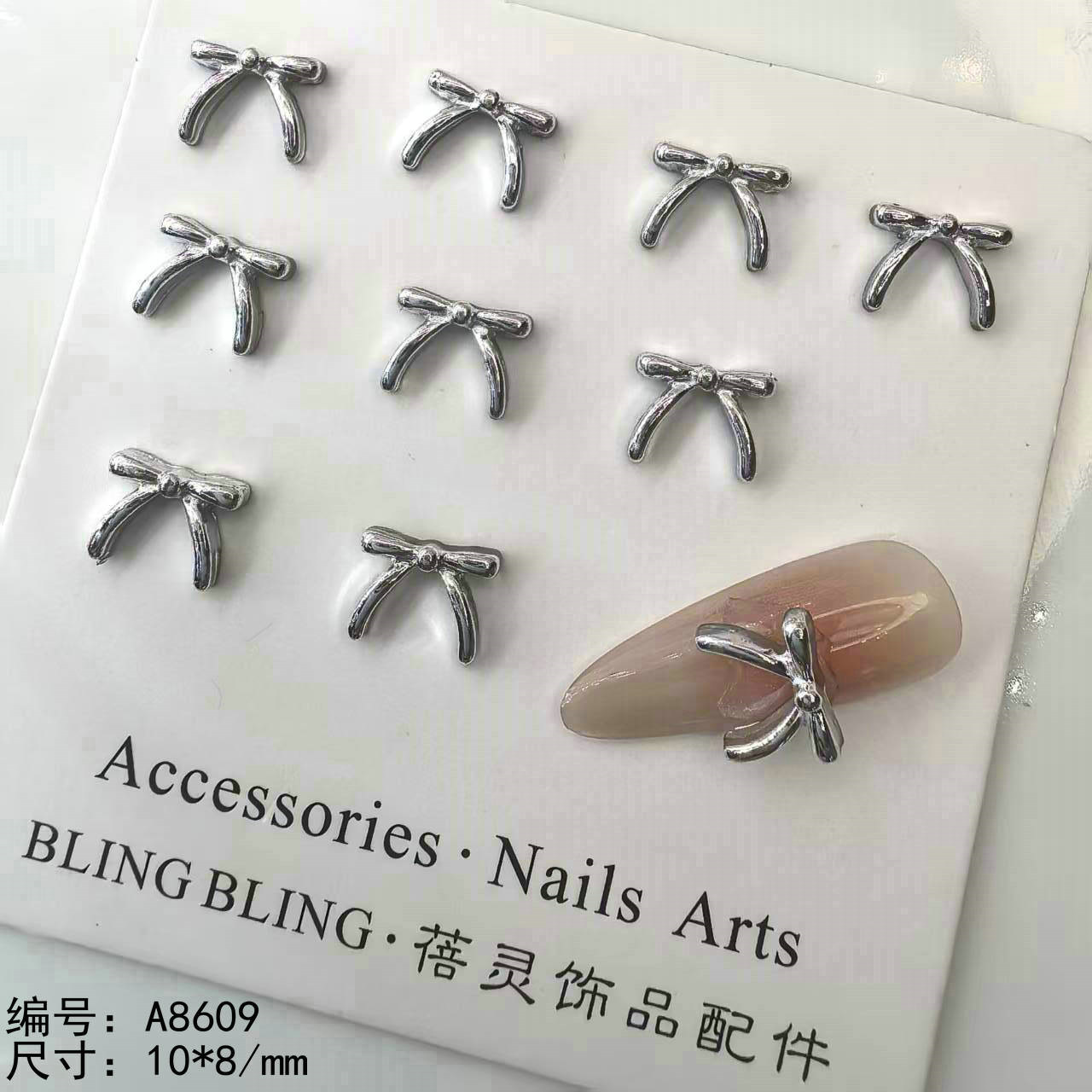
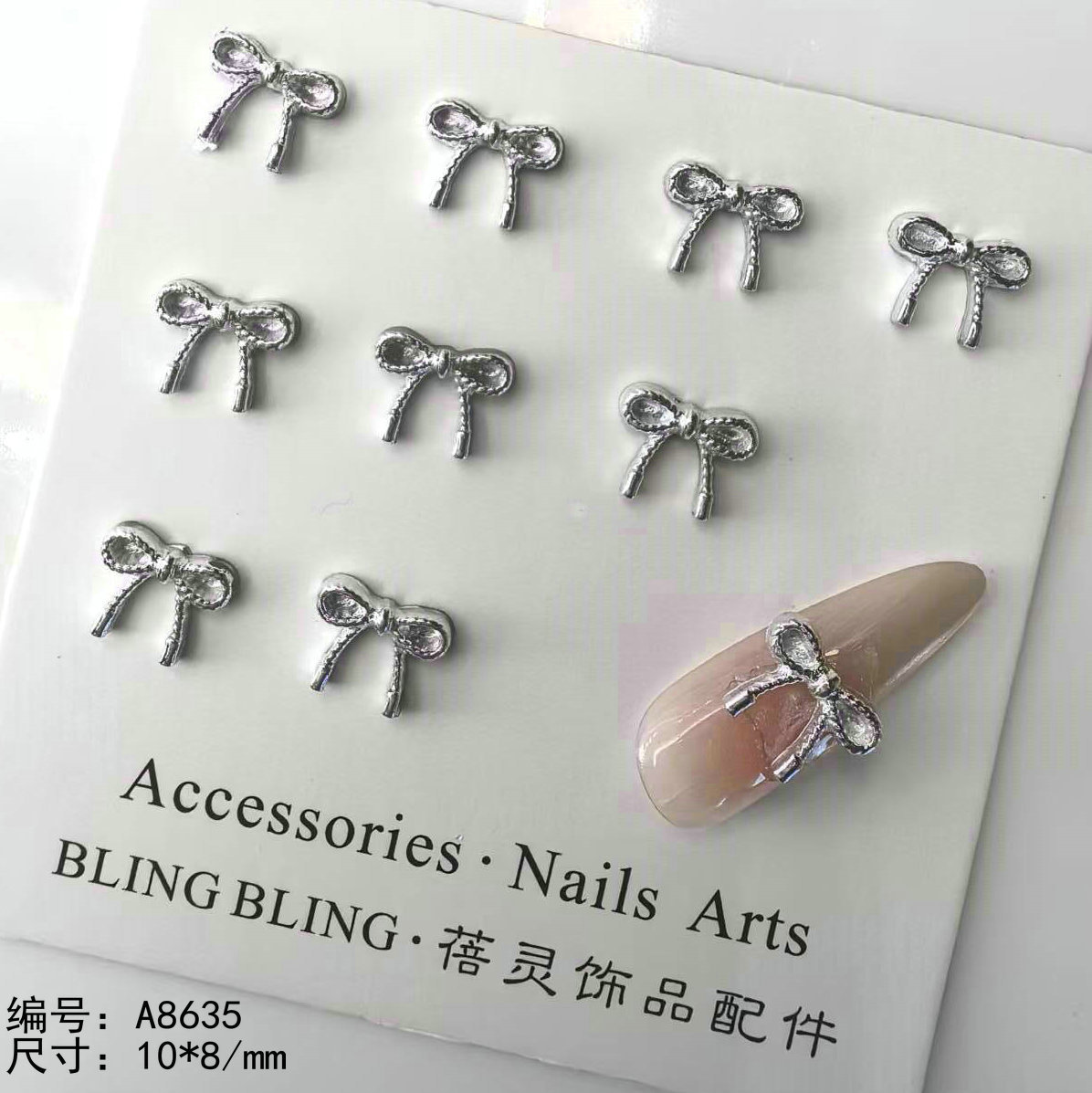
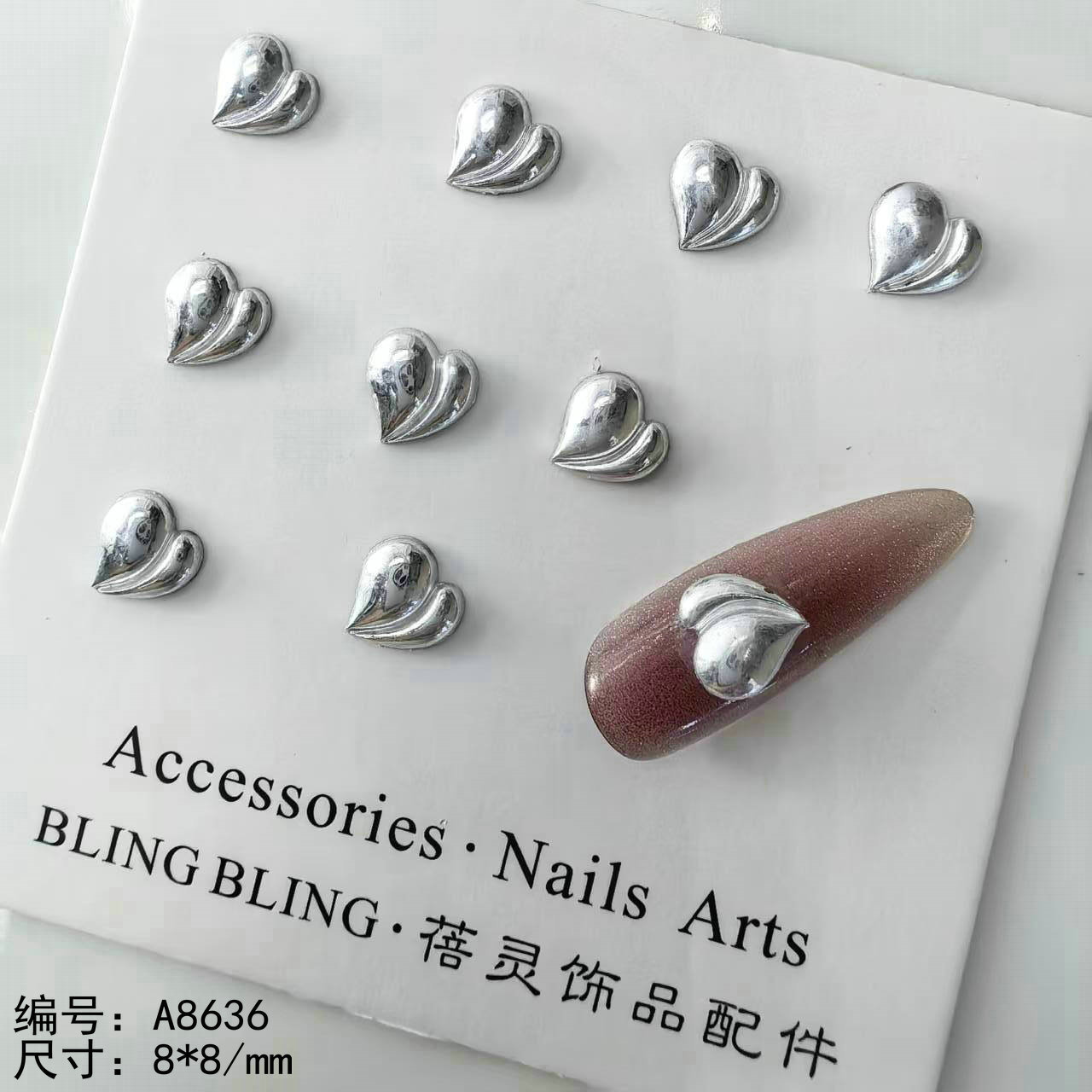
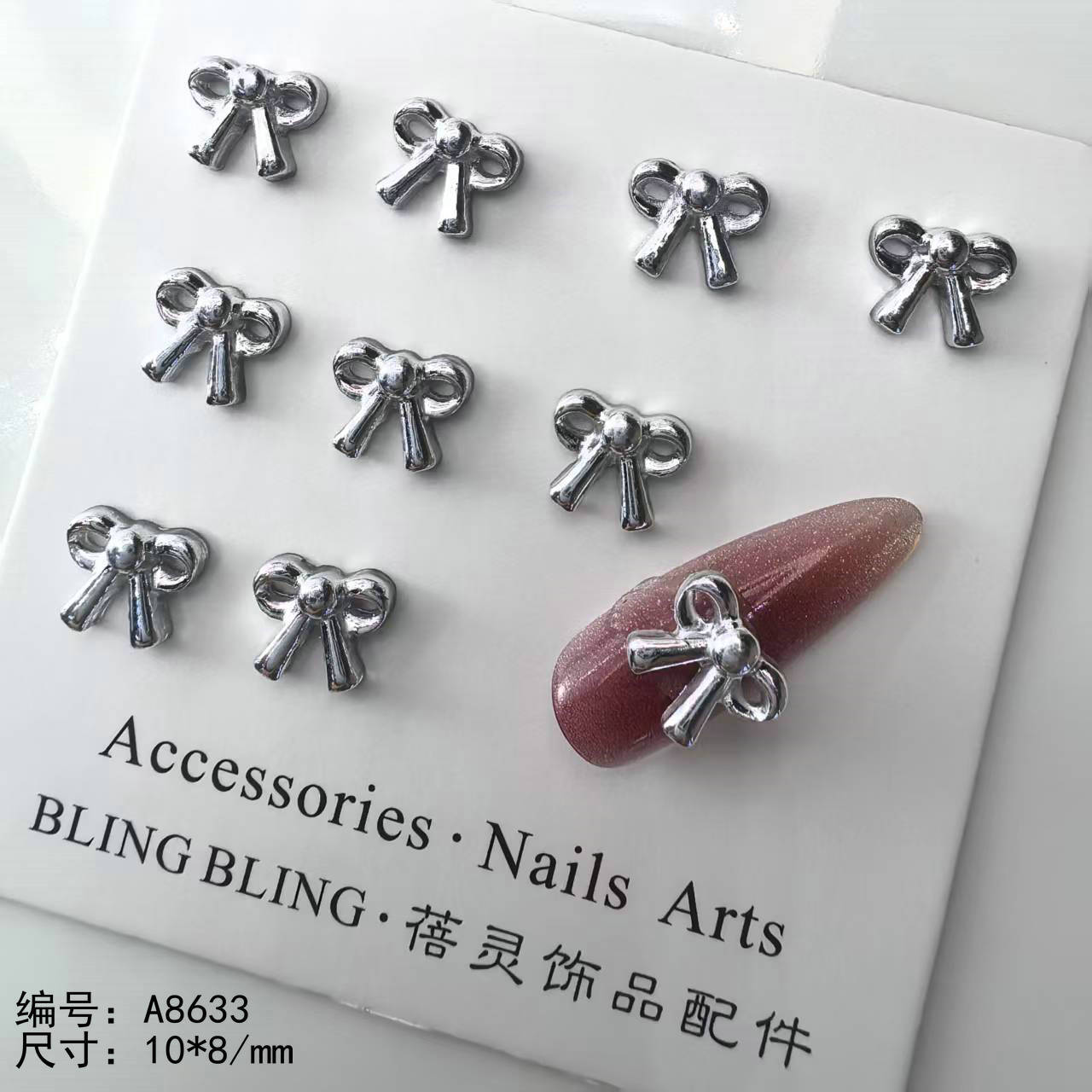
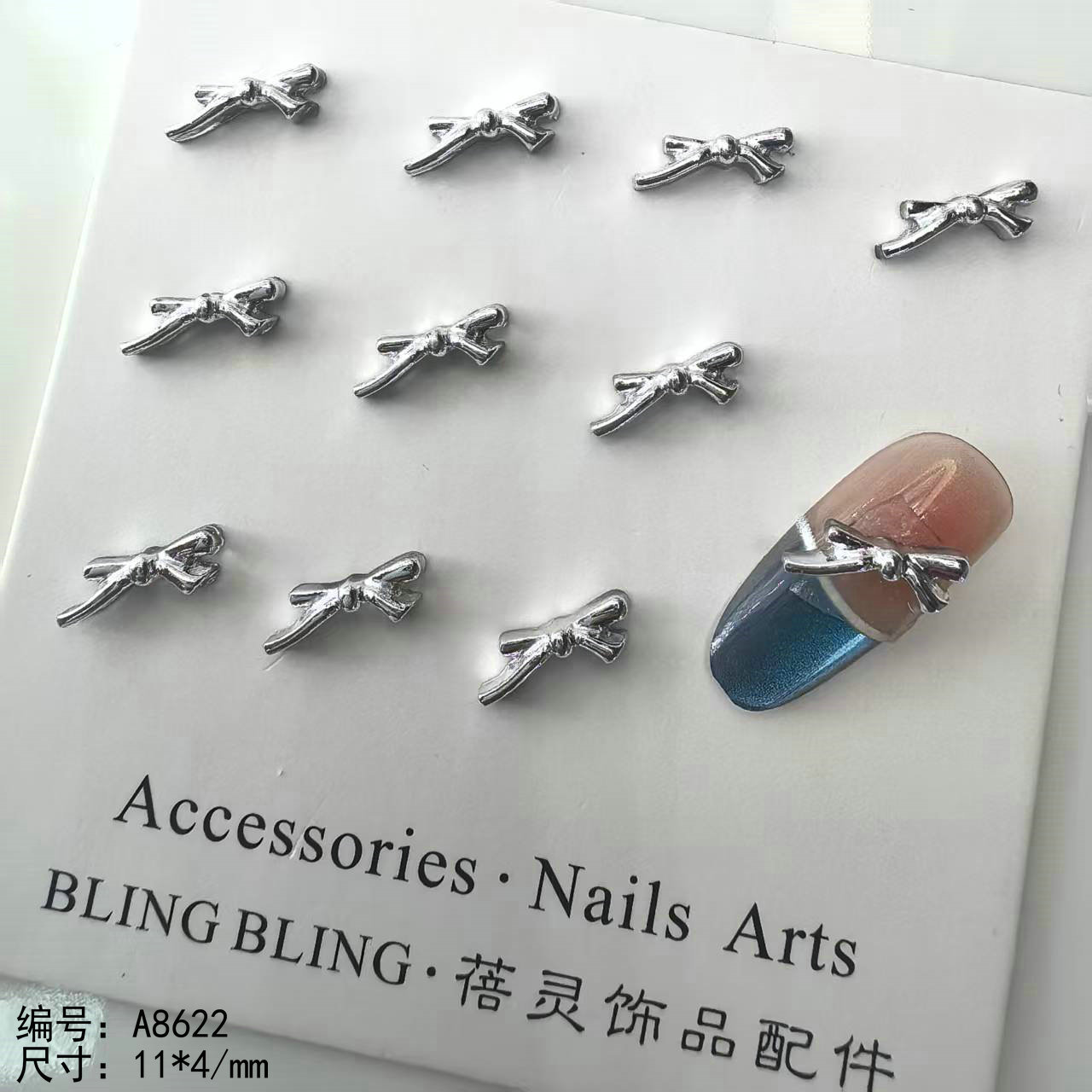
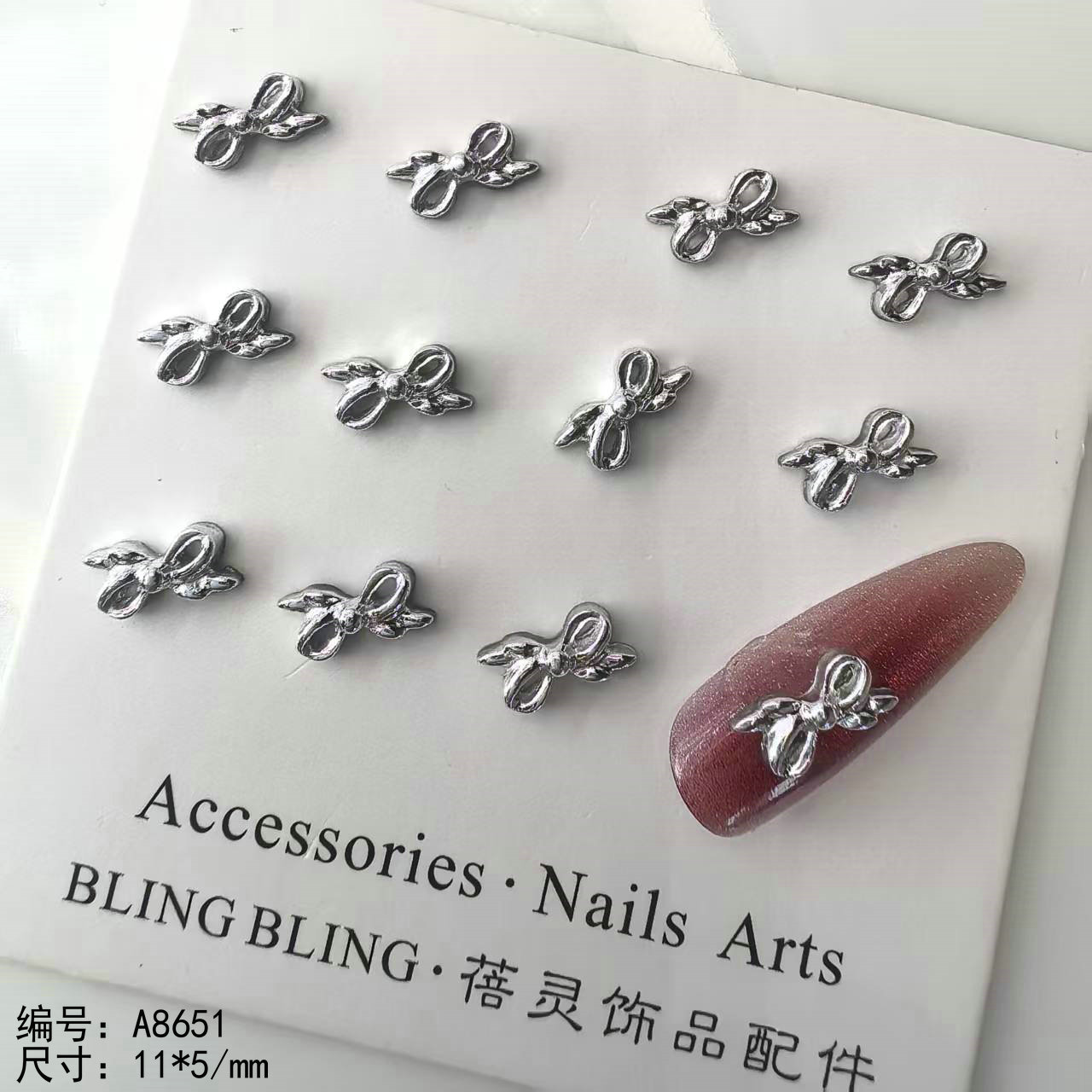
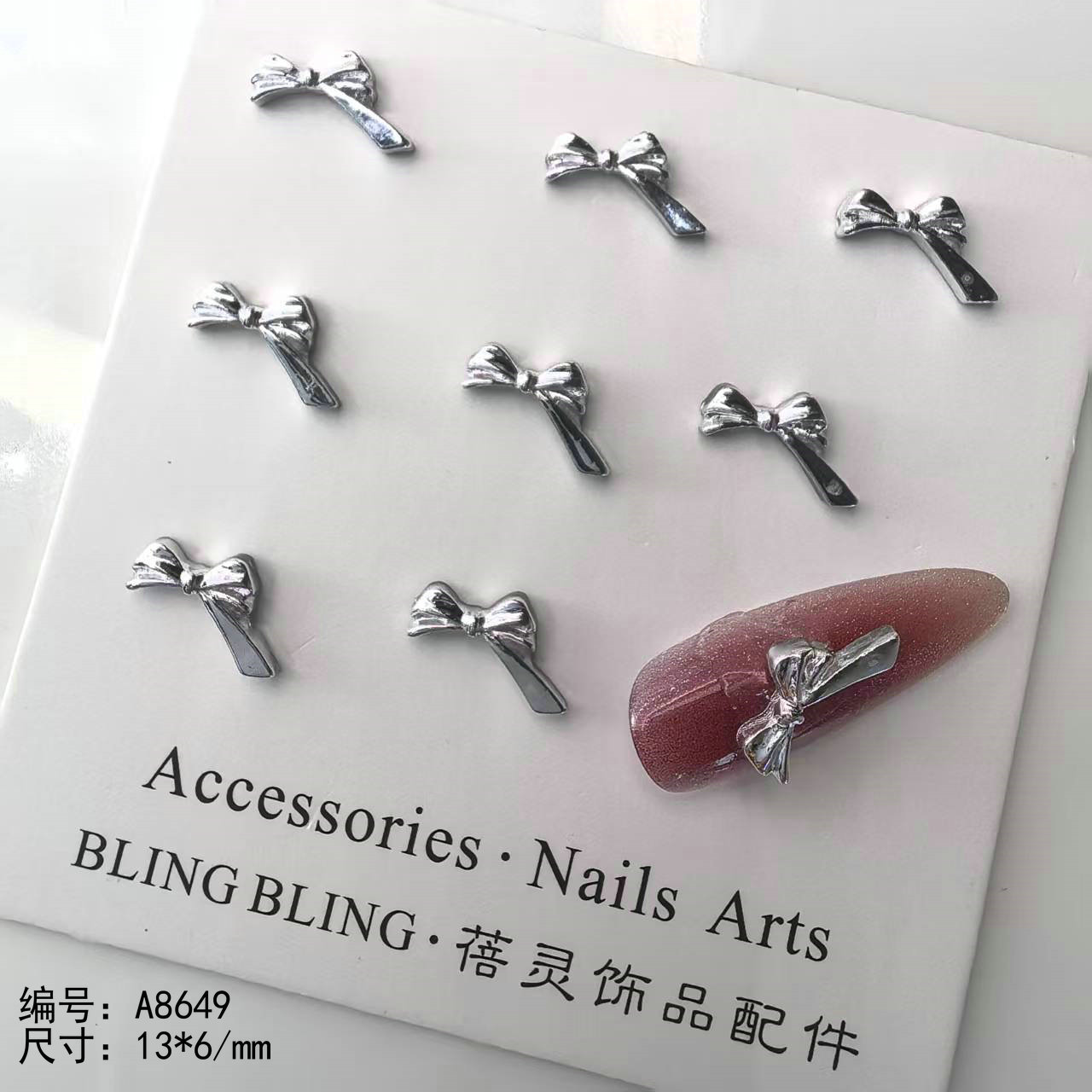
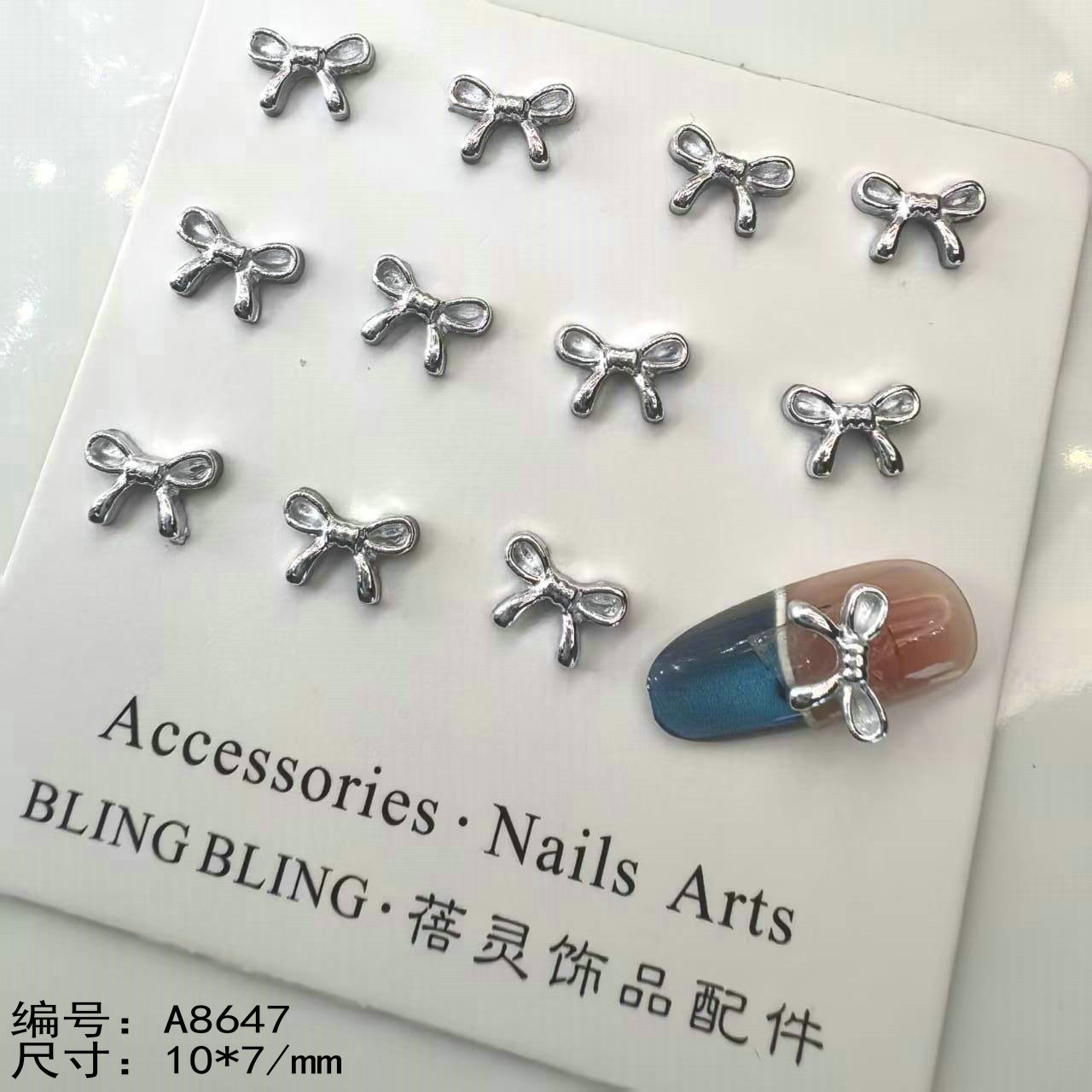
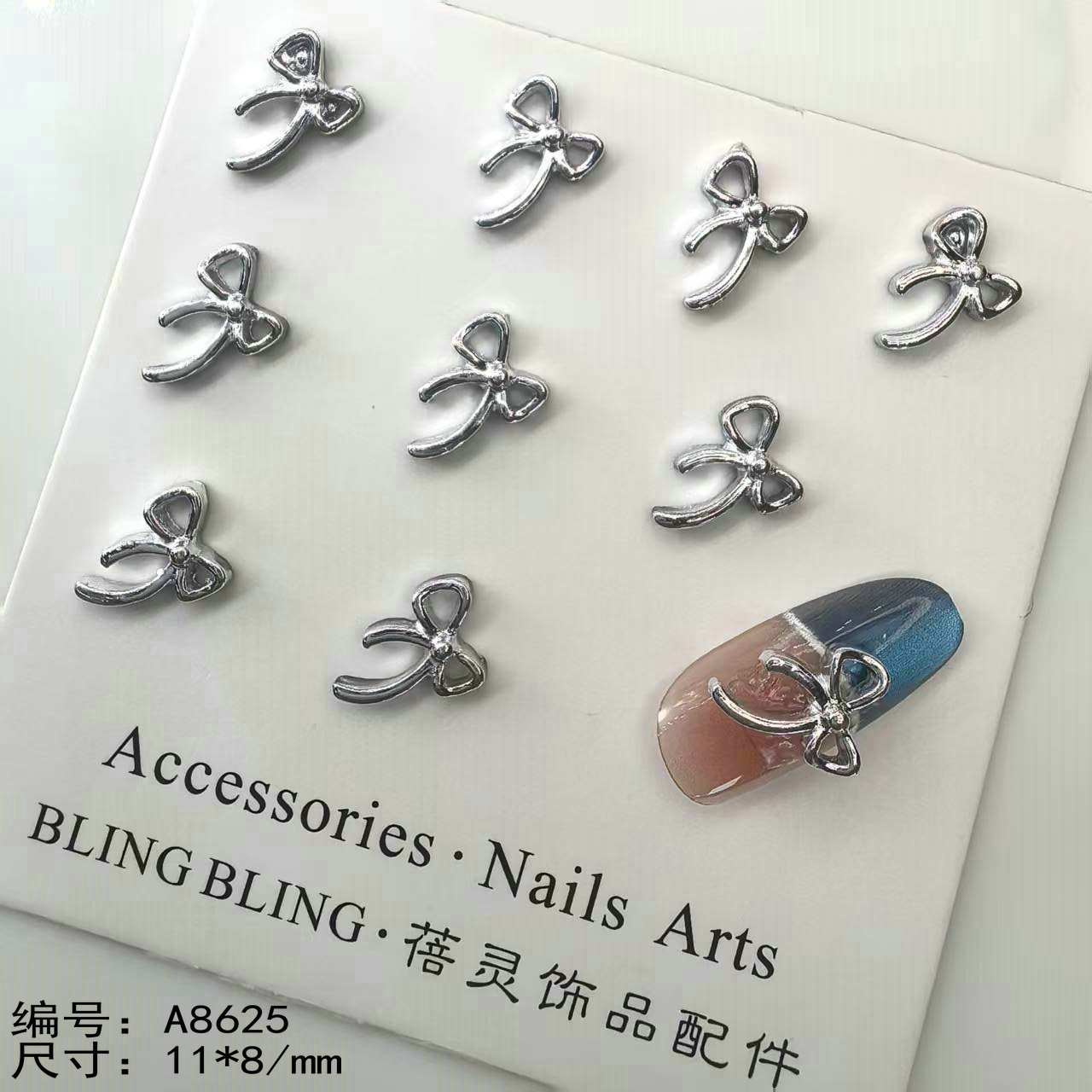
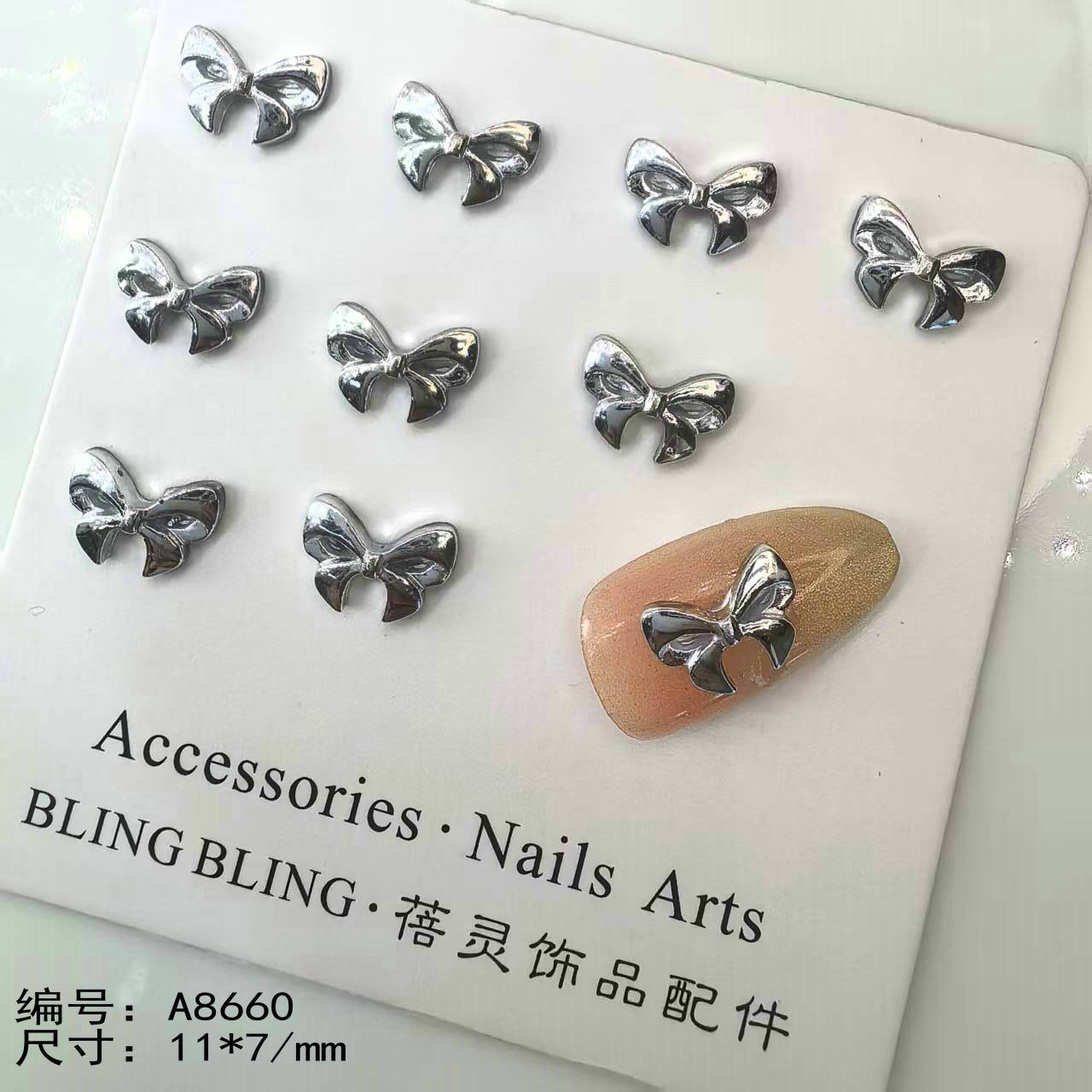
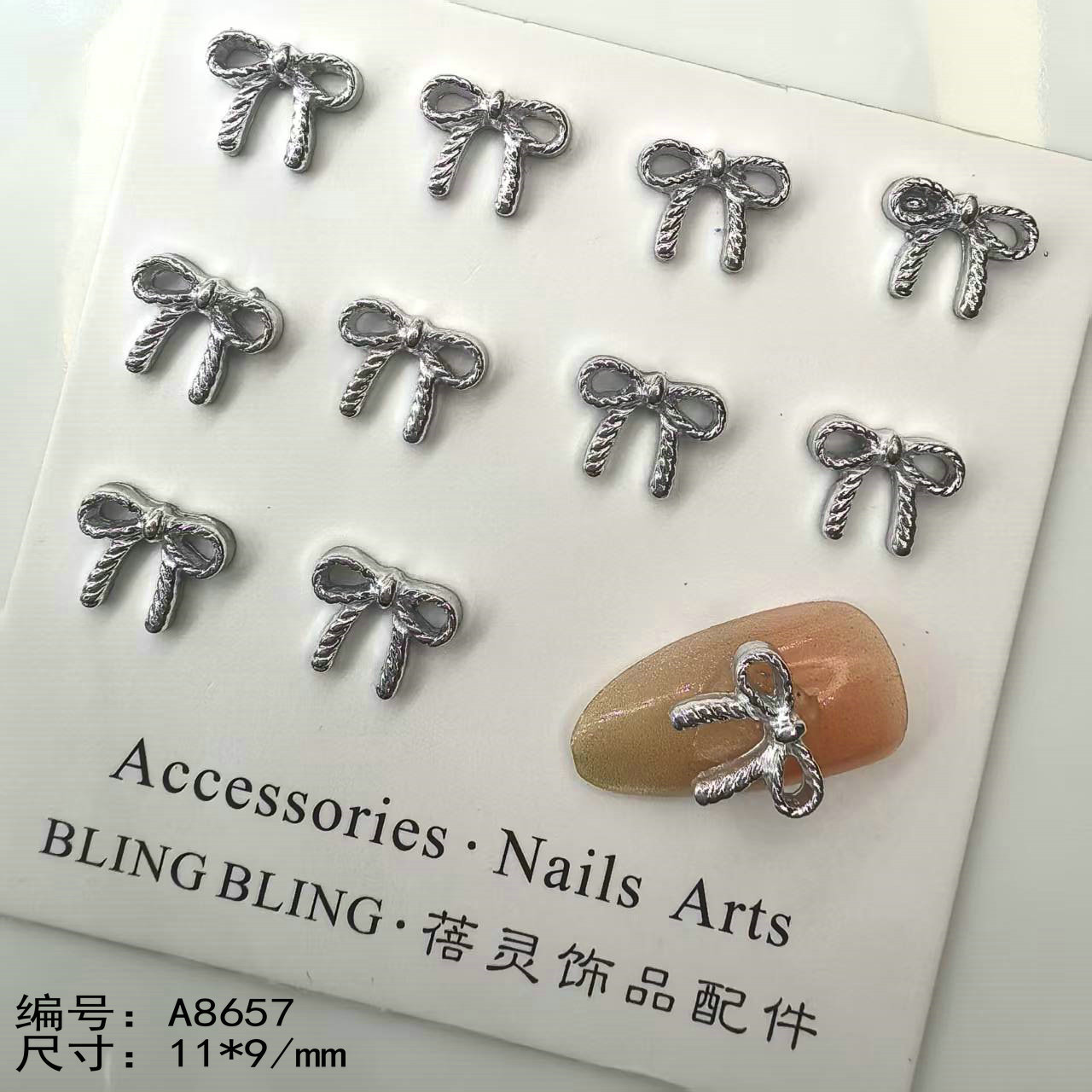
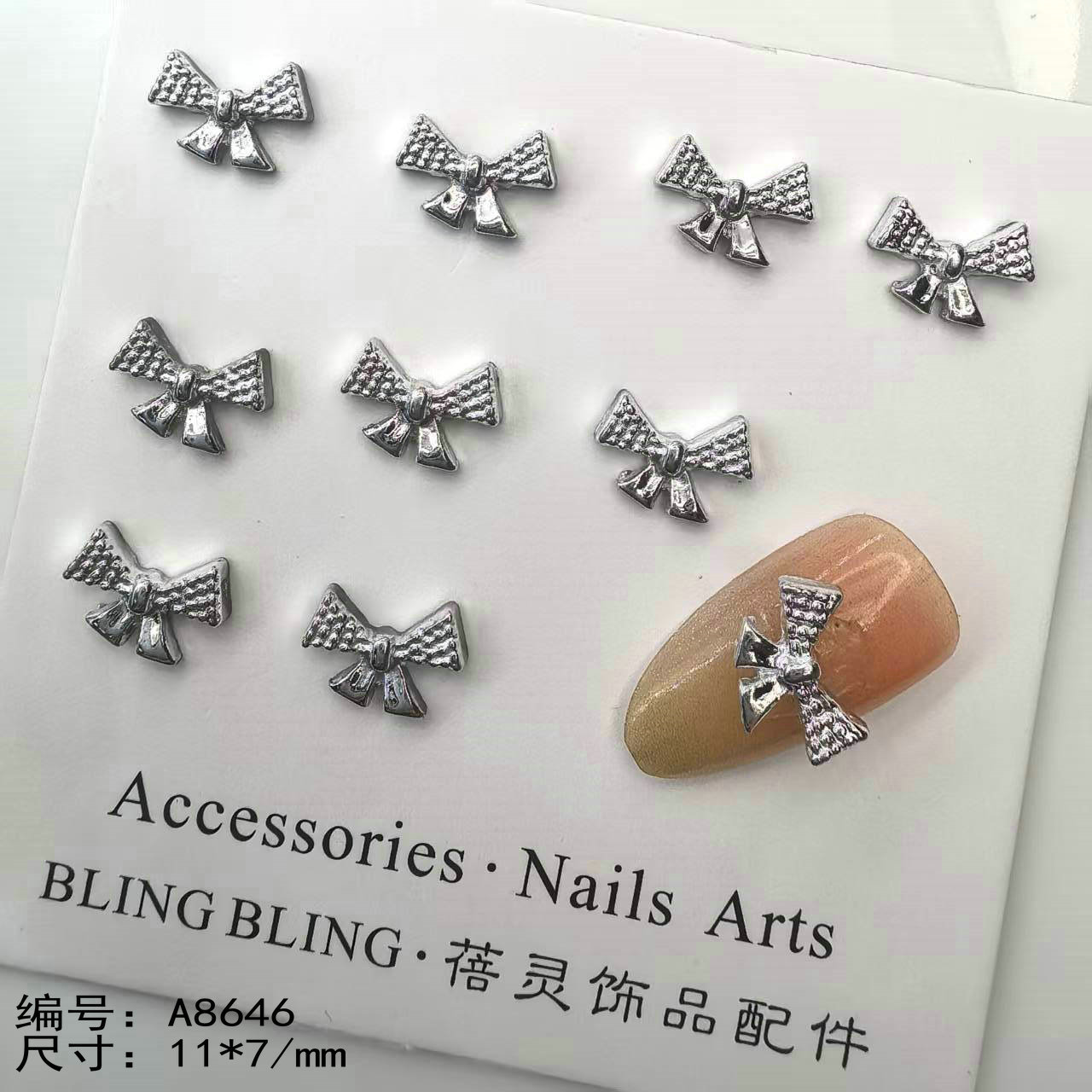
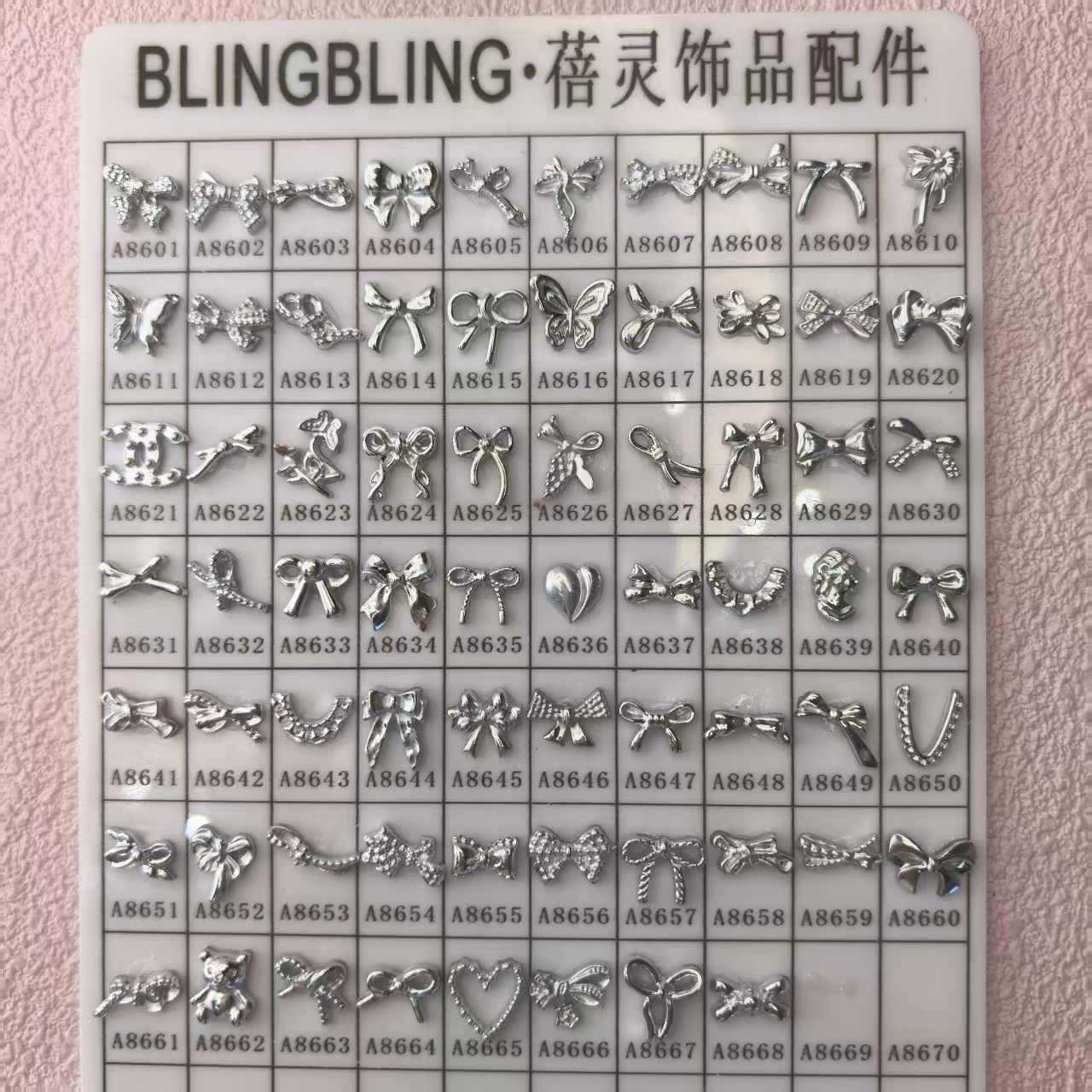
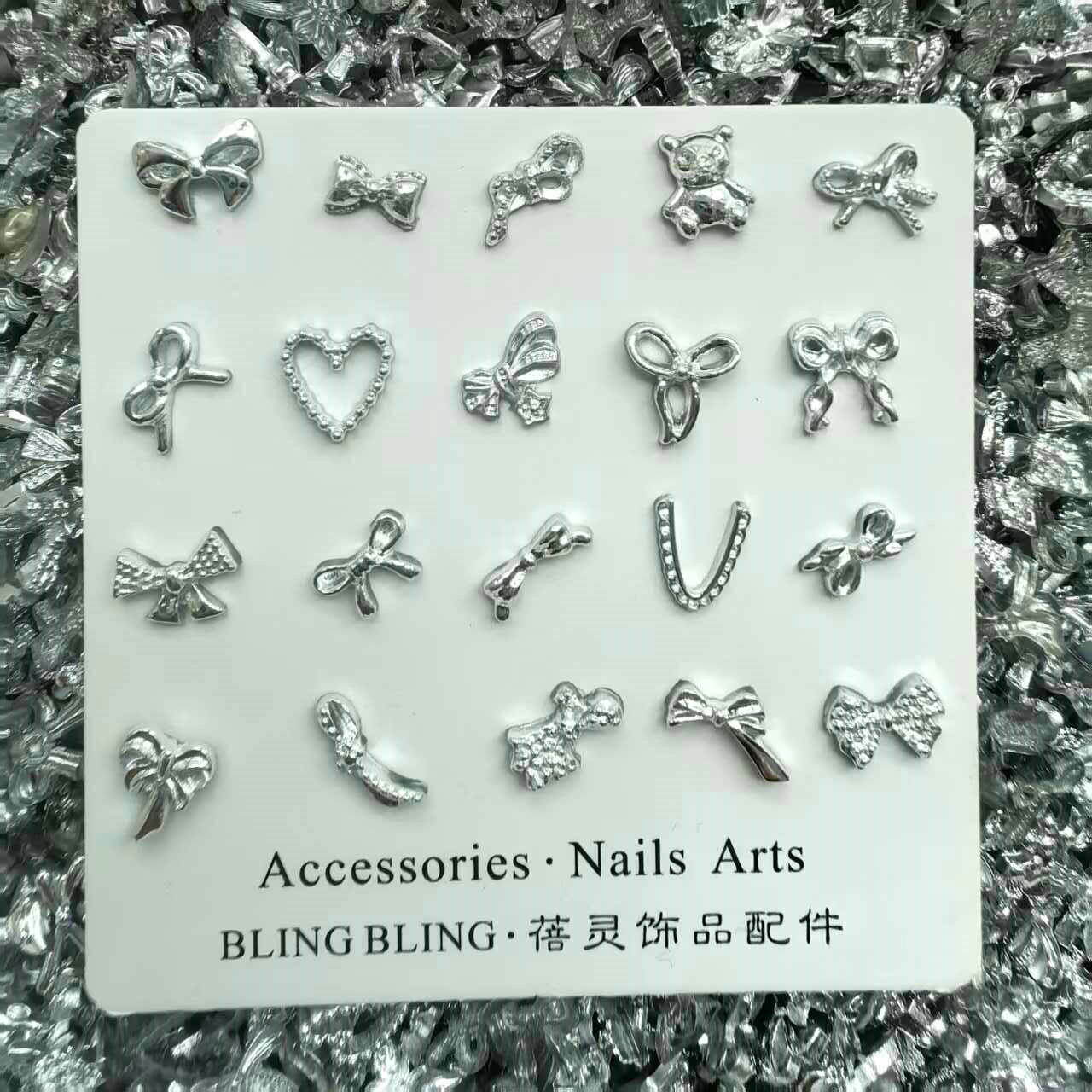
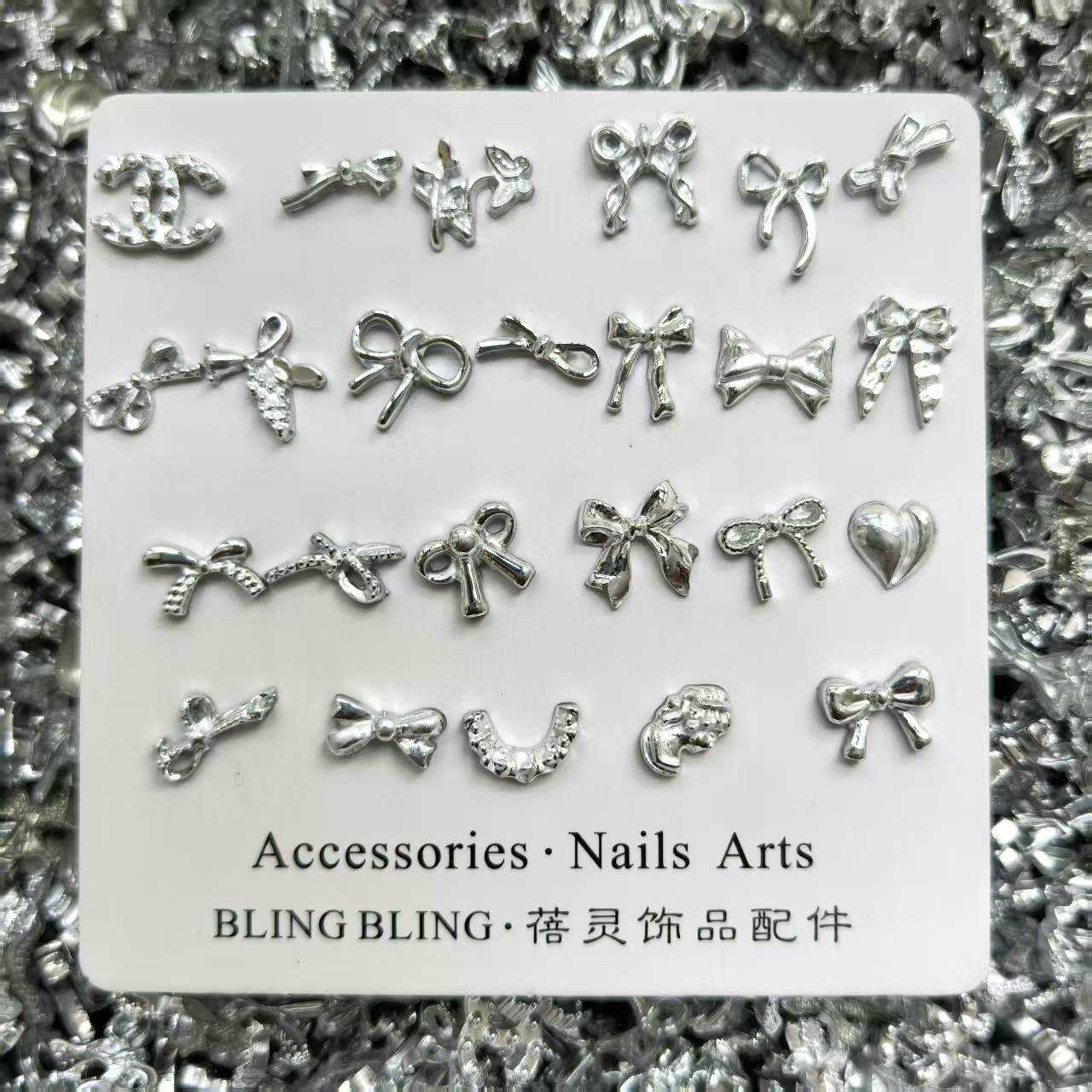
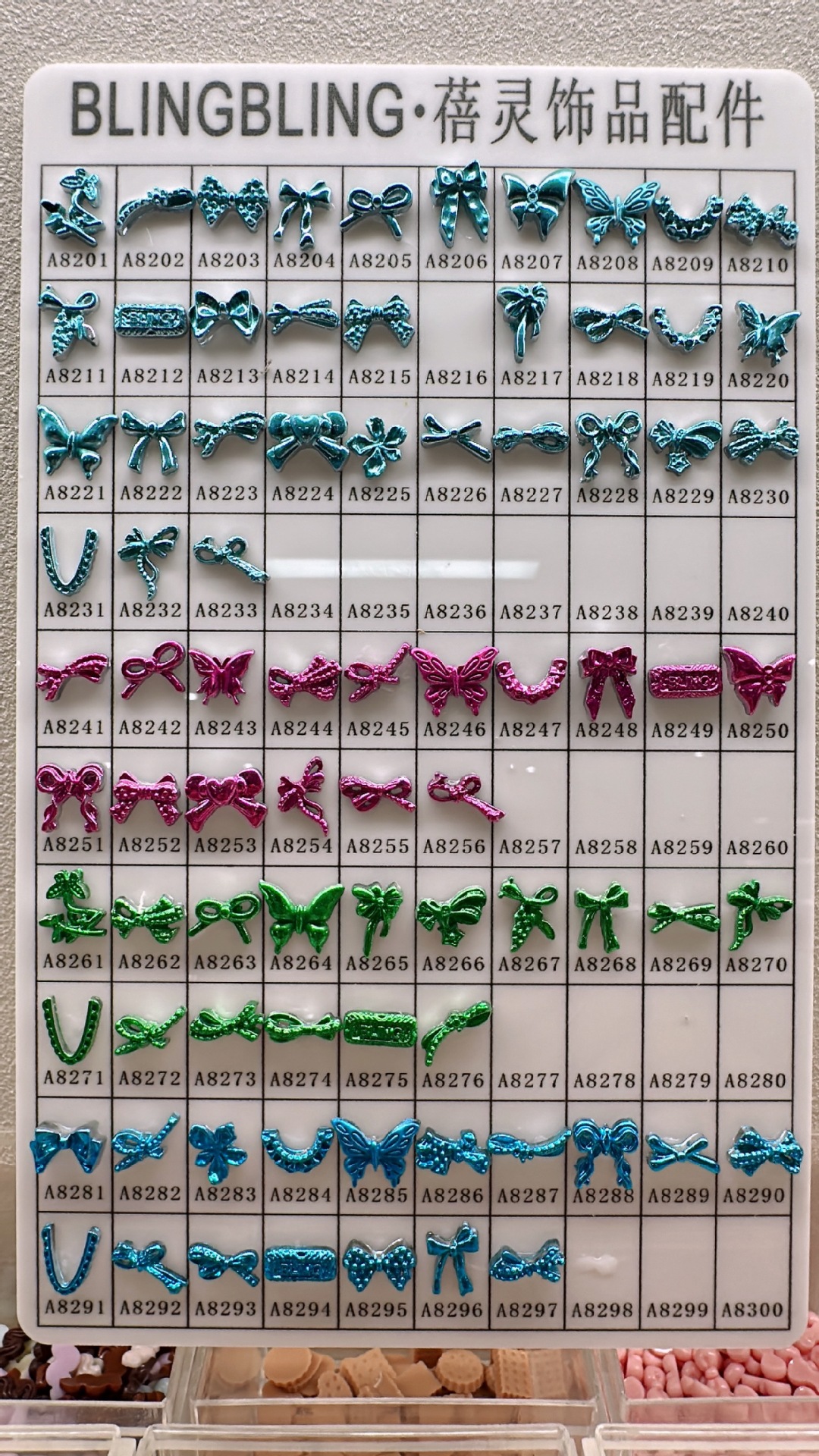
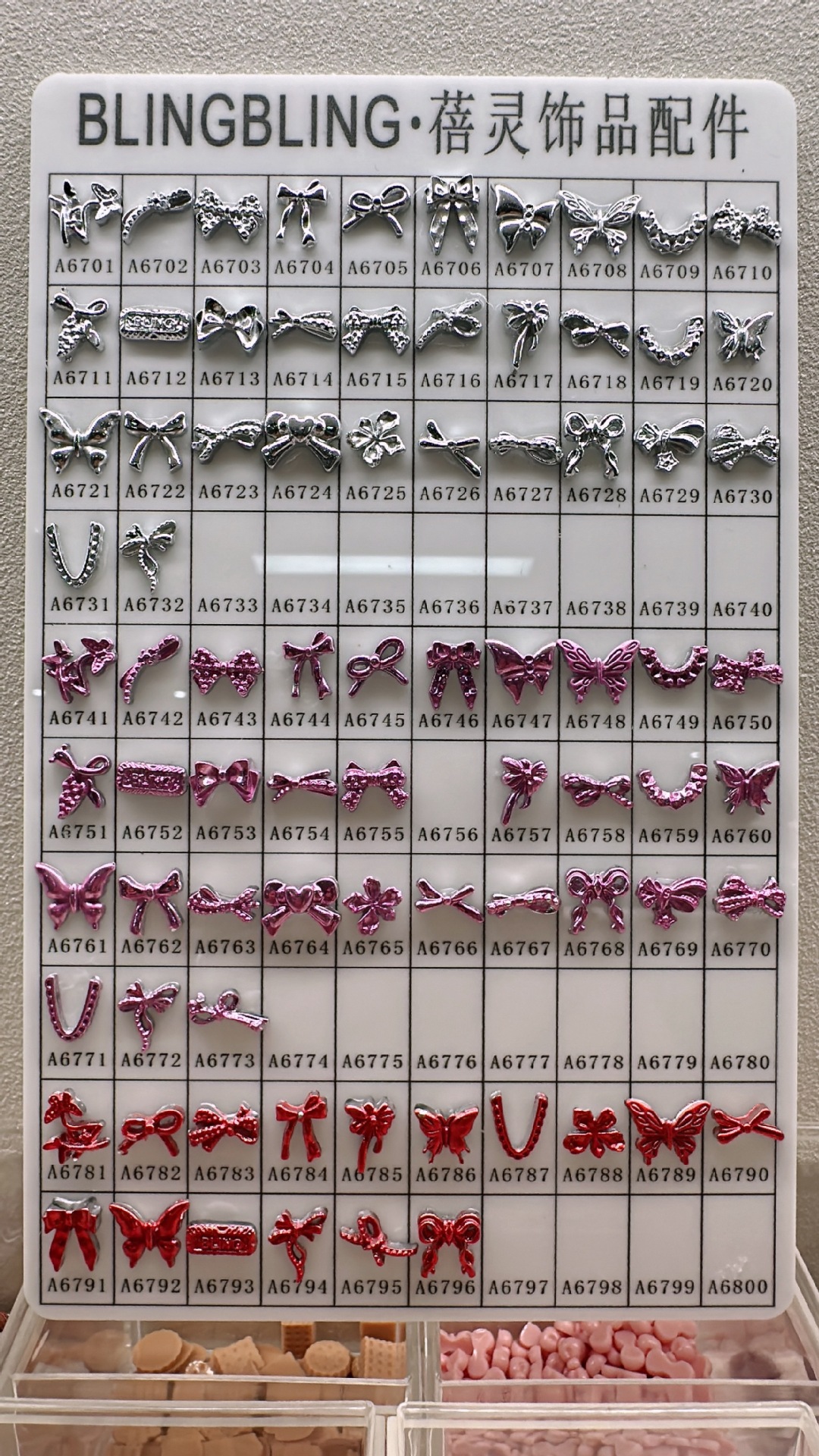
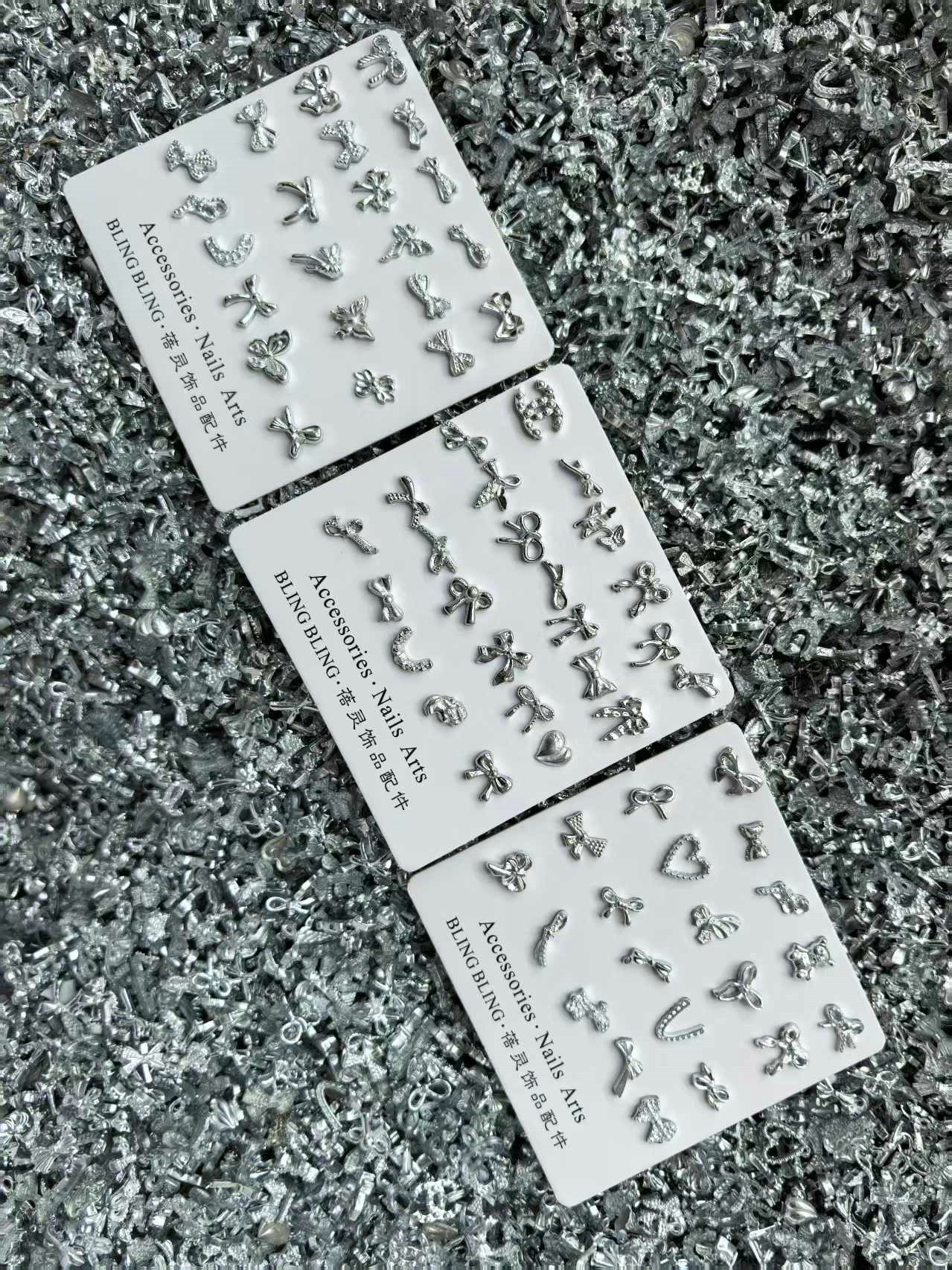
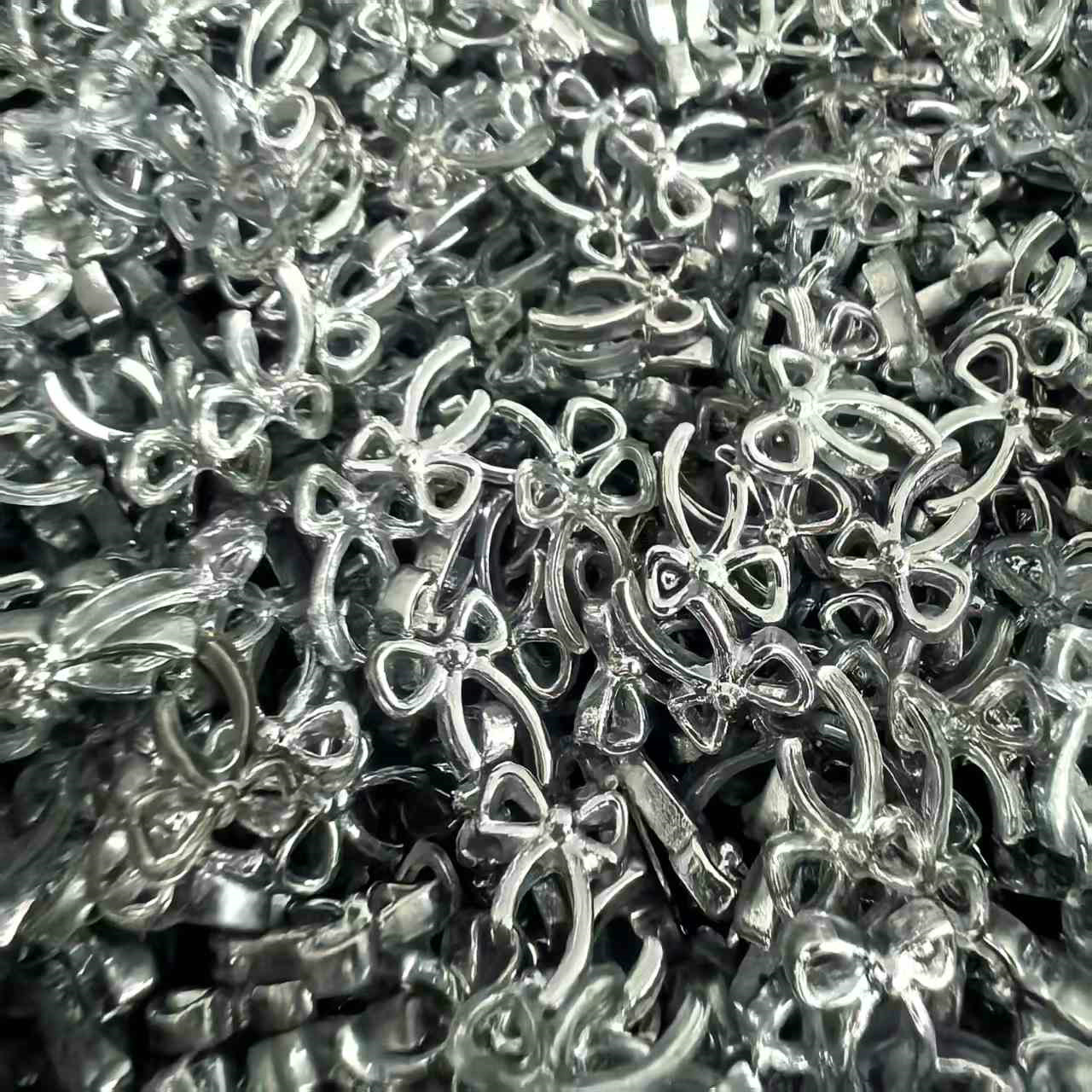
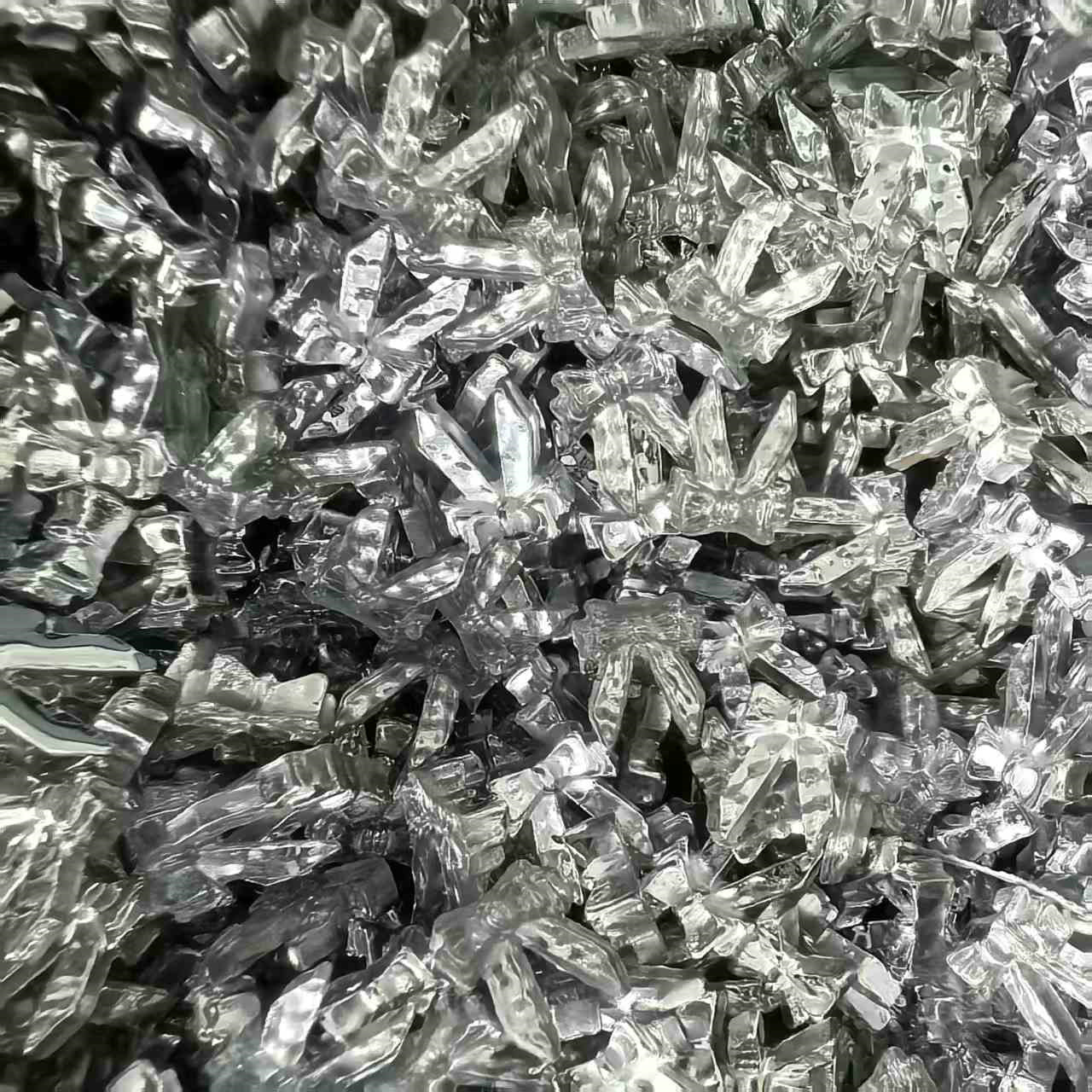
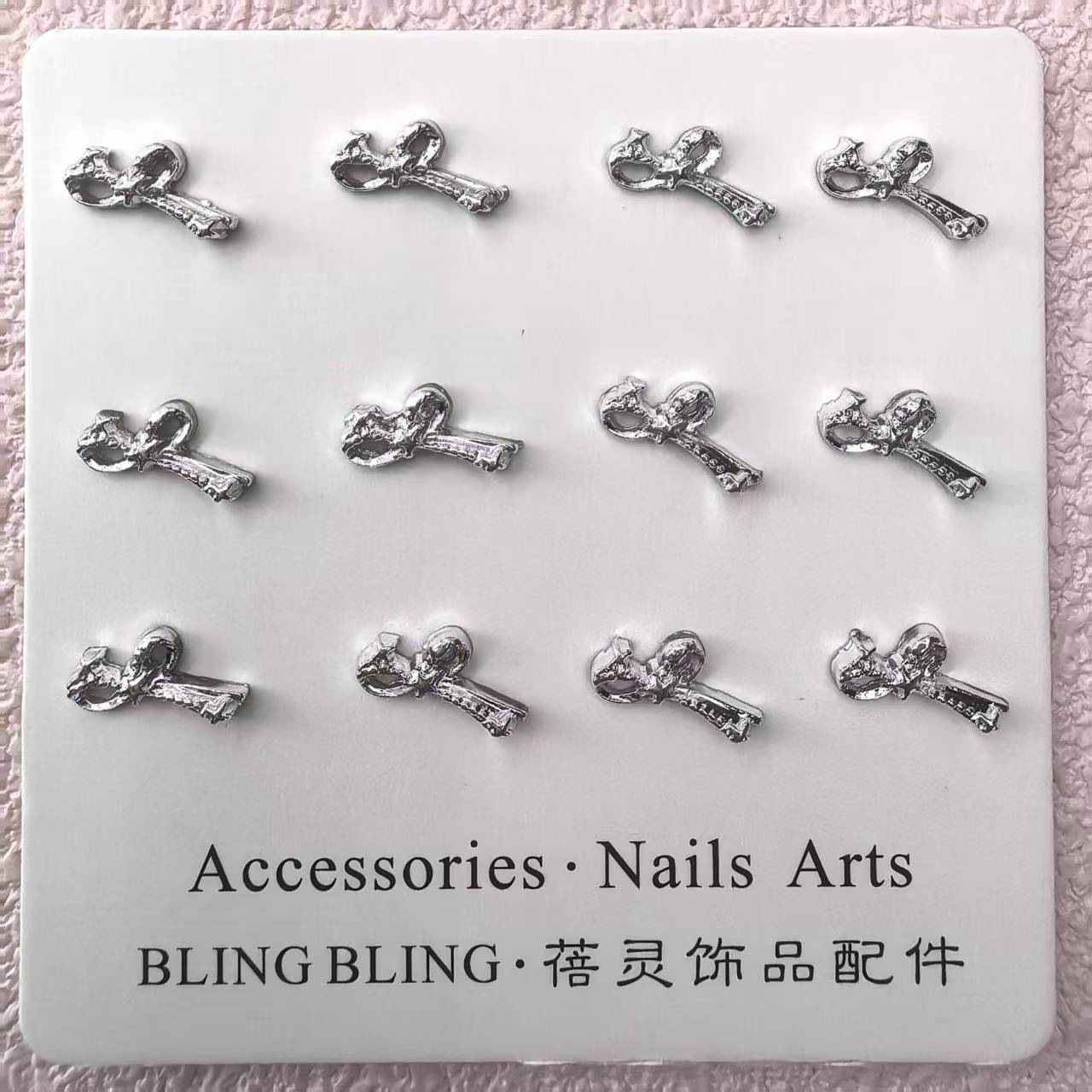
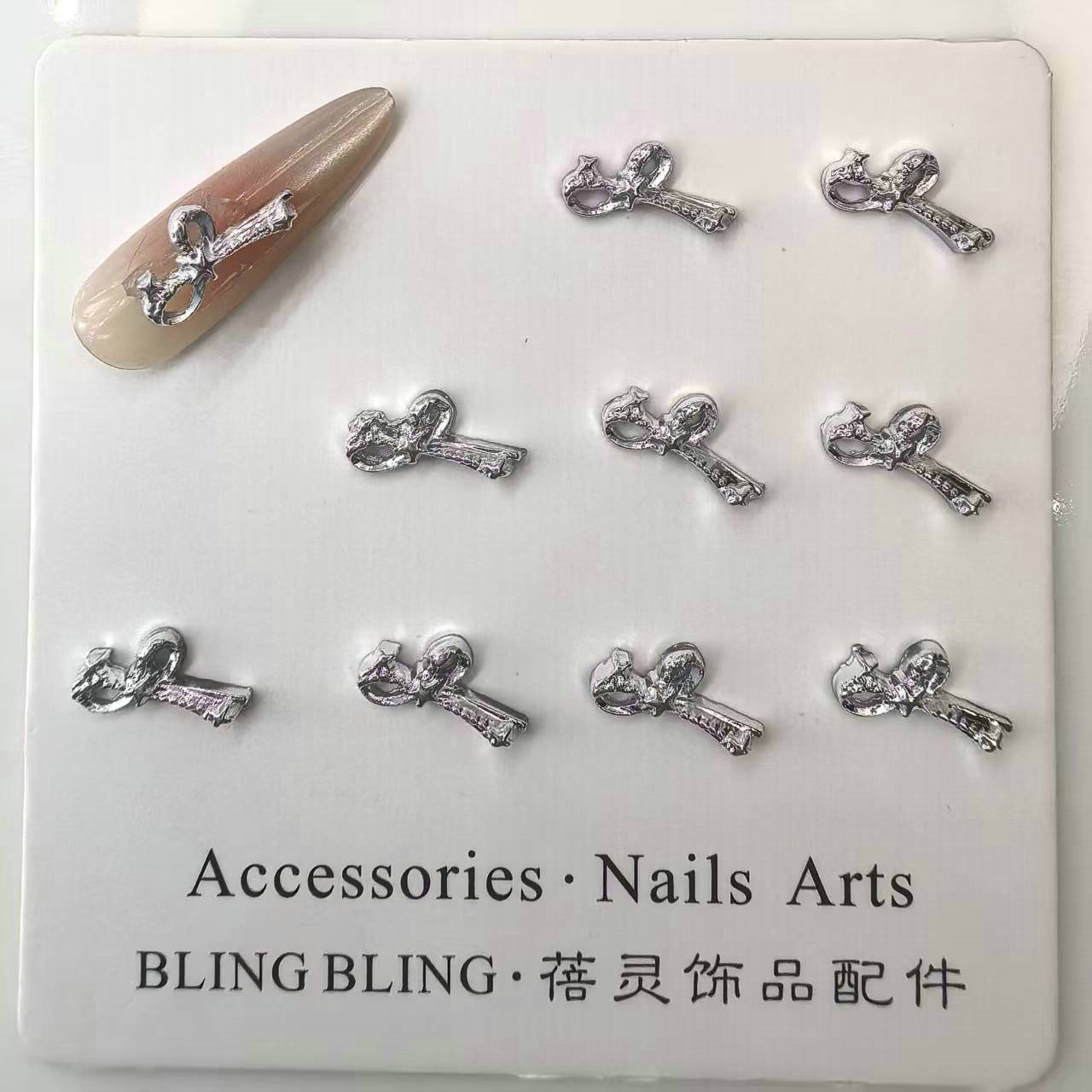
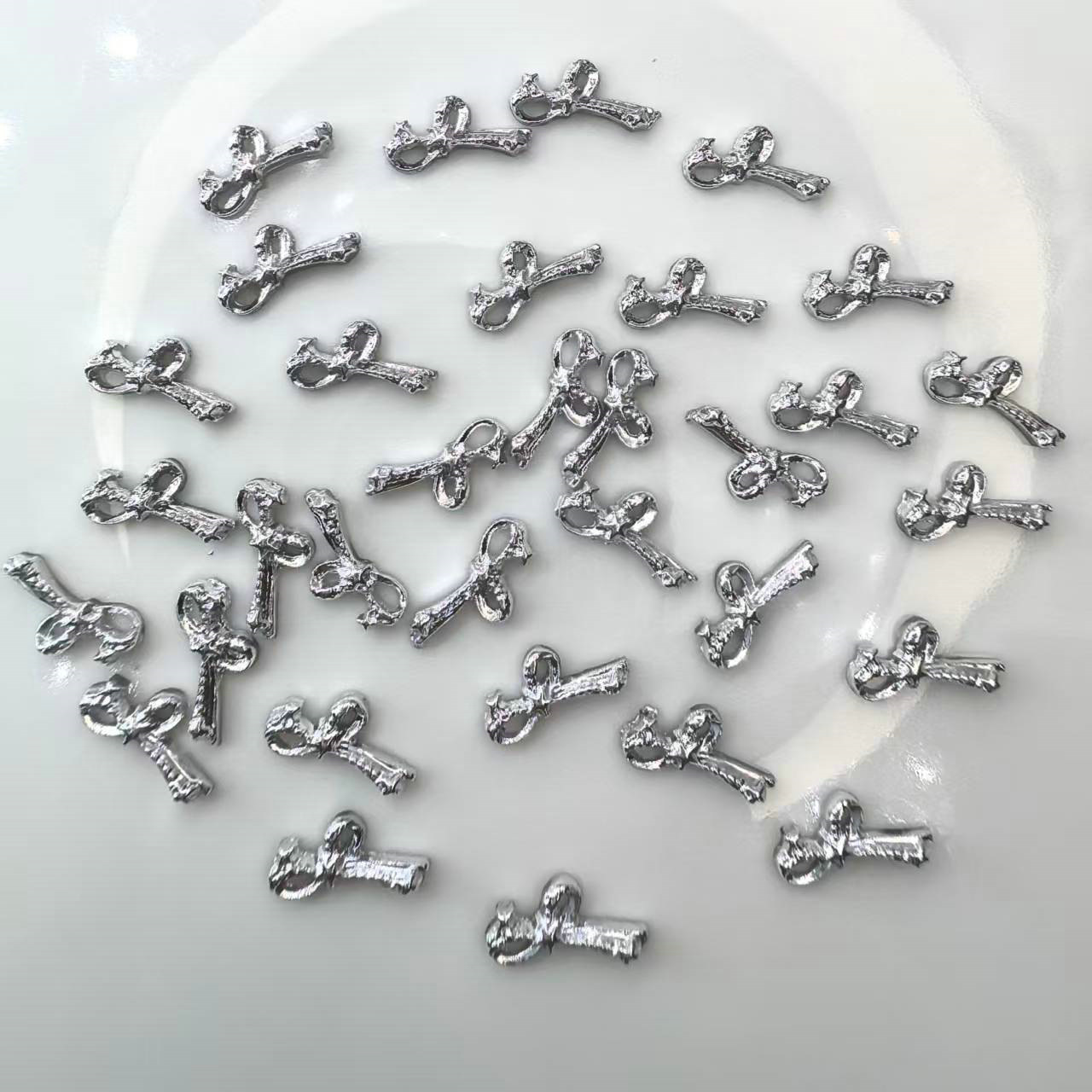
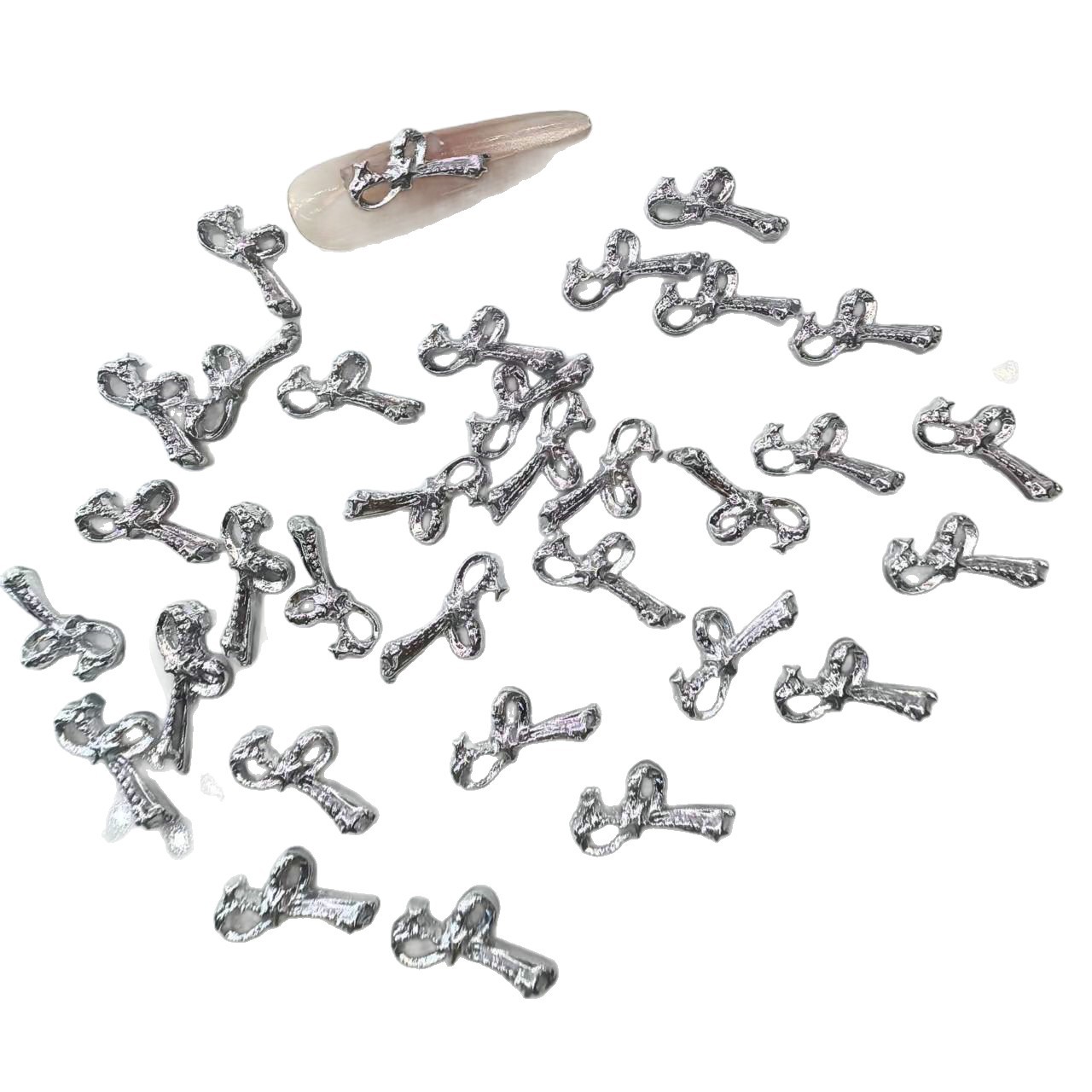
Resin metal bow nail art accessories are a type of fashion accessories used for nail decoration.
1. Resin metal material: This type of nail jewelry is mainly made of resin metal, which is usually glossy and durable, adding texture and beauty to the nails.
2. Bow design: A bow is a common decorative element, symbolizing elegance and female charm. Using a bow design in nail art jewelry can add a touch of refinement.
3. Alloy Stickers: Alloy stickers refer to metal materials that are processed into thin sheets through special techniques and then attached to the nails. This technology makes the jewelry lighter and easier to install.
4. Three-dimensional effect: Three-dimensional handmade nail materials refer to those that are created by handcrafting or specific techniques, which give the jewelry a three-dimensional effect, adding a sense of depth and three-dimensionality to the visual appearance.
5. Nail Decorations: Nail decorations refer to adding various patterns, colors, or ornaments to the surface of the nails to enhance the overall aesthetic appeal. Metal butterfly bows for nail art are a popular choice in this field.
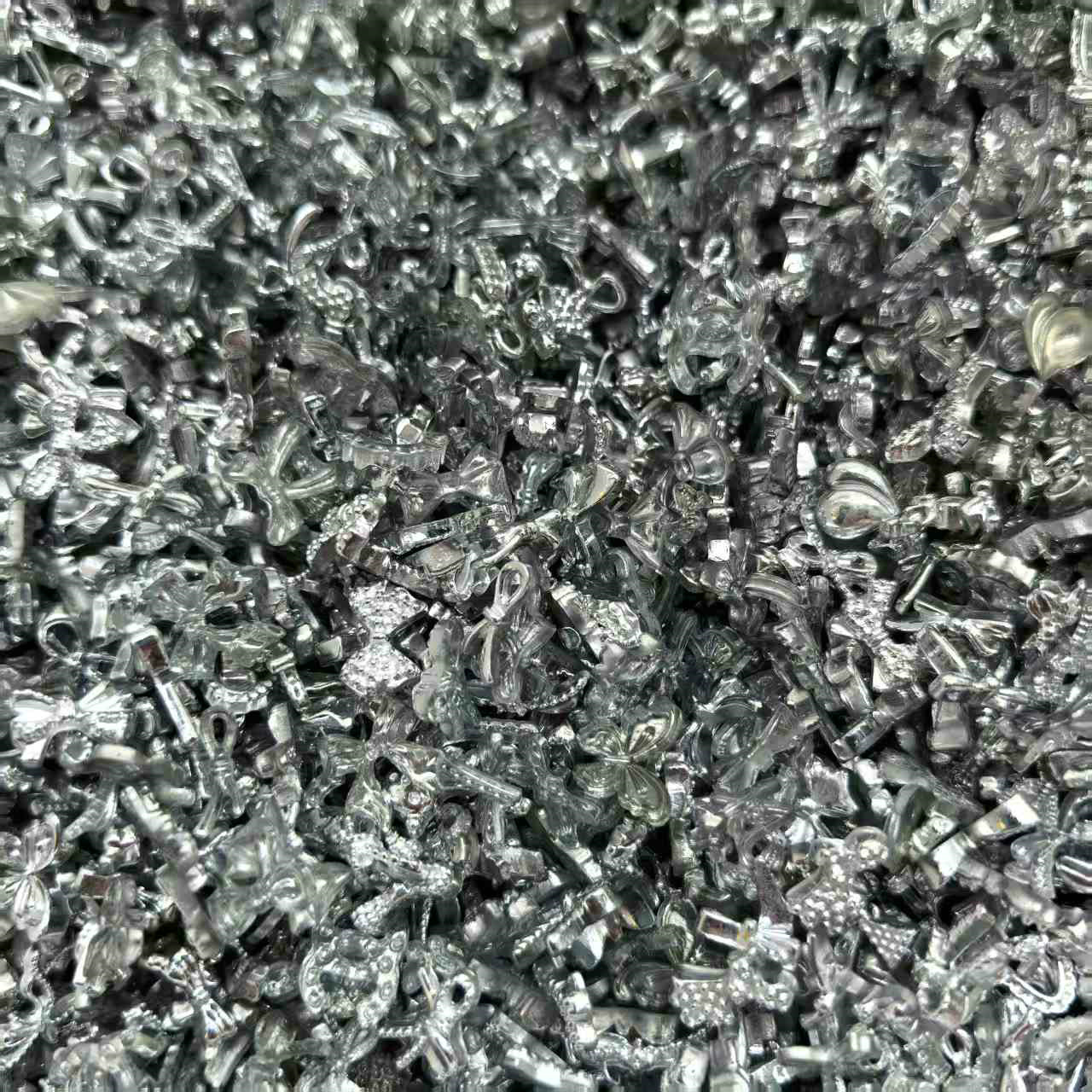
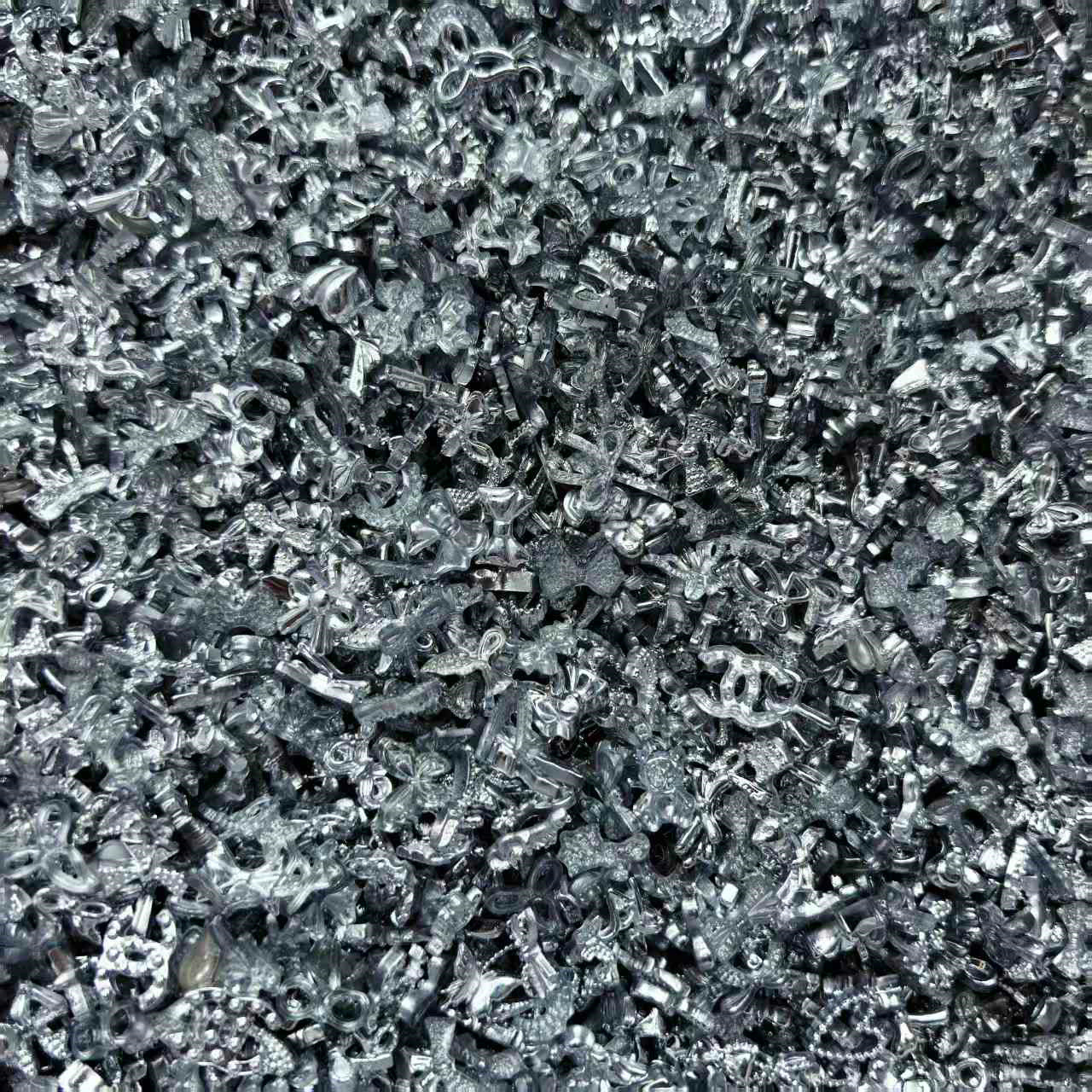
Metal Butterfly Knot Nail Art Accessories with Ins-style, made of high-quality resin alloy stickers,
3D Handmade Nail Materials, Add Unique Charm to Your Fingertips.
Delicate metal bow design, shimmering with a subtle luster,
As exquisite as art pieces. Each sticker is meticulously polished.
Ensure a perfect fit with the nails, bringing a comfortable wearing experience.
Whether it's everyday attire or for special occasions,
This nail art accessory can make your fingertips shine.
Become the center of attention.


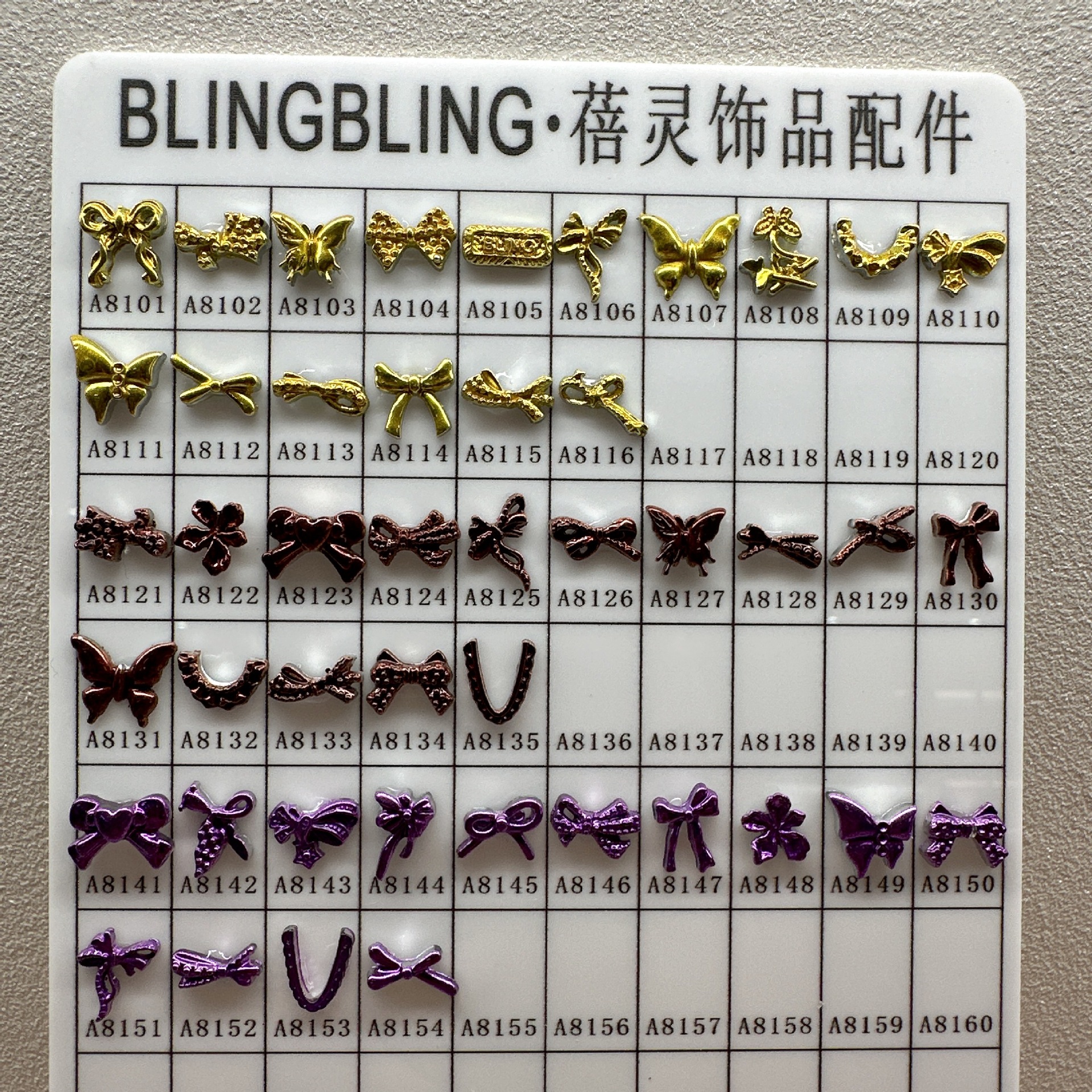
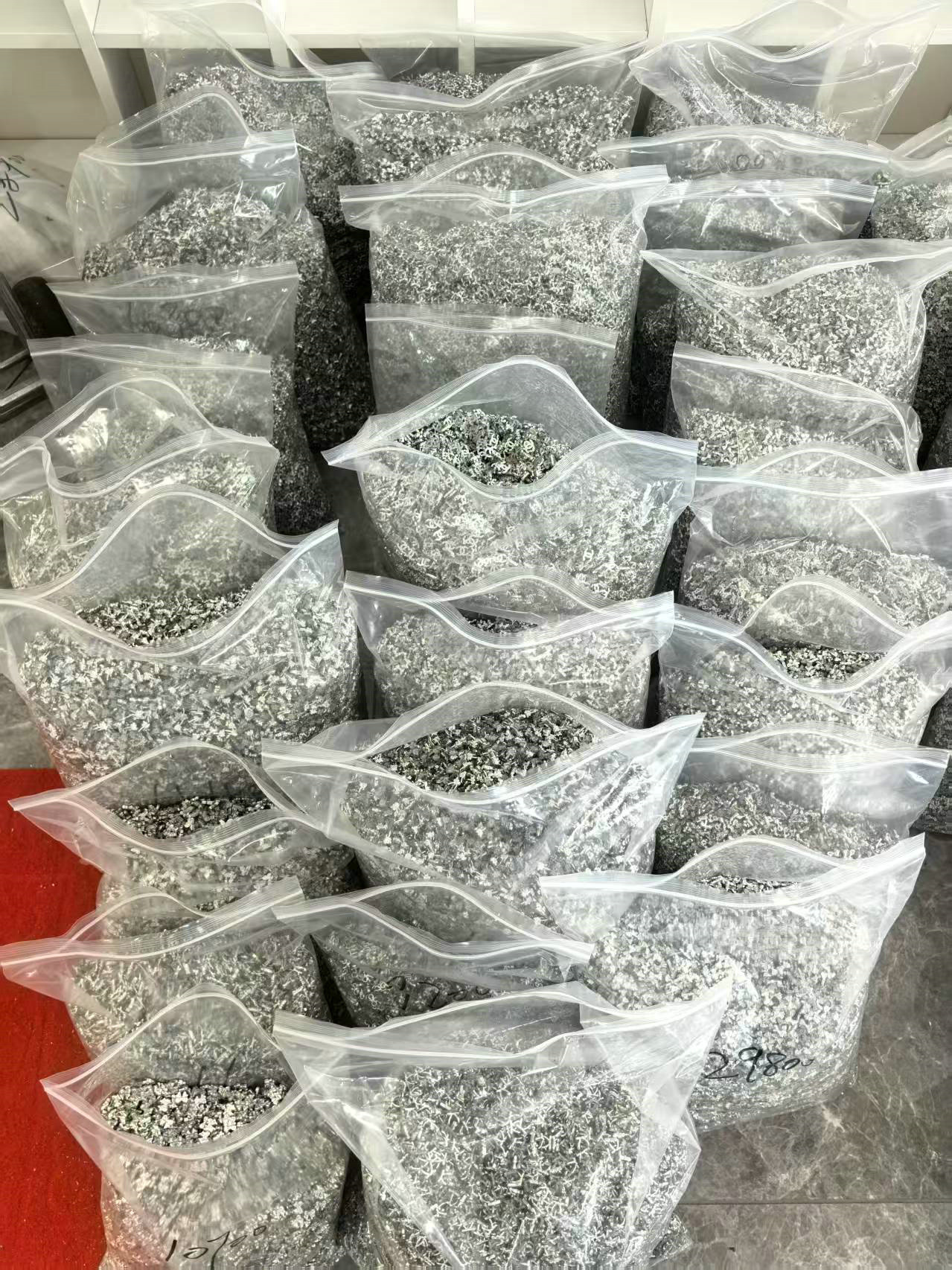
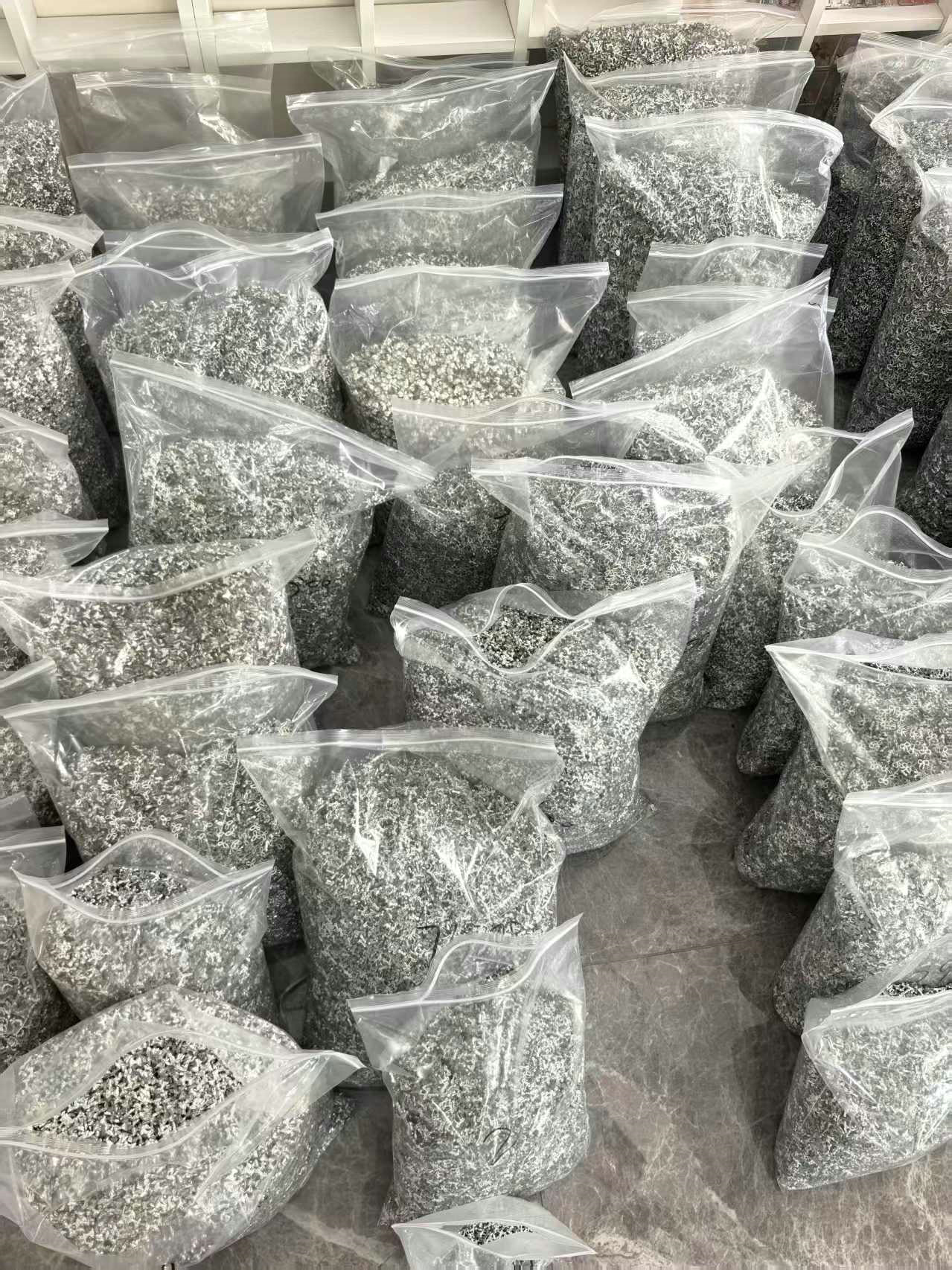
More stock, more styles.
Silver is in stock, and other colors can be customized.


When selecting resin nail jewelry on Amazon, it is necessary to consider the market demand, competitive analysis, product differentiation, and compliance. Here are the key steps and suggestions:
Popular Categories:
Basic styles: resin stickers, flowers/shells/stars/geometric shapes, 3D jewelry (such as butterflies, pearls).
Trendy elements: Aurora color, Macaron color, Marble pattern, Retro Baroque style, Anime IP collaboration.
Scenario requirements: wedding, festival (Christmas, Valentine's Day), everyday minimalist style.
Tool Assistance:
Use Amazon's Brand Analytics or third-party tools (such as Jungle Scout, Helium 10) to analyze search volume (e.g., "resin nail charms" and "3D nail art decor") and competitor sales.
Pay attention to social media trends (Pinterest, Instagram's #NailArt tag).
Design Innovation:
Exclusive custom patterns (such as niche art styles, zodiac series).
Combo set (accessories + glue/tweezers/storage box), increasing the average order value.
Material upgrade:
Environmental-friendly resin (emphasizing "non-irritating" and "low sensitivity").
Special effects: night-light, temperature-change, laser coating.
Packing Optimization:
Compartmentalized storage boxes and DIY mixed packs, convenient for customers to choose.
Supply Channel:
Yiwu Beiling Jewelry Company (Low Cost to Start Quantities).
Customized orders: Contact the factory for sample making (note the MOQ minimum order quantity).
Logistics Suggestion:
Lightweight and small goods are suitable for FBA (Fulfillment by Amazon), but the cost of the first journey and storage must be calculated.
Consider FBM (Fulfilled by Merchant) testing new products to reduce risk.
Listing Points:
Title: Keyword Prepositioning (e.g., "500pcs Resin Nail Charms, 3D Butterfly/Flower Nail Decorations").
Image: High-definition main image (white background with a scene image), video demonstration of the use effect.
Keyword: Long-tail keyword optimization (e.g., 'acrylic nail art supplies for beginners').
Price Range:
Low-cost option: $5-$10 (100-200pcs set, profit through volume).
High-end model: $15-$30 (unique design + brand packaging).
Avoid the Red Sea:
Avoid overcrowded product categories (such as solid color stickers), and focus on niche scenarios (such as "bridal nail art").
Stock in advance during peak seasons (such as before Black Friday) to avoid stockouts affecting your rankings.
Product selection: Jungle Scout (demand analysis), Keepa (price tracking).
Design: Canva (Graphic Design) and Etsy (Inspiration Reference).


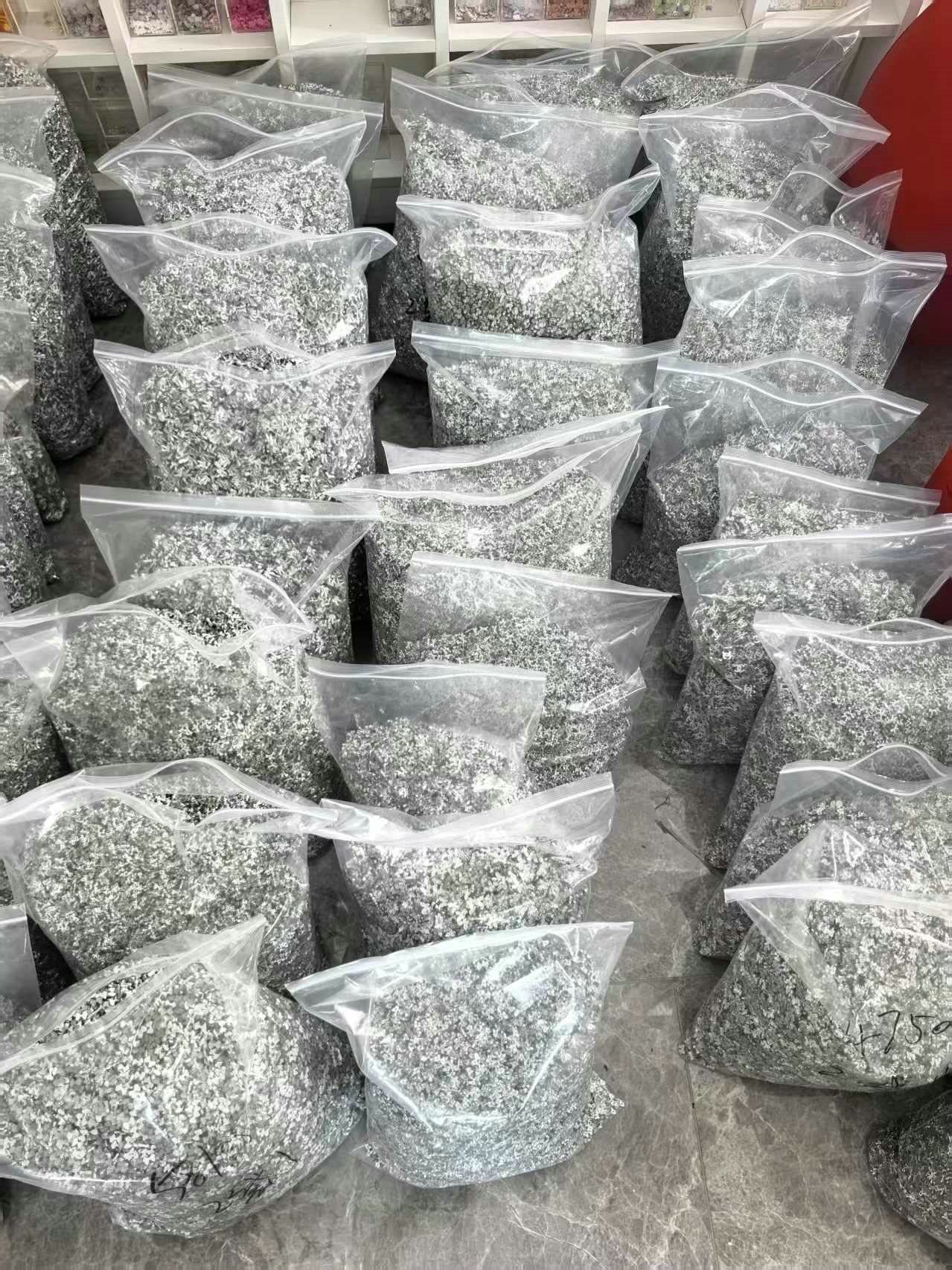
Partial stock: 


The procurement characteristics of nail art accessories vary due to differences in regional culture, consumption habits, and fashion trends.
Here are some characteristics of the main markets:
1. American market: Pursuing individuality and creativity
American consumers prefer bold and personalized nail art designs, so they pay more attention to the diversity and uniqueness of accessories when purchasing. Popular products include:
3D jewelry (such as chains, studs, pearls).
Thematic series (festival limited, sports theme, etc.).
Environmental-friendly materials (biodegradable sequins, non-toxic crystal).
American buyers usually purchase in bulk, focusing on the suppliers' ability to deliver quickly and the product's innovation.
2. European market: simplicity and high-end coexist
European consumers tend to prefer elegant and minimalist styles, with a special preference for environmentally friendly and high-quality products.
Natural materials (shells, wood veneer).
Metal jewelry (gold leaf, matte metal stickers).
Minor design (minimalistic geometry, artistic style).
Nordic and Western European countries are more concerned about the sustainability certification of products (such as the EU environmental standards), while the Eastern European market is more sensitive to price.
3. The Japanese and Korean markets: driven by refinement and trends
Japan and South Korea are trendsetters in the world of nail art, with their purchasing characteristics including:
Miniature Elegance (Small Water Diamonds, Micro-Carved Flowers).
IP collaboration (anime, celebrity same items).
Seasonal trends (such as spring cherry blossom stickers and winter plush elements).
Korean buyers focus on packaging design and social media exposure, while the Japanese market has extremely high requirements for detail craftsmanship.
4. Southeast Asian Market: Cost-Performance and Fast Fashion
Consumers in Southeast Asia prefer products with affordable prices and bright colors.
Sequins and stickers (large quantity, low price).
Ethnic elements (Thai traditional patterns, Indonesian batik patterns).
DIY Kit (Convenient for home or small shop use).
Purchasing focuses more on cost, with larger order quantities but lower unit prices.
5. Middle East Market: Luxurious and Shiny Style
Middle Eastern clients prefer extravagant and dramatic designs.
High-profile flash diamond (Swarovski crystals, metal chain).
Golden-colored jewelry (with traditional clothing).
Customized service (for high-end customer needs).
High quality standards, willing to pay for brand premium.
Summary
Purchasing demands in different regions reflect local cultural and aesthetic preferences. Suppliers need to develop products specifically, such as providing environmental options for Europe and the United States, designing trend IP models for Japan and South Korea, and focusing on cost performance to meet the needs of the Southeast Asian market.
Factory Real-time Stock:


A Brief History of Global Nail Art: From Ancient Totems to Fashion Symbols
Nail art, as a form of body decoration, has its roots in the dawn of human civilization.
In different eras and regions, the decoration of the nails is not only a symbol of identity but also a cultural code.
Evolves into a global fashion industry.
Ancient Civilizations: The Mark of Power and Belief
In ancient Egypt around 3000 BC, the practice of nail polishing had already shown signs of class differentiation: the pharaohs and nobles used a reddish-brown dye extracted from the mallow plant.Only light colors were allowed for common people. The gold nail art tools discovered in Cleopatra's tomb by archaeologists confirm the connection between nail art and divine right politics.
At the same time, the aristocrats of the Shang Dynasty in China used wax, egg white, and plant juices to mix and create colored nail polish. During the Zhou Dynasty, metal armor sets became part of the rites, further developing the tradition.
Indian tribes use animal blood to paint war totems on their nails, endowing them with a religious mystique.
Medieval to Modern: The Divide Between East and WestDuring the European Renaissance, neatly trimmed bare fingers were seen as a symbol of moral purity. Meanwhile, in the Heian period of Japan,
Noble women were in vogue for using petal juice to stain their teeth black and their nails green, creating a unique 'o-ha kuro' aesthetic.
During the Ming Dynasty in China, the art of using imitation shellflower to stain one's nails was systematically recorded in the "Compendium of Materia Medica."
This sustainable nail art method is still being passed down in some rural areas. It is noteworthy that,
In the 15th century, the Ayutthaya Kingdom in Thailand produced gold nail sets that could reach a length of 15 centimeters.
technological revolution after the Industrial Revolution
In 1830, a French doctor invented the modern nail file, and in 1892, the first nail salon appeared in New York.
In 1920, the development of automotive paint technology led to the creation of the first nitrocellulose nail polish.
Revlon introduced its line of colored nail polishes in 1932.
To make nail art become a mass-market consumer product for the first time.
In 1957, dentist Fred Slack accidentally invented the acrylic false nails.
Laying the technical foundation for the modern nail beauty industry.
During this period, Hollywood stars like Marilyn Monroe's red nails,
Transform nail art into a star symbol.
Contemporary Globalization Landscape
In the 1980s, Japan pioneered the technology for crystal nails and light therapy nails.
South Korea has promoted the trend of gradual changes in the "French Manicure" style after the year 2000.
In the era of social media, the hashtag #nailart on Instagram has surpassed 200 million posts.
Vietnam's 'Nail Street' in Hanoi exports 2 billion false nail sheets annually.
The global nail art market size exceeded $13 billion in 2020.
From the golden armor of Pharaohs to the 3D relief armor in Harajuku, Tokyo.
Nail art always swings between practicality and decoration, between restraint and liberation.
This miniature history of human civilization reminds us: "The space between our fingers is a tiny place."
The trajectory of aesthetic changes.
Yiwu Beiling Jewelry, Yiwu Liangku E-commerce Trading Company, Sales Region:
Nail Art Accessories Wholesaling, Nail Art Accessories, Resin Nail Art Accessories, Nail Jewels, Resin Jewels, Accessories for Jewelry.
North China
Beijing
Tianjin
Hebei Province
Shijiazhuang, Tangshan, Qinhuangdao, Handan, Xingtai, Baoding, Zhangjiakou, Chengde, Cangzhou, Langfang, Hengshui.
Shanxi Province
Taiyuan, Datong, Yangquan, Changzhi, Jincheng, Shuozhou, Jinzhong, Yuncheng, Xinzhou, Linfen, Lvliang.
Inner Mongolia Autonomous Region
Hohhot, Baotou, Wuhai, Chifeng, Tongliao, Ordos, Hulun Buir, Bayannur, Ulanqab, Xingan, Xilin Gol, and Alashan
Northeast China
Liaoning Province
Shenyang, Dalian, Anshan, Fushun, Benxi, Dandong, Jinzhou, Yingkou, Fuxin, Liaoyang, Panjin, Tieling, Chaoyang, Huludao.
Jilin Province
Changchun, Jilin, Siping, Liaoyuan, Tonghua, Baishan, Songyuan, Baicheng: Yanbian Korean Autonomous Prefecture
Heilongjiang Province
Harbin, Qiqihar, Jixi, Hegang, Shuangyashan, Daqing, Yichun, Jiamusi, Qitaihe, Mudanjiang, Heihe, Suihua
Regions: Daxing'anling
East China
Shanghai
Jiangsu Province
Nanjing, Wuxi, Xuzhou, Changzhou, Suzhou, Nantong, Lianyungang, Huai'an, Yancheng, Yangzhou, Zhenjiang, Taizhou, Suqian.
Zhejiang Province
Hangzhou, Ningbo, Wenzhou, Jiaxing, Huzhou, Shaoxing, Jinhua, Quzhou, Zhoushan, Taizhou, Lishui.
Anhui Province
Hefei, Wuhu, Bengbu, Huainan, Ma'anshan, Huaibei, Tongling, Anqing, Huangshan, Chuzhou, Fuyang, Suzhou, Lu'an, Bozhou, Chuzhou, Chengdu, Xuancheng.
Fujian Province
Fuzhou, Xiamen, Putian, Sanming, Quanzhou, Zhangzhou, Nanping, Longyan, Ningde.
Jiangxi Province
Nanchang, Jingdezhen, Pingxiang, Jiujiang, Xinyu, Yingtan, Ganzhou, Ji'an, Yichun, Fuzhou, Shangrao.
Shandong Province
Jinan, Qingdao, Zibo, Zaozhuang, Dongying, Yantai, Weifang, Jining, Taian, Weihai, Rizhao, Linyi, Dezhou, Liaocheng, Binzhou, Heze.
Central and Southern China
Henan Province
Zhengzhou, Kaifeng, Luoyang, Pingdingshan, Anyang, Hebi, Xinxiang, Jiaozuo, Puyang, Xuchang, Luohe, Sanmenxia, Nanyang, Shangqiu, Xinyang, Zhoukou, Zhumadian.
Hubei Province
Wuhan, Huangshi, Shiyan, Yichang, Xiangyang, Ezhou, Jingmen, Xiaogan, Jingzhou, Huanggang, Xianning, Suizhou, Enshi Tujia and Miao Autonomous Prefecture
Hunan Province
Changsha, Zhuzhou, Xiangtan, Hengyang, Shaoyang, Yueyang, Changde, Zhangjiajie, Yiyang, Chenzhou, Yongzhou, Huaihua, Loudi, Xiangxi Tujia and Miao Autonomous Prefecture
Guangdong Province
Guangzhou, Shaoguan, Shenzhen, Zhuhai, Shantou, Foshan, Jiangmen, Zhanjiang, Maoming, Zhaoqing, Huizhou, Meizhou, Shaoguan, Heyuan, Yangjiang, Qingyuan, Dongguan, Zhongshan, Chaozhou, Jieyang, Yunfu.
Guangxi Zhuang Autonomous Region
Nanning, Liuzhou, Guilin, Wuzhou, Beihai, Fangchenggang, Qinzhou, Guigang, Yulin, Baise, Hezhou, Hechi, Laibin, Chongzuo.
Hainan Province
Haikou, Sanya, Sansha, Danzhou, Wuzishan, Qionghai
Southwest China
Chongqing (Direct-controlled municipality)
Sichuan Province
Prefecture-level cities: Chengdu, Zigong, Panzhihua, Luzhou, Deyang, Mianyang, Guangyuan, Suining, Neijiang, Leshan, Nanchong, Meishan, Yibin, Guang'an, Dazhou, Ya'an, Bazhong, Ziyang
Aba Tibetan and Qiang Autonomous Prefecture, Garze Tibetan Autonomous Prefecture, Liangshan Yi Autonomous Prefecture
Guizhou Province
Prefecture-level cities: Guiyang, Liupanshui, Zunyi, Anshun, Bijie, Tongren Qiandongnan Miao and Dong Autonomous Prefecture, Qiannan Buyei and Miao Autonomous Prefecture, Qianxinan Buyei and Miao Autonomous Prefecture
Yunnan Province
Prefecture-level cities: Kunming, Qujing, Yuxi, Baoshan, Zhaotong, Lijiang, Pu'er, Lincang
Chuxiong Yi, Honghe Hani and Yi, Wenshan Zhuang and Miao, Xishuangbanna Dai, Dali Bai, Dehong Dai and Jingpo, Nujiang Lisu, Diqing Tibetan
Tibet
Prefecture-level cities: Lhasa, Shigatse, Nyingtri, Linzhi, Shannan, and Nagqu
Region: Ali Prefecture
Northwest China
Shaanxi Province
Xi'an, Tongchuan, Baoji, Xianyang, Weiinan, Yan'an, Hanzhong, Yulin, Ankang, Shangluo.
Gansu Province
Lanzhou, Jiayuguan, Jinchang, Baiyin, Tianshui, Wuwei, Zhangye, Pingliang, Jiuquan, Qingyang, Dingxi, Longnan
Linxia Hui and Gannan Tibetan
Qinghai Province - Prefecture-level: Xining, Haidong
Hainan Tibetan, Huangnan Tibetan, Hainan Tibetan, Guoluo Tibetan, Yushu Tibetan, Haixi Mongol-Tibetan
Ningxia Yinchuan, Shizuishan, Wuzhong, Guyuan, Zhongwei.
Xinjiang Uyghur Autonomous Region, Urumqi, Karamay, Turpan, Hami
Kashgar Prefecture, Hotan Prefecture, Aksu Prefecture, Tacheng Prefecture, Altay Prefecture, Tianshan Leopard, Bortala Mongol, Bayingolin Mongol, Kirgiz, Ili Kazakh
Hong Kong, Macau, Taiwan
Update time:
TOP