Search history
Clear allSearch by image
XDrag and drop an image here or upload an image
Max 5MB per image
UploadSign In | Join

Search history
Clear allSearch by image
XDrag and drop an image here or upload an image
Max 5MB per image
UploadSign In | Join
X Email Mobile
| Number | Unit-price | Total | |||
| I want to buy: | × | 0.71 | = | 0 |


A new item has been added to your Shopping Cart. You now have items in your Shopping Cart.
The price marked does not include tax invoice, and additional tax points will be added for opening an invoice. Please consult the customer service for more details.
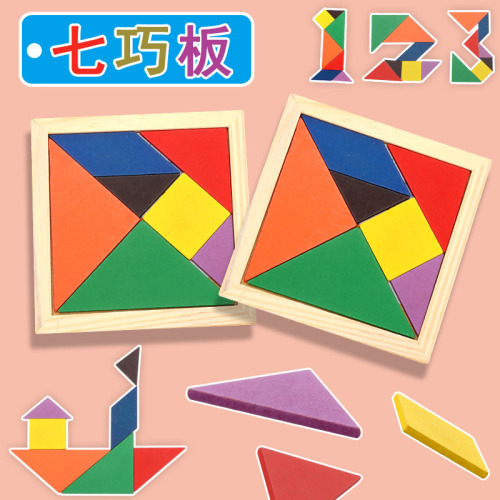
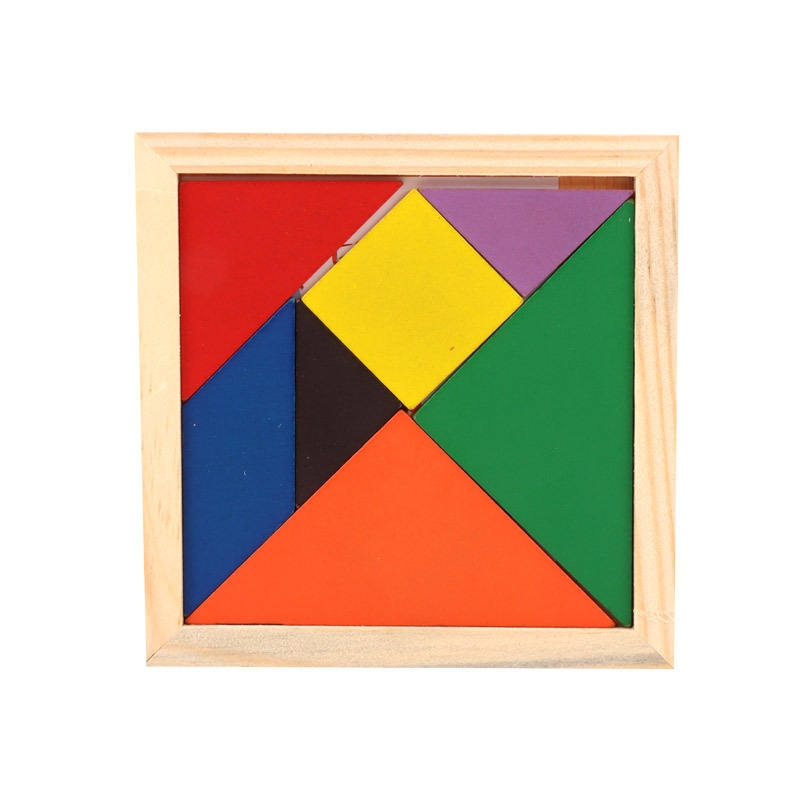
Product Name: 700 Pieces of Jigsaw Puzzle in a Case
Product Origin: Zhejiang
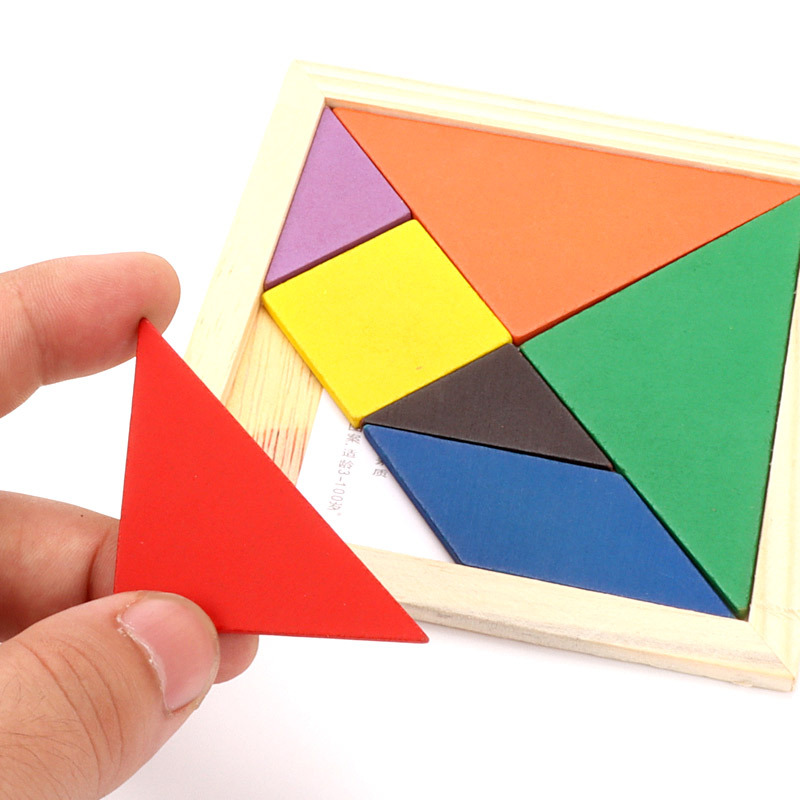
Product size: 11.4*11.4*0.7cm
Product weight: 0.035kg
AttentionThe things that can be bought for a few cents are really few these days!This Seven-piece Puzzle is suitable for Taobao sellers as a free gift. The quality and workmanship are not perfect, but it's mainly cheap. Please don't have high expectations for the quality. Don't buy it and then complain about how poor it is! If you don't find it as good as you expected, you can return it, but you will have to pay for the shipping yourself!
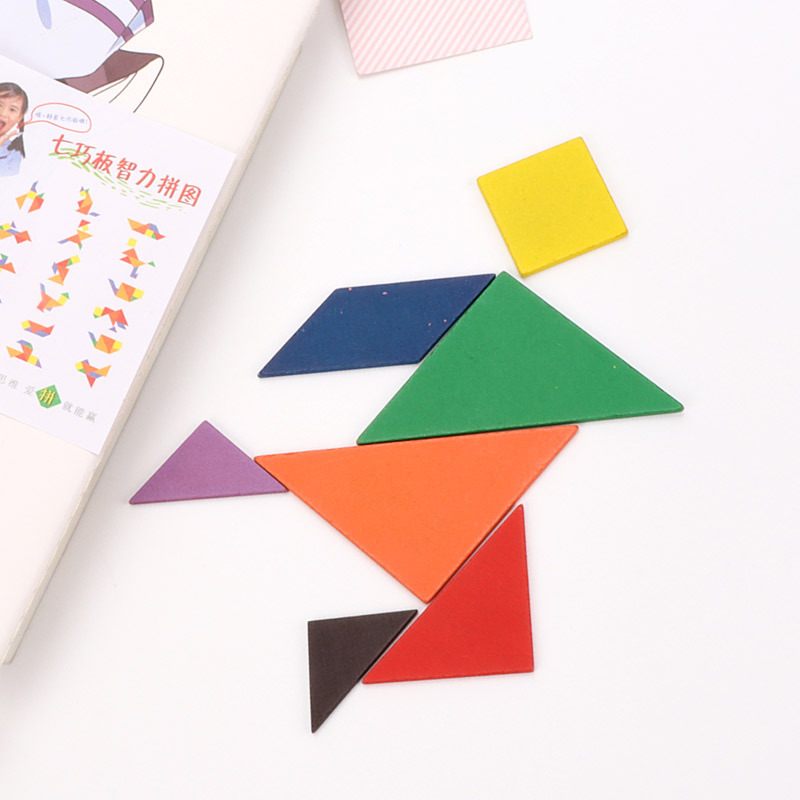
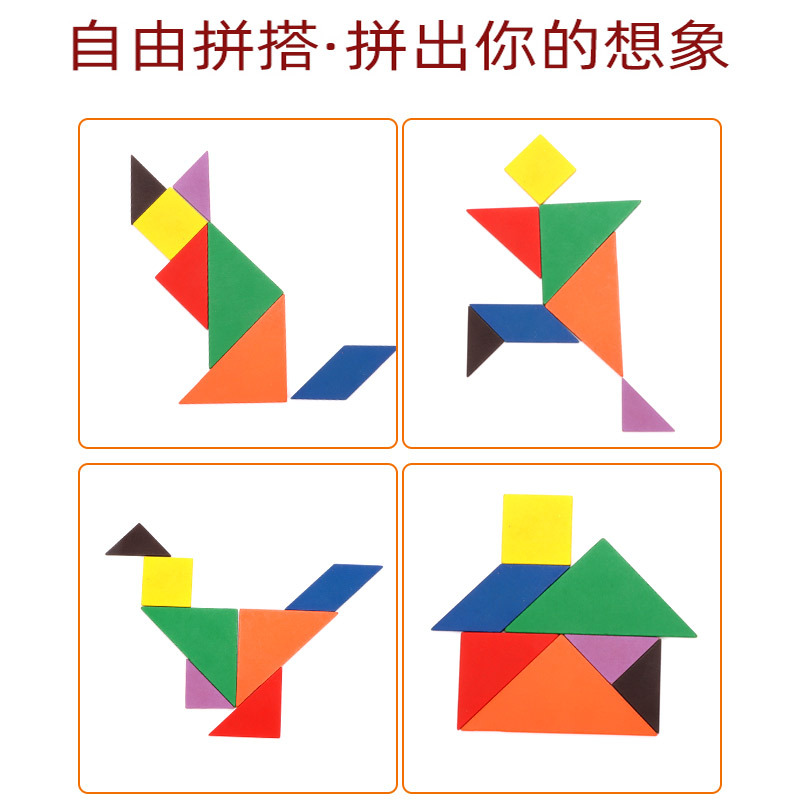
七巧板又称七巧图、智慧板,是汉族民间流传的智力玩具。它是由宋代的宴几演变而来的,原为文人的一种室内游戏,后在民间演变为拼图板玩具。据清代陆以湉《Cold Cottage MiscellanySaid: SongHuang BosiThe 'Yuan Ji Tu' is a puzzle consisting of seven square tables, each with a different length, which together form 25 different configurations, resulting in 68 different shapes. The 'Ming Yan Cheng's 'Butterfly Table' further modified the design, using the shape of a right triangle to create a pattern resembling the wings of a butterfly. There are three patterns, six variations, and over 30 different shapes, with a total of over 100 different configurations. More recently, the 'Seven Intelligence Table' has five patterns, seven pieces, and over a thousand different configurations. This puzzle can be used to create various shapes, such as people, animals, buildings, vehicles, and bridges, which can be played alone or in a competition by multiple people. By using the 'Seven Intelligence Table', one can illustrate several important geometric relationships, which is essentially the 'principle of mutual complementarity' from ancient arithmetic.


Update time:


TOP