Search history
Clear allSearch by image
XDrag and drop an image here or upload an image
Max 5MB per image
UploadSign In | Join

Search history
Clear allSearch by image
XDrag and drop an image here or upload an image
Max 5MB per image
UploadSign In | Join
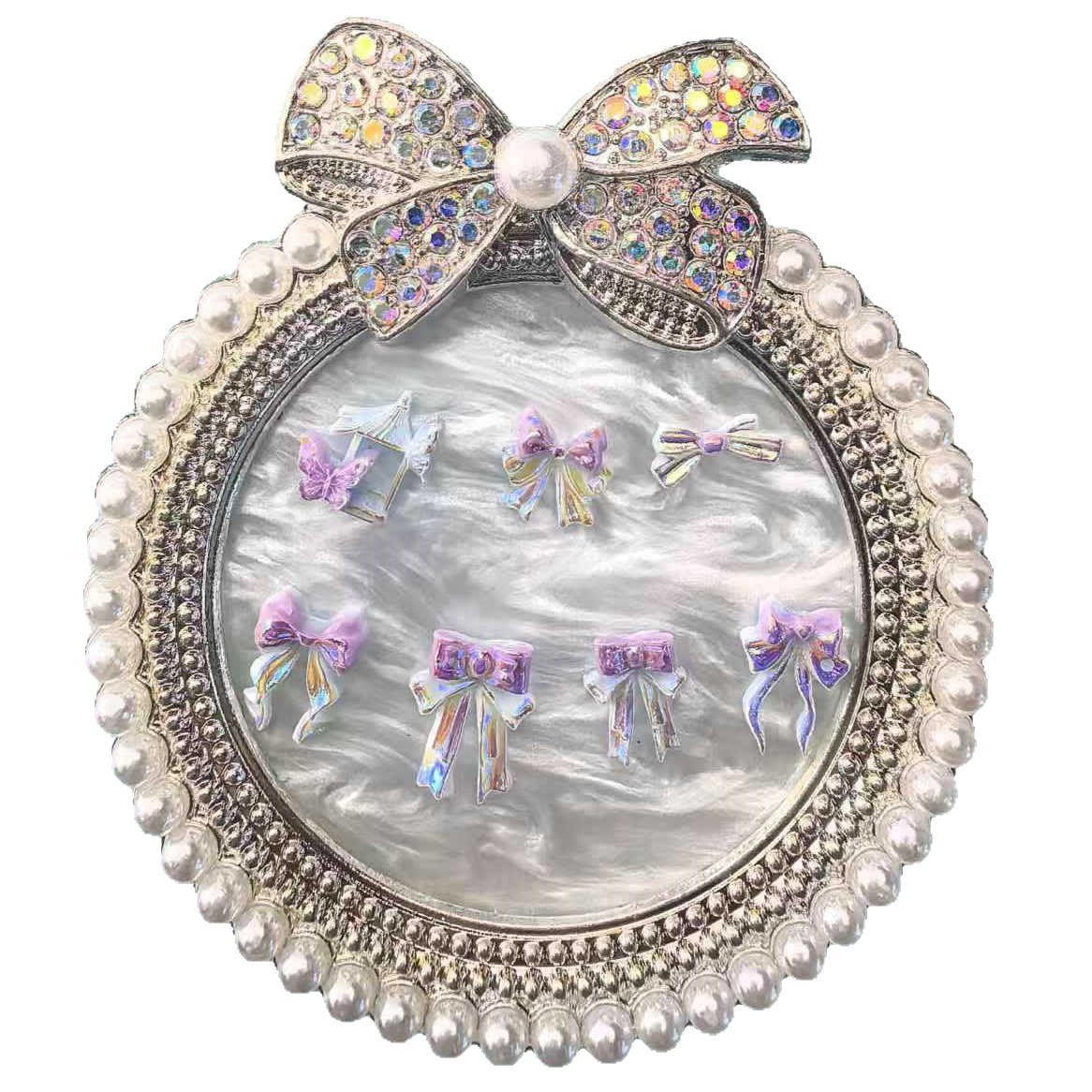
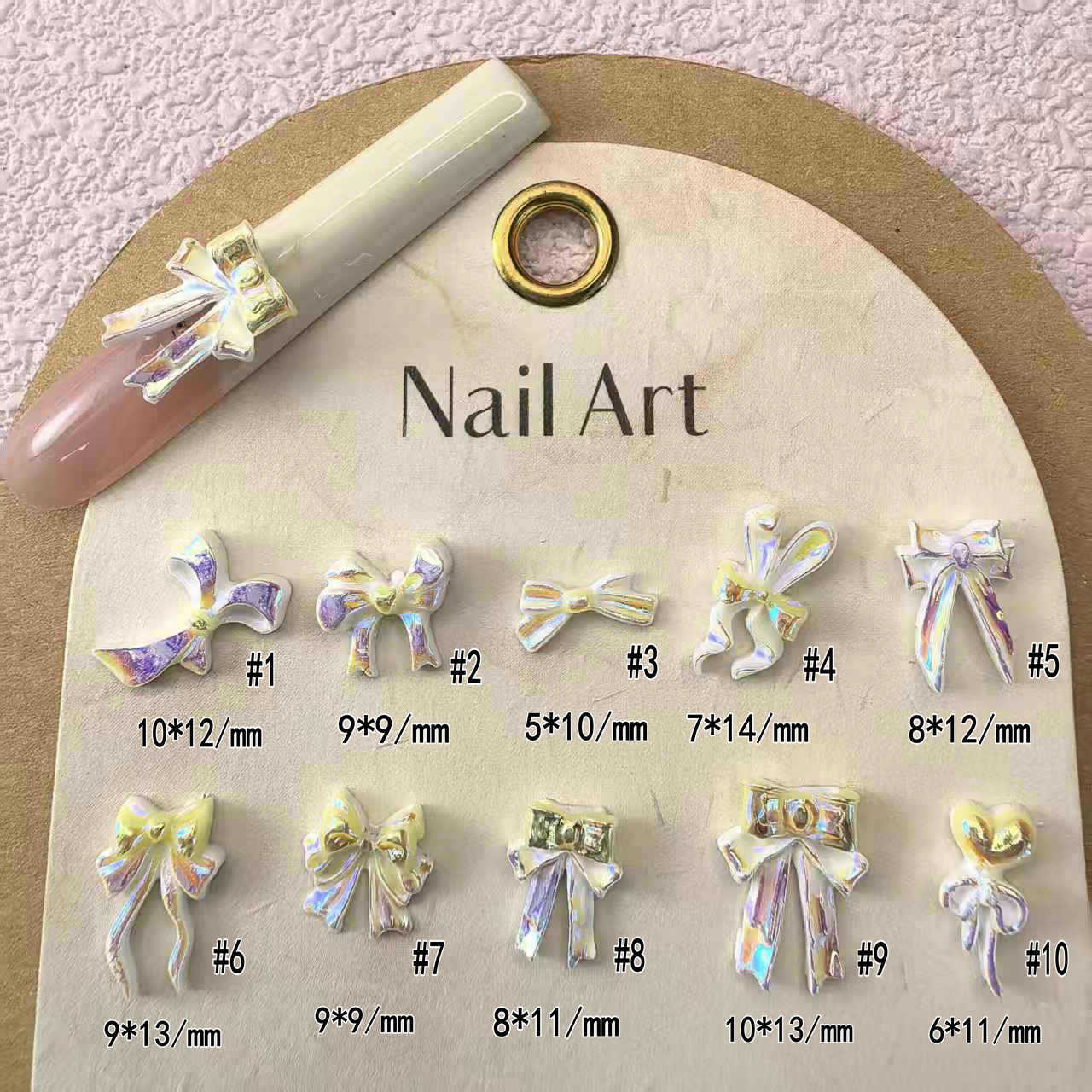
 mixed/2000 pcs/bag
混装/2000颗/包 |
CN¥ 0.0 |
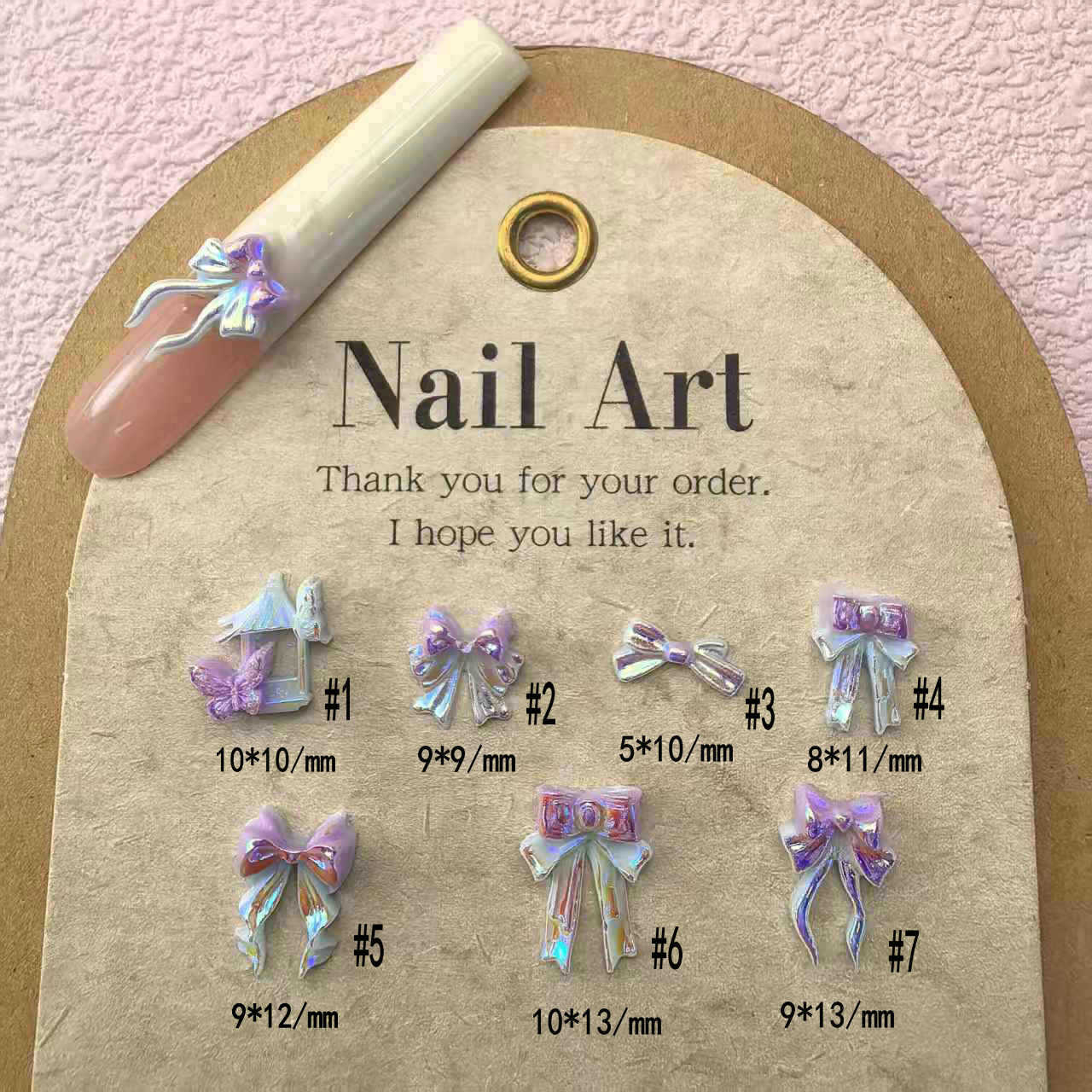
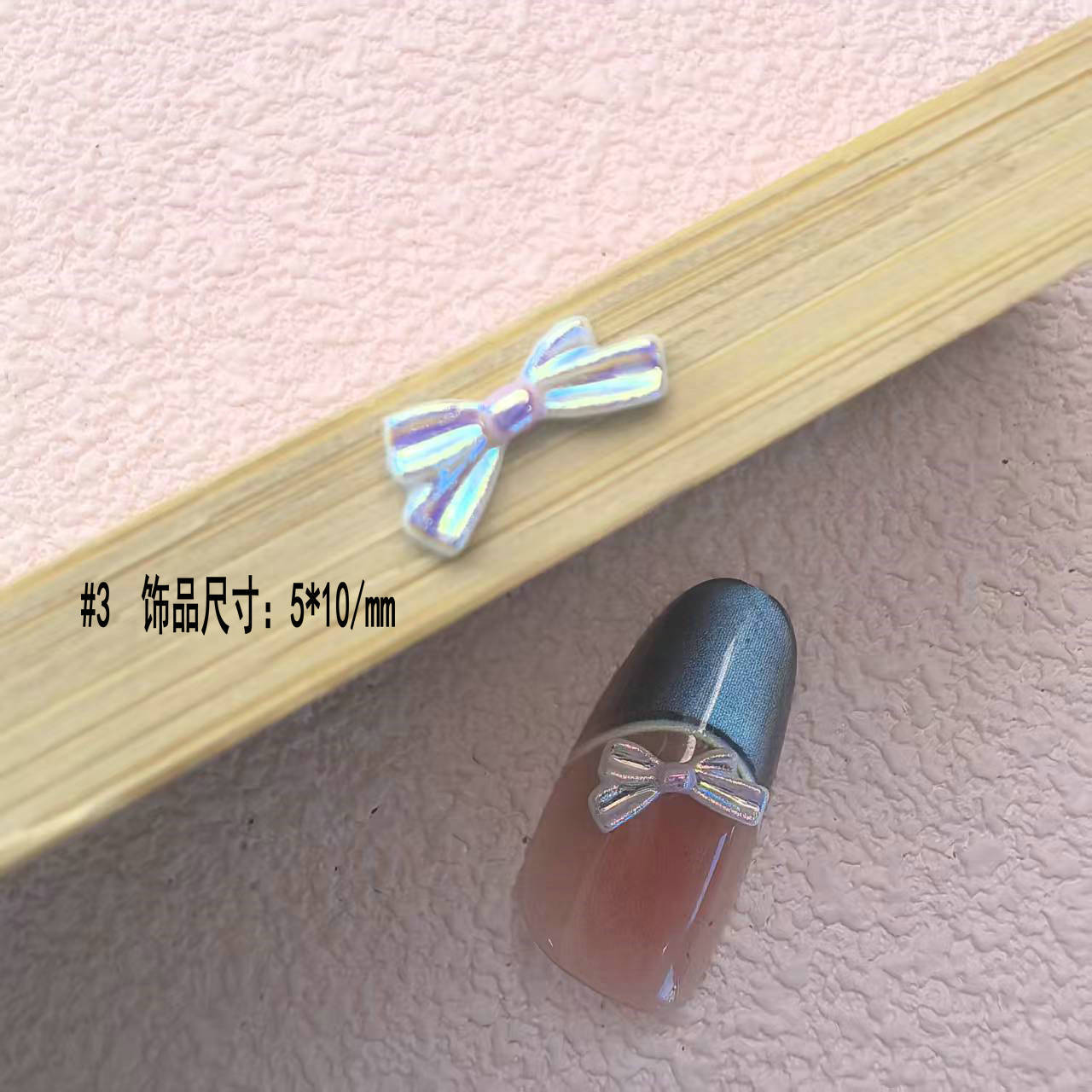
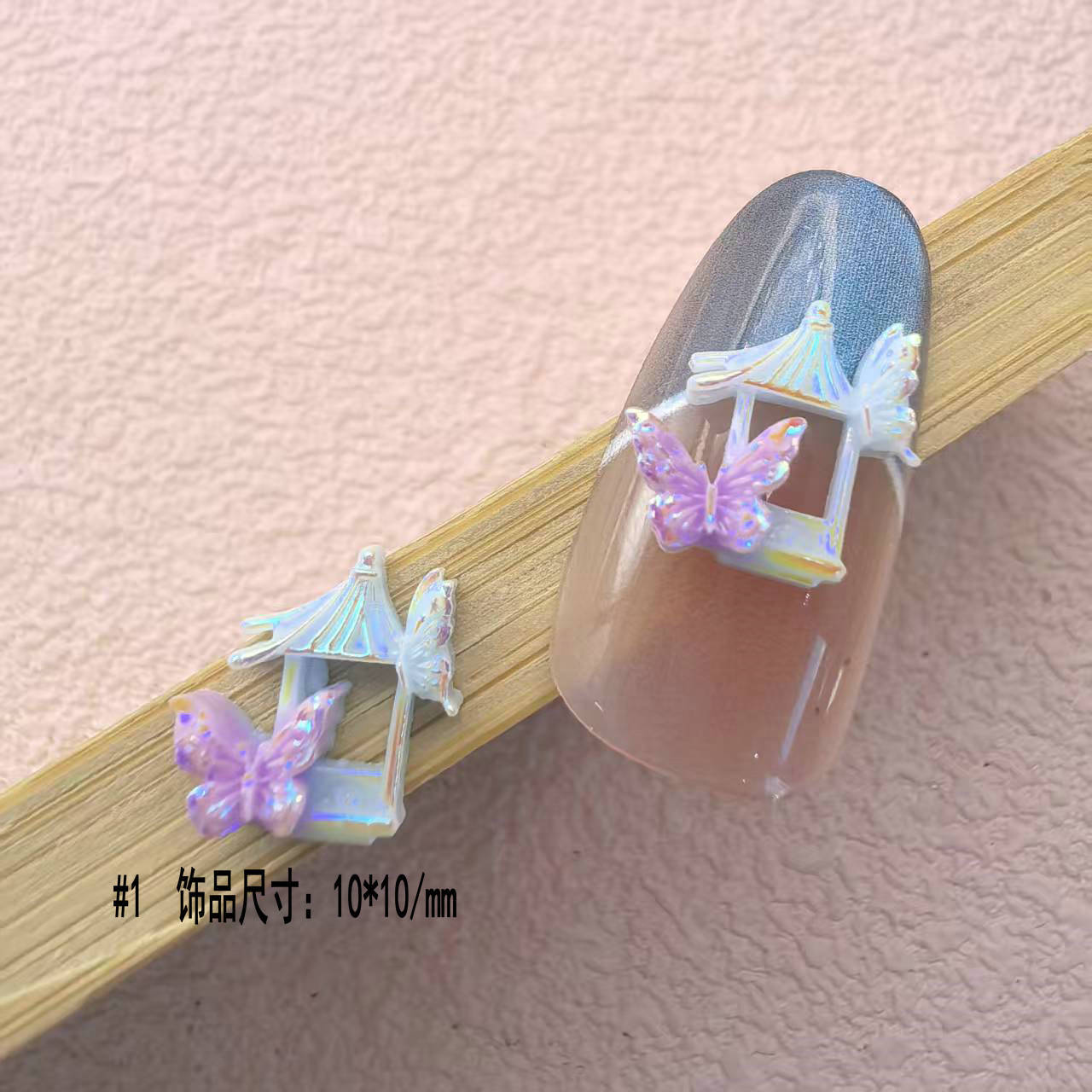
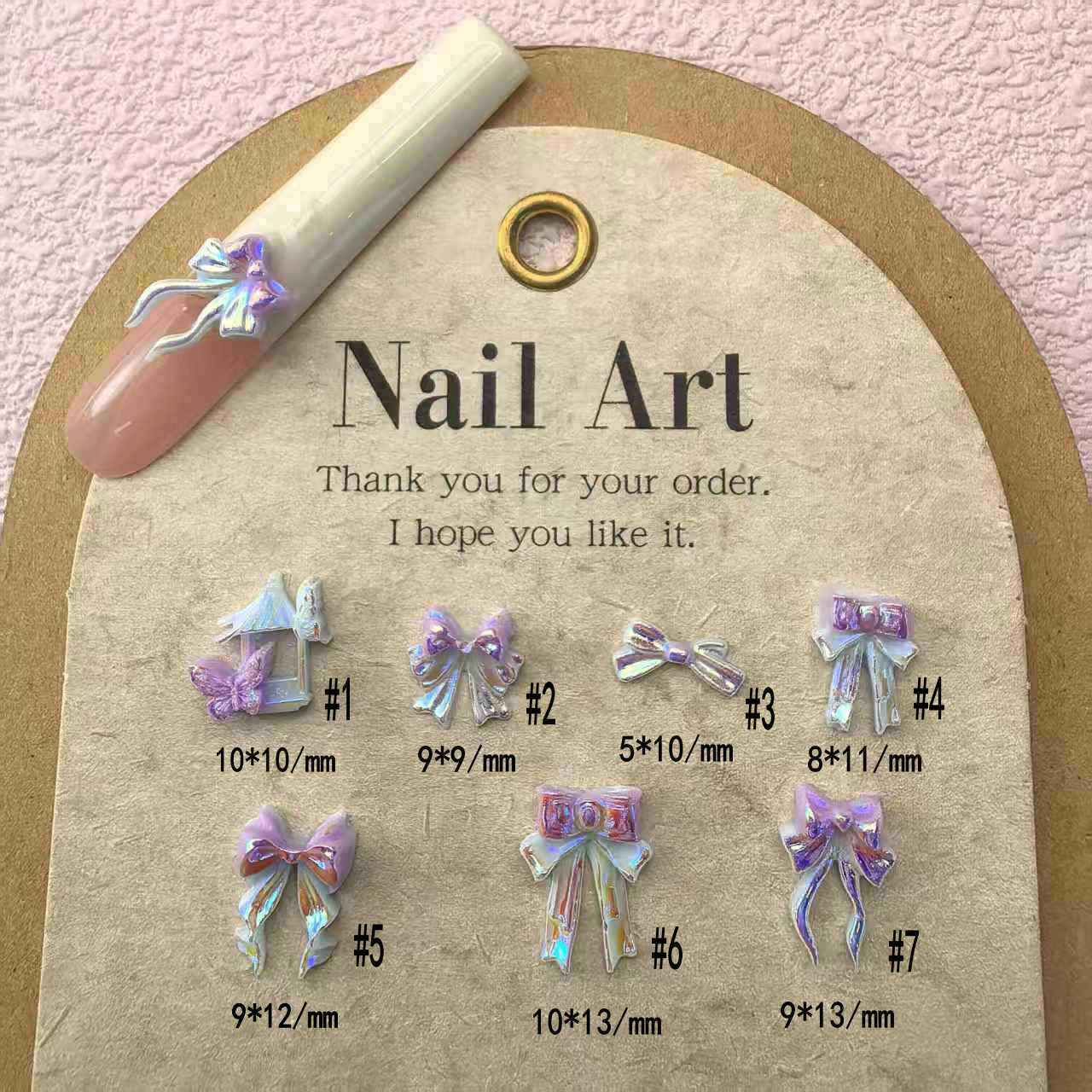
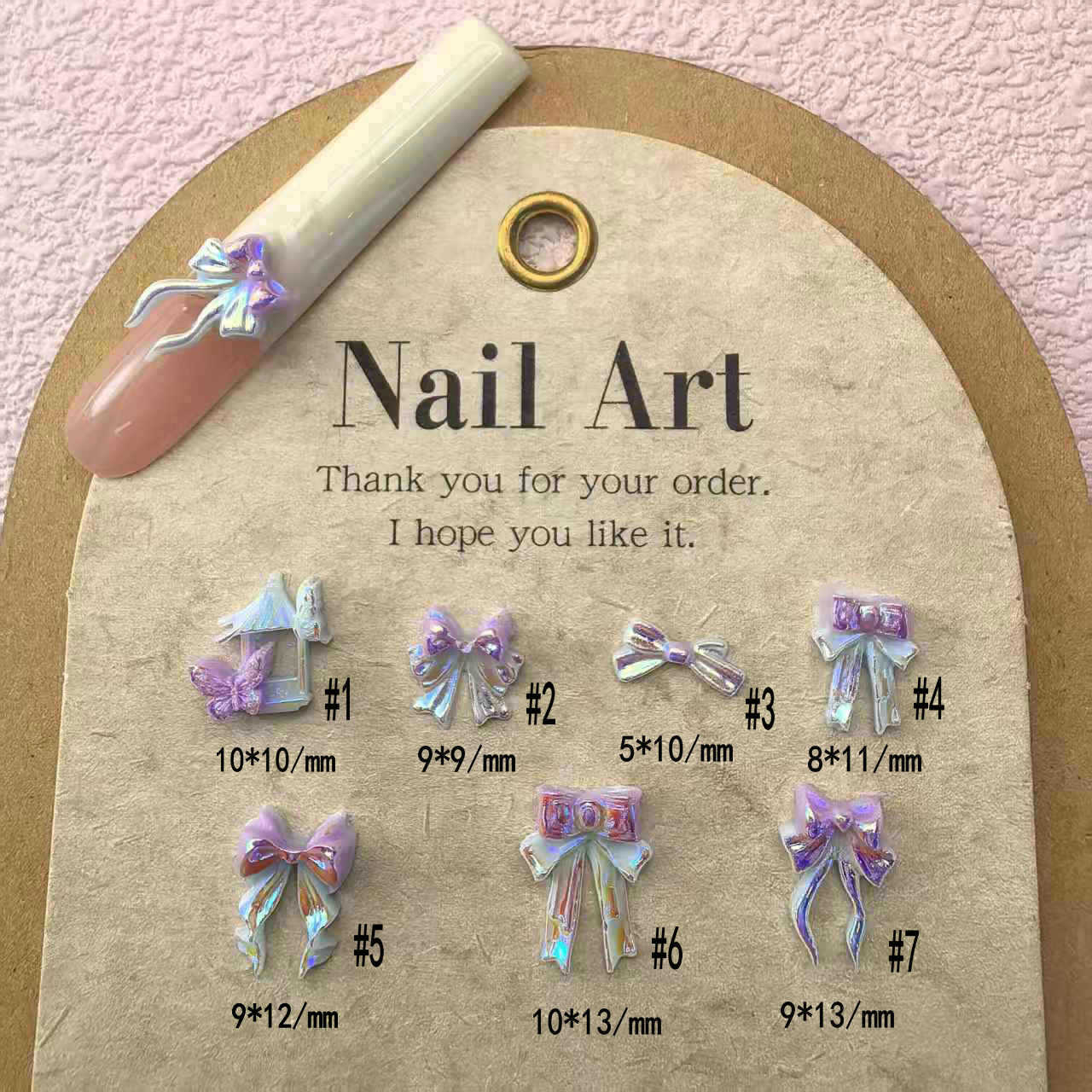
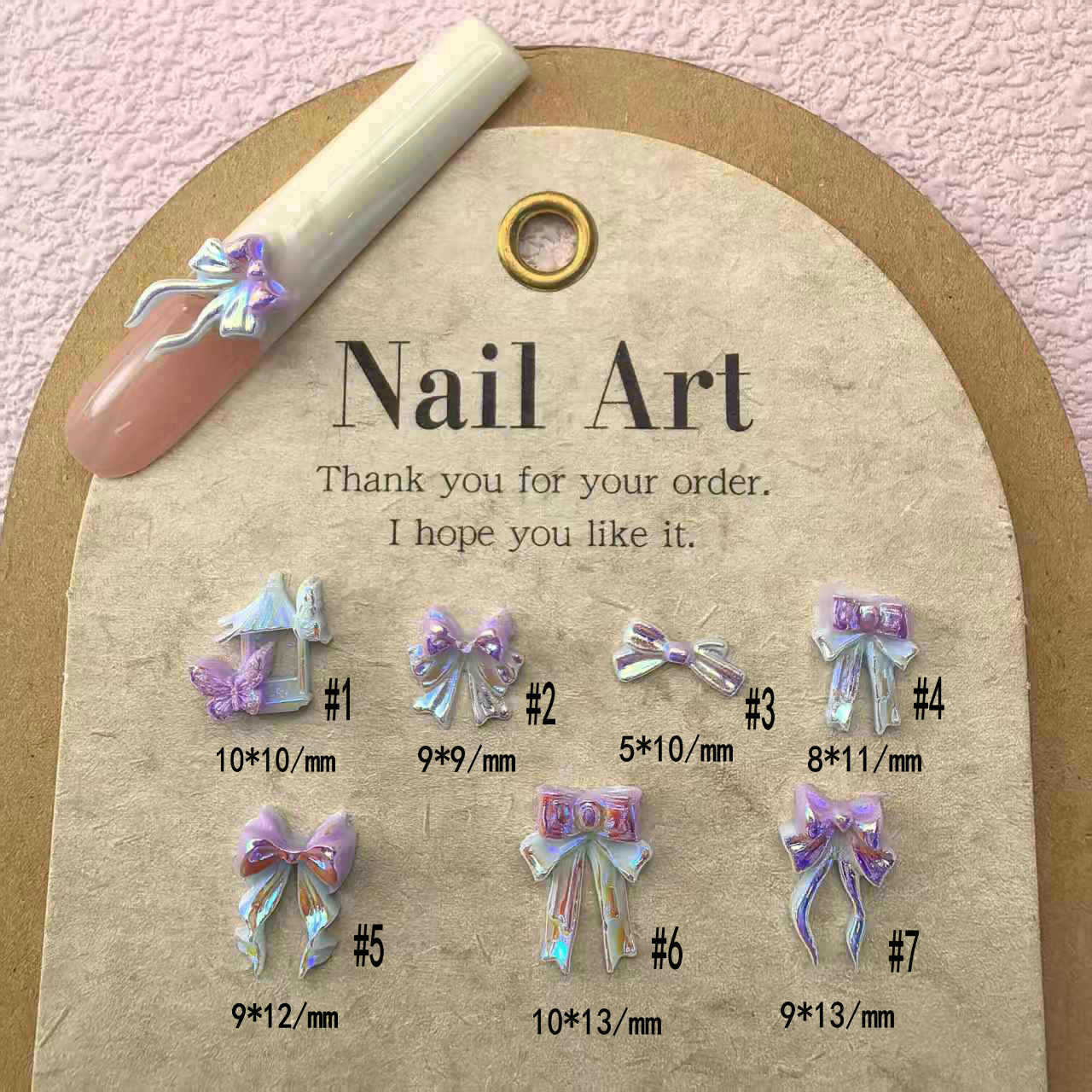
 clear #1/3000 pcs/bag
清装#1/3000颗/包 |
CN¥ 0.0 |
 clear #2/3000 pcs/bag
清装#2/3000颗/包 |
CN¥ 0.0 |
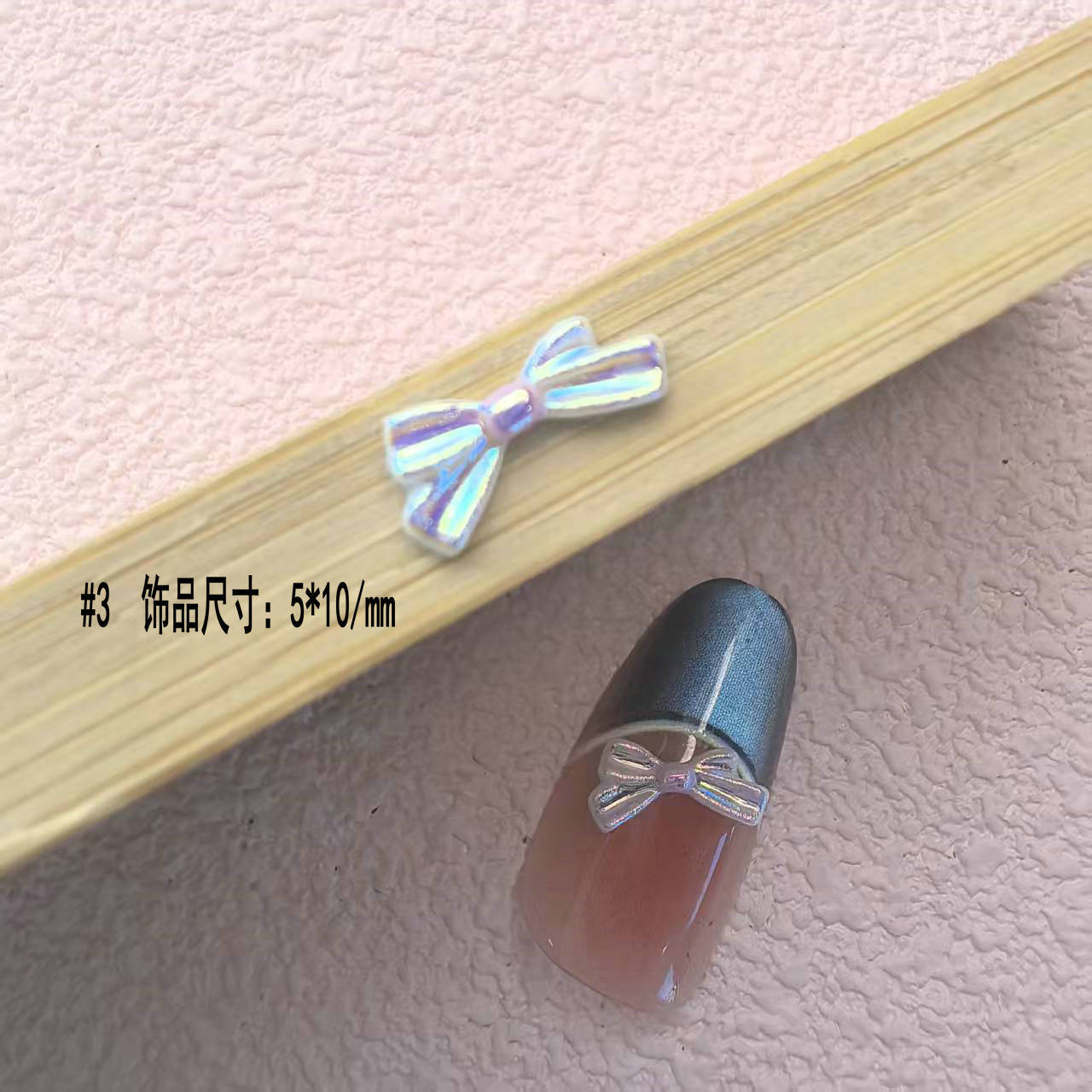
 clear #3/5000 pcs/bag
清装#3/5000颗/包 |
CN¥ 0.0 |
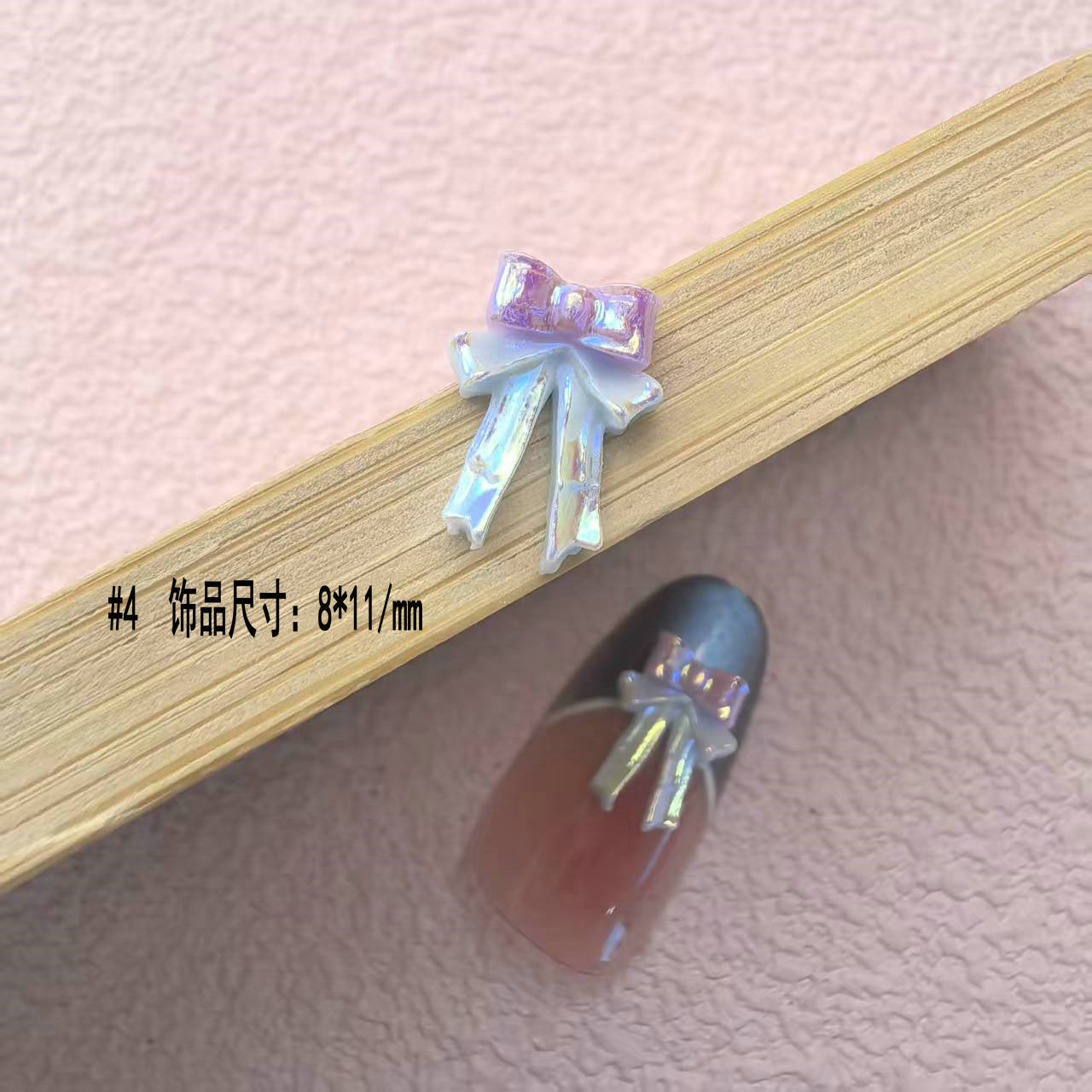
 clear #4/3000 pcs/bag
清装#4/3000颗/包 |
CN¥ 0.0 |
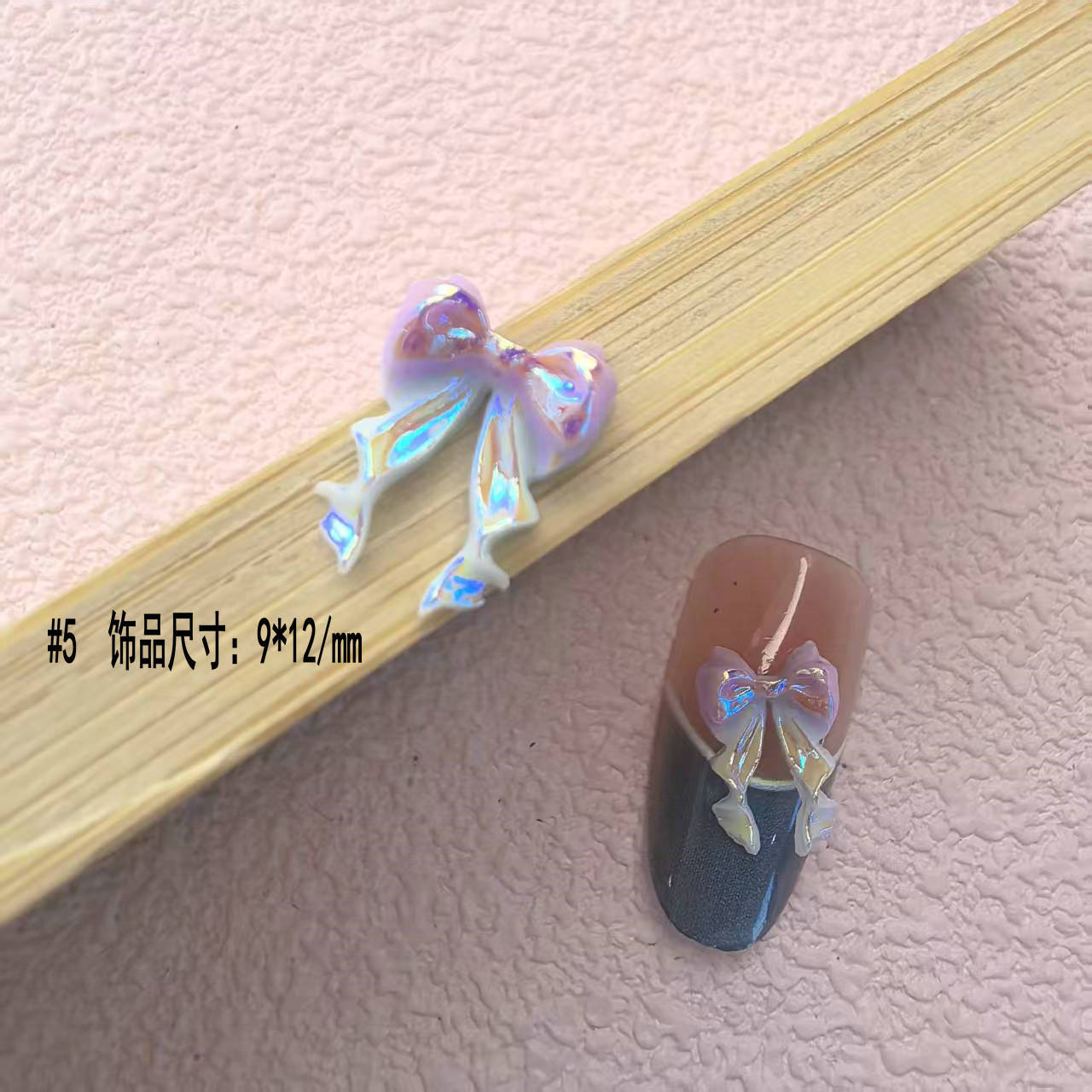
 clear #5/3000 pcs/bag
清装#5/3000颗/包 |
CN¥ 0.0 |
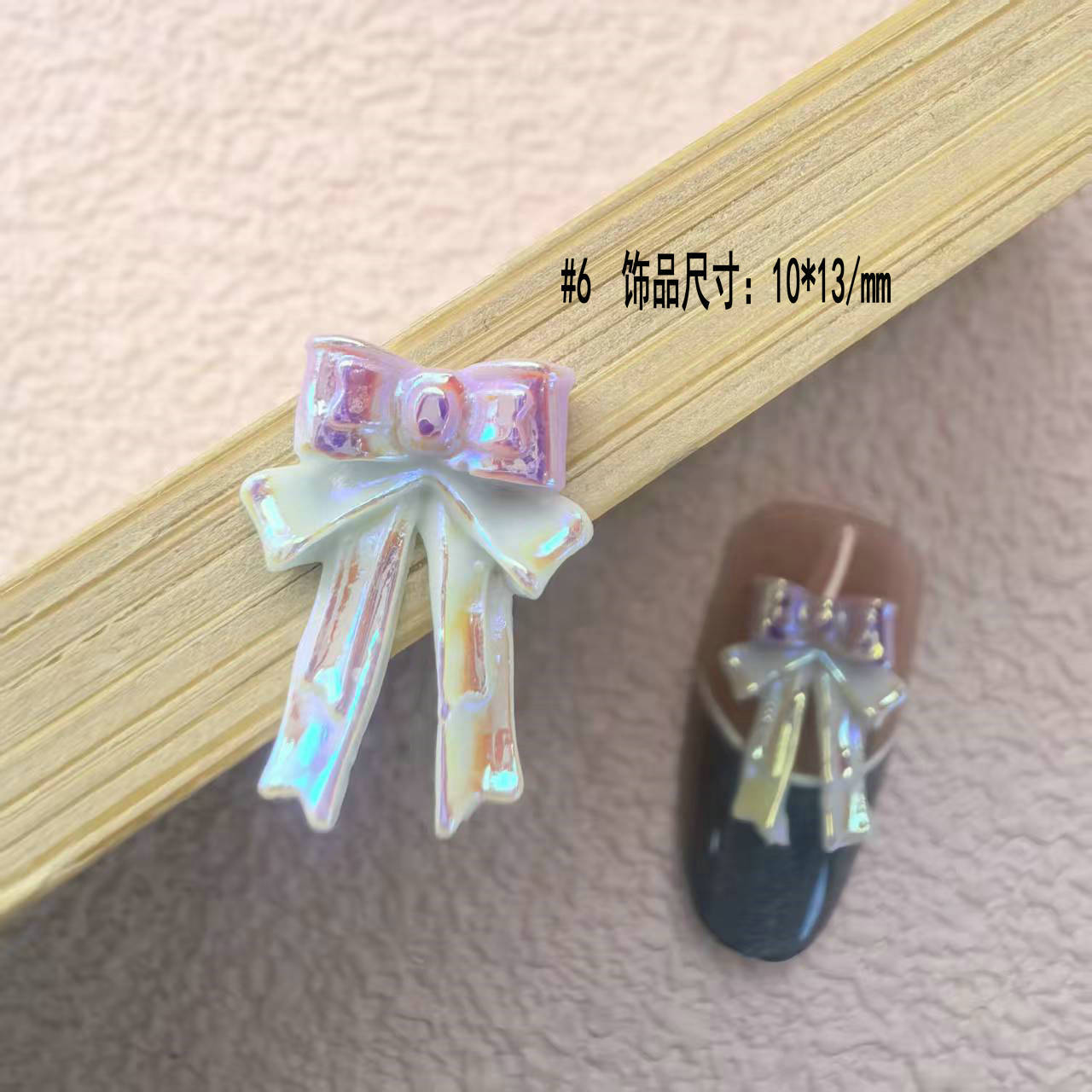
 clear #6/3000 pcs/bag
清装#6/3000颗/包 |
CN¥ 0.0 |
 clear #7/3000 pcs/bag
清装#7/3000颗/包 |
CN¥ 0.0 |







Aggregation Series:

Creative ThinkingIn the design and application of resin nail jewelry, it has broken through the limitations of traditional decoration. Through the integration of themes, material innovation, process upgrade, and interactive experience, it endows nail jewelry with stronger personal expression, emotional resonance, and visual tension.
The following analyzes the specific application of creative thinking from multiple angles:
One, Theme Crossover: Break the boundaries of elements, build a multi-dimensional narrative. The core of creative thinking lies in 'cross-border integration', combining themes from different fields, cultural symbols, and the characteristics of resin materials to create jewelry that combines a sense of story with uniqueness.
Cultural IP collaboration: Transforming classic cultural symbols and popular IP elements into resin nail jewelry. For example: - Combining anime IPs (such as fruit spirits from "Pokémon" and sweet styles from "Strawberry Milk Cotton Candy"), design mini resin shapes such as "Pikachu Strawberry" and "Tiramisu Fruit Tart" to meet the personalized needs of fans of the second dimension; - Integrating traditional cultural elements, such as combining the "Bamboo Shadow" and "Lotus" in ink painting with the transparency of resin to create semi-transparent bamboo resin jewelry, paired with gradient green nail polish to create an oriental elegant atmosphere.
Nature and technology collide: Breaking the inherent perception of 'nature = freshness, technology = coldness', integrating natural elements with a futuristic design. For example: - Design the 'Cyber Fruit' series: Use resin to create sharp-edged geometric strawberries, with silver metal lines embedded on the surface and fluorescent color gradation, combining the sweetness of fruits with the coolness of mechanical punk; - With the theme of 'Interstellar Plants', make semi-transparent alien flowers out of resin, embedding fine silver powder inside to simulate 'starlight', paired with a matte black shell to create a visual effect of science fiction intertwined with nature.
Emotion and Scene Binding: Letting jewelry become the 'concrete expression' of emotions or scenes. For example:
◦ "Rainy Day Healing" theme: Create miniature umbrellas, raindrops, and cloud shapes using resin. The surface of the umbrellas has a matte texture, and the raindrops are embedded in transparent resin to simulate the luster of water droplets. Pair it with a light gray-blue nail polish to convey the tranquility of a rainy day;
◦ "Carnival Party" theme: Turn resin into colorful balloons, champagne glasses, and star-burst shapes. The balloons are filled with sequins, which create a dynamic flash when shaken, suitable for festive or social events.
Section Two: Material Innovation:Break through the characteristics of resin, expand the sensory experience Creative thinking drives the resin to mix with other materials, through material contrast, functional superposition, endows the jewelry with freshness in touch, vision, and even interaction.
• Fusion of Different Materials: Combining resin with metals, fabrics, natural materials, etc., enhances the texture layers. For example: ◦ Resin + Metal: When making strawberry-shaped items, outline the strawberry with golden metal wire. The "green leaves" at the top are matte resin, and the fruit part is embedded with small water diamonds on the shiny resin. The toughness of metal contrasts with the softness of resin; ◦ Resin + Natural Elements: Embed dried flowers (such as daisies, baby's breath), shell fragments, or fine sand in transparent resin to create "Summer Beach" theme jewelry. The texture of natural materials gives the resin a more natural breathing sensation.
Functional material superimposition: Special materials are added to give jewelry "dynamic effects" or "environmental responses". For example: ◦ Thermosensitive resin: Design "Mood Clouds" jewelry, which is white at room temperature and gradually changes to pink when in contact with body temperature, presenting different states with body temperature changes, increasing interactive fun; ◦ Night-light / fluorescent materials: Mix night-light powder into the resin to make moon, star, or firefly shapes, which absorb light during the day and present a soft fluorescence at night, suitable for night parties or dark-themed nail art; ◦ Magnetic material: Embed a micro-magnet in the back of the resin jewelry, paired with a magnetic adhesive patch on the nail surface, to achieve "no glue, removable", which is convenient for daily replacement of different styles.
Contrasting Texture Design: Create visual conflict through resin surface treatment (sanded / glossy / raised and depressed texture). For example: ◦ "Sweet and Cool Cherry": The cherry fruit part is made of high-gloss resin to simulate a moist texture; the stem and leaves are made of matte resin with black nail polish, adding a neutral coolness to the sweet feeling; ◦ "Vintage Record" theme: Use resin to replicate the shape of a mini vinyl record, with fine raised and depressed patterns to simulate record grooves, and edge inlaid with silver metal rings, paired with a retro red nail surface to enhance the sense of age.
Three, process upgrade: Refined technology empowers, reinforcing the expression of details. Creative thinking drives the craft from 'standardized production' to 'personalized fine craftsmanship'. Through 3D modeling, miniature scene creation, and layered design techniques, resin jewelry becomes even more artistic.
3D Stereoscopic Miniature Scenery: Break through the limitation of "single shape", build miniature scenes with resin, making the nails become a "microscopic stage". For example: ◦ "Garden Afternoon Tea" scene: On a resin base the size of a nail, create mini tea cups, cakes, daisies. The tea cups are simulated with transparent resin to mimic glass texture, and the cake surface is simulated with resin with buttercream texture to simulate decorating. The overall height does not exceed 2mm, which is delicate and does not affect daily activities; ◦ "Underwater World" scene: Use a blue gradient resin as the base, embed mini resin fish, corals, and bubbles (hollow resin balls to simulate), paired with iridescent nail polish, as if a miniature ocean is hidden on the tip of the finger.
Embossed Layering with Perspective: Utilizing the transparency of resin, create a 'three-dimensional perspective' effect through layered superimposition. For example: ◦ 'Fruit Mille-Feuille' design: The base layer is made of red resin as strawberry jam, the middle layer is simulated with white resin as cream, and the top layer is embedded with semi-transparent strawberry slices. The edges of each layer are outlined with golden lines, resembling a mini mille-feuille cake with distinct layers; ◦ 'Starry Sky Layering': The base layer is made of black resin mixed with fine glitter, the middle layer is made of semi-transparent blue resin with a gradient, and the top layer is embedded with silver star resin pieces. The 'profound sense of the starry sky' is presented through light refraction.
Hand-drawn and custom-made textures: Combining hand-drawn techniques, resin jewelry is endowed with unique details. For example:
◦ Custom "Pet Portrait": On a miniature resin disk, hand-draw a pet's head with a very fine brush, then cover with a transparent resin sealant, paired with a matching nail polish, making it a special accessory for pet lovers;
◦ "Graffiti-style Fruit": After creating the basic fruit shape with resin, hand-draw personalized graffiti lines (such as drawing smiles on strawberries and sunglasses on lemons), endowing the fruits with "anthropomorphic" personalities.
Four, Interaction and Sustainability:Extending from "decoration" to "experience" - Creative thinking allows resin nail jewelry to break free from the position of "one-time decoration," enhancing utility and emotional value through interactive design and eco-friendly concepts.
• Modular and Disassembly Design: Make jewelry more 'reusable'. For example: ◦ Launch 'Foundation + Plug-in' sets: The base is a universal resin piece (reusable for pasting), and the plug-in is different theme resin small models (such as fruits, flowers, letters), users can freely combine according to their dress or mood, reducing the need for repeated purchases; ◦ 'Magnetic Attachment Combination': Design resin jewelry into multiple magnetic attachment components (such as the fruit and leaves of strawberries can be separated), which can be used separately as small jewelry, increasing the variety of play.
• DIY Sense of Participation: Reduces the barrier to creation, allowing users to participate in the design process. For example: ◦ "Blank Resin Blank + Paint Kit": Users can hand-paint patterns, then use a sealing resin to harden, creating completely personalized jewelry; ◦ "Collage-style Components": Provides basic resin discs in circular, square, and droplet shapes, paired with small adhesive elements (such as sequins, small pearls), allowing users to freely collage into a unique pattern.
Sustainable and eco-friendly creativity: Responding to the green concept, integrating environmental protection thinking into design. For example: ◦ Use biodegradable resin materials: Produce seasonal accessories (such as Christmas themes, cherry blossom themes), which can be degraded naturally after disposal, reducing environmental burden; ◦ "Recycling old jewelry": Recycle unused resin jewelry from users, polish, repaint, and add new elements (such as adding new sequins to the old strawberry jewelry), giving it a second life; ◦ Lightweight design: By thinning the resin thickness and optimizing the structure, reduce material consumption, while maintaining the three-dimensional feeling and durability of the jewelry.
The application of creative thinking in resin nail jewelry is essentially "centered around user needs" - a multifaceted innovation that encompasses themes and narratives to satisfy emotional expression, material and craft techniques to enhance sensory experiences, and interactive and sustainable design to enhance practicality. This innovation not only elevates nail art from a "decorative act" to a "vehicle for personal expression," but also propels resin nail jewelry from "standardized products" to "artistic and emotional works," injecting sustained vitality into the nail art industry.
What industries can resin jewelry be used in? Who needs to purchase from these factories? Who in the foreign trade sector will be purchasing?
Resin jewelry is widely used in various industries due to its light weight, diverse shapes, low cost, and high degree of customization. It has also attracted buyers from different fields. Here is a detailed classification and case study:
1. The application industries of resin jewelry and the types of purchasing factories
Fashion Accessories Industry
Purchasers: Jewelry Brands, Fast Fashion Brands, E-commerce Sellers
Usage: Earrings, necklaces, bracelets, hair accessories, etc., especially suitable for niche designs and limited edition for festivals.
Case:
The domestic e-commerce brand 'Shiwu' has purchased resin earrings, which have achieved a monthly sales of over 100,000 pieces through live streaming on Douyin.
The suppliers of the Spanish fast fashion brand Zara will purchase resin jewelry as seasonal accessories.
Home Decor Industry
Purchasers: Home Furnishing Manufacturers, Gift Companies, Hotel Supplies Suppliers
Usage: Resin ornaments, frames, vases, wall decorations, etc., commonly found in Scandinavian or Instagram-style designs.
Case:
IKEA's resin decorative ornaments are mostly produced by subcontracting factories in China and Vietnam.
A home furnishings factory in Shenzhen customizes resin Christmas tree decorations for Target supermarket in the United States for the Christmas season.
Toy and Cultural Creativity Industry
Purchaser: Toy factories, cultural and creative IP operators, theme parks
Usage: Cartoon resin figures, blind boxes, key chains, IP collaboration products.
Case:
Some blind box series of Pop Mart use resin material.
The resin ornaments of Hello Kitty by Sanrio in Japan are outsourced by Chinese factories.
Promotion Gift Industry
Purchasers: Advertising companies, corporate procurement departments, exhibition service providers
Usage: Custom LOGO resin bookmarks, badges, souvenirs, etc.
Case:
Hangzhou volunteers will receive resin-material mascot key chains as gifts in 2023.
Coca-Cola once custom-made resin cap charms as promotional gifts.
Religious and Folklore Supplies
Purchaser: Temple Supplies Store, Folk Art Crafts Factory
Usage: Resin Buddha statues, prayer beads, Feng Shui ornaments, etc.
Case:
Thailand's Buddhist supply shops in Bangkok are heavily purchasing resin Buddha statues made in China.
Factories in Putian, Fujian produce resin statues for the Southeast Asian market.
Type of Foreign Trade Purchasers and Cases
Wholesaler (Buyer on B2B Platform)
Features: Purchasing through platforms such as Alibaba and Global Sources, focusing on low prices and minimum order quantities (MOQ).
Case:
German wholesaler 'Style & Beauty' purchases resin earrings from Yiwu and resells them to European small and medium-sized retailers.
Brand merchants and designer brands
Features: High standards for design and environmental certification (e.g., Reach, EN71), stable order volume.
Case:
The American luxury brand 'Kate Spade' has commissioned a factory in Dongguan to produce resin flower necklace.
Cross-border e-commerce sellers
Features: Prefers small batch customizations (e.g., Amazon FBA sellers), focuses on logistics efficiency.
Case:
Shenzhen cross-border e-commerce company 'TomTop' purchases resin anime brooch, and sells it to Europe and the United States through an independent website.
Gift Trade Company
Features: Seasonal procurement is strong (e.g., Christmas, Valentine's Day), requiring rapid prototyping.
Case:
The Dubai gift company 'Al Khayyat' purchases 200,000 resin camel ornaments from China every year as tourist souvenirs.
Offline retailers and chain stores
Features: Requires OEM/ODM service, strict factory inspection.
Case:
The Japanese chain store 'Loft' purchases a resin stationery set made in China and sells it under its own brand.
III. How to precisely match suppliers?
B2B platform: Post products on Alibaba International Station, Made-in-China, etc., and mark 'Customization Available'.
Exhibitions: Participating in the Canton Fair, Hong Kong Gift Exhibition, and the Las Vegas ASD Exhibition, etc., to contact offline buyers.
Social media marketing: Displaying designs through Instagram and Pinterest to attract niche brands.
Case dialogue:
We provide resin jewelry that meets the Reach standard for European customers, with a minimum order quantity (MOQ) of 500 pieces and support for logo printing.
Summary
Resin jewelry buyers cover multiple fields such as fashion, home decor, toys, and gifts. Foreign trade buyers need to adjust their strategies according to the target market (e.g., Europe and America emphasize environmental protection, while the Middle East prefers gold or religious elements). By being flexible in customization and having certification qualifications, one can seize a niche market.


The procurement characteristics of nail art accessories vary due to differences in regional culture, consumption habits, and fashion trends.
Here are some characteristics of the main markets:
1. American market: Pursuing individuality and creativity
American consumers prefer bold and personalized nail art designs, so they pay more attention to the diversity and uniqueness of accessories when purchasing. Popular products include:
3D jewelry (such as chains, studs, pearls).
Thematic series (festival limited, sports theme, etc.).
Environmental-friendly materials (biodegradable sequins, non-toxic crystal).
American buyers usually purchase in bulk, focusing on the suppliers' ability to deliver quickly and the product's innovation.
2. European market: simplicity and high-end coexist
European consumers tend to prefer elegant and minimalist styles, with a special preference for environmentally friendly and high-quality products.
Natural materials (shells, wood veneer).
Metal jewelry (gold leaf, matte metal stickers).
Minor design (minimalistic geometry, artistic style).
Nordic and Western European countries are more concerned about the sustainability certification of products (such as the EU environmental standards), while the Eastern European market is more sensitive to price.
3. The Japanese and Korean markets: driven by refinement and trends
Japan and South Korea are trendsetters in the world of nail art, with their purchasing characteristics including:
Miniature Elegance (Small Water Diamonds, Micro-Carved Flowers).
IP collaboration (anime, celebrity same items).
Seasonal trends (such as spring cherry blossom stickers and winter plush elements).
Korean buyers focus on packaging design and social media exposure, while the Japanese market has extremely high requirements for detail craftsmanship.
4. Southeast Asian Market: Cost-Performance and Fast Fashion
Consumers in Southeast Asia prefer products with affordable prices and bright colors.
Sequins and stickers (large quantity, low price).
Ethnic elements (Thai traditional patterns, Indonesian batik patterns).
DIY Kit (Convenient for home or small shop use).
Purchasing focuses more on cost, with larger order quantities but lower unit prices.
5. Middle East Market: Luxurious and Shiny Style
Middle Eastern clients prefer extravagant and dramatic designs.
High-profile flash diamond (Swarovski crystals, metal chain).
Golden-colored jewelry (with traditional clothing).
Customized service (for high-end customer needs).
High quality standards, willing to pay for brand premium.
Summary
Purchasing demands in different regions reflect local cultural and aesthetic preferences. Suppliers need to develop products specifically, such as providing environmental options for Europe and the United States, designing trend IP models for Japan and South Korea, and focusing on cost performance to meet the needs of the Southeast Asian market.
A Brief History of Global Nail Art: From Ancient Totems to Fashion Symbols
Nail art, as a form of body decoration, has its roots in the dawn of human civilization.
In different eras and regions, the decoration of the nails is not only a symbol of identity but also a cultural code.
Evolves into a global fashion industry.
Ancient Civilizations: The Mark of Power and Belief
In ancient Egypt around 3000 BC, the practice of nail polishing had already shown signs of class differentiation: the pharaohs and nobles used a reddish-brown dye extracted from the mallow plant.Only light colors were allowed for common people. The gold nail art tools discovered in Cleopatra's tomb by archaeologists confirm the connection between nail art and divine right politics.
At the same time, the aristocrats of the Shang Dynasty in China used wax, egg white, and plant juices to mix and create colored nail polish. During the Zhou Dynasty, metal armor sets became part of the rites, further developing the tradition.
Indian tribes use animal blood to paint war totems on their nails, endowing them with a religious mystique.
Medieval to Modern: The Divide Between East and WestDuring the European Renaissance, neatly trimmed bare fingers were seen as a symbol of moral purity. Meanwhile, in the Heian period of Japan,
Noble women were in vogue for using petal juice to stain their teeth black and their nails green, creating a unique 'o-ha kuro' aesthetic.
During the Ming Dynasty in China, the art of using imitation shellflower to stain one's nails was systematically recorded in the "Compendium of Materia Medica."
This sustainable nail art method is still being passed down in some rural areas. It is noteworthy that,
In the 15th century, the Ayutthaya Kingdom in Thailand produced gold nail sets that could reach a length of 15 centimeters.
technological revolution after the Industrial Revolution
In 1830, a French doctor invented the modern nail file, and in 1892, the first nail salon appeared in New York.
In 1920, the development of automotive paint technology led to the creation of the first nitrocellulose nail polish.
Revlon introduced its line of colored nail polishes in 1932.
To make nail art become a mass-market consumer product for the first time.
In 1957, dentist Fred Slack accidentally invented the acrylic false nails.
Laying the technical foundation for the modern nail beauty industry.
During this period, Hollywood stars like Marilyn Monroe's red nails,
Transform nail art into a star symbol.
Contemporary Globalization Landscape
In the 1980s, Japan pioneered the technology for crystal nails and light therapy nails.
South Korea has promoted the trend of gradual changes in the "French Manicure" style after the year 2000.
In the era of social media, the hashtag #nailart on Instagram has surpassed 200 million posts.
Vietnam's 'Nail Street' in Hanoi exports 2 billion false nail sheets annually.
The global nail art market size exceeded $13 billion in 2020.
From the golden armor of Pharaohs to the 3D relief armor in Harajuku, Tokyo.
Nail art always swings between practicality and decoration, between restraint and liberation.
This miniature history of human civilization reminds us: "The space between our fingers is a tiny place."
The trajectory of aesthetic changes.
Update time:


TOP