Search history
Clear allSearch by image
XDrag and drop an image here or upload an image
Max 5MB per image
UploadSign In | Join

Search history
Clear allSearch by image
XDrag and drop an image here or upload an image
Max 5MB per image
UploadSign In | Join
X Email Mobile
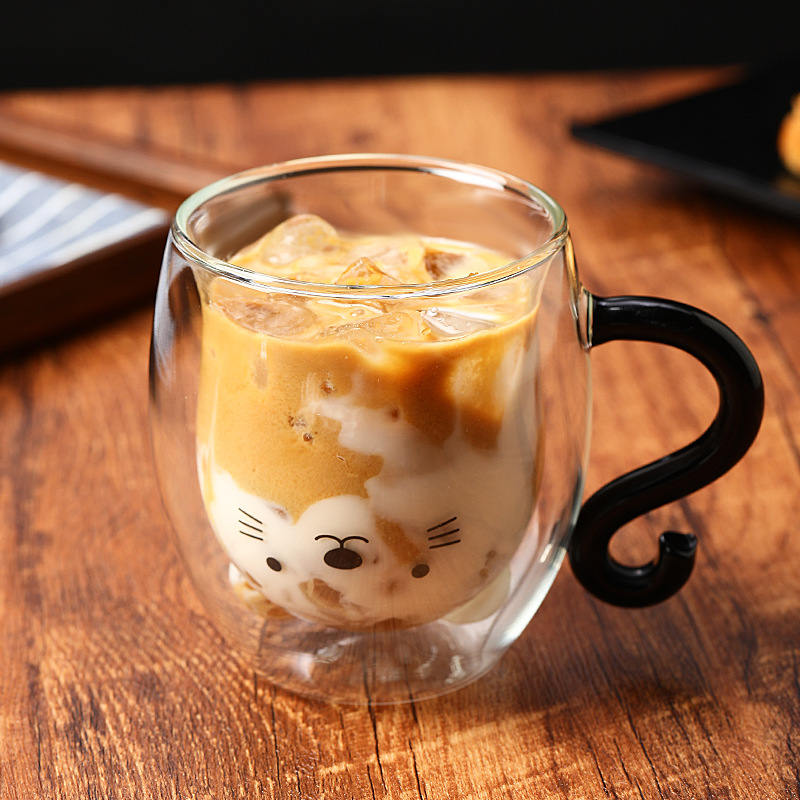
| 250ml | ¥6.5 | 999999 piece available |
|
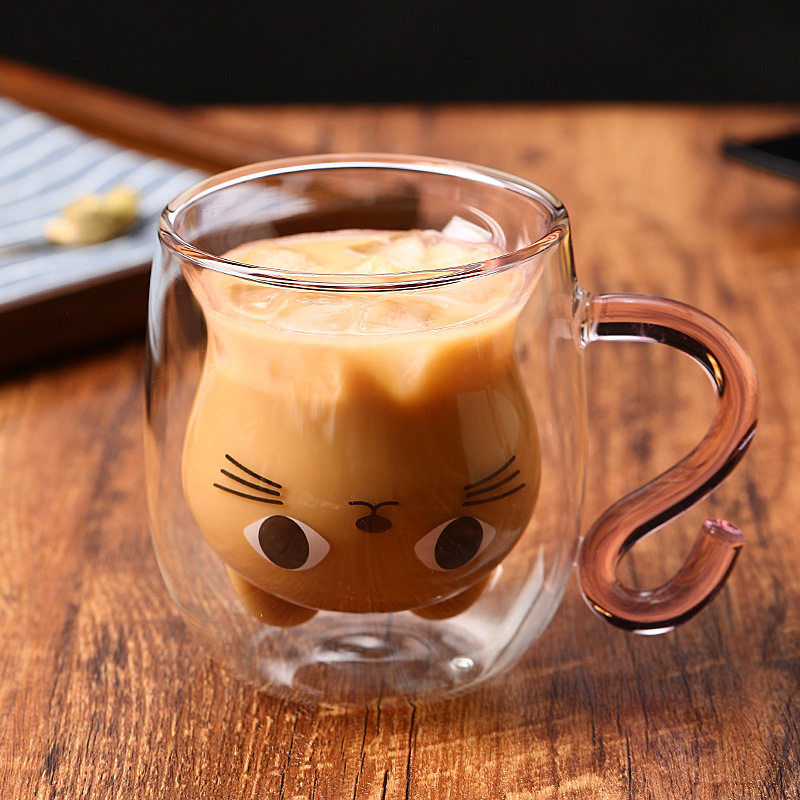
| 250ml | ¥6.5 | 999999 piece available |
|
| 250ml | ¥6.5 | 999999 piece available |
|


A new item has been added to your Shopping Cart. You now have items in your Shopping Cart.
* Note: The default shipping fee is relatively high. Please contact customer service to modify the shipping fee according to the actual arrival location.
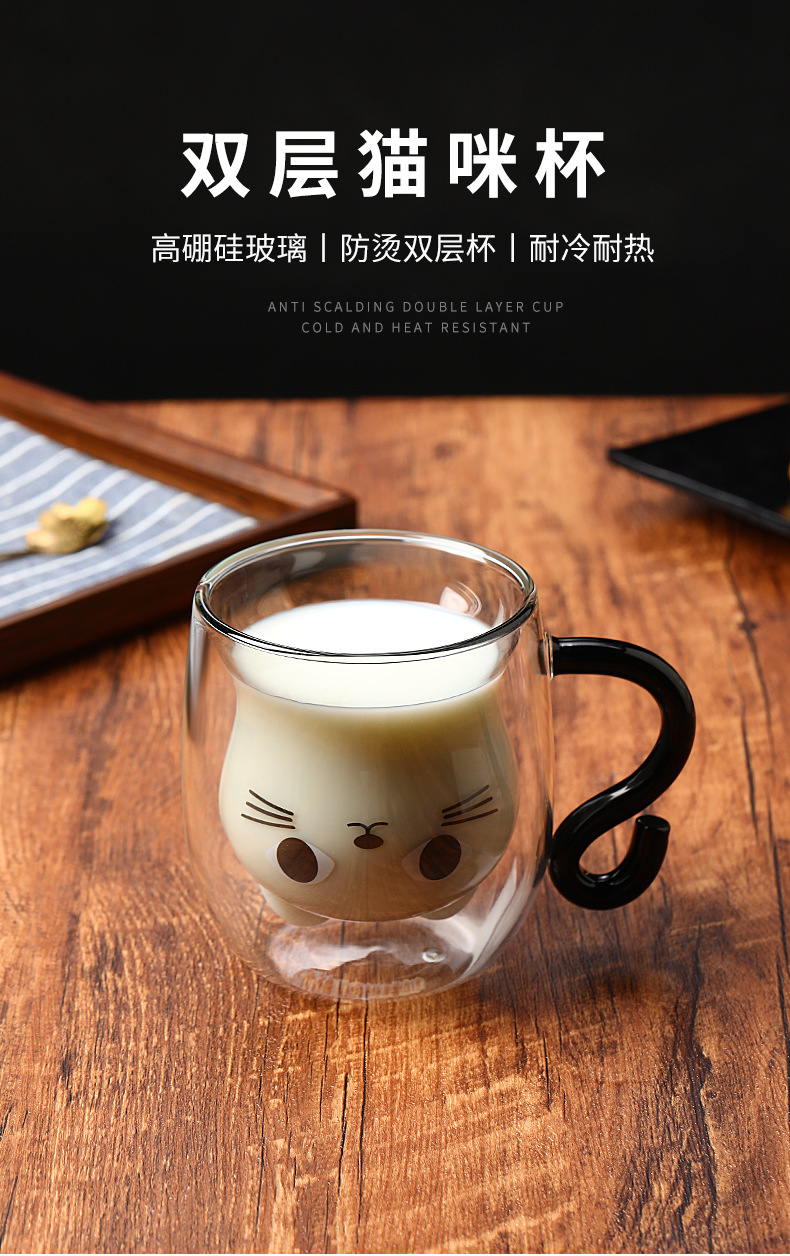
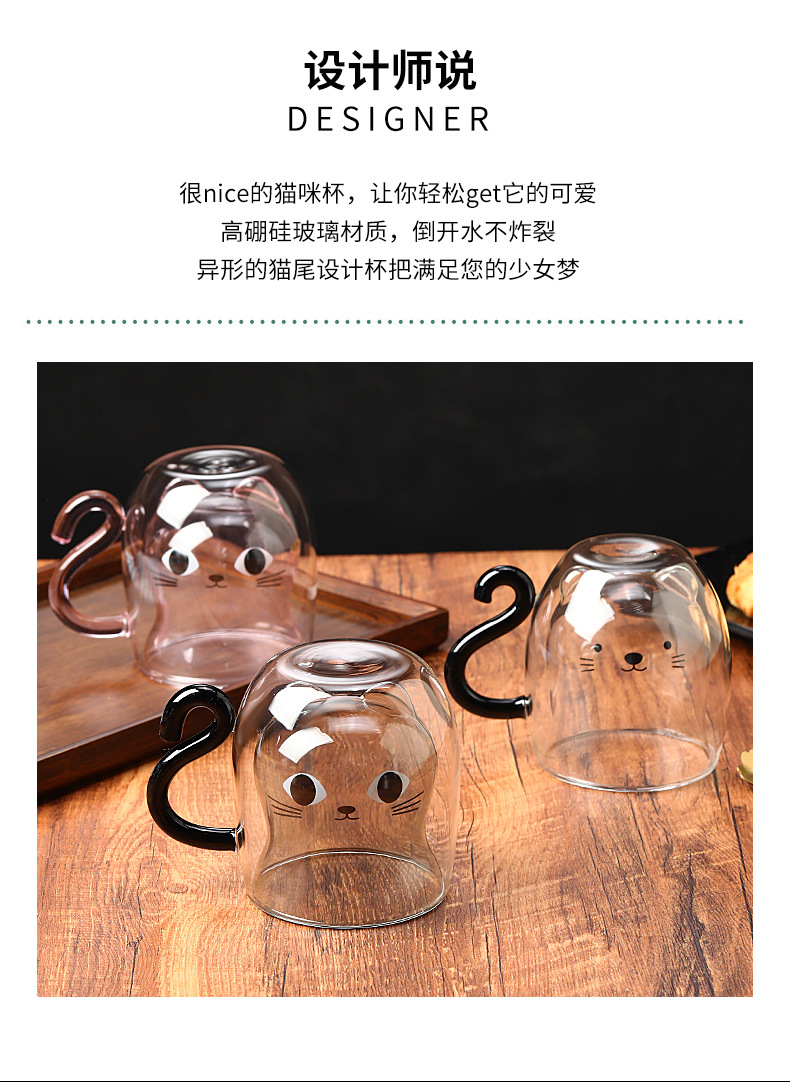
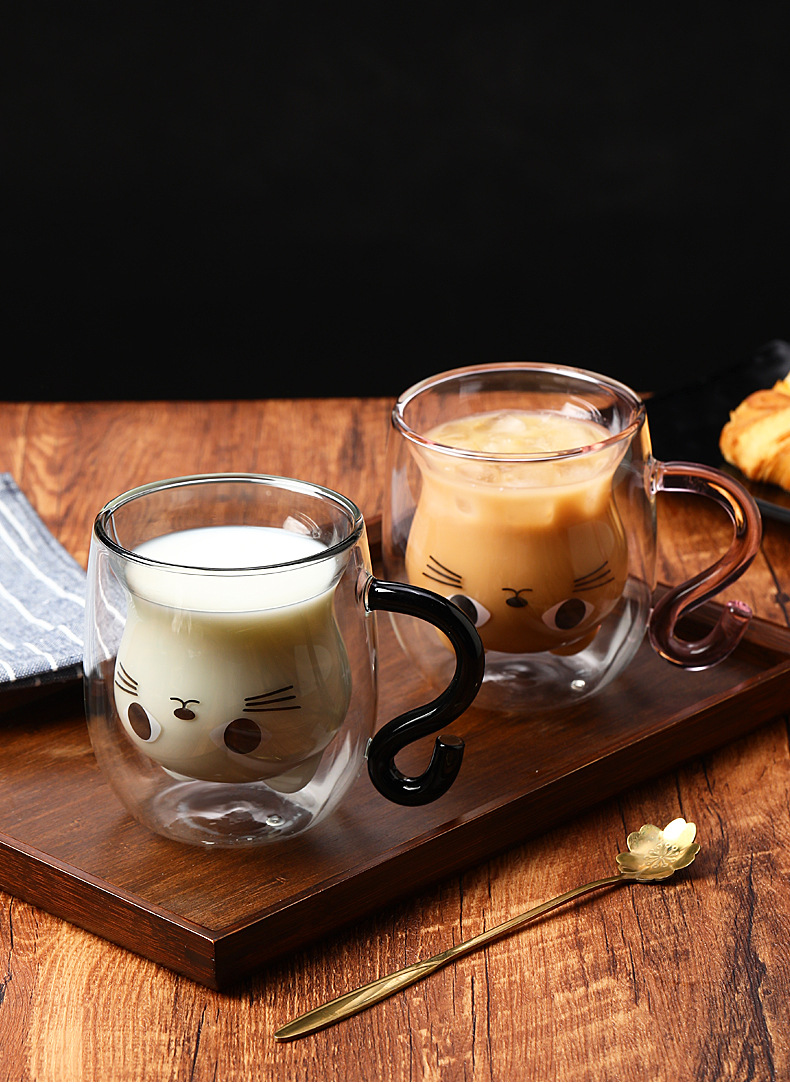
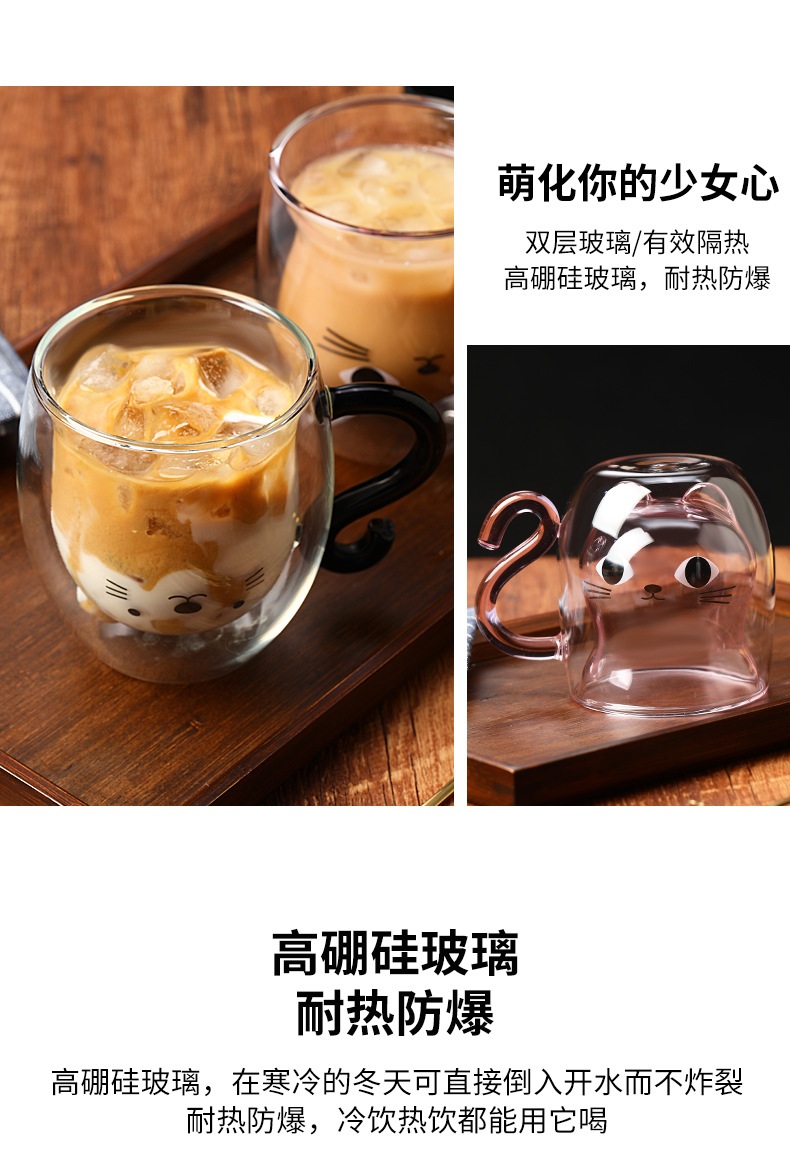
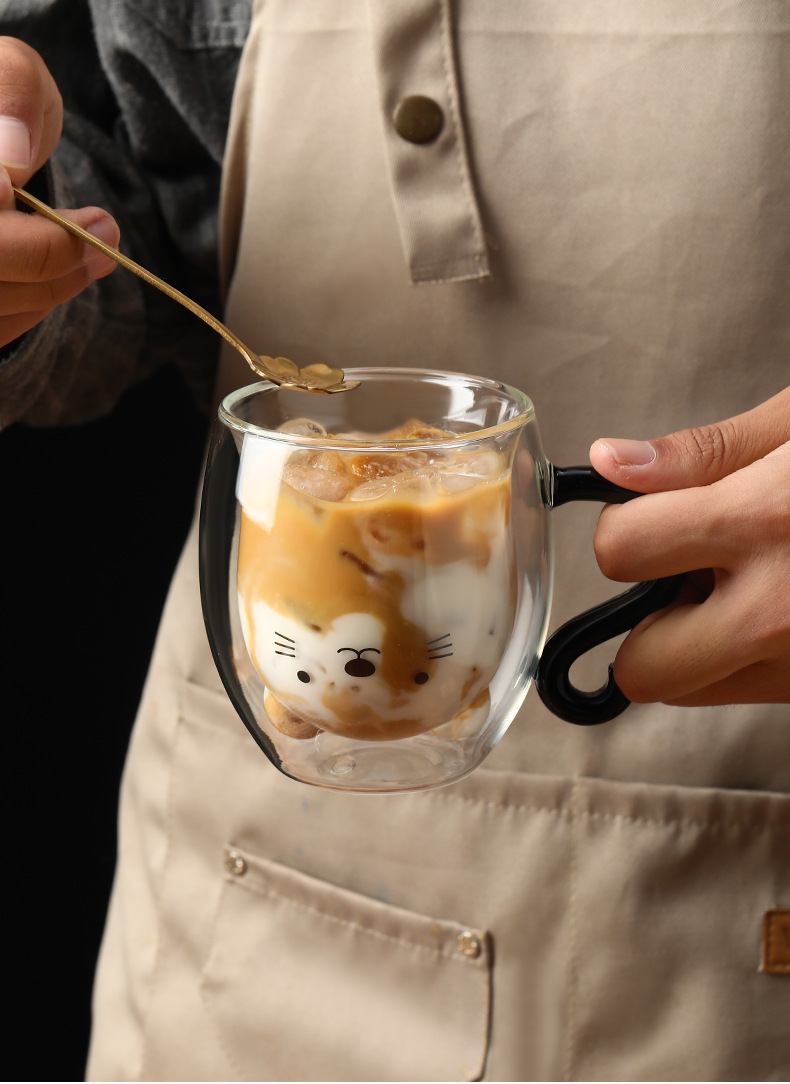
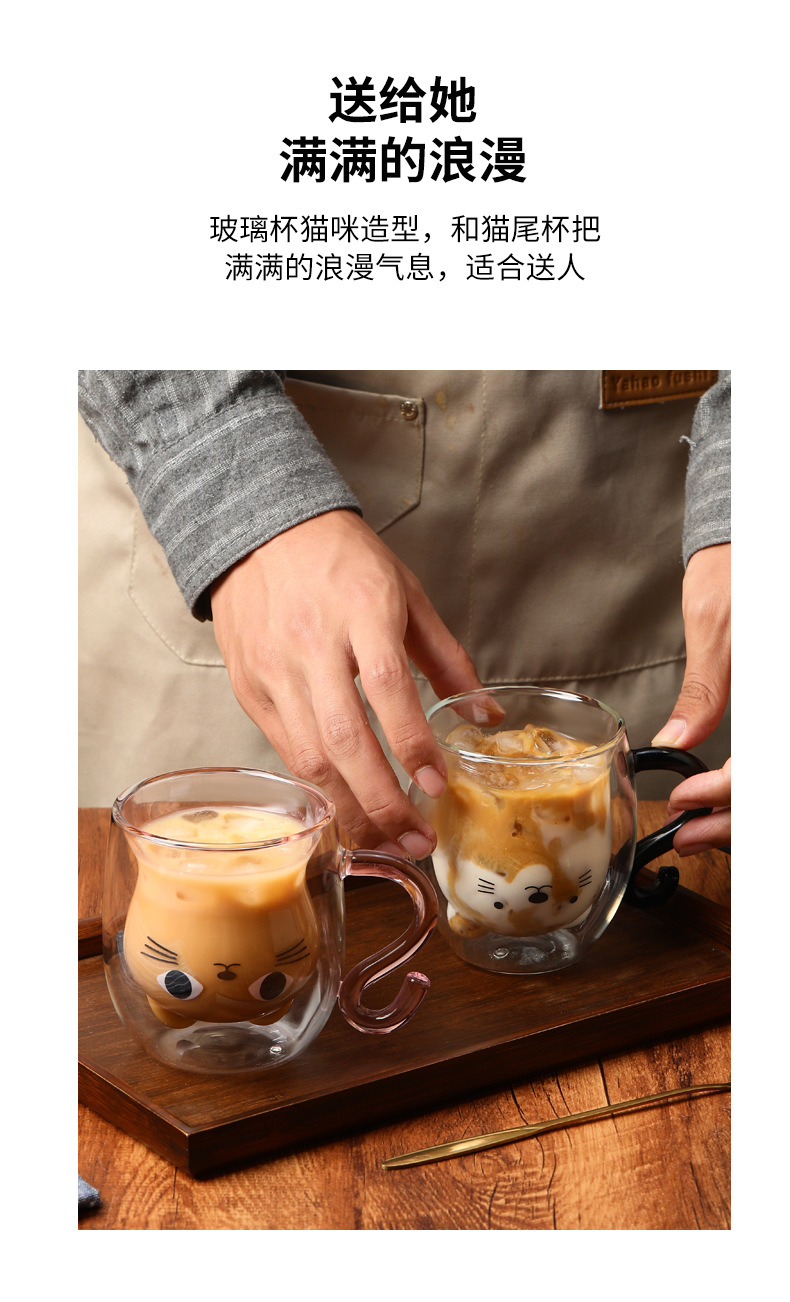
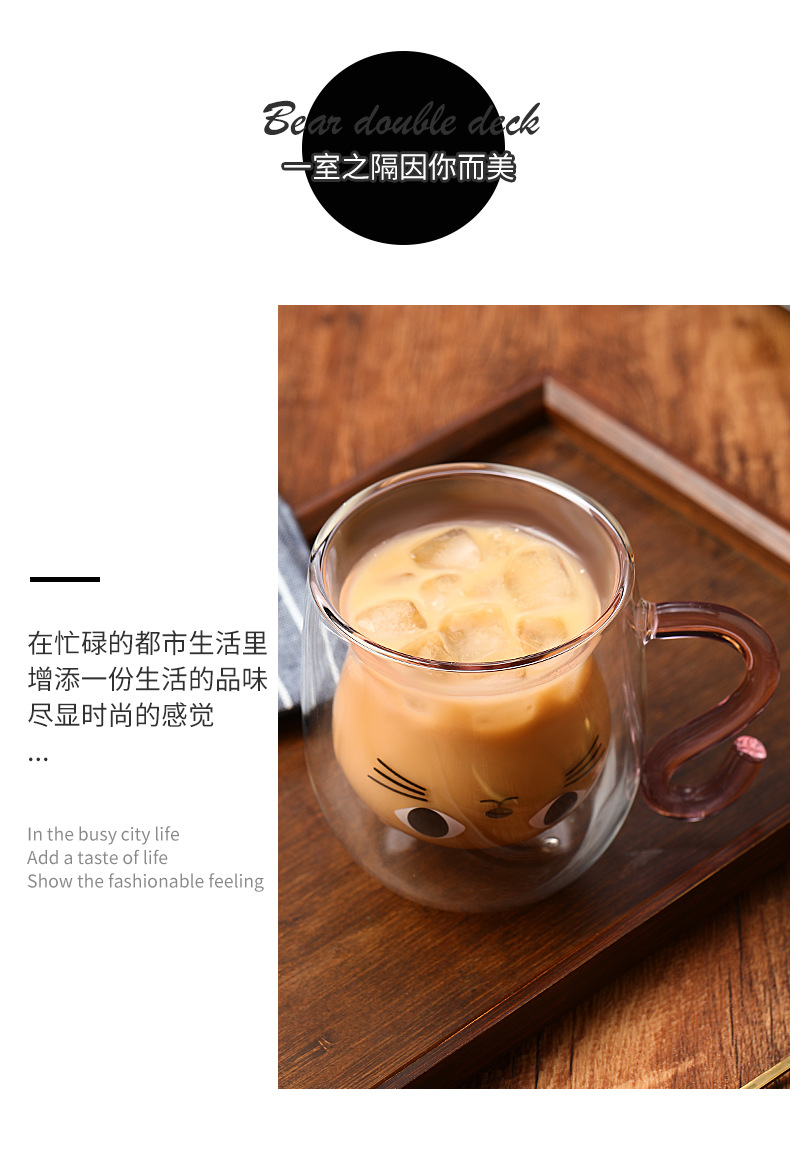
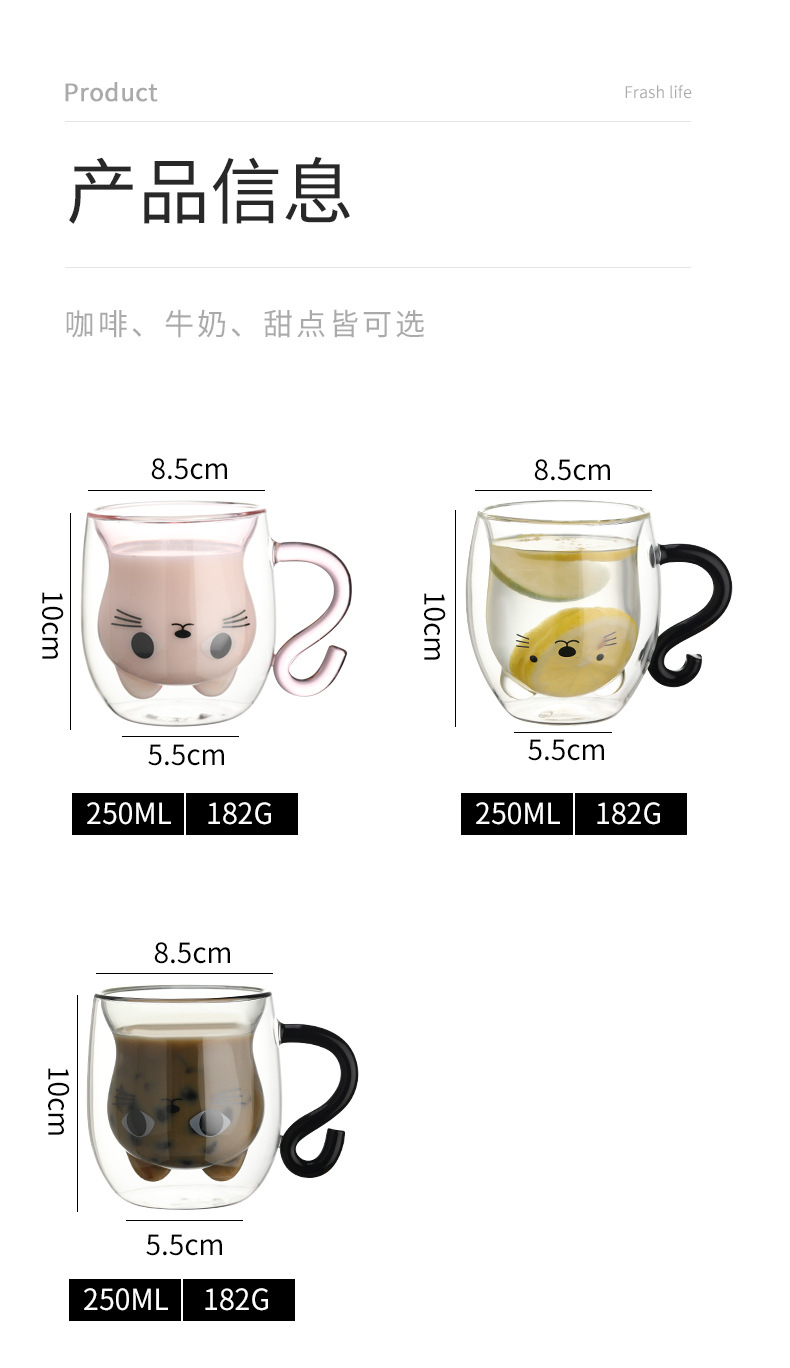
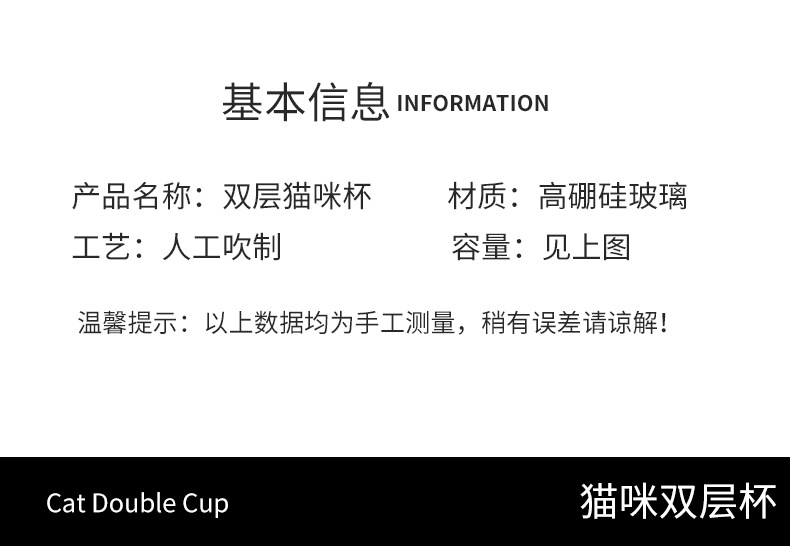

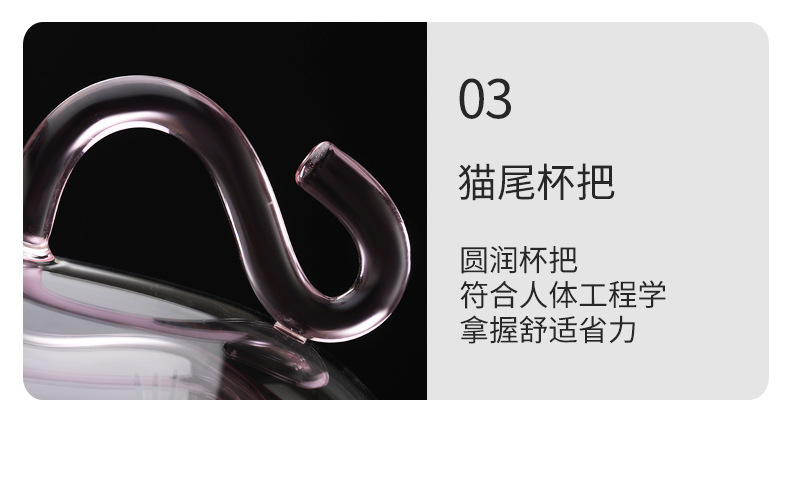
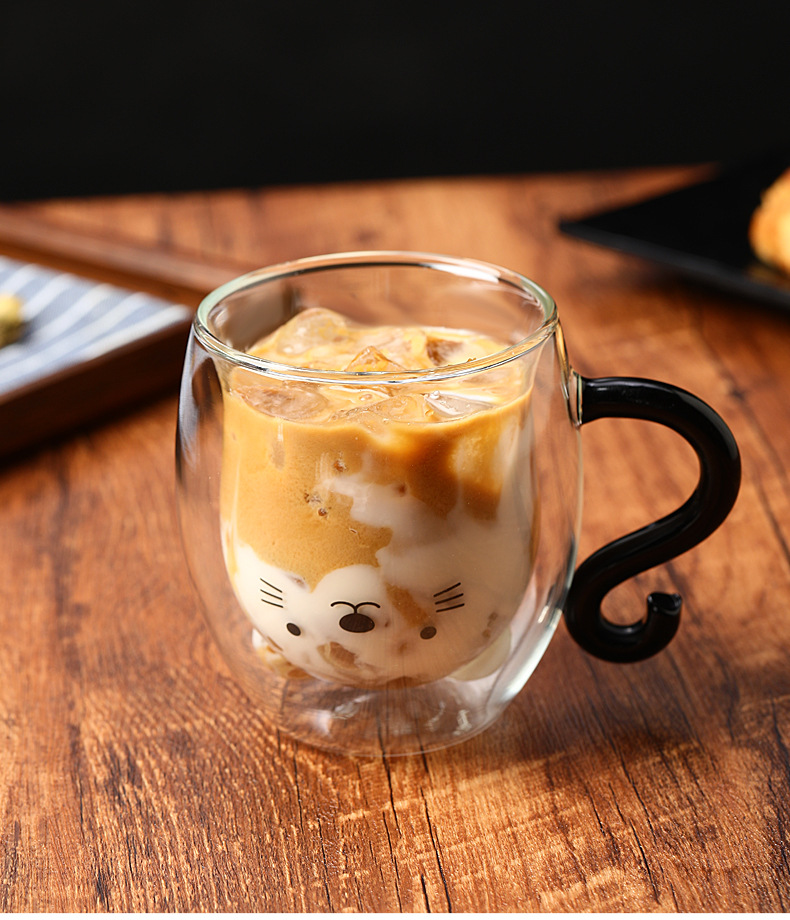
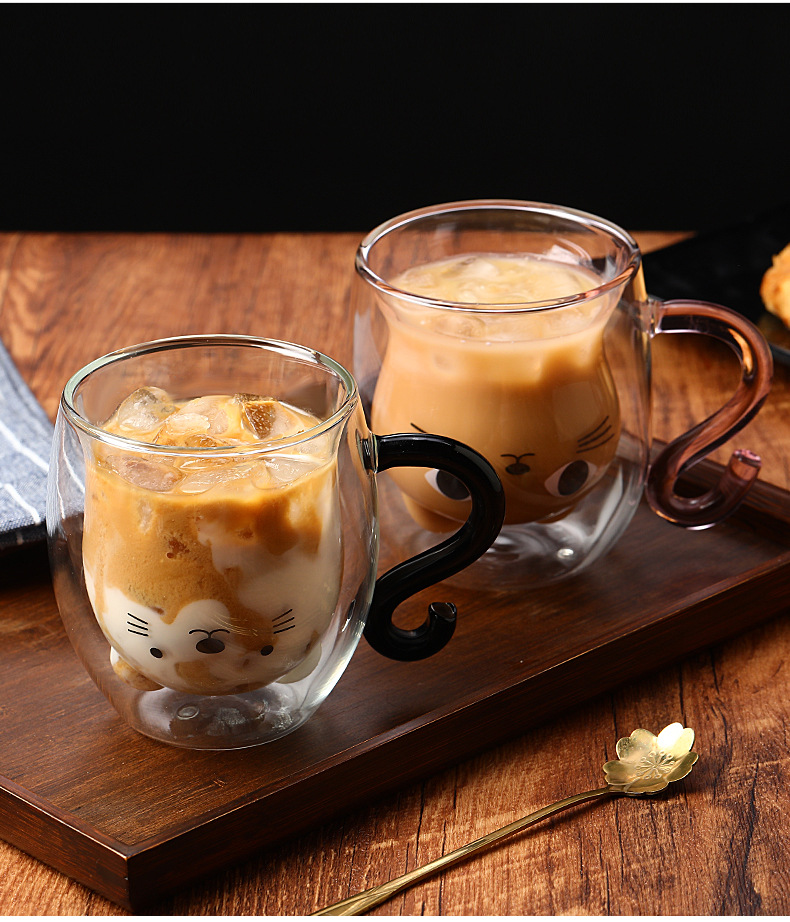
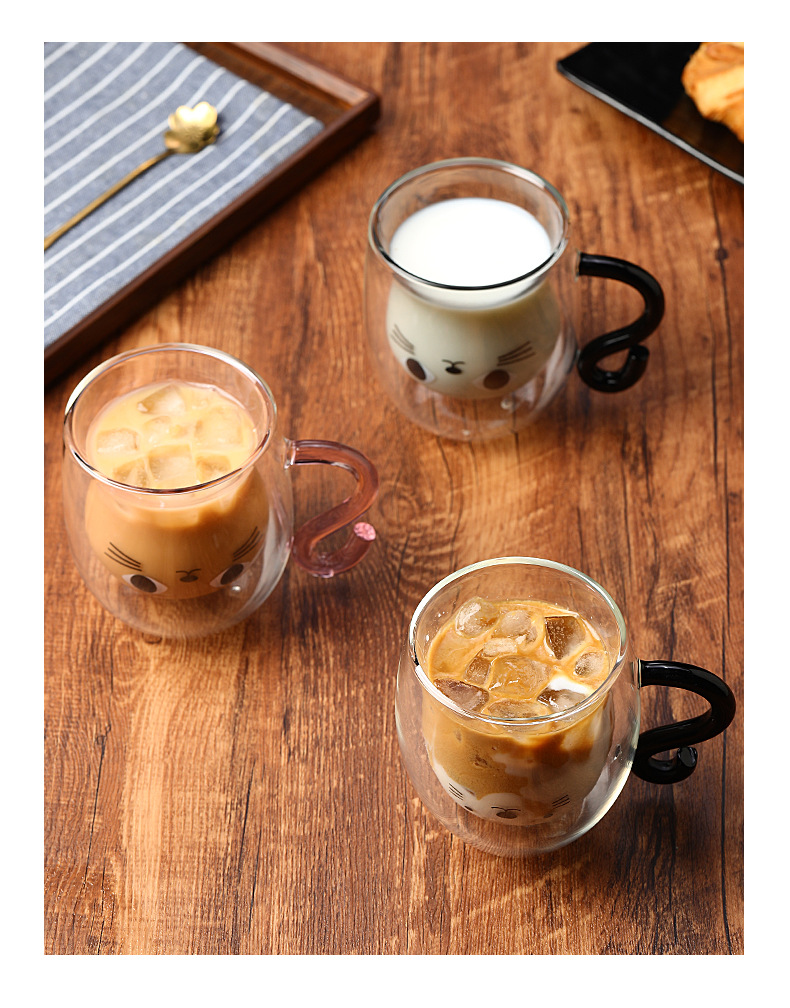
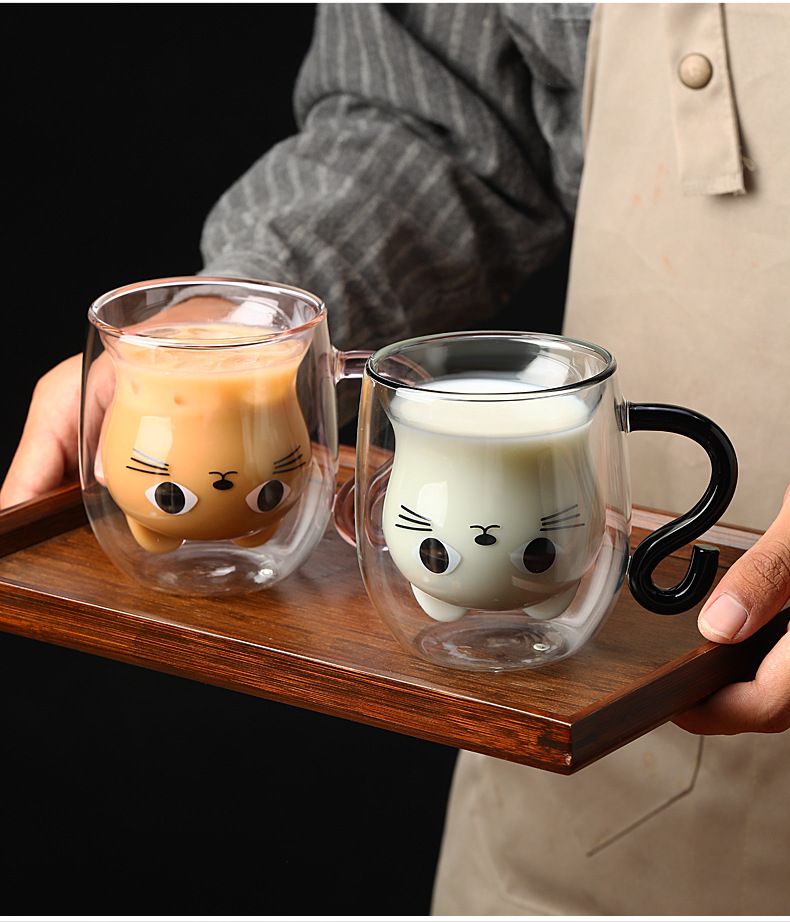
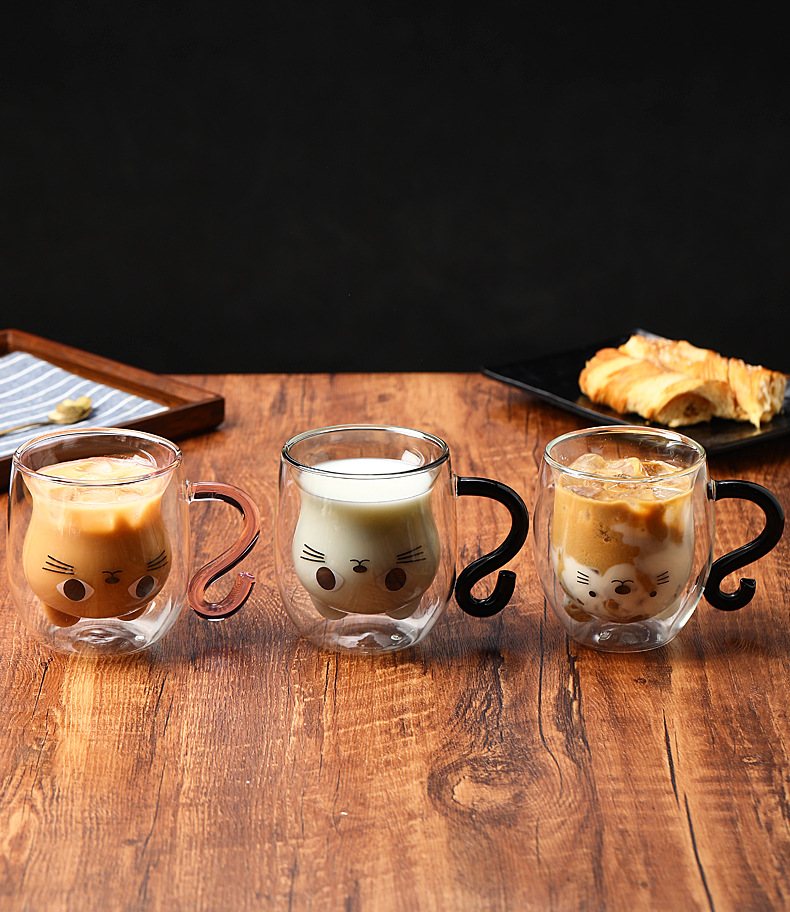
Support customizations of various sizes, high-temperature baking logo, high-temperature flower paper on the bottle body, product samples, one-time distribution, OEM customizations, processing based on customer drawings, processing based on customer samples, private label processing, and mixed batch products services.
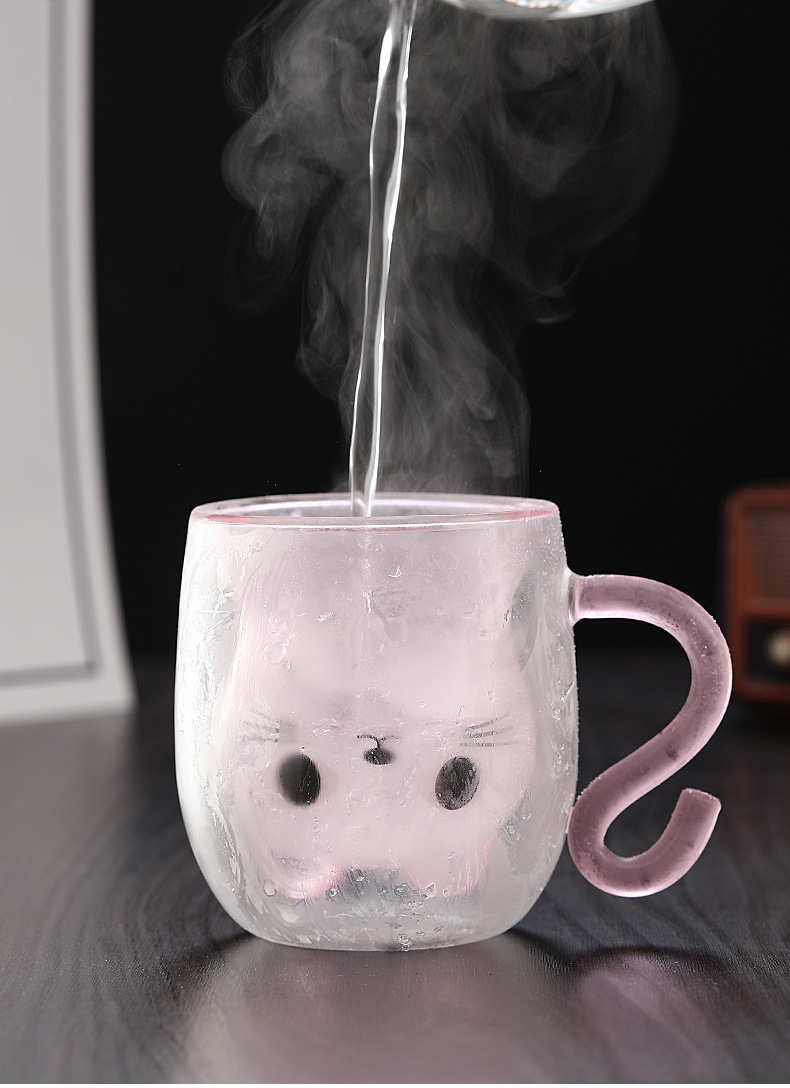
High borosilicate glass (also known as hard glass), takes advantage of the electrical conductivity of glass at high temperatures. It is created by passing an electric current through the glass at a high temperature.
Internal heating is used to melt the glass, which is then processed through advanced manufacturing techniques. Due to its coefficient of linear thermal expansion of (3.3±0.1)×10^-6/K, it is also known as 'Borosilicate Glass 3.3'. This type of glass has low expansion rates, high resistance to high temperatures, and is highly resistant to chemical corrosion.
Special glass materials with high strength, high hardness, high transparency, and high chemical stability are widely used in industries such as solar energy, chemical engineering, pharmaceutical packaging, electrical lighting, and decorative crafts due to their excellent performance.
Update time:


TOP