Search history
Clear allSearch by image
XDrag and drop an image here or upload an image
Max 5MB per image
UploadSign In | Join

Search history
Clear allSearch by image
XDrag and drop an image here or upload an image
Max 5MB per image
UploadSign In | Join
X Email Mobile
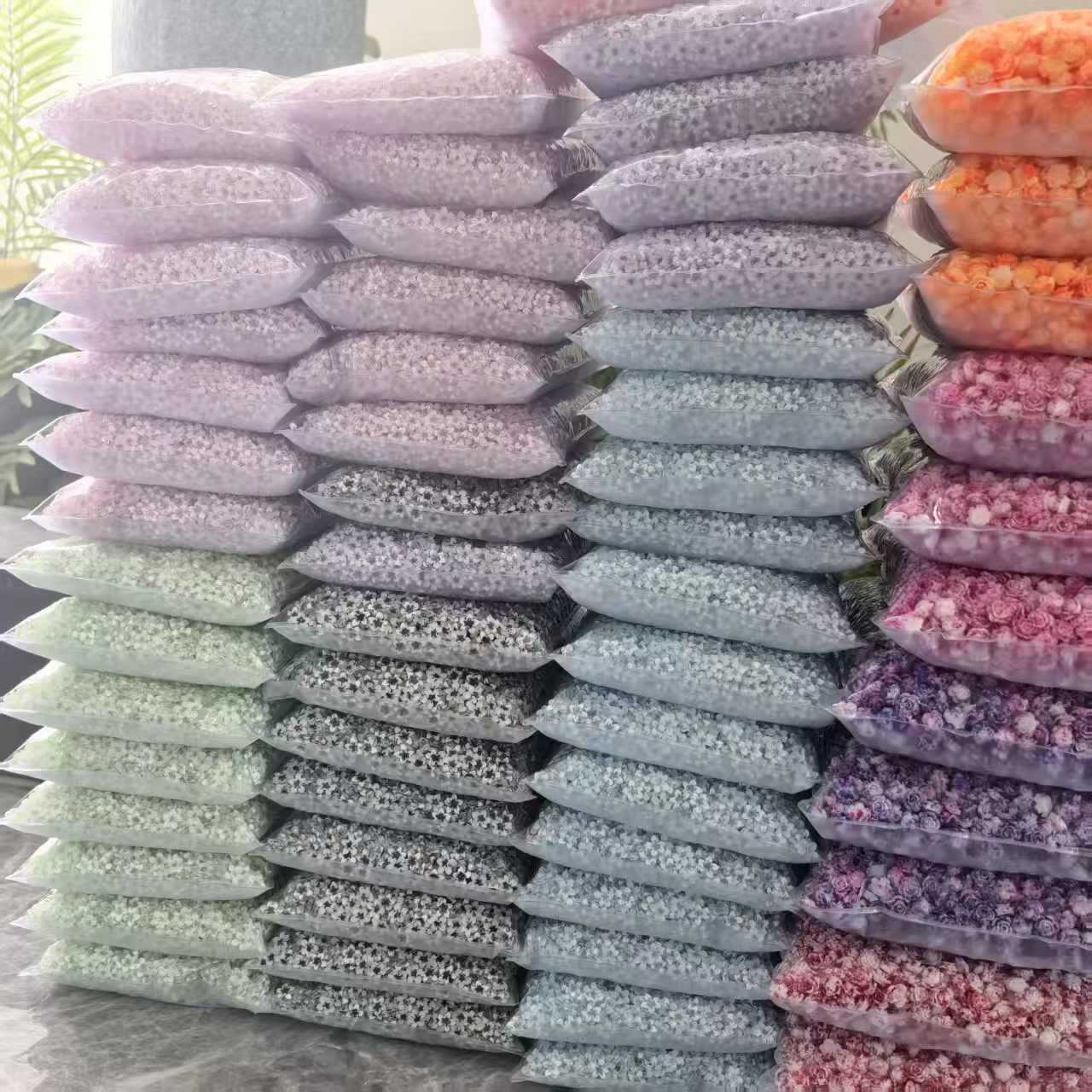
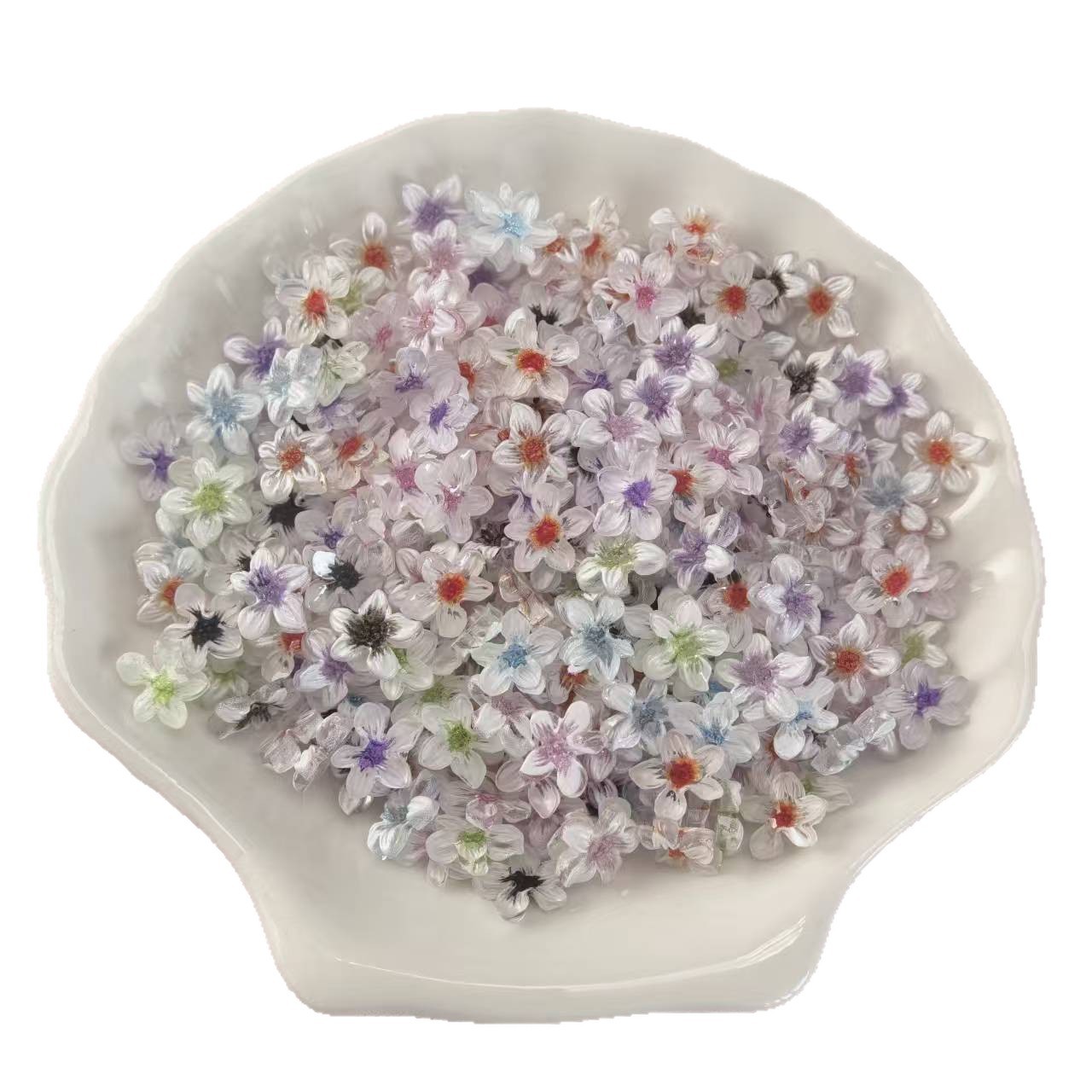
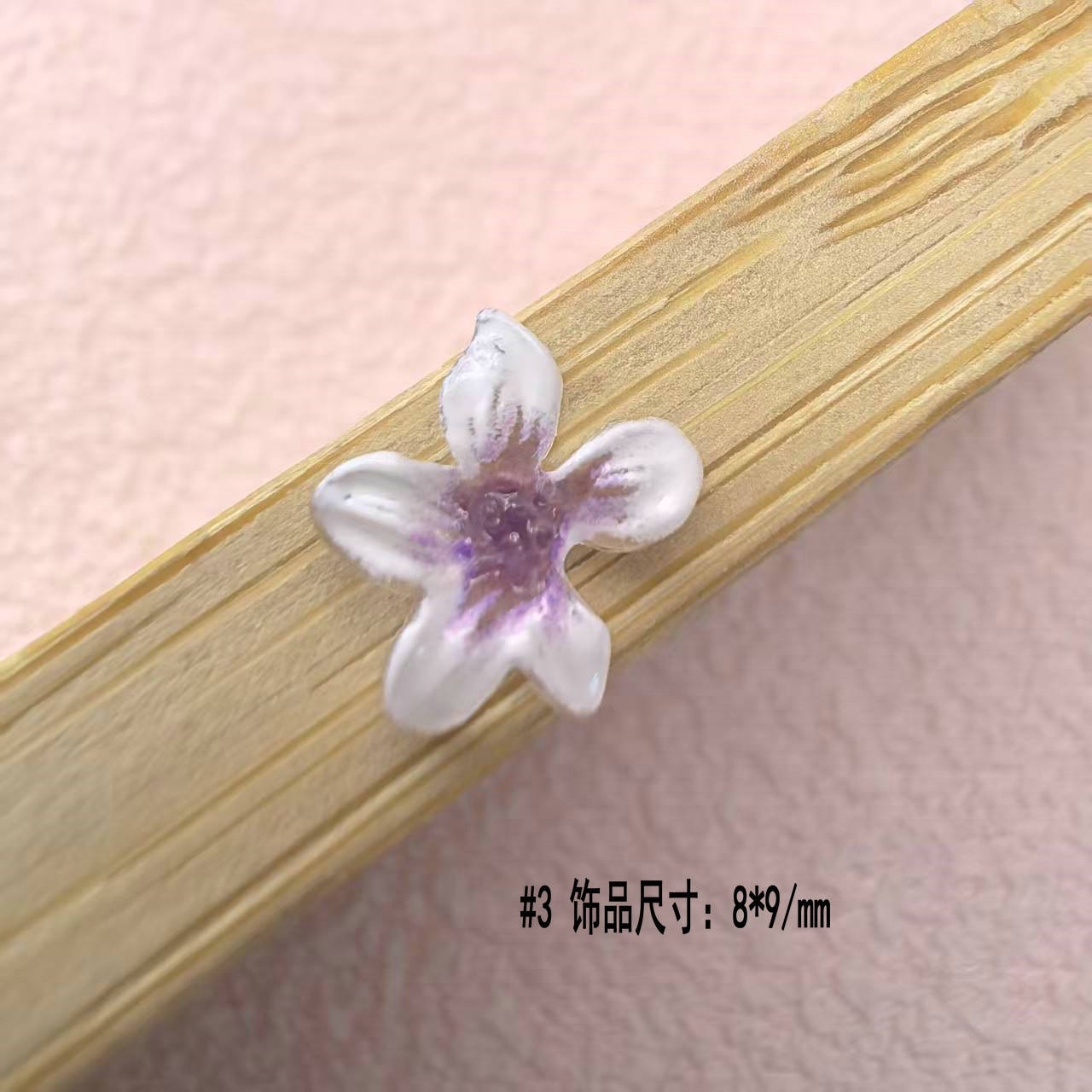
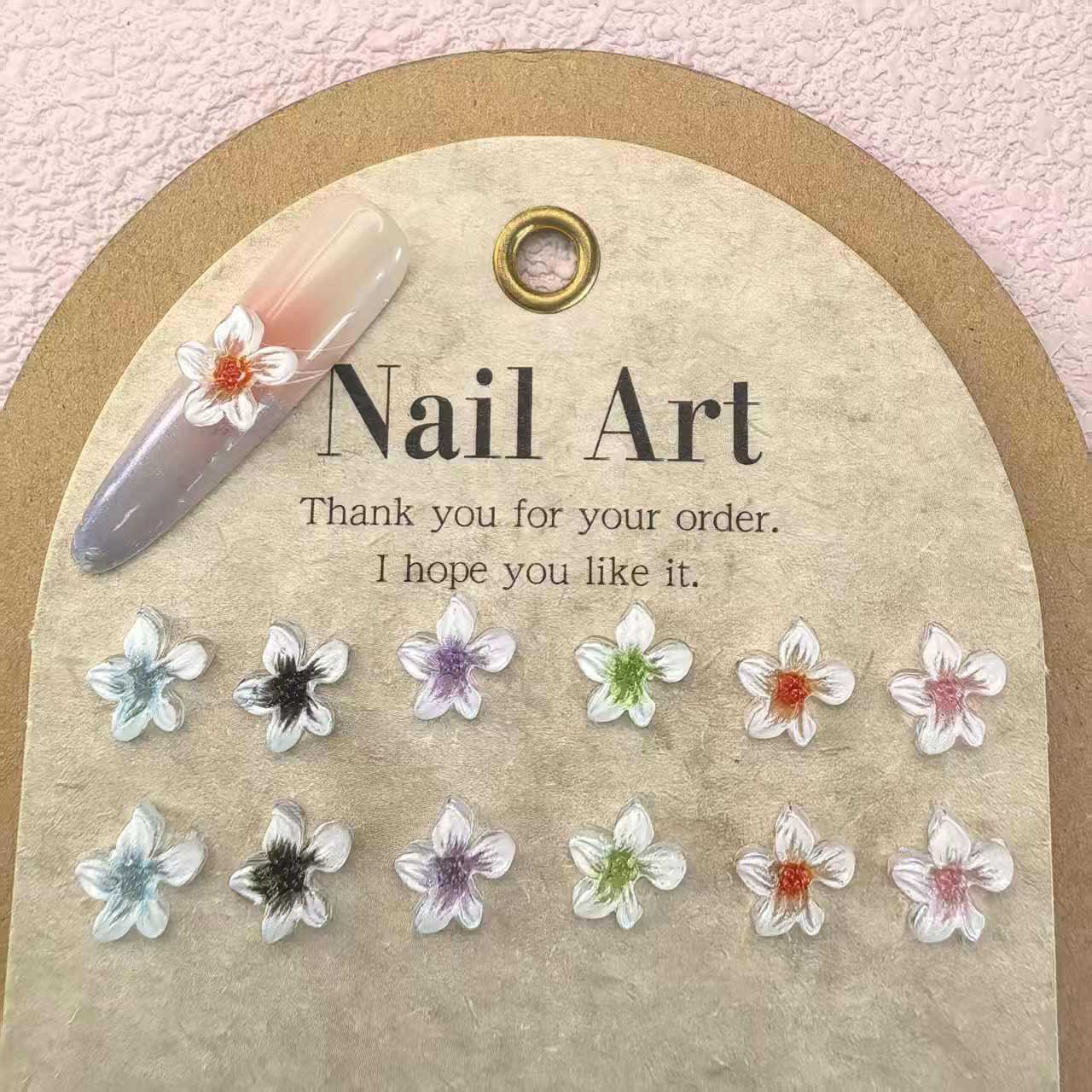
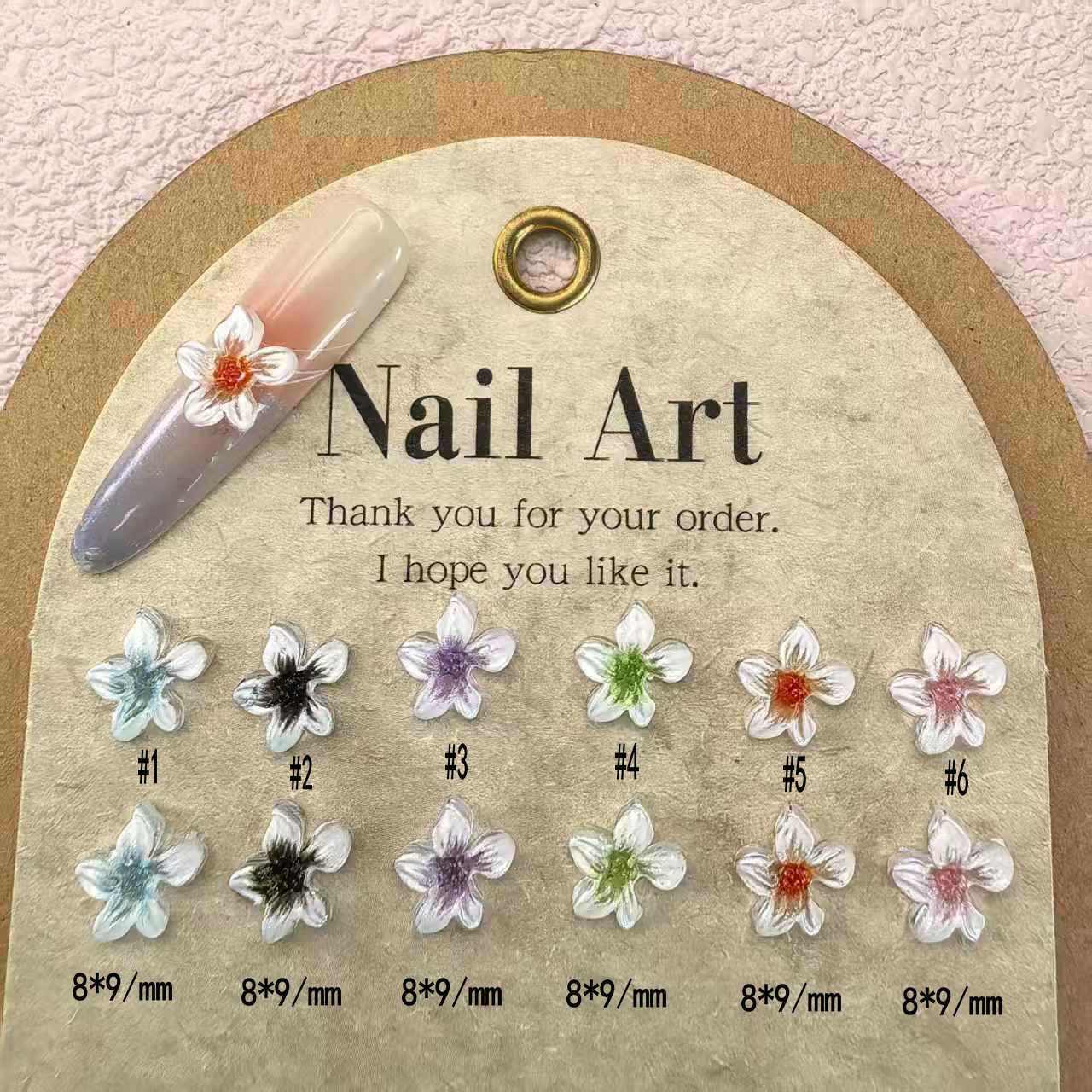
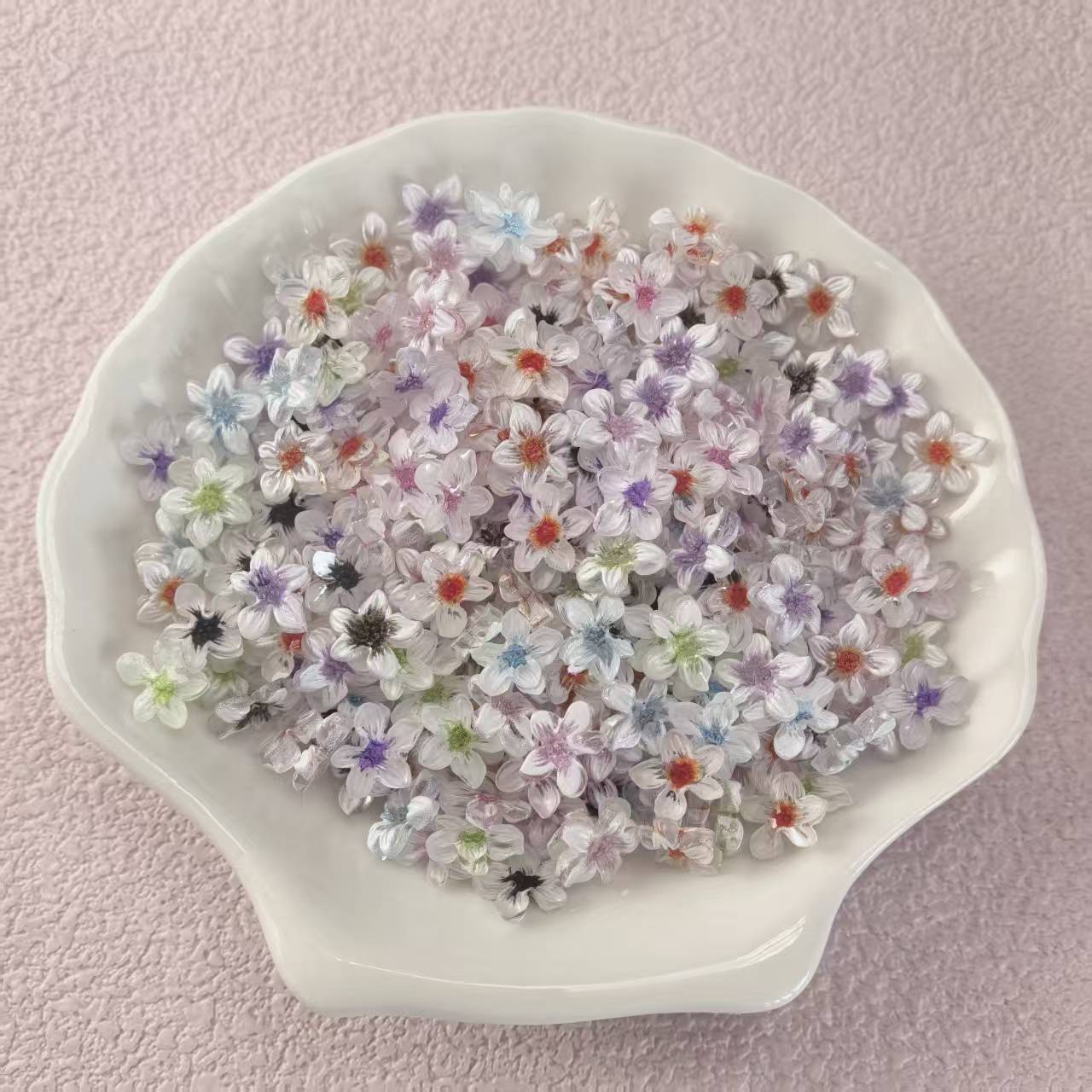
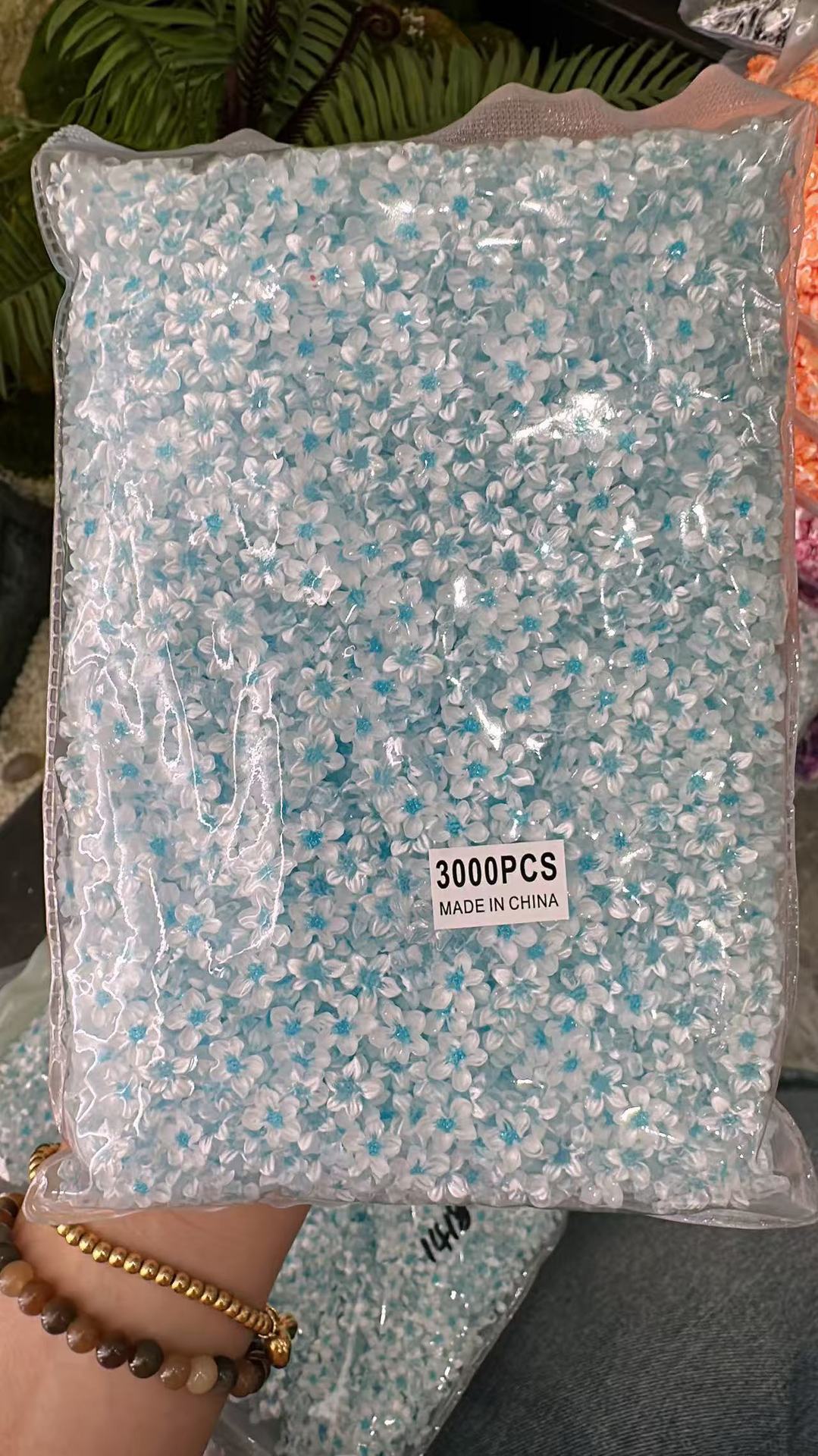
 mixed/3000 pcs/bag
|
CN¥ 0.0 |
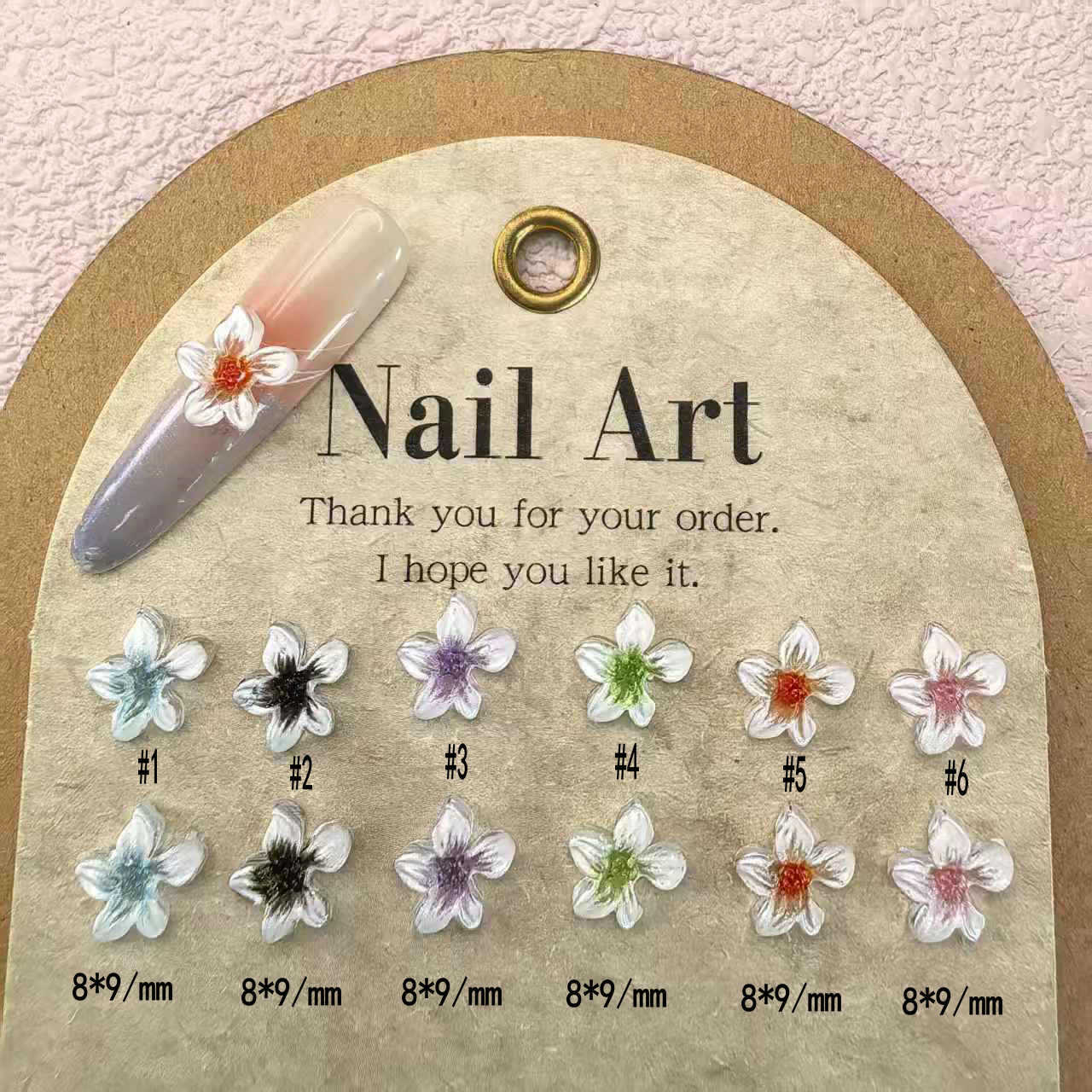
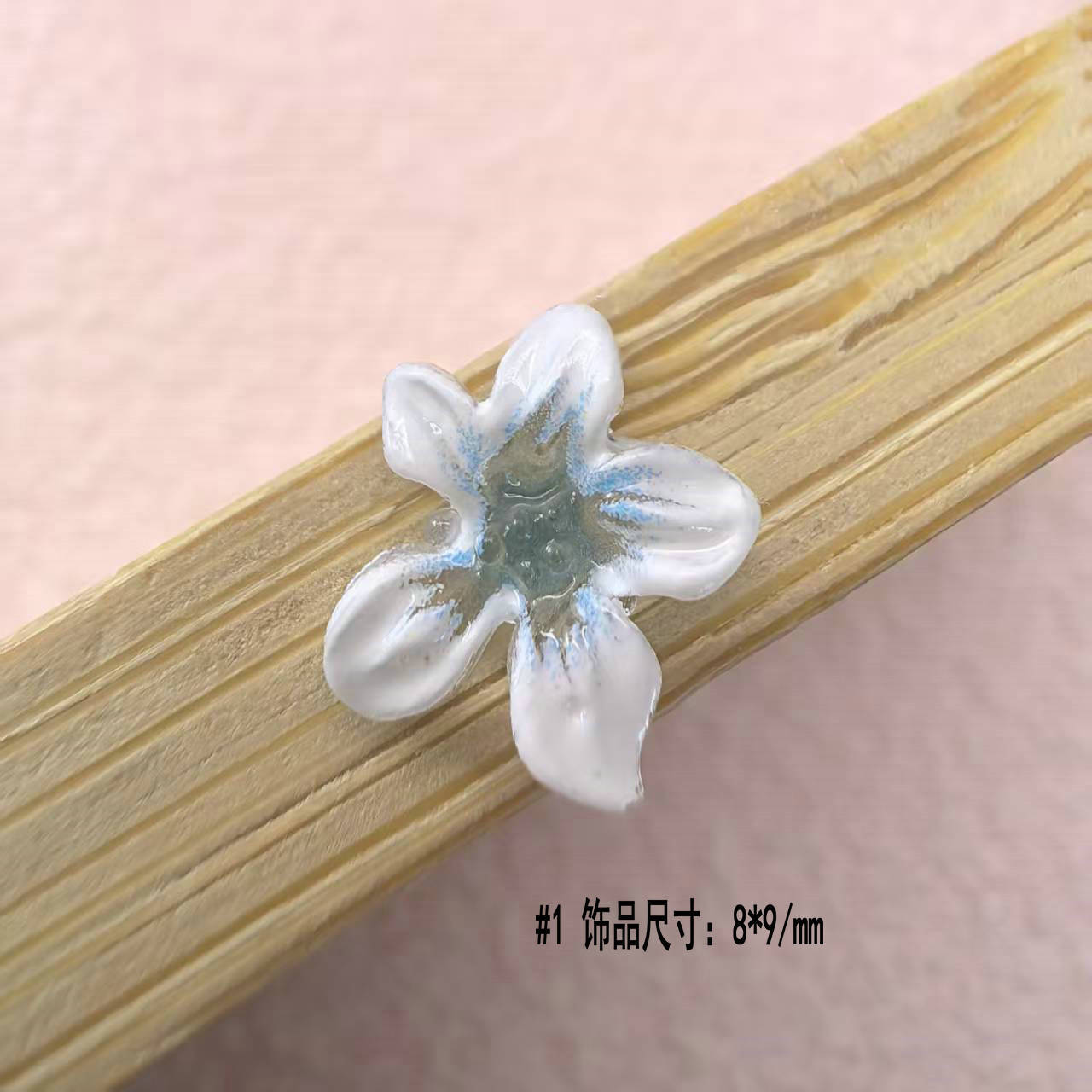
 clear #1/3000 pcs/bag
|
CN¥ 0.0 |
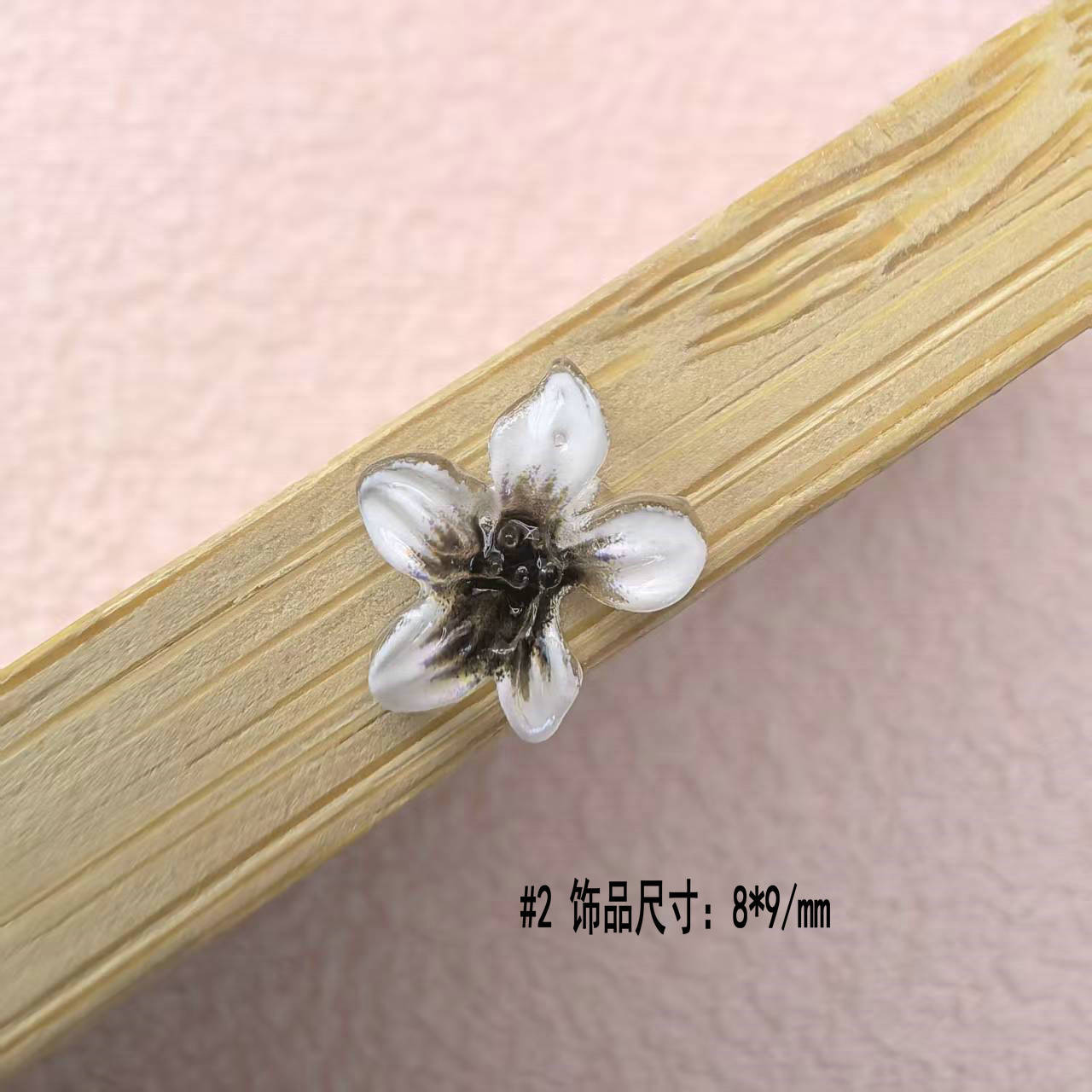
 clear #2/3000 pcs/bag
|
CN¥ 0.0 |
 clear #3/3000 pcs/bag
|
CN¥ 0.0 |
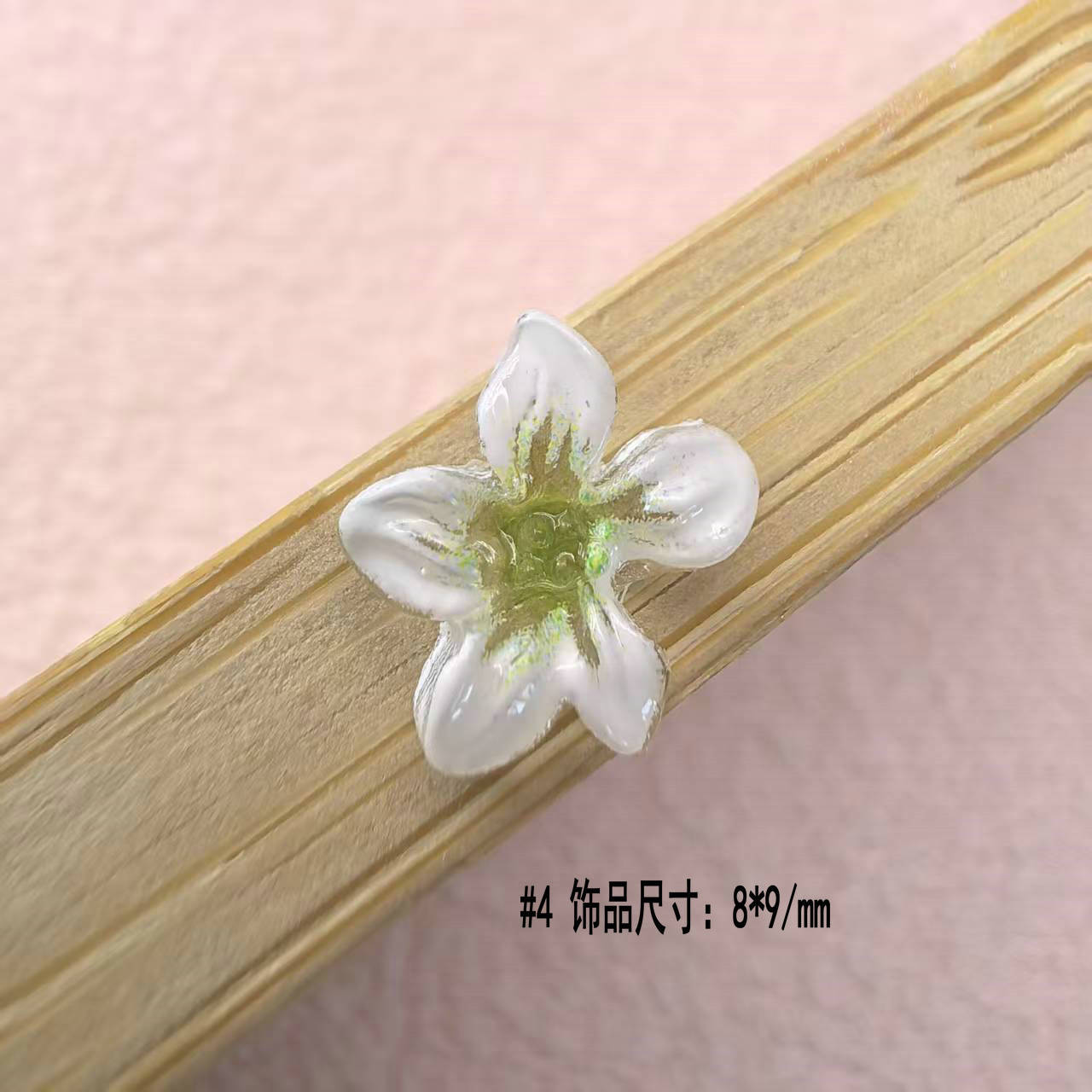
 clear #4/3000 pcs/bag
|
CN¥ 0.0 |
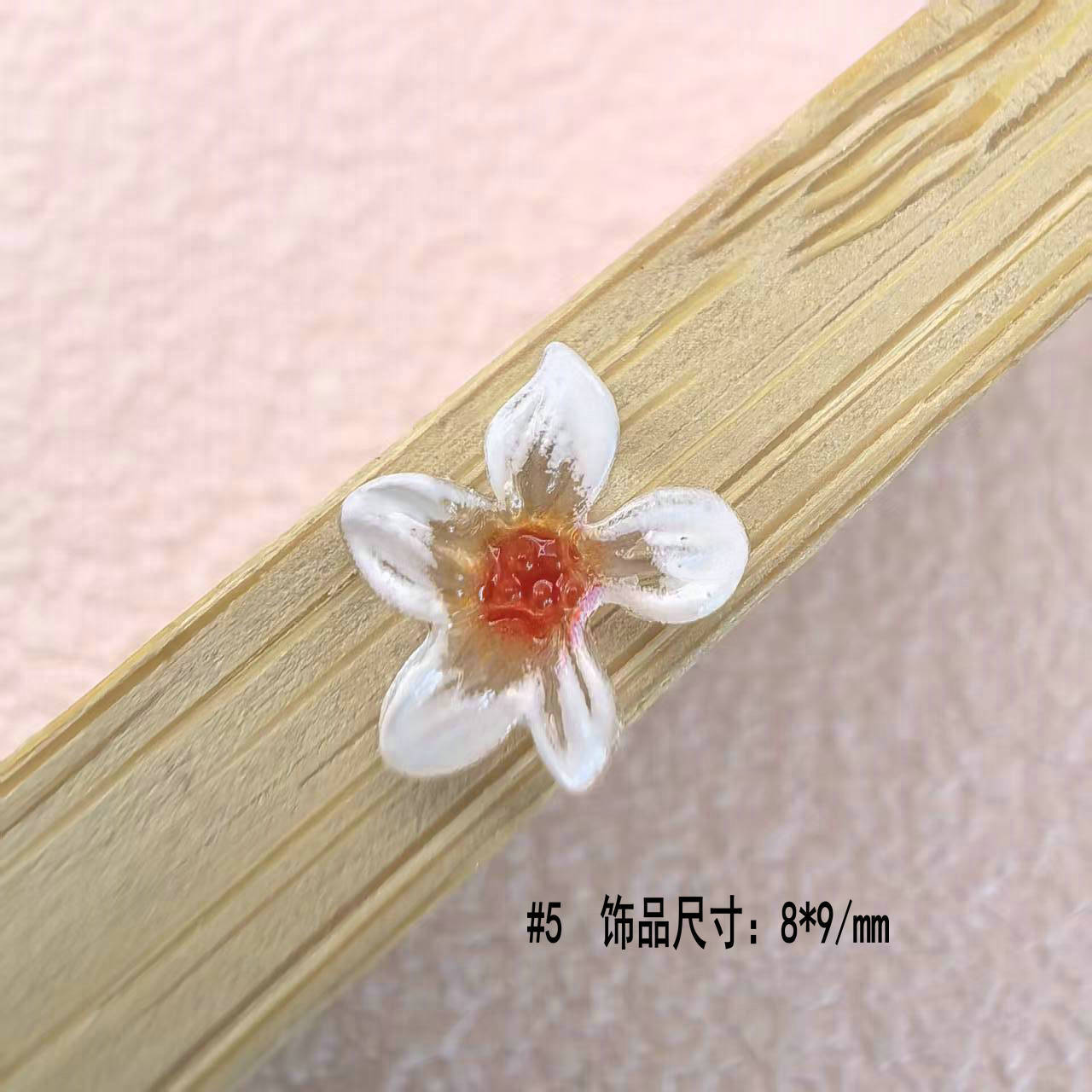
 clear #5/3000 pcs/bag
|
CN¥ 0.0 |
 clear #6/3000 pcs/bag
|
CN¥ 0.0 |
BLINGBLING NAILS Accessories 4yr.
Contacts Xie Xiu Chat
Mobile 86-18673108555
E-mail 23642764262882@qq.com


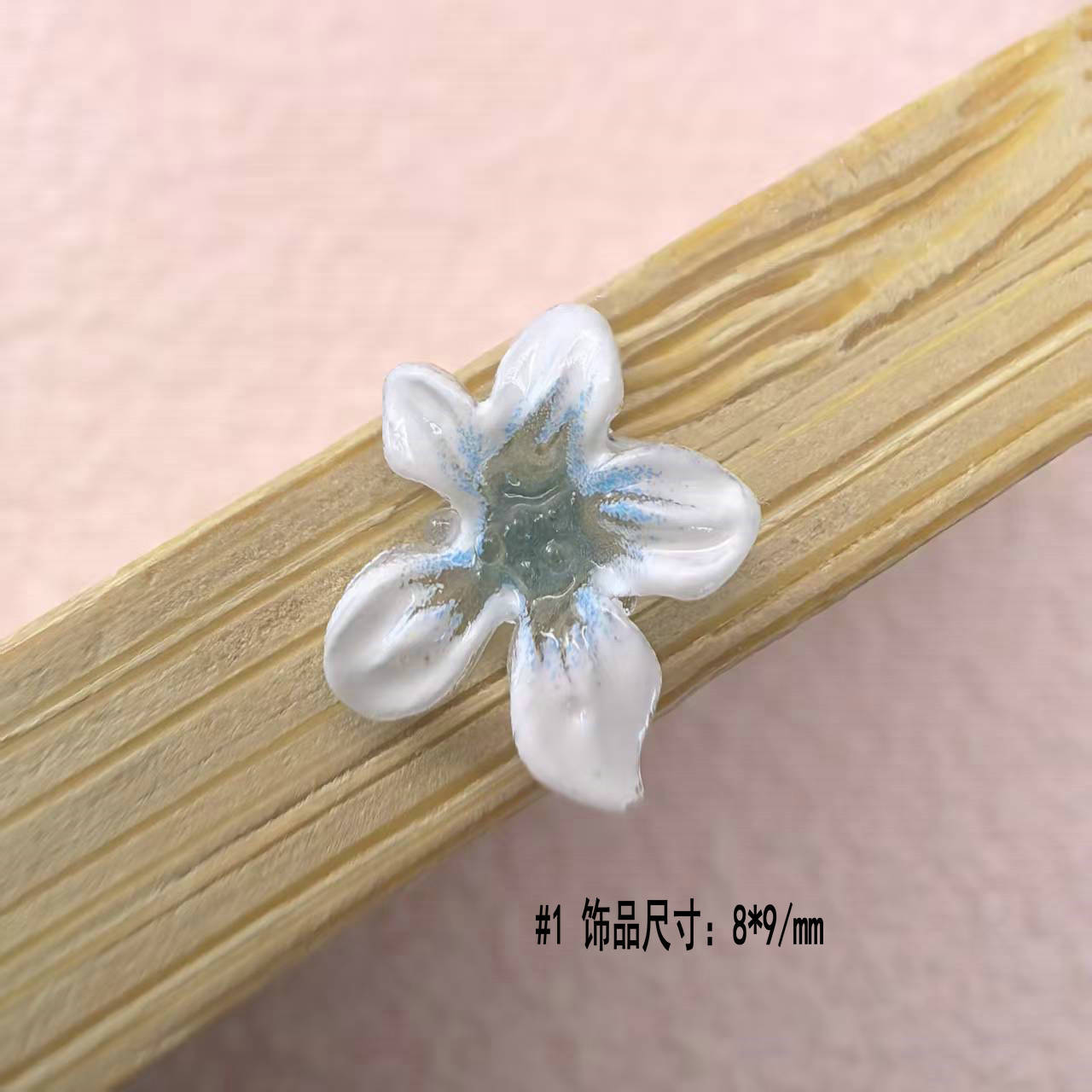


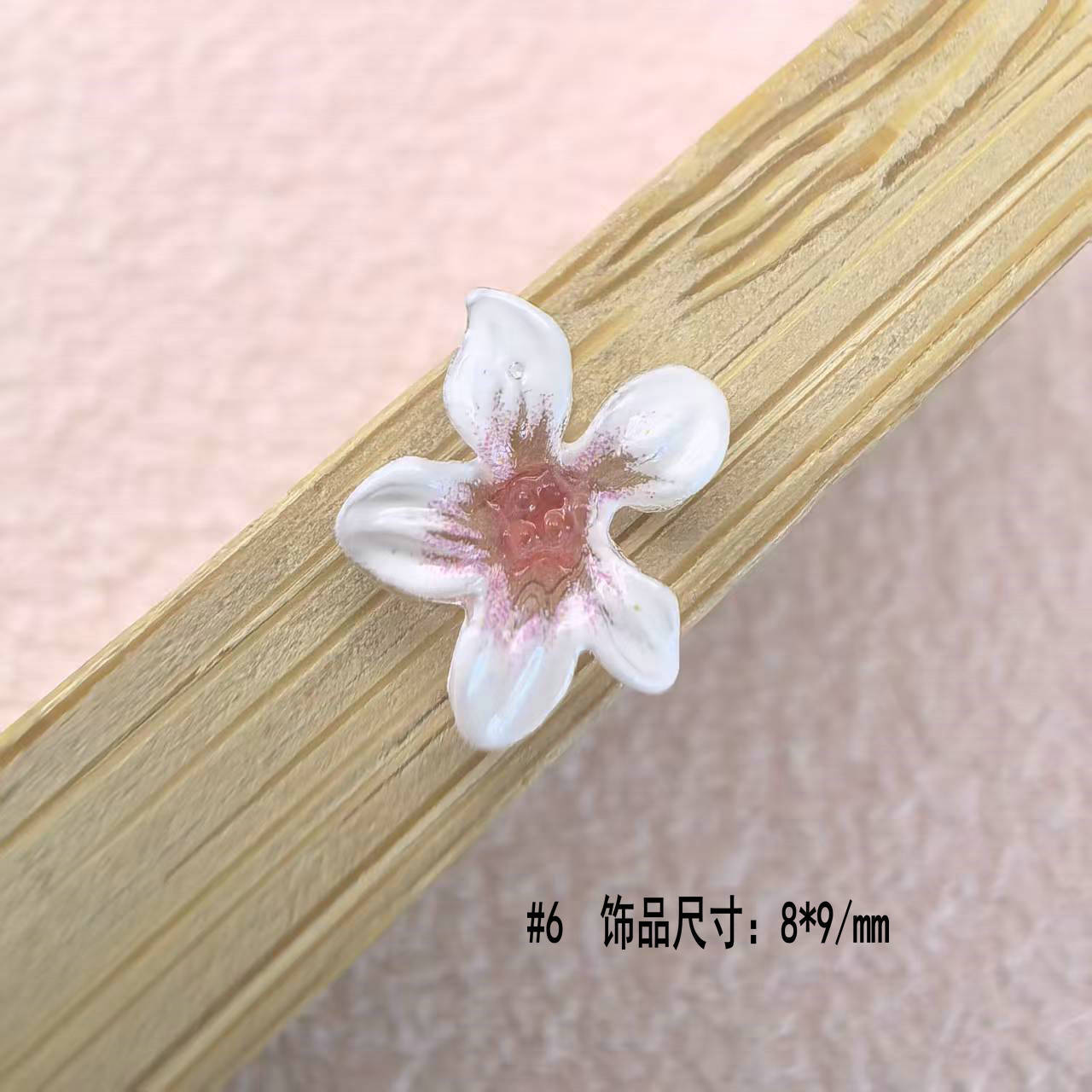


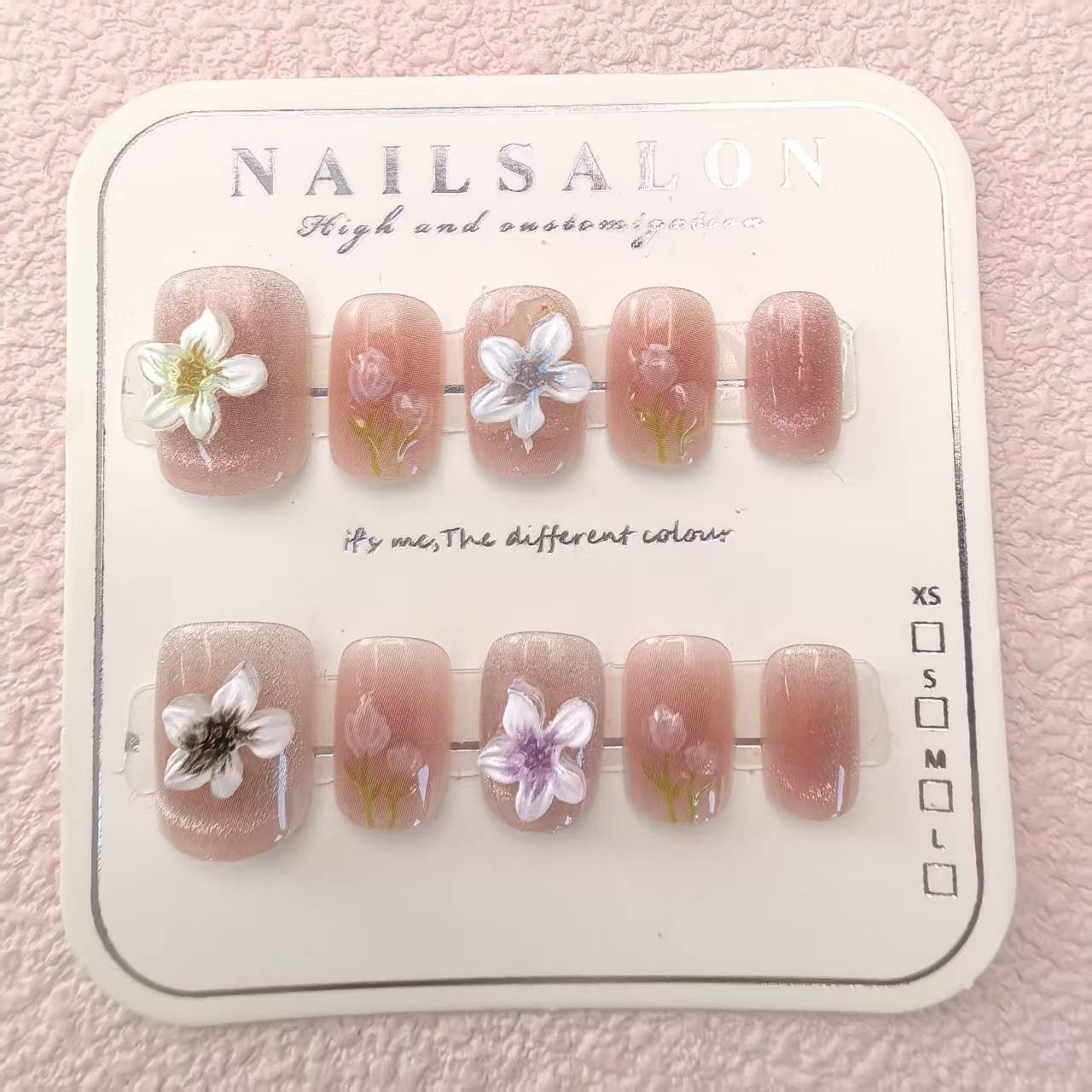


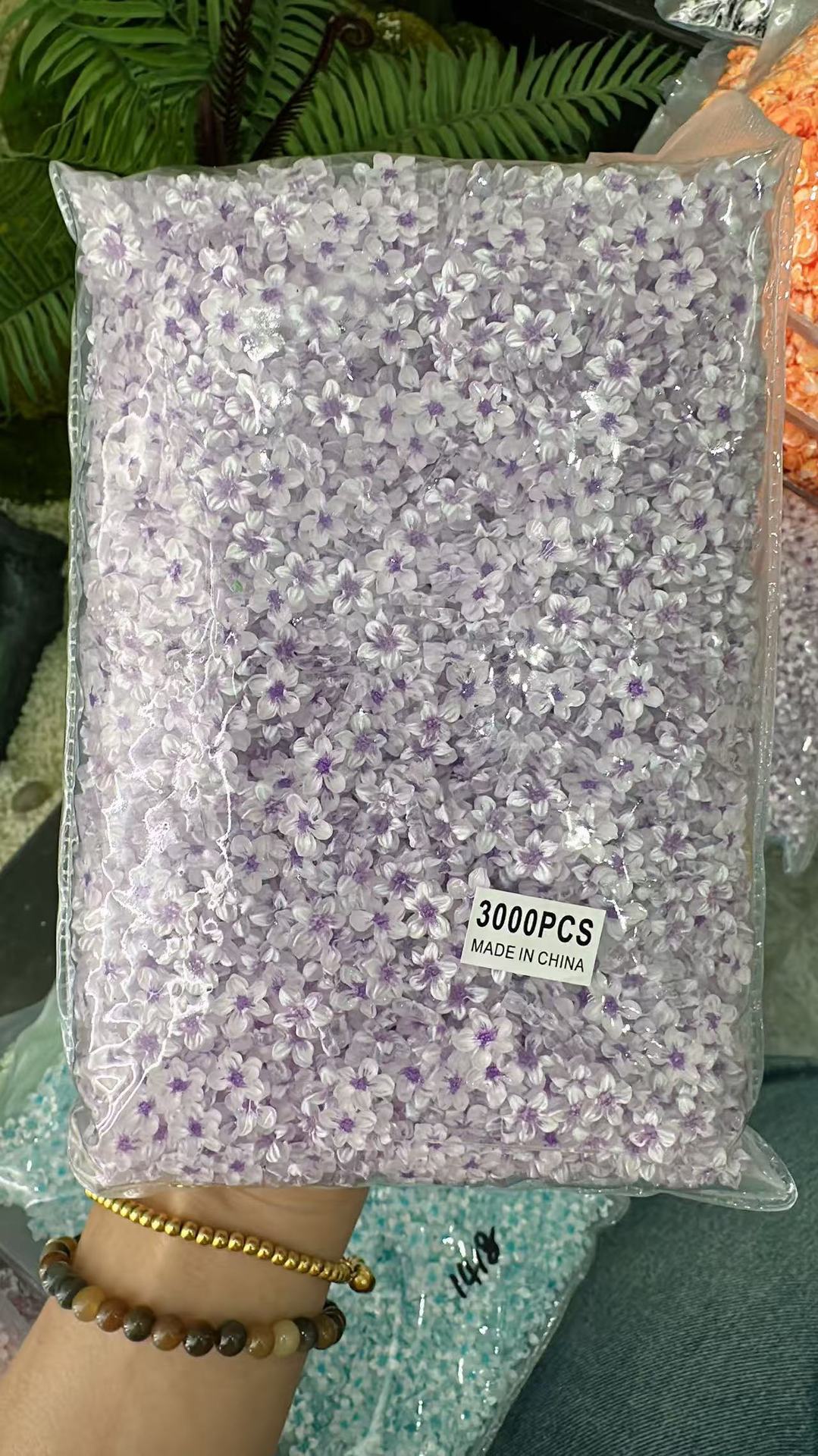


The procurement characteristics of nail art accessories vary due to differences in regional culture, consumption habits, and fashion trends.
Here are some characteristics of the main markets:
1. American market: Pursuing individuality and creativity
American consumers prefer bold and personalized nail art designs, so they pay more attention to the diversity and uniqueness of accessories when purchasing. Popular products include:
3D jewelry (such as chains, studs, pearls).
Thematic series (festival limited, sports theme, etc.).
Environmental-friendly materials (biodegradable sequins, non-toxic crystal).
American buyers usually purchase in bulk, focusing on the suppliers' ability to deliver quickly and the product's innovation.
2. European market: simplicity and high-end coexist
European consumers tend to prefer elegant and minimalist styles, with a special preference for environmentally friendly and high-quality products.
Natural materials (shells, wood veneer).
Metal jewelry (gold leaf, matte metal stickers).
Minor design (minimalistic geometry, artistic style).
Nordic and Western European countries are more concerned about the sustainability certification of products (such as the EU environmental standards), while the Eastern European market is more sensitive to price.
3. The Japanese and Korean markets: driven by refinement and trends
Japan and South Korea are trendsetters in the world of nail art, with their purchasing characteristics including:
Miniature Elegance (Small Water Diamonds, Micro-Carved Flowers).
IP collaboration (anime, celebrity same items).
Seasonal trends (such as spring cherry blossom stickers and winter plush elements).
Korean buyers focus on packaging design and social media exposure, while the Japanese market has extremely high requirements for detail craftsmanship.
4. Southeast Asian Market: Cost-Performance and Fast Fashion
Consumers in Southeast Asia prefer products with affordable prices and bright colors.
Sequins and stickers (large quantity, low price).
Ethnic elements (Thai traditional patterns, Indonesian batik patterns).
DIY Kit (Convenient for home or small shop use).
Purchasing focuses more on cost, with larger order quantities but lower unit prices.
5. Middle East Market: Luxurious and Shiny Style
Middle Eastern clients prefer extravagant and dramatic designs.
High-profile flash diamond (Swarovski crystals, metal chain).
Golden-colored jewelry (with traditional clothing).
Customized service (for high-end customer needs).
High quality standards, willing to pay for brand premium.
Summary
Purchasing demands in different regions reflect local cultural and aesthetic preferences. Suppliers need to develop products specifically, such as providing environmental options for Europe and the United States, designing trend IP models for Japan and South Korea, and focusing on cost performance to meet the needs of the Southeast Asian market.
Update time:


TOP