Search history
Clear allSearch by image
XDrag and drop an image here or upload an image
Max 5MB per image
UploadSign In | Join

Search history
Clear allSearch by image
XDrag and drop an image here or upload an image
Max 5MB per image
UploadSign In | Join
X Email Mobile
 1 pack of 5000 pieces
|
CN¥ 0.05 |
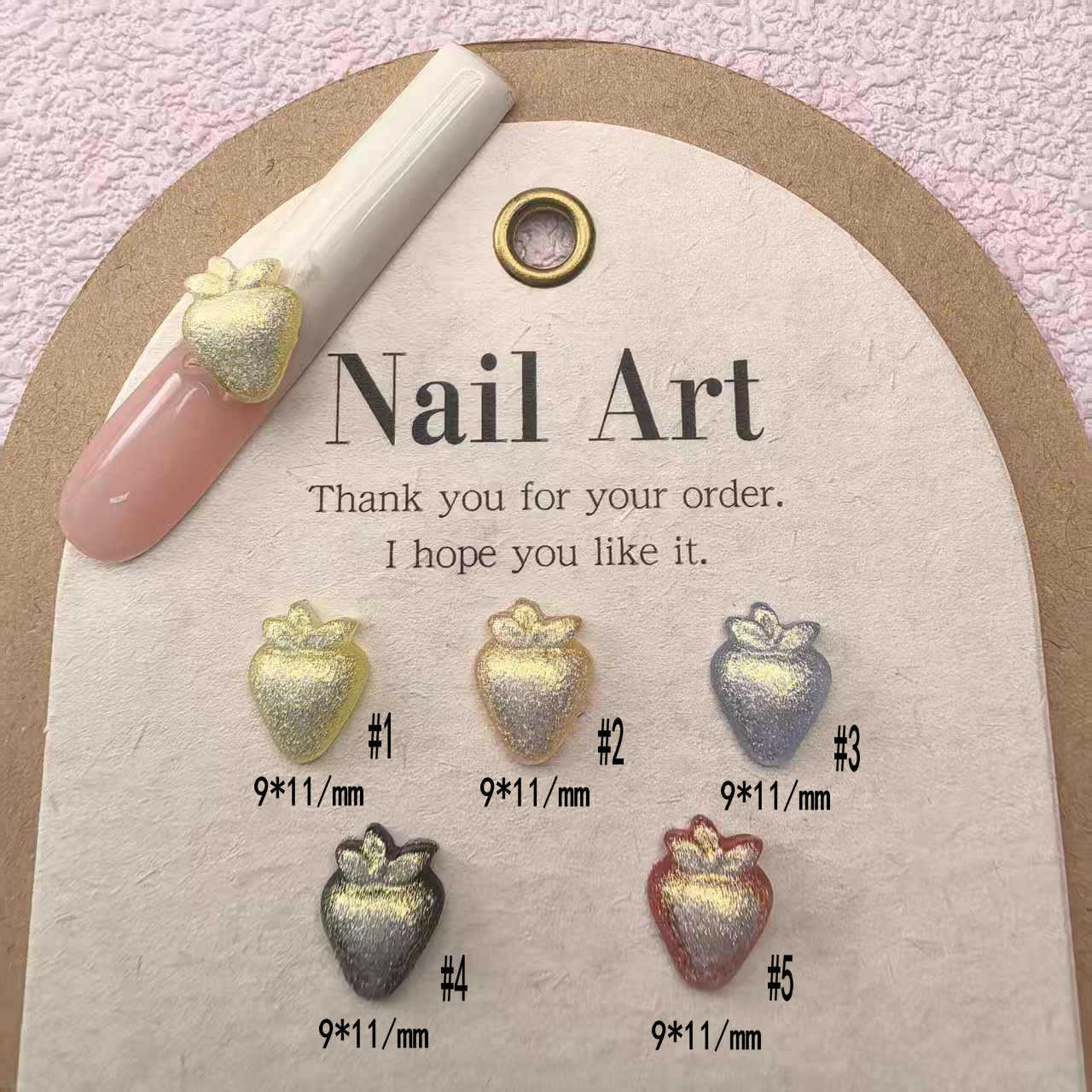
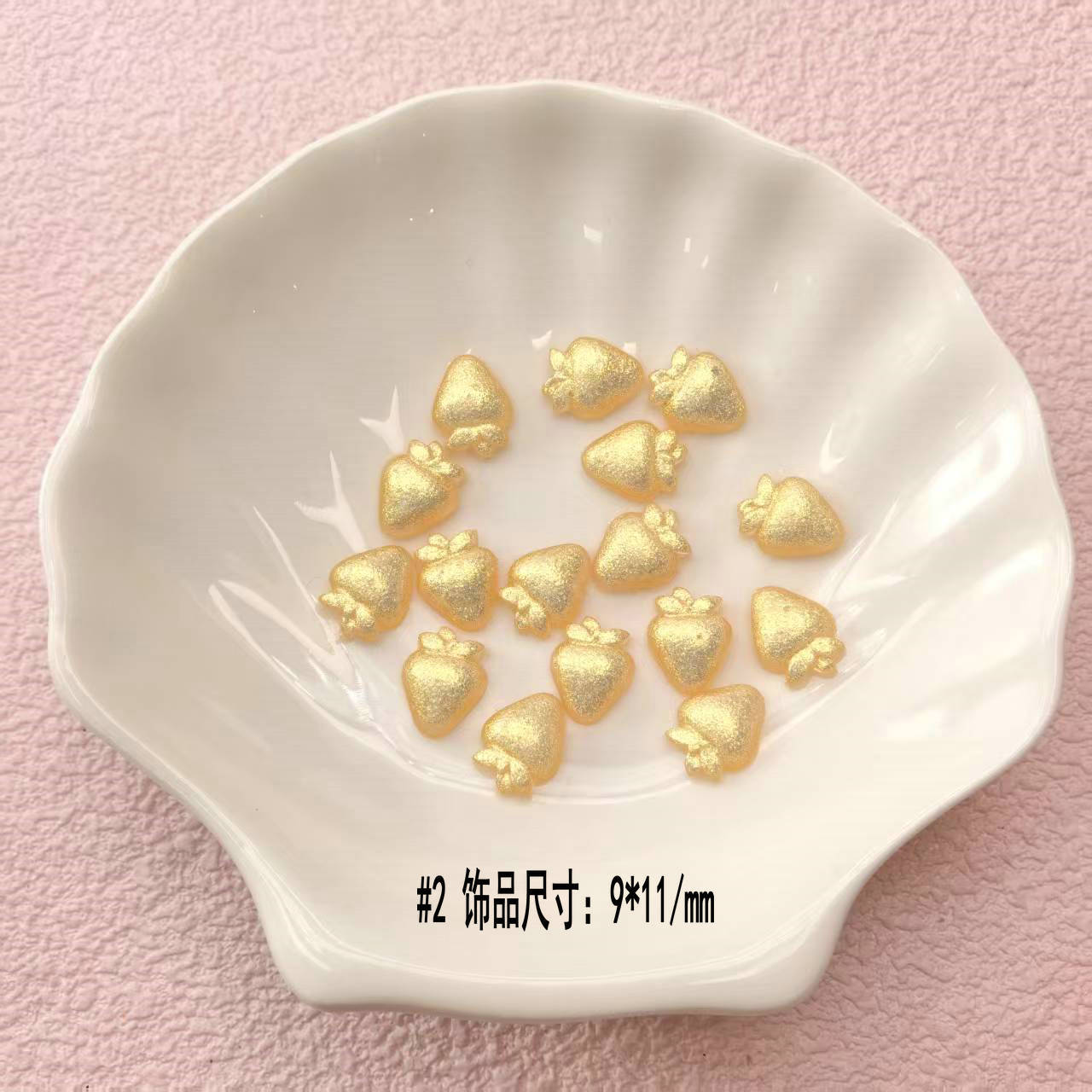
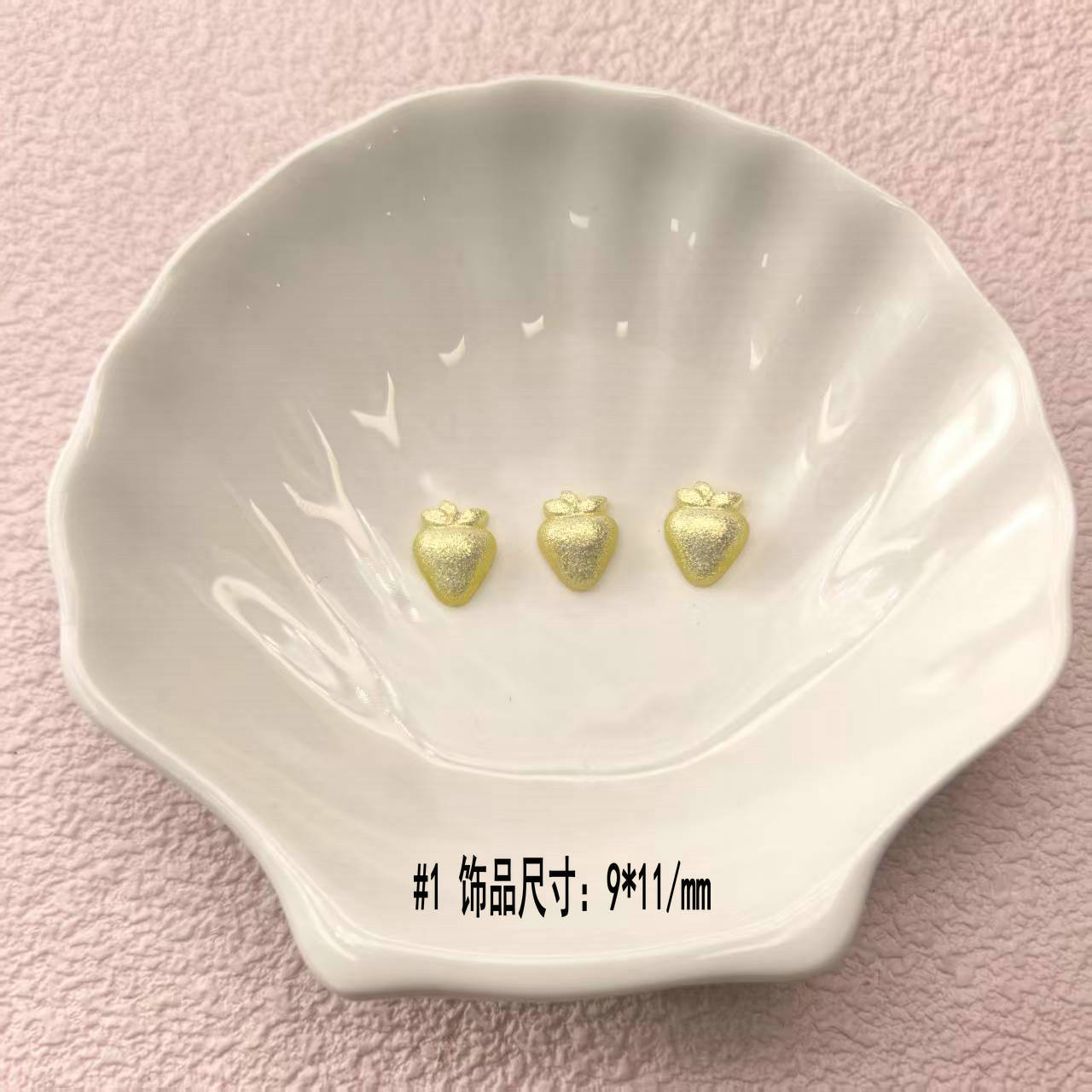
 clear pack #1,5000 pcs 1 pack
|
CN¥ 0.05 |
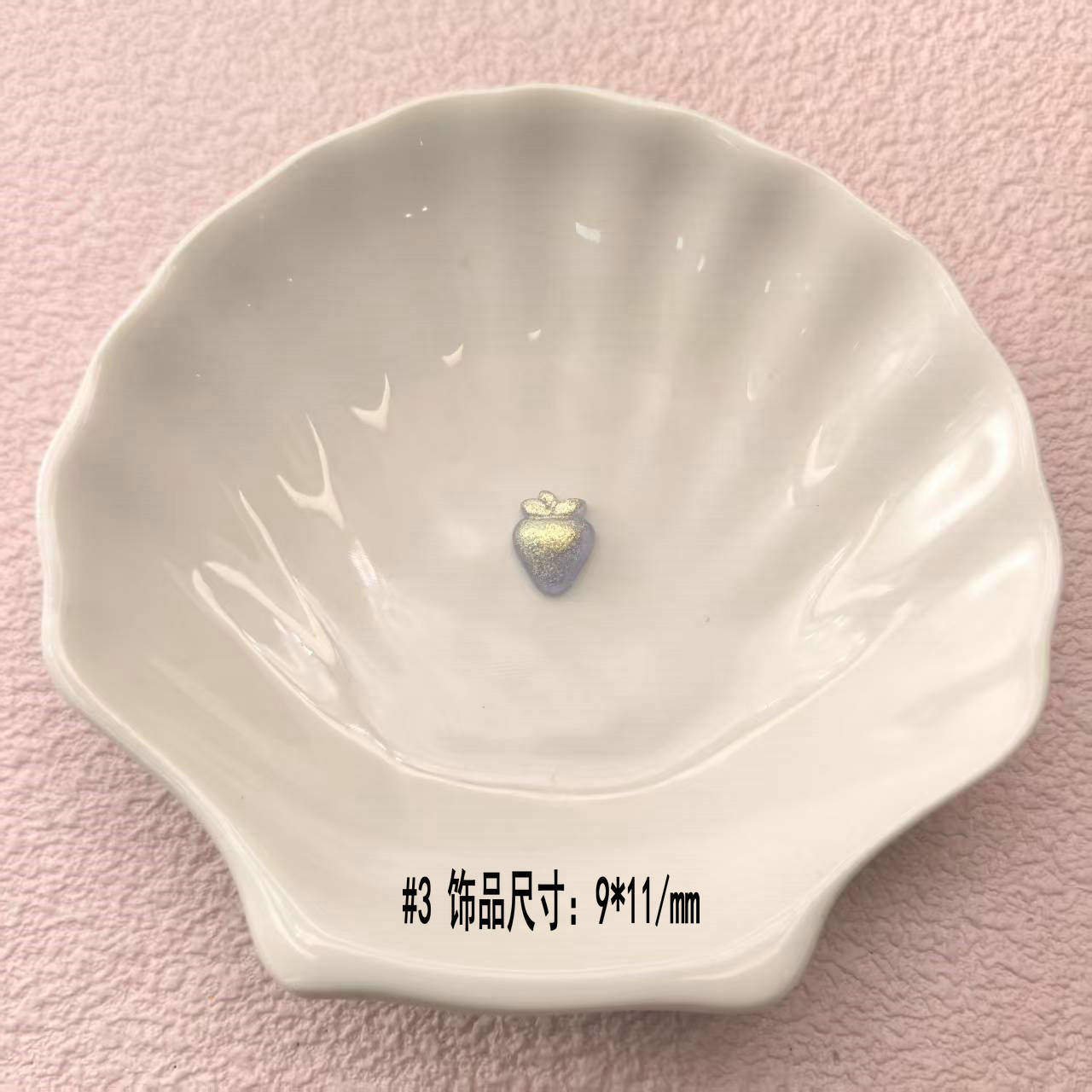
 clear pack #2,5000 pcs 1 pack
|
CN¥ 0.05 |
 clear pack #3,5000 pieces 1 pack
|
CN¥ 0.05 |
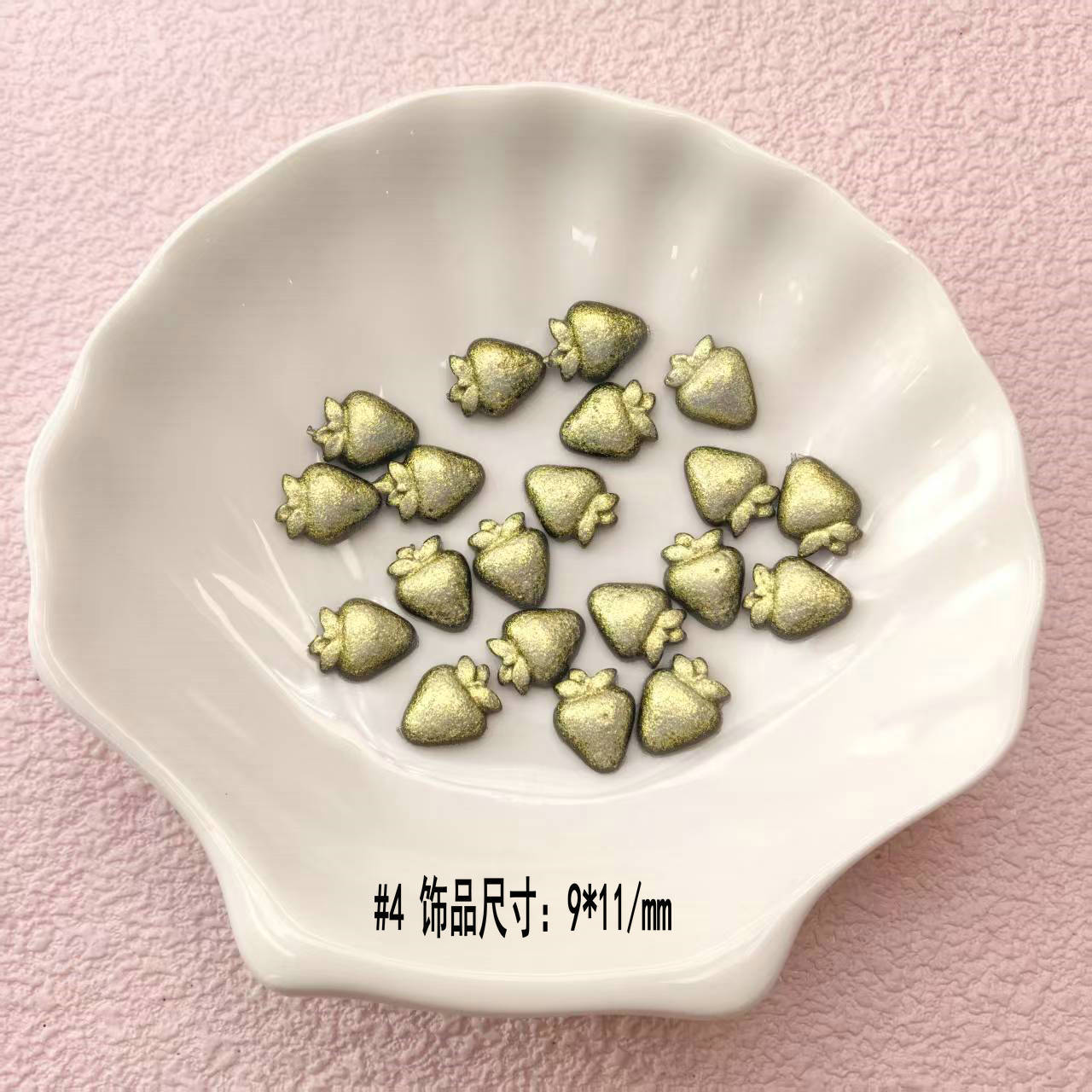
 clear pack #4,5000 pcs 1 pack
|
CN¥ 0.05 |
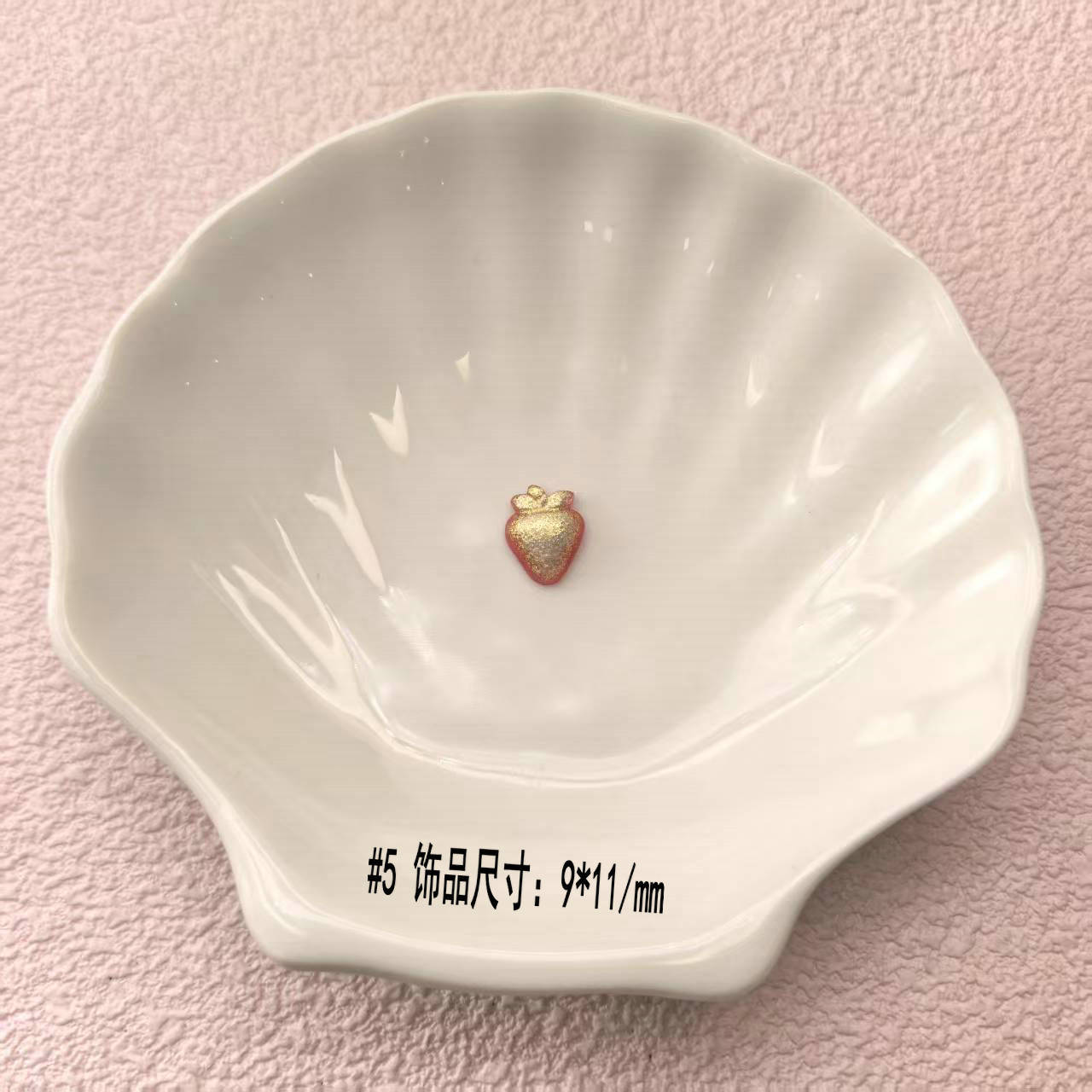
 clear pack #5,5000 pcs 1 pack
|
CN¥ 0.05 |
BLINGBLING NAILS Accessories 4yr.
Contacts Xie Xiu Chat
Mobile 86-18673108555
E-mail 23642764262882@qq.com


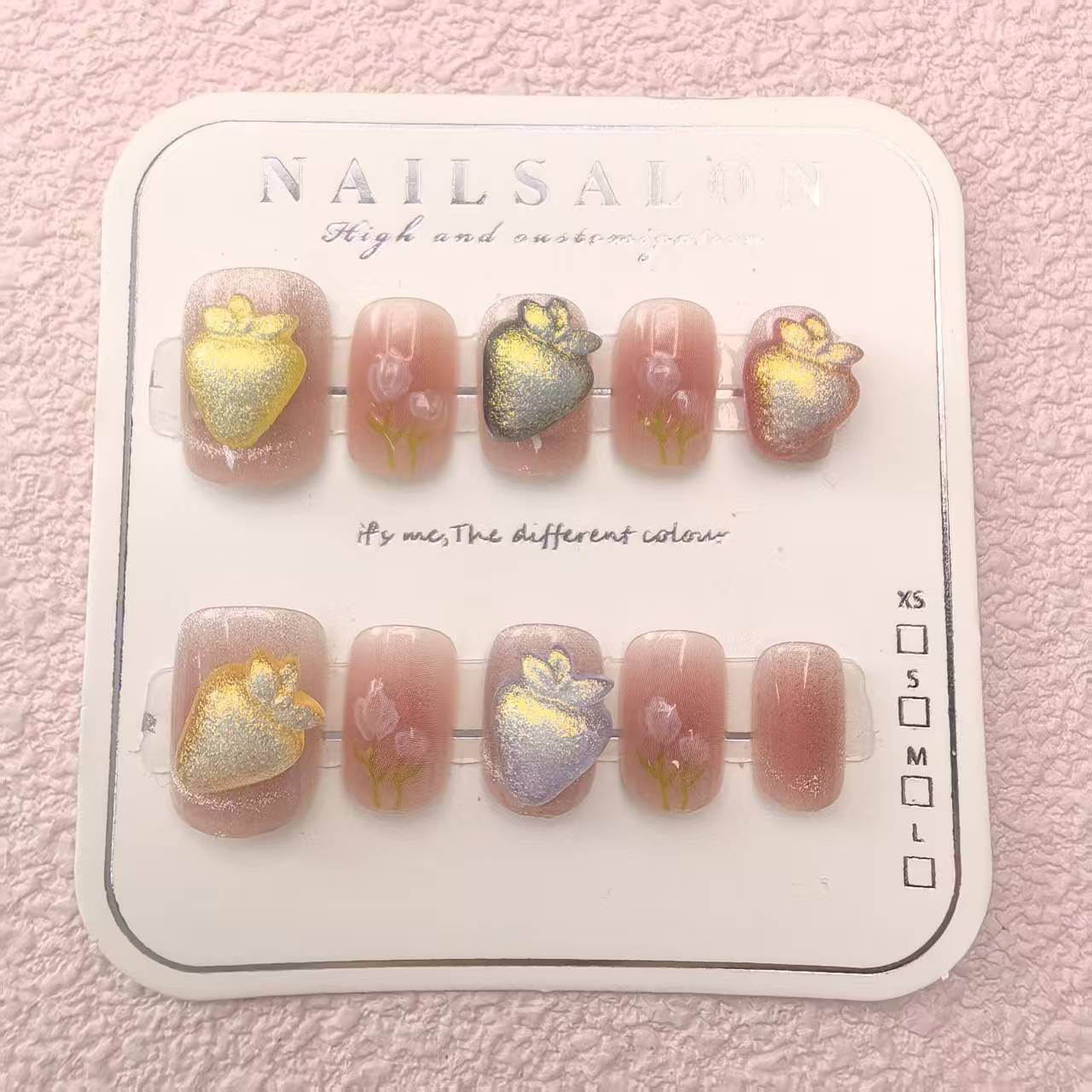
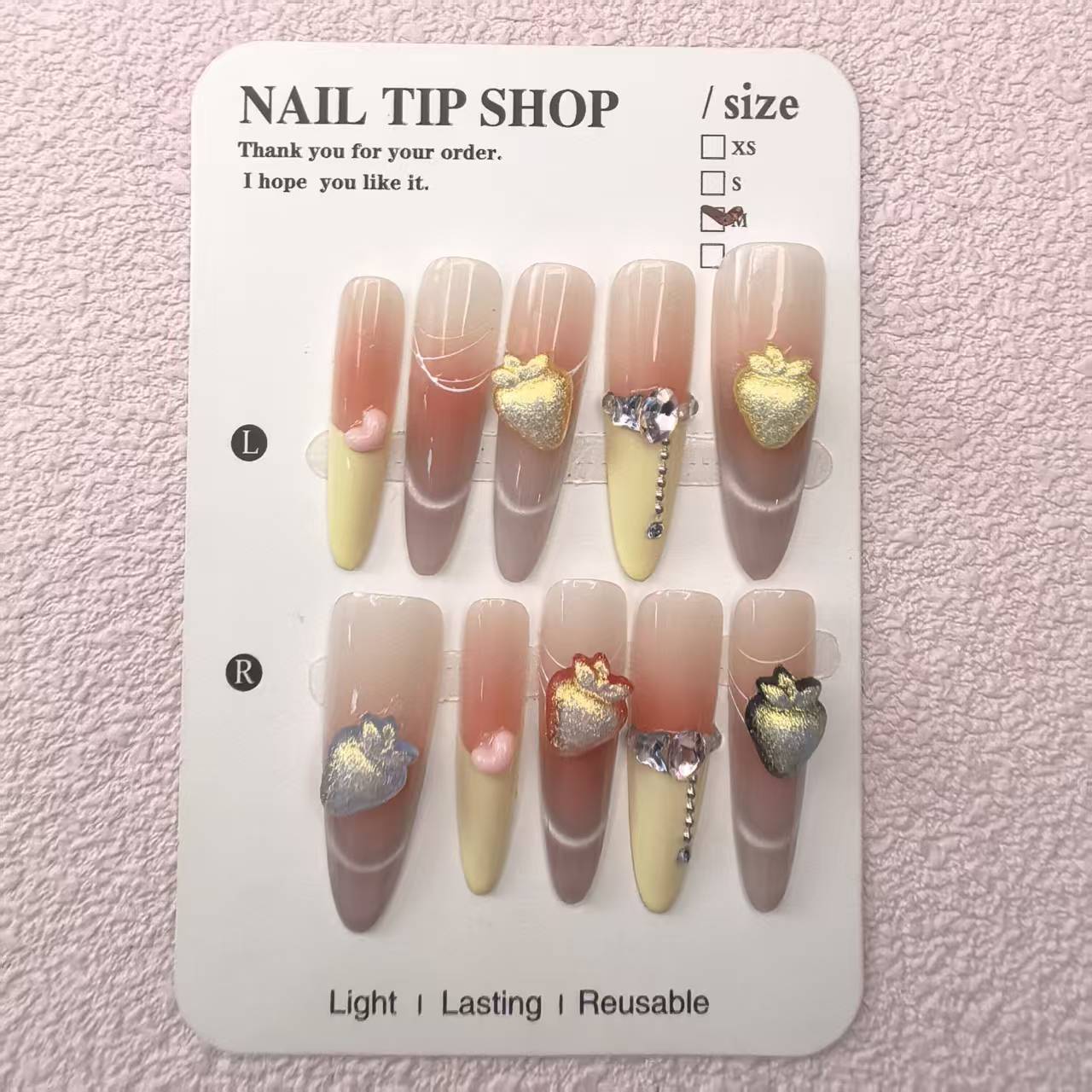
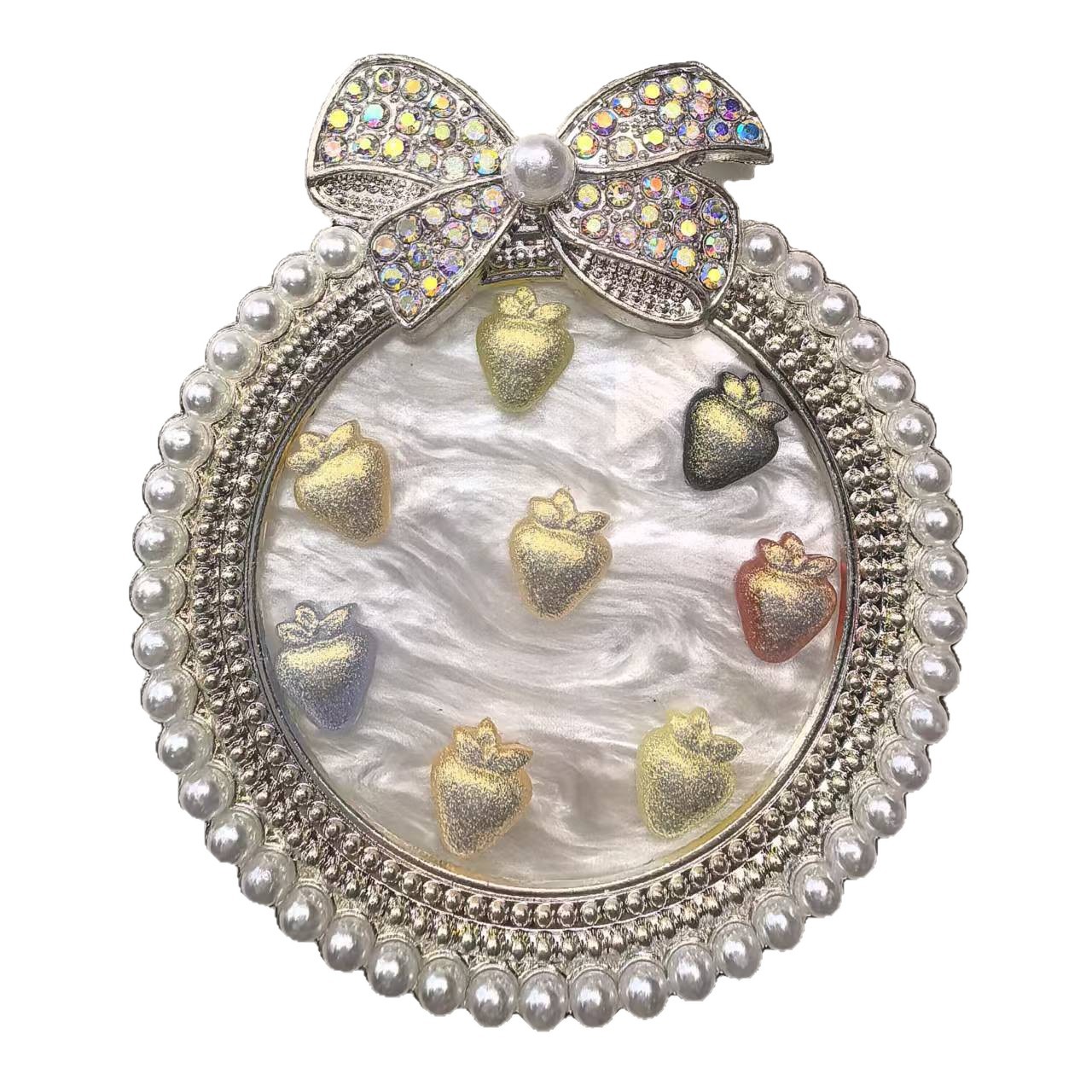
Fruit resin nail jewelry has become very popular in recent years as a nail decoration element, appreciated for its strong three-dimensional effect, bright colors, and diverse designs.
1. What are fruit resin nail jewelry?
Material: Usually handmade with resin materials, it is light in weight, high in transparency, and has strong plasticity, allowing for the creation of lifelike fruit shapes (such as strawberries, cherries, lemons, grapes, etc.).
Features:
Strong three-dimensional effect, more vivid than stickers or hand-drawn.
Colorful and bright, with transparent or gradient effects, suitable for sweet styles in spring and summer.
Can be paired with sequins, pearls, metal accessories, etc., to enhance the overall elegance.
2. Common Styles and Combinations
Monochrome fruits: such as a three-dimensional strawberry or orange, suitable for embellishing on a solid color nail surface (white, nude, etc.), simple yet eye-catching.
Fruit Slices: Embedded fruit slices (e.g., lemon slices, kiwi) in transparent resin, suitable for French or gradual nail art.
Mini Fruit Knot: A combination of multiple small fruits (e.g., blueberries + raspberries), suitable for finger-jumping decoration.
3D Relief Style: Semi-relief resin stickers, more everyday than fully three-dimensional ones.
Dressing Suggestions:
Choose a light color (milk white, mint green, pale pink) to highlight the vivid colors of the fruits.
Pairing with metal wire and small pearls can add a sense of luxury.
Suitable for short nails (small jewelry) or long nails (complex combinations).
3. Usage Method
Paste: Use nail polish or reinforcement glue to fix, and need to be cured under the lamp.
Sealing Layer: It is recommended to wrap the edges of the jewelry with thick glue (such as model glue), and then apply the sealing layer to prevent hair from getting caught or the jewelry from falling off.
Removal: Use a nail polish remover or a buffing machine. Hard prying can easily damage the nail surface.
4. Notes
Durability: Resin jewelry may break due to impact, so it is recommended to avoid frequent contact with hard objects.
Allergy Risk: Poor-quality resin or glue may irritate the skin, choose a brand-name product.
Daily maintenance: Avoid prolonged immersion in water (such as bathing, swimming), which can extend the lifespan.
5. Trendy trends
Transparent Jelly Style: The popular 'Jelly Nail' trend from 2023-2024 often pairs with semi-transparent fruit resin.
Y2K style: Fluorescent fruit colors with laser elements, suitable for personalized fashion.
Nature-inspired: Simulated small berries and leaf shapes, suitable for autumn and winter.
What kind of products can be well-sold and attractive when paired with fruit resin jewelry?
Fruit resin accessories are known for their bright colors and adorable designs, making them a perfect match for products with a fresh and similar target audience. Here are a few pairing ideas and actual case studies to illustrate how they can boost sales while enhancing visual appeal:
1. "Combine with stationery/diary supplies"
Case: The Japanese brand "Campus Note"
Complementary products: fruit resin bookmarks + fruit-themed notebooks + colored fluorescent pens.
Effect: Students and notebook enthusiasts will be attracted by the unified sweet style, and the bookmarks as a free gift will drive the sales of notebooks.
Display Suggestion: Use transparent storage boxes to display jewelry on the cover of the notebook.
2. Combination with jewelry/hair accessories
Case: Korean jewelry store "J'ESTINA"
Complementary products: Mini resin fruit earrings + matching hair bands + strawberry-shaped necklace.
Effect: Increases the average order value by combining products, suitable for holiday gift boxes (e.g., Valentine's Day, Christmas).
Skill: Use acrylic display stands to create a 'dessert table' effect, enhancing the girl-like charm.
3. Binding with fragrant products
Case: Thai brand "Panpuri"
Complementary products: Lemon resin keychain + citrus-scented scented candle, Mango jewelry + tropical fruit-scented body milk.
Logic: Use visual (fruit shapes) to reinforce olfactory associations, attracting people who value the ambiance of life.
Promotion method: Full-amount gift or limited-edition gift boxes (e.g., "Summer Fruit Blend Set").
4. Collaborate with beverage/dessert brands
Case: Heei × Small-Circle Jewelry Brand
Pairing: Buy fruit tea and get a limited-edition resin cup charm (such as peach or grape designs).
Advantage: The restaurant brand enhances the fun factor, the jewelry brand gains exposure, and the overlap in user base is high between both parties.
5. Scenic display of household items
Case: MUJI
Complementary products: Resin fruit fridge magnets + colored tableware/fruit-shaped bowl mats.
Scenario: Set up a 'table aesthetics' corner in the kitchenware area to guide impulsive consumption.
6. Festival Theme Bundle
Case: Sugarfina Candy Store, a U.S. brand
Strategy: Launch a "Fruit Candy + Resin Christmas Tree Ornaments" gift box during the Christmas season, with the ornaments serving as both decorations and giveaways.
Data: The sales volume of gift boxes is 3 times higher than that of single items, and the repeat purchase rate has increased by 40%.
Key Skills Summary
Color harmony: Jewelry and matching products maintain the same color scheme (e.g., strawberry red + pink packaging).
Price complementarity: high-priced products (such as scented products) paired with low-priced accessories (such as key chains) reduce the decision-making threshold.
IP Collaboration: Working with illustrators to create fruit-themed packaging illustrations, enhancing the collectible attribute.
Try to use resin jewelry as a "visual anchor" to bind with other products, which can effectively enhance the overall shop's sense of vitality and conversion rate!


The preferences and taboos for colors vary significantly across different cultures, and colors often carry specific symbolic meanings. Here is an analysis of color preferences and taboos in major countries and regions:
Asia
China
Favorites: red (celebration, good luck), gold (wealth), yellow (imperial power, nobility).
Taboo: White (for funerals), black (for negativity), but in modern business, black is often used as a fashion color.
Japan
Preferences: soft tones such as light pink, beige; red (sacred, such as a shrine), blue (daily).
Taboo: Purple (symbolizes sadness in tradition), green (unlucky 'green ghost' color).
India
Favorites: Orange (Hinduism, courage), Yellow (knowledge), Red (wedding).
Taboo: Black (evil), white (mourning), but exceptions apply in some religious occasions.
The Middle East (Saudi Arabia, the United Arab Emirates, etc.)
Preferences: Green (Islam), Gold (Luxury), White (Purity).
Taboo: Purple (Minority Association).
Europe and America
United States/Western Europe
Favorites: blue (trust, like corporate logos), green (environmental protection), red (vigor).
Contraindications: None known, but brown (cheap) should be used with caution.
Germany
Preference: Practical colors such as black, gray, and blue; green (environmental movement).
Sensitive Colors: Avoid too much red.
France/Italy
Preference: Elegant dark blue, purple (aristocratic tradition), white (simplicity).
Fashion field: High acceptance, few restrictions.
Latin America
Mexico/Brazil
Preference: High-saturation colors such as yellow (sunlight), orange (vitality), and purple (Brazilian mourning).
Taboo: Avoiding Red, White, and Green Combinations in Mexico (Commercial Use of Flag Colors Prohibited).
Africa
Nigeria/Kenya
Preference: Bright colors such as yellow (wealth) and green (natural resources).
Taboo: Red (symbolizes death in some areas), Black (evil).
South Africa
Diverse cultures: Rainbow colors (symbol of multiculturalism), avoid overrepresenting a single color.
Special Precautions
Religious Influence: In Islamic culture, gold and green are sacred; the orange robe of Thai monks symbolizes Buddhism.
Political History: Ireland avoided Orange-Green combination (religious conflict) and Ukraine's blue-yellow (national flag colors need to be respected).
Modern Trends: Global environmental movements drive the green usage, and the tech industry prefers blue/silver gray.
Business Application Suggestions
Brand Design: Coca-Cola uses red (fortune) in China, while in the Middle East, it may emphasize the green version.
Product packaging: Avoid pure white in India and switch to gold; prioritize eco-friendly colors in Germany.
Advertising dissemination: Japan prefers natural tones in advertising, while Brazil can boldly use contrast colors.
Understanding these differences requires a combination of specific scenarios. It is recommended to conduct in-depth research on the cultural details of the target market or consult localization experts to avoid misinterpretations. Color preferences also evolve over time, such as the acceptance of black among China's younger generation has significantly increased.
There are numerous methods for generating creativity, and different fields such as design, writing, business, technology, etc., may use different techniques. Here are some classic and universal creative methods that can help inspire ideas or break through thinking patterns: 1. Mind Mapping: A visual tool that helps organize ideas by connecting related concepts in a tree-like structure. 2. Scratch Paper: Writing down ideas on paper can help free the mind from the constraints of a digital screen. 3. Free Writing: Writing without stopping for a set period of time can help release inhibitions and generate new ideas. 4. Brainstorming: A group activity where ideas are generated in a free and open environment. 5. Observation: Looking at the world around us can reveal hidden patterns and ideas. 6. Incubation: Giving ideas time to percolate can sometimes lead to unexpected insights. 7. Challenge Assignment: Setting up a challenge for oneself can help focus the mind on a specific problem. 8. Mind-wandering: Allowing the mind to wander can sometimes lead to unexpected ideas. 9. Reframing: Looking at familiar problems or ideas from a new perspective can reveal new solutions. 10. Playfulness: Engaging in playful activities can help loosen up the mind and generate new ideas. 11. Obsession: Focusing on a single idea or problem can sometimes lead to breakthroughs. 12. Travel: Expanding one's horizons through travel can expose one to new ideas and perspectives. 13. Reading: Expanding one's knowledge through reading can provide new ideas and inspiration. 14. Meditation: Practicing meditation can help clear the mind and make room for new ideas. 15. Journaling: Writing down thoughts and ideas can help organize and develop ideas. 16. Experimenting: Trying new things can lead to new insights and ideas. 17. Reflection: Taking time to reflect on past experiences can reveal lessons and ideas. 18. Dream Analysis: Exploring dreams can sometimes reveal hidden meanings and ideas. 19. Creative Writing: Writing poetry, short stories, or essays can help develop creative thinking. 20. Mindful Meditation: Combining meditation with mindfulness can help clear the mind and generate new ideas.
1. Brainstorming
Core: Generate as many ideas as possible in a short time, without judging or setting limits.
Skill:
Free association: starting from a word/concept, to associate any relevant or seemingly irrelevant content.
Reverse thinking: Thinking in the opposite direction (such as "How can we make the product harder to use?" and then optimize in the opposite direction).
SCAMPER method: Transform existing things by substituting, combining, adapting, modifying, putting to other uses, eliminating, and rearranging.
2. The method of cross-border integration
Core: Combining knowledge or elements from different fields.
Example:
Biomimicry (such as submarines inspired by fish).
The combination of music and mathematics (such as algorithmic composition).
3. Restriction Stimulation Method
Core: Forcing innovation by setting restrictions.
Example:
10元 budget: How to complete a project with very low cost?
Time limit: A solution must be found within 24 hours.
4. Observation and Insight
Core: Identify unmet needs from users or nature.
Method:
Field investigation: In-depth observation of the target user's behavior.
Pain point analysis: List the existing problems and think about the solutions one by one.
5. Random Input Method
Core: Stimulate new associations through random words/images.
Tool:
Random Word Generator.
Randomly select words from a dictionary or magazine.
6. Mind Mapping
Core: Develop hierarchical associations visually.
Applicable: Combing complex problems or integrating fragmented inspiration.
7. Six Thinking Hats
Core: Systematically analyze problems from different angles (white=fact, red=emotion, black=risk, yellow=optimism, green=creativity, blue=control).
8. Analogy and Metaphor
Core: Use familiar things to explain or reconstruct unfamiliar problems.
Example:
Compare the company's operation to a "soccer team," and think about the role allocation.
9. Prototyping (Rapid Iteration)
Core: Create a simple prototype first, then iterate through feedback.
Applicable: Product design, entrepreneurial projects.
10. Meditation and Mindfulness
Core: Let the subconscious participate in creative generation.
Method:
Record inspiration when in a relaxed state such as taking a walk or bathing.
11. Combination Innovation
Core: Re-combine existing elements.
Example:
Smartphone = Phone + Camera + Computer.
12. What If...
Core: Assume future scenarios and reverse engineer solutions.
Example:
If humans did not need to sleep, what would society be like?
13. Narrative Method
Core: Exploring possibilities by storytelling.
Skill:
Role-playing: Telling stories from the perspective of the user.
14. Challenge Common Sense
Core: Question the Default Rules.
Example:
Why must a chair have four legs?
15. Collaborative Creativity
Core: Multi-person complementary thinking (e.g., design sprint, workshop).
Tool Recommendation:
Digital tools: Miro (online whiteboard), Notion (idea management), Oblique Strategies (creative playing cards).
Traditional tools: notepads, sketchbooks, and voice recorders.
Key Principles:
Delay Judgment: First generate a large number of ideas, then select.
Record everything: Inspiration fleets away.
Continuous input: reading, traveling, and exploring new fields.
Try combining several methods to find your own creative approach!
BLINGBLING.蓓灵饰品配件是专业生产和批发美甲饰品、
We are a company specializing in the production of DIY jewelry accessories, resin accessories, nail art diamonds, phone case accessories, resin diamonds, nail art jewelry, and jewelry accessories. We welcome new and old friends to purchase and cooperate.
BLINGBLING. Beiling Jewelry Accessories is a professional manufacturer and wholesaler of nail accessories.
A company that specializes in DIY jewelry accessories, resin accessories, nail drills, phone case accessories, resin drills, nail accessories, jewelry accessories and other products, welcomes new and old friends to purchase and cooperate.
Domestic sales network,
North China
Beijing
Tianjin
Hebei Province
Shijiazhuang, Tangshan, Qinhuangdao, Handan, Xingtai, Baoding, Zhangjiakou, Chengde, Cangzhou, Langfang, Hengshui.
Shanxi Province
Taiyuan, Datong, Yangquan, Changzhi, Jincheng, Shuozhou, Jinzhong, Yuncheng, Xinzhou, Linfen, Lvliang.
Inner Mongolia Autonomous Region
Hohhot, Baotou, Wuhai, Chifeng, Tongliao, Ordos, Hulun Buir, Bayannur, Ulanqab, Xingan, Xilin Gol, and Alashan
Northeast China
Liaoning Province
Shenyang, Dalian, Anshan, Fushun, Benxi, Dandong, Jinzhou, Yingkou, Fuxin, Liaoyang, Panjin, Tieling, Chaoyang, Huludao.
Jilin Province
Changchun, Jilin, Siping, Liaoyuan, Tonghua, Baishan, Songyuan, Baicheng: Yanbian Korean Autonomous Prefecture
Heilongjiang Province
Harbin, Qiqihar, Jixi, Hegang, Shuangyashan, Daqing, Yichun, Jiamusi, Qitaihe, Mudanjiang, Heihe, Suihua
Regions: Daxing'anling
East China
Shanghai
Jiangsu Province
Nanjing, Wuxi, Xuzhou, Changzhou, Suzhou, Nantong, Lianyungang, Huai'an, Yancheng, Yangzhou, Zhenjiang, Taizhou, Suqian.
Zhejiang Province
Hangzhou, Ningbo, Wenzhou, Jiaxing, Huzhou, Shaoxing, Jinhua, Quzhou, Zhoushan, Taizhou, Lishui.
Anhui Province
Hefei, Wuhu, Bengbu, Huainan, Ma'anshan, Huaibei, Tongling, Anqing, Huangshan, Chuzhou, Fuyang, Suzhou, Lu'an, Bozhou, Chuzhou, Chengdu, Xuancheng.
Fujian Province
Fuzhou, Xiamen, Putian, Sanming, Quanzhou, Zhangzhou, Nanping, Longyan, Ningde.
Jiangxi Province
Nanchang, Jingdezhen, Pingxiang, Jiujiang, Xinyu, Yingtan, Ganzhou, Ji'an, Yichun, Fuzhou, Shangrao.
Shandong Province
Jinan, Qingdao, Zibo, Zaozhuang, Dongying, Yantai, Weifang, Jining, Taian, Weihai, Rizhao, Linyi, Dezhou, Liaocheng, Binzhou, Heze.
Central and Southern China
Henan Province
Zhengzhou, Kaifeng, Luoyang, Pingdingshan, Anyang, Hebi, Xinxiang, Jiaozuo, Puyang, Xuchang, Luohe, Sanmenxia, Nanyang, Shangqiu, Xinyang, Zhoukou, Zhumadian.
Hubei Province
Wuhan, Huangshi, Shiyan, Yichang, Xiangyang, Ezhou, Jingmen, Xiaogan, Jingzhou, Huanggang, Xianning, Suizhou, Enshi Tujia and Miao Autonomous Prefecture
Hunan Province
Changsha, Zhuzhou, Xiangtan, Hengyang, Shaoyang, Yueyang, Changde, Zhangjiajie, Yiyang, Chenzhou, Yongzhou, Huaihua, Loudi, Xiangxi Tujia and Miao Autonomous Prefecture
Guangdong Province
Guangzhou, Shaoguan, Shenzhen, Zhuhai, Shantou, Foshan, Jiangmen, Zhanjiang, Maoming, Zhaoqing, Huizhou, Meizhou, Shaoguan, Heyuan, Yangjiang, Qingyuan, Dongguan, Zhongshan, Chaozhou, Jieyang, Yunfu.
Guangxi Zhuang Autonomous Region
Nanning, Liuzhou, Guilin, Wuzhou, Beihai, Fangchenggang, Qinzhou, Guigang, Yulin, Baise, Hezhou, Hechi, Laibin, Chongzuo.
Hainan Province
Haikou, Sanya, Sansha, Danzhou, Wuzishan, Qionghai
Southwest China
Chongqing (Direct-controlled municipality)
Sichuan Province
Prefecture-level cities: Chengdu, Zigong, Panzhihua, Luzhou, Deyang, Mianyang, Guangyuan, Suining, Neijiang, Leshan, Nanchong, Meishan, Yibin, Guang'an, Dazhou, Ya'an, Bazhong, Ziyang
Aba Tibetan and Qiang Autonomous Prefecture, Garze Tibetan Autonomous Prefecture, Liangshan Yi Autonomous Prefecture
Guizhou Province
Prefecture-level cities: Guiyang, Liupanshui, Zunyi, Anshun, Bijie, Tongren Qiandongnan Miao and Dong Autonomous Prefecture, Qiannan Buyei and Miao Autonomous Prefecture, Qianxinan Buyei and Miao Autonomous Prefecture
Yunnan Province
Prefecture-level cities: Kunming, Qujing, Yuxi, Baoshan, Zhaotong, Lijiang, Pu'er, Lincang
Chuxiong Yi, Honghe Hani and Yi, Wenshan Zhuang and Miao, Xishuangbanna Dai, Dali Bai, Dehong Dai and Jingpo, Nujiang Lisu, Diqing Tibetan
Tibet
Prefecture-level cities: Lhasa, Shigatse, Nyingtri, Linzhi, Shannan, and Nagqu
Region: Ali Prefecture
Northwest China
Shaanxi Province
Xi'an, Tongchuan, Baoji, Xianyang, Weiinan, Yan'an, Hanzhong, Yulin, Ankang, Shangluo.
Gansu Province
Lanzhou, Jiayuguan, Jinchang, Baiyin, Tianshui, Wuwei, Zhangye, Pingliang, Jiuquan, Qingyang, Dingxi, Longnan
Linxia Hui and Gannan Tibetan
Qinghai Province - Prefecture-level: Xining, Haidong
Hainan Tibetan, Huangnan Tibetan, Hainan Tibetan, Guoluo Tibetan, Yushu Tibetan, Haixi Mongol-Tibetan
Ningxia Yinchuan, Shizuishan, Wuzhong, Guyuan, Zhongwei.
Xinjiang Uyghur Autonomous Region, Urumqi, Karamay, Turpan, Hami
Kashgar Prefecture, Hotan Prefecture, Aksu Prefecture, Tacheng Prefecture, Altay Prefecture, Tianshan Leopard, Bortala Mongol, Bayingolin Mongol, Kirgiz, Ili Kazakh
Hong Kong, Macau, Taiwan
Long-term supply of goods for cross-border e-commerce platform sellers, welcome to cooperate.
Exporting to various parts of the world, we welcome international friends from overseas Chinese to cooperate.
Partnerships span the globe:
Major countries and their important cities around the world
Asia
Asia
China
China
Beijing, Shanghai, Hong Kong, Guangzhou, Shenzhen, Chongqing, Tianjin, Chengdu, Wuhan, Xi'an, Hangzhou, Nanjing
Beijing, Shanghai, Hong Kong, Guangzhou, Shenzhen, Chongqing, Tianjin, Chengdu, Wuhan, Xi'an, Hangzhou, Nanjing
Japan
Japan
Tokyo, Osaka, Kyoto, Yokohama, Nagoya, Fukuoka, Sapporo
Tokyo, Osaka, Kyoto, Yokohama, Nagoya, Fukuoka, Sapporo
South Korea
Republic of Korea
Seoul, Busan, Incheon, Daegu, Gwangju
Seoul, Busan, Incheon, Daegu, Gwangju
India
India
New Delhi, Mumbai, Bangalore, Kolkata, Chennai, Hyderabad
New Delhi, Mumbai, Bangalore, Kolkata, Chennai, Hyderabad
Thailand
Thailand
Bangkok, Chiang Mai, Phuket, Pattaya
Bangkok, Chiang Mai, Phuket, Pattaya
Vietnam
Vietnam
Hanoi, Ho Chi Minh City, Danang, Haiphong
Hanoi, Ho Chi Minh City, Da Nang, Hai Phong
Singapore
Singapore
Singapore City (Country as City)
Singapore City (Country or City)
Malaysia
Malaysia
Kuala Lumpur, George Town, Malacca, and Johor Bahru
Kuala Lumpur, Penang, Malacca, Johor Bahru
Indonesia
Indonesia
Jakarta, Surabaya, Bandung, Bali (Denpasar)
Jakarta, Surabaya, Bandung, Bali (Denpasar)
Philippines
The Philippines
Manila, Cebu, Davao
Manila, Cebu, Davao
Europe
Europe
United Kingdom
Britain
London, Manchester, Birmingham, Edinburgh, Glasgow
London, Manchester, Birmingham, Edinburgh, Glasgow
France
France
Paris, Marseille, Lyon, Toulouse, Nice
Paris, Marseille, Lyon, Toulouse, Nice
Germany
Germany
Berlin, Munich, Frankfurt, Hamburg, Cologne
Berlin, Munich, Frankfurt, Hamburg, Cologne
Italy
Italy
Rome, Milan, Venice, Florence, Naples
Rome, Milan, Venice, Florence, Naples
Spain
Spain
Madrid, Barcelona, Valencia, Sevilla
Madrid, Barcelona, Valencia, Seville
Russia
Russia
Moscow, Saint Petersburg, Kazan, Novosibirsk
Moscow, St. Petersburg, Kazan, Novosibirsk
Netherlands
the Netherlands
Amsterdam, Rotterdam, The Hague
Amsterdam, Rotterdam, The Hague
Switzerland
Switzerland
Zurich, Geneva, Bern (capital), Basel
Zurich, Geneva, Bern (capital), Basel
North America
North America
United States
America
New York, Los Angeles, Chicago, Houston, San Francisco, Washington, D.C., and Boston
New York, Los Angeles, Chicago, Houston, San Francisco, Washington D.C., Boston
Canada
Canada
Toronto, Vancouver, Montreal, Ottawa (capital), Calgary
Toronto, Vancouver, Montreal, Ottawa (capital), Calgary
Mexico
Mexico
Mexico City, Guadalajara, Monterrey, Cancun
Mexico City, Guadalajara, Monterrey, Cancun
South America
South America
Brazil
Brazil
São Paulo, Rio de Janeiro, Brasília (capital), and Salvador.
Sao Paulo, Rio de Janeiro, Brasilia (capital), El Salvador
Argentina
Argentina
Buenos Aires, Córdoba, Rosario
Buenos Aires, Cordoba, Rosario
Colombia
Colombia
Bogotá, Medellín, Cali
Bogota, Medellin, Cali
Africa
Africa
Egypt
Egypt
Cairo, Alexandria, Luxor
Cairo, Alexandria, Luxor
South Africa
South Africa
Johannesburg, Cape Town, Durban, Pretoria (Administrative Capital)
Johannesburg, Cape Town, Durban, Pretoria (administrative capital)
Nigeria
Nigeria
Lagos, Abuja (capital), Kano
Lagos, Abuja (capital), Kano
Kenya
Kenya
Nairobi, Mombasa
Nairobi, Mombasa
Oceania
Oceania
Australia
Australia
Sydney, Melbourne, Brisbane, Perth, Canberra (capital)
Sydney, Melbourne, Brisbane, Perth, Canberra (capital)
New Zealand
New Zealand
Auckland, Wellington (capital), Christchurch
Auckland, Wellington (capital), Christchurch
Update time:


TOP