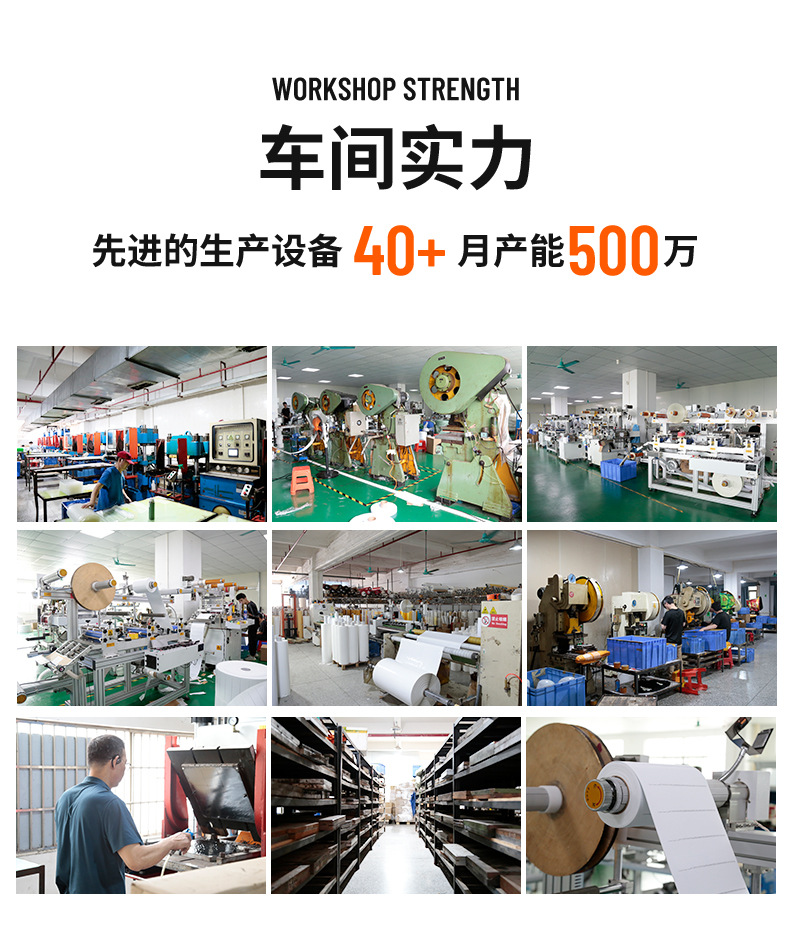


Product production process:
1. Raw material preparation: Various raw materials such as raw rubber, transparent agents, and accelerators are mixed in proportion.
2. Rubber processing: At a certain temperature, the prepared raw rubber is mixed with additives through mixing to ensure uniform blending, proper curing, and consistent transparency of the final product.
3. Material division: Cut the material into slices according to the product specifications and mold size.
4. Vulcanization molding: Using a high-pressure vulcanizer at a temperature of 300 degrees Celsius, the raw materials of the rubber compound are cured and molded.
5. Edge trimming: The semi-finished product obtained through vulcanization molding has achieved the required hardness, specifications, and transparency. However, some unnecessary edges remain from the molding process, which need to be manually trimmed away.
6. Surface treatment: Since the adhesive material on the transparent rubber pad does not absorb glue, in order to ensure a tight bond with various double-sided adhesives, a special treatment agent is used on the surface to disrupt the surface structure, making the double-sided adhesive stay attached firmly after application.
7. Adhesive Application: After surface treatment, the products are applied with double-sided adhesives of varying stickiness according to the customer’s specifications. The common types of double-sided adhesives include: ordinary double-sided adhesives: 80–150µ; 3M double-sided adhesives; NITTO (Nitto) double-sided adhesives; NIKKO (Nikko) double-sided adhesives; TESA (Tesa) double-sided adhesives; SONY (Sony) double-sided adhesives; DIC (Daiichi) double-sided adhesives; SEKISU (Sekisu) double-sided adhesives; Zongyan double-sided adhesives; Hidaka double-sided adhesives, and various other types of double-sided adhesives.
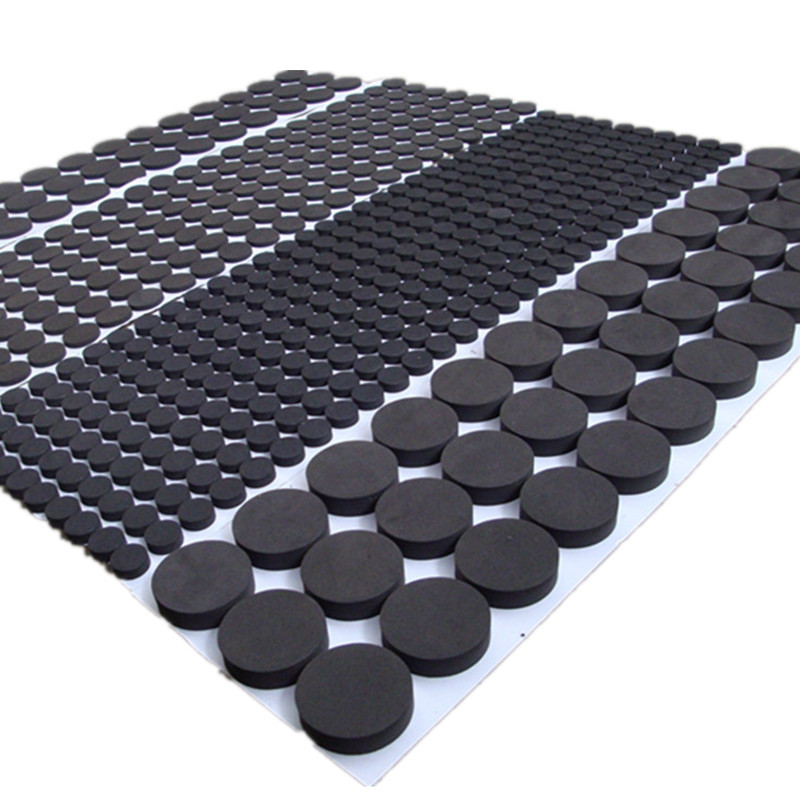
8. Stamping: The product is stamped into a batch shape using a set stamping die according to specified specifications. Generally, half-cutting is performed during stamping. In half-cutting, there are dozens to hundreds of studs on the adhesive layer; the adhesive and double-sided tape are cut, while the release paper is not stamped through. This makes it easy for customers to operate and tear during use.
9. Selection: After the product has been properly stamped, some black spots may appear during the production process inside each rubber pad. These are defective items where the adhesive is not fully cured or have been misstamped. The defective items must be manually identified one by one, and then the good products are used to fill in the gaps. In this way, the finished transparent rubber pad is produced.
10. Packaging: General packaging involves using thick film to pack the finished transparent rubber pad in multiples of hundreds or thousands, and then placing it in boxes.
Product Adhesiveness:
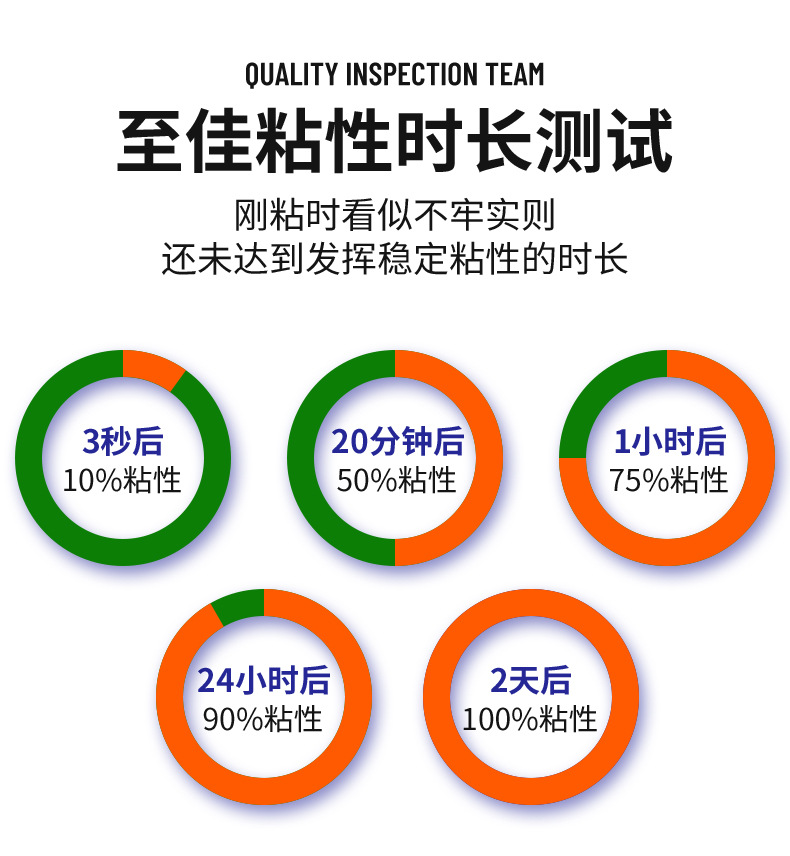
Can be bonded with double-sided tape from various brands such as 3M, Dayun, Sony, Da Nippon, Bi Ji Xiong, Zong Yan, De Sha, Nikka, Hitachi, and Zi Shui, and can also be manufactured according to specified double-sided tape requirements.
Product Performance:
High transparency Strong adhesion Resistance to aging Oil resistance Wear resistance
Product Uses:
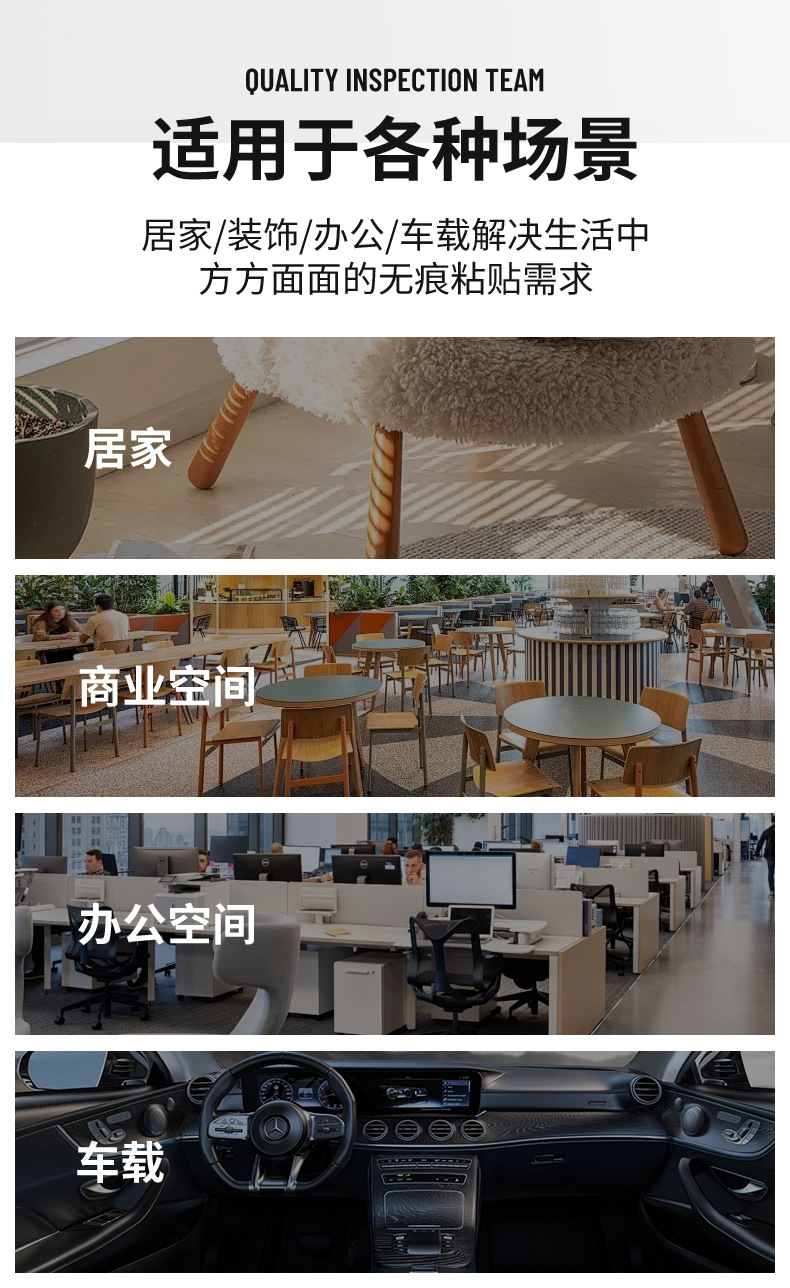
Electronics and appliances Metalware and plastics Glass crafts Ceramic crafts Solid wood furniture Kitchen cabinets and doors

1. Shipping Time: The company will arrange shipment within 3–5 days after the buyer confirms the order.
2. Product packaging: All products are packaged in safe containers, and the packaging can also be customized according to the buyer’s requirements, such as cardboard boxes.
3. Logistics Company: The shipping logistics are determined by the customer, with no restrictions. For details, please consult customer service.
4. Invoice: Our company supports issuing 17% VAT invoices or regular invoices.
5. Shipping: The shipping cost is borne by the buyer. For details, please contact customer service for negotiation.