Search history
Clear allSearch by image
XDrag and drop an image here or upload an image
Max 5MB per image
UploadSign In | Join

Search history
Clear allSearch by image
XDrag and drop an image here or upload an image
Max 5MB per image
UploadSign In | Join
X Email Mobile
| Number | Unit-price | Total | |||
| I want to buy: | × | 28.0 | = | 0 |


A new item has been added to your Shopping Cart. You now have items in your Shopping Cart.
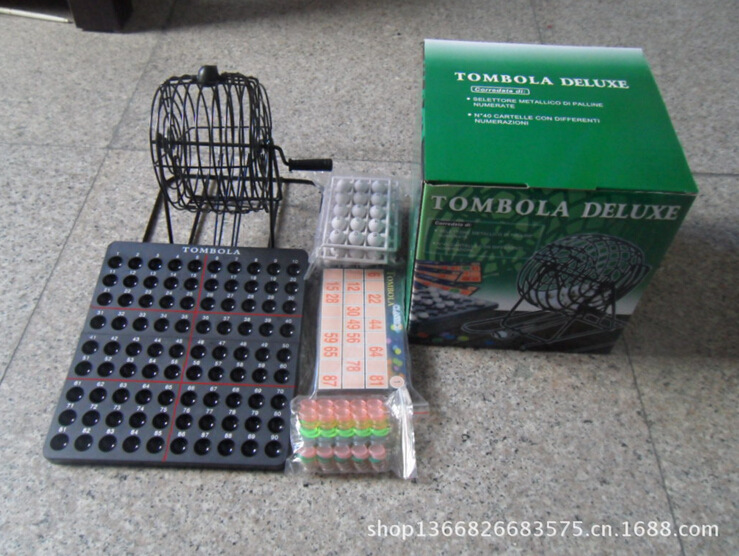

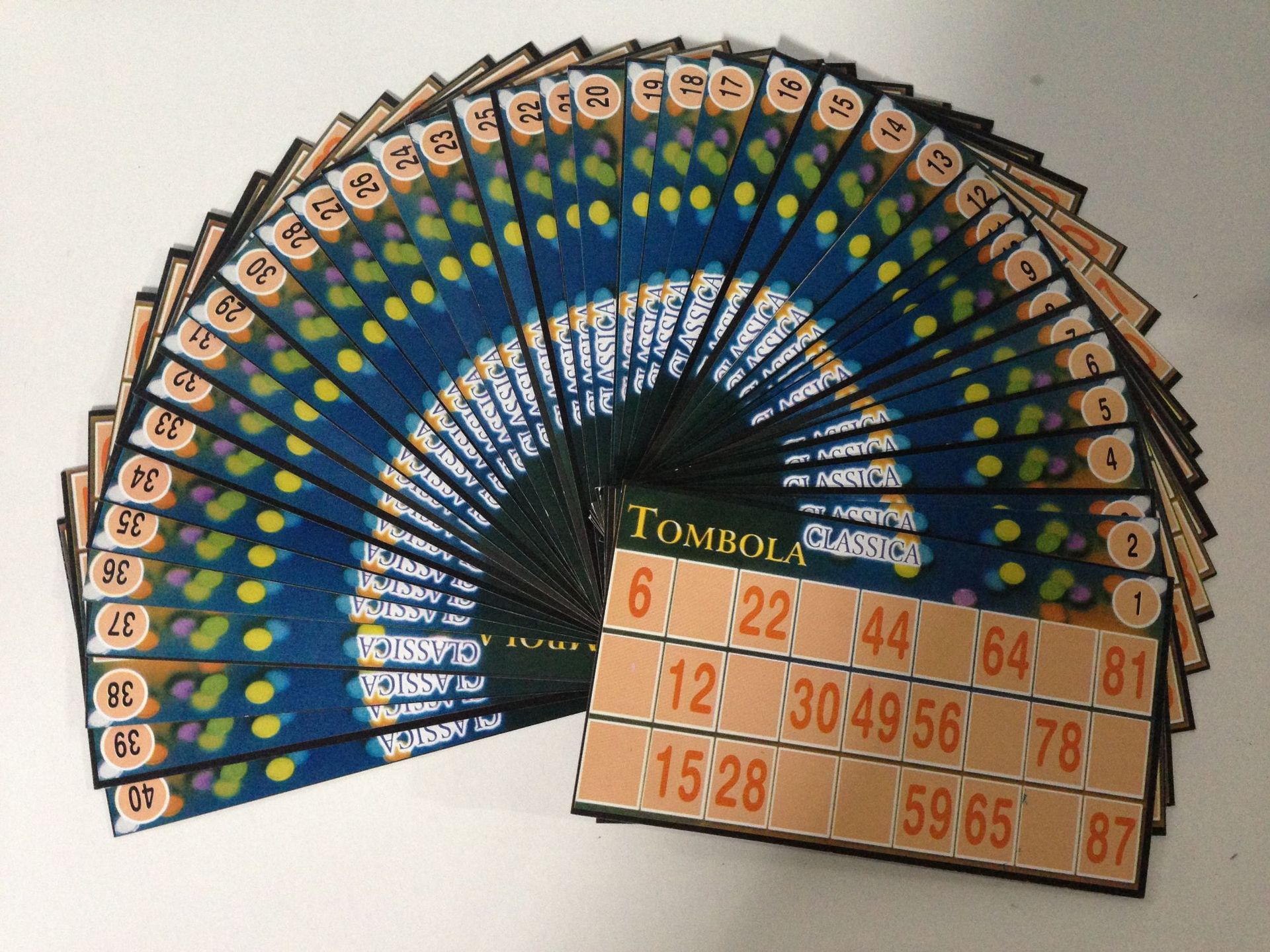
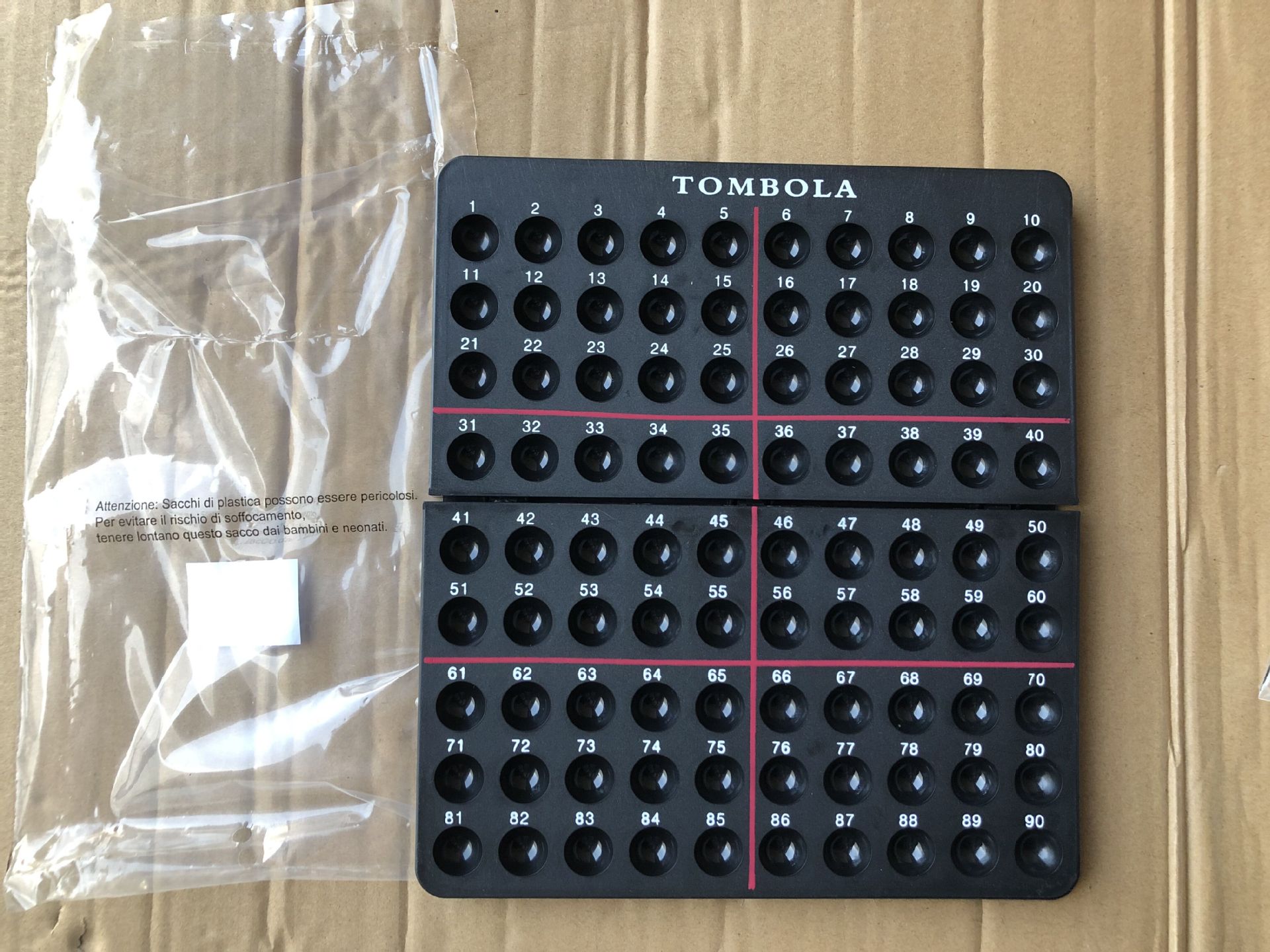
Game Rules Explanation
BINGO's English meaning is 'guessed correctly'. The rules and prize-giving methods vary from place to place. Typically, the Bingo cards used are 5x5, which means 5 rows and 5 columns, corresponding to the letters B-I-N-G-O. In the United States, Bingo numbers are randomly drawn within 75, while in the UK and Australia, they are within 90. Usually, there are professionals calling out the numbers, just like auctioneers at an auction. Typically, you choose the number for B when it's between 1-15, I when it's between 16-30, N when it's between 31-45, G when it's between 46-60, and O when it's between 61-75. Players must quickly find these numbers on their cards and make a mark. As soon as any player marks the BINGO pattern, the round of the game is over, and the next round begins.
The style of winning can be varied, BINGO can be vertical, horizontal, or diagonal distribution.
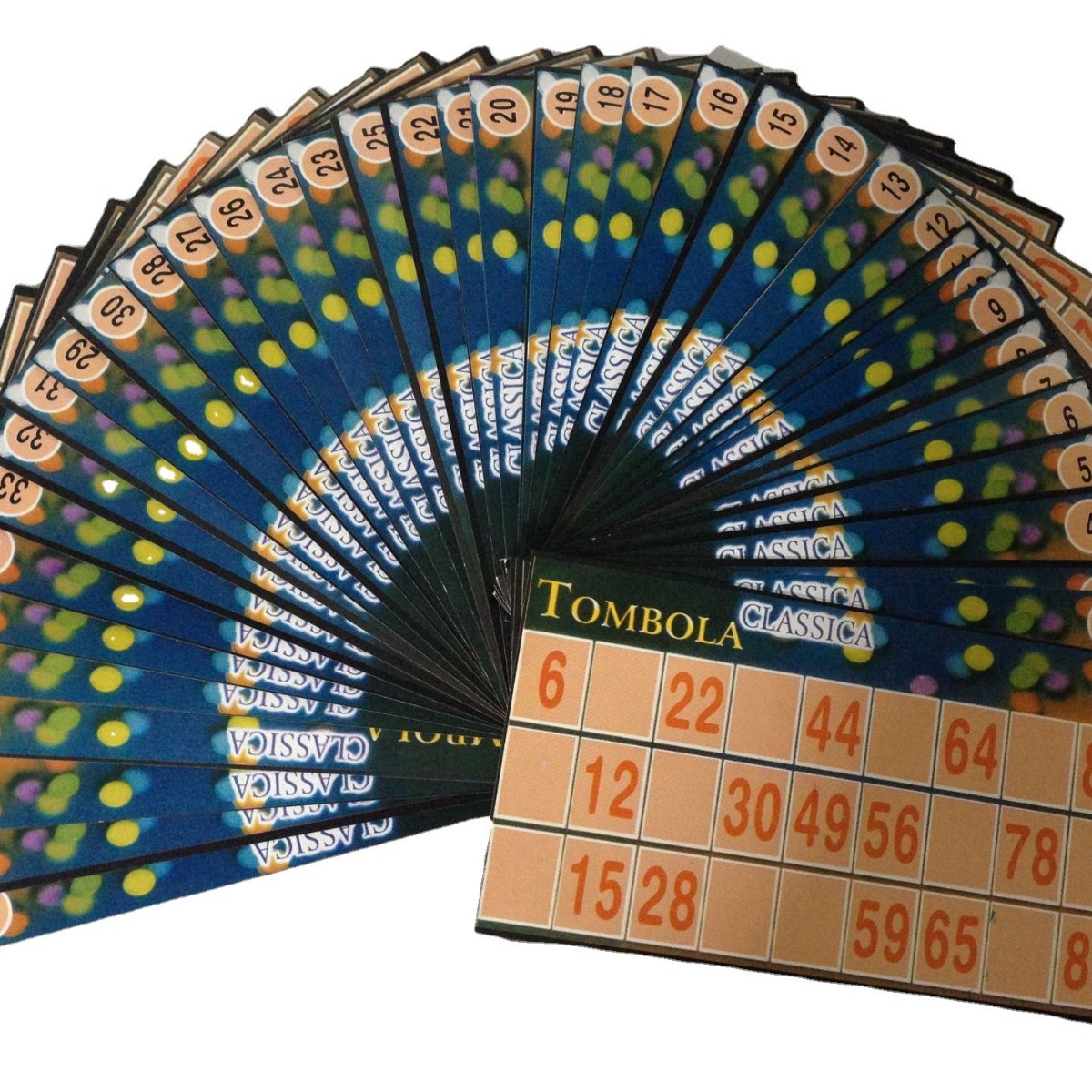
A 5x5 card has 24 numbers plus a blank space, and the distribution of numbers on each card is random. Generally, there are thousands of cards available for players to choose from. Some manufacturers print 6,000 different cards, while others can provide 9,000 different cards. In different rounds of the game, the numbers printed on cards with the same number can be the same, for example, the 1252 card has the same numbers in the same position. In other words, because the numbers called out will be different each time, cards with the same number may not win in the first game, but they may win in the next game.
Update time:


TOP