
Search history
Clear allSearch by image
XDrag and drop an image here or upload an image
Max 5MB per image
UploadSign In | Join

Search history
Clear allSearch by image
XDrag and drop an image here or upload an image
Max 5MB per image
UploadSign In | Join
|
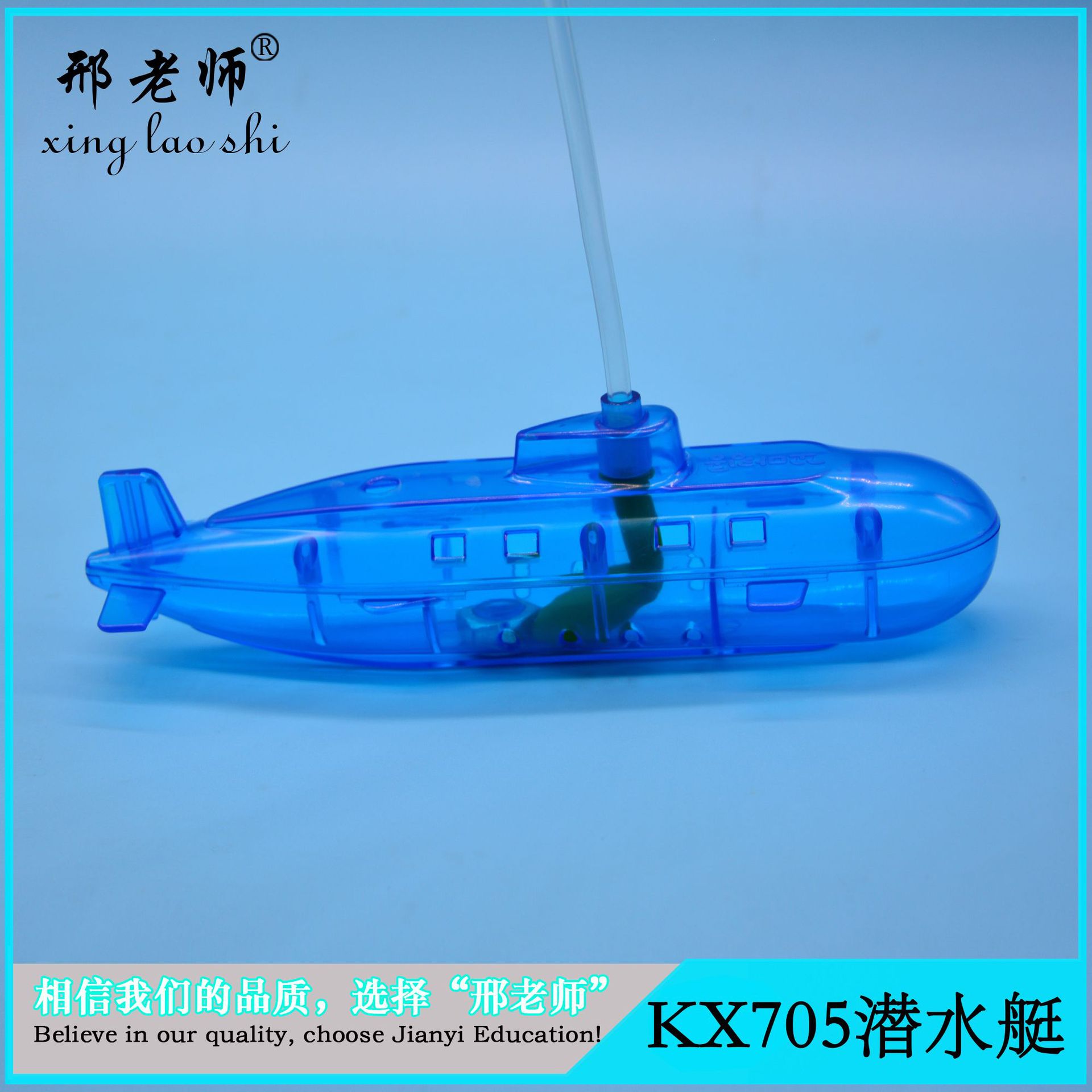
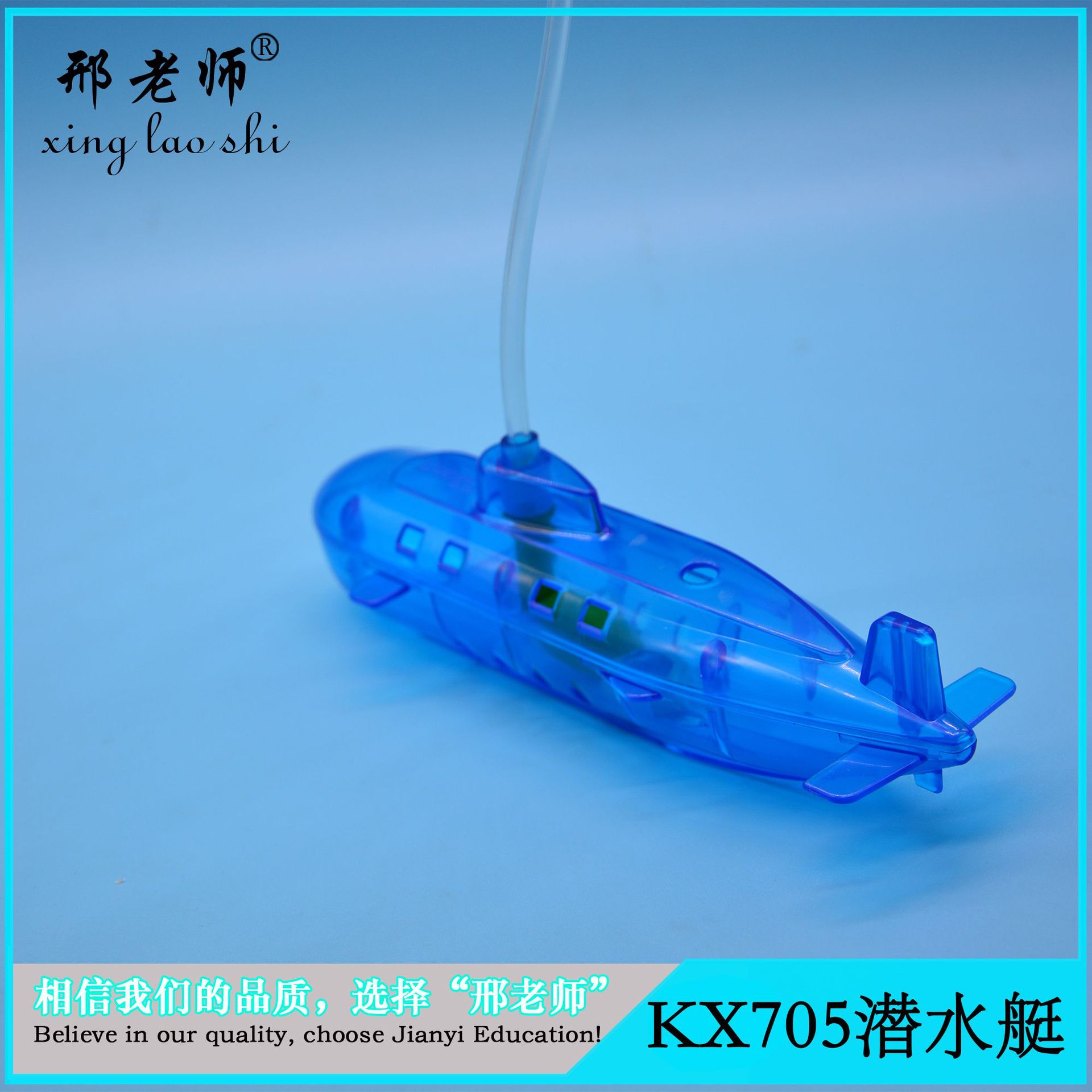
kx705 simulation submarine
KX705仿真潜水艇 |
CN¥ 0.0 |
For bulk custom orders from the factory, please contact: 1 5858 9 4 0 8 6
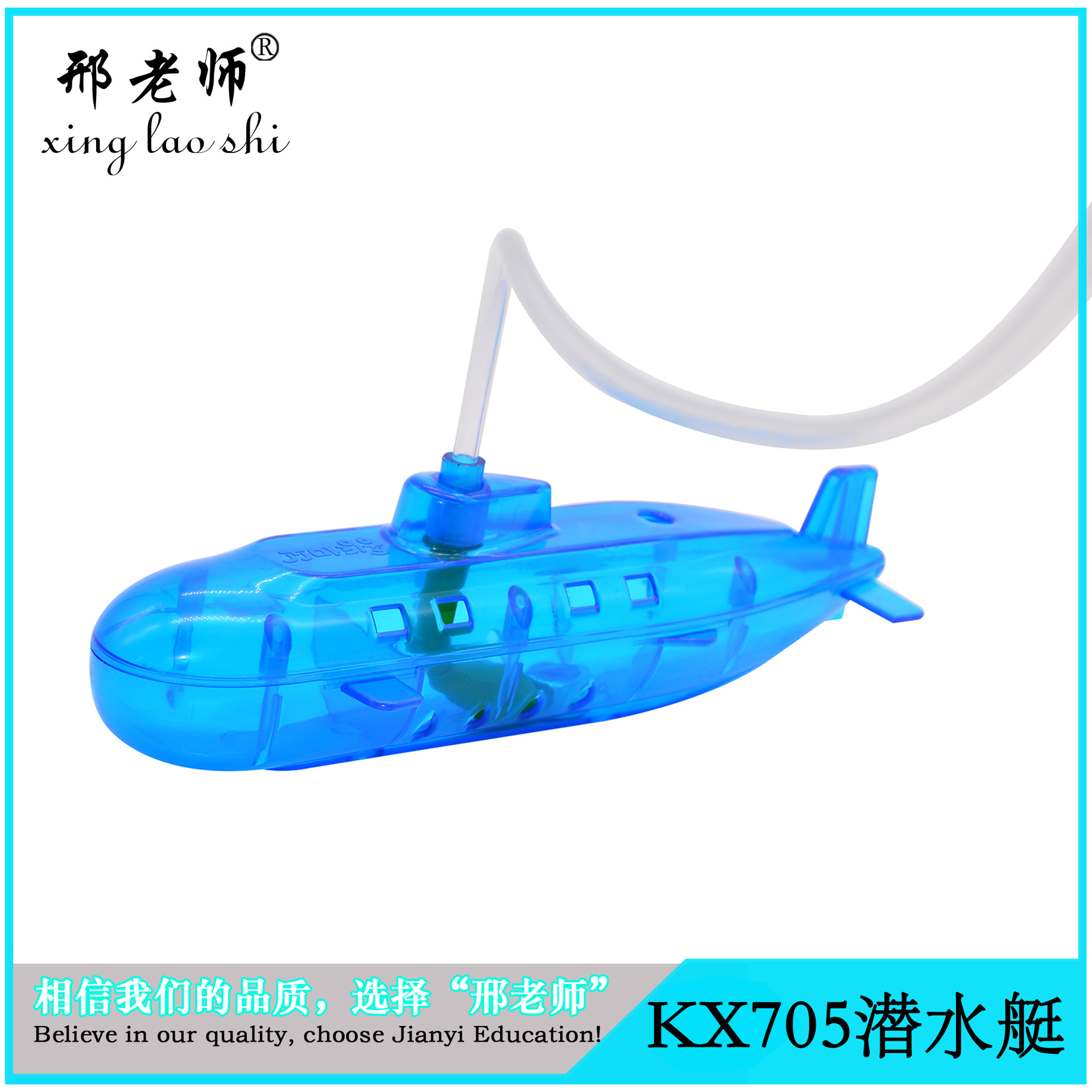
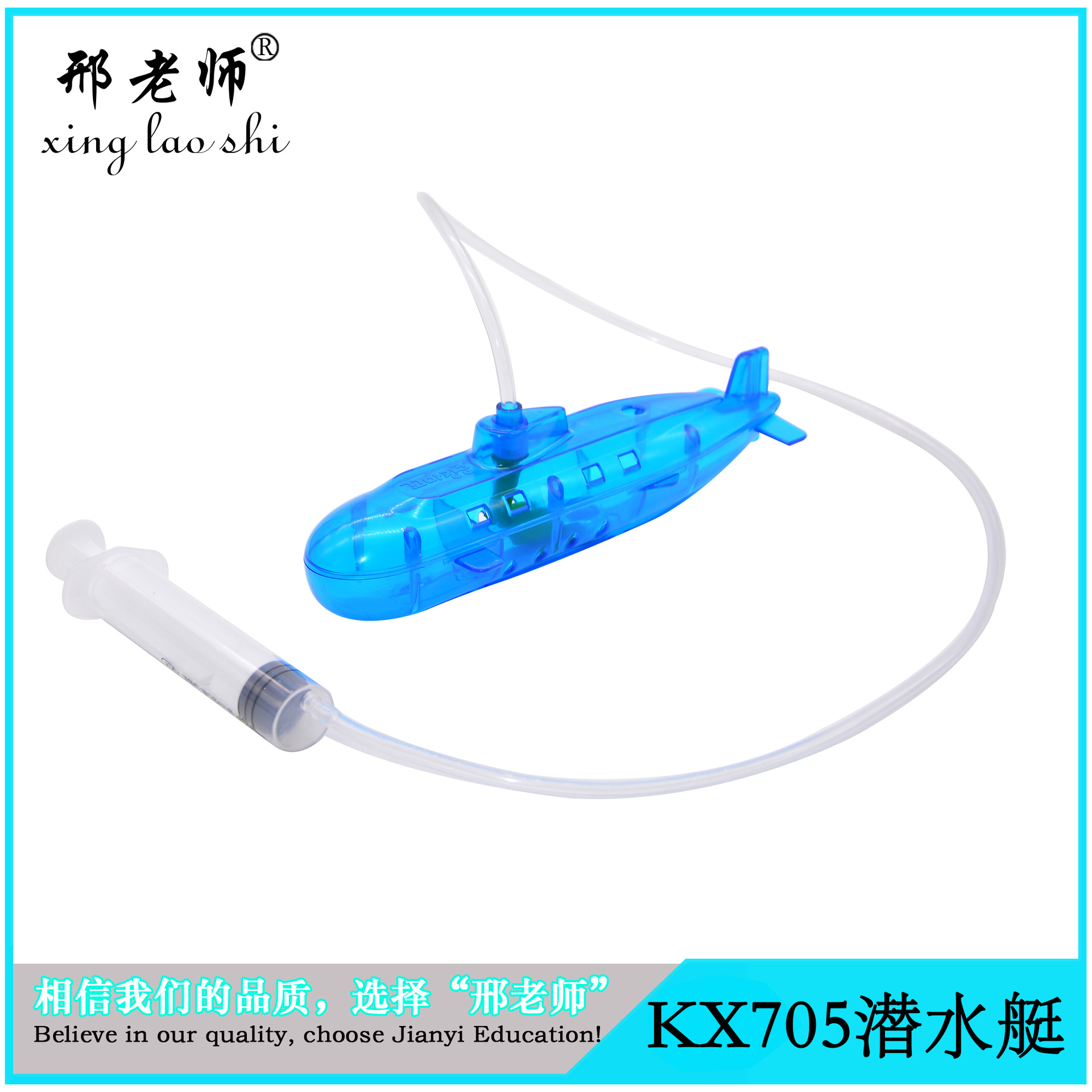


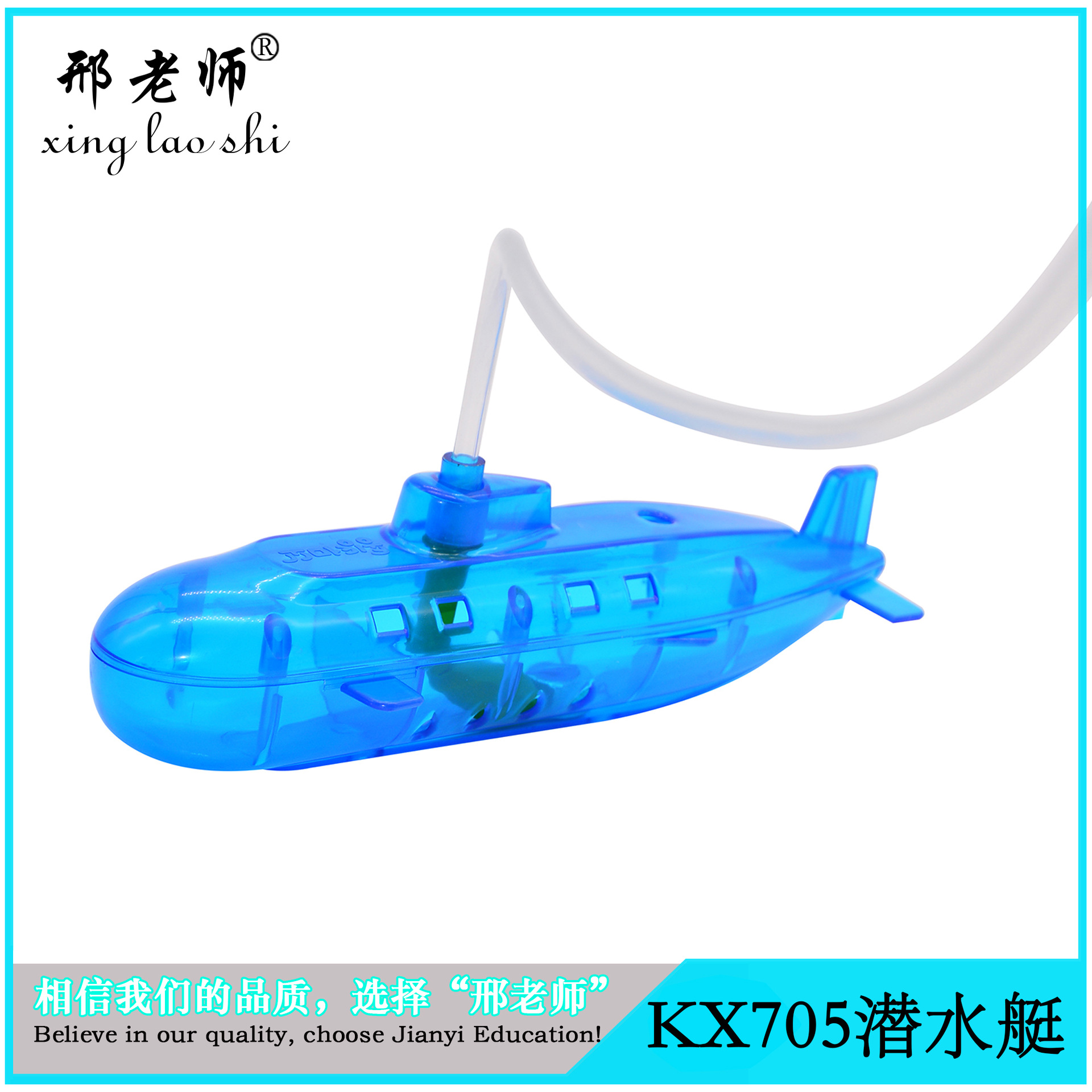
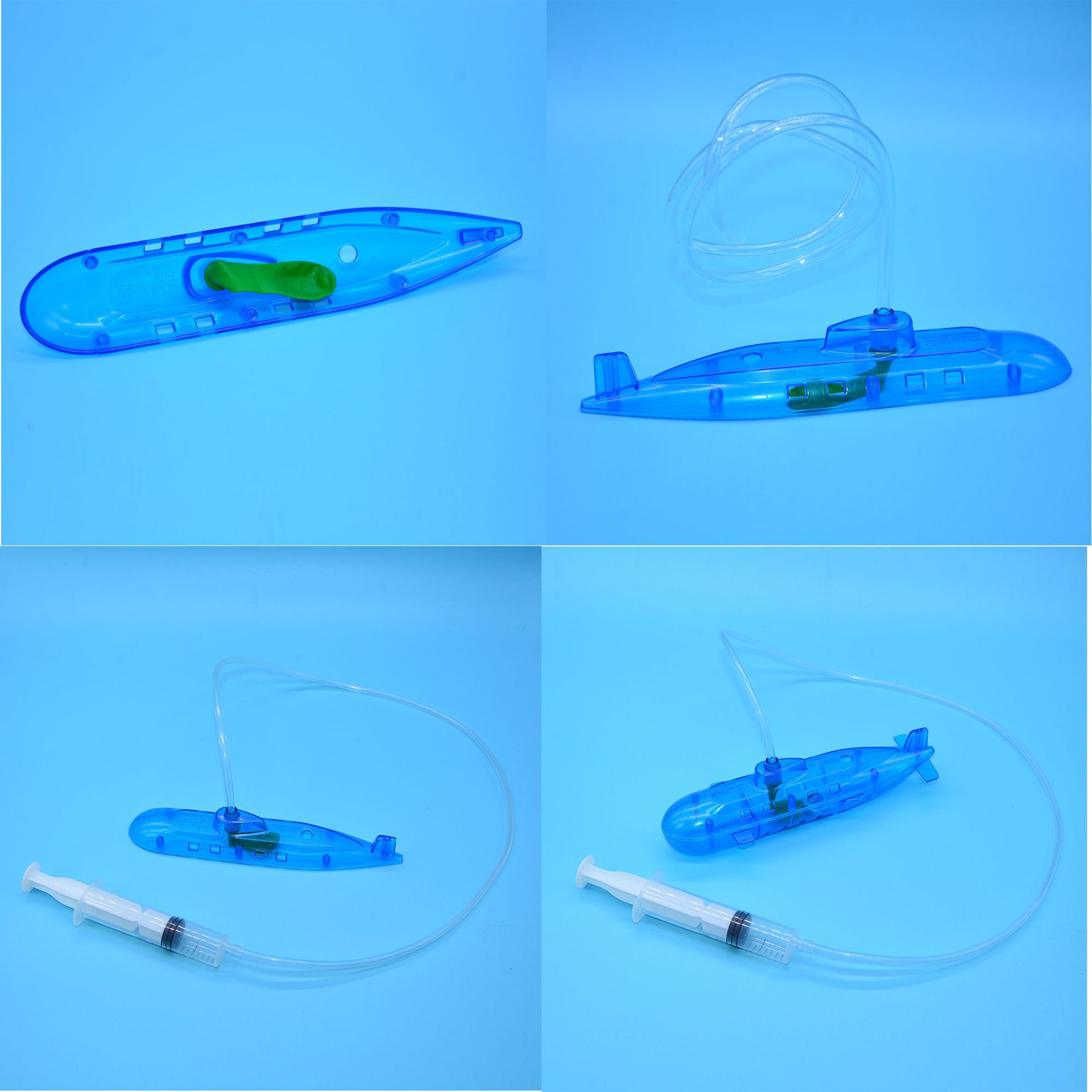
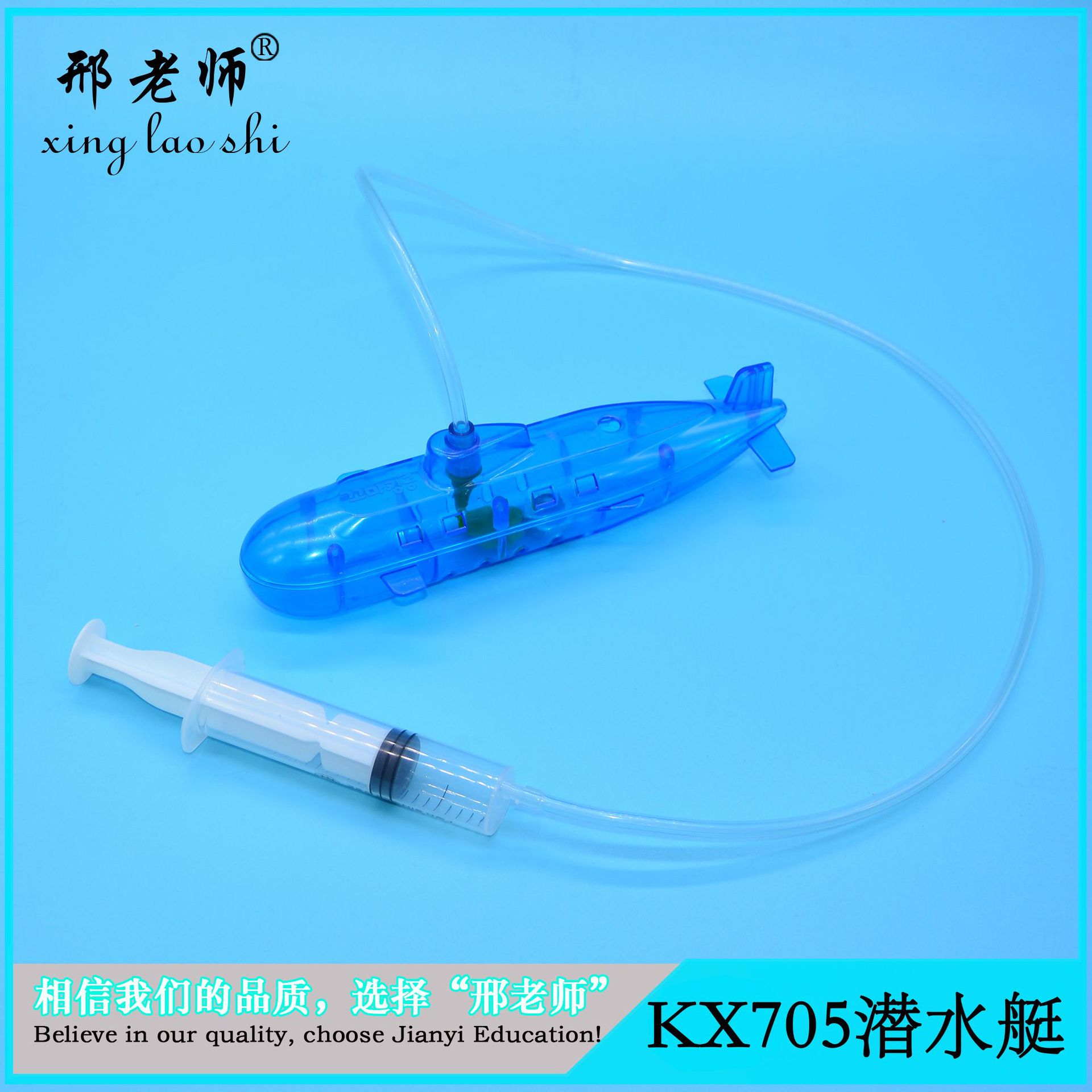
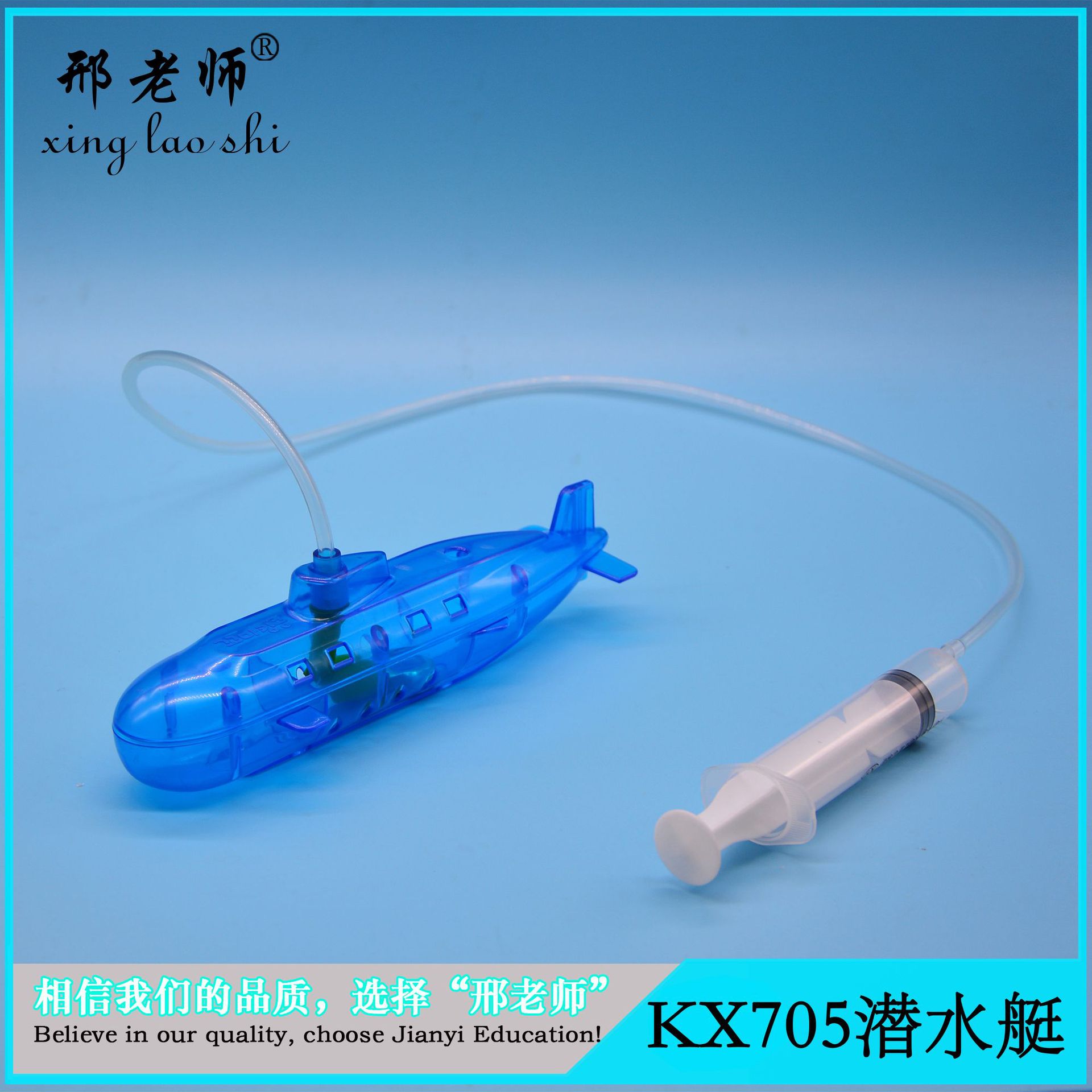
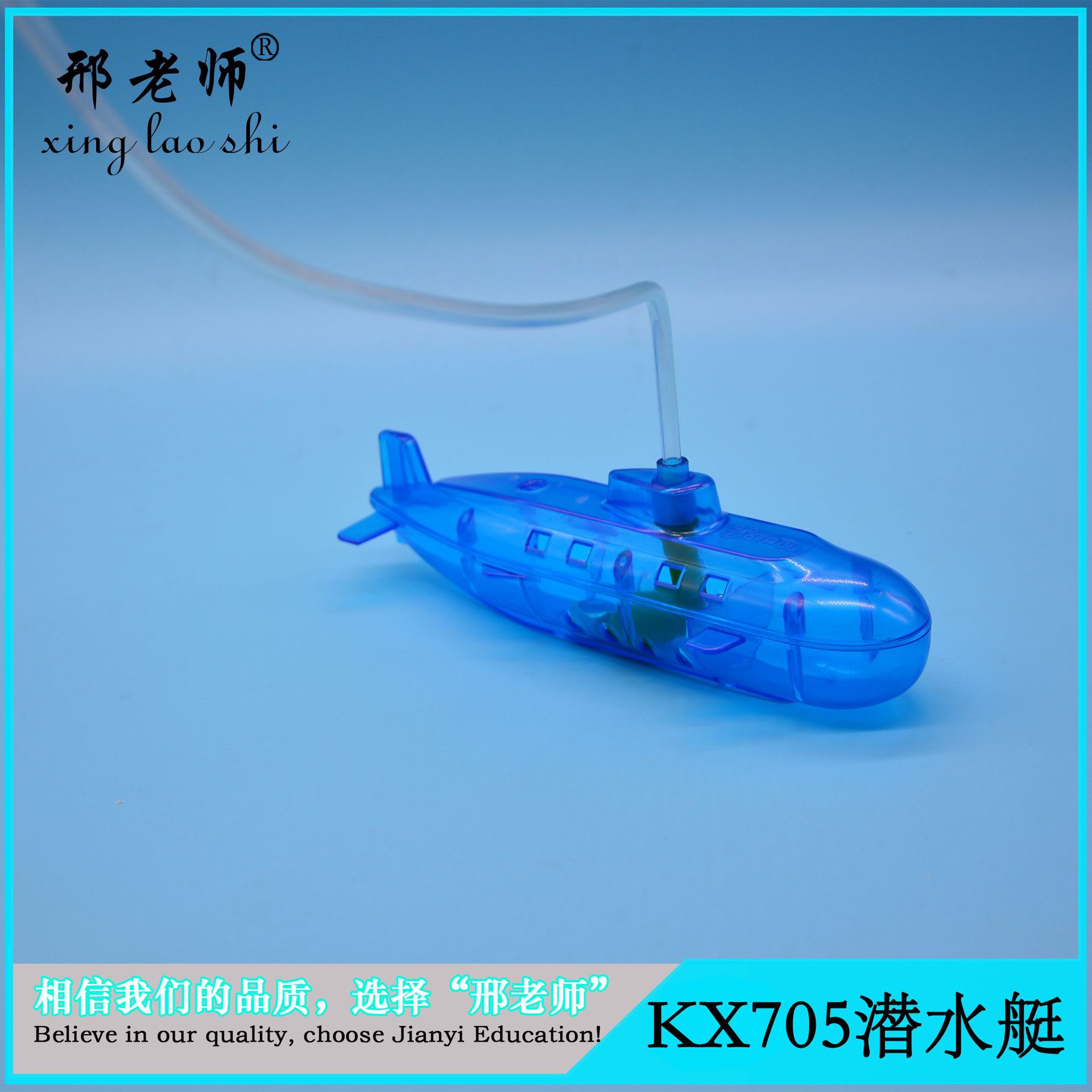
Product Name: KX705 Submarine
Model Number: KX705
Size: Submarine: 200*65*60 mm; Tube length: 700 mm; 20 ml syringe
Weight: Approximately 100g
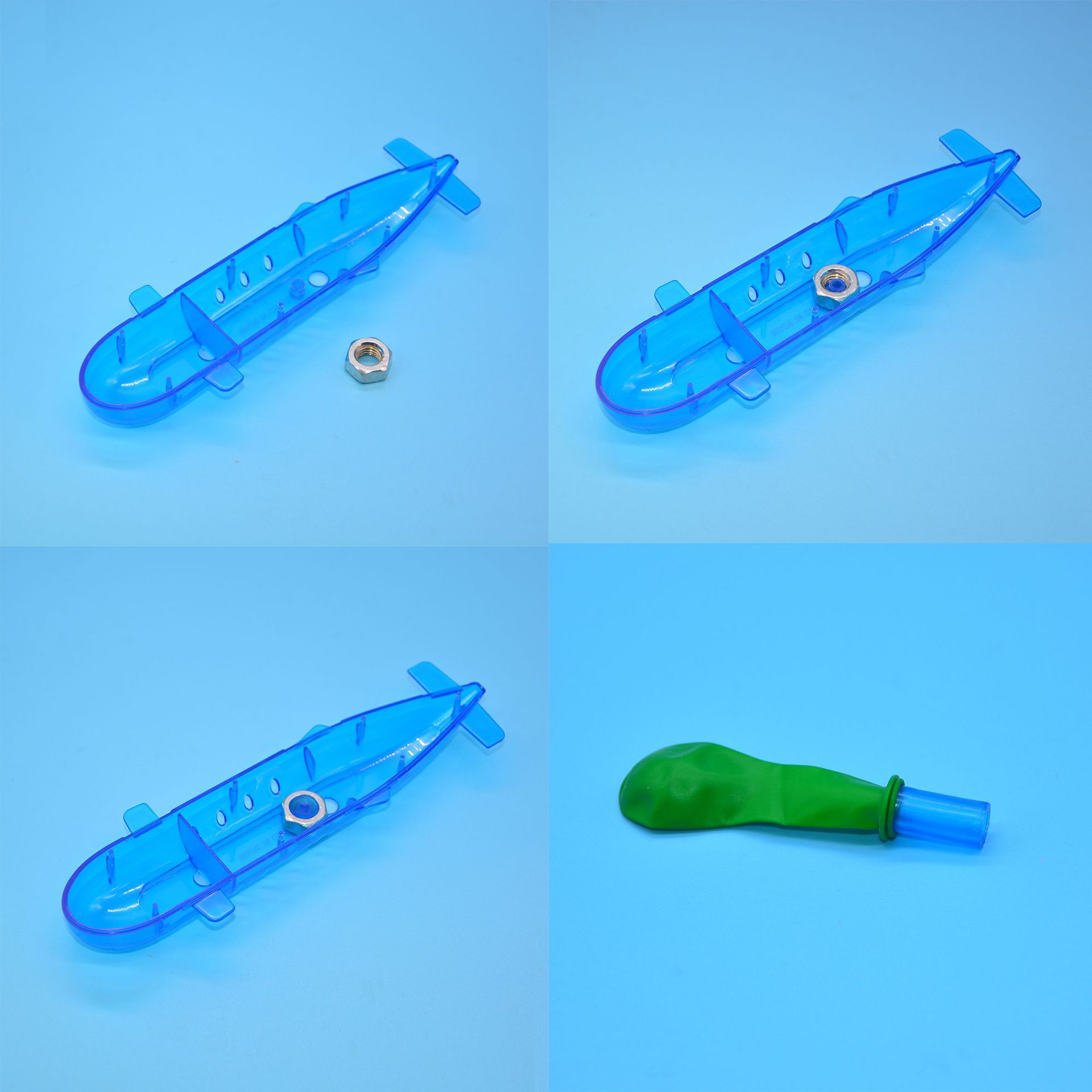
Material: plastic + hose + syringe + balloon + nut....
Color: Blue
Battery usage: No
Packaging: 200 pcs
Box dimensions: 600*450*550mm
Submarines, also known as submarines or diving ships, are vessels that can operate under water. Submarines are recognized as strategic weapons; they can move with flexibility underwater to attack enemy surface ships and other submarines, as well as target important military targets on land. When necessary, they can also be used for laying mines, reconnaissance, transporting troops and essential military supplies. Submarines possess excellent concealment and surprise attack capabilities, allowing them to travel continuously for long distances for extended periods. There are various types of submarines, ranging from small fully automated civilian diving detectors operated by one or two people for several hours to large Russian Typhoon-class nuclear submarines capable of carrying hundreds of people and operating continuously for 3–6 months. Based on size, they can be classified as large, medium, or small, or as underwater automatic mechanical devices. In this section of the experiment, let's explore together the mysteries of a submarine's sinking and floating!
Self-made submarine: An interesting float and sink effect

Activity Objectives
1. Understand the floating and sinking phenomena of objects, and classify items that float and those that sink.
2. Use various methods to float items submerged in water and sink items on the surface of water. Learn to record data in a table and express the results of the operations in complete language.
3. Be able to patiently and focusedly conduct experiments, not fear failure, and experience the joy of using buoyancy and sinking phenomena to solve real-life problems.



Event Preparation
1. Submarine material kit, experimental basin.
2. Make one copy of the record sheet and one pen for each person
Basic Process
1. Introduction: Starting the discussion with, “What phenomena do you think will occur when a submarine is placed in water?”
2. Why does it float up? Why does it sink down? Explain the processes of sinking and floating.
3. What other things have you noticed floating on the water surface in daily life? And which ones sink in the water?
3. The teacher shows various items used in the experiment one by one. The children observe, touch, and feel these items to understand their properties, and then discuss ways to make items that sink in water float and methods to make items that float on water sink.
(2) Children engage in group discussions and attempt to explore various methods (the teacher helps the children resolve issues encountered during the activities).
(3) Individual interactions: Encourage young children to speak boldly and demonstrate their methods
How to make submerged items float up
How to make floating objects sink
Summary: By changing the shape, weight of an object, or using other objects, items submerged in water can float, and those on the surface can sink.
4. Utilize the experience of luck and uncertainty to solve practical problems in life
"What should we do if the ball falls into the hole and can’t be retrieved?"
Extension
Children should go home and discuss with their parents: What other practical problems can be solved using the floating and sinking phenomenon in daily life?
Update time:


TOP


