Search history
Clear allSearch by image
XDrag and drop an image here or upload an image
Max 5MB per image
UploadSign In | Join

Search history
Clear allSearch by image
XDrag and drop an image here or upload an image
Max 5MB per image
UploadSign In | Join
X Email Mobile
Price Negotiable


A new item has been added to your Shopping Cart. You now have items in your Shopping Cart.
Packaging information
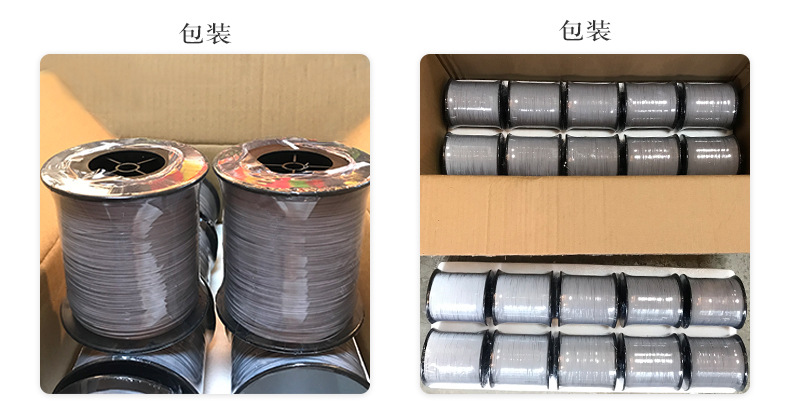
CTN Size: 60 × 40 × 30 cm
G.W./CTN:30 kg
QTY/CTN:5000 rice/carton

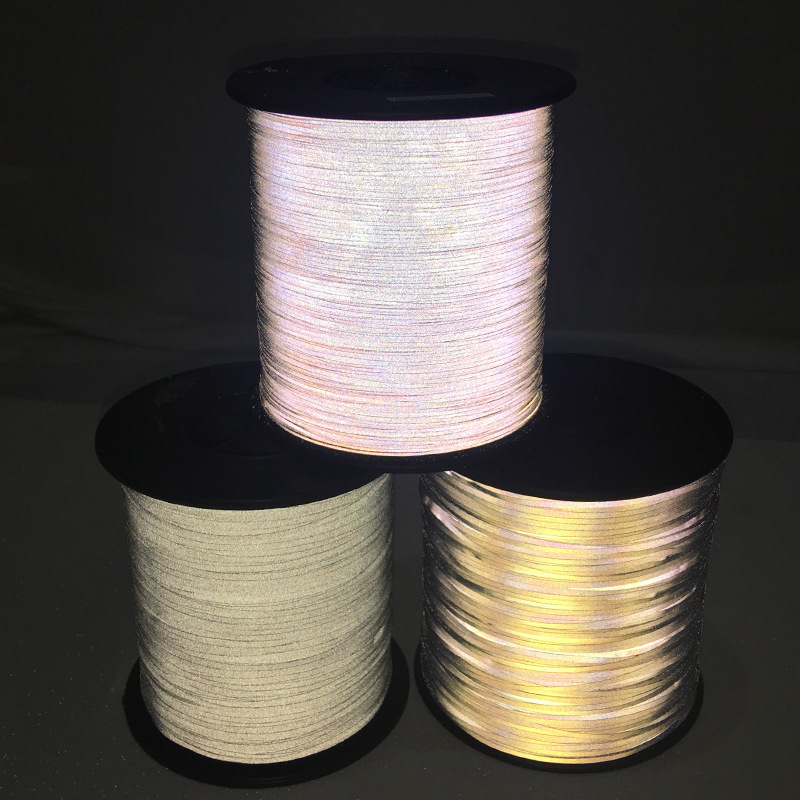
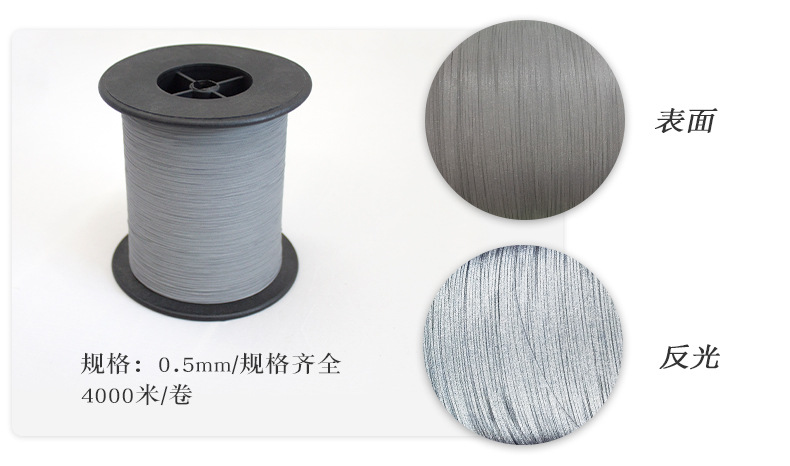
| Product Name | Double-sided reflective slicing film |
| Color | Gray |
| Kibbutz | Reflective PET film |
| Specification | ≥0.5mm, customizable |
| anti-glare brightness | R> 250cd/(lx.m2) |
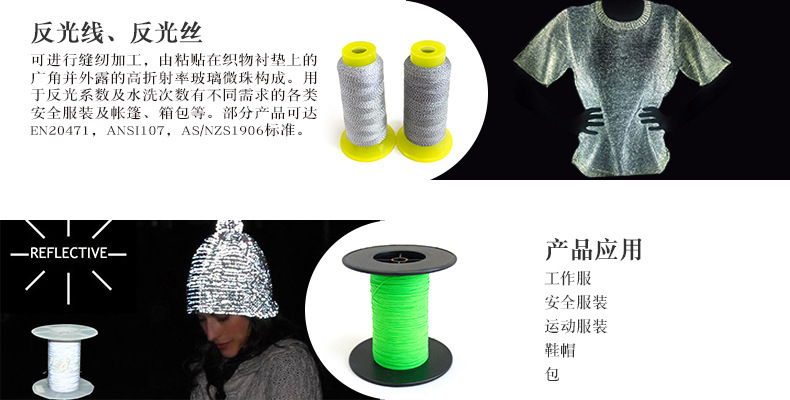
| Product Usage | Can be woven into the fabric, used in bags, shoes, hats, toys, or directly woven into the yarn. |
For more models, please consult customer service.




1.What is the difference between reflective slicing film and reflective slicing cloth?
Reflective slicing film and slicing cloth have different bases, which are PET film and chemical fiber cloth. The former is suitable for woven products with low requirements for durability, and the price is lower than the latter.
Economical. The latter has better durability, but it costs slightly more.
2. How fine can the reflective thread be cut to?
Our company's thinnest reflective thread can be precise to 0.5mm. For specific information, please consult our customer service.
3. How does the company's internal quality inspection process work? How does it ensure that the quality of the products meets the standards for release?
Reflective fabric products undergo strict quality control in the raw material selection, coating, slitting, winding, storage, and shipment processes, with a total of six quality checks. Additionally, internal testing data is carefully recorded and managed.
Keep samples for future reference. Ensure that each batch of products delivered to guests is qualified.
How does the internal control standards of the factory compare to the testing standards of the testing agency?
We will regularly send samples to SGS for testing product brightness and washability, ensuring that the factory's internal control standards and instrument measurement results are similar to or higher than those of the SGS testing standards.
5. What is the principle of reflection?
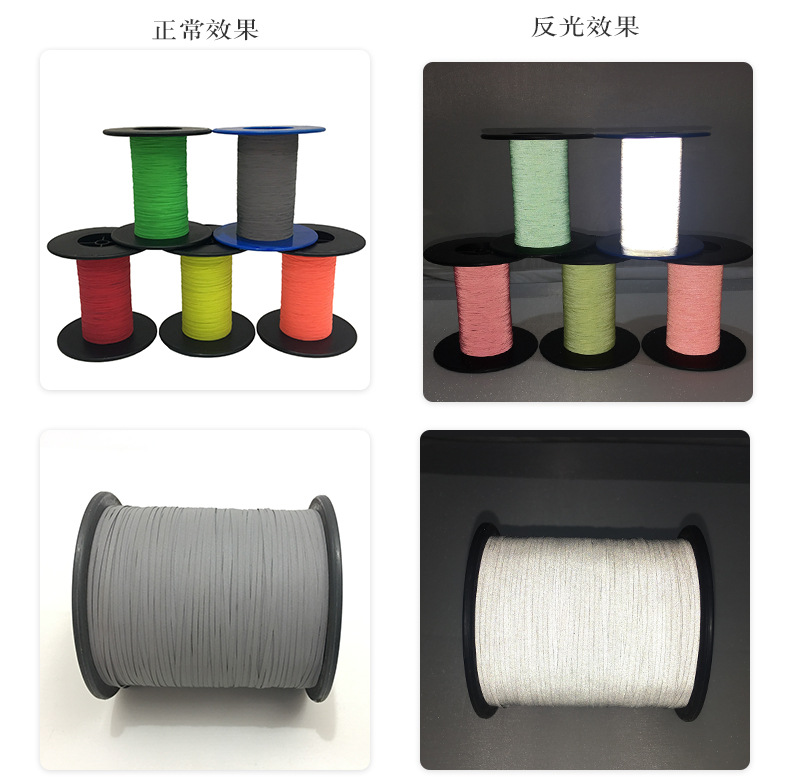
Reflective materials, also known as retro-reflective materials, contain thousands of high-refractive glass microspheres per square centimeter. These microspheres can reflect light back to the source along the original path.
Thus, observers near the light source can clearly see the target. Research has found that bright silver reflective fabric can be detected by motorists up to 300 meters away.
Reflective fabric with a water resistance rating of more than25What are the detection standards?
According to the requirements of the International Wash Standard ISO 6330, after washing the reflective fabric 25 times at a water temperature of 60°C, the brightness of the 5°12′ reflective fabric measured is greater than 100 (cd/lx.m2)。
Can different base fabrics, brightness, or color requirements for reflective fabric be customized?
Yes, the factory can produce a sample based on the customer's specific requirements for the base fabric, brightness, and color, and then produce the bulk order. Please consult the customer service for more details.
8. What are the categories of reflective fabric usually?
Reflective fabric can be generally classified into synthetic fibers, TC (polyester-cotton blend), flame-retardant, or elastic reflective fabric, depending on the base fabric. Further, they can be divided into standard brightness and high brightness, as well as different colors.
Or bright silver reflective fabric.
9. What are the international standards for reflective fabric Ou? What are the specific requirements?
Reflective fabric is labeled as EN ISO 20471:2013, and the American standard is ANSI/ISEA 107:2015. The detection needs to meet the brightness requirements at 16 angles.
Among them, the brightness of 5°12′ is greater than 330 (cd/lx.m2"))。Washing more than 25 times, and through a series of friction, bending, low-temperature folding, temperature difference, rain, etc.
Exposure test.
10. Is reflective fabric environmentally friendly and safe? What are the standards?
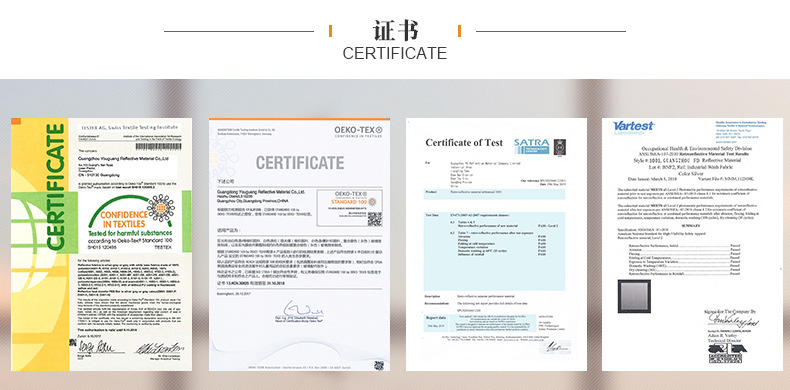
Our company's reflective fabric products have passed the international textile green environmental protection standard Oeko-Tex 100 certification, and we regularly update the certificate annually to ensure the safety and environmental protection of the products.
Update time:


TOP