We are actively seeking wholesalers and distribution partners from all over the country to create great success together!
With years of production experience, a wide range of styles, high quality at affordable prices, excellent service, direct sales from the manufacturer!
Contact: 1 350 6 9 9 2 4 7, same number on WeChat, QQ: 8 1 2 3 2 9 8 5 2

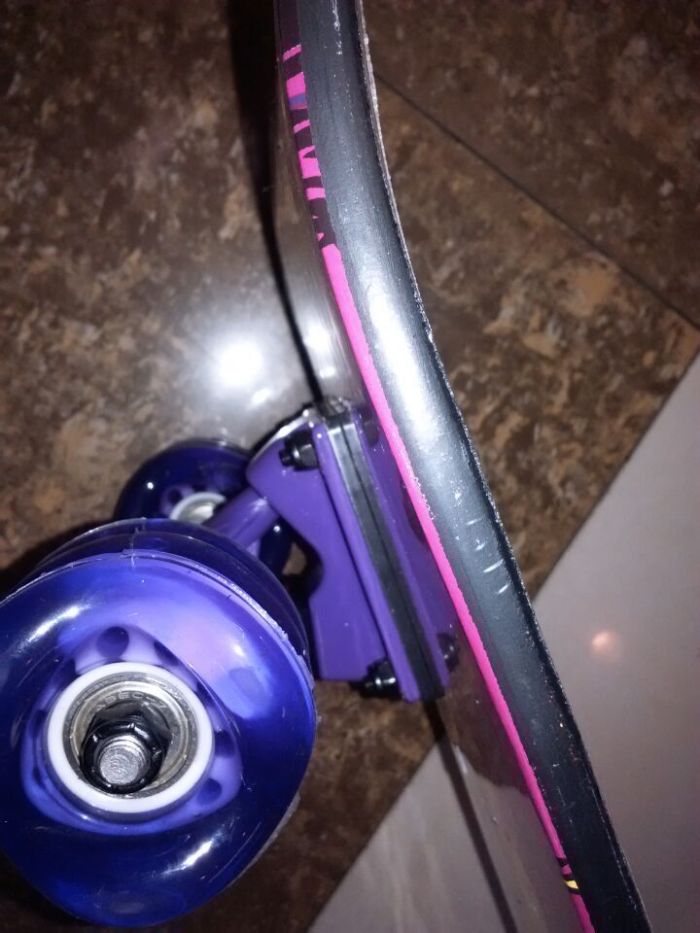
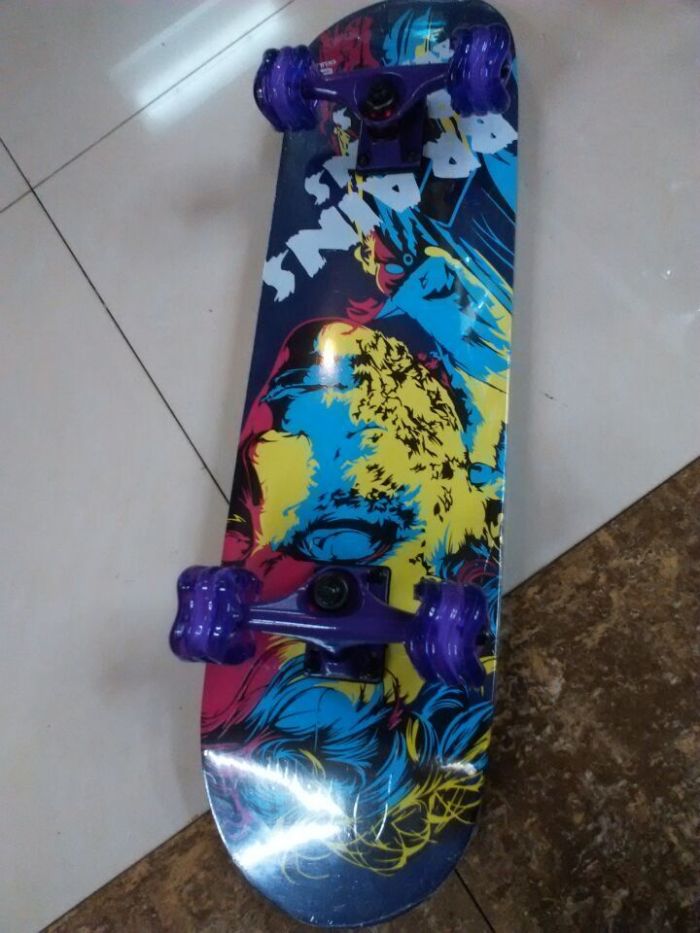

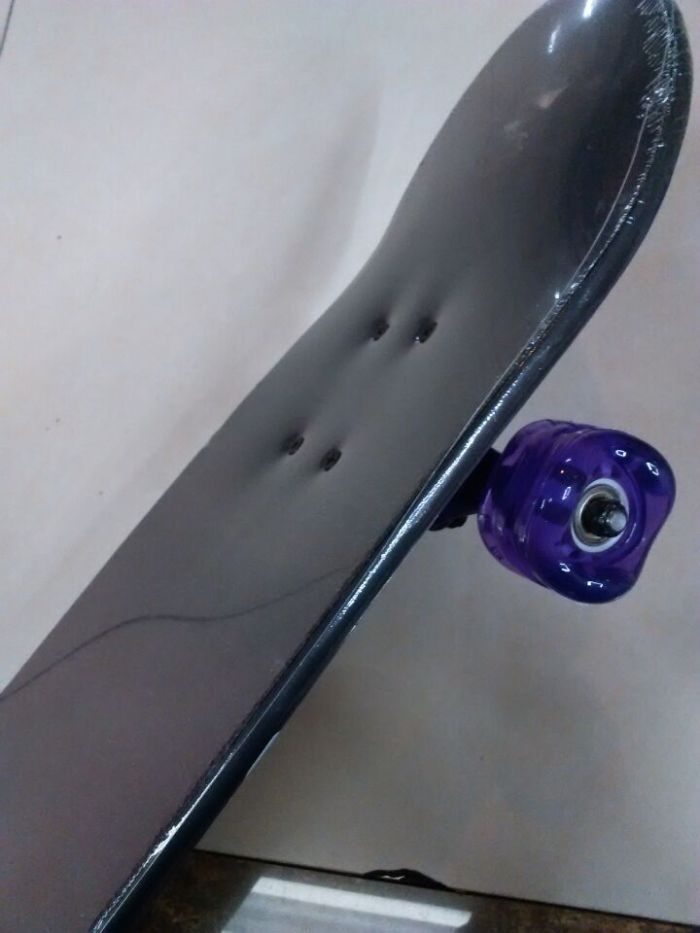
The Dual Flip Skateboard is highly flexibleSkateboard, although it also followsSingle-crowfoot skateboardSeparate the start and end, but whether you slide backwards or forwards, there’s no difference; it’s convenient to switch the start and end at any time.
On the other side of the Pacific in the late 1850s, those who were skilled at invention and creativityEdisonThe descendants carry forward the ancient traditionsShanghaiPeople's fantasies have more or less turned into reality. In the early 1950s, the West Coast of the United States was a place where surfers tested their skills. They used surfboards made of ordinary wood and expensive softwood to enjoy the thrill of riding the waves at the peak of the tide. By the mid-1950s, molded polyurethane foam and glass fibers replaced wooden surfboards. The mobility and durability of these new types of surfboards made surfing very popular in the late 1950s.
In the early 1990s, skateboarding entered a period of decline. As it was at a time of transition for skateboards, the design shifted from one end to both ends, leading to many moves that were impossible in previous generations. This era marked the time of technical tricks in skateboarding. Skaters invented numerous new maneuvers. Additionally, to make skateboarding easier to flip, the deck became much narrower and the wheels smaller. A typical skateboard during this period had a width of only 7 inches, with wheels around 39 mm in diameter. While such skateboards made it easier to perform complex moves, the smaller wheels reduced their sliding performance.