Search history
Clear allSearch by image
XDrag and drop an image here or upload an image
Max 5MB per image
UploadSign In | Join

Search history
Clear allSearch by image
XDrag and drop an image here or upload an image
Max 5MB per image
UploadSign In | Join
|
image
图片 |
CN¥ 0.0 |
Yiwu Confidence Umbrella Factory 15yr.
Contacts Jin Fangming Chat
Mobile 13064657696
xinxinumbrella

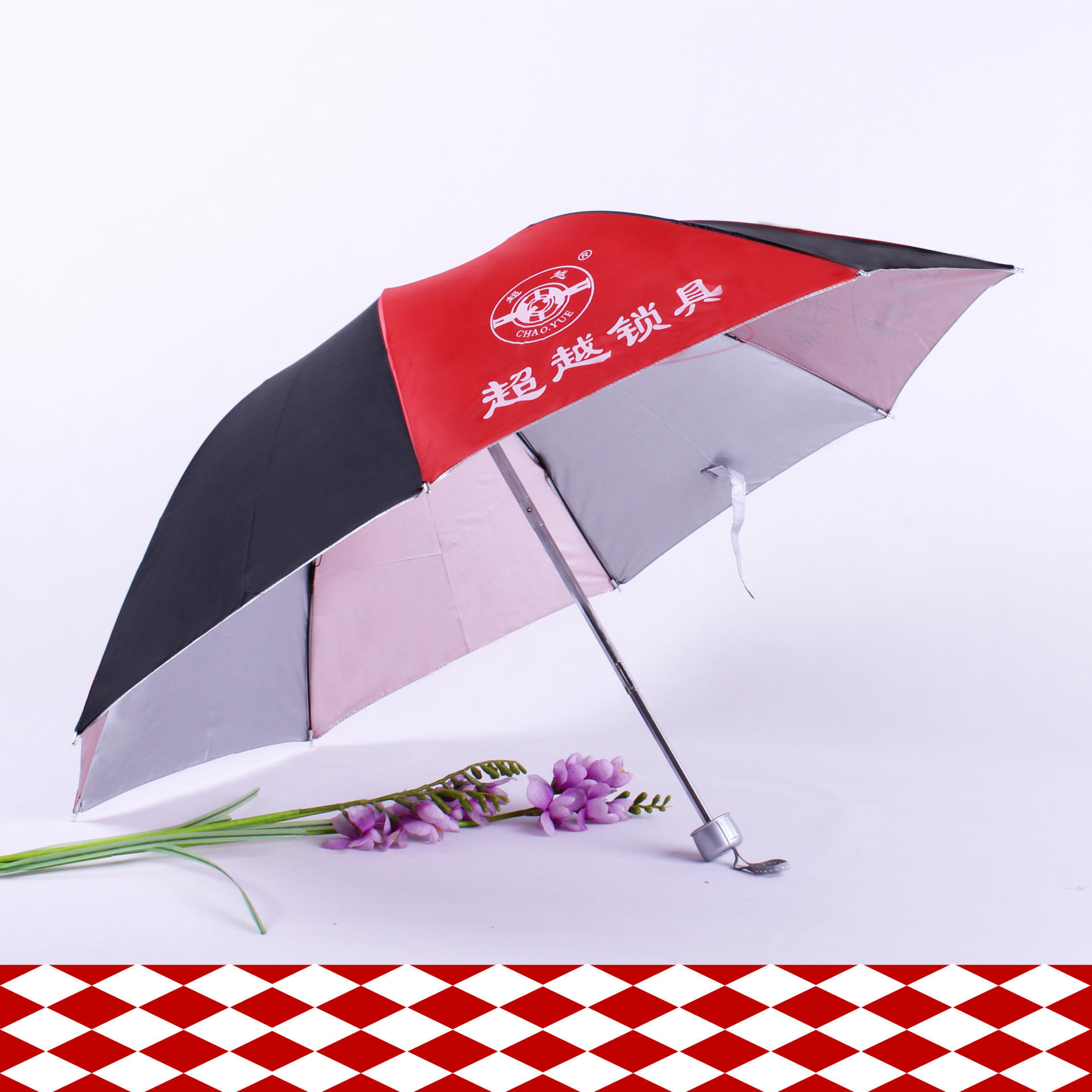
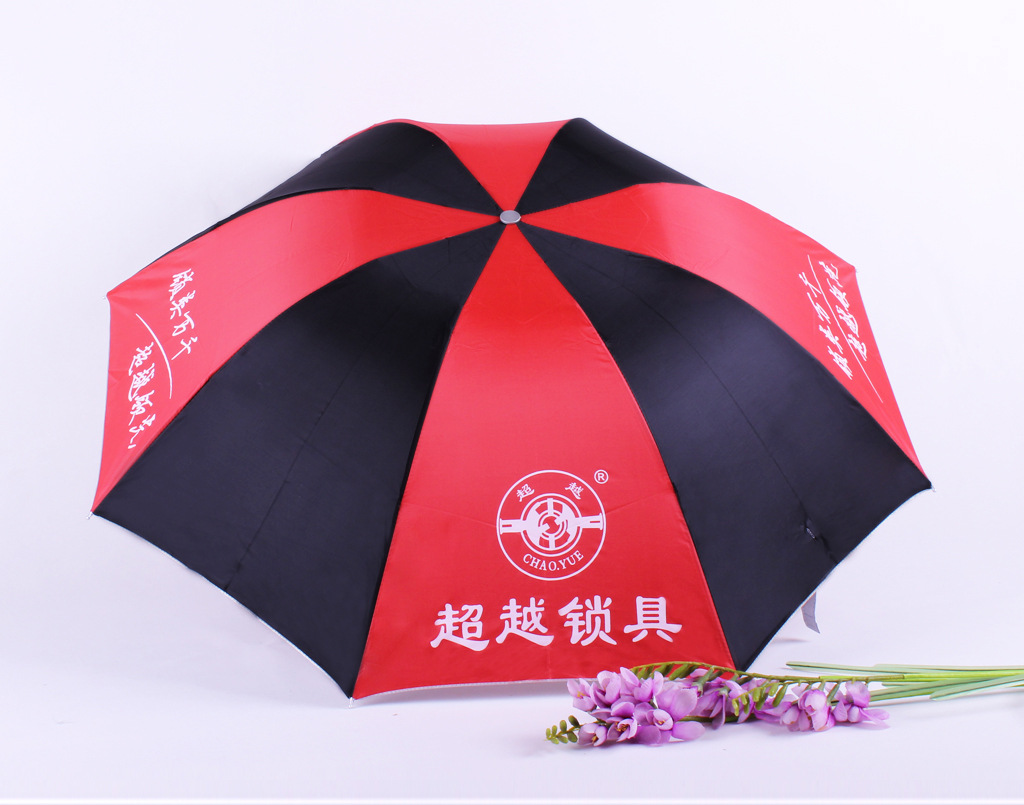
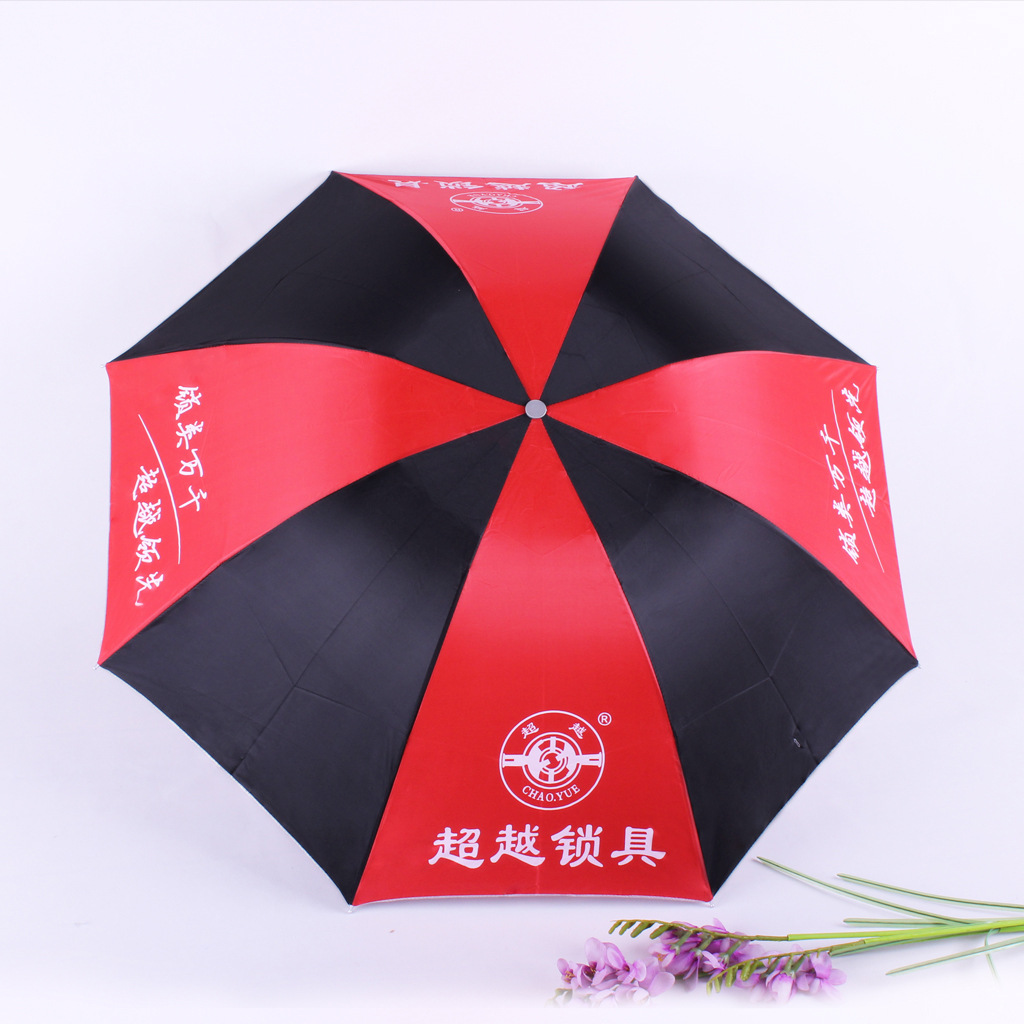
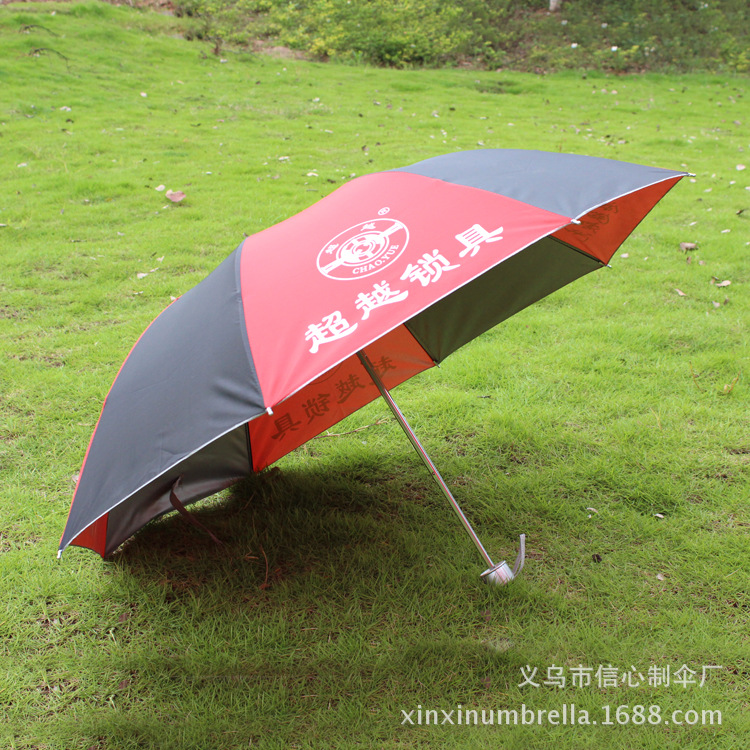
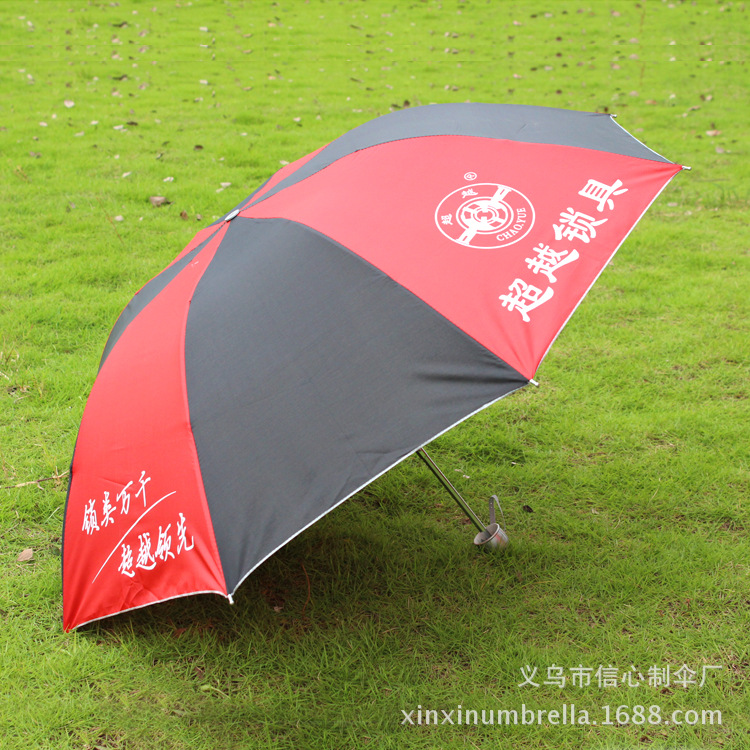
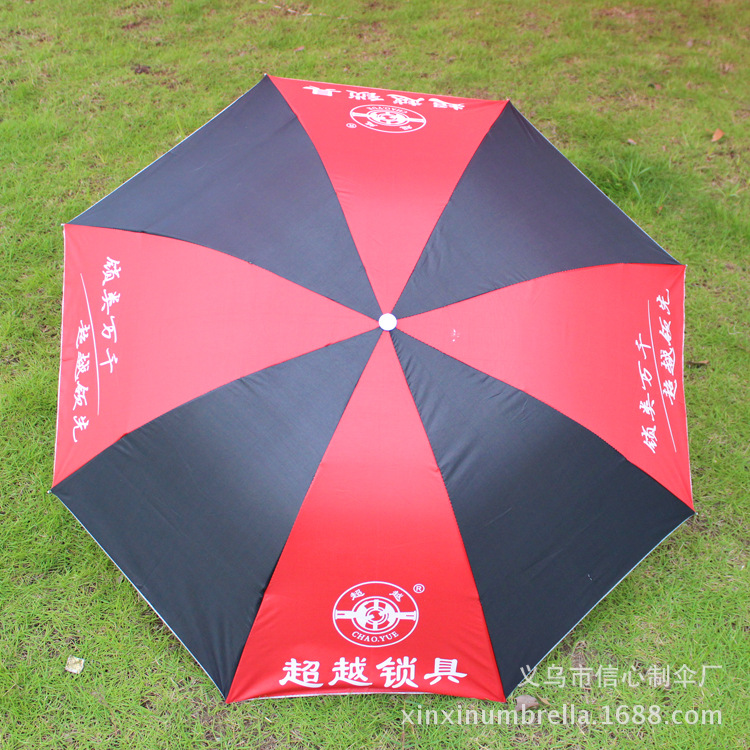
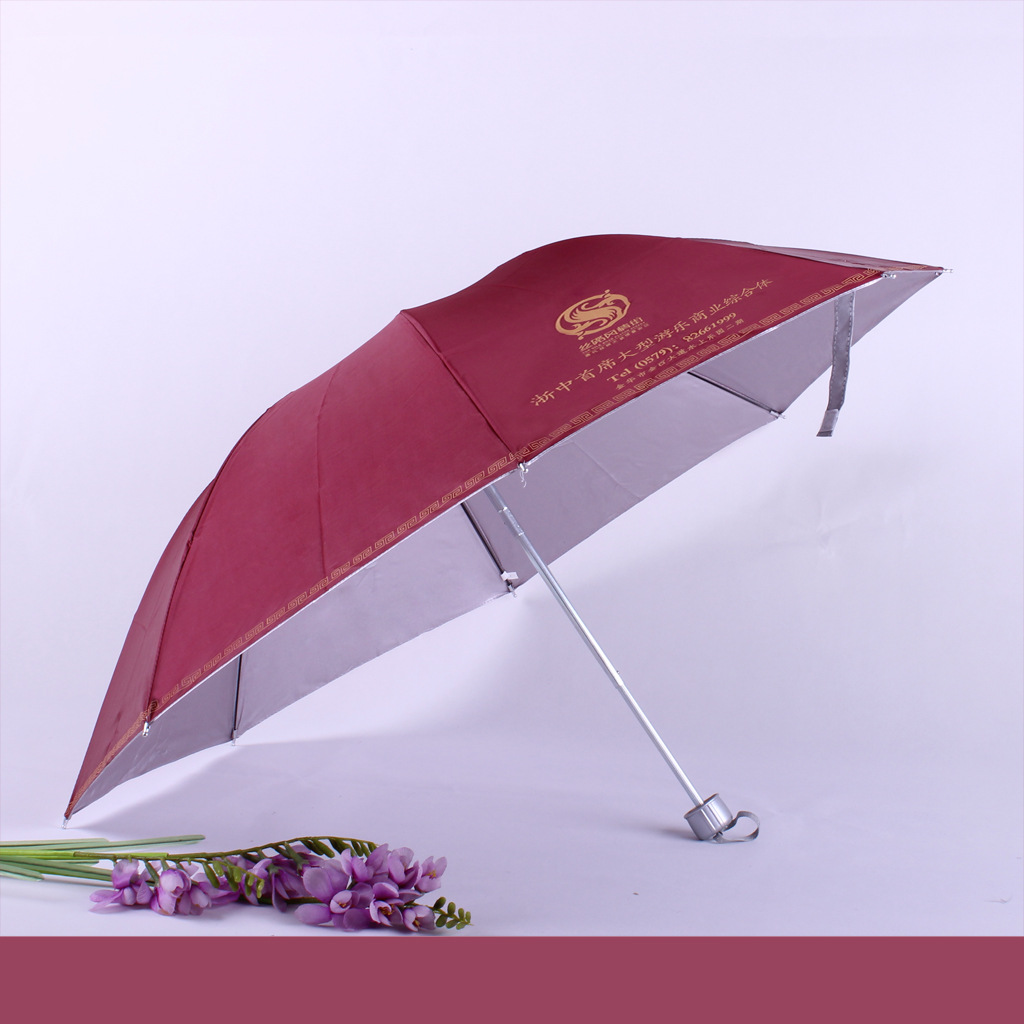
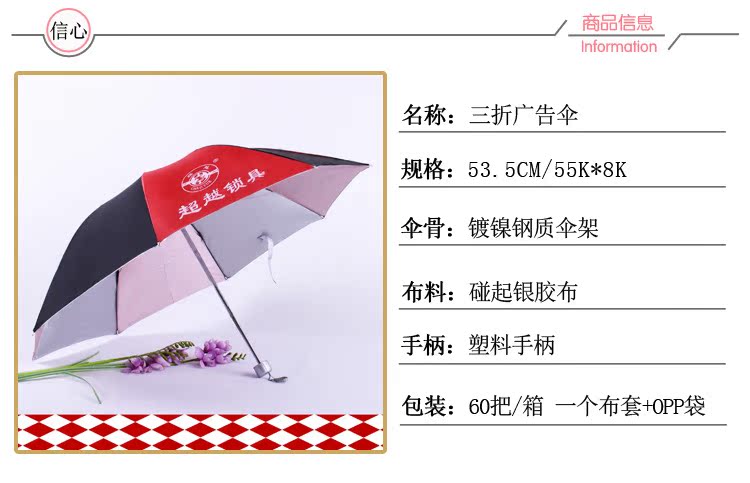
 Material: PONGEE Material: PONGEE |
Origin: Yiwu, Zhejiang | Skeleton material: Metal |
| Model Number: SZ-152 | Printing the LOGO: Possible | Style: Three-fold |
| Brand: Confidence | Design: Standard Umbrella | Target Audience: Adults |
| Boxed quantity: 60 pieces | Opening Method: Manual | Suitable for gift occasions: advertising promotions, public relations planning |
| Custom processing: Yes | Is it a patented source?: No | Size: 5.35 CM/5.5 CM |
| Color: Yellow | Red | Purple | Black | Scope of application: Universal for men and women | Product Category: Umbrella |
|
|
|
|
|
||
|
|

|
|
All products sold by this store are brand new and authentic. We guarantee quality, so please feel free to purchase with confidence! We will treat every friend who meets us with sincerity. After receiving the goods, if you have any dissatisfaction, you can contact the shop owner for resolution. |

|
|
Introduction to the printing method for advertising umbrellas:
Umbrellas have a long history in China; records of umbrellas can be found in the "Records of the Grand Historian: Annals of Kings and Emperors". During the Spring and Autumn period, it is said that Lu Ban, a famous craftsman,’s wife invented a handheld umbrella. Since umbrellas were initially made of silk and cloth, they were expensive and difficult for common people to afford. Therefore, they were regarded as symbols of authority for kings, nobles, and high-ranking monks. After the Han Dynasty, people began using cheaper paper coated with tung oil to make umbrellas. During the Tang and Song dynasties, paper umbrellas coated with oil became widely used among the people. In the Qing Dynasty, beautifully painted floral umbrellas emerged. In the 1930s of this century, the Chinese invented the folding umbrella for the first time. Today, umbrellas have evolved from ancient covers into various types such as paper umbrellas, cloth umbrellas, nylon umbrellas, plastic umbrellas, and automatic umbrellas. The materials used for the ribs and frames have also changed from bamboo and wood to steel, aluminum, plastic, resin fibers, and organic glass.
Chinese umbrellas were introduced to Japan and Southeast Asian countries during the Tang Dynasty, and to Britain in the 18th century. Subsequently, they spread throughout Europe, America, and the rest of the world. At that time, small umbrellas made of silk and lace were particularly popular and were essential items carried by noblewomen. However, those umbrellas weighed up to 4.5 kilograms. In the 19th century, umbrellas began to become lighter, and compact folding umbrellas became necessary for outdoor activities. Long-handled umbrellas with silk tassels, umbrellas paired with feathers for formal wear, umbrellas adorned with pleats and lace, as well as luxurious lace umbrellas—like diverse fashion styles—created a dazzling array of options. For strolling in gardens, enjoying nature in the countryside, visiting relatives, or escaping the heat at sea, people wore different clothes on different occasions and seasons, and naturally, different umbrellas were chosen. Umbrellas became an important part of one’s overall appearance, and their use also reflects a person’s intelligence and taste. An umbrella is a daily item used to protect from rain, wind, and sun. However, with the development of times and the improvement in people’s quality of life, its value has gone beyond practical uses. It has taken on a strong fashion aspect and become a symbol of elegance. Especially since the 21st century, umbrellas come in a wider variety of colors and design styles, with higher-quality materials. They can be used for various purposes depending on the clothing, season, and environment. People can't help but be captivated by the fashion and style of umbrellas. The invention and use of umbrellas are a significant contribution of China to world culture. Umbrella culture is an indispensable part of our nation’s ancient culture.
The History of Umbrellas
Umbrellas have a long history in China; records of umbrellas can be found in the "Records of the Grand Historian: Annals of Kings and Emperors". During the Spring and Autumn period, it is said that Lu Ban, a famous craftsman,’s wife invented a handheld umbrella. Since umbrellas were initially made of silk and cloth, they were expensive and difficult for common people to afford. Therefore, they were regarded as symbols of authority for kings, nobles, and high-ranking monks. After the Han Dynasty, people began using cheaper paper coated with tung oil to make umbrellas. During the Tang and Song dynasties, paper umbrellas coated with oil became widely used among the people. In the Qing Dynasty, beautifully painted floral umbrellas emerged. In the 1930s of this century, the Chinese invented the folding umbrella for the first time. Today, umbrellas have evolved from ancient covers into various types such as paper umbrellas, cloth umbrellas, nylon umbrellas, plastic umbrellas, and automatic umbrellas. The materials used for the ribs and frames have also changed from bamboo and wood to steel, aluminum, plastic, resin fibers, and organic glass.
Chinese umbrellas were introduced to Japan and Southeast Asian countries during the Tang Dynasty, and to Britain in the 18th century. Subsequently, they spread throughout Europe, America, and the rest of the world. At that time, small umbrellas made of silk and lace were particularly popular and were essential items carried by ladies. However, those umbrellas weighed up to 4.5 kilograms. In the 19th century, umbrellas began to become lighter, and compact folding umbrellas became necessary for outdoor activities. Long-handled umbrellas with silk tassels, umbrellas paired with feathers for formal wear, umbrellas adorned with pleats and lace, as well as luxurious lace umbrellas—like diverse fashion styles—created a dazzling array of options. For strolling in gardens, enjoying nature in the countryside, visiting relatives, or escaping the heat at sea, people wore different clothes on different occasions and seasons, and naturally, different umbrellas were chosen. Umbrellas became an important part of one’s overall appearance, and their use also reflects a person’s intelligence and taste. An umbrella is a daily item used to protect from rain, wind, and sun. However, with the development of times and the improvement in people’s quality of life, its value has gone beyond practical uses. It has taken on a strong fashion aspect and become a symbol of elegance. Especially since the 21st century, umbrellas come in a wider variety of colors and designs, with higher-quality materials. They can be used for various purposes depending on the clothing, season, and environment. People can't help but be captivated by the fashion and style of umbrellas. The invention and use of umbrellas are a significant contribution of China to world culture. Umbrella culture is an indispensable part of our nation’s ancient culture. |
Update time:


TOP


![2111127883_1650838564[1]](http://i02.c.aliimg.com/img/ibank/2015/312/959/2112959213_1650838564.jpg)