
Search history
Clear allSearch by image
XDrag and drop an image here or upload an image
Max 5MB per image
UploadSign In | Join

Search history
Clear allSearch by image
XDrag and drop an image here or upload an image
Max 5MB per image
UploadSign In | Join
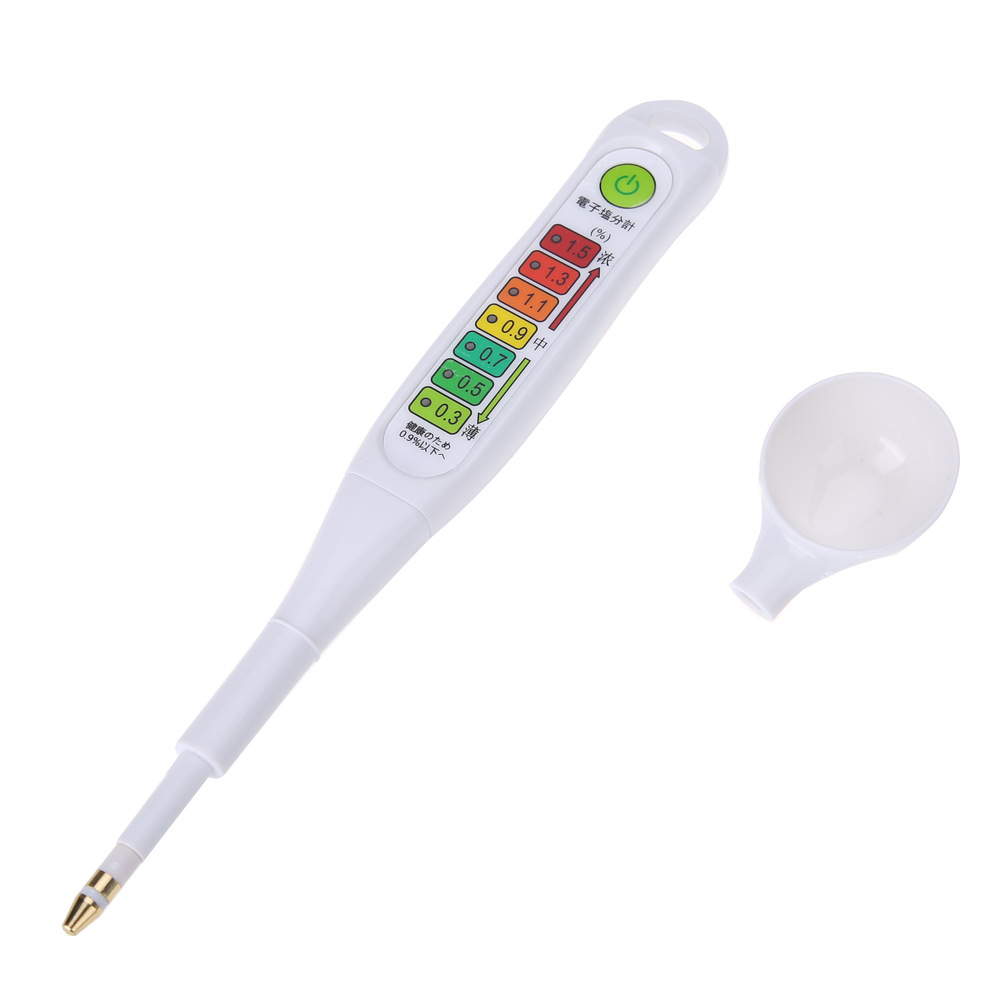
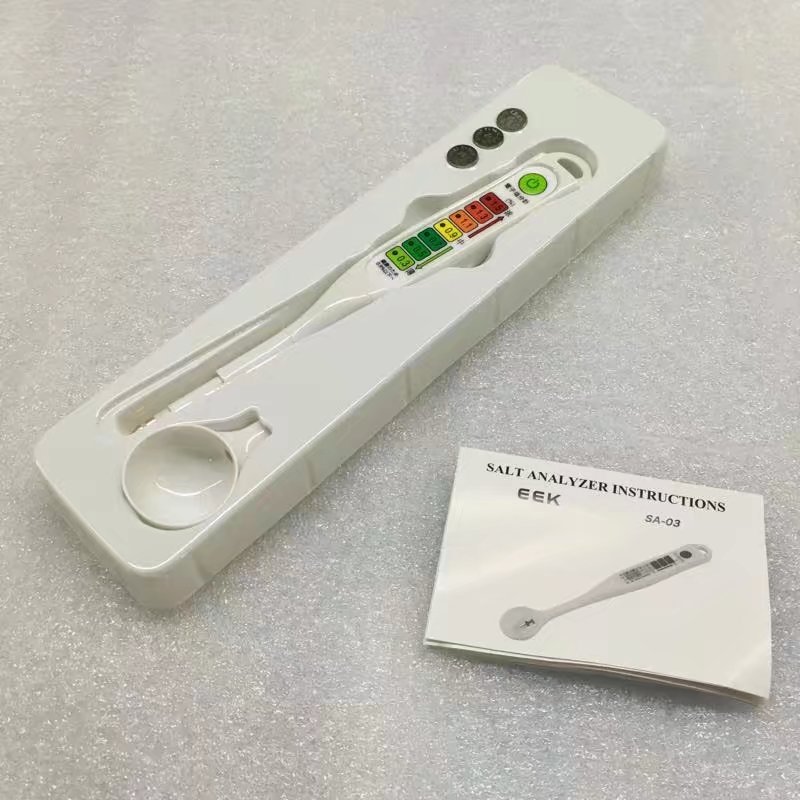
【Function Description】
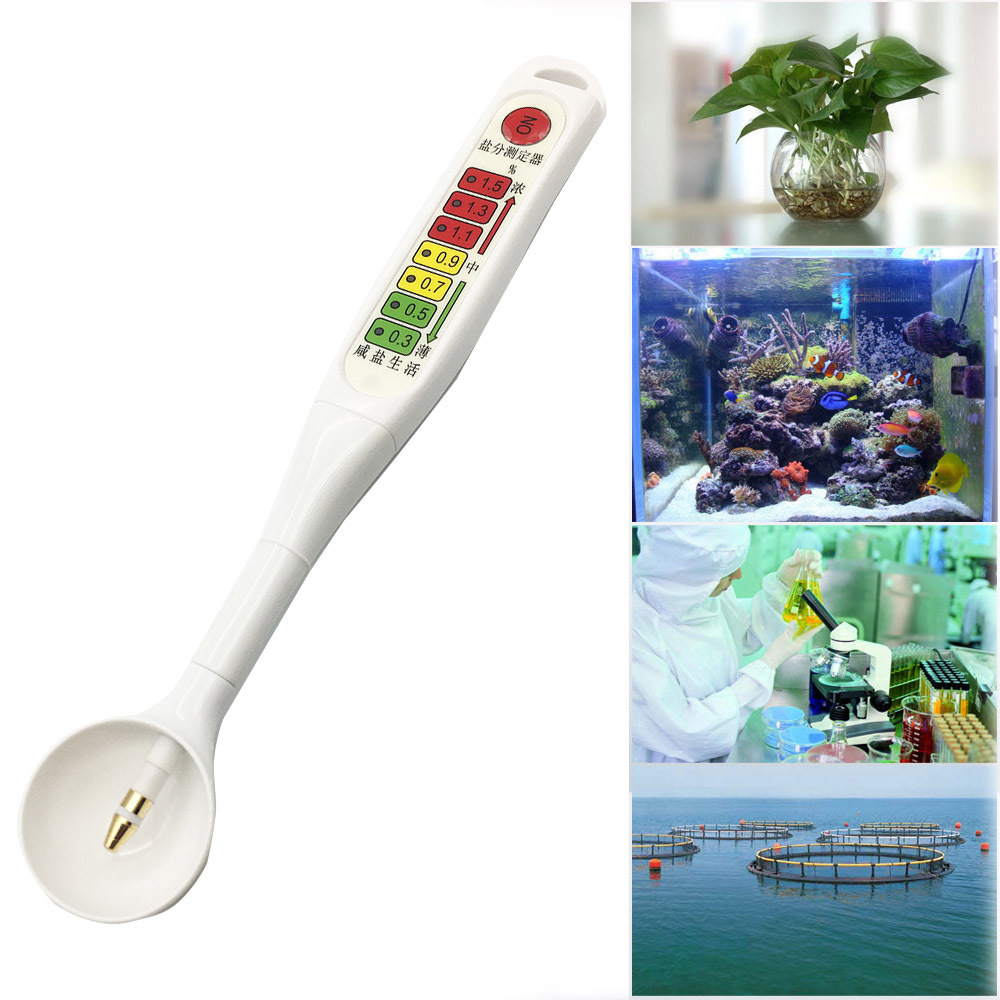
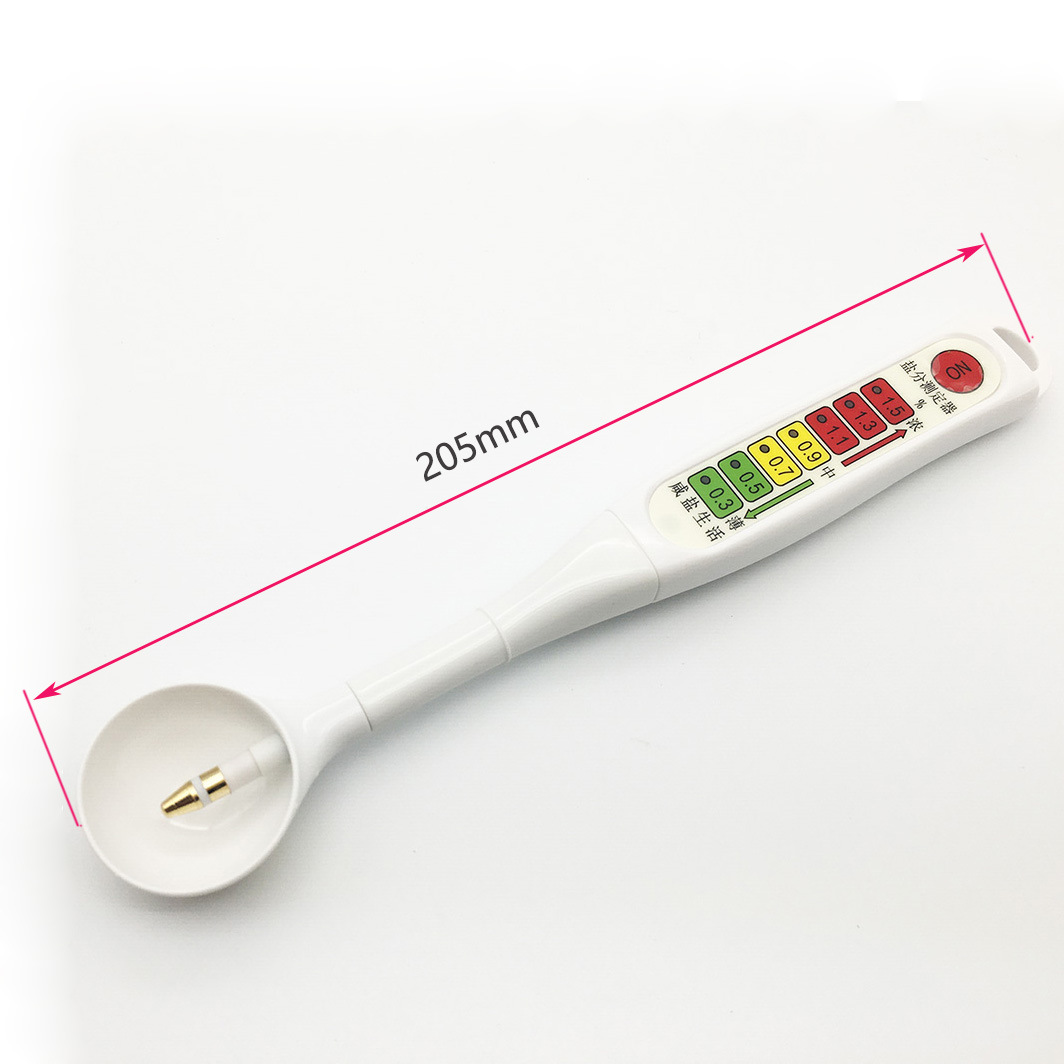
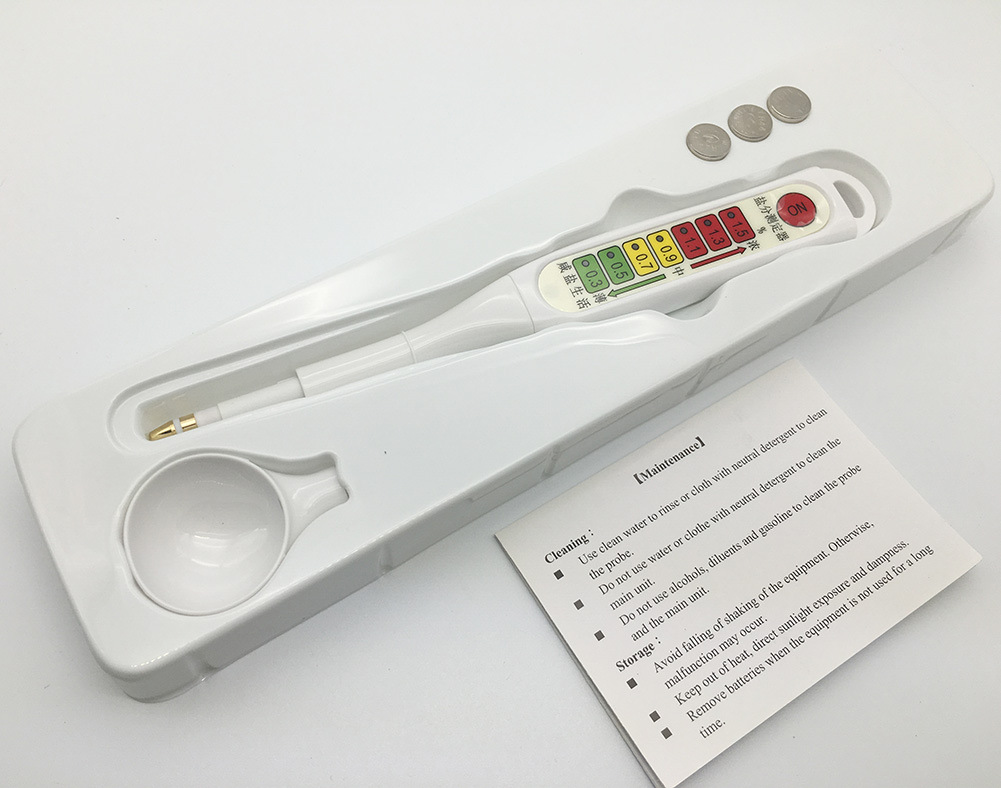
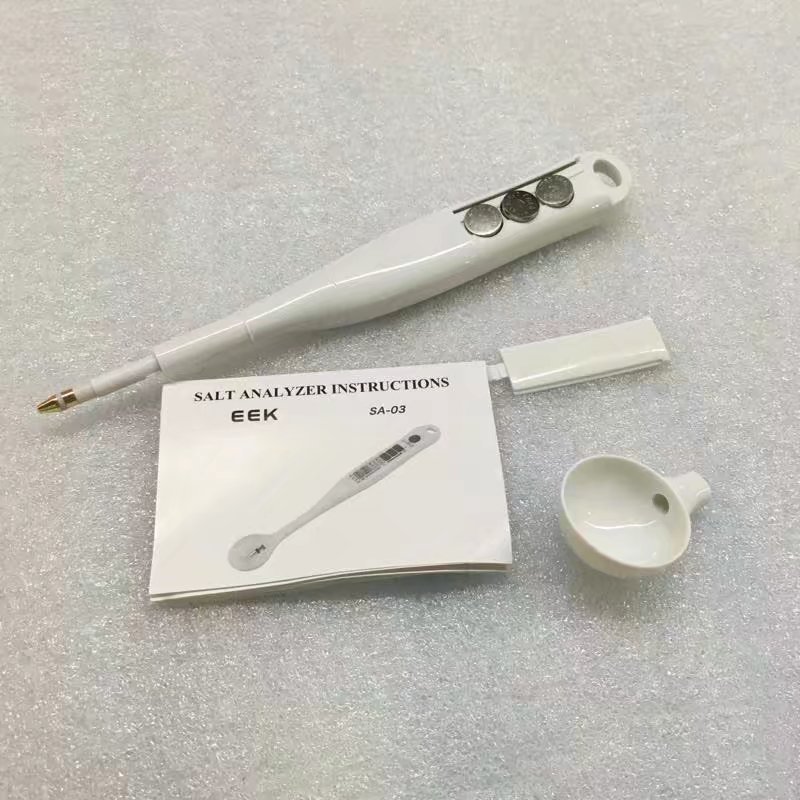
1. Probe: Testing salt concentration.
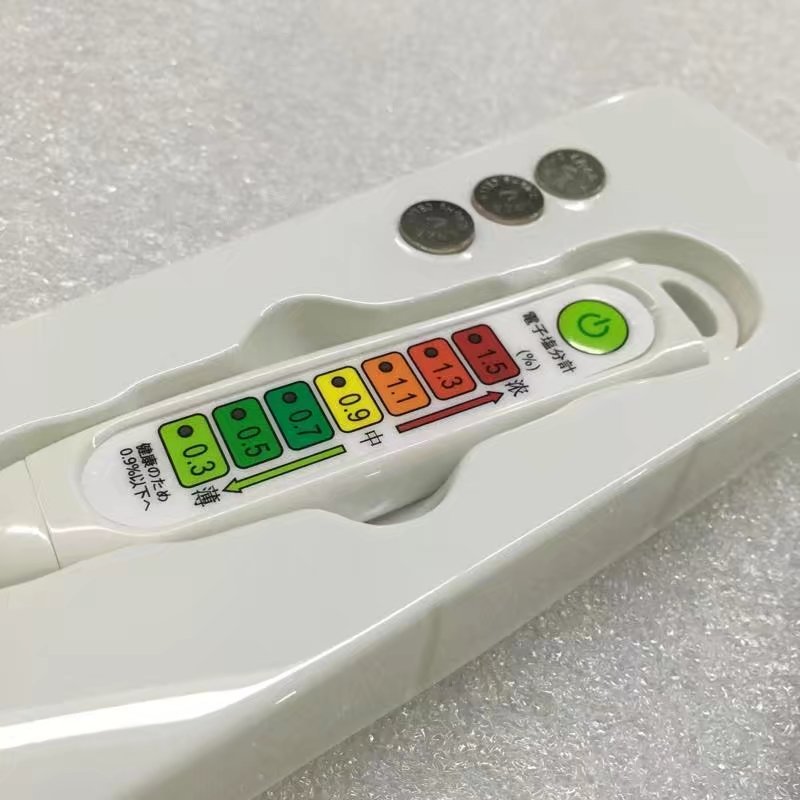
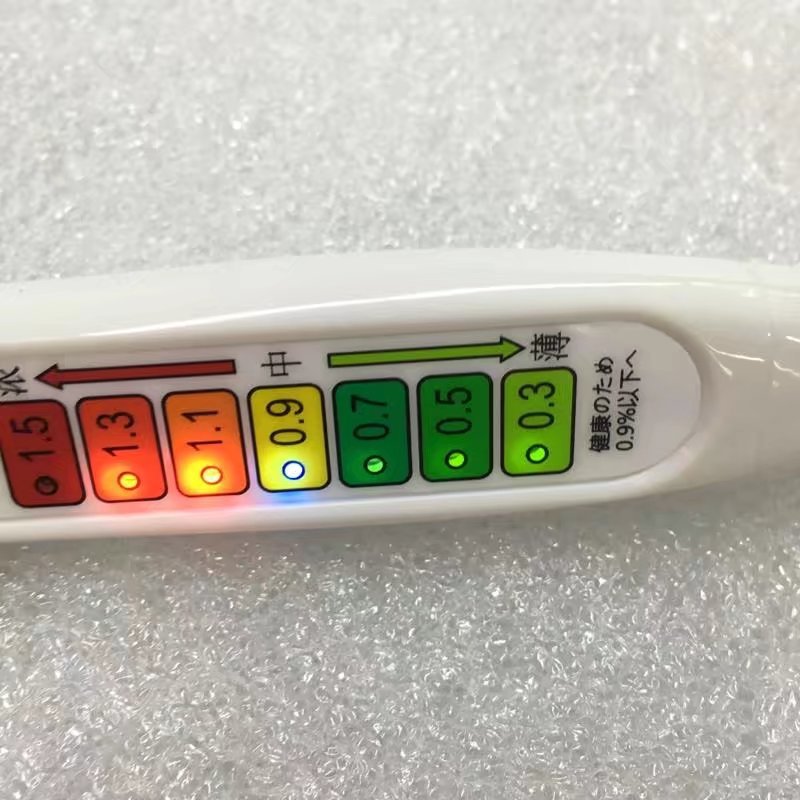
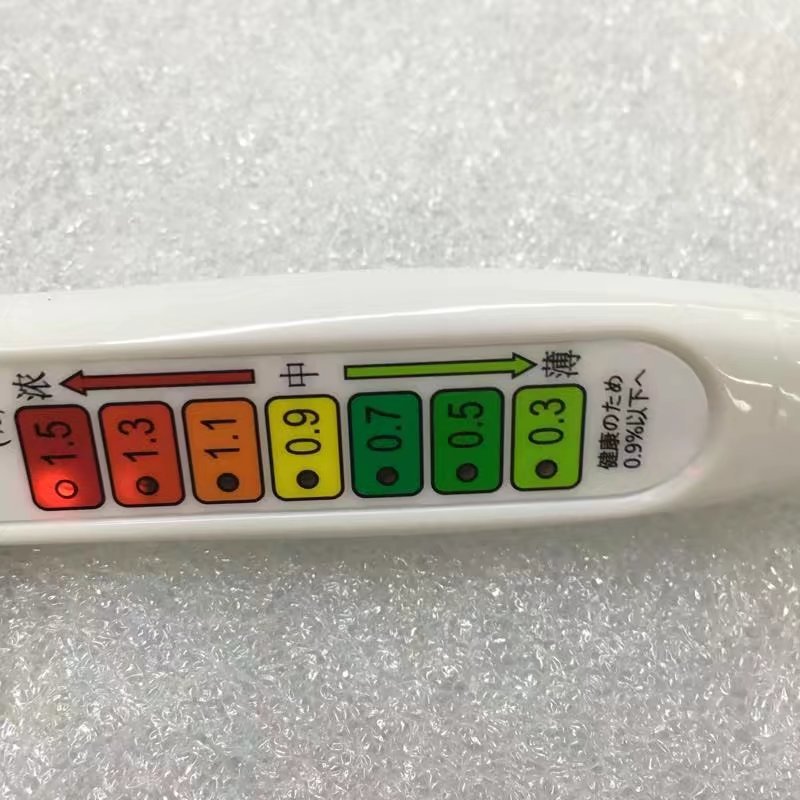
2.7 red LEDs indicate the salt concentration as follows: 0.3%–0.6% (moderate); 0.8%–1.0% (strong); 1.3%–1.5% (too strong).
3. 1 green LED serves as the power indicator.
4. ON button: Press the button without releasing it to power on for testing. Release the button to stop the test.

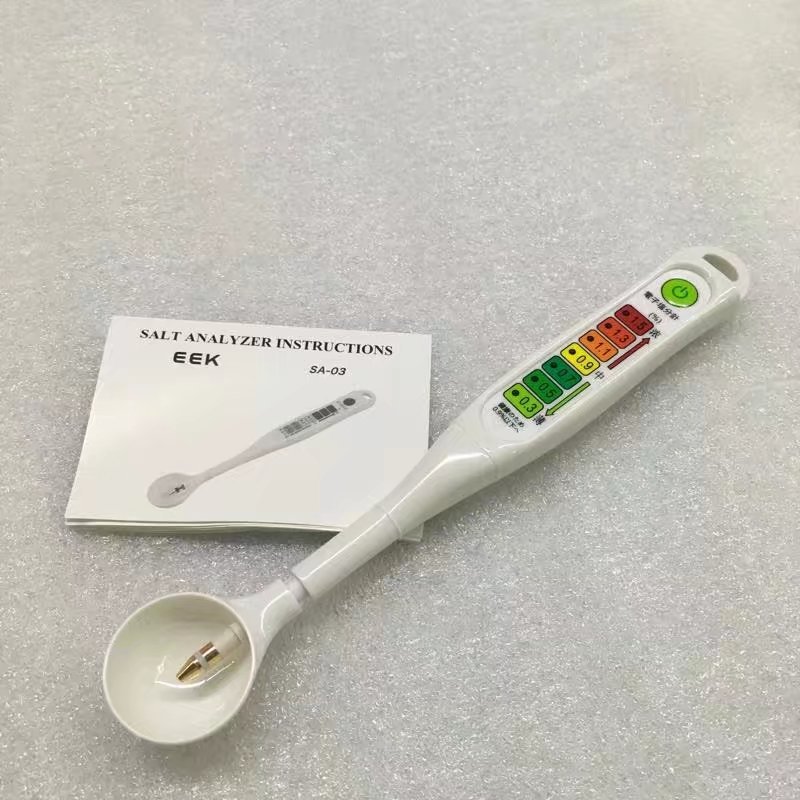

1. Check whether the probe of the salt content tester is clean; if not, clean it with a neutral cleaner.
2. The sample to be tested is placed in a container, and it must have a certain height.
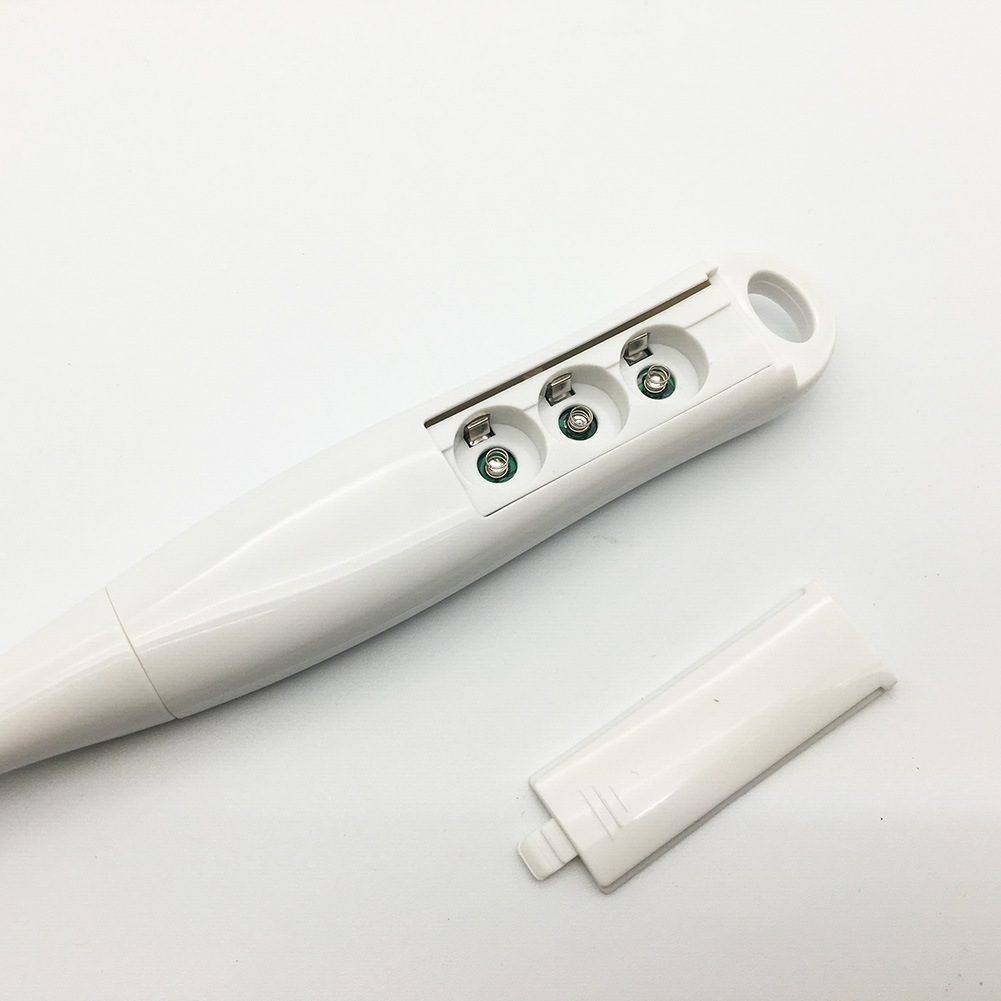
3. Press the ON switch of the salt content tester, and check if the Power indicator light turns green. If it does not turn on, it indicates that the battery voltage is too low, and a new battery must be replaced.
4. Insert the probe of the salt content tester into the solution by at least 2 CM, and maintain a distance of at least 1 CM from the container wall for testing. After the display stabilizes, read the last reading shown by the lit red light, which serves as the test value.
5. After the test, clean the probe part of the salt content tester with a neutral cleaner.
【In daily life, consuming too much salt can lead to】
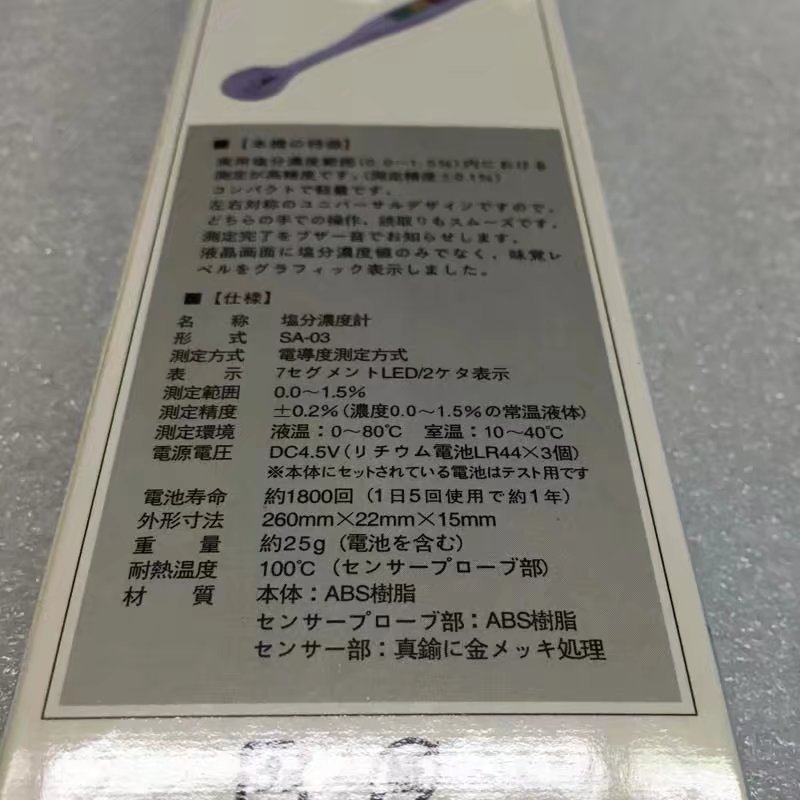
Research shows that the probability of adverse effects is significantly increased in people who consume 10 grams of salt per day in their daily lives. We should limit the amount of salt we intake to less than 10 grams per day. A salt meter uses electrical conductivity testing to measure the salt concentration in liquid foods. This can effectively control daily salt consumption and help maintain better health. The salt meter features a touch button and seven red indicators to show the salt concentration, along with a green power indicator light. It is easy to operate and use. It will be a great tool for your health care.
Salt is indispensable in people's lives. The total amount of sodium ions in the human body is approximately 60g, of which 80% is presentExtracellular fluid, namely in plasma and intercellular fluid. Chloride ions are also primarily found in extracellular fluid.
Too much salt has many harms:
1. Many studies have confirmed this.High salt content.
2. Promoting atherosclerosis: Excessive salt intake not only raises blood pressure but also increases plasma cholesterol levels, thereby contributing to the development of atherosclerosis.
3. Gastric cancer: High concentrations of salt can damage the gastric mucosa and trigger gastric cancer.
4. Prone to colds: People who consume a lot of salt are more likely to get colds. This is because high concentrations of salt can suppress the activity of respiratory cells and reduce their resistance to illness; it also reduces saliva production, resulting in poor oral hygiene.LysozymeReduction in the likelihood of viruses and bacteria causing upper respiratory infections.
5. Accelerate bone calcium loss: Eating too much salt increases the risk of osteoporosis. Animal experiments show that after feeding rabbits a high-salt diet for 1–2 months, their bone density decreases by 50%. Limit salt intake for better health. The Chinese Nutrition Society recommends that adults’ daily salt consumption should be less than 10 grams, and the World Health Organization suggests even less—3 to 5 grams per person per day.
Update time:


TOP


