Sublimation-resistant weak solvent thermal transfer printing film
The product reacts with the fabric dyeing agent, resulting in sublimation issues, which depend on the composition of the fabric and the dyeing process.
Main issues resolved: Sometimes we find that after the fabric is heated, due to the instability of the dyes on the fabric, over time, the dye color migrates onto the printing film surface, affecting the appearance of the heat transfer print.
Problems with different fabrics:
(1) Cotton: Taking common T-shirts as an example, something that may not be well received is printing on dark-colored fabrics, with transparent edges where glue causes the color to invert—commonly referred to as white edges (except for white run-out areas).
(2) Polyester fabric: Taking cycling apparel as an example, polyester fabric tends to sublimate, which should be taken into consideration during communication with clients.
(3) Nylon fabric: Taking down jackets as an example, the fabric is woven, with a water-repellent coating (PU, PVC, or silicon coating) applied on the surface. This results in poor breathability, a smooth surface, tendency to crack due to heat, difficulty in pressing, peeling during washing, and the fabric being not heat-resistant, which can damage it when exposed to high temperatures.
(4) Leather: Taking luggage as an example, there are mainly PU leather, PVC leather, and genuine leather. PVC leather contains plasticizers to enhance its softness, which react with adhesives, causing the heat transfer printing to fall off easily when rubbed. It is essential to ask customers clearly what type of leather they use during communication.
Test method for the sublimation prevention effect of fabric:
1. Directly set the heating temperature to 150°C and the time to 10–30 seconds, and press multiple times during the testing process.
2. The dehumidification room is set at a temperature of 50°C; the product is placed inside for 7 days to be dehumidified.
3. Set the spray painting machine to a temperature of 150–160°C, and place it on a heating plate for 30 minutes
4. Observe the product after heating for more than 3 months
Product appearance: The back side is black, which is the color of the barrier layer.
Features: No peeling or deformation after high-temperature treatment; strong rebound and stretching capacity; good water resistance and weather resistance
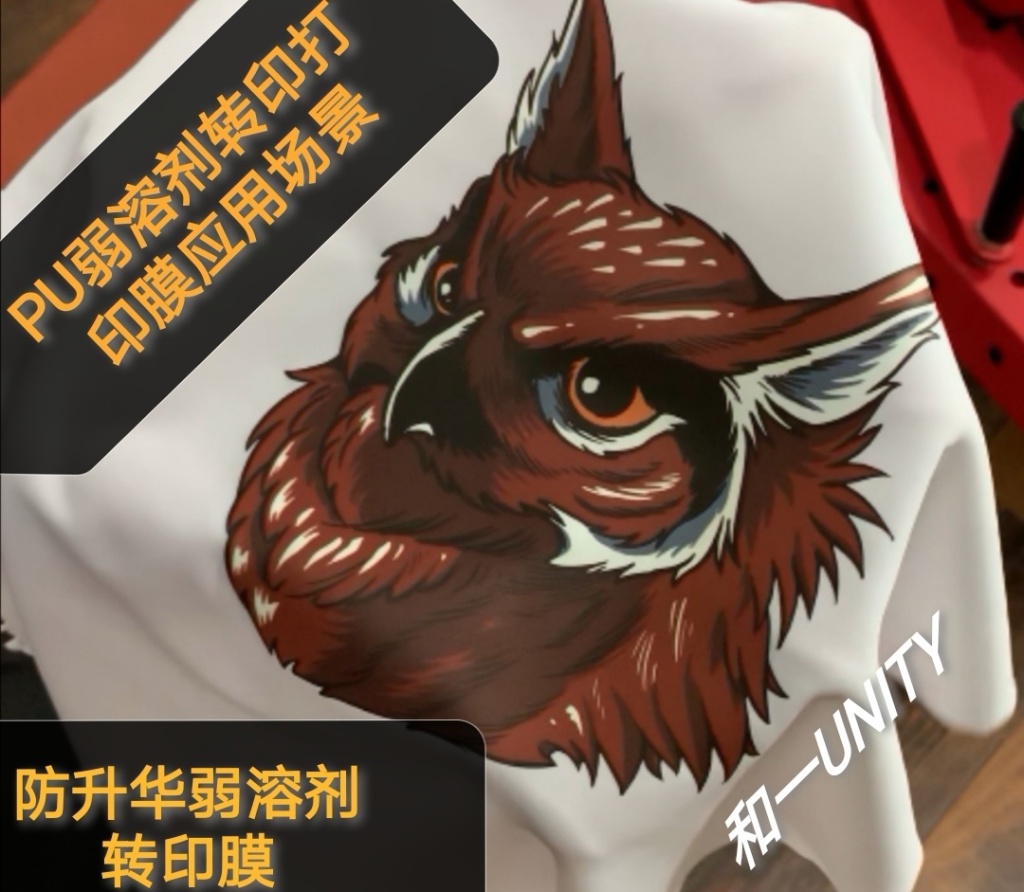
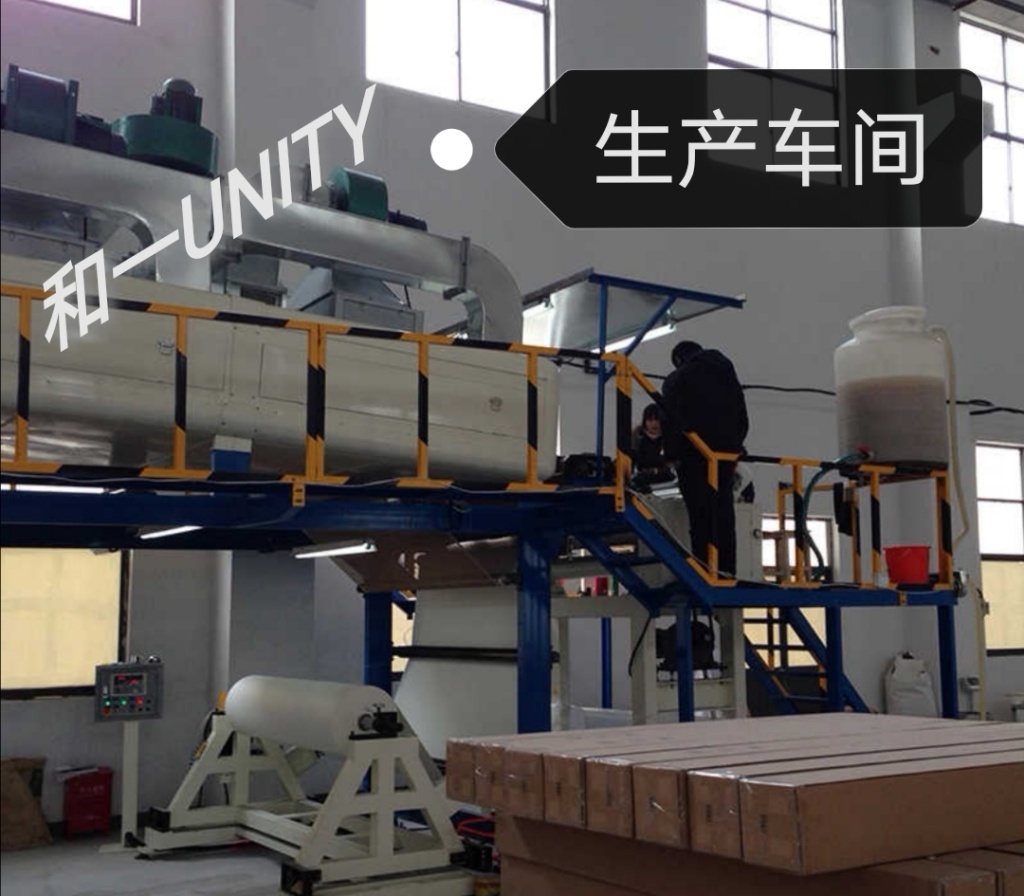
Product advantages: The anti-sublimation low-solvent thermal transfer film and PU printing film, after special treatment, prevent secondary sublimation of the fabric, offer high coverage, and have strong adhesion.
Usage Instructions
1. Image printing
Install the dark, low-solvent thermal transfer paper on the appropriate printer. Set the relevant printing parameters according to actual needs, output the required image via a computer or printer, and display it on the thermal transfer paper.
2. Image cutting
The image is first created using PS cutting paths, and then the printed image outline is cut using a engraving machine.
3. Film Transfer
The adhesive film covering the blank areas and hollowed-out parts around the cut image will be removed (disposed of), and then a specialized matching positioning film (transfer film) will be applied to the surface of the image using a cold laminating machine. Finally, the film is peeled off, and the image is transferred onto the positioning film (transfer film).
4. Image pressing and folding
— Preheat the heat transfer printer to the appropriate printing temperature of 150℃ (depending on conditions, it is recommended to measure the temperature).
— Place the image face up on the supporting object.
— Heat transfer printer at medium pressure, with a pressing time of approximately 15 seconds. Remove the substrate, and after cooling, peel off the positioning film (transfer film).
5. Washing
— Within 24 hours after heat stamping, it must not be washed.
— Wash with warm or cold water below 40°C. Do not use bleach or laundry detergent with strong alkalinity. Avoid rubbing the transferred image vigorously, do not wring out, and do not expose to direct sunlight.
— Not machine-washable.