
Search history
Clear allSearch by image
XDrag and drop an image here or upload an image
Max 5MB per image
UploadSign In | Join

Search history
Clear allSearch by image
XDrag and drop an image here or upload an image
Max 5MB per image
UploadSign In | Join
Product Name: Xiangyang No. Wooden Solar Vehicle
Model Number: C702
Size: 170*110*80 mm
Weight: 150g
Material: solar panels + motor + wood + battery case + wheels + shaft + hardware components, etc...
Packaging: 200 pcs
Box dimensions: 600*500*450mm
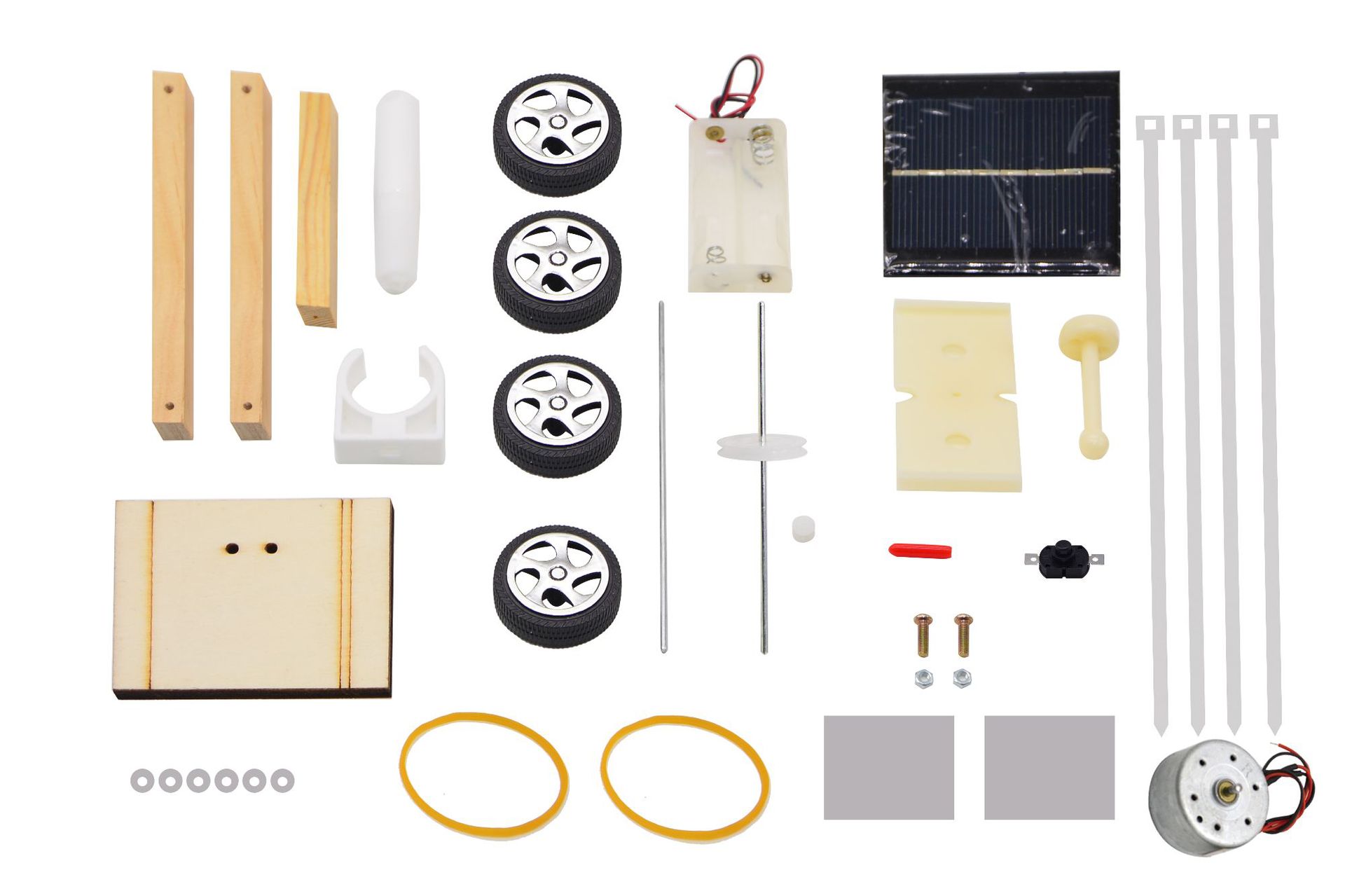
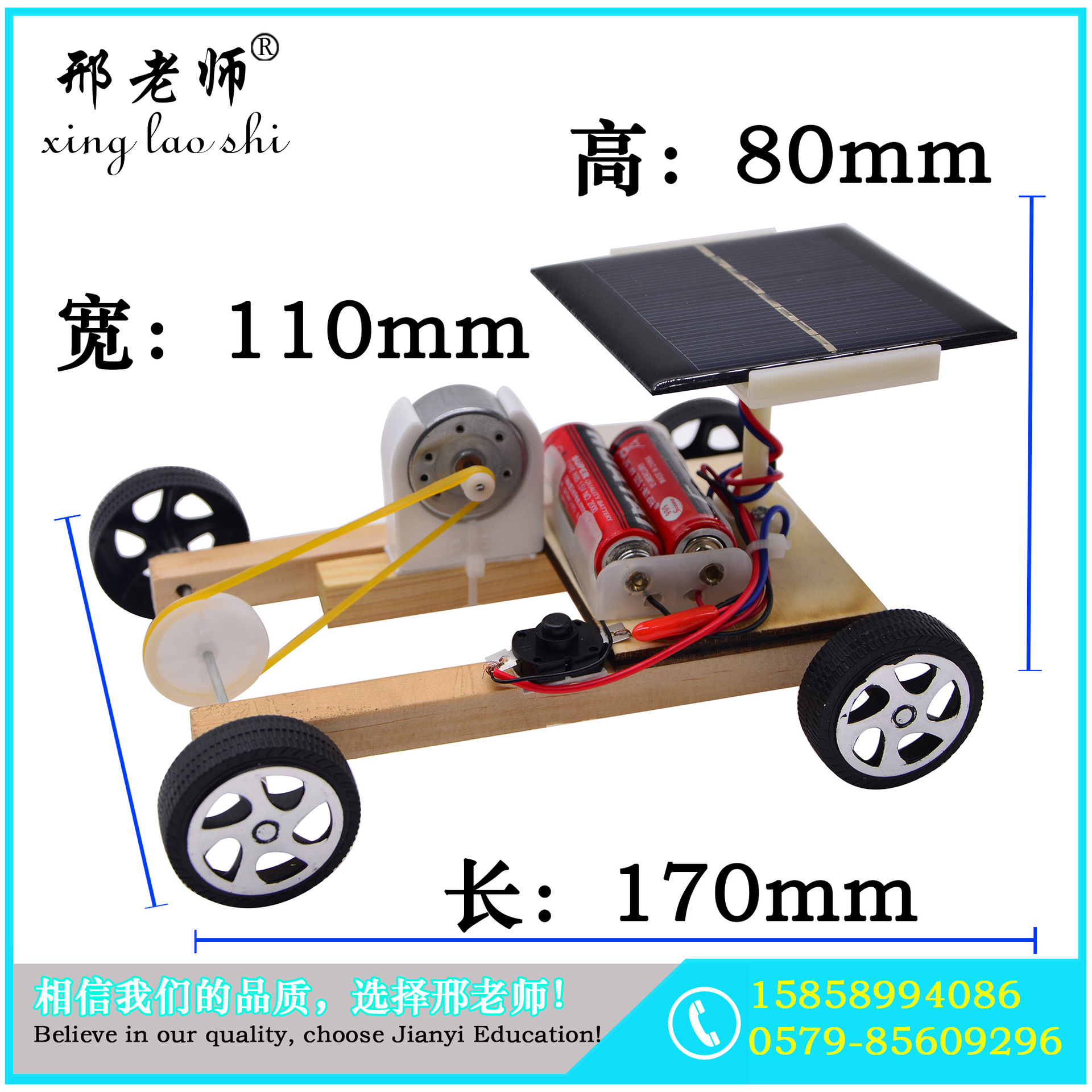
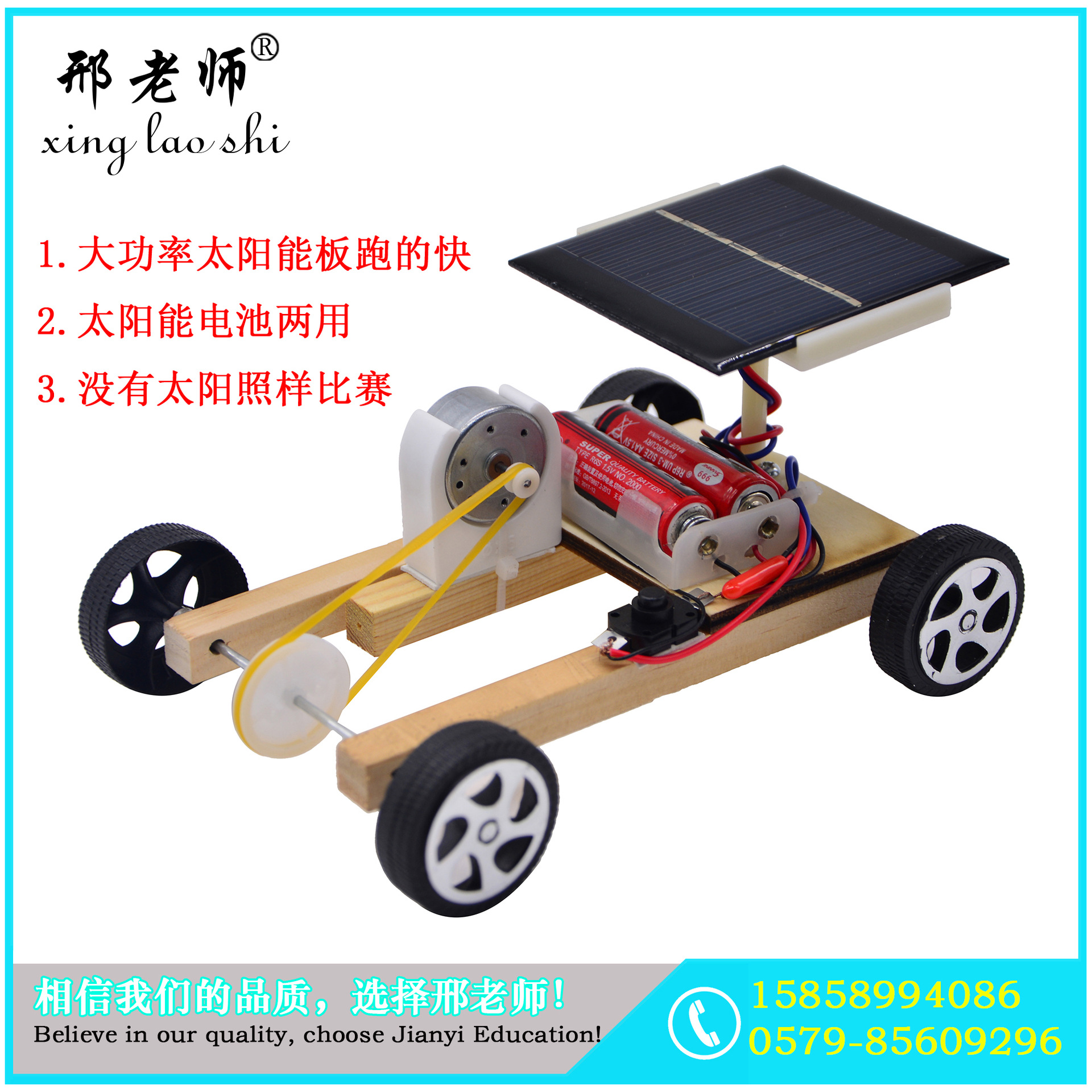
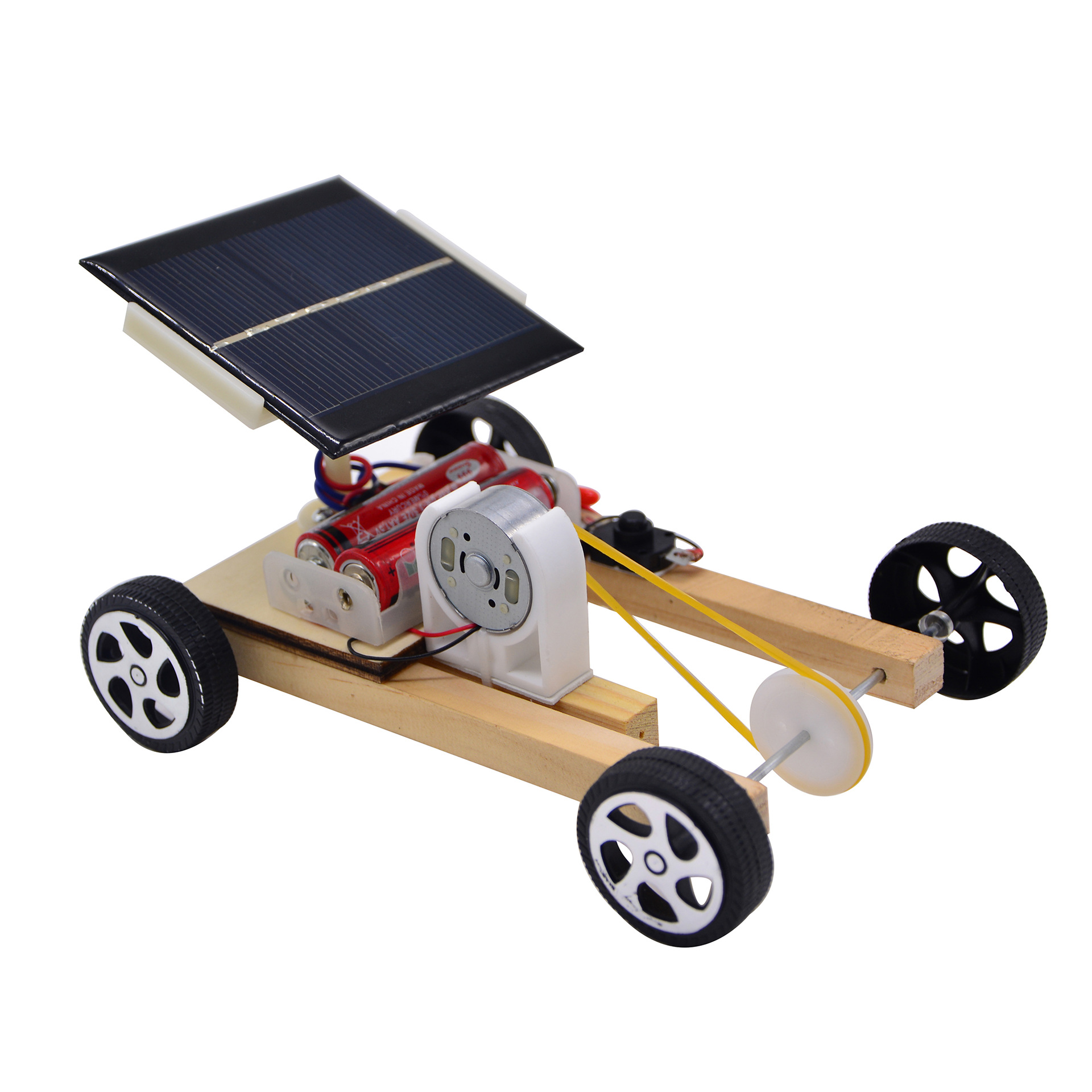
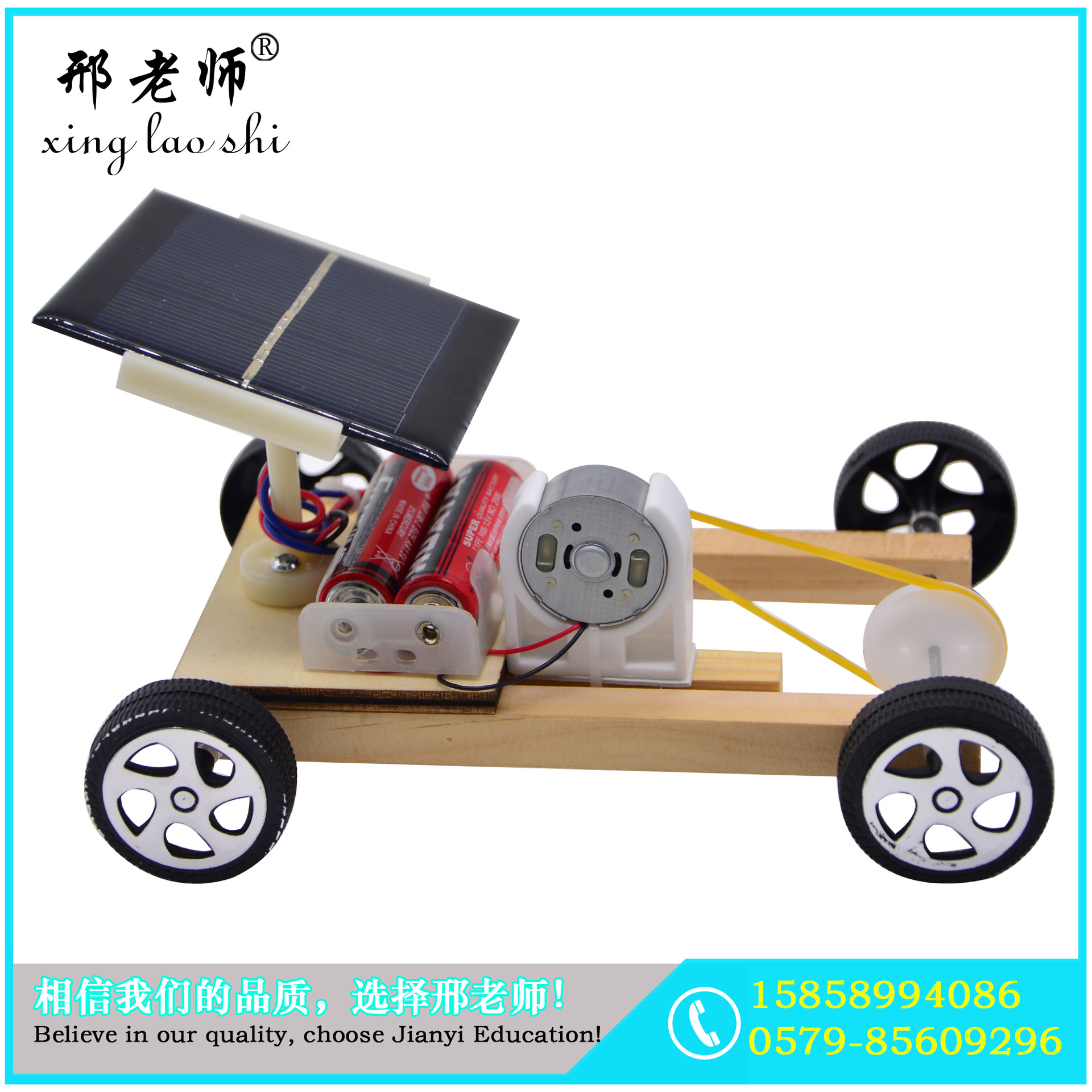
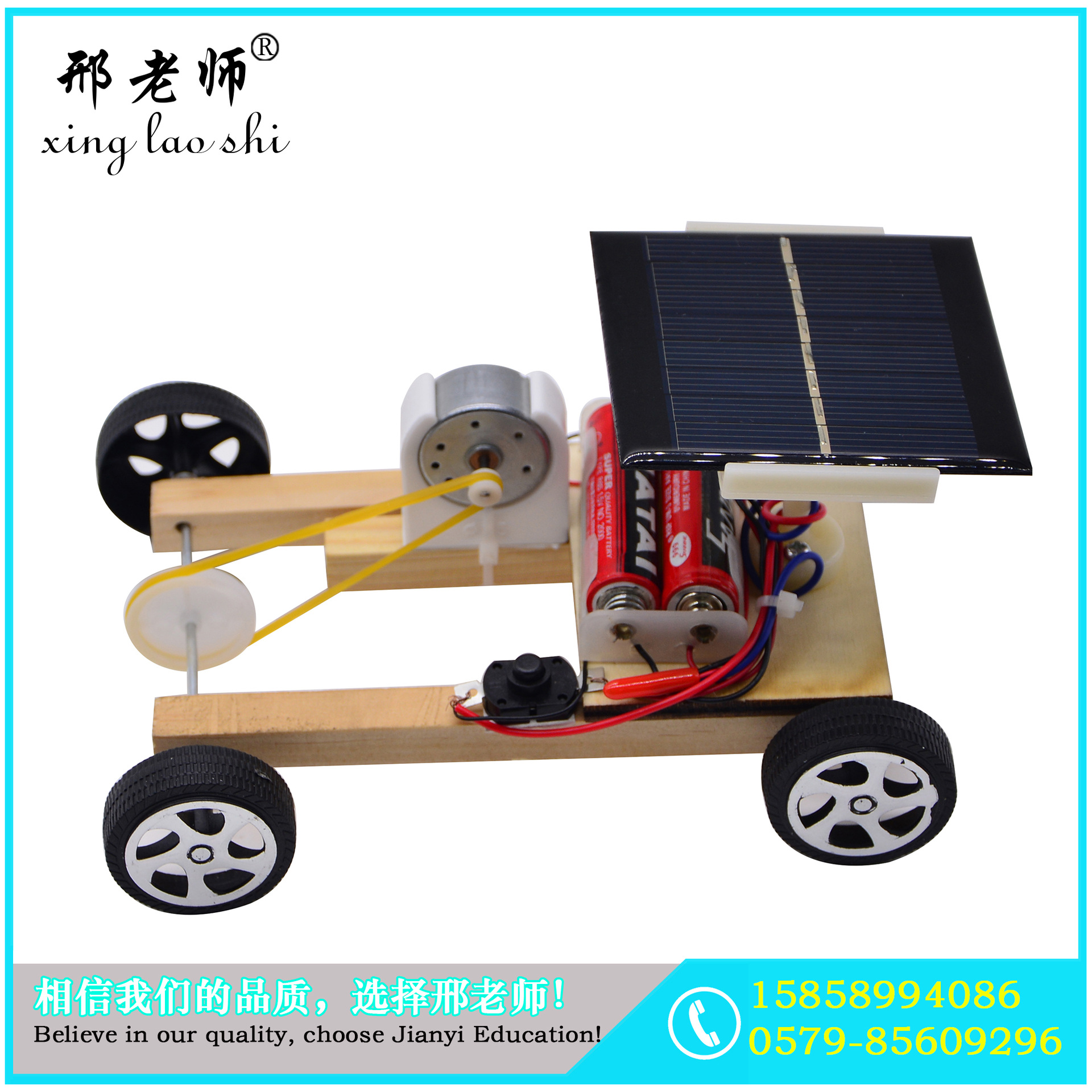
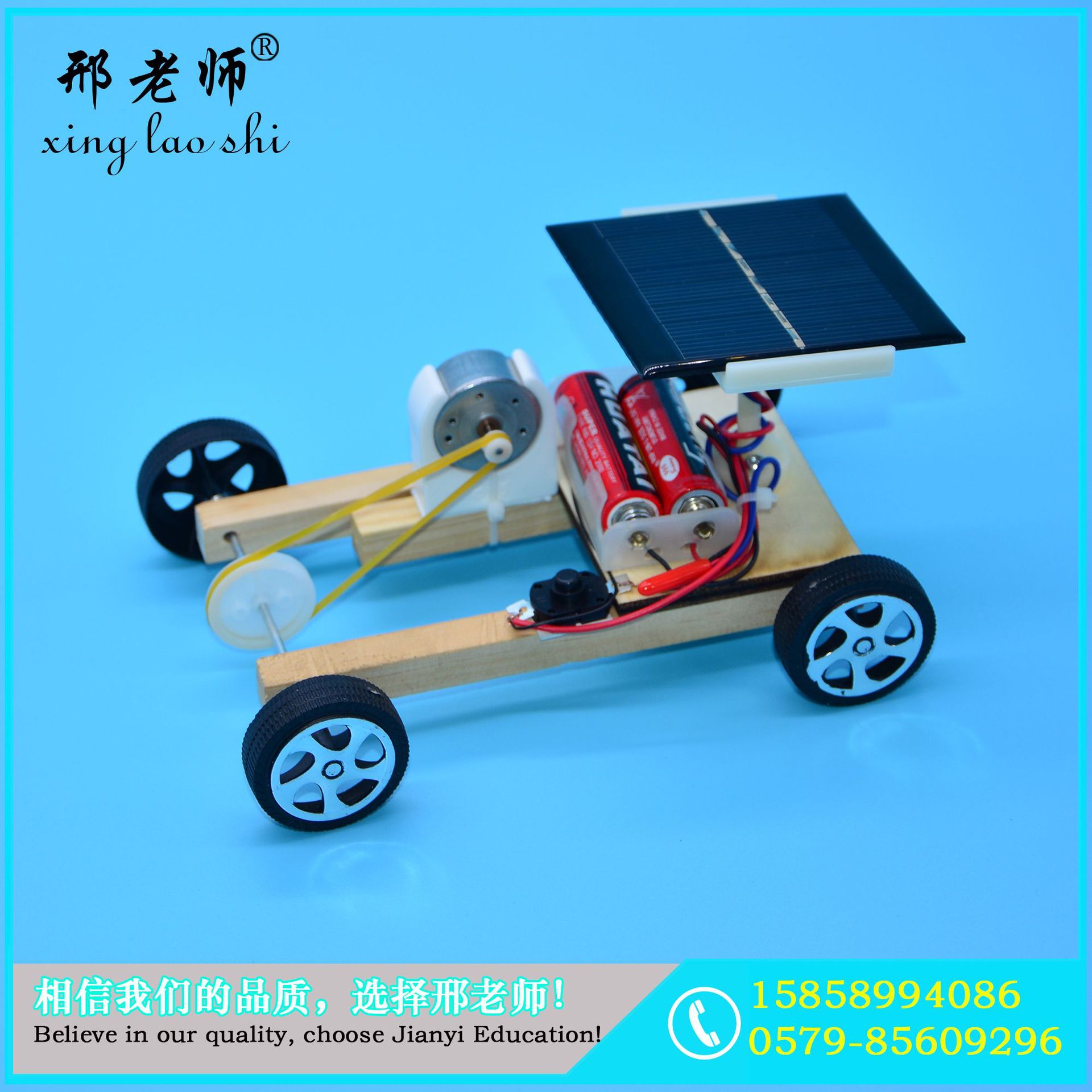
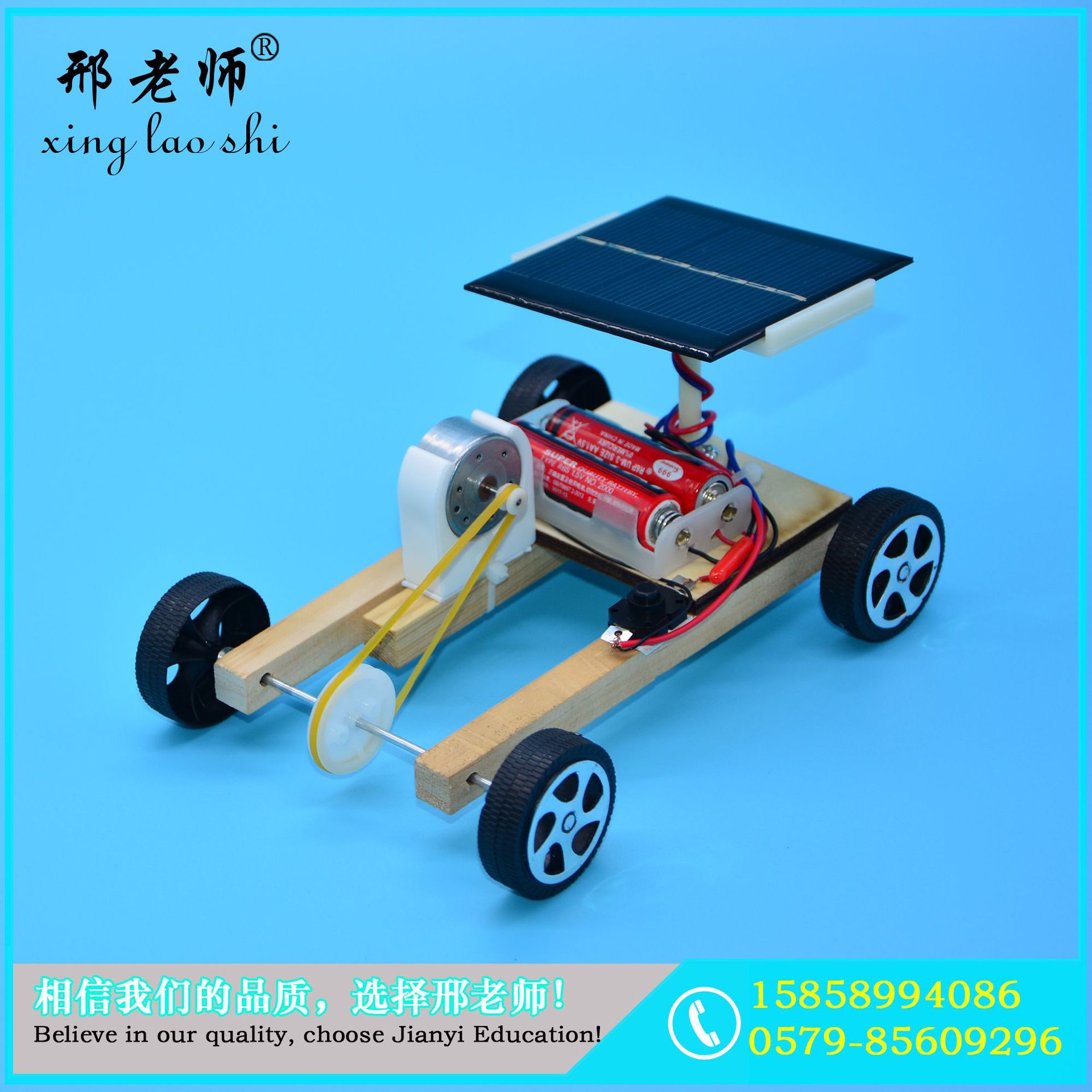
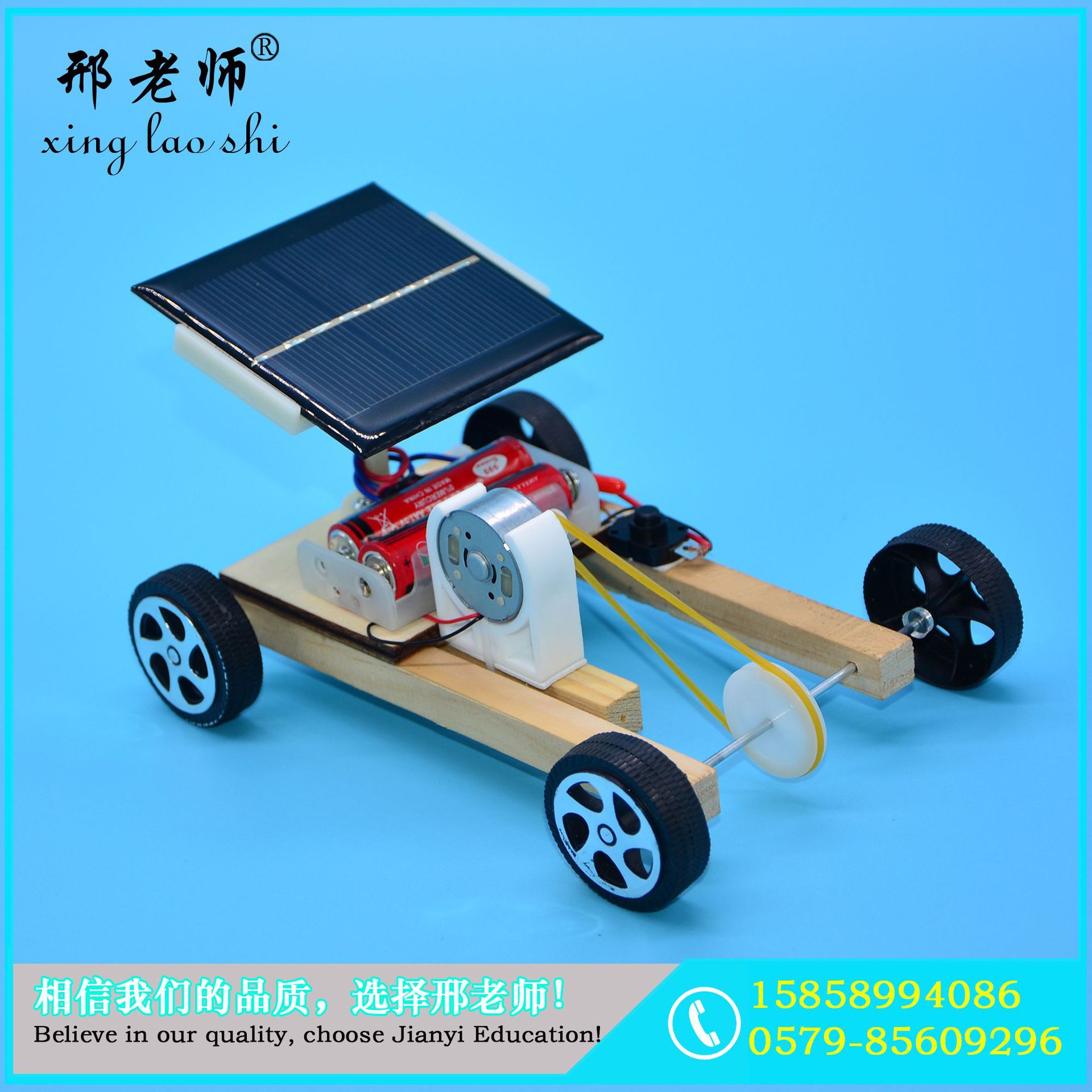
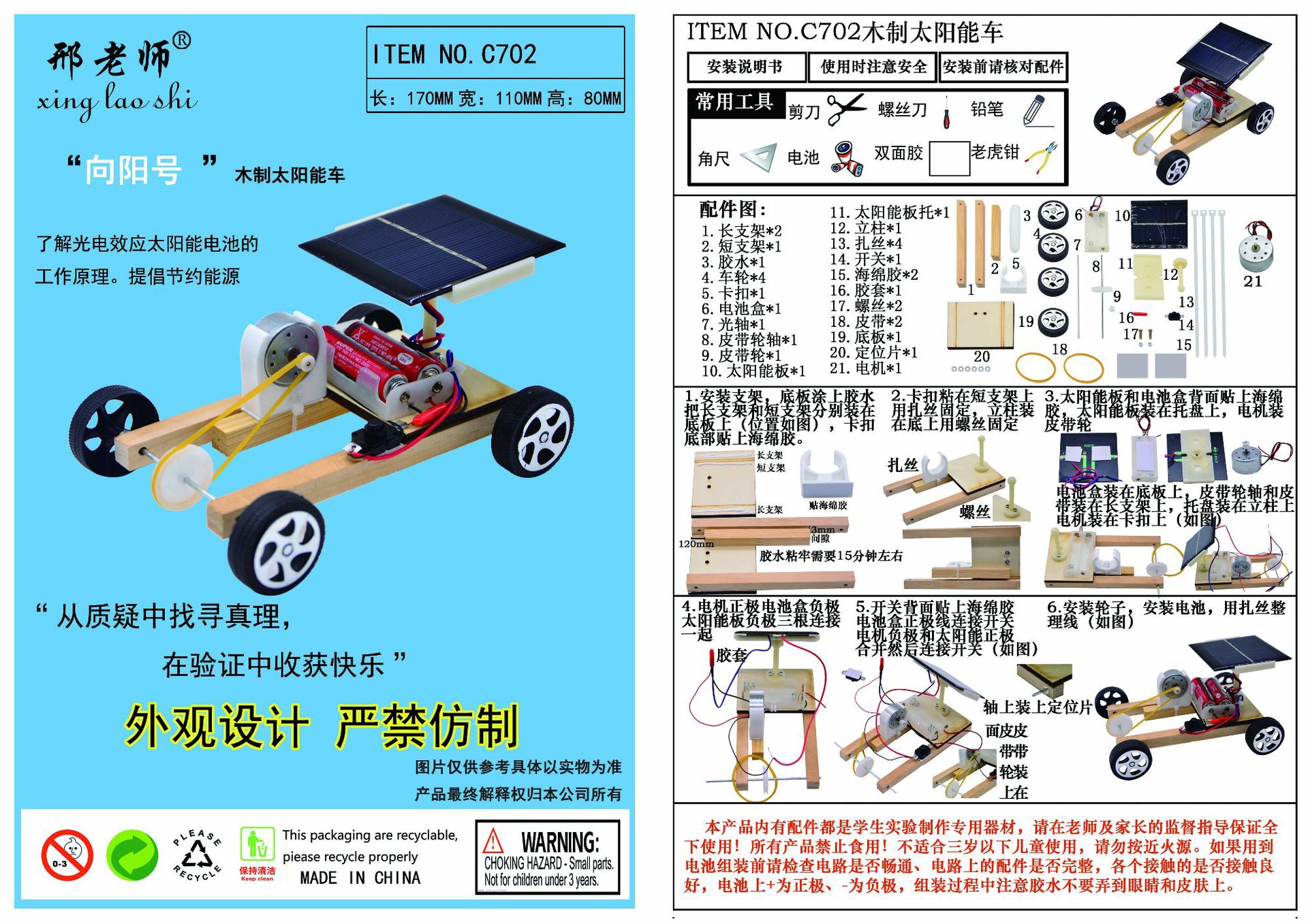
"Xiangyang" wooden solar vehicle
Scientific Insights:
Solar cars are vehicles that are powered by solar energy. Compared to traditional thermal engine-driven cars, solar cars are truly zero-emission. Due to their environmental benefits, solar cars are highly promoted, and the development of the solar car industry is also growing rapidly.
Scientific Production:
1. Identify and prepare the materials required for the experiment.
2. Follow the instructions in the manual step by step to proceed with installation.
3. After installation, proceed with debugging.
Scientific Principles:
The energy from sunlight is converted into electrical current through solar panels, which flows through the motor, causing it to rotate and generate mechanical energy. This, in turn, makes the wheels spin, allowing the car to move forward. The solar panels do not store solar energy; instead, they convert it into electricity in real time. When there is no sunlight, the car stops, and batteries can be used to provide power at that time.
Scientific Expansion:
In a sense, solar cars are also a type of electric vehicle. The difference is that electric vehicles use batteries charged from the industrial power grid, while solar cars utilize solar cells. Solar cars convert light energy into electrical energy using solar cells, which are stored in batteries for later use to power the car’s motor. Since solar cars do not use fossil fuels, no harmful substances are released. It is estimated that if solar cars replace conventional vehicles, carbon dioxide emissions per car could be reduced by 43 to 54%.
On solar cars, densely packed honeycomb-like devices are installed—these are solar panels. Based on the semiconductor materials used, solar cells are typically divided into silicon cells, cadmium sulfide cells, gallium arsenide cells, etc.; among them, silicon solar cells are most commonly used. Under sunlight, solar photovoltaic panels capture it and generate electricity that is widely used. This energy is stored in batteries to power future travel, or can be directly supplied to the engine, allowing charging while driving. The energy is transmitted through the engine controller to move the wheels, propelling the solar car forward. Moreover, without an internal combustion engine, solar electric vehicles do not produce the noise associated with the internal combustion engines of fuel-powered cars.
Scientific Exploration:
1. What scientific facts did you learn by making a solar-powered wooden car?
2. What is the principle of the solar-powered wooden cart?
3. What other similar principles exist in life?
Update time:


TOP


