
Search history
Clear allSearch by image
XDrag and drop an image here or upload an image
Max 5MB per image
UploadSign In | Join

Search history
Clear allSearch by image
XDrag and drop an image here or upload an image
Max 5MB per image
UploadSign In | Join
Zhejiang Yubu Electric Co., LTD 7yr.
Contacts Huang Huahua Chat
Mobile 18867711136
18867711136

WhatsApp 18867711136
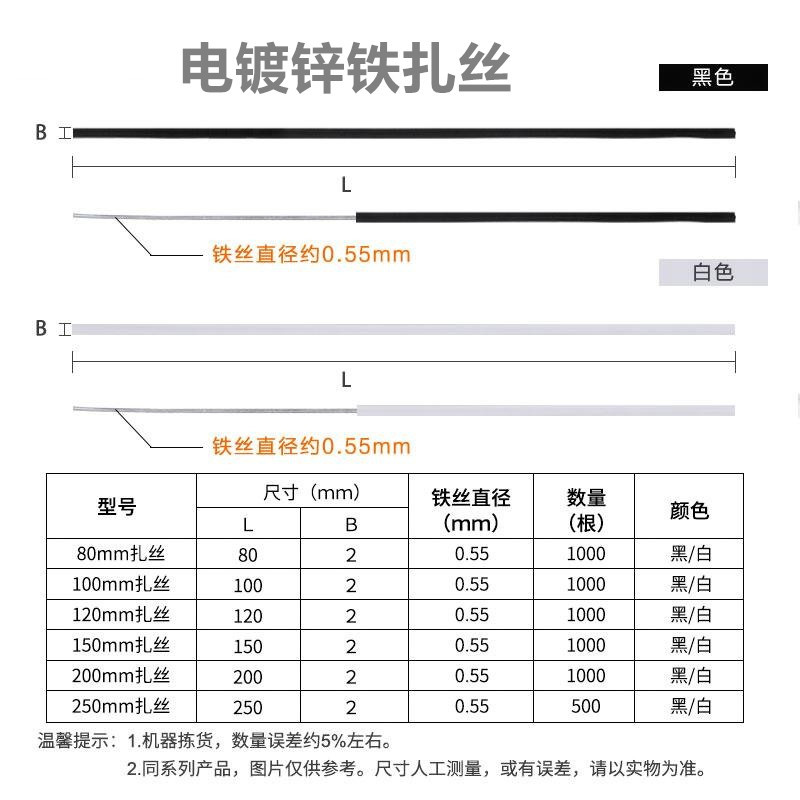
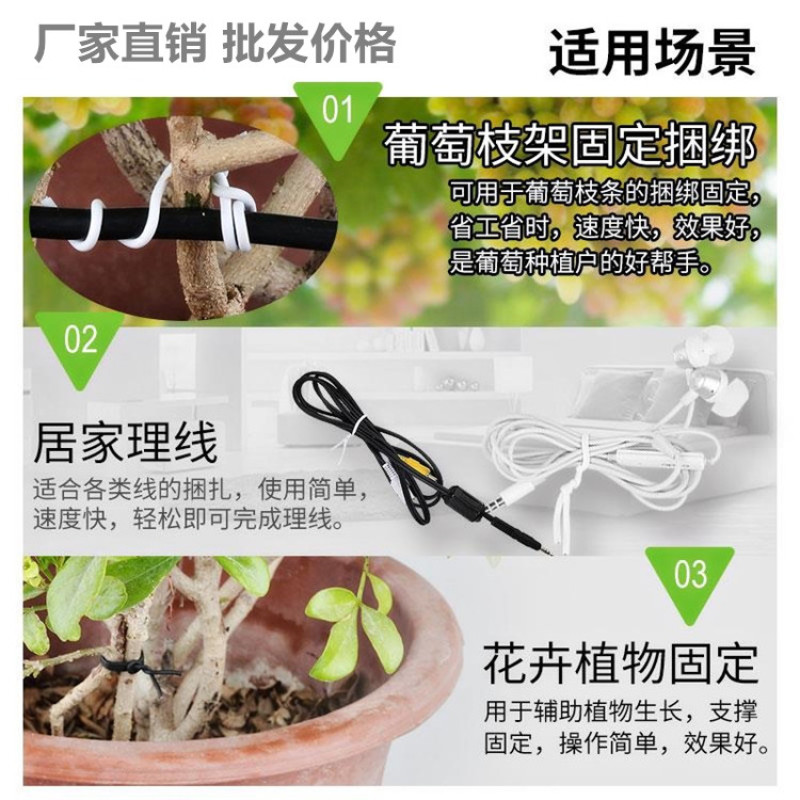
Before the mass commercialization of nylon zip ties, traditional techniques for securing wires or objects usually involved using ropes or twine, also known as "zipping."Zhā Sī。
Traditional rope and knotting techniques are gradually being phased out of the market, and more and more enterprises and factories are preferring to use nylon tie straps. This involves several aspects.
1. Traditional rope and twine are usually made of PVC or fiber materials, but these materials tend to deteriorate or rot over time, causing inconvenience for the items after use.
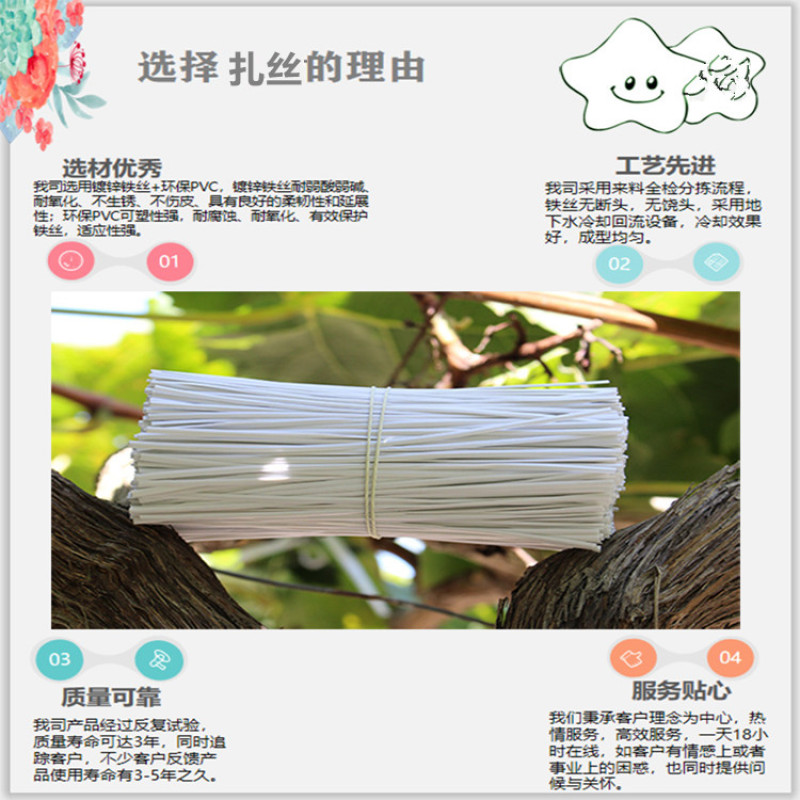
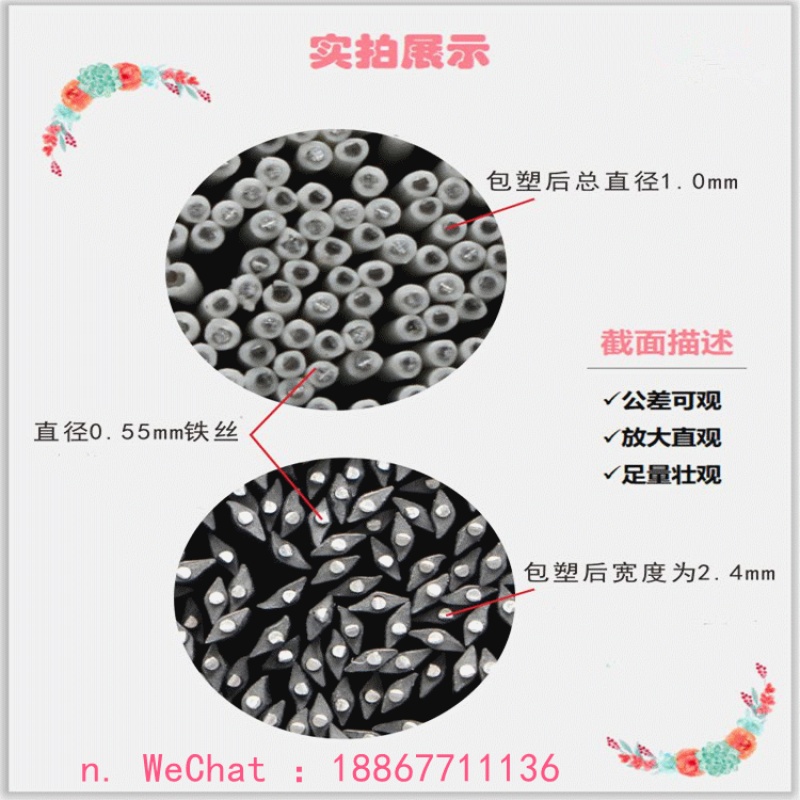
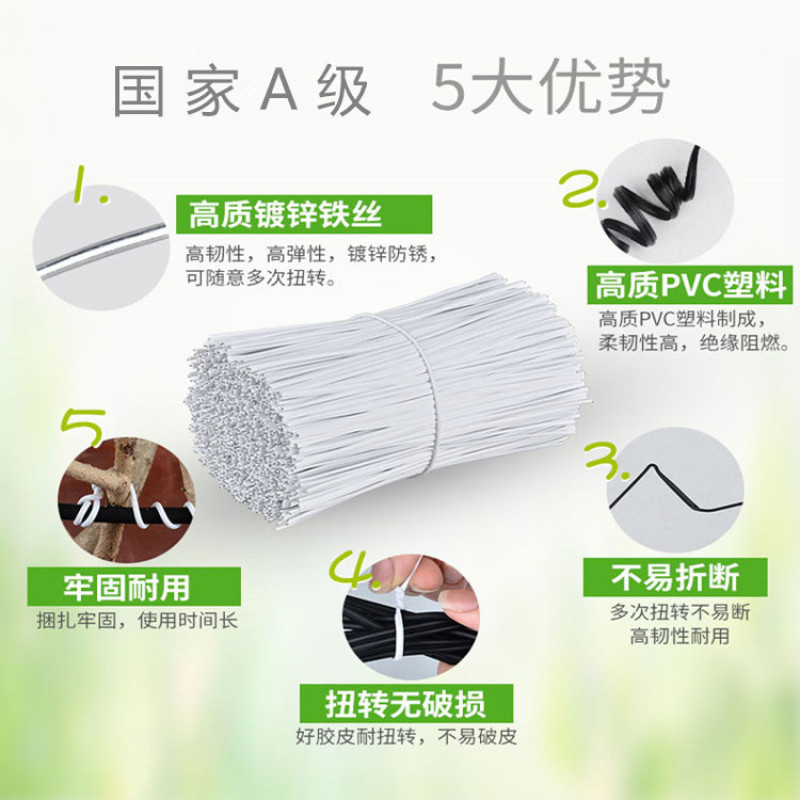
2. For example, traditional PVC binding wire, which requires iron wire to strengthen its toughness and tension, may have its surface peeling or aging over time. If the iron wire is exposed, it can pierce objects directly, and if used in electrical wires and appliances, it poses a risk of electrical conductivity.
3. Whether it is a rope or traditional tying wire, it is quite troublesome in actual operation, and the scale of workers' operation is also difficult to be uniform, resulting in higher labor costs. However, the use of self-locking nylon tying straps is relatively simple, and the uniform scale of use method brings higher efficiency to the enterprise.
4. Nylon tie wires have high tensile strength and impact resistance, and they are also resistant to acids and alkalis. Additionally, in industrial applications, nylon has a certain fire-retardant rating that can reach 94V2. All of these advantages are not present in traditional ropes and tie wires.
5. In recent years, especially in Europe, the environmental protection requirements proposed have made it difficult for traditional PVC materials to meet the standards set by the EU. Additionally, because traditional binding wire requires a large amount of iron wire, the rising prices of steel in our country have escalated one after another, and there is a certain risk in terms of price, so it has lost its market.
The above review indicates that the nylon tie market has a relatively stable development prospect.
Update time:


TOP


