
Search history
Clear allSearch by image
XDrag and drop an image here or upload an image
Max 5MB per image
UploadSign In | Join

Search history
Clear allSearch by image
XDrag and drop an image here or upload an image
Max 5MB per image
UploadSign In | Join
Zhejiang Yubu Electric Co., LTD 7yr.
Contacts Huang Huahua Chat
Mobile 18867711136
18867711136

WhatsApp 18867711136
Nylon Tie Band Performance
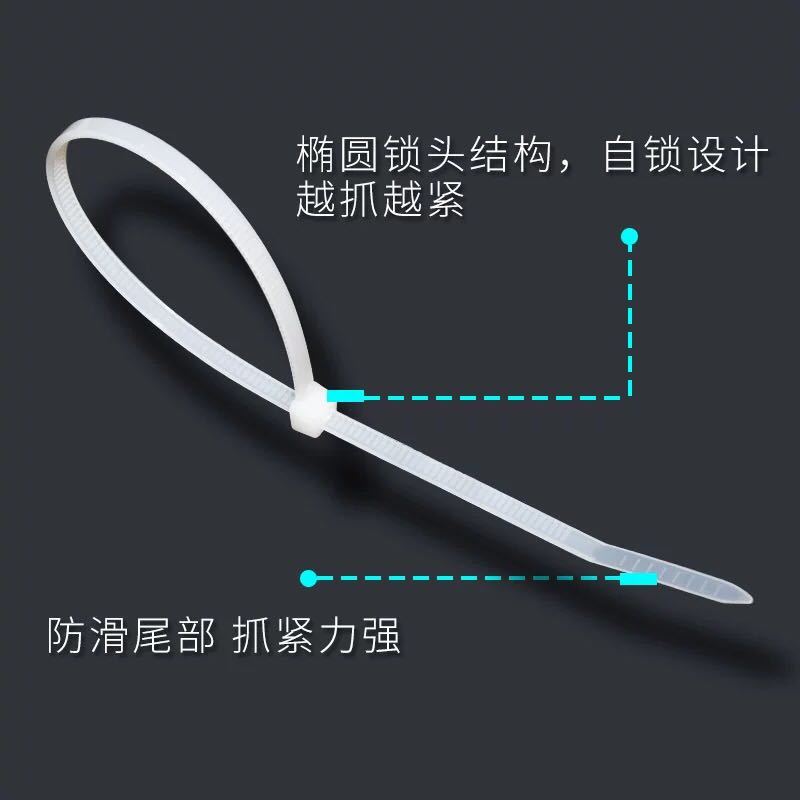
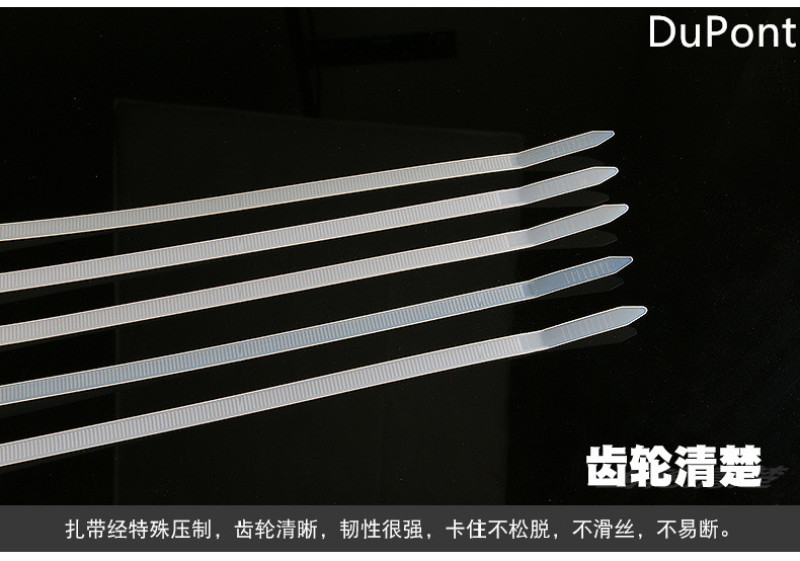
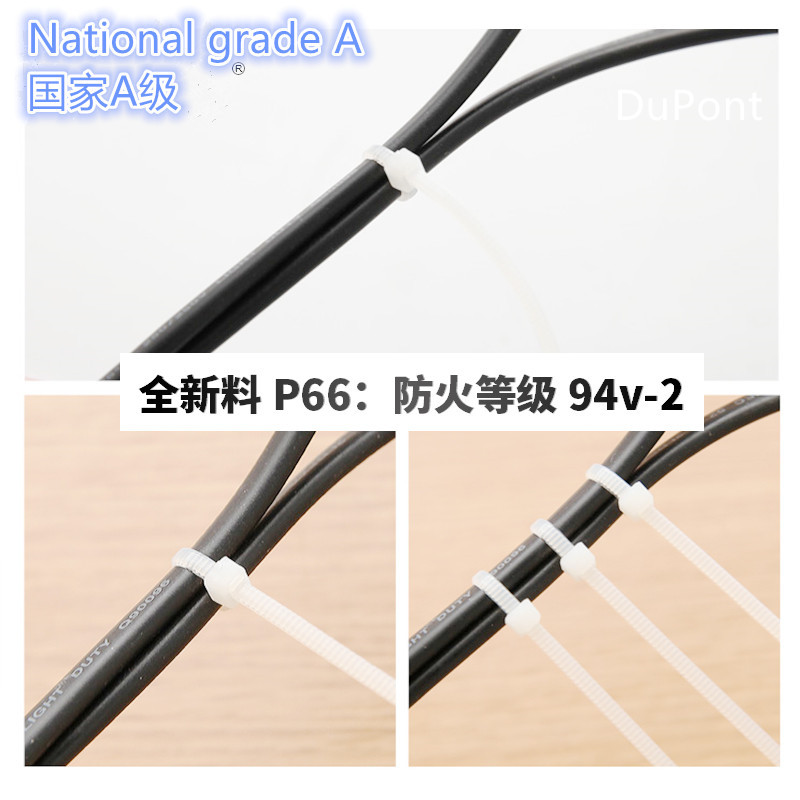
The most important evaluation focus of nylon tie is its breaking force. When applied to a certain force, whether the tie breaks or the teeth reverse, or the head cracks, the breaking method must be above the nominal tensile strength. As for some users feeling that the quality of the tie is poor, it is also partly related to the selected specification. One cannot be stubborn and think that the tie quality is poor because the product standard tensile strength of a specification is predetermined. When the required force in the use condition exceeds the standard greatly, it cannot be guaranteed. It can only be replaced by choosing a higher tensile strength specification product. Of course, the cost will increase, which is inevitable. Of course, the good quality tie stretch is flexibility.ExtensibilityExcellent, there will be no direct and clear fracture section, and it will not be brittle. This can also meet the user's requirements for the scope of application of the tensile force to a greater extent, thereby achieving the possibility of reducing costs. Why are some nylon tie specifications such as 2.5*100, 3.6*200, and 4.8*300, while others are 3*100, 4*200, and 5*300? What is the difference? The best answer: Accurately speaking, 2.5*100, 3.6*200, and 4.8*300 (with decimal points) are actual dimensions, meaning the actual widths are 2.5MM, 3.6MM, and 4.8MM, respectively. Whereas 3*100, 4*200, and 5*300 are nominal dimensions, which are just a way of referring to them. The numbers 3, 4, and 5 do not represent the actual widths. For example, an item with an actual width of 2.0MM and a length of 100MM can be called 3*100, and an item with an actual width of 2.5MM and a length of 100MM can also be called 3*100.
Update time:


TOP


