
Search history
Clear allSearch by image
XDrag and drop an image here or upload an image
Max 5MB per image
UploadSign In | Join

Search history
Clear allSearch by image
XDrag and drop an image here or upload an image
Max 5MB per image
UploadSign In | Join
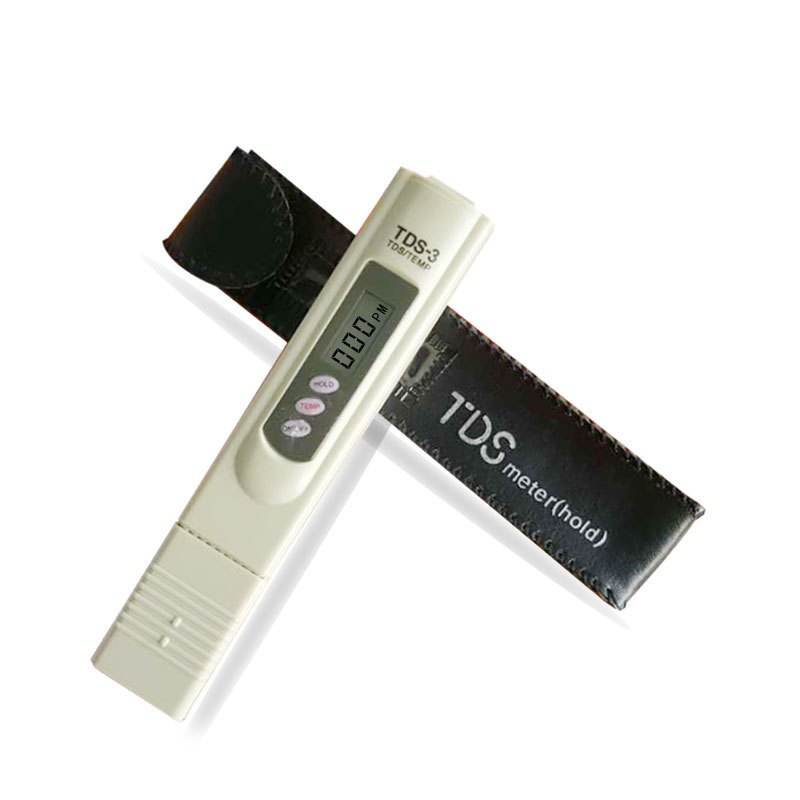
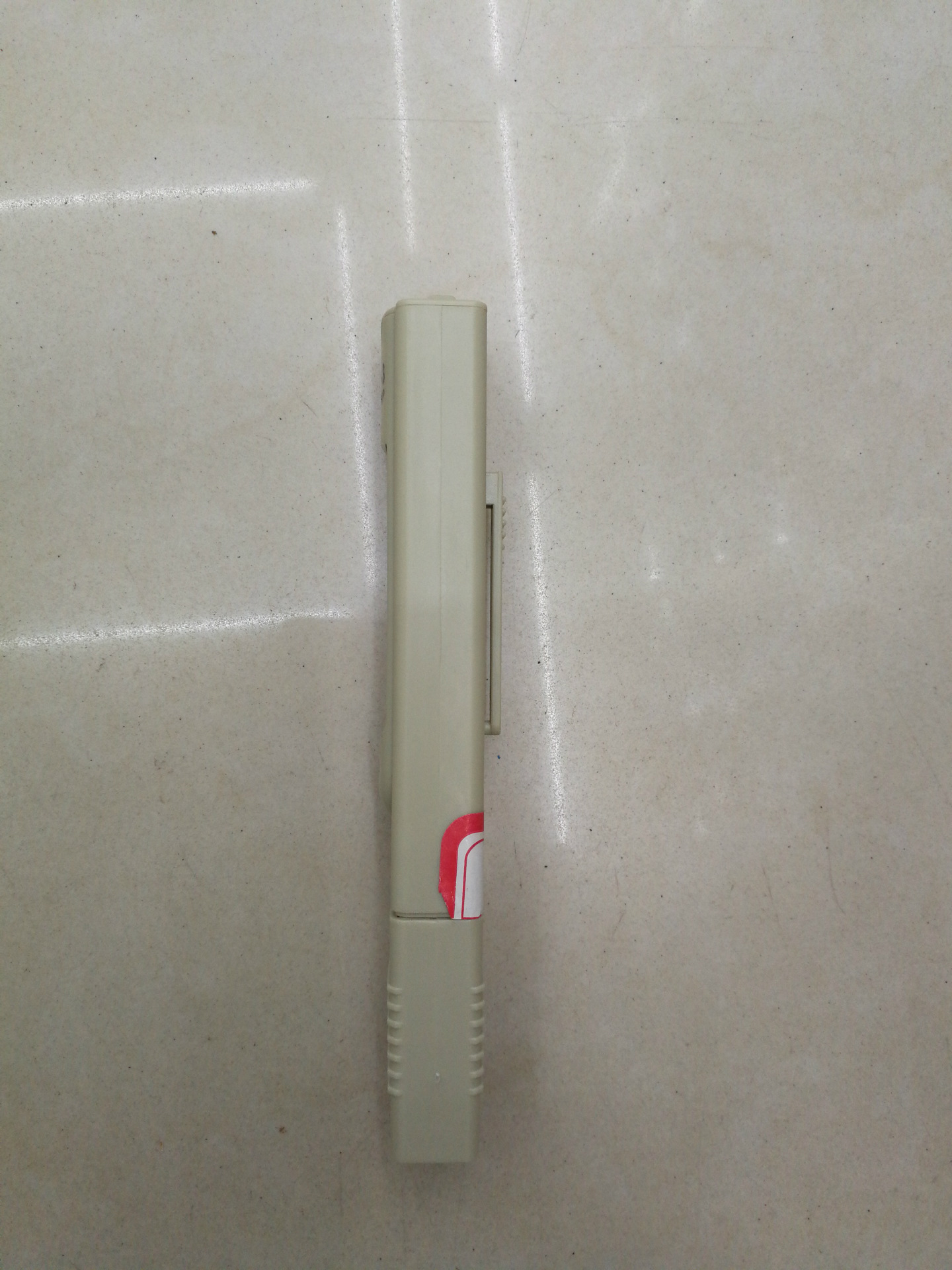
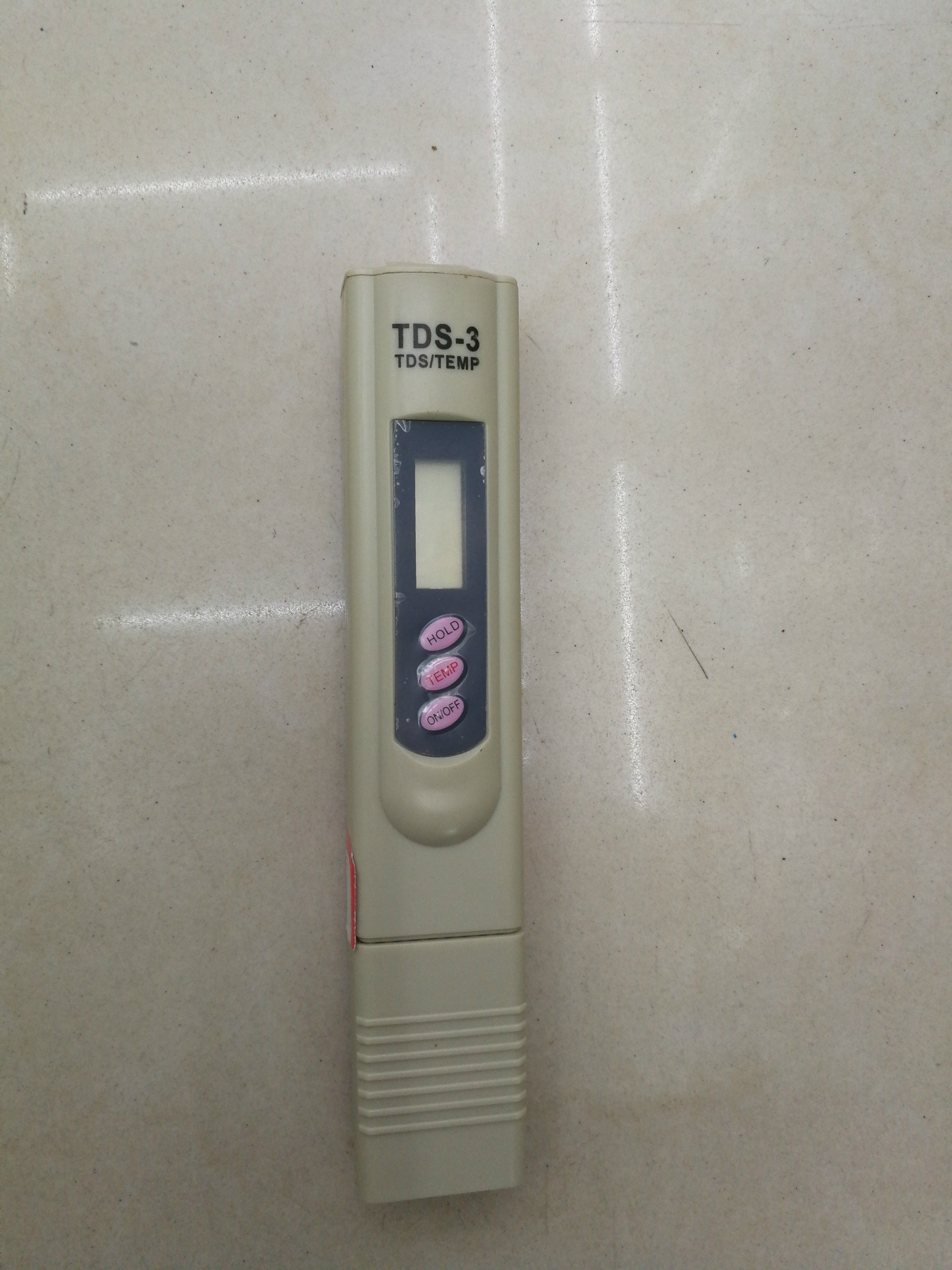
TDS Pen Introduction:
TDS is the abbreviation for total dissolved solids in English; its Chinese translation is dissolvedable total solids. The unit of measurement is milligrams per liter (mg/L), indicating the amount in milligrams of soluble solid substances in 1 liter of water.
The TDS concept is an imported term that is widely used in water treatment fields in the United States and Taiwan. The tools for measuring TDS values are typically TDS pens, and their measurement principle is actually to indirectly reflect the TDS value by measuring the electrical conductivity of water. In physical terms, the more dissolved substances there are in water, the higher the TDS value becomes; the better the electrical conductivity of water, and the greater the electrical conductivity value.
In simple terms: The TDS value indicates the concentration of dissolved impurities in water. The higher the TDS value, the more impurities there are; conversely, a lower TDS value means fewer impurities.
Factors affecting the TDS value test:
Water temperature: The TDS pen cannot be used to measure high-temperature water bodies (e.g., hot water).
Water flow rate: The TDS pen cannot be used to measure water bodies with significant movement.
Product Instructions:
Remove the pen cap and turn on the ON switch;
Place the pen in the test solution, and the height of the solution must not exceed 2 cm;
Stir the pen in the solution. After the reading stabilizes (2–6 seconds), the TDS value will appear on the screen. Press the HOLD button to lock the value.
After use, dry the water from the tip, clean it with pure water, and then put the cap back on.
Usage precautions: Avoid submerging the entire TDS pen in water, prevent direct sunlight, keep away from high temperatures, and avoid impacts, pressure, or drops.
Product Application Scope:
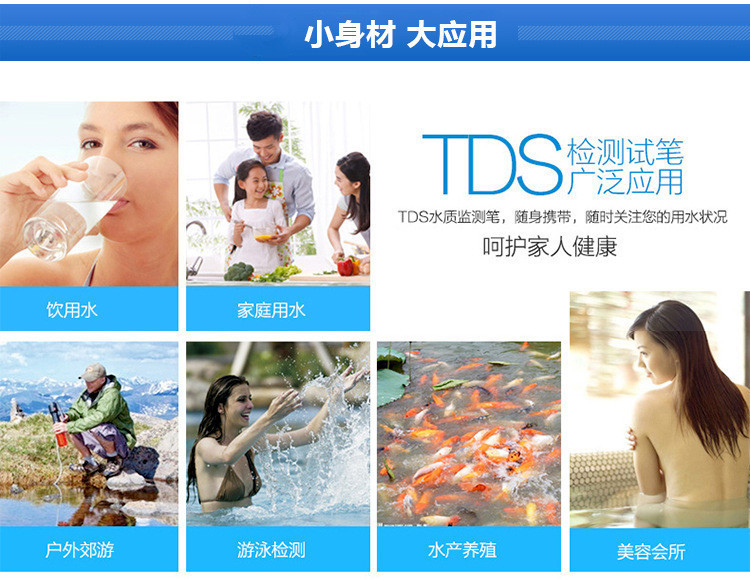
Determine whether the quality of tap water, purified water, and mineral water meets the national drinking water standards: below 300 PPM for tap water, below 50 PPM (national standard) for pure water, and between 100–200 PPM for mineral water.
The specifications and parameters of the test pen are as follows:
● Lightweight compact model → 28 grams, it is the smallest and lightest portable TDS instrument in today’s market, measuring 14.2×2.3×1.3 (CM).
● Wide measurement range → Can measure from 1 to 9990 PPM (if it shows above 999 PPM, the value must be multiplied by X10).
● Wide operating temperature range → Works from 0 to 50 degrees, and can be stored at -30 degrees.
● LCD Display Window → Waterproof design with large LCD screen, easy to view and durable
● Long battery life → Utilizing 2 LR4 batteries, it can last over 3 years. The auto-shutdown function activates after 10 minutes of inactivity, saving battery power.
● Reasonable design → the electrode tip can be directly inserted into the tested aqueous solution for measurement, and the pen cap can also serve as a container for the aqueous solution, which is extremely convenient.
●Fast measurement → Thanks to the sophisticated bare-sensor component, a measurement can be completed in just 5 seconds.
● High accuracy → ±1% error; the titanium alloy probe offers high water measurement precision, unaffected by magnetic interference in the water.
● Automatic temperature compensation → It can automatically convert the reading to the value at 25 degrees Celsius.
Common knowledge:
1. After being stored for a long time, the TDS value of pure water and mineral water increases excessively compared to the initial level, and the total number of bacteria also rises accordingly. It should not be consumed directly, as it may affect health;
2. The TDS value of pure alcohol is 0; values greater than 0 indicate impureness;
3. TDS refers to the total dissolved solids. If the value is 100, it means 100 milligrams of impurities per liter.
4. Users above the 3rd floor are supplied water from the top storage tank, which is prone to secondary contamination. The TDS values should be regularly monitored, and the property management department should be urged to clean it regularly.
5. How much laundry detergent should be used in the washing machine? Using a TDS meter can convert experience into data. After the cleaning cycle, the reading before drainage should be similar to that of tap water to indicate it is clean. If the reading exceeds that of tap water, the amount of detergent should be reduced.
6. If fruits and vegetables are soaked in water, and the TDS value is high, chemical contamination may be suspected, and this should be taken seriously.
7. During swimming in the pool, changes in the pool water cleanliness can be measured; excessive readings should be taken seriously.
8. If the readings for deep well water exceed 300, it indicates a high level of impurities;
9. In each region and city, due to different pipelines and water sources, the TDS values vary.
10. Northern hard water contains calcium and magnesium ions, with a high TDS value, which leads to scale formation; typical hard water has a TDS of 150–400 (causing scaling). Ultra-hard water (if it is saline) has a TDS greater than 400 (resulting in severe scaling).
1.1. After the first preparation of flower fertilizer according to regulations, measure its value; this number can be used conveniently for future preparations.
12. Water in the goldfish tank can be measured to determine its cleanliness level. If the value remains high, water should be changed promptly;
1.3. Water used for marine aquaculture can be measured, which will facilitate future preparation and testing.
Note: This product is also suitable for hydroponic cultivation. A conductivity meter is required to measure the ion content in the nutrient solution. This product can be used to measure the concentration of the nutrient solution. Simply subtract the values measured twice. The method is to first measure the TDS value of tap water, then add the nutrient solution and measure again, and the difference between the two values is the desired result.
The hardness and purity of this sample can be measured:
Water with TDS over 40 is not considered pure water.
In general, rural well water is above 40.
RO reverse osmosis, five-stage filtration, without soft water function
The TDS value generally needs to be less than 35; if it has a soft water function, the value should be even lower.
The TDS value of distilled water is generally close to 0.
The TDS value of purified water is generally less than 10.
Water supply varies by region, generally ranging between 100 and 400.
Usage instructions: Avoid submerging the TDS pen in water, avoid direct sunlight and high temperatures, avoid impacts, pressure, or drops. Difference between conductivity and TDS pen.
These are two different concepts: one is a physical quantity, and the other is electric charge! However, the measurement methods are the same. Both reflect the quality of water quality! Conductivity is used to measure the overall ionic conductivity in water. Waterproof pens offer both conductivity and TDS measurements! TDS refers to the content of solid substances dissolved in water; the value of TDS multiplied by 2 approximately equals the value of conductivity! But it is not absolute.
The TDS value refers to the concentration of solid substances dissolved in water, measured in milligrams per liter. If your water purifier has no adsorption effect on dissolved substances in the water, there will be no significant change in the TDS value.
The TDS value represents the total content of soluble substances in water, such as calcium and magnesium ions, as well as some trace minerals. In tap water, the TDS value is less than or equal to 1000 milligrams per liter. Water purifiers are used to purify water from harmful substances like sediment, rust, residual chlorine, and methane compounds; this does not reduce the amount of beneficial soluble substances in the water. Therefore, the TDS value of purified water remains unchanged. TDS is a numerical value, but it does not indicate whether the water meets the standards for direct consumption.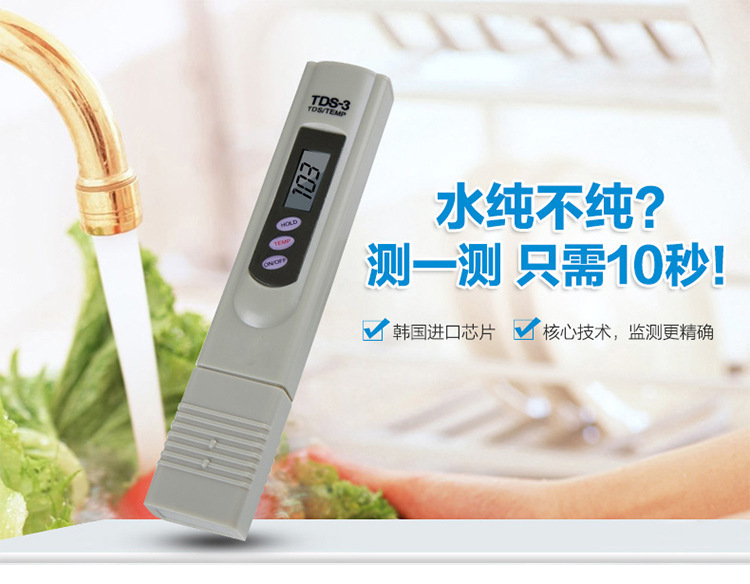
Update time:


TOP


