
Search history
Clear allSearch by image
XDrag and drop an image here or upload an image
Max 5MB per image
UploadSign In | Join

Search history
Clear allSearch by image
XDrag and drop an image here or upload an image
Max 5MB per image
UploadSign In | Join
Chenming Reflecting Material Firm 15yr.
Contacts Wang Weijian Chat
Mobile 15257962653
WeChat 15257962653
Reflective Film Introduction
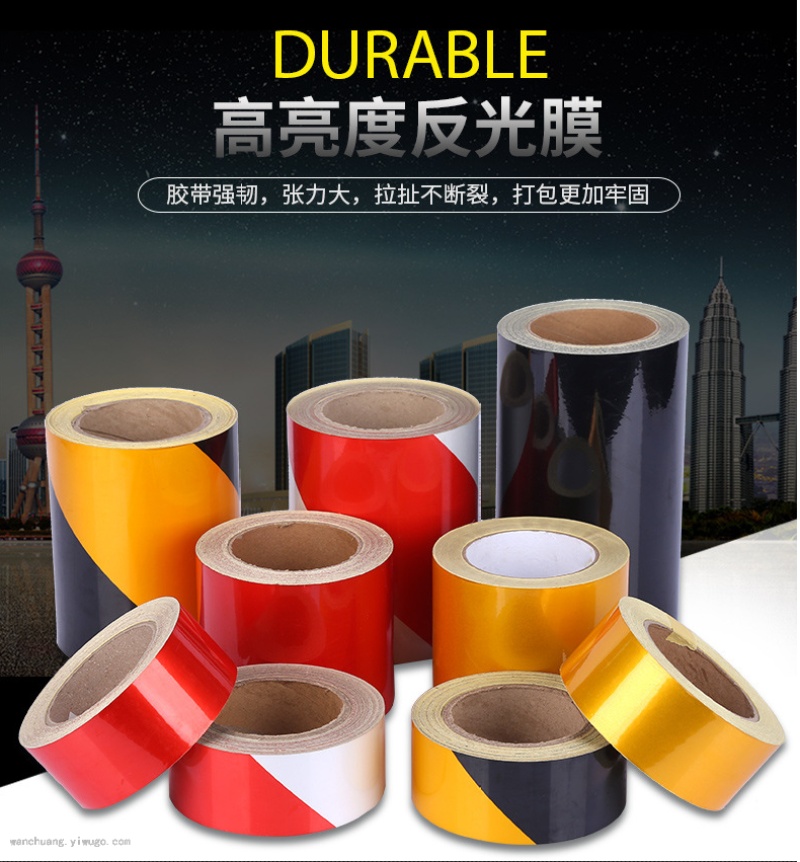
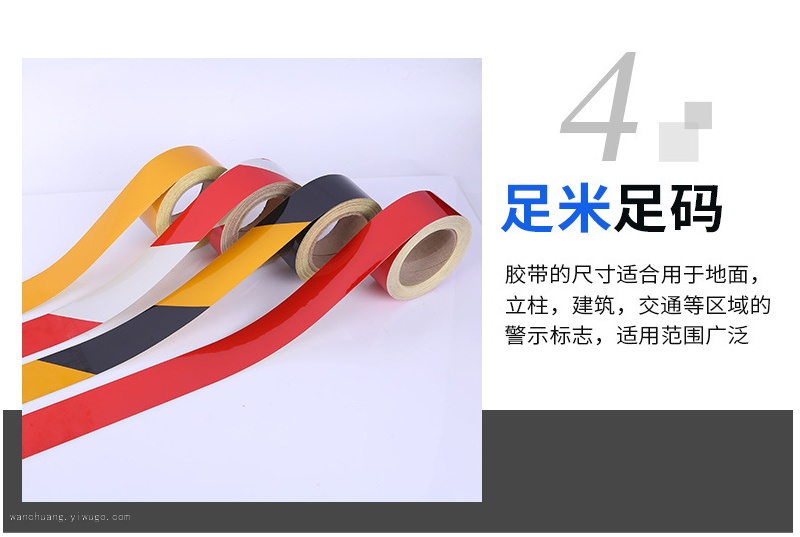
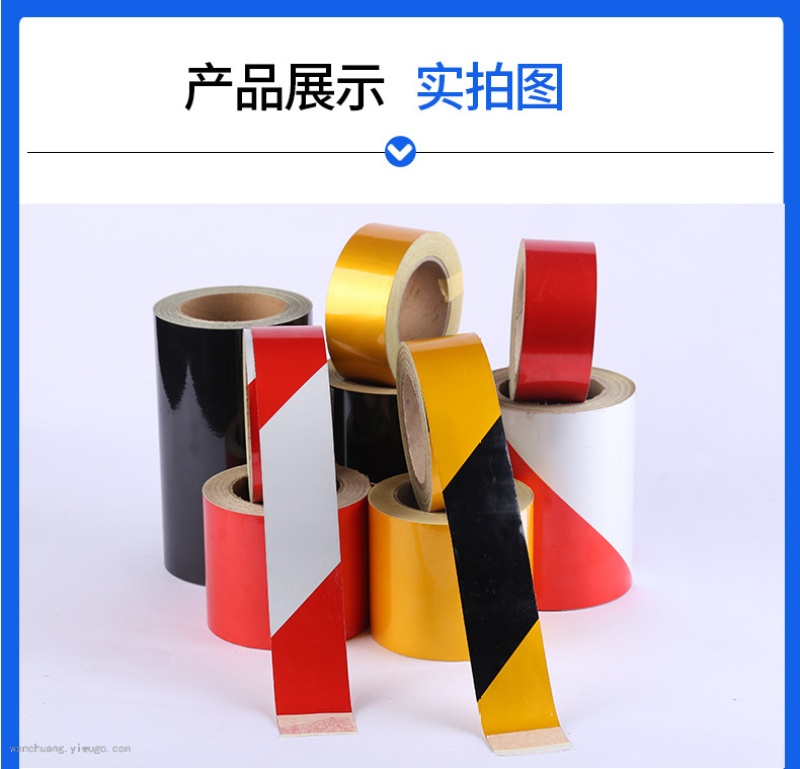
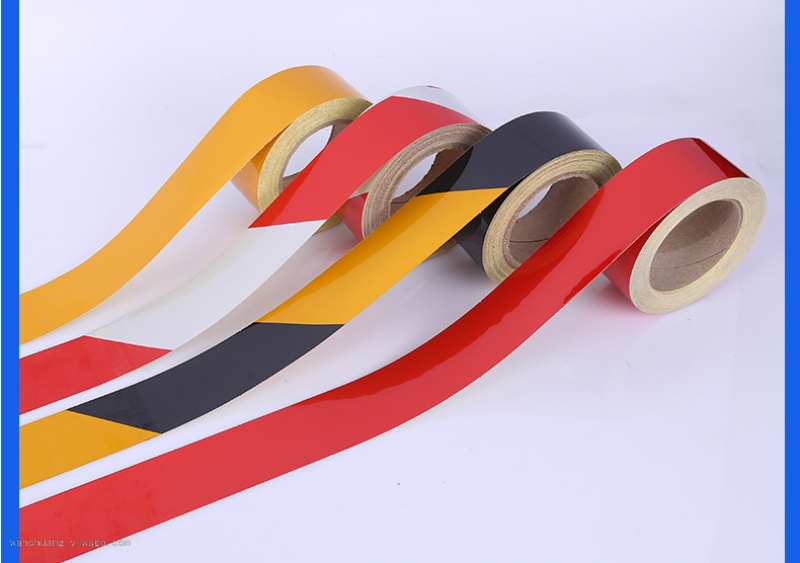
1.Reflective film is a type of reverse-reflective material that has been manufactured into a thin film and can be directly applied. It uses glass bead technology and microprism technology.technologySynthetic resin technology, film technology, coating technology, and micro-replication technology are used to produce these. They are usually white, yellow, red, green, blue, brown, orange, fluorescent yellow, fluorescent orange, fluorescent yellow-green, and abroad, there are also fluorescent red and fluorescent pink.
2.Reflective film is a type of material that has been manufactured into a thin film and can be directly applied. It is also one of the most widely used types of retroreflective materials. In 1937, the world's first piece of reflective film was born in a laboratory in the United States. This marks the beginning of the large-scale application of reflective film in traffic signs. In 1939, along the roads in Minnesota, the United States, for the first time, a signboard made of reflective film was used in open-air conditions. Since then, it has ushered in a new era of using reflective products for traffic signs, and it has opened up a brand new industry of traffic safety. In this year, the United States National Standard for Traffic Signs (1939 Edition of the "Manual of United Traffic Control Devices," 1939) officially stipulated that traffic signs should be made of reflective film.
3.There are many ways to classify reflective films. One of the more widely accepted classification principles is based on the basic structure of the retro-reflective elements, with the order determined primarily by the level of retro-reflectivity of the film's front light performance. However, considering the different types of reflective films, this method may not always be applicable.craftsmanshipSome are specifically designed to address non-positive retroreflective brightness, while others balance both performance aspects, and still others are tailored for visibility requirements in harsh weather conditions. Therefore, this classification method also has its limitations. It is therefore essential to be familiar and proficient in the application conditions and design functions of various retroreflective films.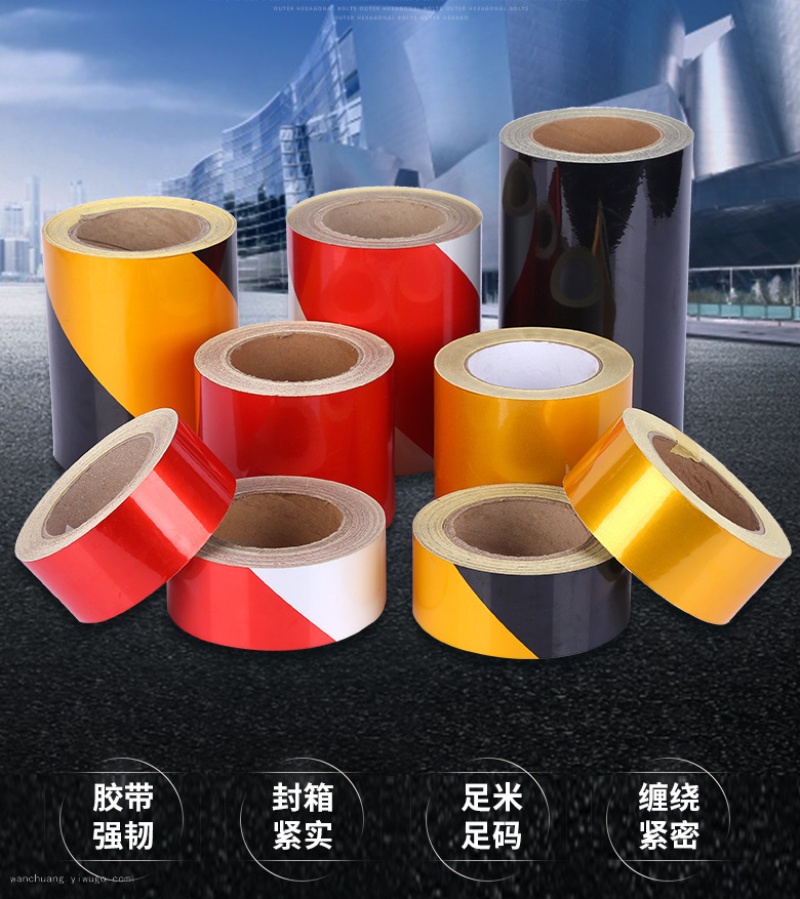




Update time:


TOP


