
Search history
Clear allSearch by image
XDrag and drop an image here or upload an image
Max 5MB per image
UploadSign In | Join

Search history
Clear allSearch by image
XDrag and drop an image here or upload an image
Max 5MB per image
UploadSign In | Join
|
kx1001 volcanic eruption
KX1001 火山爆发 |
CN¥ 0.0 |
Product Name: Volcanic Eruption
Item No.:K0539
Package: Packaging bag
Product dimensions: 200*160*50 MM
Number of boxes to be packed: 300 PCS
Box dimensions: 60*40*55 CM
Chemical reaction of baking soda and acetic acid in the volcanic eruption laboratory!
With a tremendous roar, stones flew up and rolled around, and the intensely hot magma, like a ferocious fire dragon, erupted from underground, consuming everything around it. In an instant, dozens of miles in radius were covered in thick smoke and fog. This is the magnificent scene of a volcanic eruption we saw on TV. Now, let’s conduct a simulation experiment of a volcanic eruption together.
Learn about basic acids and bases, the formation of volcanic eruptions, chemical reactions in mixtures, and develop children's hands-on skills.
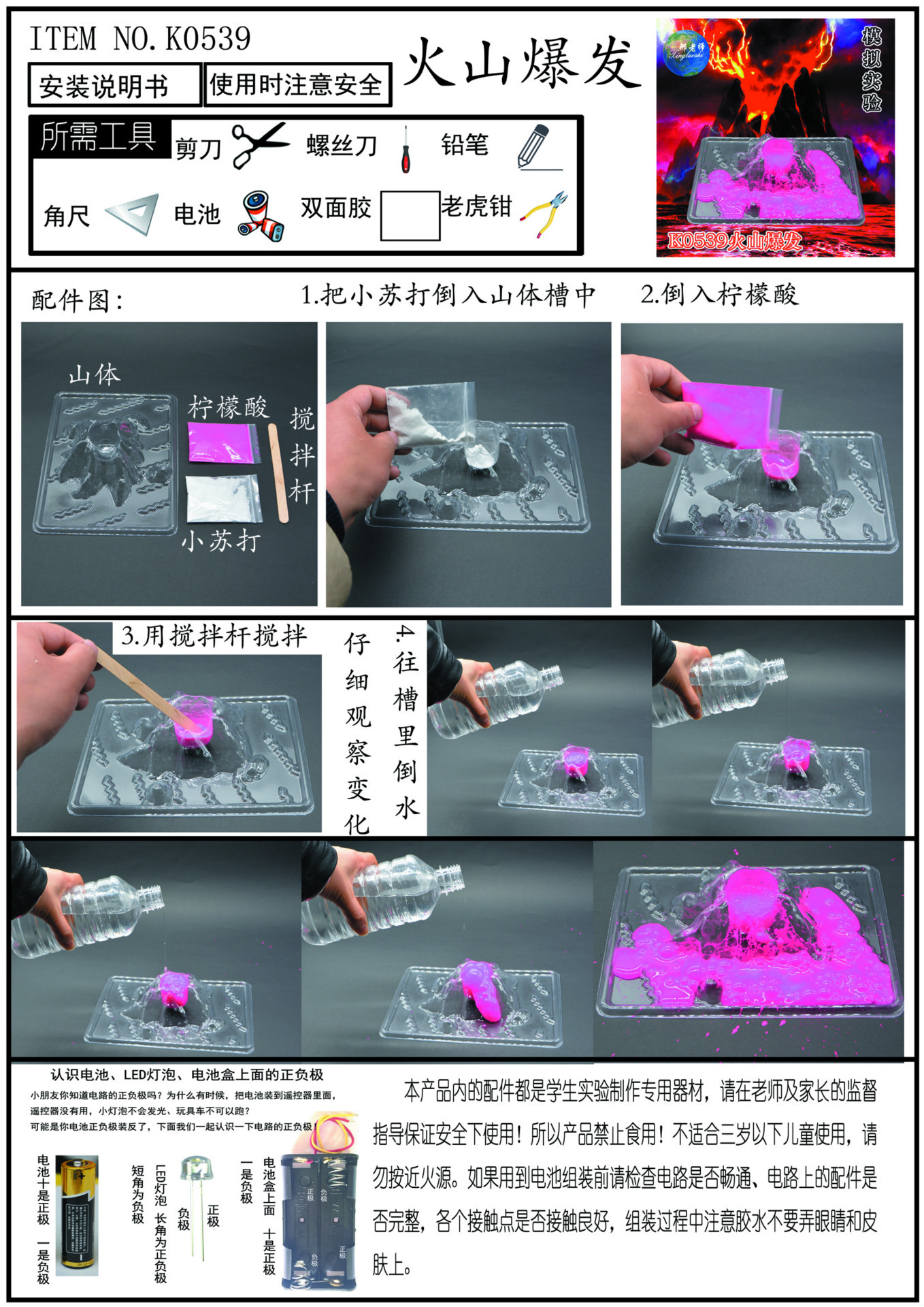
Carbonic ammonium sodium, commonly known as baking soda, sodium bicarbonate, and similar names, is a white, fine crystal. Its solubility in water is lower than that of sodium bicarbonate. It is a white alkaline powder that dissolves easily in water. When combined with water, it releases carbon dioxide. It reacts more rapidly in acidic liquids such as fruit juice. As the ambient temperature rises, the release of gas becomes more noticeable. Carbonic ammonium sodium is an acid salt formed by the neutralization of a strong base and a weak acid. When dissolved in water, it exhibits a weakly alkaline nature. Its magnetic properties allow it to serve as a leavening agent in food production. After use, sodium carbonate remains as residue, and excessive consumption can impart an alkaline taste to the final product.
Citric acid is an important organic acid. It is a colorless crystal that typically contains one molecule of crystalline water, is odorless, has a strong acidic taste, and is readily soluble in water. Its calcium salts dissolve more easily in cold water than in hot water; this property is often used for the identification and separation of citric acid. In a greenhouse environment, citric acid appears as a colorless translucent solid, white particles, or white crystalline powder. It is odorless, tastes acidic, and exhibits slight deliquescence in humid air. It has numerous applications in industries, food production, and cosmetics.
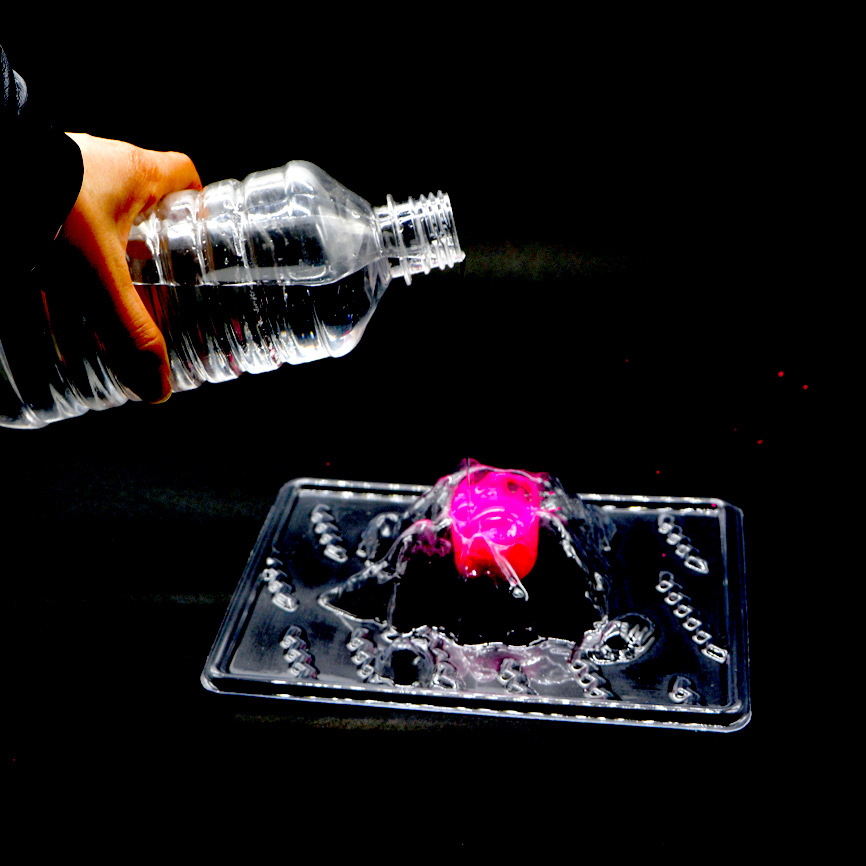
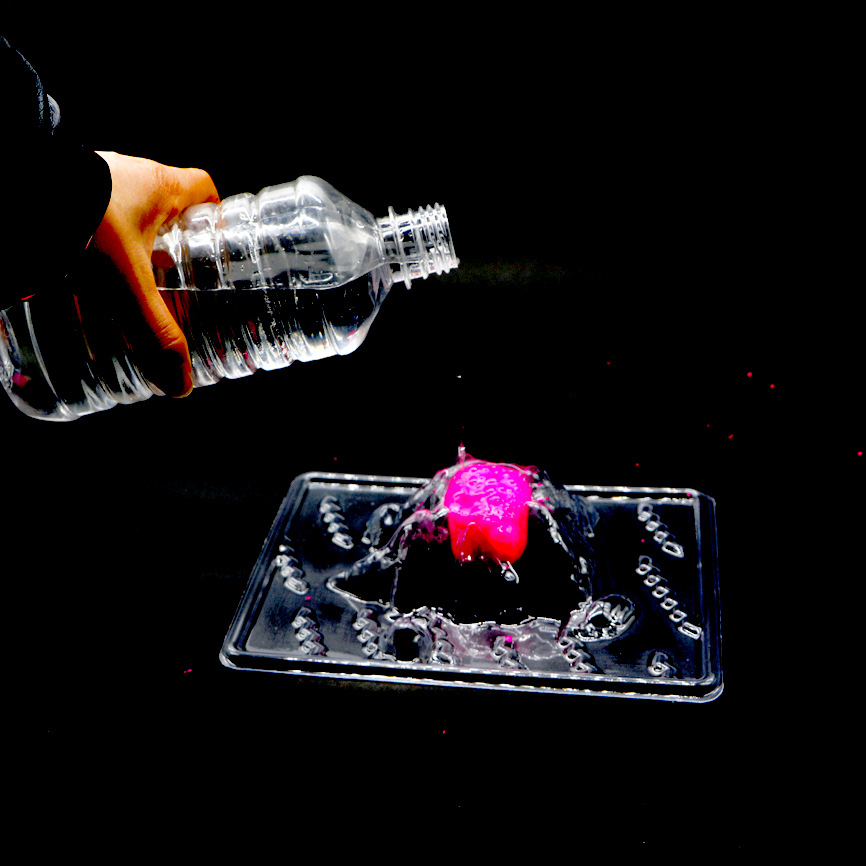
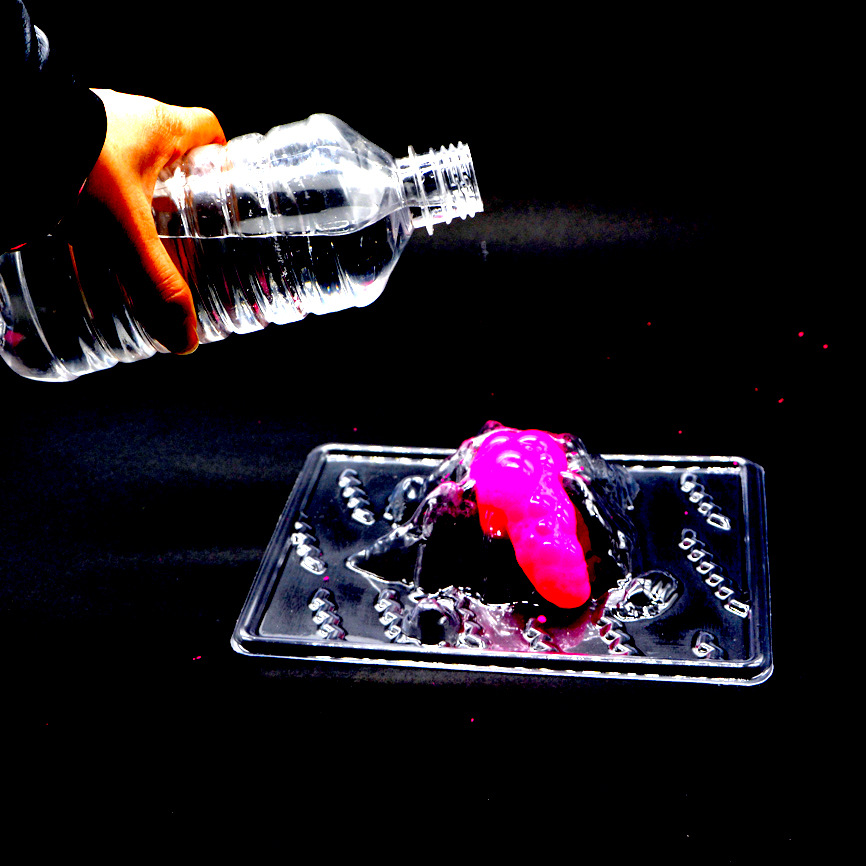
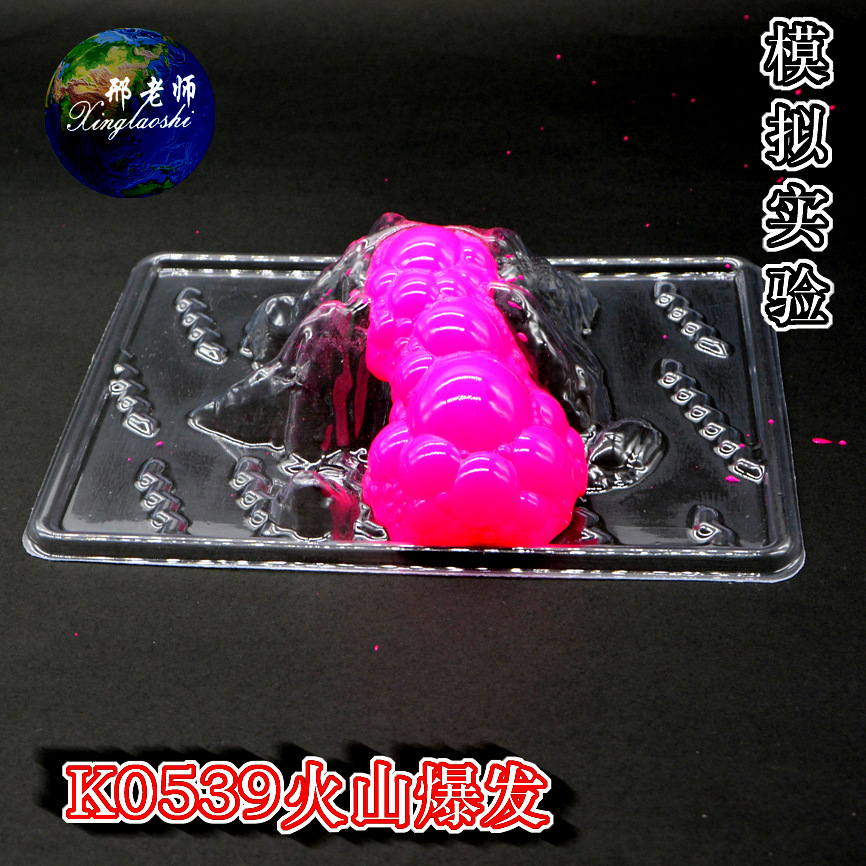
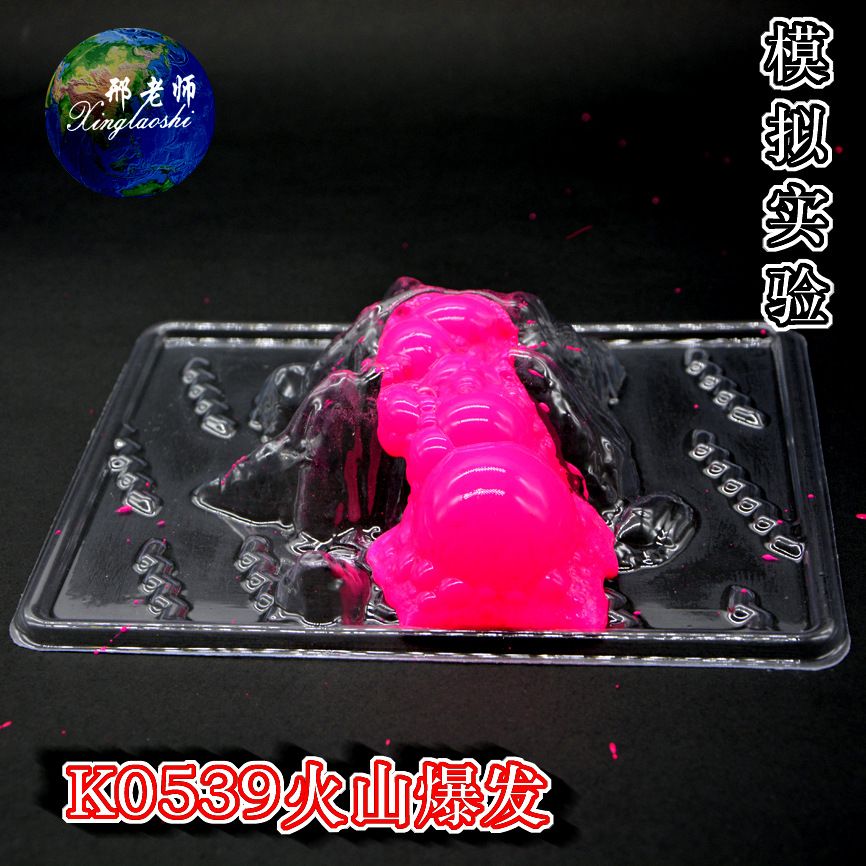
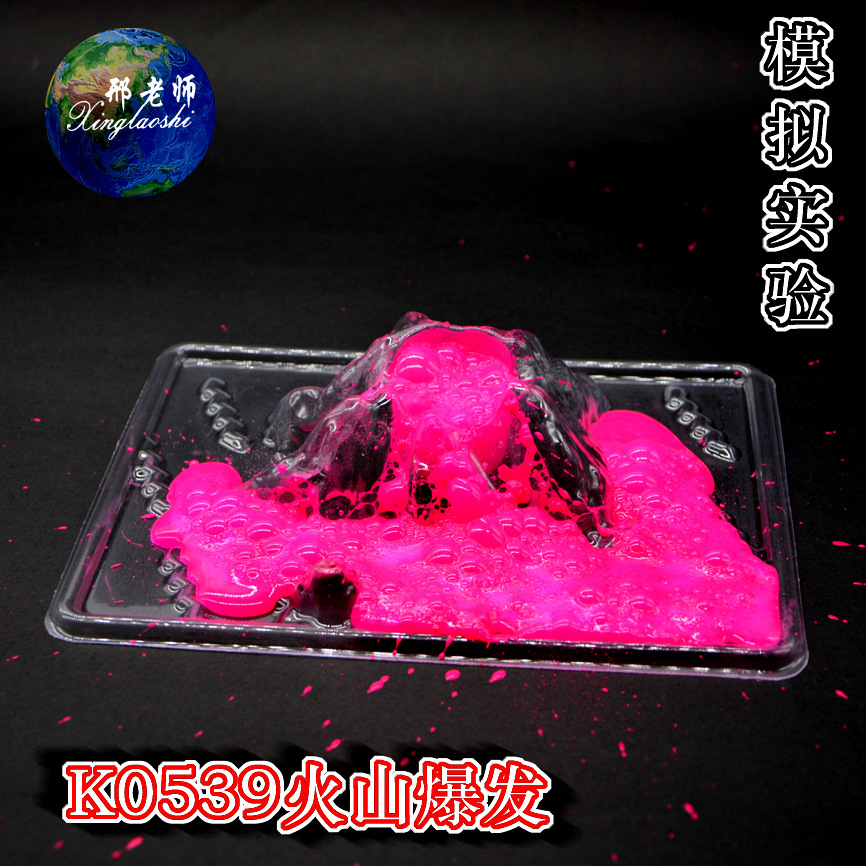
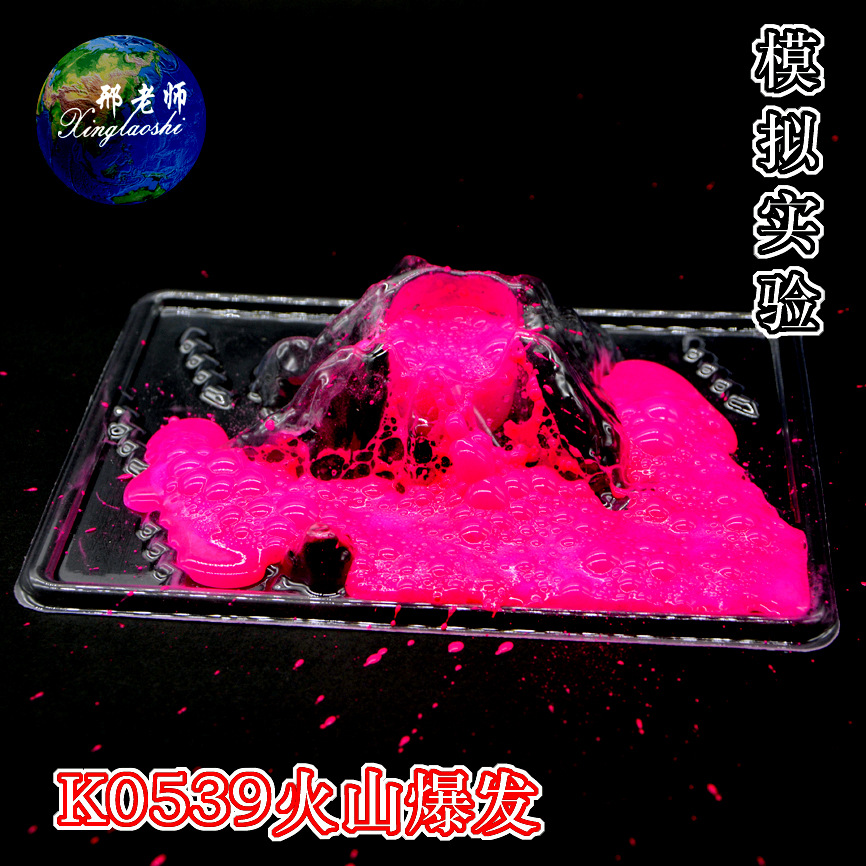
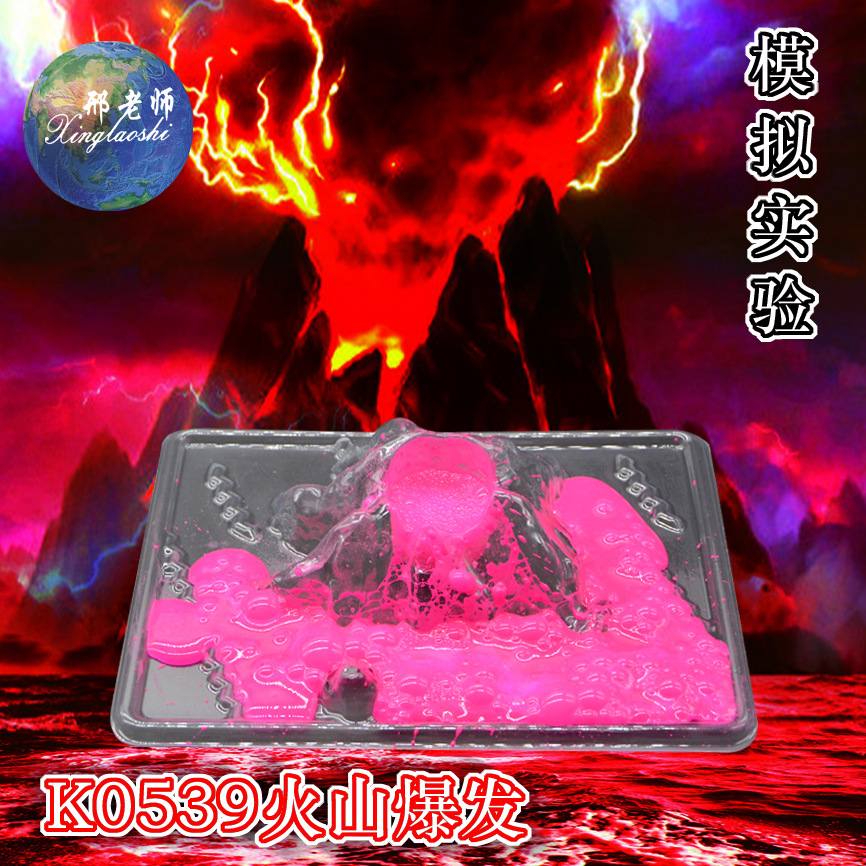
How does a volcanic eruption occur? It turns out that the interior of the Earth is filled with hot magma. Under great pressure, the magma breaks through the crust from weak points and erupts, causing a volcanic eruption.
Volcanoes can be classified as active, extinct, or dormant. The Tambora volcano and the volcanoes on the Hawaiian Islands mentioned earlier are still active—these are active volcanoes. Extinct volcanoes are those that were active in prehistoric times but have no recorded eruptions throughout history. More than 600 volcanoes within China are mostly extinct. Some volcanoes have been recorded as having been active in history, but have not been active since; such volcanoes are called dormant volcanoes. Dormant volcanoes may suddenly "wake up" and become active volcanoes.
A violent volcanic eruption can engulf and destroy large areas of land, turning numerous lives and properties into ashes. However, surprisingly, volcanic regions are often densely populated areas, as is the case around the Nus Volcano and Fuji Volcano in Japan. It turns out that the volcanic ash ejected by volcanoes is an excellent natural fertilizer; the mulberry trees in the Fuji Mountain area grow exceptionally well, which benefits the sericulture industry; while the Vesuvius region produces abundant grapes. The landscapes in volcanic areas are unique and often become popular tourist destinations.
Before humans can control volcanic activity, enhancing forecasting is a way to prevent volcanic disasters. Scientists' research on volcanic eruptions often relies on certain sudden changes in animals and plants. Many animals typically flee away before a volcanic eruption occurs, as if a major disaster is imminent. There is a unique plant on Java Island in Indonesia that blooms before a volcanic eruption; local residents call it “volcanic warning flower”.
“There are approximately over 50 volcanic eruptions of various scales on Earth each year, which may be an important reason for global climate warming,” said Academician Liu Jiaqi, chief scientist of the Chinese Antarctic Science Expedition Team and from the Chinese Academy of Sciences, after examining volcanoes and geology in the Antarctic region. Academician Liu Jiaqi also emphasized that this conclusion requires further exploration and research by scientists.
Academician Liu Jiaqi is a researcher at the Institute of Geology and Geophysics of the Chinese Academy of Sciences and a internationally renowned expert in volcanic geology and Quaternary geology. He has participated in numerous polar scientific expeditions and research projects in Antarctica and the Arctic, covering a wide range of locations. Speaking about this Antarctic expedition, Academician Liu, as the chief scientist, said excitedly: This Antarctic expedition spanned 30 degrees of latitude. In addition to the Great Wall Station in Antarctica, we also visited four other Antarctic research stations and over a dozen small islands in the Antarctic region, collecting relevant samples. This provided more information and evidence for further study of geological evolution, crustal movement, and climate changes in the Antarctic region.
When discussing the relationship between volcanic activity in Antarctica and global climate and environmental changes, Academician Liu Jiaqi explained that the Antarctic continent is an ancient continent, as well as one with high average elevation and a cold, dry climate. In the late 1960s and early 1970s, several large-scale volcanic eruptions occurred in Antarctica. Each eruption produced hundreds of thousands of tons of sulfur dioxide and carbon dioxide, indicating that dormant volcanoes in the Antarctic region have entered an active phase.
Academician Liu Jiaqi emphasized that volcanic eruptions and crustal movements are signs of life on planets. Currently, only Earth and Jupiter’s moon Io exhibit such large-scale volcanic and crustal activities in the vast Milky Way. On Earth, there are over 50 volcanic eruptions of various magnitudes each year. Academician Liu Jiaqi pointed out that volcanic eruptions may be an important cause of global climate warming. However, these issues still require further exploration and research by scientists.
Academician Liu said frankly: There are many things in nature that have not yet been discovered or understood by humans. Our ability to understand nature is inevitably limited by the times and history, especially by means, methods, tools, and our own cognitive capabilities. The polar scientific research in our country still has a long way to go. In particular, due to the limitations of transportation equipment, we are currently unable to conduct research in a wider area and radius in Antarctica. If a mountain or island in any Antarctic region is named after a Chinese explorer or scientist, it would be a source of pride for the nation.
“The level of polar scientific research is actually a reflection of overall strength. In polar scientific studies and expeditions in Antarctica and the Arctic, although China started late, it has developed rapidly. Polar scientific research can be considered a symbol of a strong nation.” When discussing human polar scientific research and studies, Academician Liu Jiaqi added that China’s polar scientific expedition efforts opened a new chapter twenty years ago with the establishment of the Great Wall Station in Antarctica—a sign of a powerful nation. Currently, there are over 50 scientific stations in Antarctica worldwide. The Antarctic Treaty stipulates that countries cannot claim resources or territory in the Antarctic region, but the treaty has a deadline. Today, countries around the world are intensifying their Antarctic strategies. Due to the abundant mineral resources, energy, biological resources, and freshwater resources in Antarctica, it has become an important option for countries to expand their living space. Antarctica is the fifth largest continent in the world, accounting for 70% of global freshwater resources. However, due to its unique geographical location and complex environment in the Antarctic and Arctic regions, scientific research in these areas is much more difficult, dangerous, and costly than in other regions. Academician Liu pointed out that although China started late in polar scientific research, it has already achieved many scientific results, some of which are at the forefront of the world.
A volcano is not a mountain that ejects "fire"; what it ejects is a high-temperature, viscous substance called magma. The eruption of a volcano is exceptionally spectacular. Normally, the magma, tightly bound to the Earth's crust, due to its extremely high temperature and the immense pressure from the crust, will violently burst out when it encounters areas with thinner crust or cracks.
When a volcano erupts, accompanied by a deafening roar, rocks fly up and roll around. The extremely hot magma, like fierce fire dragons, erupts from beneath the ground, consuming everything around it. In an instant, dozens of miles in radius are enveloped in thick smoke and fog. Sometimes, due to volcanic eruptions, flat land can quickly be covered by a tall mountain, as is the case with Mount Kilimanjaro and Mount Coatopacish near the equator; other times, it can instantly swallow entire villages and towns.
The formation of a volcano occurs beneath the surface. The deeper the area, the higher the temperature. At approximately 20 miles deep, the temperature is high enough to melt most of the rocks. When the rocks melt, they expand and require more space. This molten material rises along the cracks created by the uplift. When the pressure in the lava channel exceeds that of the rocks above it, it erupts outward, forming a volcano.
Technical models mainly refer to land, sea, and air models. Technical model activities combine science and competition, hands-on work with mental activity, and are highly popular among young people. Their primary purpose is also to cultivate and improve young people's comprehensive practical innovation skills and high quality. Therefore, at the turn of the century, under the new forms of deepening reforms and vigorously promoting quality education, actively carrying out technical model activities is an effective measure for fully implementing quality education.
1. Broaden horizons and enrich scientific knowledge
The science and technology model activities offer rich knowledge. Take marine models as an example: during the creation and operation of marine models, students can learn why ships float, how they maintain stability, how propellers generate power, how ships move quickly, why the Titanic did not sink immediately after being damaged, and why it could not avoid icebergs... If they delve deeper, they will encounter radio remote control transmitters and receivers; they will understand (or master) concepts such as force, density, gravity, pressure, magnetic fields, ship structure, engine design and principles, radio technology, and material selection... There is much knowledge that is not covered in textbooks but is frequently needed in real life. This also inspires students to consider how scientific and technological ideas come from animals, enabling them to imagine boldly and create science and technology models. Some think of dragonflies and airplanes, while fish shapes lead them to think of torpedoes, and they can make simple airplane models. In such science and technology model activities, students will encounter and apply various types of knowledge, supplementing textbook knowledge, broadening their horizons, enriching their extracurricular life, and simultaneously gaining more scientific knowledge.
2. Cultivate logic and thinking abilities
Technology model activities require all participants to adopt a dialectical, holistic, and strictly scientific approach in their thinking methods. “Although the sparrow is small, it has all the internal organs.” The small technology model is actually a large, realistic replica of a vehicle, ship, or airplane scaled down to a certain ratio; it is a whole, and changing one part affects the entire system.
A model aircraft that uses the reserve time during a competition must go through two stages: high-speed climb and low-speed gliding. The adjustment during the climb stage primarily involves modifying the ground force line and the angle of attack after the wings are twisted. While the center of gravity position, the installation angles of the wings and tailfin, and the rudder also affect the aircraft’s climb posture, changes in these areas directly impact the performance during the gliding phase. Therefore, comprehensive consideration must be given to the different forces and solutions for these two stages during design and adjustment. Additionally, in the design and production of vehicles, ships, and aircraft models, the selection of material strength, stiffness, and weight is very careful, and one optimal option must be chosen from these three factors. Thus, in technology model activities, young people are required to adopt a dialectical, holistic, and scientific approach; otherwise, even a minor error can degrade or even render a technology model ineffective.
It can be seen that a student’s thinking begins with actions. Students’ thinking characteristics are primarily based on concrete imagery thinking; their thoughts cannot exist without images and actions. In operational activities, students must not only use their eyes and hands, but also use their brains to think and speak. This integrates the external operational process with internal intellectual activities in a dialectical, holistic, and scientific manner, effectively promoting their cognitive development.
3. Develop good habits
Technology model activities help develop good personalities in students, cultivate their perseverance and pioneering spirit, as well as their attention to detail and patience, and foster a rigorous scientific attitude toward work.
1. Scientific time management. Students face homework and various interests, as well as the development of their strengths, all requiring certain time and effort. Students must manage their time in a scientific and reasonable manner to stay organized and not feel overwhelmed.
2. Finish tasks from start to finish. Nowadays, most students are only children. They fear hardship and lack perseverance in carrying out tasks, often giving up halfway. If they are given activities that require their own effort and thinking, allowing them to find ways to complete a technology model project, their interest will increase. Since they enjoy playing interactive toys, this approach also helps them gradually overcome laziness during the production process and persistently complete their impressive works. Thus, the habit of finishing tasks from start to finish is cultivated in them.
3. Collectivist spirit. Students design together, produce together, compete together, helping each other, comparing with each other, and learning from each other. This fosters the collectivist spirit among students, making them consider others and learning how to interact with them. Only under the conditions of a socialist market economy can they collaborate with others to create a great achievement. The era when people like the Curie couple worked behind closed doors to extract沥青 is over. Now, society needs the cooperation of talent groups like the Apollo Moon Landing program to transform the world and create the future.
4. Stimulate students' interest in exploring the field of technology.
A scientist or inventor, who undoubtedly develops a strong interest in the things they love, then explores and studies them further, ultimately achieving significant results in that field. Nowadays, we have students create and assemble technical models to help them understand concepts such as the formation of motion, the generation of buoyancy, and the effects of magnetic fields. This prepares them for future research and exploration in this area, establishes a solid foundation, and also fosters hope for success.
In summary: Actively carrying out science and technology model activities is an effective measure for schools to fully implement quality education, foster the all-round development of students in morality, intelligence, physical fitness, art, and labor, and enhance their overall capabilities as cross-century workers and successors; these activities are also effective in implementing the spirit of the "Several Opinions of the State Council on Strengthening Science Popularization" and the national fitness program, as well as fulfilling the "Revitalize China through Science and Education" strategy proposed at the 15th National Congress of the Communist Party of China.
Update time:


TOP


