
Search history
Clear allSearch by image
XDrag and drop an image here or upload an image
Max 5MB per image
UploadSign In | Join

Search history
Clear allSearch by image
XDrag and drop an image here or upload an image
Max 5MB per image
UploadSign In | Join
|
mixed wholesale
混批 |
CN¥ 0.0 |
Product Name: KX1X25 Electromagnetic Little Train
Product Code: KX1 3 25 Electromagnetic Train
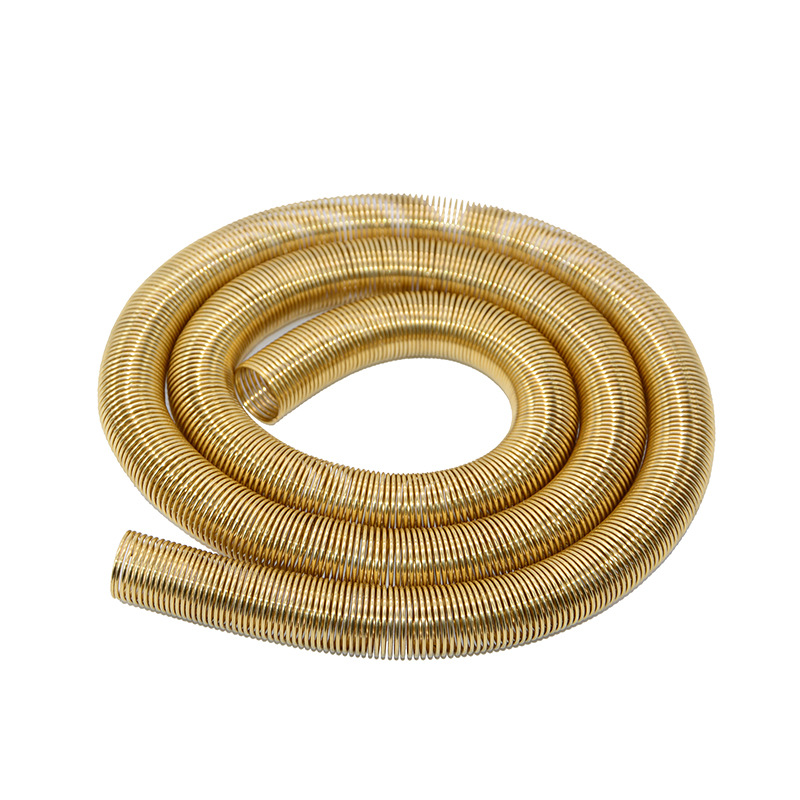
Size: Diameter 18m, Length 900–1100mm
Weight: Approximately 170g
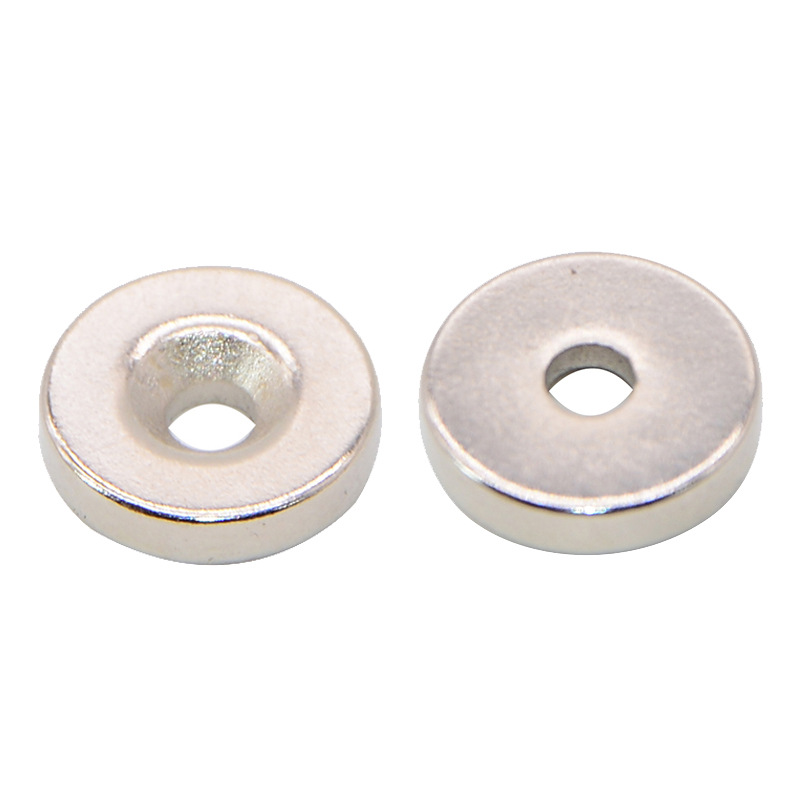
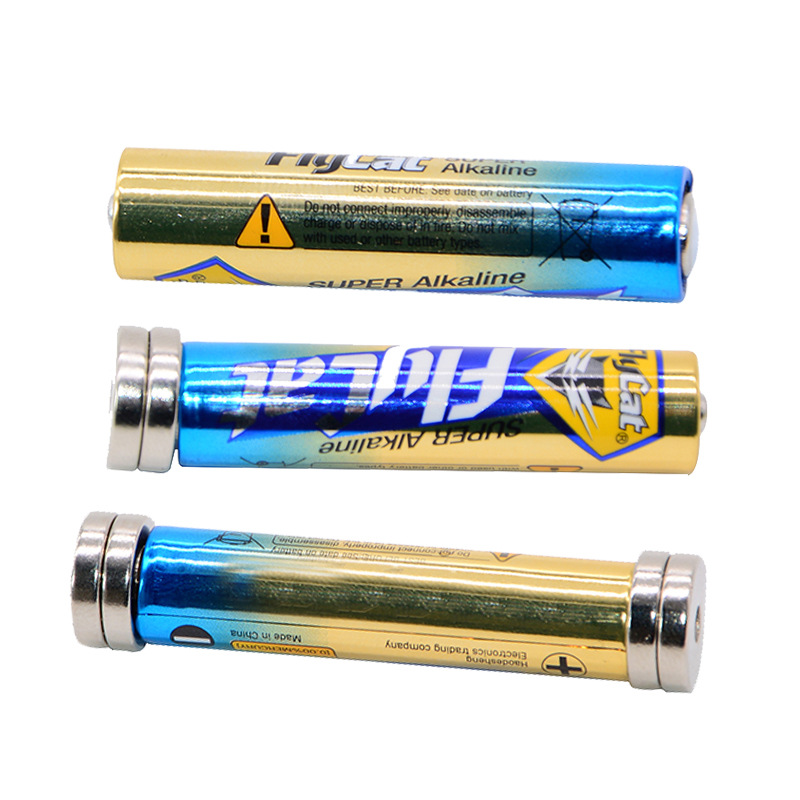
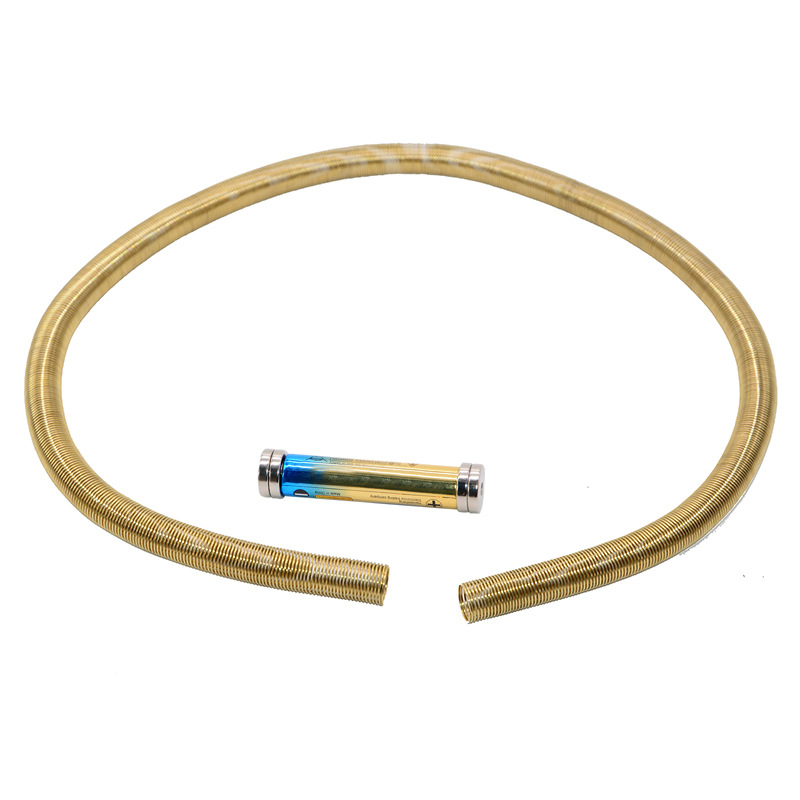
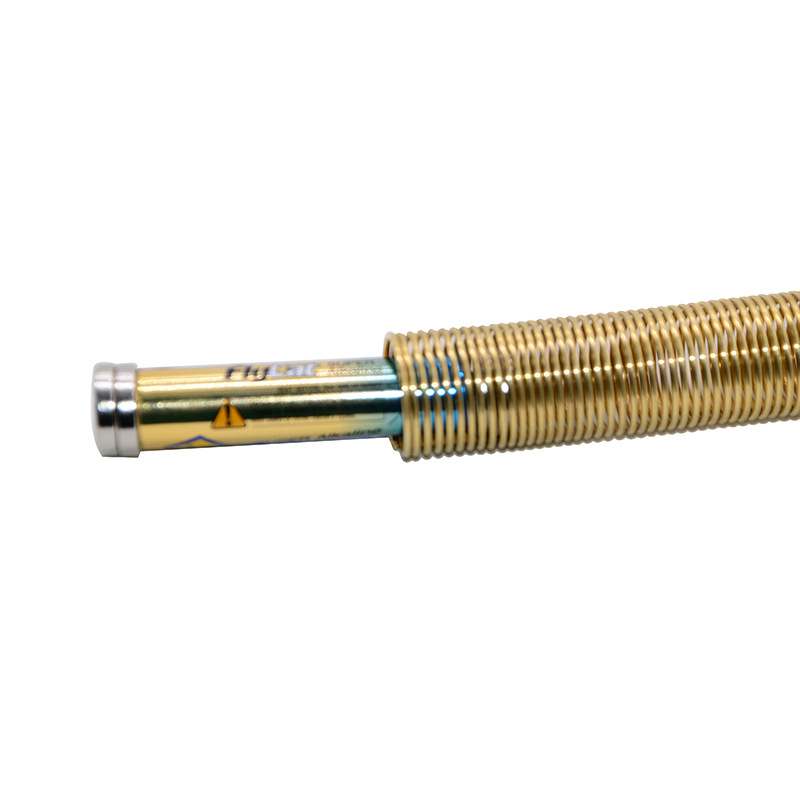
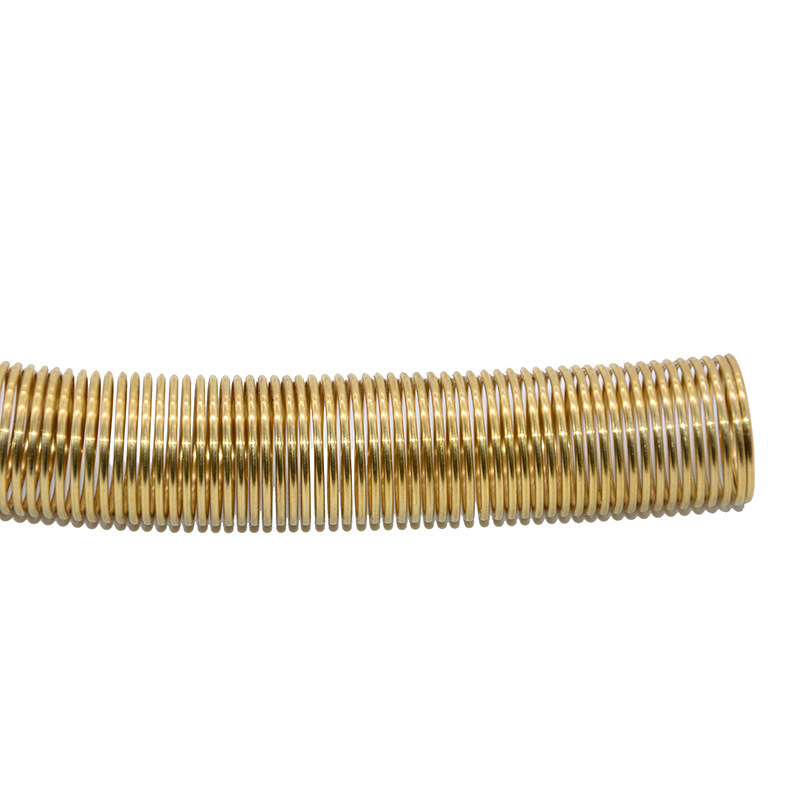
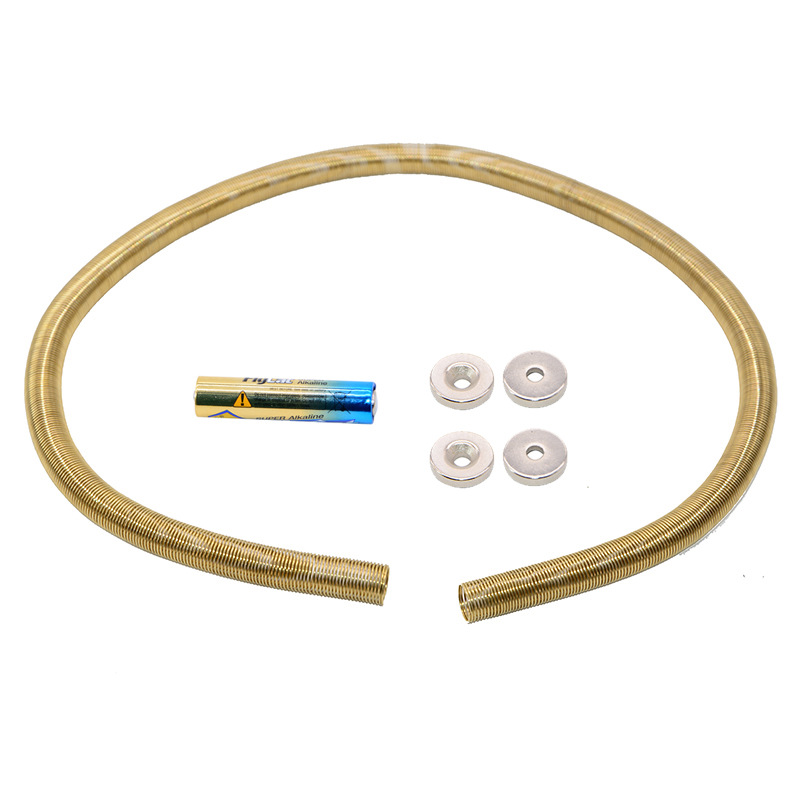
Material: alloy coil + No. 7 alkaline battery + strong magnet
Color: Copper
Packaging: Color box
Does it use a battery: Yes
Packaging: 150 pcs
Box dimensions: 650*550*450mm
We are direct factories that can produce custom products according to requirements. For custom screenshot matters, please contact customer service!
Scientific Insights:
Trains are pulled by locomotives equipped with power machinery (commonly known as train engines) that drive the carriages, moving along railways. Trains are an important part of modern transportation. In addition to transporting passengers, they also serve as the primary mode of long-distance cargo transport due to their high load capacity and low transportation costs. Moreover, in large coal mines and factories, trains are used for internal transportation tasks. Trains have a history of over 100 years. The first train appeared in 1814 when the Britishman Stephenson built one. By 1825, his “Power” No. 1 locomotive achieved the highest speed on land at 24 kilometers per hour. Over the following decades, trains became an important mode of transportation. European countries and the United States began constructing railways on a large scale, marking the beginning of the railway era. The emergence of trains and railways enabled people to travel long distances more quickly, allowing them to obtain necessary materials from far away and deliver products to distant areas for sale. All these factors significantly promoted industrial development and improved living standards. Now that we know the origin of trains, let’s get started and build a small magnetic train together.
Scientific Principles:
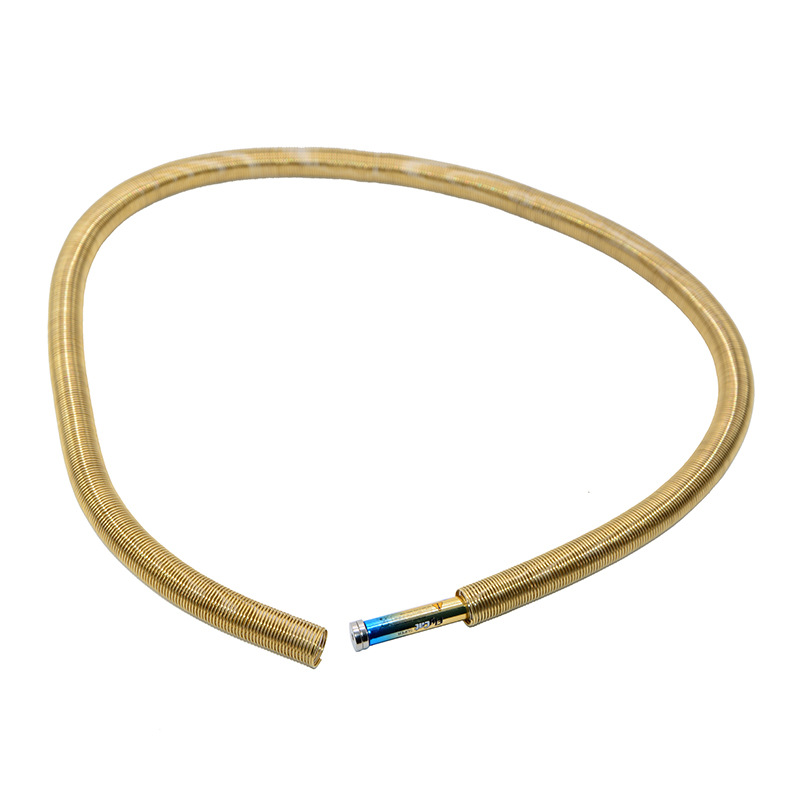
The coil generates a magnetic field when energized, and like poles repel each other. When the battery with the magnet attached enters the copper coil, the attraction and repulsion between it and the electromagnet within the magnetic field created by the copper coil cause the battery to move. The current from the positive and negative terminals flows along the copper wire, pulling and repelling against the magnet on the battery, acting like an invisible hand that propels the battery smoothly forward.
Scientific Production:
1. Identify and prepare the equipment required for the experiment.
2. Conduct the experiment following the instructions manual steps.
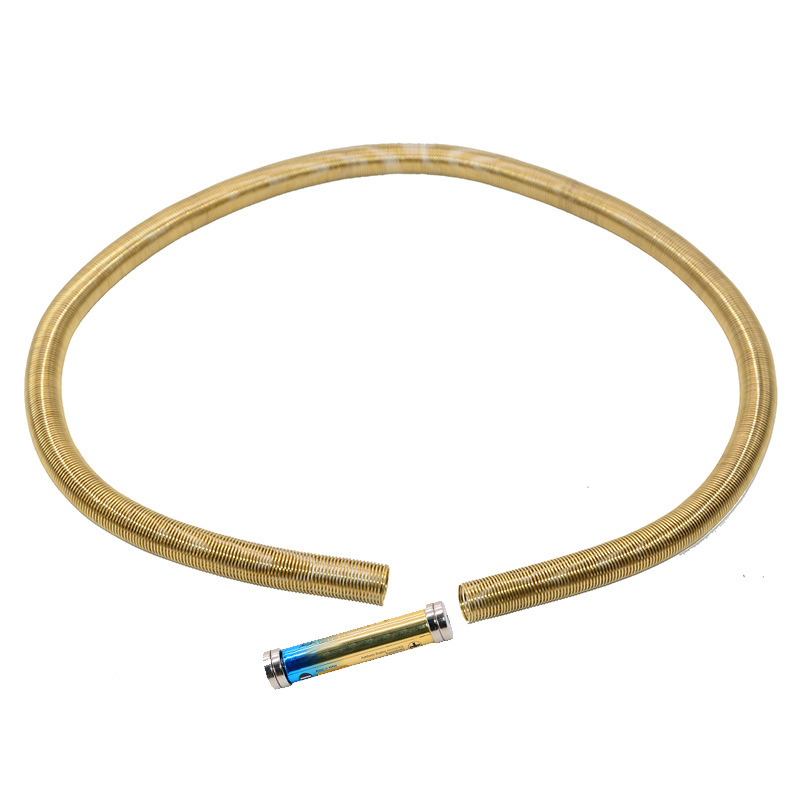
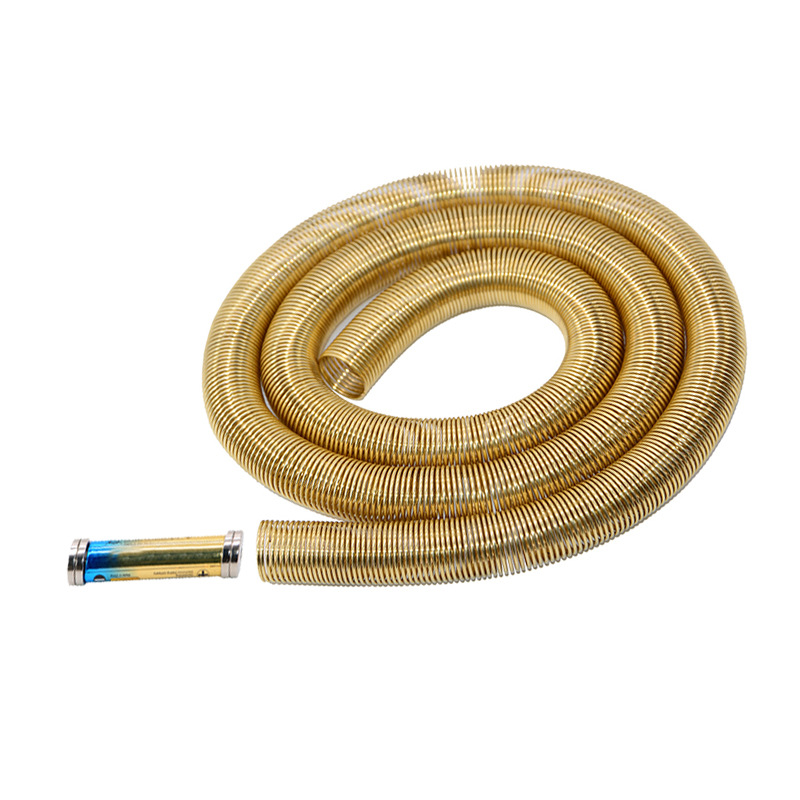
Scientific Expansion:
The little train went from rest to motion, which must be due to some force acting on it. The forces that may act during the motion could include friction, Ampere’s force, and air resistance. Friction and air resistance hinder movement, so it is very likely that Ampere’s force is what enables the battery to move. Basic knowledge points are: 1. Magnets can stick to the battery because the battery contains an iron core, and its properties do not change just because a magnet is attached. 2. Magnets have conductive properties, and the copper wire, magnet, and battery in the experiment may form a circuit. The next question is how Ampere’s force is generated and how it acts on the little train. The condition for generating Ampere’s force is when a conducting wire is in a magnetic field, and the direction of the current is not parallel to the direction of the magnetic field strength. The magnet attached to both ends of the battery creates a magnetic field; then how is the current generated? During the train’s movement, the magnet remains in contact with the copper wire, and combined with the voltage provided by the battery, a continuous moving circuit is formed. At this point, the direction of the current in the copper wire is not parallel to the magnetic field direction, and indeed Ampere’s force may be generated. However, this Ampere’s force acting on the copper wire does not cause the little train to move. Therefore, a different approach is needed. Current passing through the copper coil generates a magnetic field. The surface of the magnet perpendicular to the direction of motion has an equivalent circular current. At this time, Ampere’s force is generated, and this principle can be proven by experimental phenomena. In the experiment, only when the same pole of the two magnets is opposite each other and attached to both ends of the battery does the little train move. The force diagram shows: The figure illustrates the situation when the N poles of the two magnets are opposite, and the solenoid generates a horizontal magnetic field to the right. The equivalent circular current of the left magnet is shown. Since the magnetic field strength on both sides of the energized solenoid diverges outward and is not parallel, according to the left-hand rule, a small segment of the equivalent current is taken as shown. The Ampere’s force causes a horizontal component to the left. Similarly, the equivalent current of the right magnet also experiences a horizontal component to the left due to Ampere’s force, so the little train moves under the leftward force. When the S poles of the two magnets are opposite, and all other conditions remain the same—i.e., the direction of the solenoid current remains unchanged—both sides generate Ampere’s force with a horizontal component to the right, causing the magnet to move to the right.
Update time:


TOP


