
Search history
Clear allSearch by image
XDrag and drop an image here or upload an image
Max 5MB per image
UploadSign In | Join

Search history
Clear allSearch by image
XDrag and drop an image here or upload an image
Max 5MB per image
UploadSign In | Join
|
mixed wholesale
混批 |
CN¥ 0.0 |
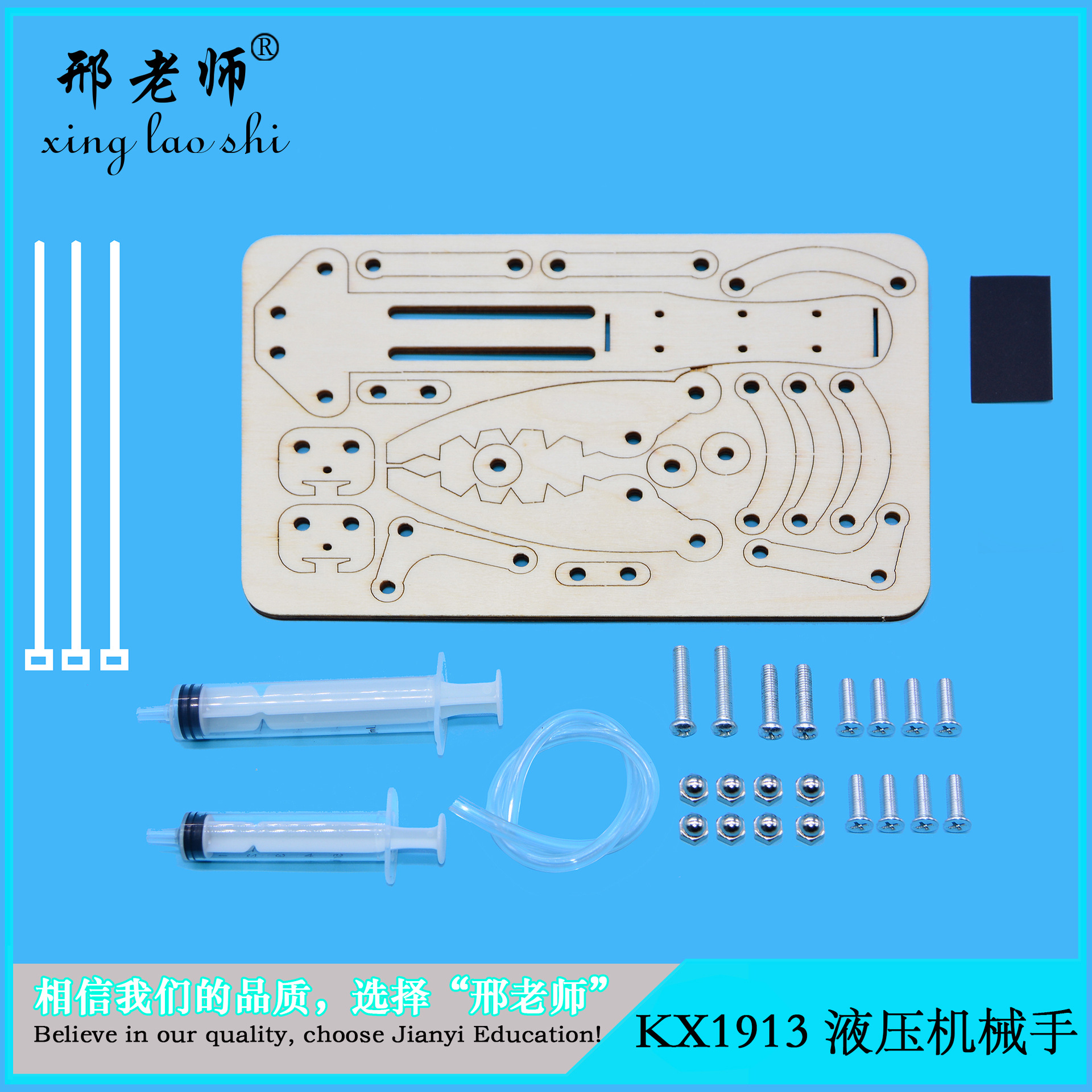
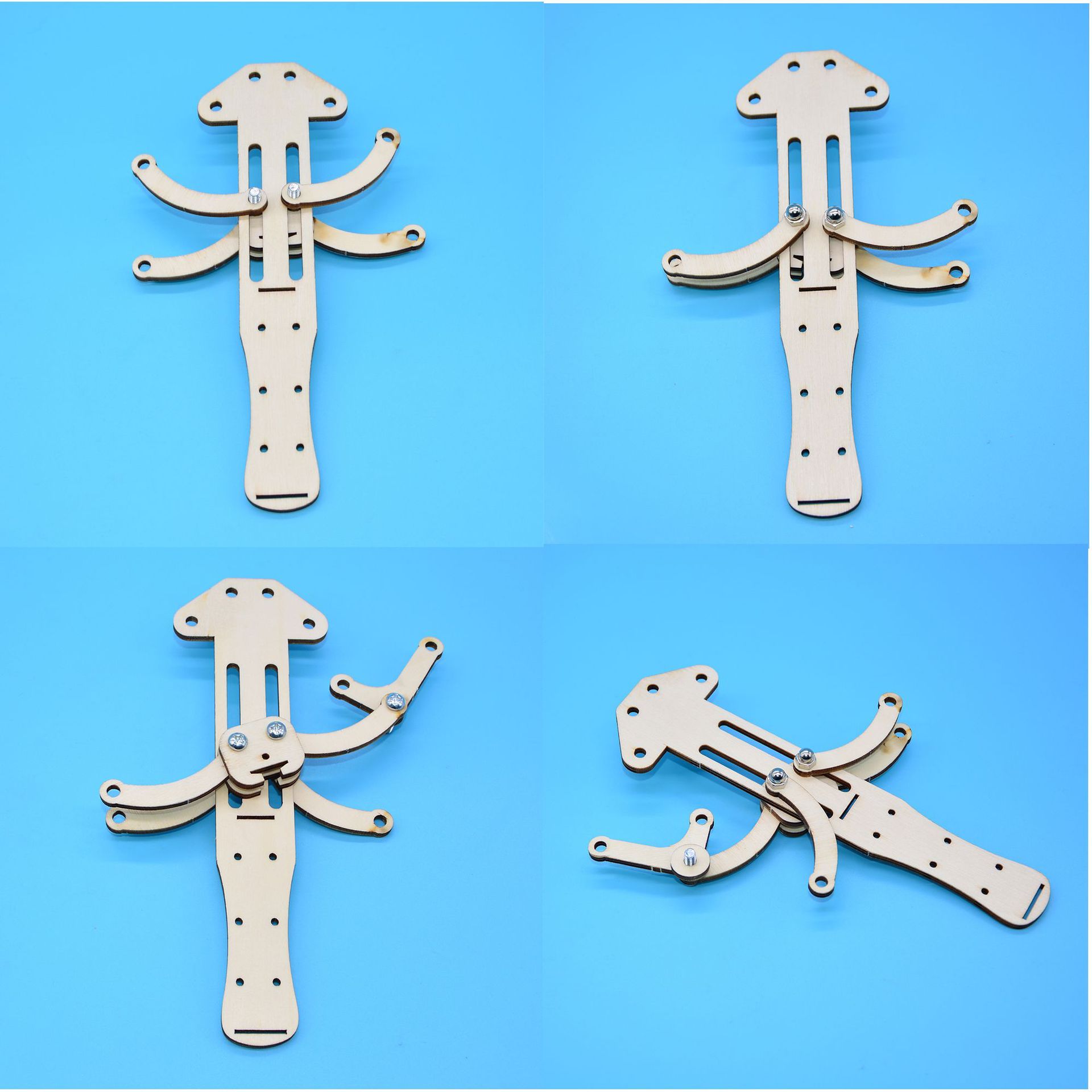
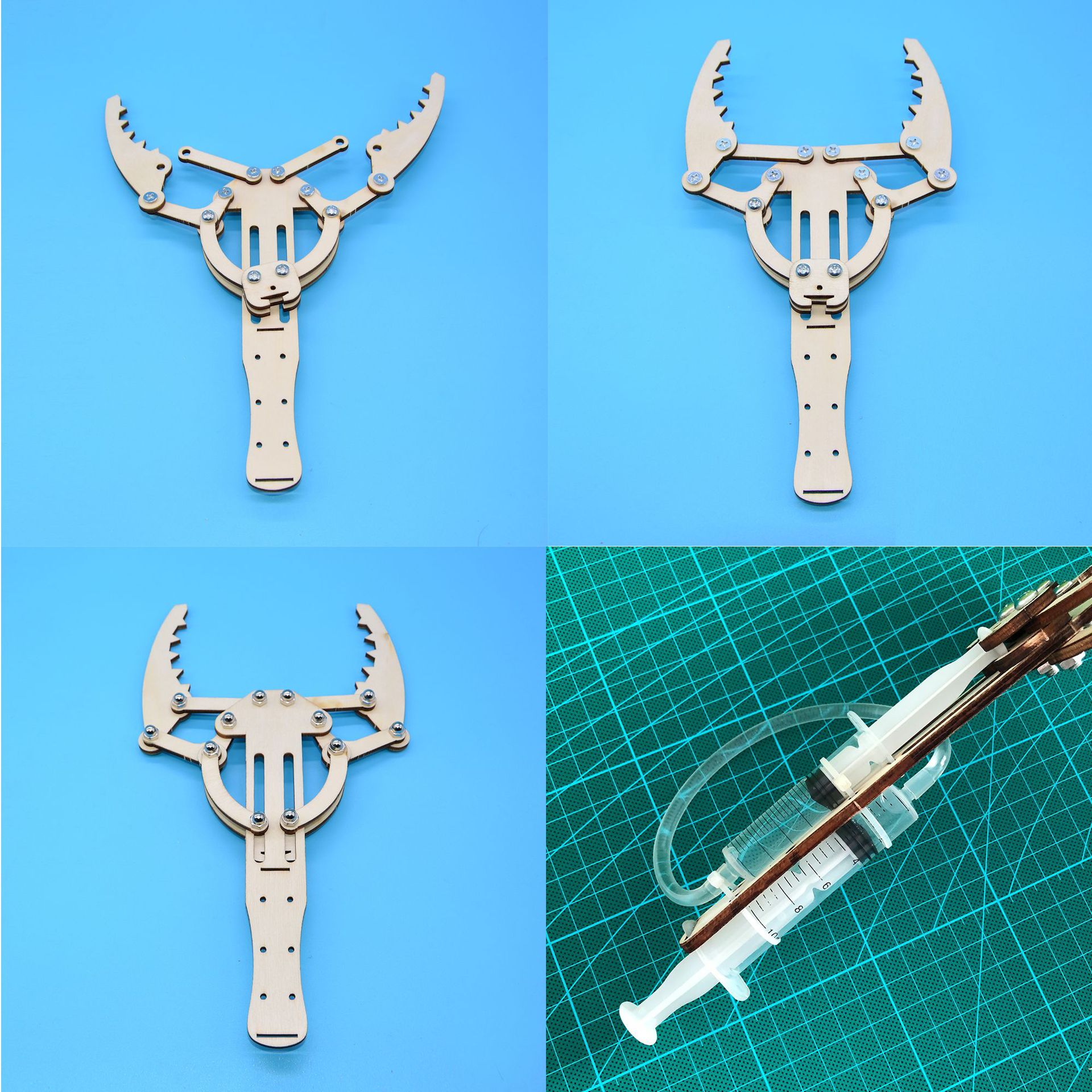
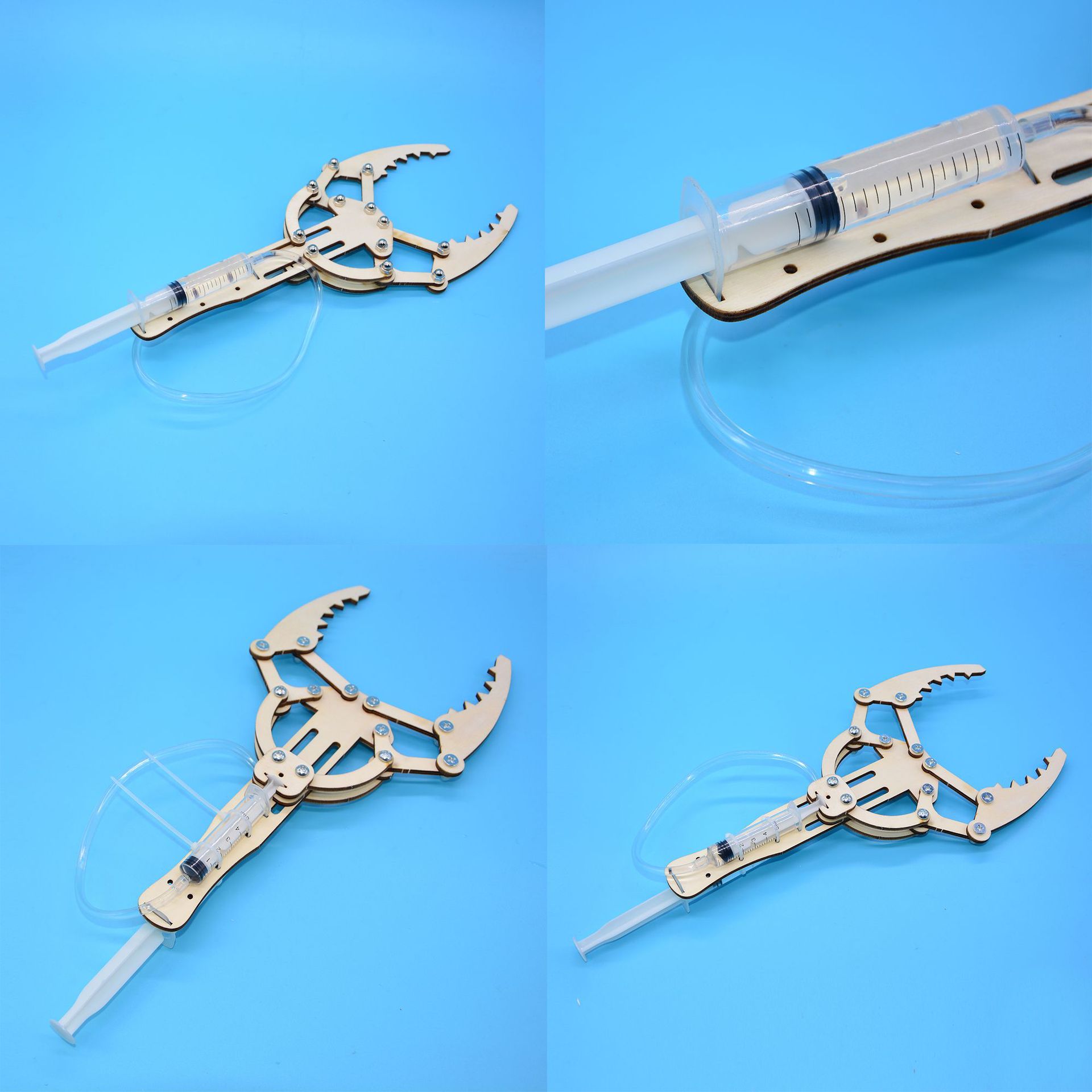
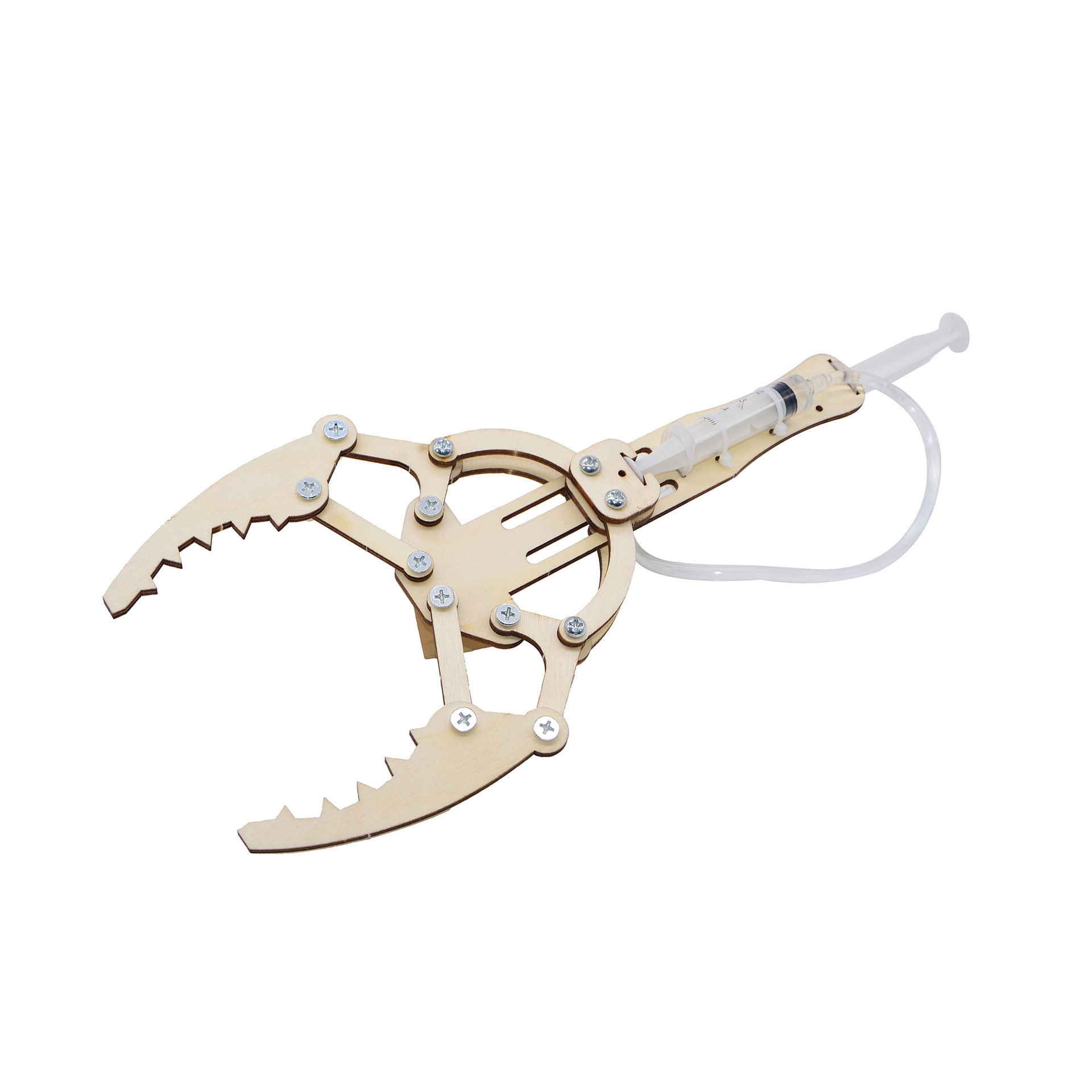
Product Name: Hydraulic Robotic Hand
Model Number: KX1913 Hydraulic Robotic Arm
Size: 360*150*40 mm
Weight: Approximately 150g
Material: wood + hardware components + syringes + hoses + ties...
Packaging: 350 pcs
Box dimensions: 600*550*450 mm
Understand the components of the simple robotic hand and the underlying design principles.
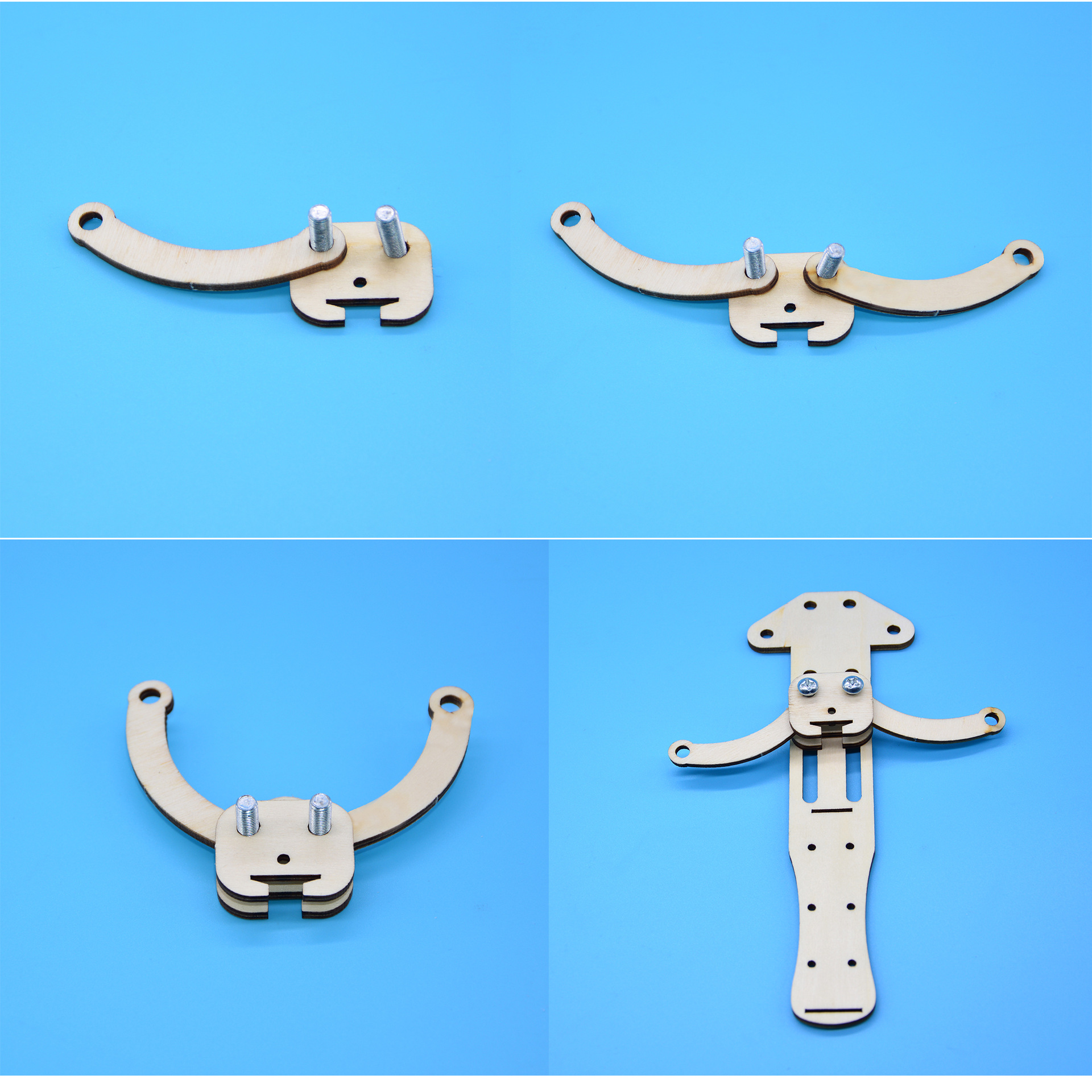
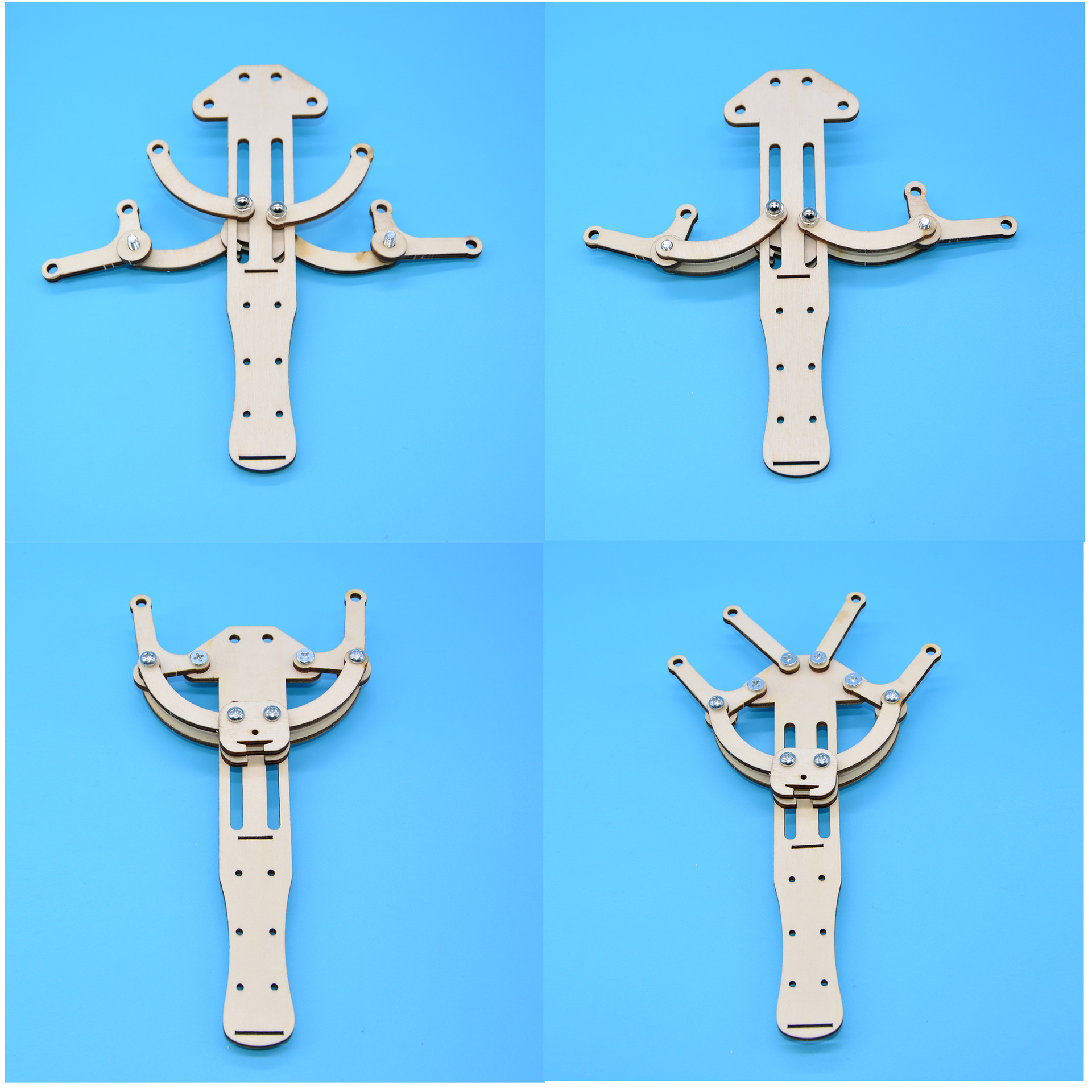
The hydraulic robotic arm is a model designed with precision using wooden and general toy components. It is an excellent educational toy that enhances hands-on skills. After installation, it can simulate arm movements. Its clever structure, smooth actions, and mechanical design make it easier to understand the operation principles of these automated machinery! Come and become tech experts together!
Scientific Principles
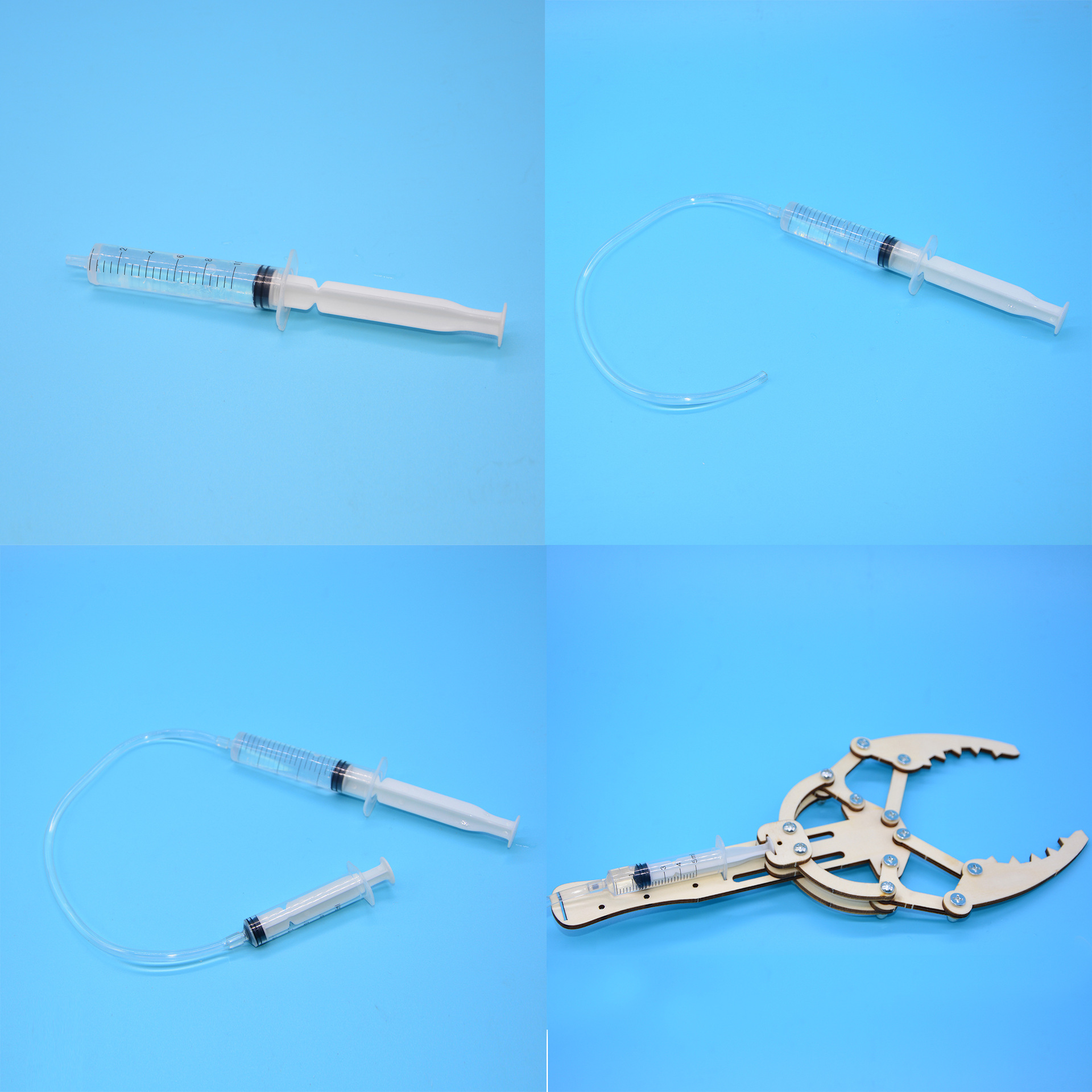
The hydraulic manipulator operates based on Pascal's Law. Pascal's Law is a principle in fluid statics that states: in an incompressible, stationary fluid, any point subjected to external force generates a pressure increase. This pressure increase is instantly transmitted to all points in the stationary fluid. According to Pascal's Law, if there are two pistons of different sizes in a fluid system, the pressures on both pistons must be equal. Pressure equals the applied force divided by the area over which the force acts. Therefore, when a small force is applied to the smaller piston, the pressure transfer through the fluid results in a larger force being generated at the larger piston. This hydraulic manipulator controls the movement of the second syringe by pushing and pulling the first syringe, thereby controlling the opening and closing of the gripper via a set of mechanical structures.



Scientific Expansion
Under the rapid development of technology today, the main difference between robot arms and human arms lies in their flexibility and durability. The major advantage of robotic hands is their ability to perform the same action repeatedly, and they never feel tired under normal operating conditions! The application of robotic arms will become more widespread. They are high-tech automated production devices developed over recent decades, capable of accurately completing tasks. They represent an important branch of industrial robotic arms.
Robotic arms can be classified into hydraulic, pneumatic, electric, and mechanical types. Their feature is that they can perform various tasks as planned through programming, combining the advantages of humans and robotic devices in terms of structure and performance.






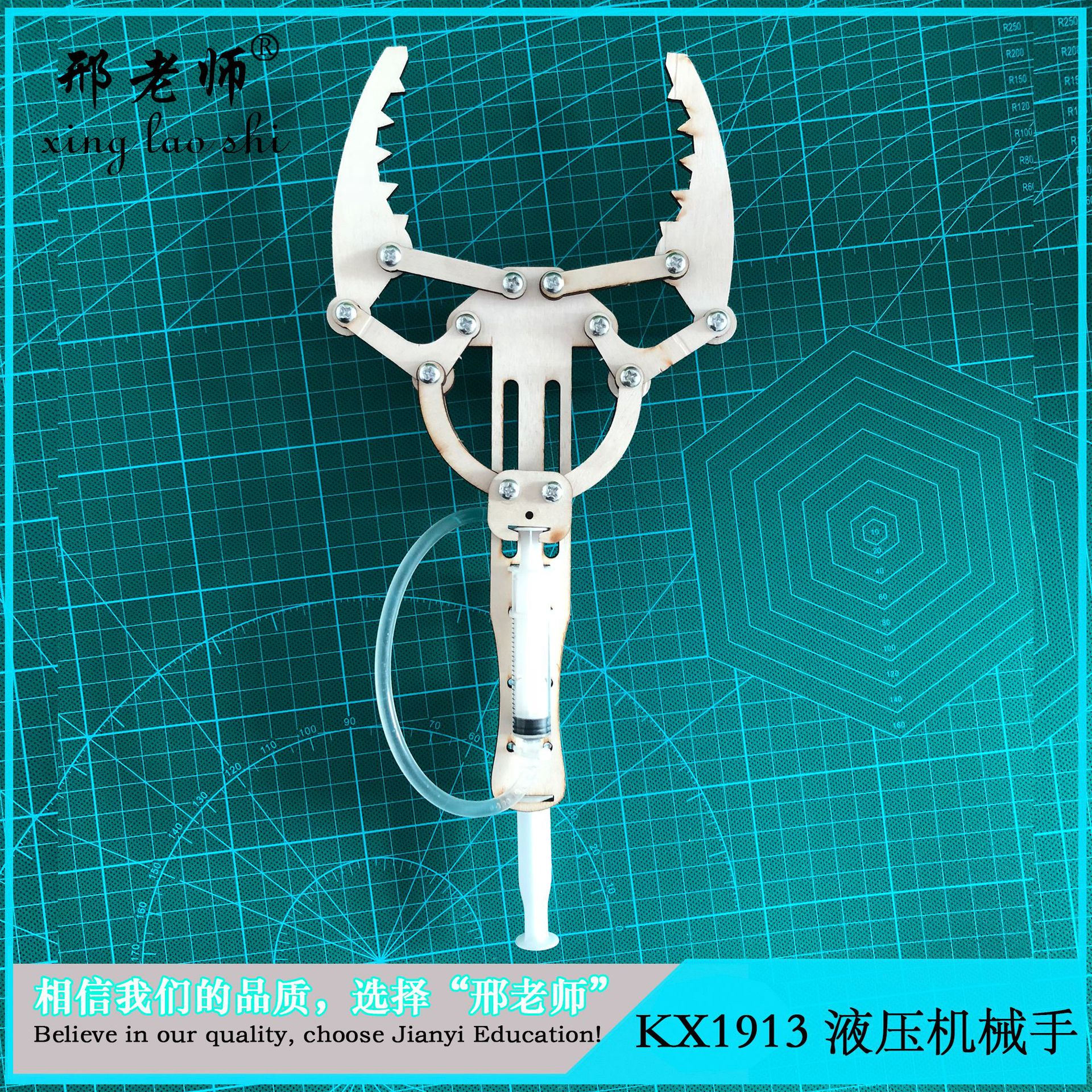
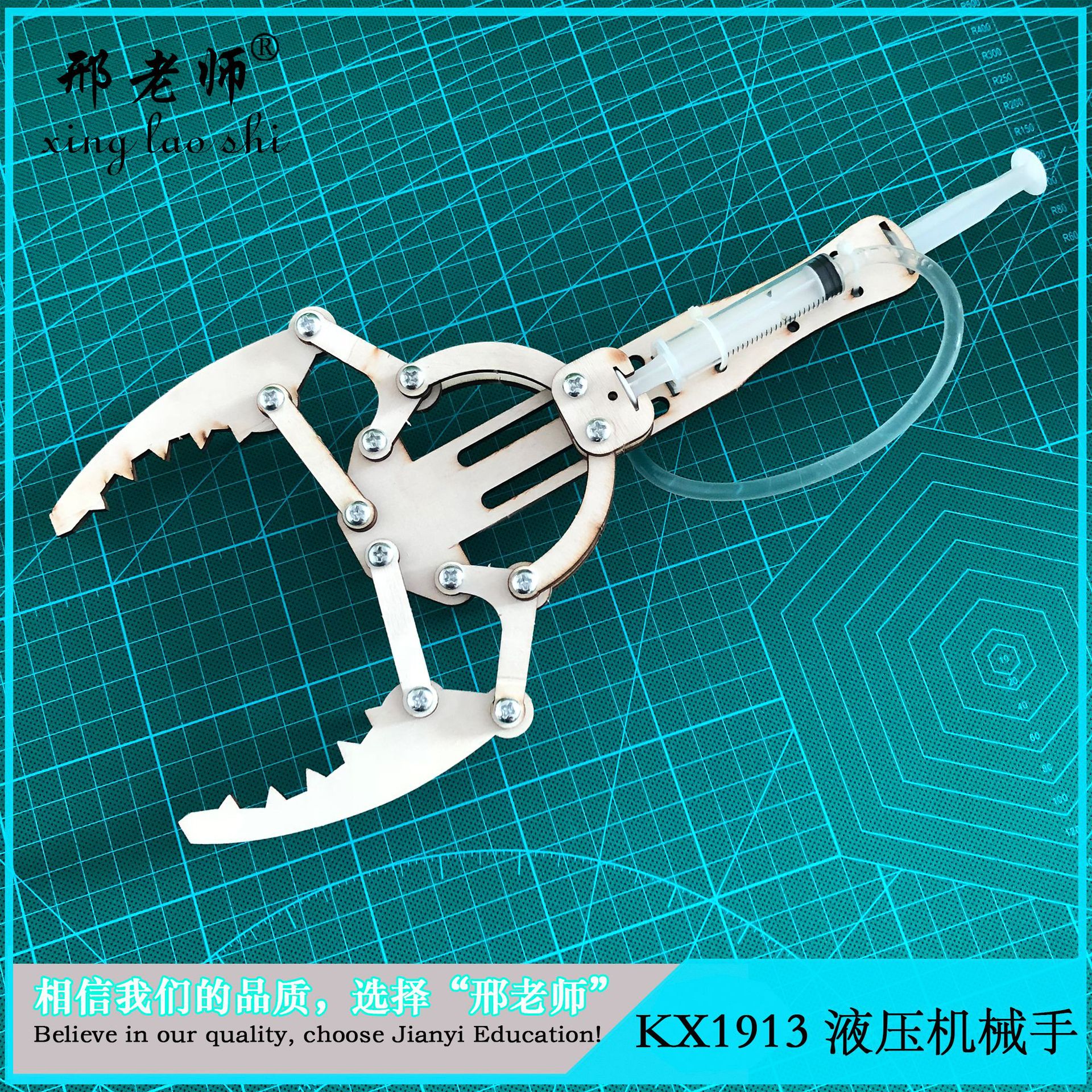
Machine hand, referring to an automatic operating device that can mimic certain movements of the human hand and arm, used for grasping, moving objects, or operating tools according to a fixed program. It mainly consists of three components: the actuator, the drive mechanism, and the control system. It can replace heavy manual labor to achieve mechanization and automation in production, operate in hazardous environments to protect personal safety, and is therefore widely used in industries such as mechanical manufacturing, metallurgy, electronics, light industry, and nuclear energy.
In today's life, under the continuous progress of technology, the main difference between robot arms and human arms lies in their flexibility and durability. In other words, the major advantage of robotic hands is that they can repeat the same action repeatedly without getting tired under normal mechanical conditions! The application of robotic arms will become more widespread. Robotic hands are high-tech automated production devices that have developed over the past few decades, offering high accuracy in operations and the ability to complete tasks in various environments. They represent an important branch of industrial robotic arms.
Types can be divided into hydraulic, pneumatic, electric, and mechanical based on the driving method. The feature is that they can be programmed to operate.
Produce tasks that meet various expectations, combining the advantages of humans and mechanical smartphones in terms of structure and performance.
It evolved based on early ancient robots. Research on robotic hands began in the mid-20th century. With the development of computers and automation technologies, especially since the advent of the digital electronic computer in 1946, computers have made remarkable progress, moving towards higher speed, larger capacity, and lower cost. At the same time, the urgent need for mass production promoted advancements in automation technology, which also laid the foundation for robot development. On the other hand, research in nuclear energy technology required certain mechanical systems to replace humans in handling radioactive materials. Against this backdrop, the United States developed remote-controlled robotic hands in 1947, and then mechanical master-slave robotic hands in 1948.
Robotic arms were developed starting in the United States. In 1958, the American Union Control Company created the first robotic arm. Its structure includes a rotating arm mounted on the body, a workpiece gripping mechanism equipped with electromagnetic blocks at the top, and a teaching-based control system. With the rapid development of computers and automatic control technology, agricultural machinery will enter an era of high automation and intelligence. The application of robotic arms and robots can improve labor productivity and product quality, enhance working conditions, and address issues such as labor shortages.
The robotic hand is primarily composed of three major parts: the actuator, the drive mechanism, and the control system. The hand component is used to grasp workpieces (or tools), and it comes in various structural forms depending on the shape, size, weight, material, and operational requirements of the object being grasped, such as clamping, holding, and adsorption types. The motion mechanism enables the hand to perform various rotations, movements, or combined motions to achieve the desired actions and change the position and posture of the grasped object. The independent motion modes of lifting, extension, rotation, etc., of the motion mechanism are referred to as the degrees of freedom of the robotic hand. To grasp objects in any position and orientation in space, six degrees of freedom are required. Degrees of freedom are a critical parameter in the design of robotic hands. The more degrees of freedom there are, the greater the flexibility and versatility of the robotic hand, and its structure becomes more complex. Generally, specialized robotic hands have 2 to 3 degrees of freedom. The control system operates by controlling the motors for each degree of freedom of the robotic hand to execute specific actions. It also receives feedback from sensors to establish a stable closed-loop control. The core of the control system is usually composed of microcontrollers or DSP microcontrol chips, which are programmed to perform the desired functions.
With the development of network technologies, issues related to networked operation of robotic arms will also be a direction for future advancement. Industrial robotic arms are high-tech automated production devices that have emerged over the past few decades. They represent an important branch of industrial robots. Their characteristic is that various intended tasks can be completed through programming, combining the advantages of both humans and machines in terms of design and performance, especially highlighting human intelligence and adaptability. The accuracy of robotic arm operations and their ability to complete tasks in various environments offer broad prospects for development across all sectors of the national economy.
Robotic arms are a new type of device that have developed during the process of mechanization and automation production. In modern production processes, robotic arms are widely used in automated production lines. The research, development, and production of robots have become a rapidly growing emerging technology within high-tech fields. This has further promoted the advancement of robotic arms, enabling them to better integrate with mechanization and automation. Although robotic arms are not as flexible as human hands, they possess the ability to perform repetitive work continuously, are tireless, fear no danger, and have greater strength in lifting heavy objects than human hands. Therefore, robotic arms have received significant attention from many sectors and are being applied more widely. Plastic machinery in China is one of the industries with rapid growth in the machinery manufacturing sector, and annual demand continues to increase. The rapid development of China's plastic machinery industry is mainly driven by two major factors: one is the equipment renewal resulting from the demand for high-tech equipment, along with the elimination of outdated equipment; the other is the rapid growth of the domestic plastic processing industry, which creates strong demand for plastic machinery.
Industrial manufacturing sector:
Mainly, robots are used in the machinery manufacturing industry to perform large-scale, high-quality tasks instead of humans, such as car manufacturing, ship construction, and the production of certain household appliances (televisions, refrigerators, washing machines), etc. In industries like chemical engineering, tasks such as spot welding, arc welding, painting, cutting, electronic assembly, as well as handling and packaging in logistics systems, are also carried out by robots to some extent.
Military Field:
The main purpose is to have robots perform some automated reconnaissance and control tasks, especially those that are relatively dangerous, such as unmanned drones, bomb disposal robots, and mine sweeping robots. Robots can also replace soldiers in carrying out less complex engineering and logistics tasks, thereby freeing soldiers from heavy work and allowing them to focus on more important duties.
Entertainment Industry:
Update time:


TOP


