Search history
Clear allSearch by image
XDrag and drop an image here or upload an image
Max 5MB per image
UploadSign In | Join

Search history
Clear allSearch by image
XDrag and drop an image here or upload an image
Max 5MB per image
UploadSign In | Join
|
mixed wholesale
混批 |
CN¥ 0.0 |
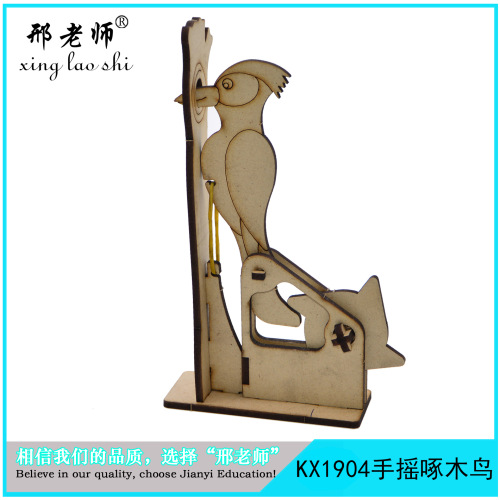
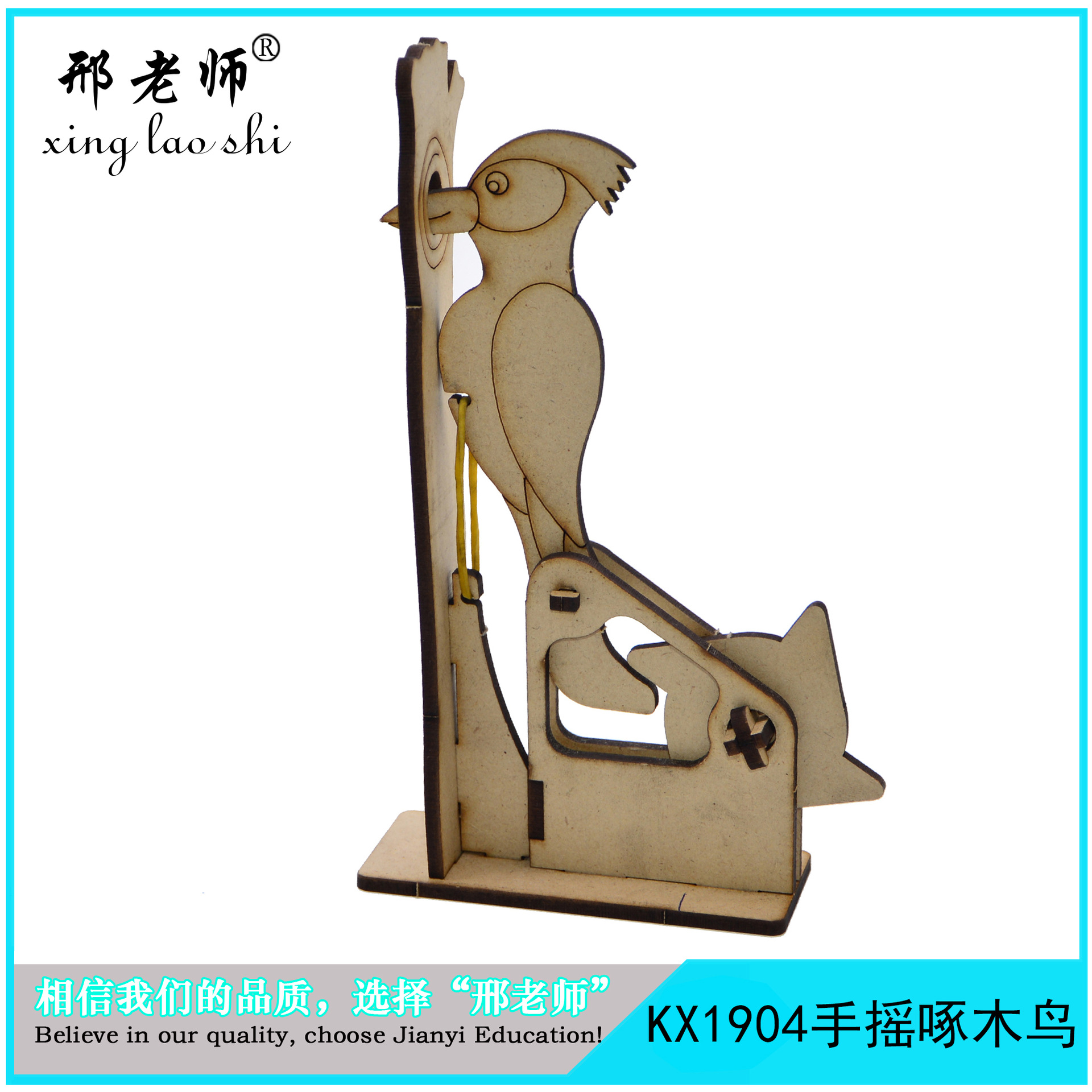
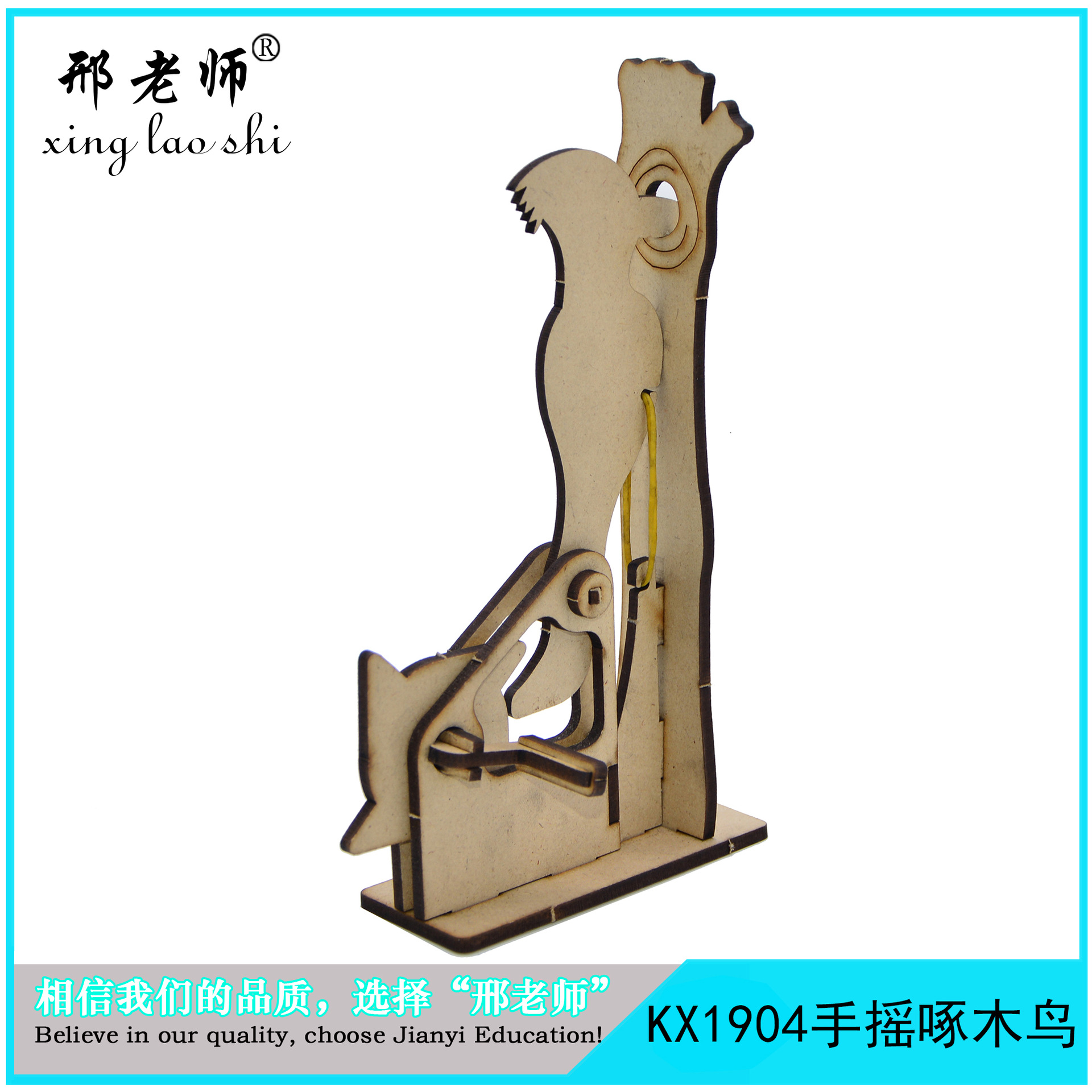
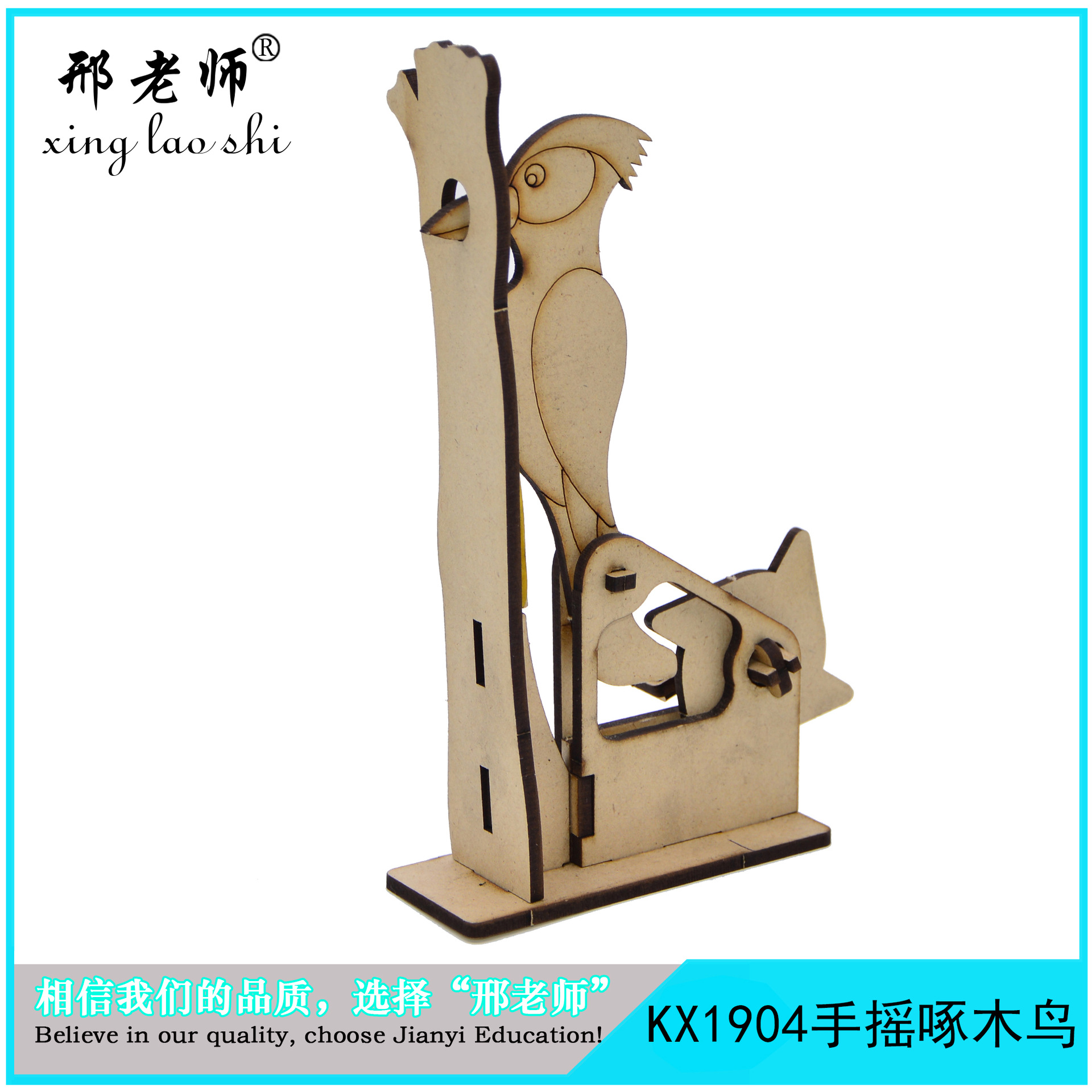
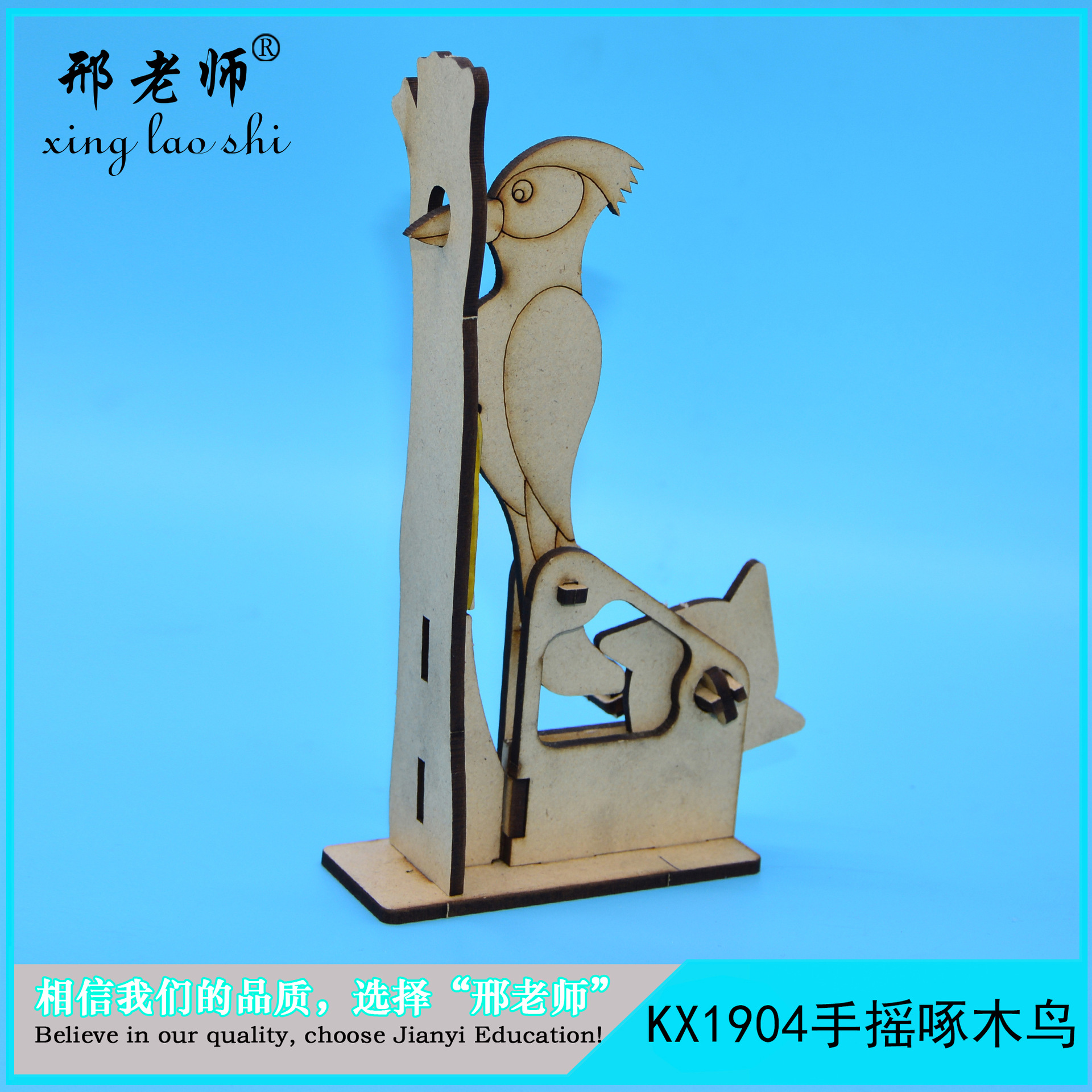
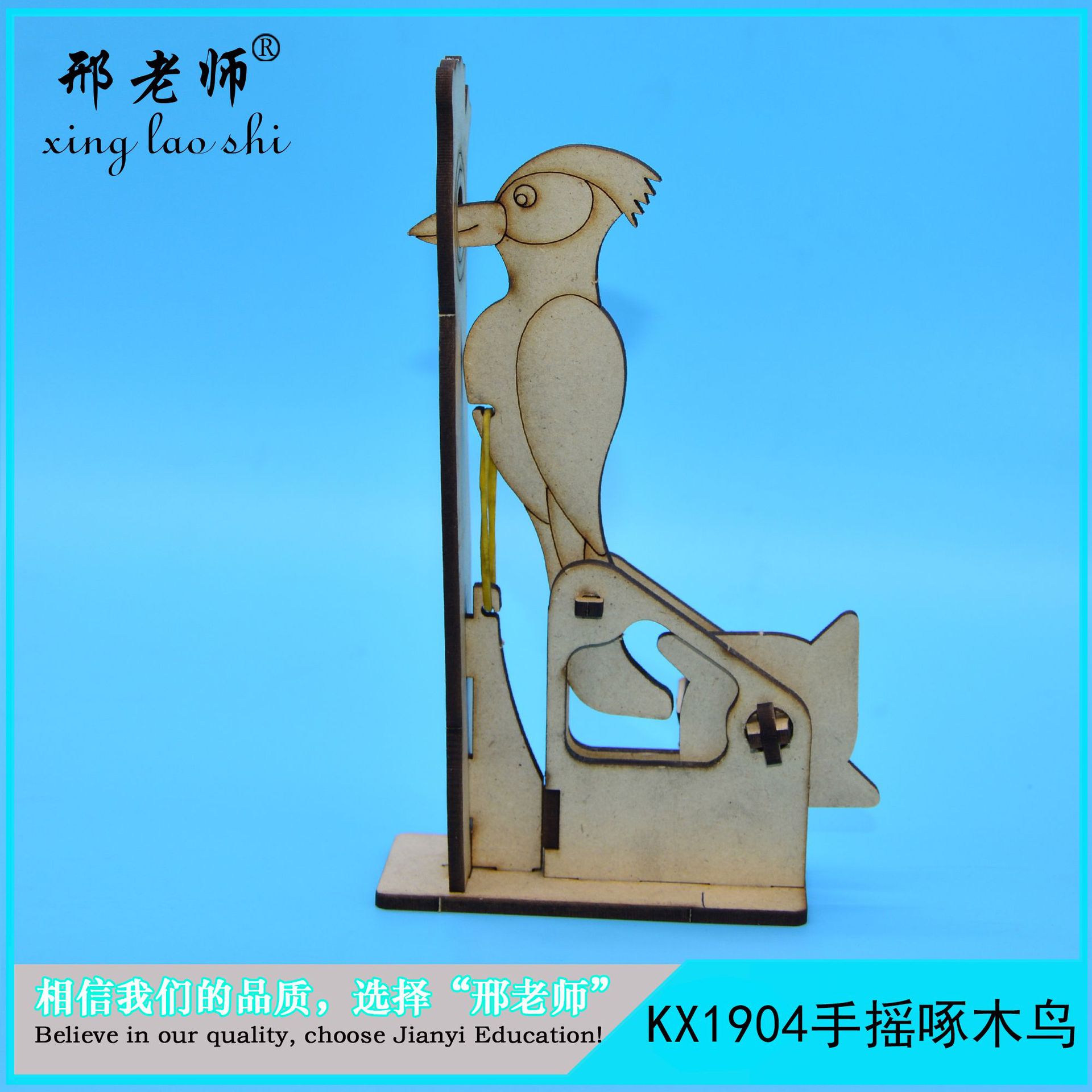
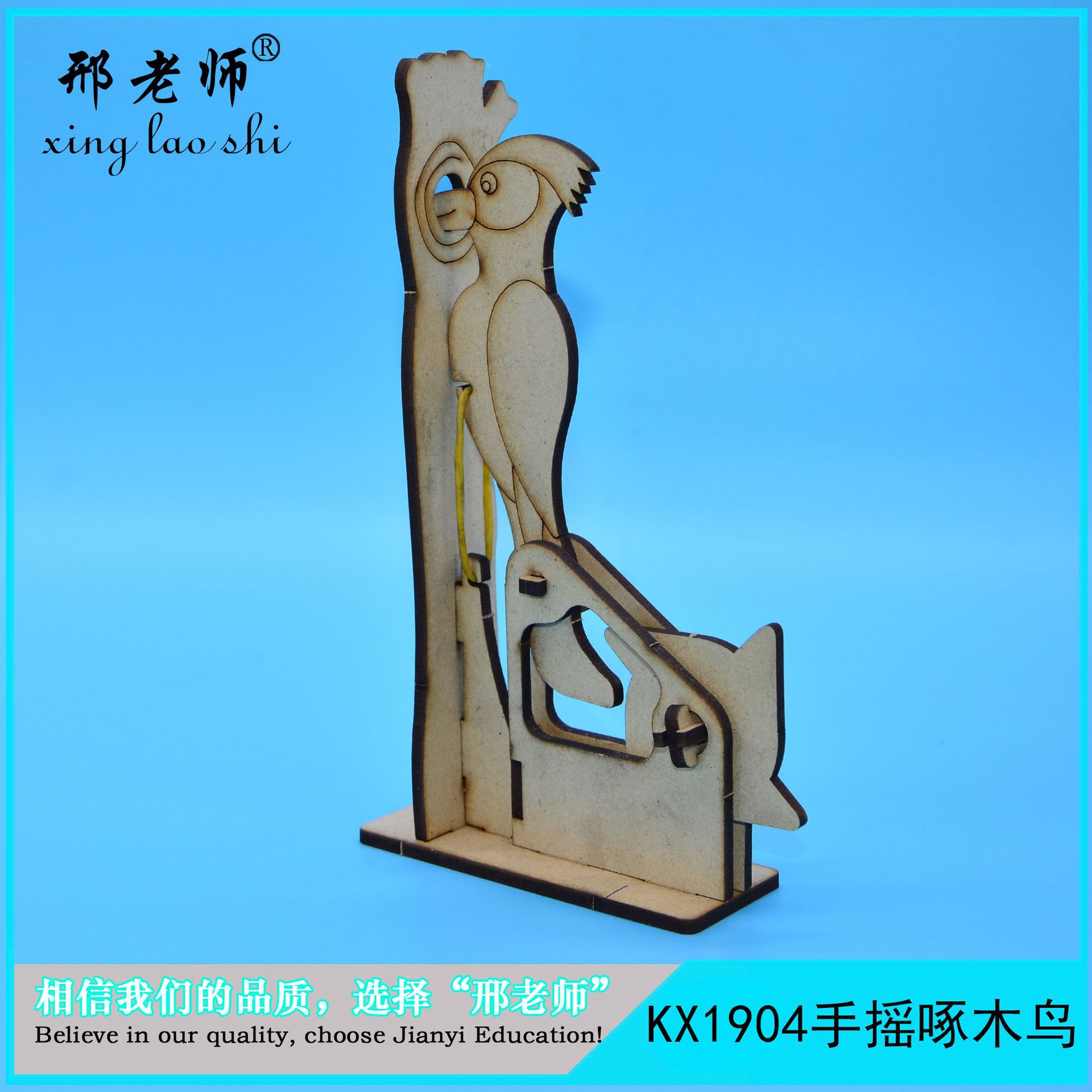
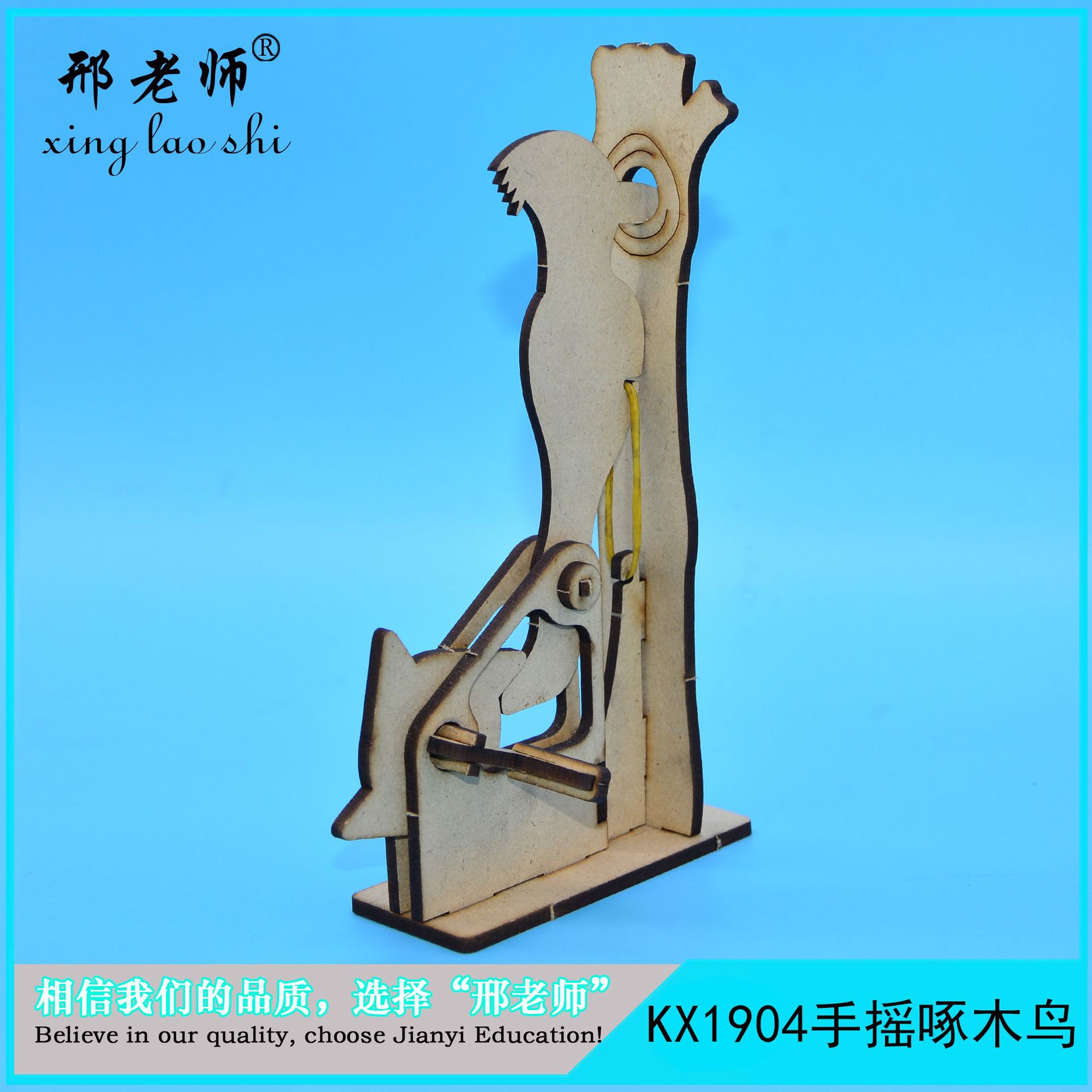
Product Name: KX1904 Hand-Cranked Woodpecker
Model Number: KX1904
Size: 105*50*170 mm
Weight: Approximately 95g
Material: Density board + rubber band...
Packaging: pcs
Box dimensions: mm
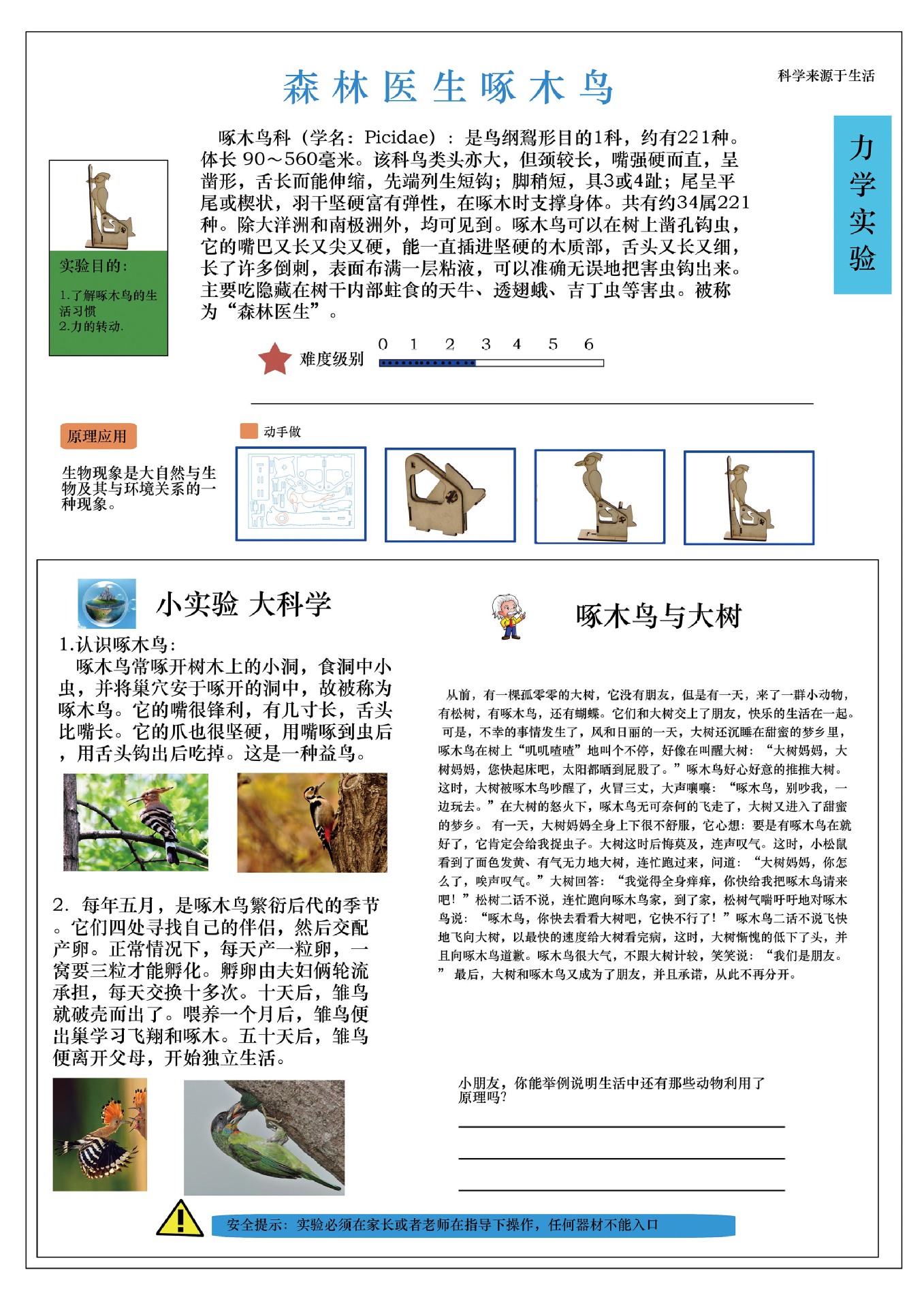
Woodpeckers (scientific name: Picidae): A family within the order Piciformes of the class Aves, comprising approximately 221 species. Their body length ranges from 90 to 560 millimeters. Birds in this family have large heads but longer necks. Their beaks are strong and straight, shaped like an axe; the tongues are long and flexible, with short hooks at the tip; legs are slightly shorter, having 3 or 4 toes; the tails are flat or wedge-shaped. The feathers are hard and elastic, providing support during pecking. There are about 34 genera and 221 species. They can be found everywhere except Oceania and Antarctica. Woodpeckers bore holes in trees to catch insects. Their long, sharp, and hard beaks can penetrate hard wood, and their long, thin tongues, covered with many barbs and a layer of mucus, allow them to accurately extract pests. They primarily feed on pests such as longhorn beetles, mothflies, and bark beetles hidden inside tree trunks. They are known as “forest doctors”.
1. Understanding Woodpeckers: Woodpeckers often peck holes in trees to find small insects to eat. They build their nests in the holes they create, which is why they are called woodpeckers. Their beaks are very sharp, several inches long, and their tongues are longer than the beak. Their claws are also very hard; after using their beak to catch the insect, they use their tongue to pull it out and eat it. These are beneficial birds.
2. May every year is the season when woodpeckers reproduce. They search for mates everywhere, then mate and lay eggs. Under normal conditions, they lay one egg per day, and three eggs in a nest are required to hatch. The incubation responsibility is shared by the pair, switching roles over more than ten times a day. Ten days later, the chicks emerge from their shells. After being fed for a month, the chicks leave the nest to learn how to fly and peck. Fifty days later, the chicks leave their parents and begin living independently.
The Story of the Woodpecker:
Once upon a time, there was a lonely big tree with no friends. However, a group of small animals came to live there—a pine tree, a woodpecker, and butterflies. They became friends with the tree and lived happily together. But something unfortunate happened. On a sunny day, the tree was still deep in sweet dreams. The woodpecker kept chirping non-stop on the tree, as if trying to wake it up: “Tree Mother, Tree Mother, get up now—the sun is already shining on your butt!” The woodpecker gently pushed the tree. In response, the tree was awakened by the noise and became furious, shouting, “Woodpecker, stop bothering me—go play elsewhere.” Under the tree’s anger, the woodpecker had no choice but to fly away, and the tree returned to its sweet sleep. The tree Mother felt very unwell. She thought, “It would be good if the woodpecker were here—it would definitely catch insects for me.” At that moment, she regretted it and sighed repeatedly. Then, a little squirrel saw the yellowing, weak-looking tree and rushed over, asking, “Tree Mother, what’s wrong? Why are you sighing?” The tree replied, “I feel itchy all over. Please bring the woodpecker here!” Without hesitation, the pine tree ran to the woodpecker’s home. When it arrived, it gasped and said to the woodpecker, “Woodpecker, go check on the tree—it’s almost dying!” The woodpecker immediately flew to the tree and quickly treated it. The tree then lowered its head in shame and apologized to the woodpecker. The woodpecker was generous and didn’t hold a grudge against the tree. It smiled and said, “We are friends.” After that, the tree and the woodpecker became friends again and promised not to part ways ever again.


Update time:


TOP