
Search history
Clear allSearch by image
XDrag and drop an image here or upload an image
Max 5MB per image
UploadSign In | Join

Search history
Clear allSearch by image
XDrag and drop an image here or upload an image
Max 5MB per image
UploadSign In | Join
 kx1309 flowing lights
KX1309流水彩灯 |
CN¥ 0.0 |
LED energy-saving lamps are caused by the field emission of light, which belongs to a cold light source. The light is soft, has good color rendering, low heat generation, low temperature, and has a service life of over 100,000 hours, which is dozens of times that of ordinary incandescent bulbs. They are generally not damaged.
Energy-saving lamps have significant advantages over common incandescent and fluorescent lamps. The LED energy-saving lamp has an illumination efficiency of over 90%, while the efficiency of a common incandescent lamp is only about 20%, and that of a common fluorescent lamp is only about 40%. Therefore, LED energy-saving lamps have the significant advantage of high efficiency and energy saving. The LED energy-saving lamp flows with direct current, and the brightness of the light is constant, without flickering, which is beneficial to the protection of the user's eyes and has the function of protecting the eyes.
Experimental Cognition
Battery box: As the name suggests, it is a box used to install and fix the batteries, which is a device for outputting battery power.
LED lights: LED stands for Light Emitting Diode, which is a solid-state semiconductor device that can directly convert electricity into light. The heart of an LED is a semiconductor wafer, with one end attached to a substrate and the other end connected to the positive terminal of the power source, enclosing the entire wafer in an epoxy resin. The semiconductor wafer consists of three parts: one is a P-type semiconductor, where holes dominate, and the other end is an N-type semiconductor, where electrons predominate. Typically, there is one to five quantum wells in the middle. When an electric current flows through the wire to act on the wafer, electrons and holes are pushed towards the quantum wells, where they recombine. This results in the emission of energy in the form of photons, which is the principle of LED light emission. The wavelength of the light, which is the color of the light, is determined by the material that forms the P-N junction.
Triode: When the triode operates in the amplification region, the collector current and the base current are essentially in a fixed ratio. The so-called amplification function of the triode is actually based on this fixed ratio, allowing a small current (the base current) to control a larger current (the collector current).
Resistance: The resistance of a conductor to the flow of current is called resistance! Factors affecting the size of resistance: length, cross-sectional area, material, temperature, and so on. Generally, for metal materials, resistance increases with temperature.
IC: is a control IC specially designed for single-chip machine driving, which integrates two circuits: step instruction and loop instruction.
Experimental steps:
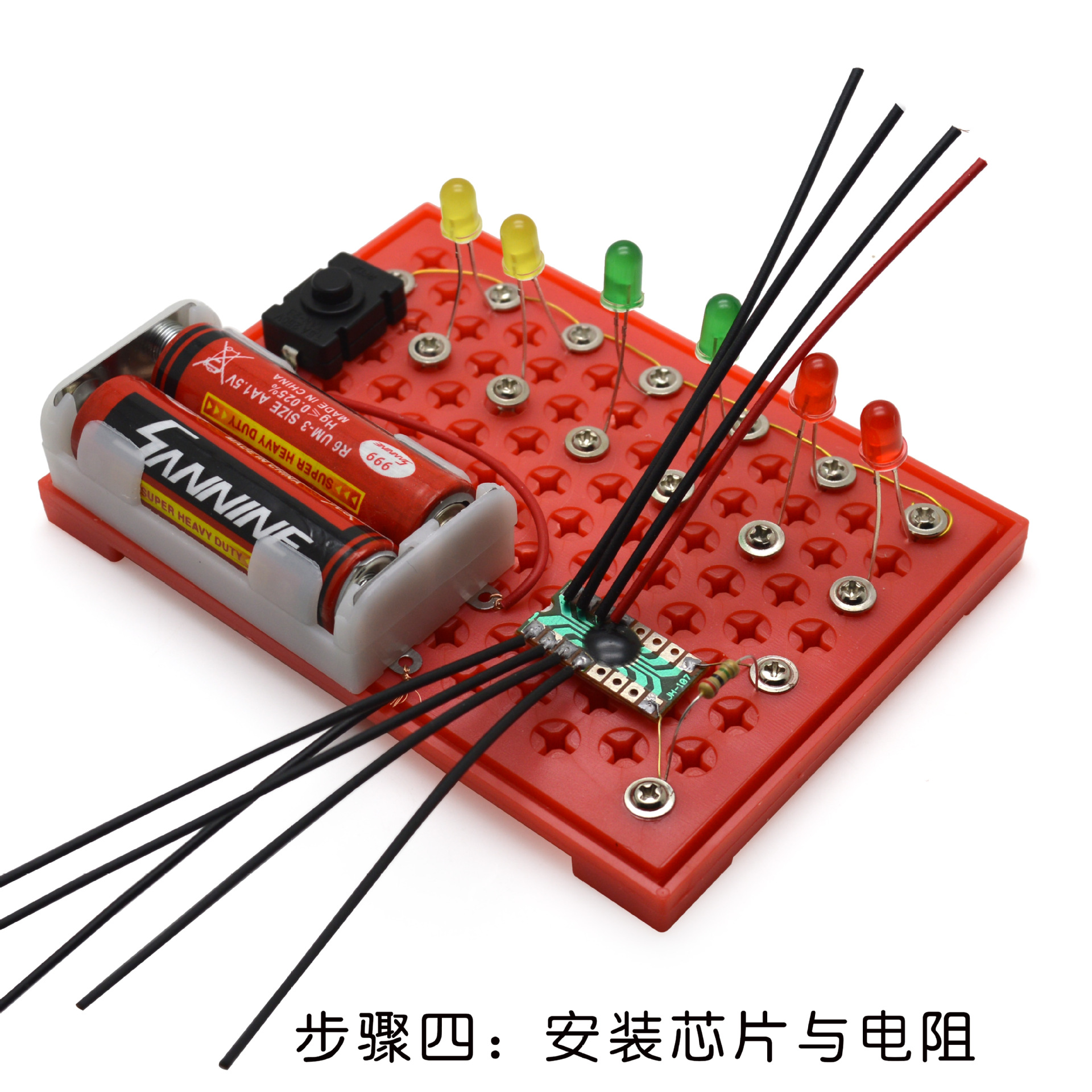
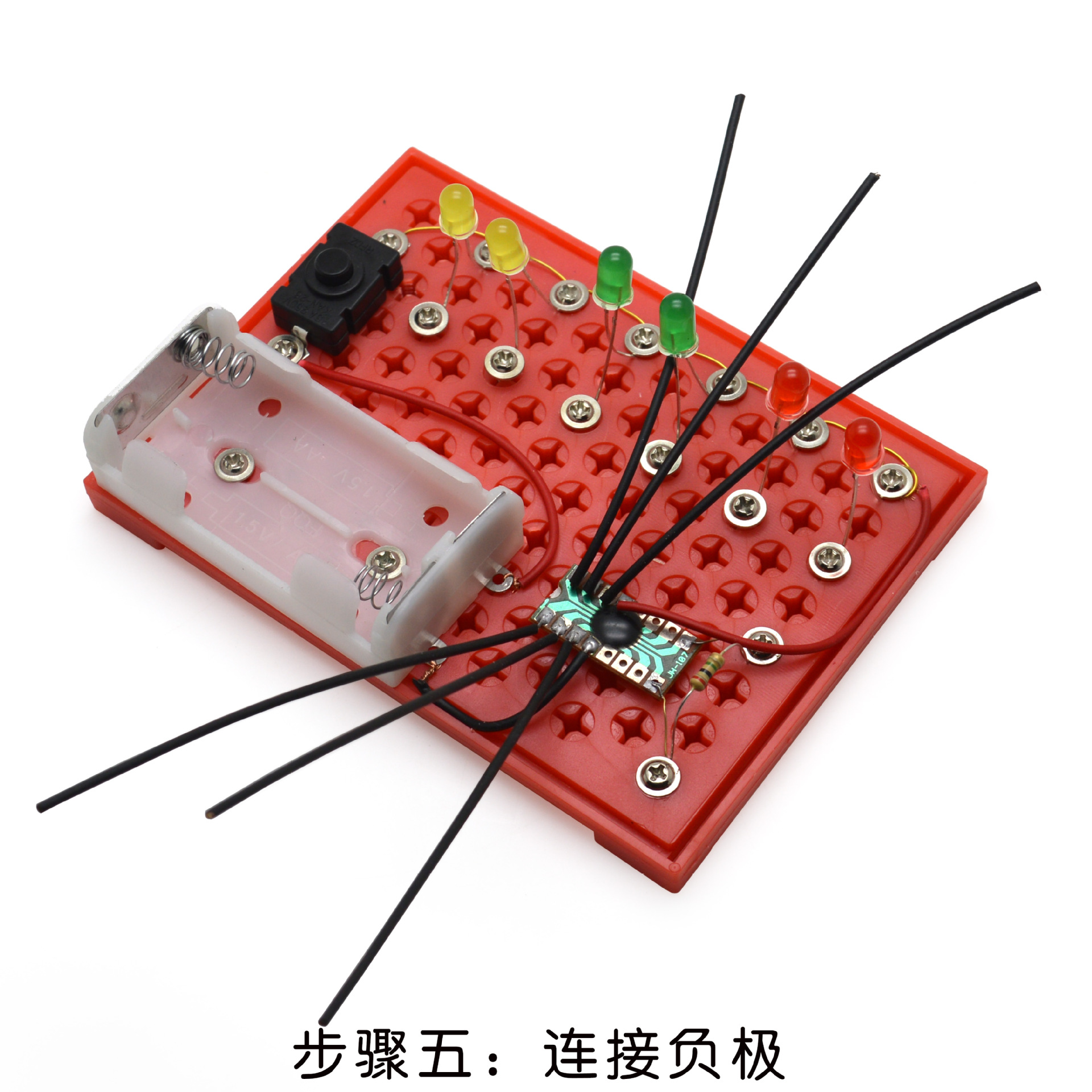
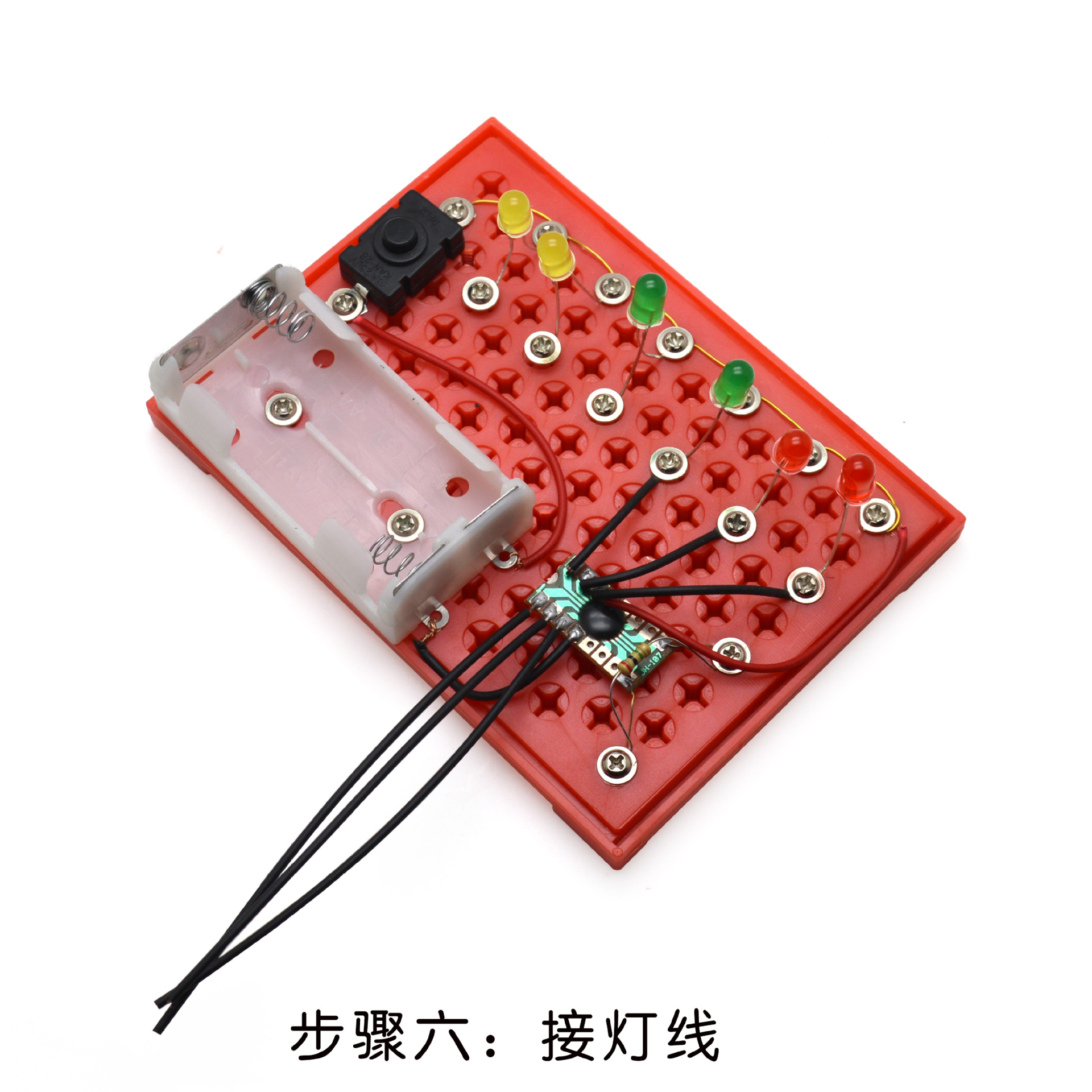
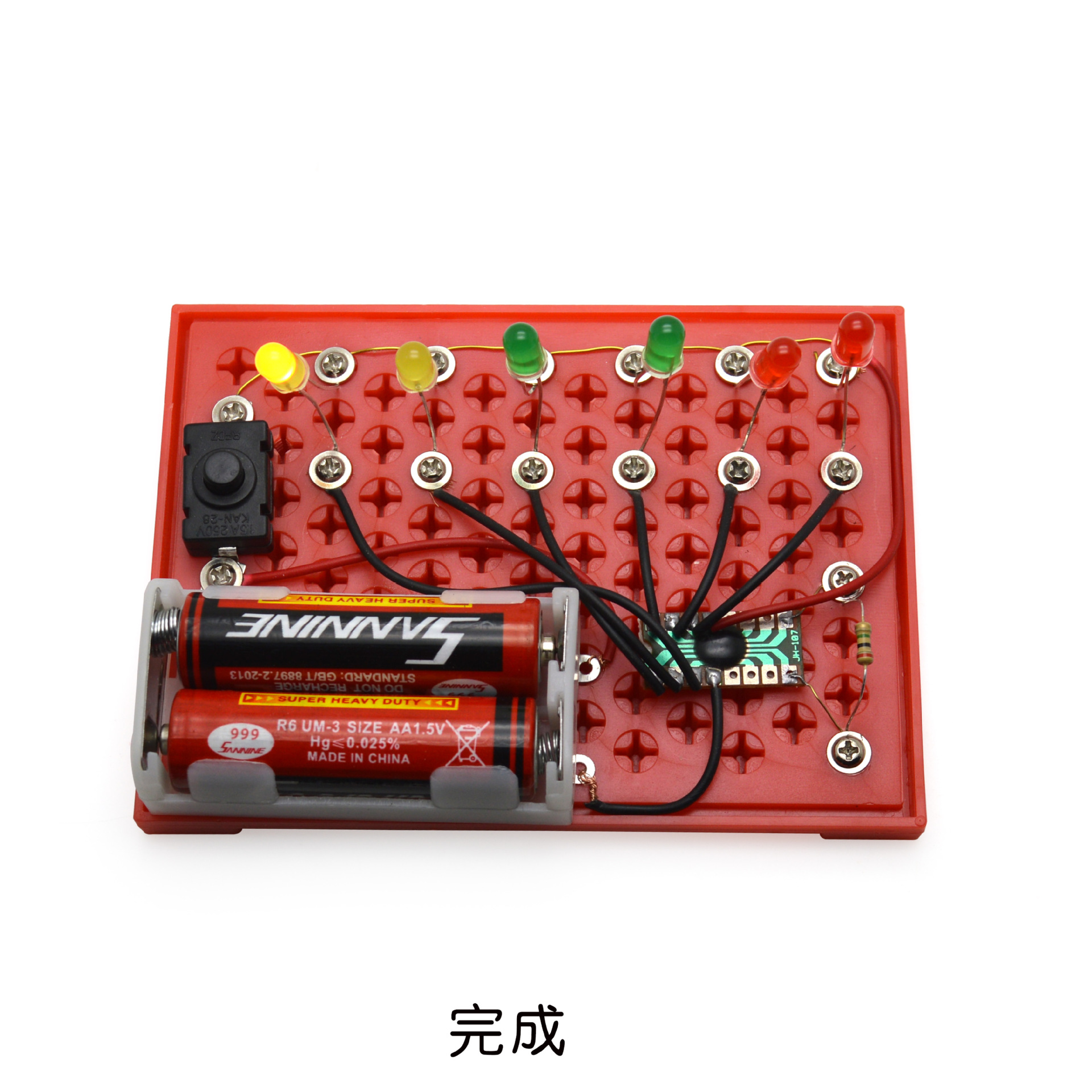
1. Experiment preparation: Understand the experimental equipment: screw hole plate, IC, transistor, LED light, resistor, wire, screwdriver, slant-nose pliers.
Experiment Report:
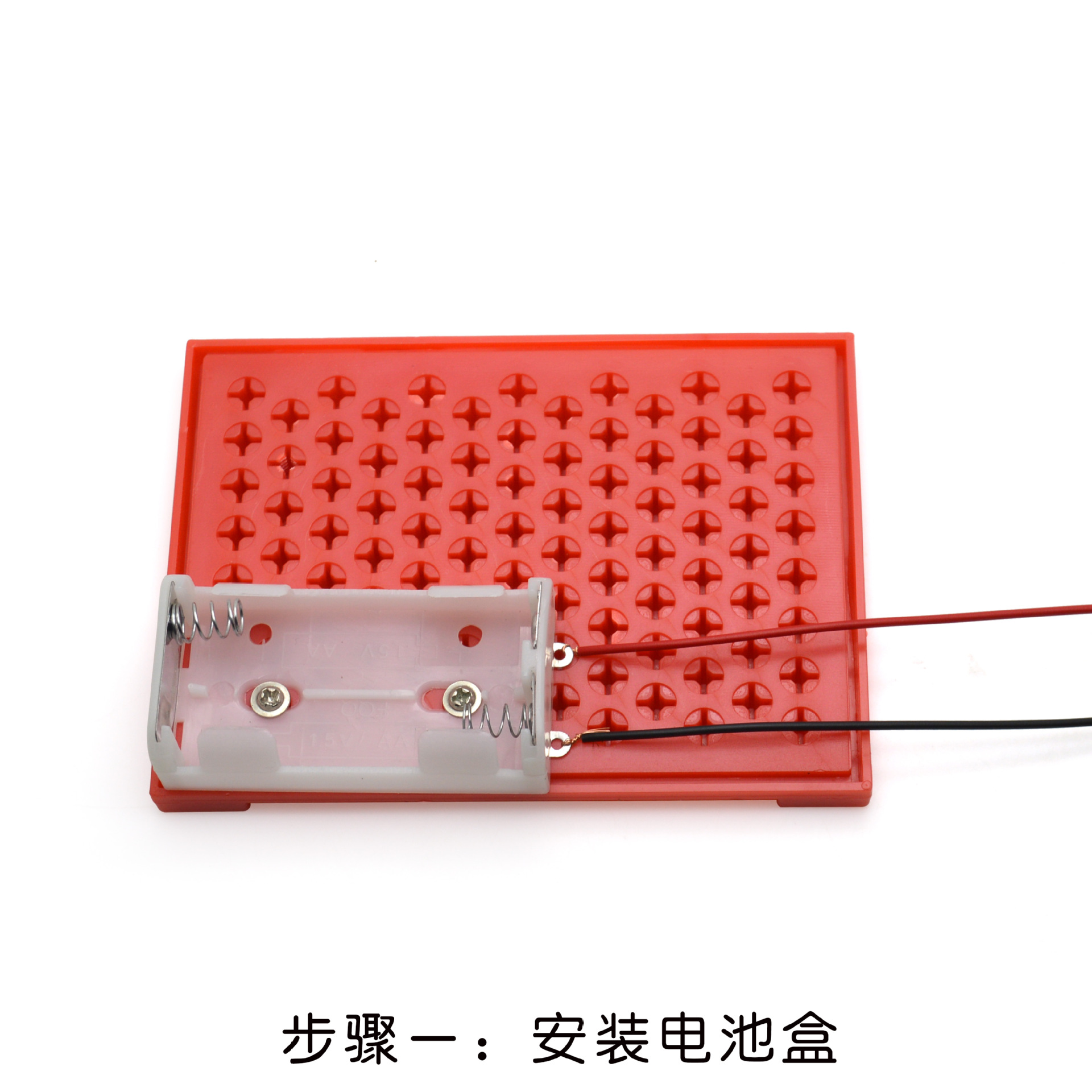
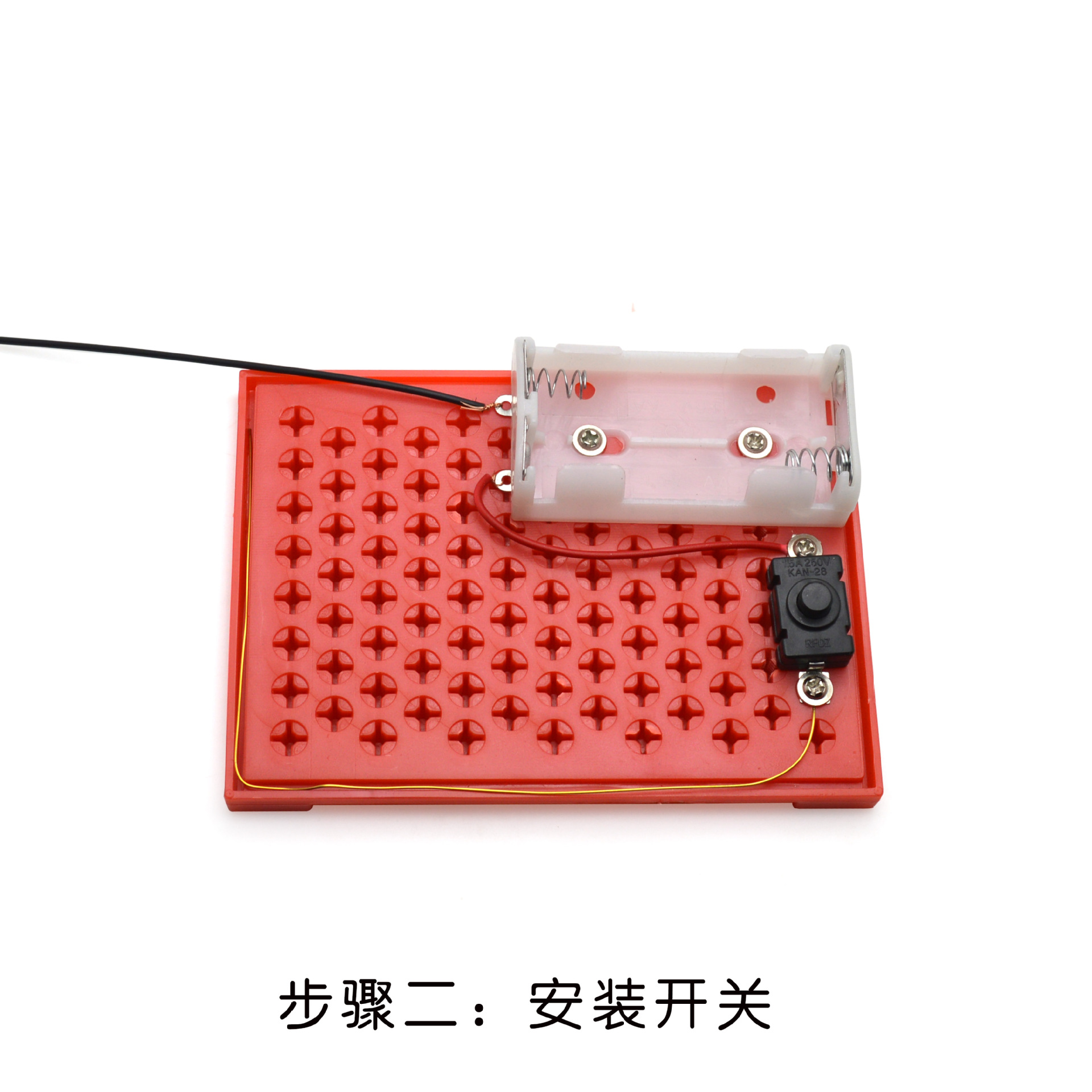
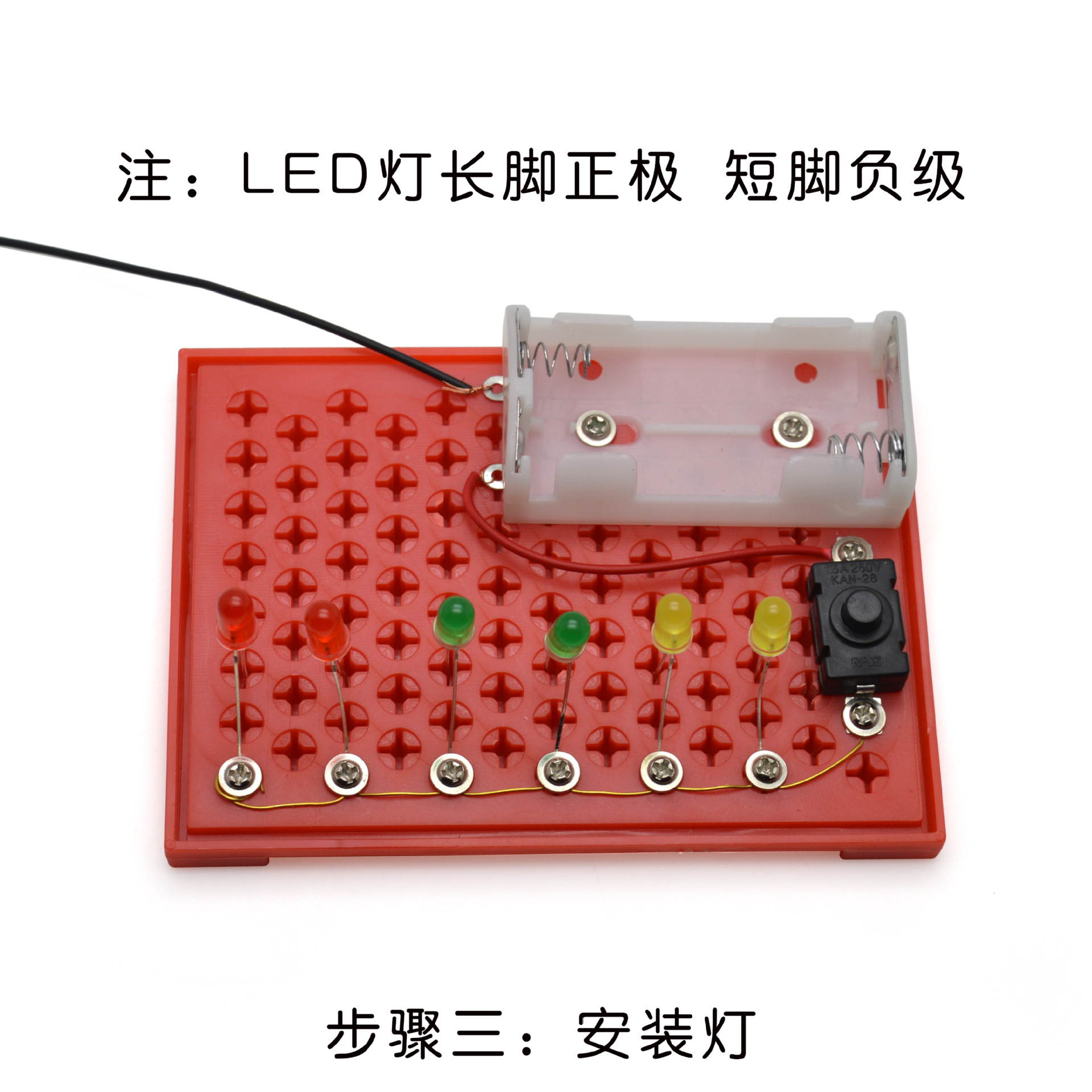
Understanding the working principle of the flowing water flashlight, making a energy-saving lamp by yourself, is it not a deeper understanding of how energy-saving lamps are made.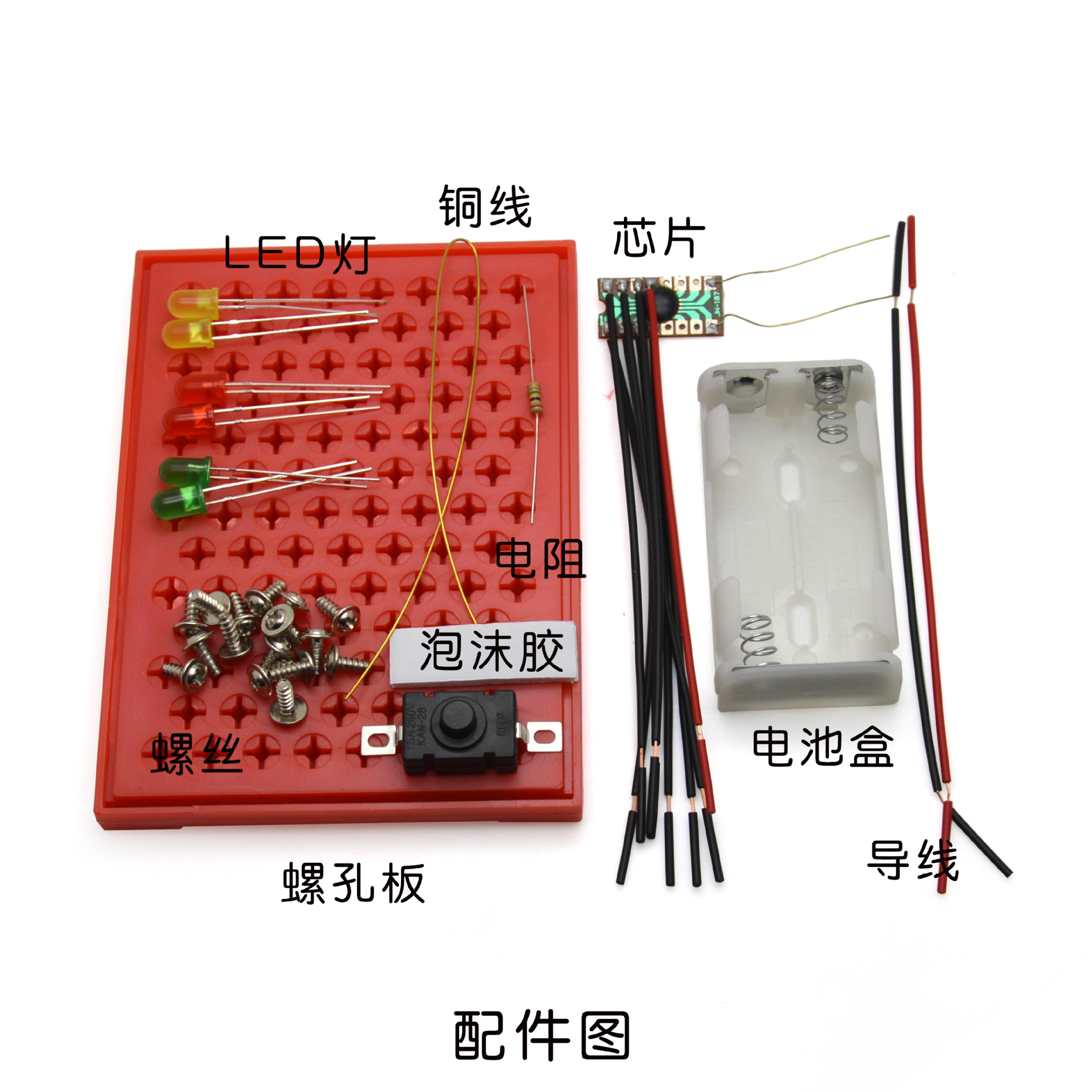
Update time:


TOP


