
Search history
Clear allSearch by image
XDrag and drop an image here or upload an image
Max 5MB per image
UploadSign In | Join

Search history
Clear allSearch by image
XDrag and drop an image here or upload an image
Max 5MB per image
UploadSign In | Join
Yiwu YuManOffice Supplies Firm Yiwu Inroy Electonic Commerce Co., Ltd. 7yr.
Contacts zhanghaina Chat
Mobile 13076754351
13076754351

WhatsApp +8613076754351


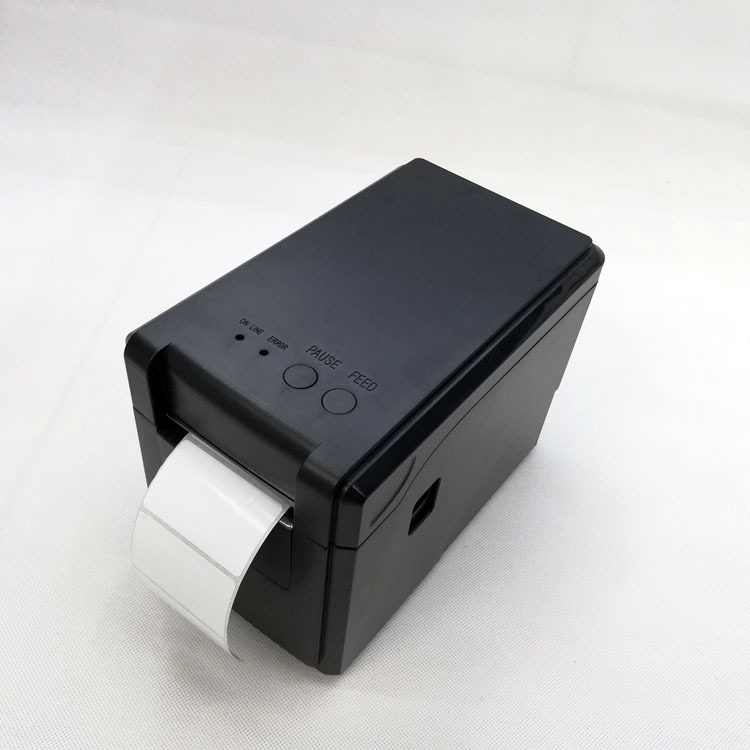
The principle of thermal printer is to add a layer of hyaloid membrane to light materials (usually paper), and turn the film into dark color (usually black or blue) after heating for a period of time. Images are added by adding
heat is generated by biochemical response in the film. This chemical reaction is carried out at a certain temperature. High temperature will accelerate this chemical reaction. When the temperature is lower than 60 ℃, the film needs to go through quite
it takes a long time or even a few years to turn dark. However, when the temperature is 200℃, this reflection will be completed within a few microseconds.
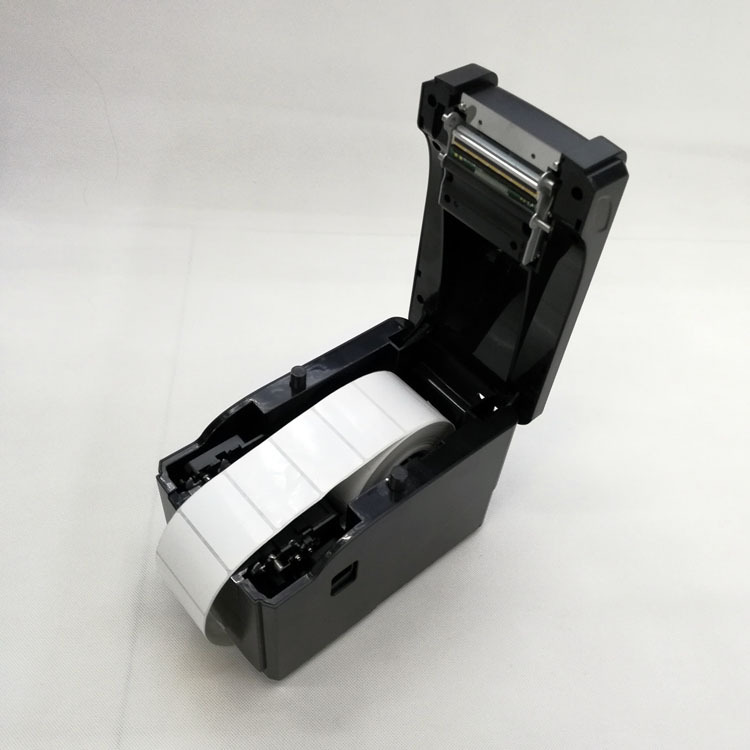
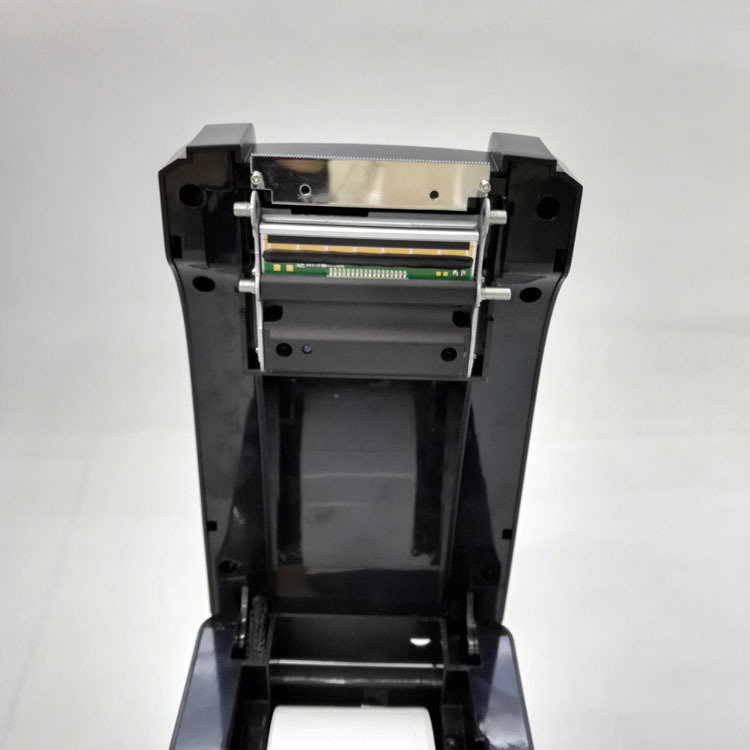
The thermal printer selectively heats at a certain position of thermosensitive paper, thus generating corresponding graphics. Heating is provided by a small electronic heater on the print head that contacts the heat-sensitive material.
. The heater is logically controlled by the printer in the form of square points or bars. When driven, a graph corresponding to the heating element is generated on the thermosensitive paper. Control the same logic electricity of heating elements
the road also controls the paper feed, so graphics can be printed on the entire label or paper.
The most common thermal printer uses a fixed print head with a heating dot matrix. The print head is equipped with 320 square points, each point is 0.25mm × 0.25mm. With this dot matrix, the printer can play
the printing point is anywhere in thermosensitive paper. This technology has been used in paper printers and label printers.


Update time:


TOP


