
Search history
Clear allSearch by image
XDrag and drop an image here or upload an image
Max 5MB per image
UploadSign In | Join

Search history
Clear allSearch by image
XDrag and drop an image here or upload an image
Max 5MB per image
UploadSign In | Join
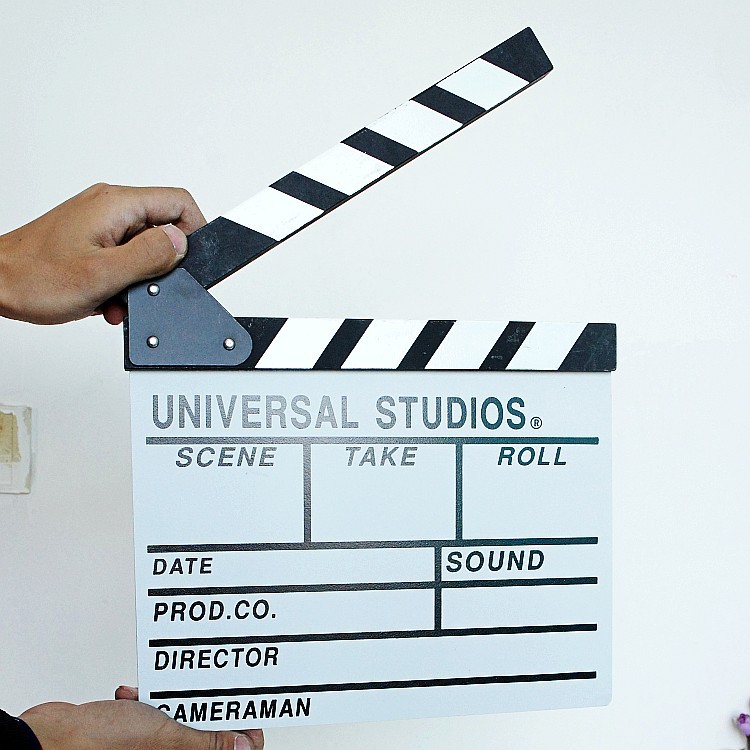
 white large size 30 * 27cm
白色大号30*27CM |
CN¥ 5.6 |
 small chinese black
小号中文黑色 |
CN¥ 4.2 |
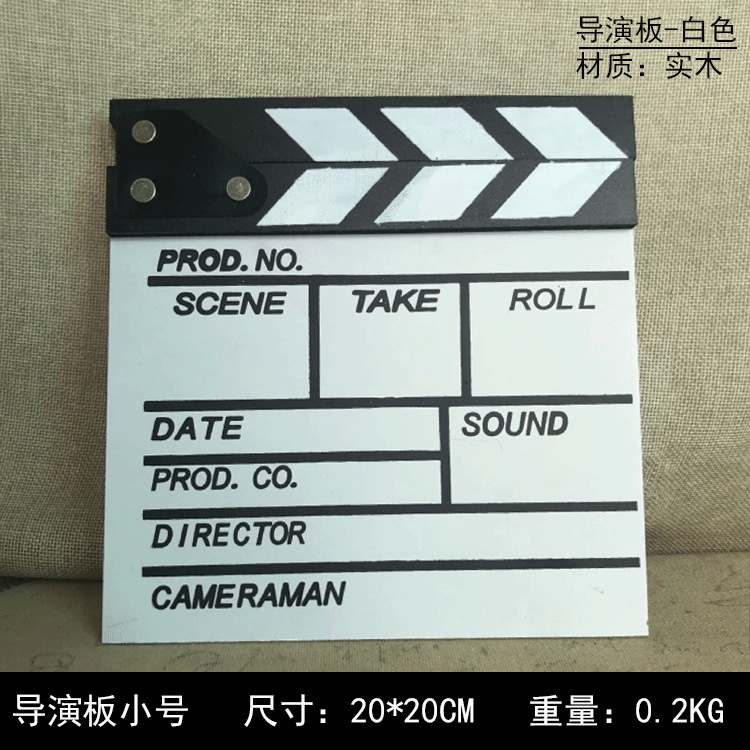
 white small size 20 * 20cm
白色小号20*20CM |
CN¥ 4.2 |
 black large p start 30 * 27cm
黑色大号P开头30*27CM |
CN¥ 5.6 |
 large chinese black
大号中文黑色 |
CN¥ 5.6 |
 large chinese white
大号中文白色 |
CN¥ 5.6 |
 multicolor, large director board
彩色大号导演板 |
CN¥ 7.8 |
 black small size 20 * 20cm
黑色小号20*20CM |
CN¥ 4.2 |
 small chinese white
小号中文白色 |
CN¥ 4.2 |
 black small u start 20 * 20cm
黑色小号U开头20*20CM |
CN¥ 4.2 |
 2 large box
2个大号盒子 |
CN¥ 1.8 |
 black large u start 30 * 27cm
黑色大号U开头30*27CM |
CN¥ 5.6 |
Dinghong Arts and Crafts 10yr.
Contacts Jenny Chat
Mobile 13777924219
13777924219

WhatsApp +86-13777924219
Note: Additional tax points will be added to the invoice, please consult the customer service for details!
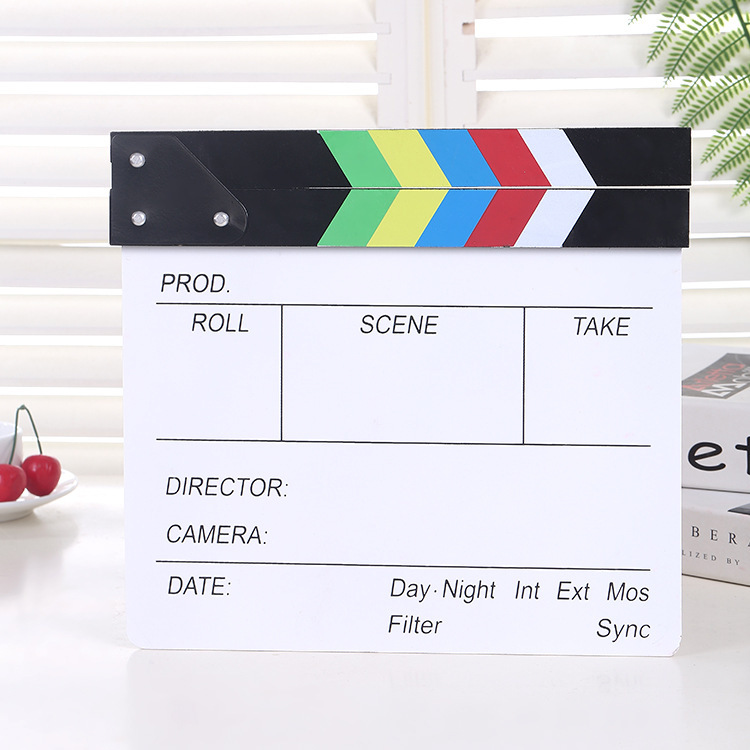
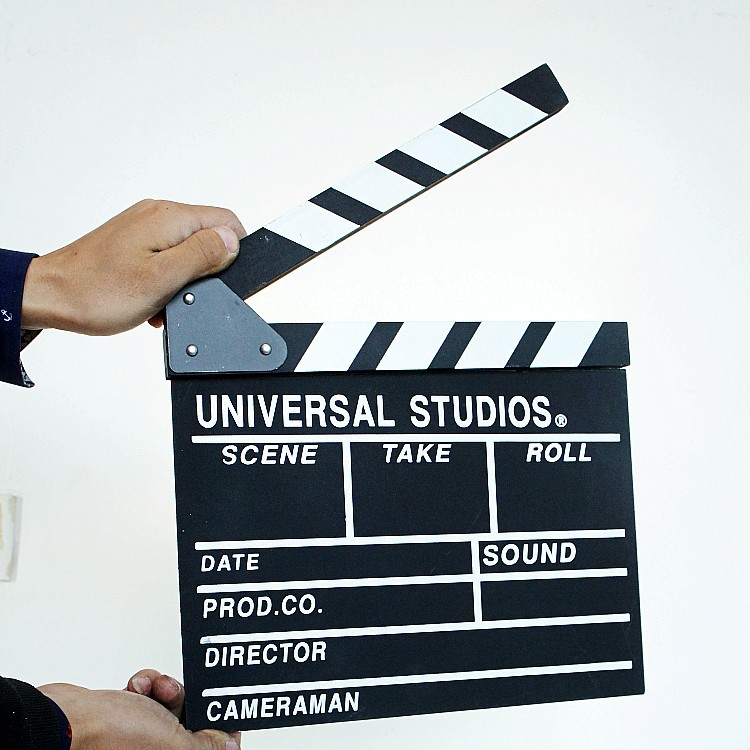
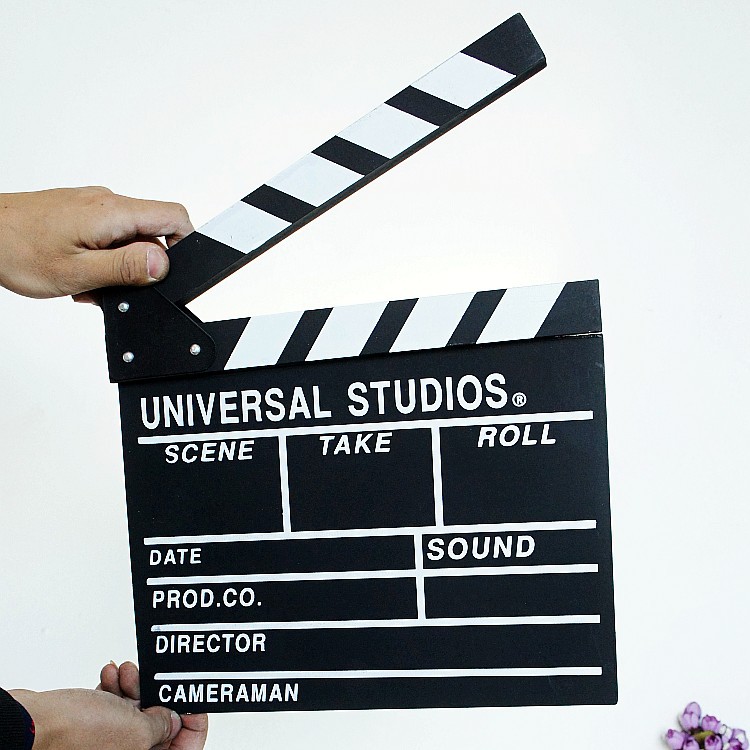
Name: Director's Board
Product packing quantity: Small size: 100PCS, Large size: 50PCS
ProductWeightSmall size: 0.2KG, Large size: 0.45KG
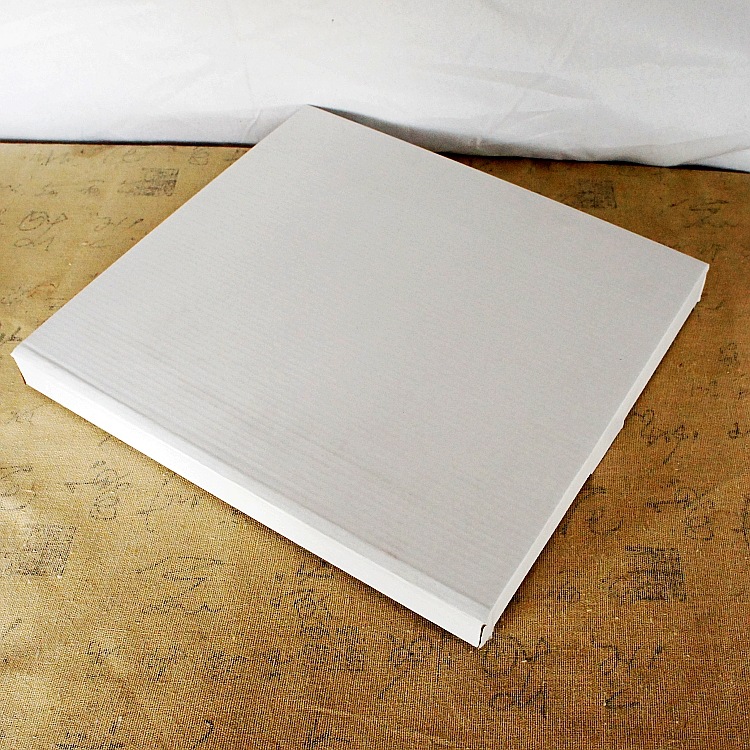
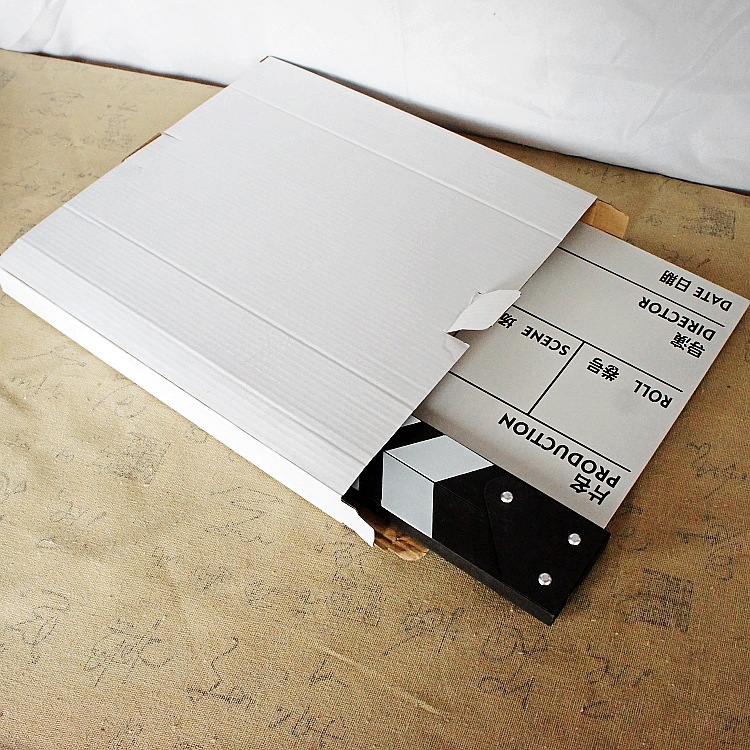
Packing Size: Large Size: 55*31*33 cm, Small Size: 55*23*46 cm
Whole case weight: Large size: 18.5KG Small size: 19.6KG
up batchQuantity: 1PCS
Baby SizeSize: Height, Width, Depth: 约20*20centimeter Large size: 30*27 cm
Material: Solid Wood
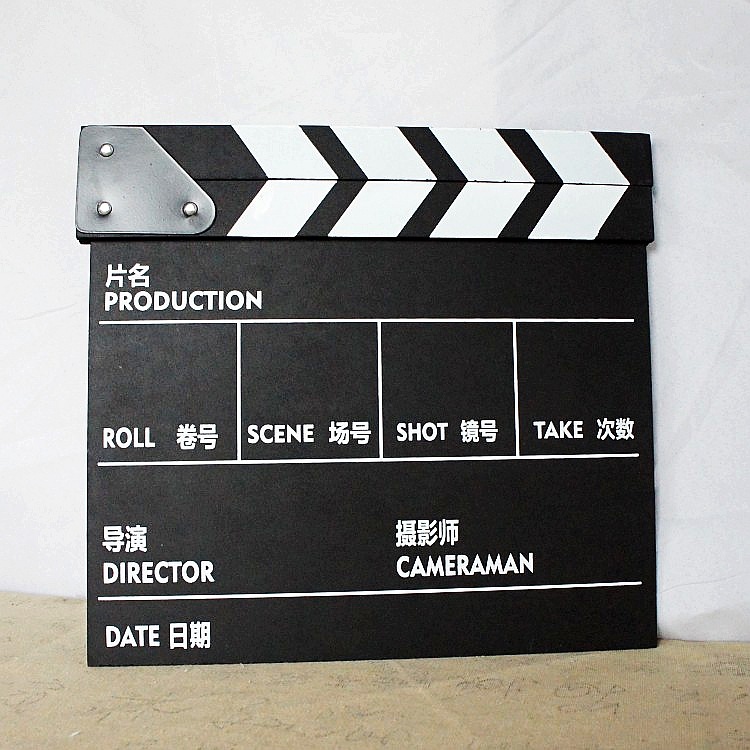
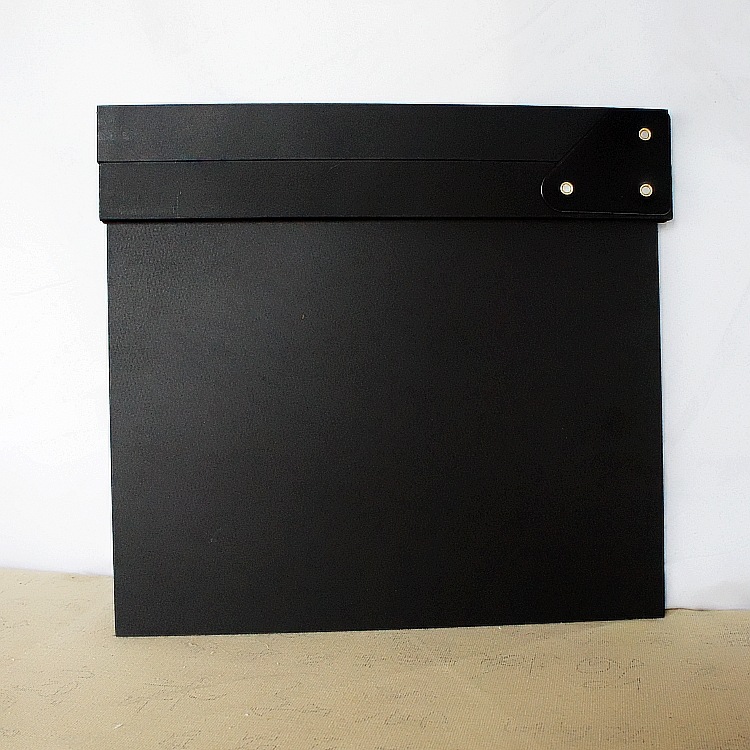
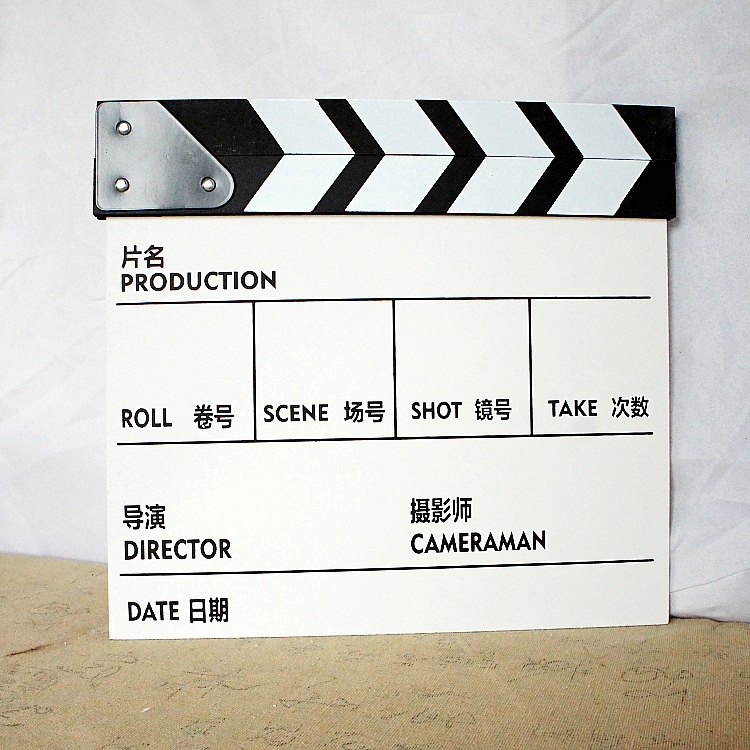
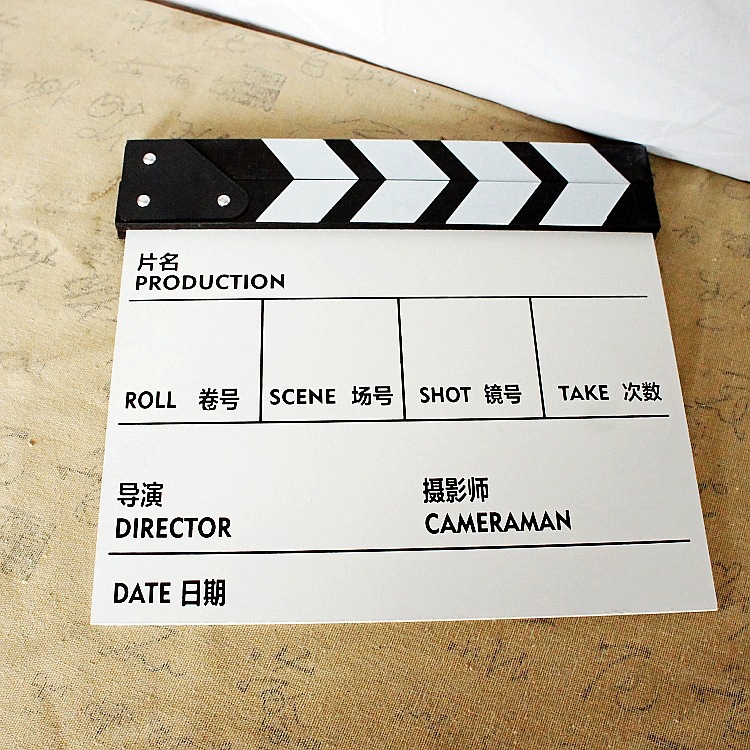
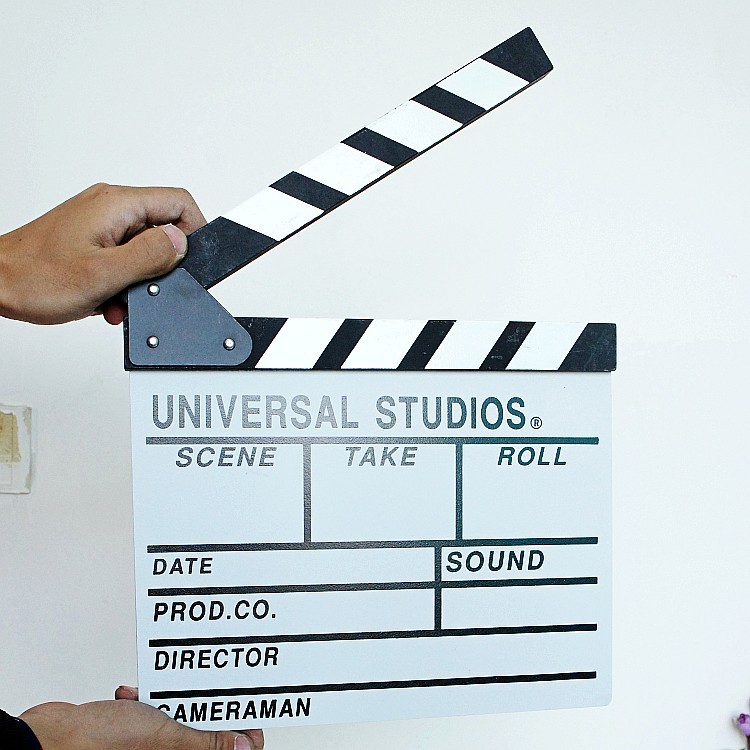
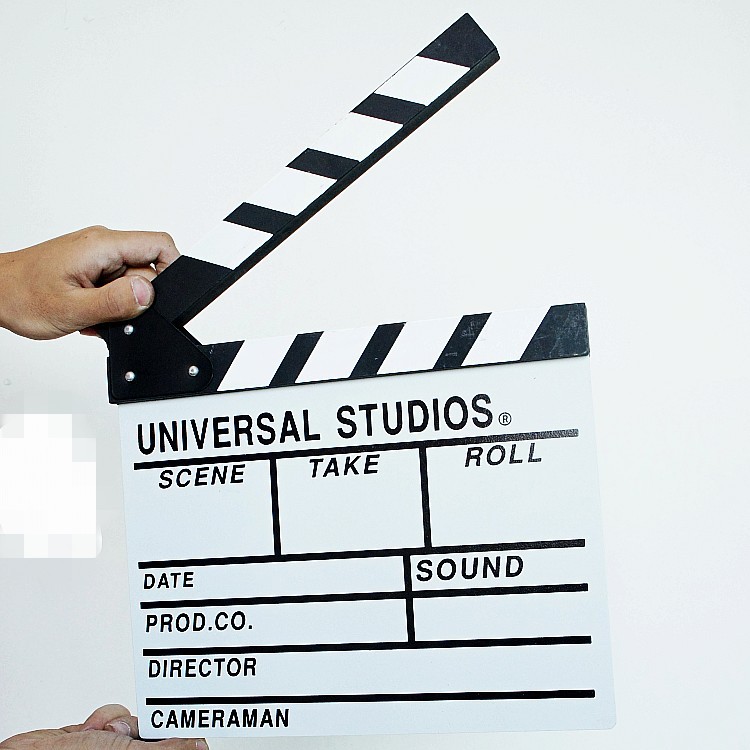
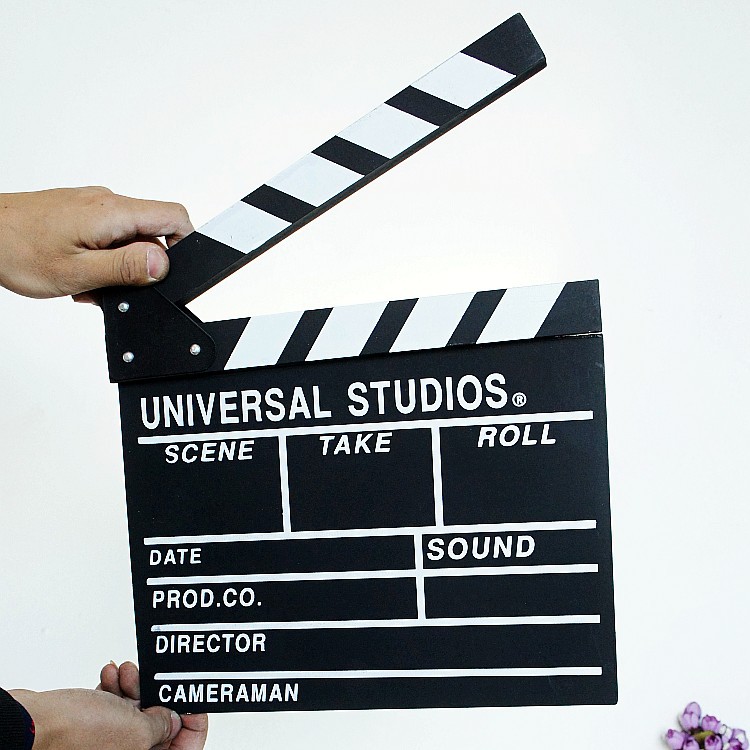
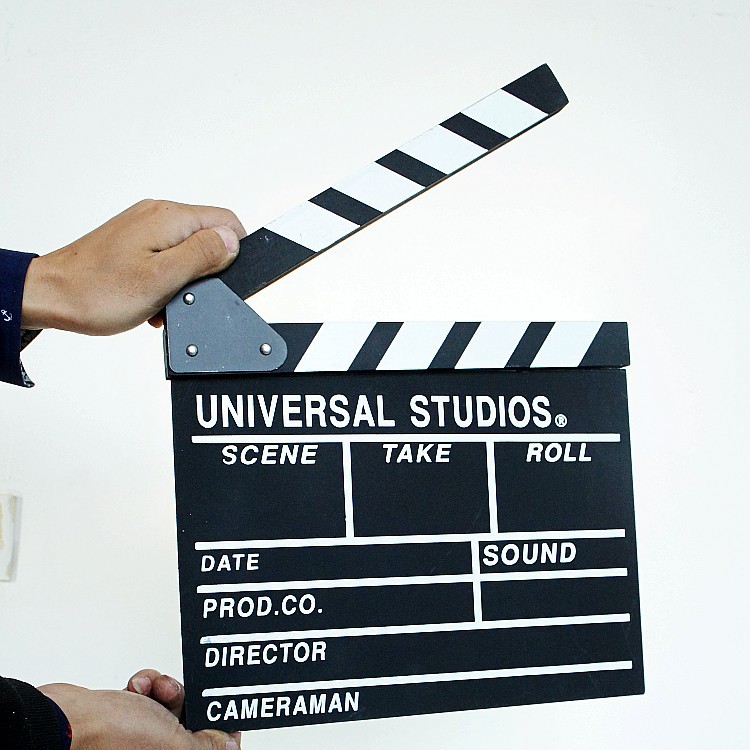
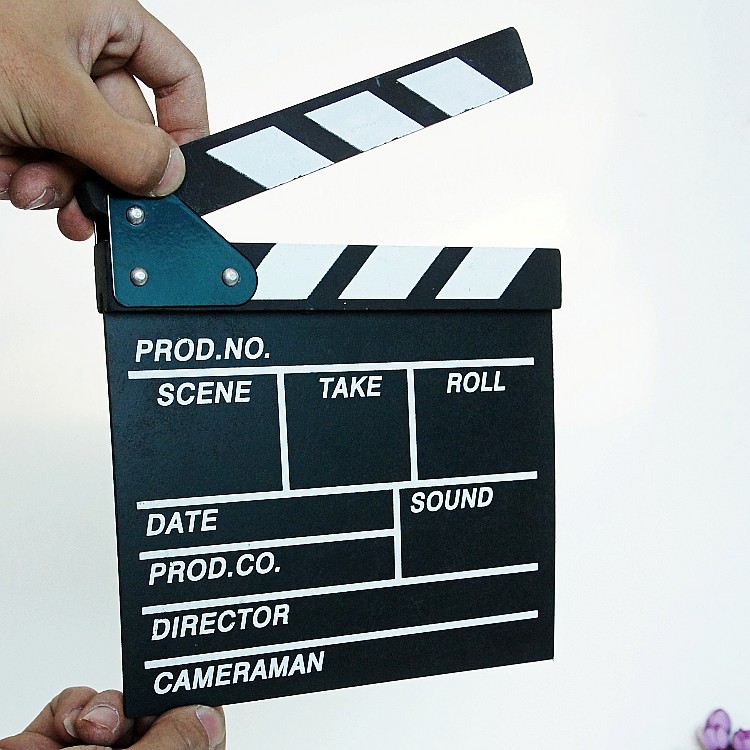
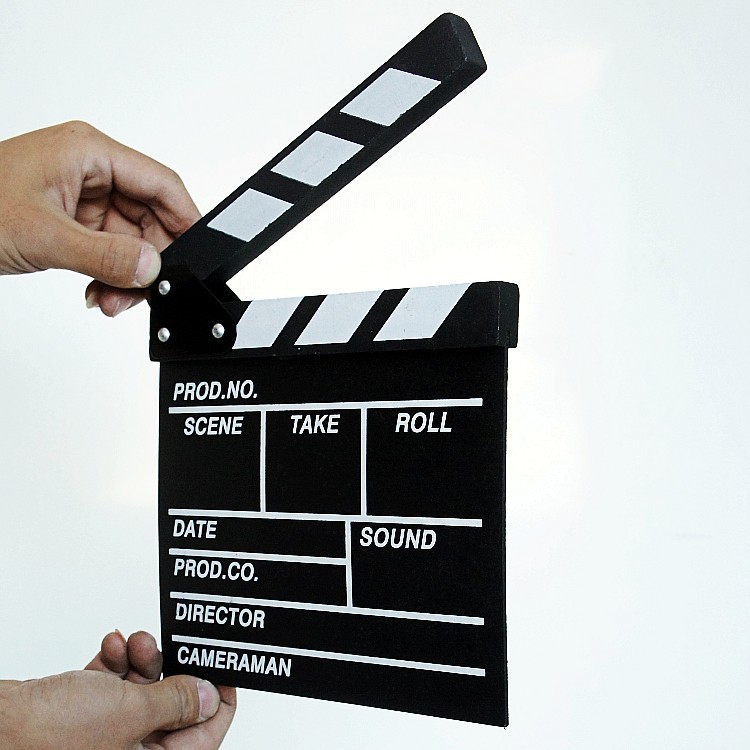
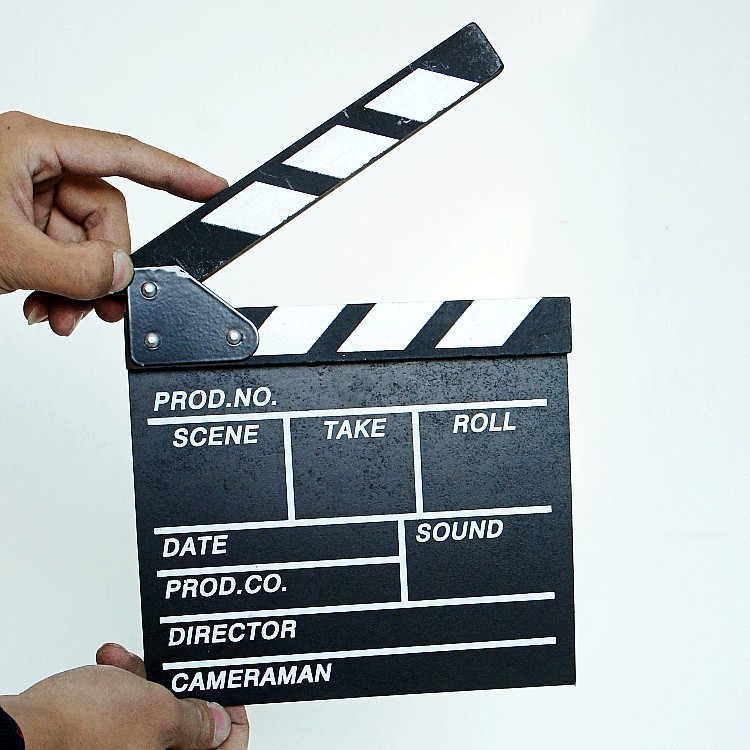
Explanation: No support
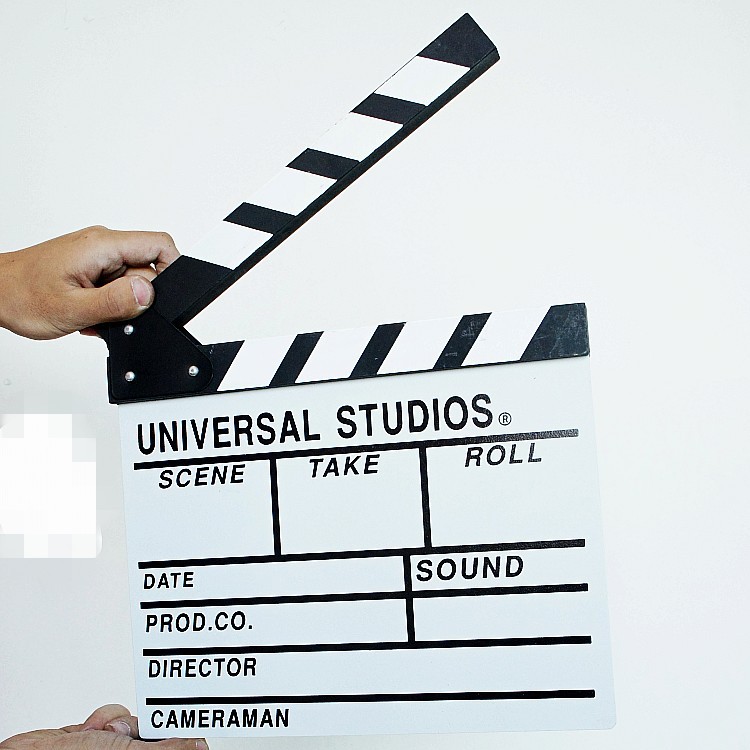
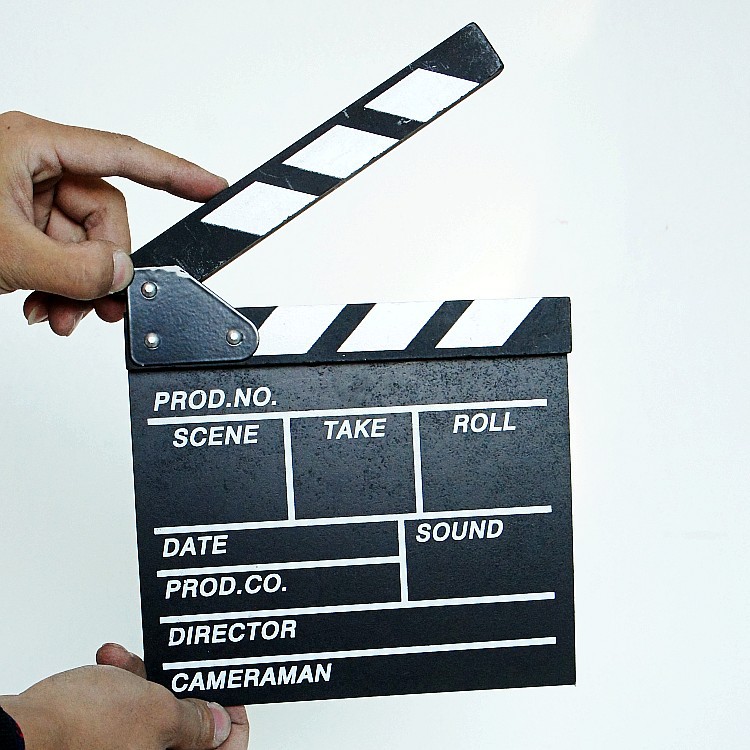
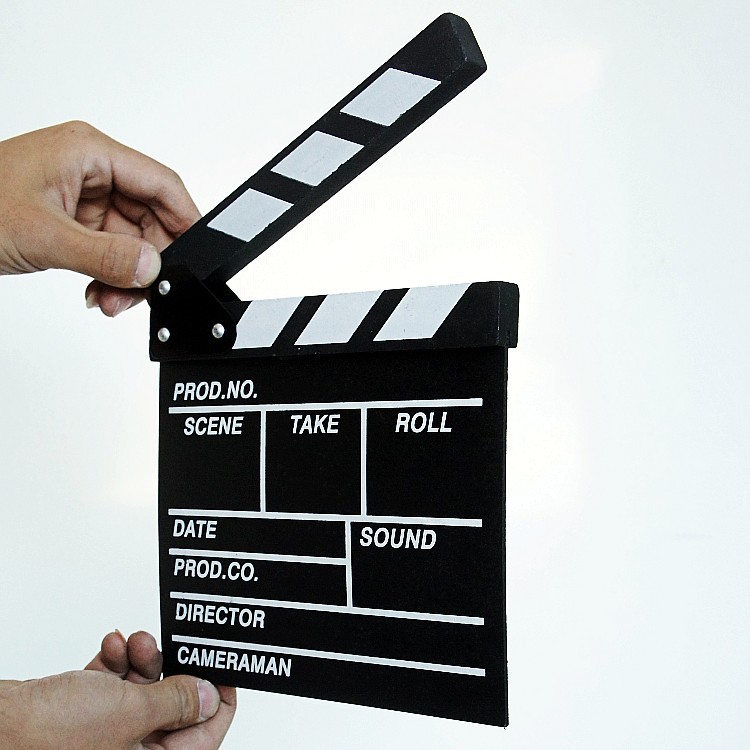
The small wooden board above is inscribed with information such as the show time, number of takes, director, film title, and film company. The upper edge also has a clip, painted with black and white stripes, which can be opened and closed to produce a clear sound, facilitating the synchronization of sound and picture during editing.
This rectangular striped board is called a "clapperboard," which has an English name called a "slate." It is marked with information such as the scene number, shot number, director, film title, and production company, and has a clapper at the top edge that can be opened and closed to produce a clear sound. The main function of the clapperboard is to serve as a marker for each piece of film, which is convenient for identification during post-production editing.
We know that a movie is composed of countless shots, and each film generally has hundreds or even thousands of shots. The scenes and content in the film are very complex. It is impossible to shoot in the order of the plot, but to shoot by scene, such as shooting exterior scenes first, then shooting scenes in the studio, or shooting summer scenes first, then winter scenes, and even if it is the same winter scenes, some plot occurs in the early part of the story, some plot occurs later. In order to ensure the quality, some shots need to be shot several times. After working hard for several months, a large number of film is brought back, how to combine it into a complete movie? If there are no obvious marks on the film, it will bring great trouble to the post-production editing work.
Film workers have explored a good method over the long-term practice. They use a small board with black and white stripes, which briefly writes the content of the film that will be shot. Before shooting each shot, they first shoot this "board" as a marker for this shot. This step is known in film industry jargon as "shooting the board" or "making the board." In this way, the beginning of each film reel has a shot of the production board, and when the staff sees this mark in post-production, they will know which film, which scene, and which shot this reel is from, making it easy to identify. In addition, other staff such as costume, makeup, props, and others can also use this to avoid flaws in the details of the shots shot at different times, thereby avoiding mistakes.
Since the clapperboard's role is to make marks, why then do they "clap"? This is because a film not only has images but also sound. If the sound in a film does not match the person's mouth when they are speaking, it would feel very uncomfortable to watch the movie. When filming, the clapper raises the clapperboard while closing the wooden bar on the clapperboard with a "clap", making a clear sound. The photographer captures the sound and the clapperboard shot at the same time, and this sound becomes a synchronization mark for post-production recording, allowing the editors to determine the precise sound-image positioning.
Due to the close connection between the clapperboard and the film industry, it has long been regarded as a symbol of the film industry. To commemorate the 100th anniversary of Chinese cinema, the Chinese Film Museum was built, which is shaped like a huge clapperboard. In 1996, France issued a commemorative stamp for the 50th anniversary of the Cannes International Film Festival (with an image attached), which features the clapperboard.

Update time:


TOP


