Search history
Clear allSearch by image
XDrag and drop an image here or upload an image
Max 5MB per image
UploadSign In | Join

Search history
Clear allSearch by image
XDrag and drop an image here or upload an image
Max 5MB per image
UploadSign In | Join
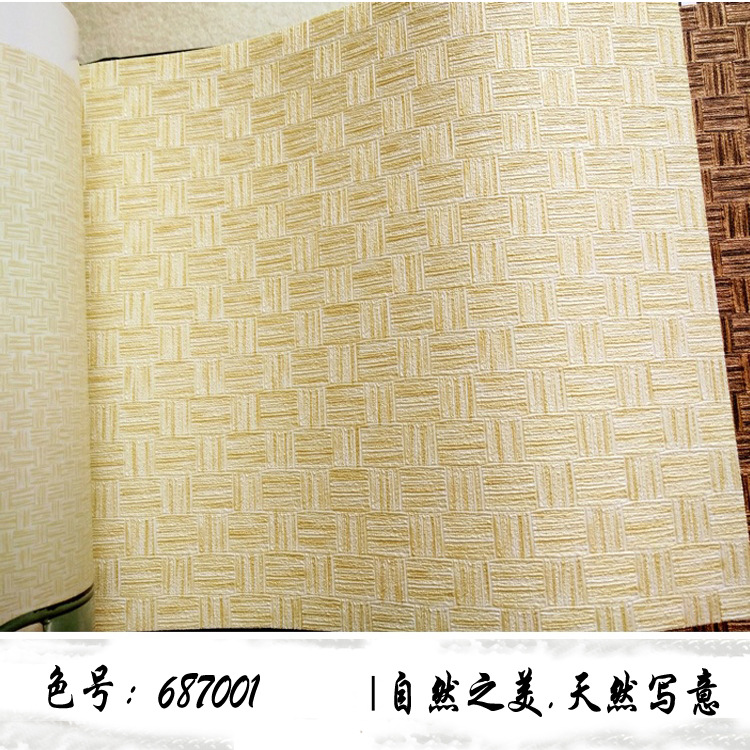
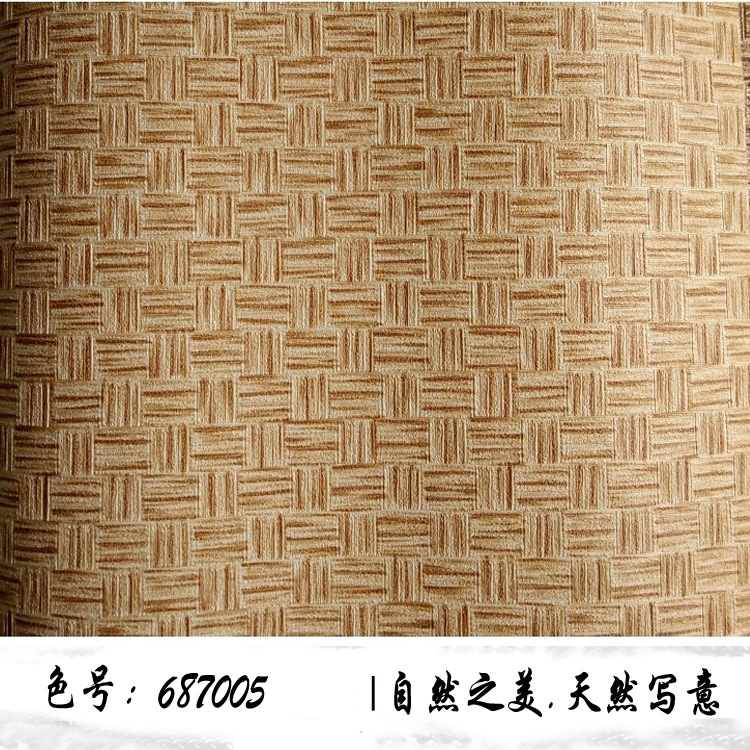
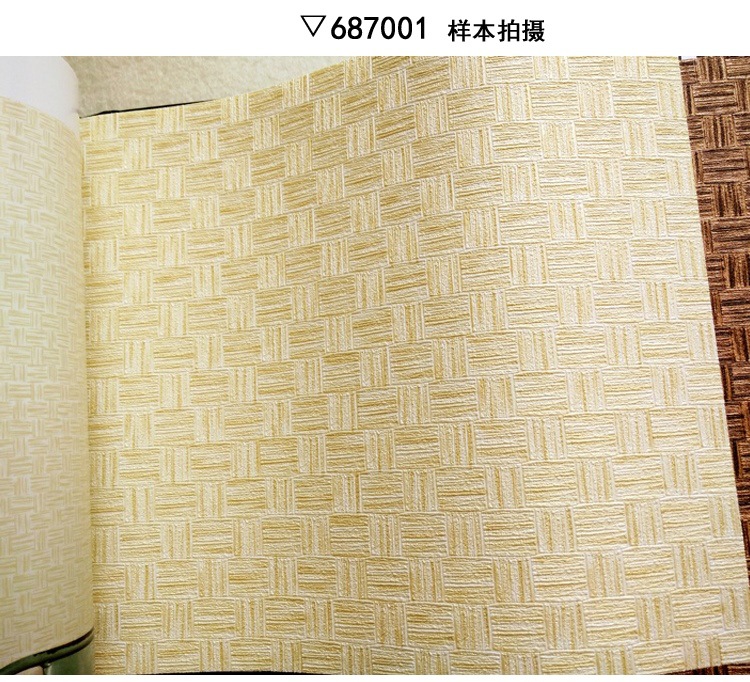
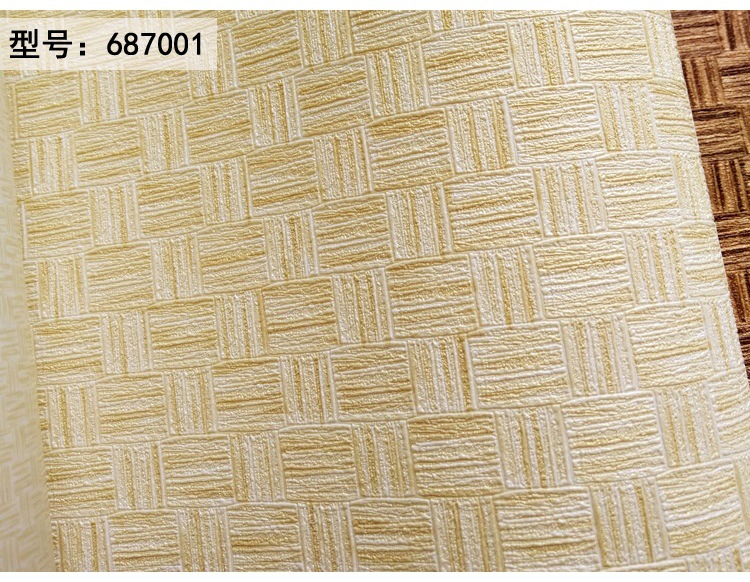
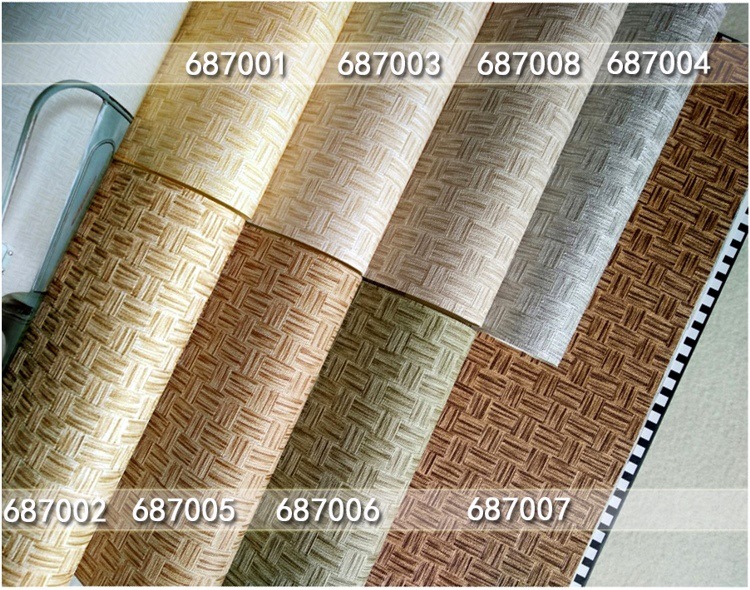
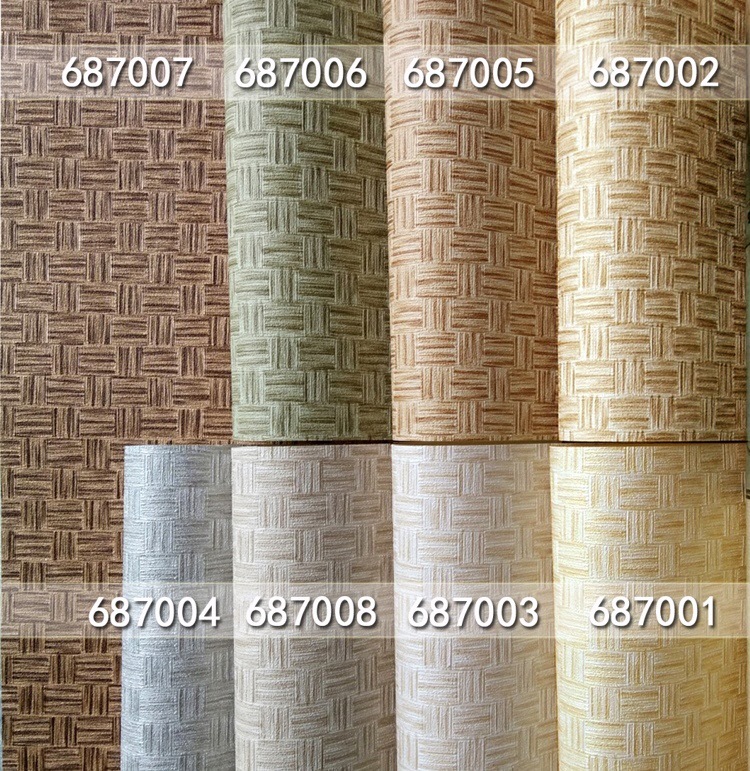
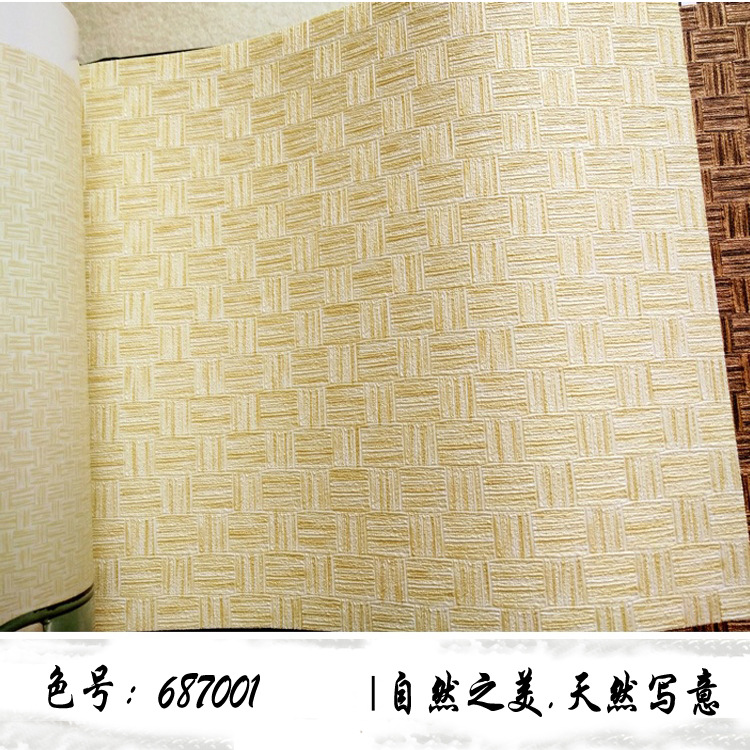
 687001
|
CN¥ 0.0 |
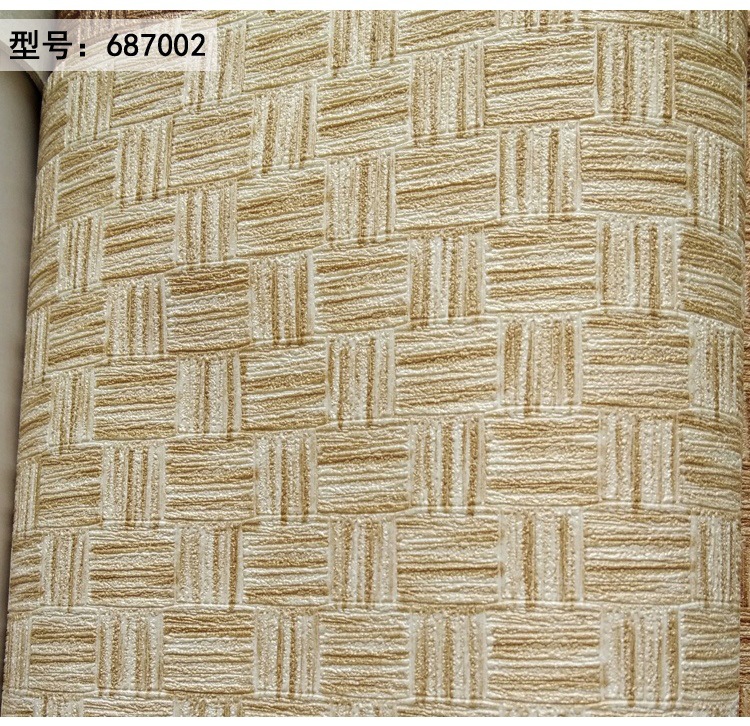
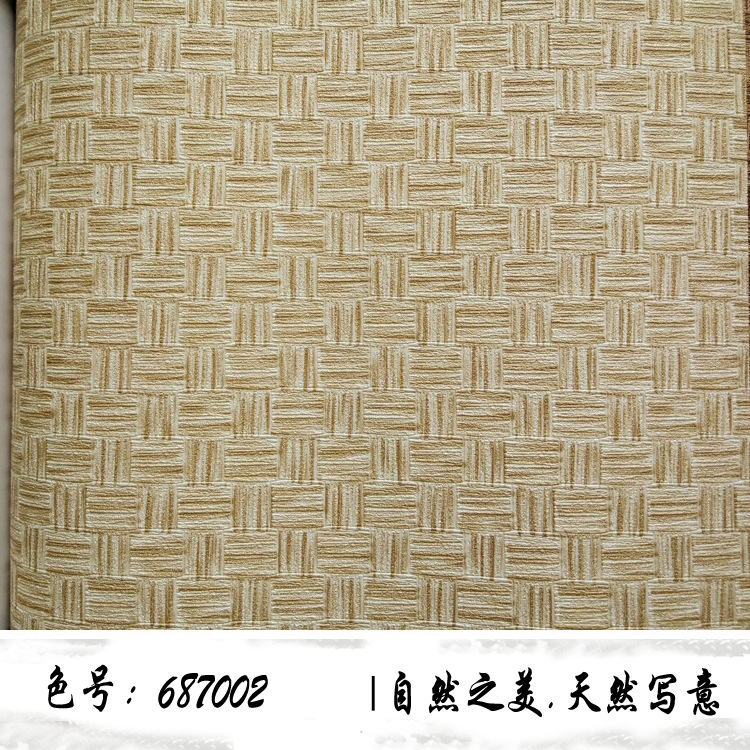
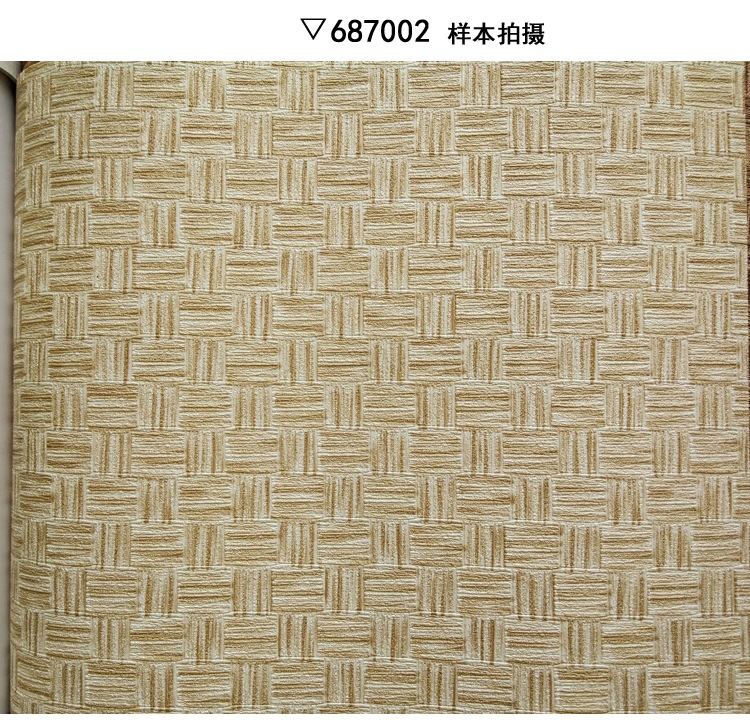
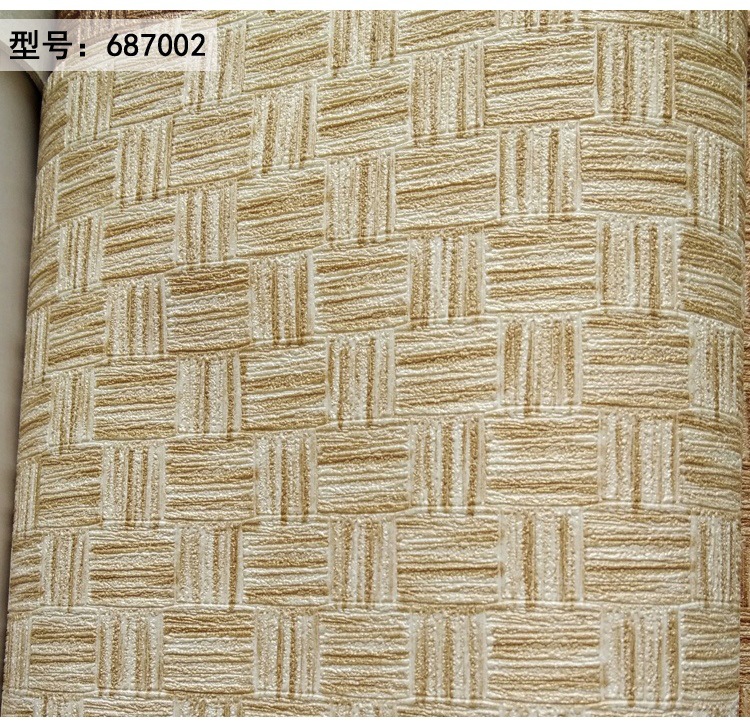
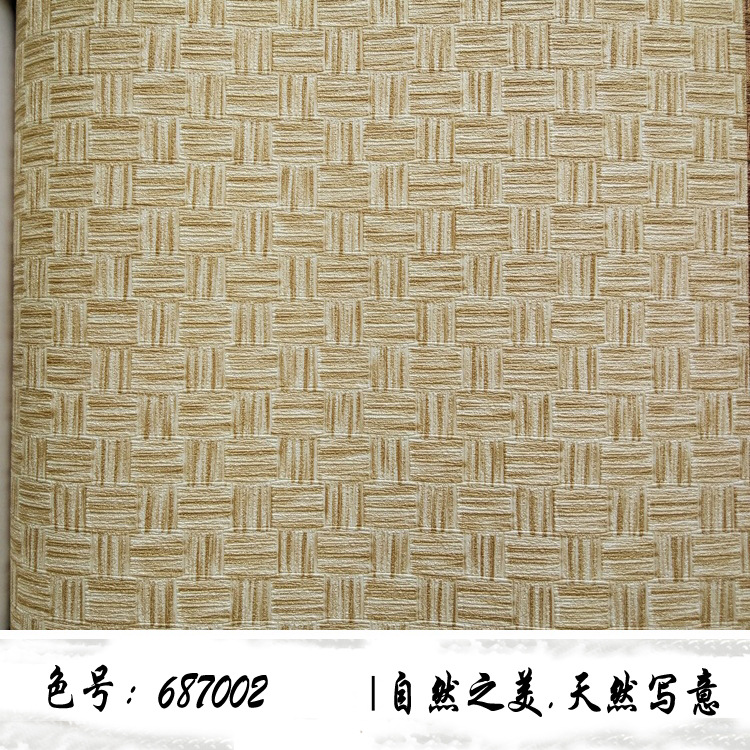
 687002
|
CN¥ 0.0 |
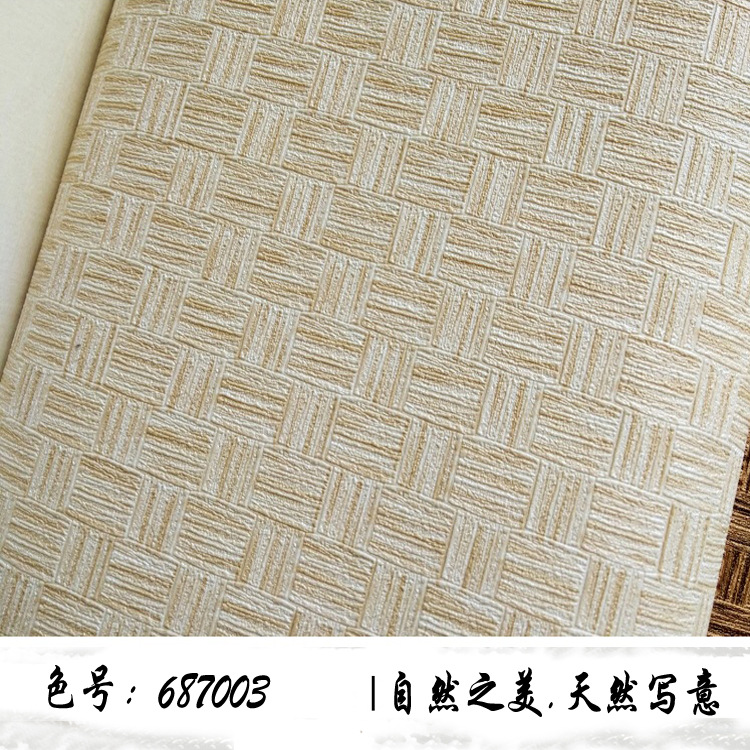
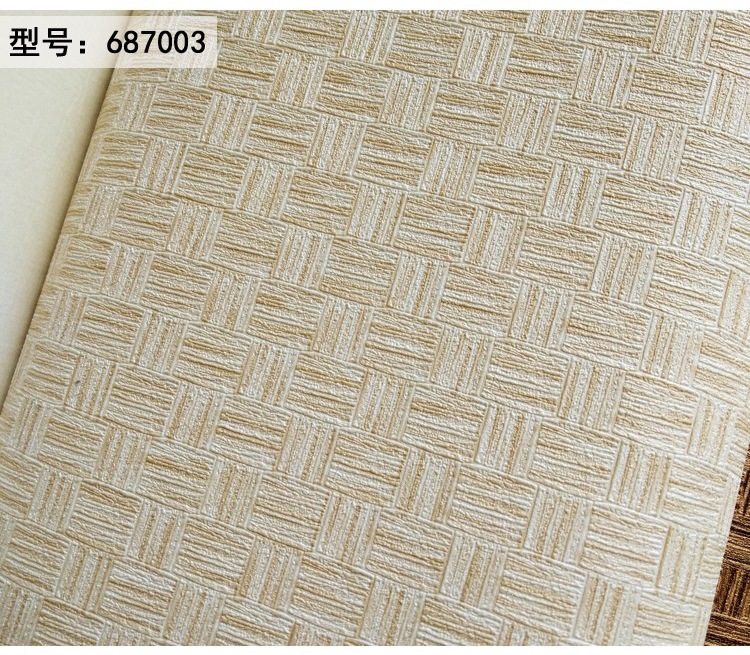
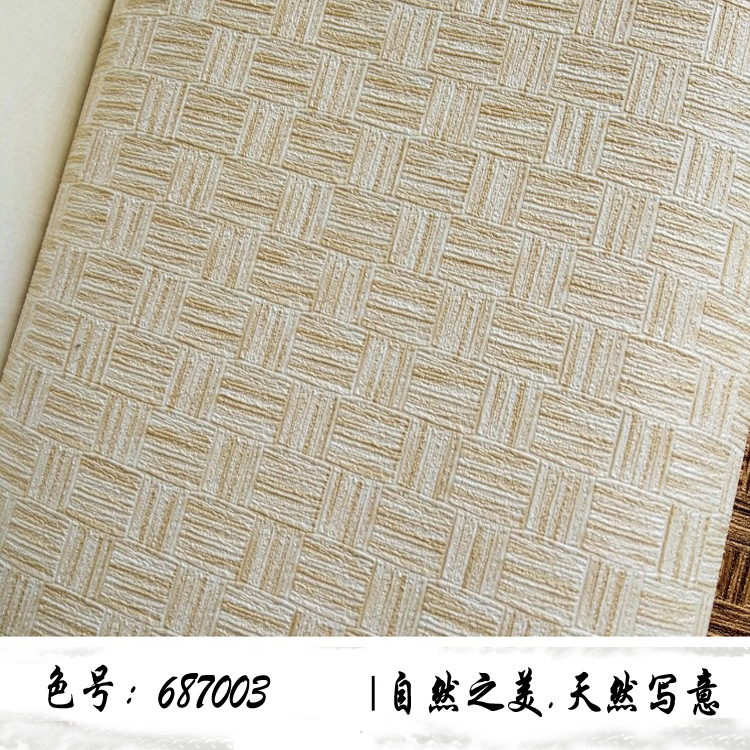
 687003
|
CN¥ 0.0 |
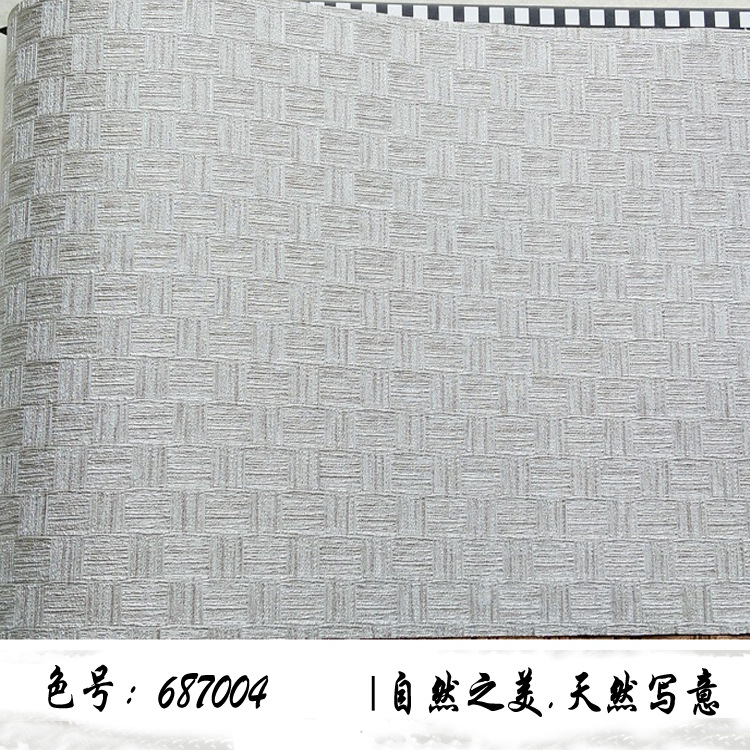
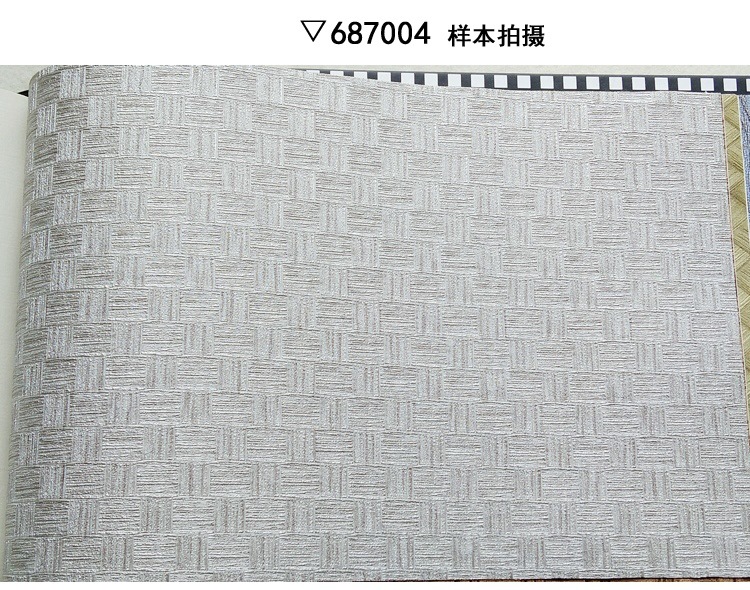
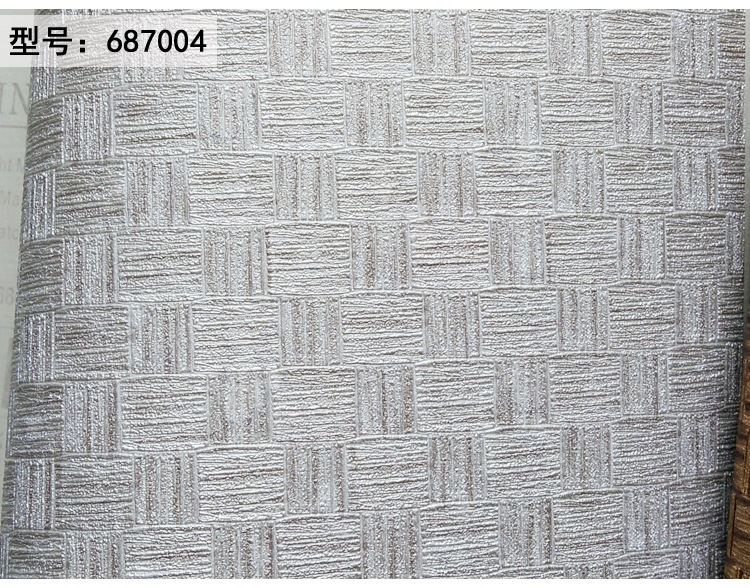
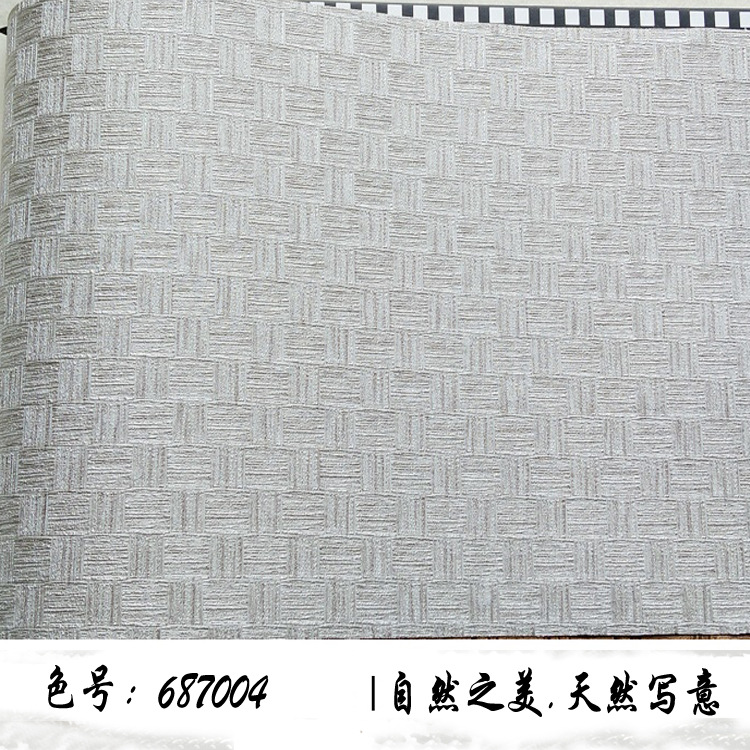
 687004
|
CN¥ 0.0 |
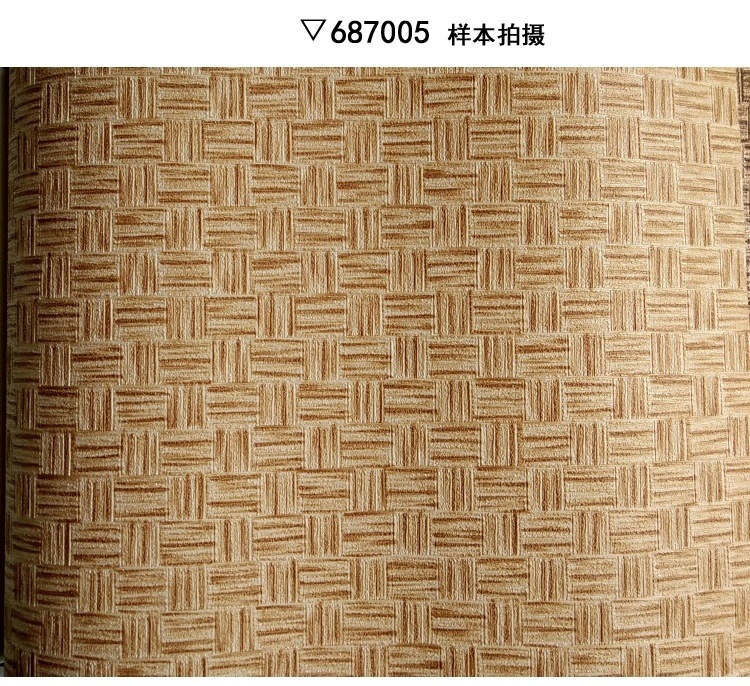
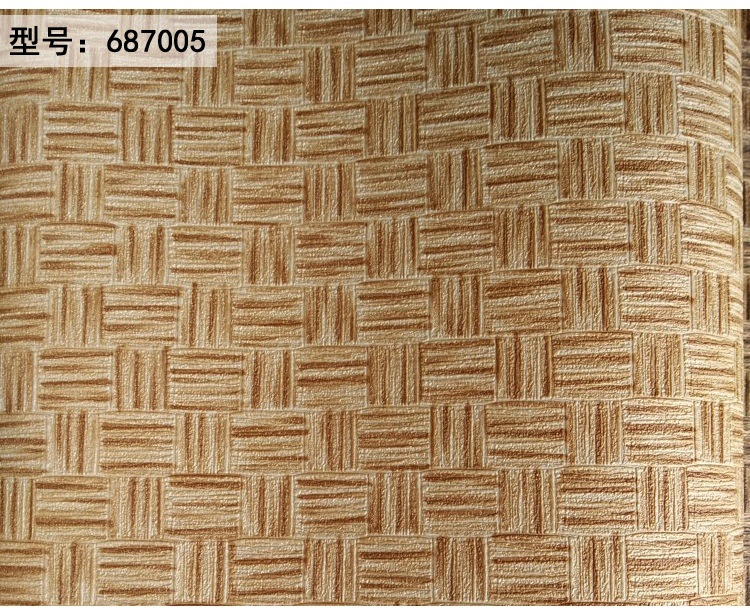
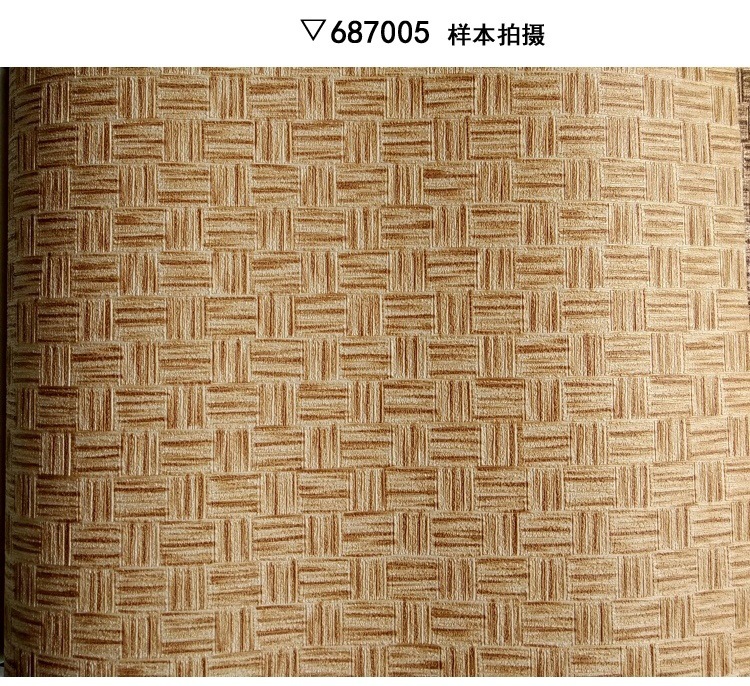
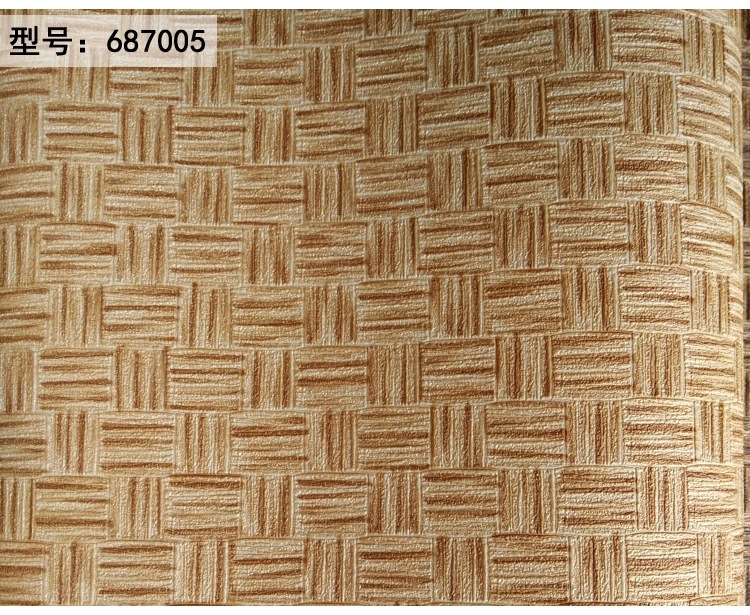
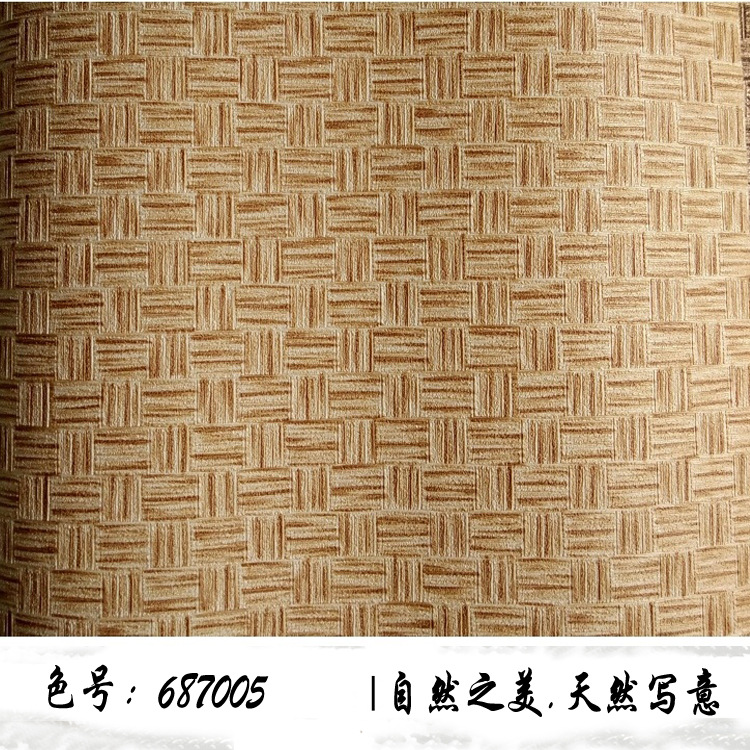
 687005
|
CN¥ 0.0 |
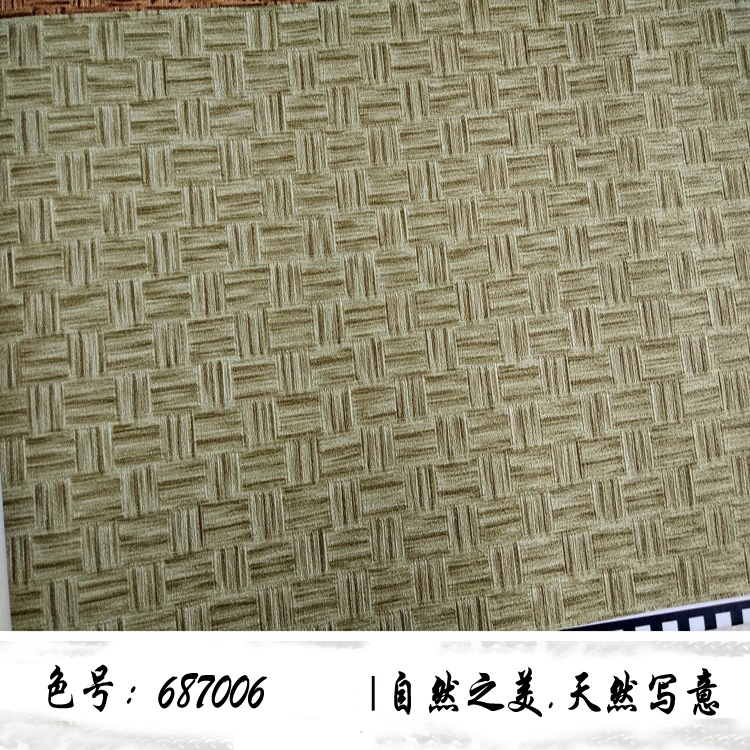
 687006
|
CN¥ 0.0 |
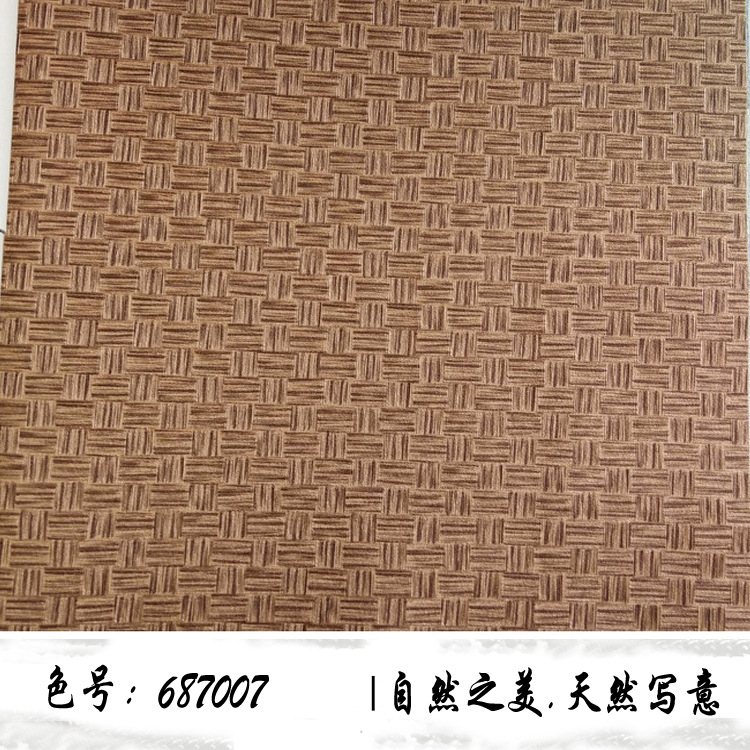
 687007
|
CN¥ 0.0 |
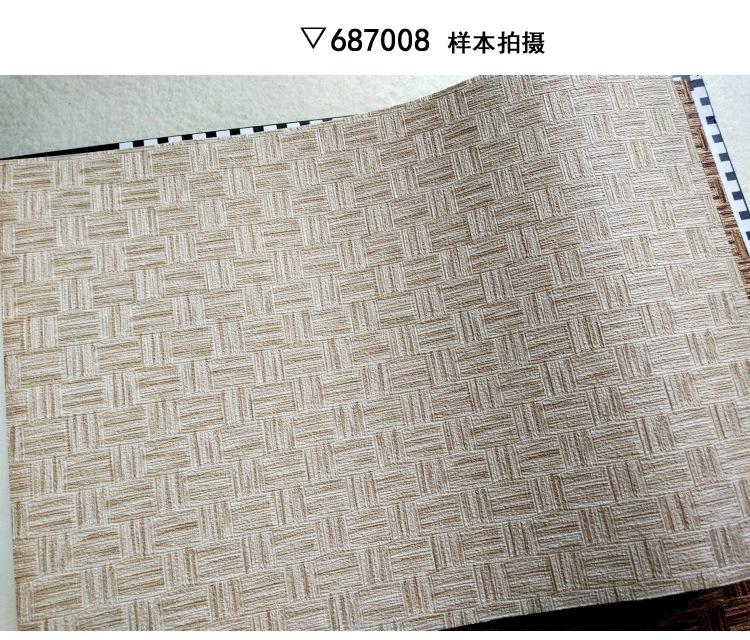
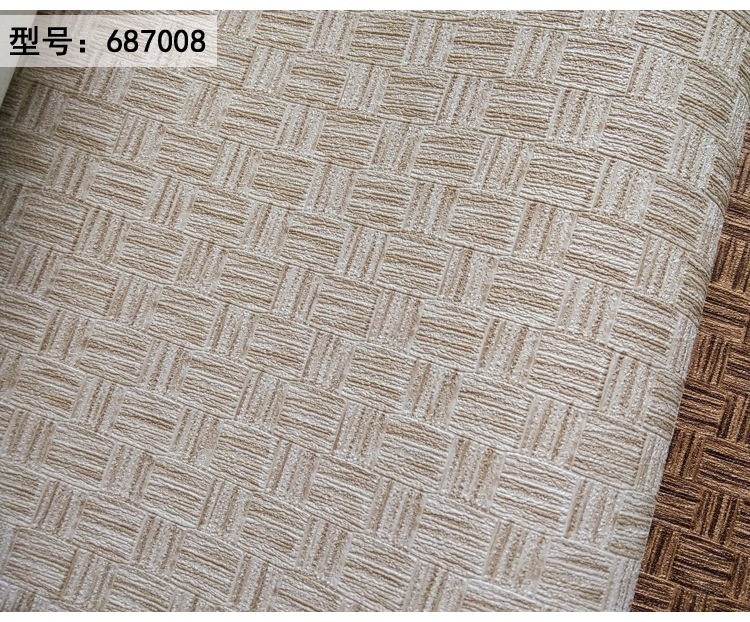
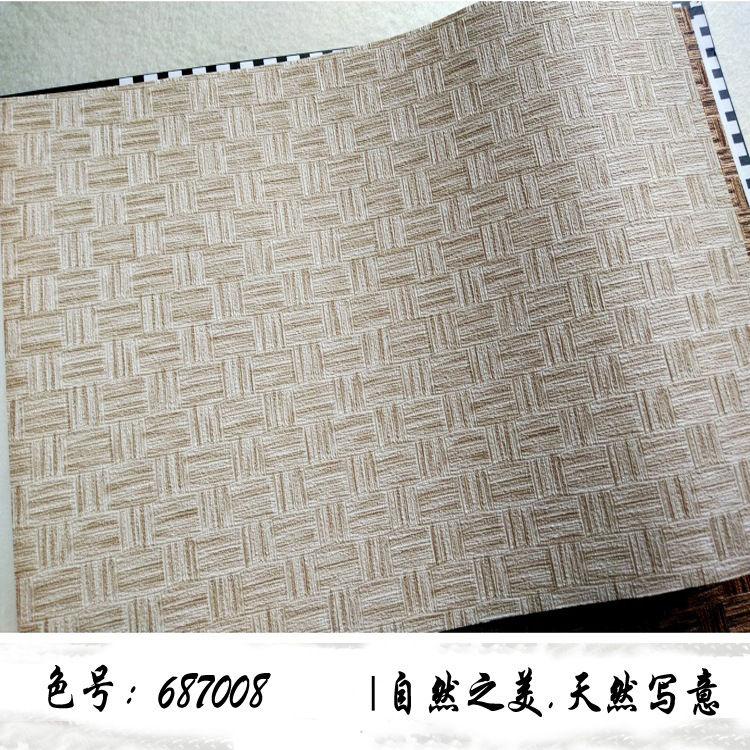
 687008
|
CN¥ 0.0 |
Yiwu Songxian Decorative Materials Factory 4yr.
Contacts ZhongLei Chat
Mobile 18868554531
18868554531

WhatsApp 18868554531
Direct from the manufacturer, one-stop distribution, actively seeking agents for Taobao and brick-and-mortar stores.
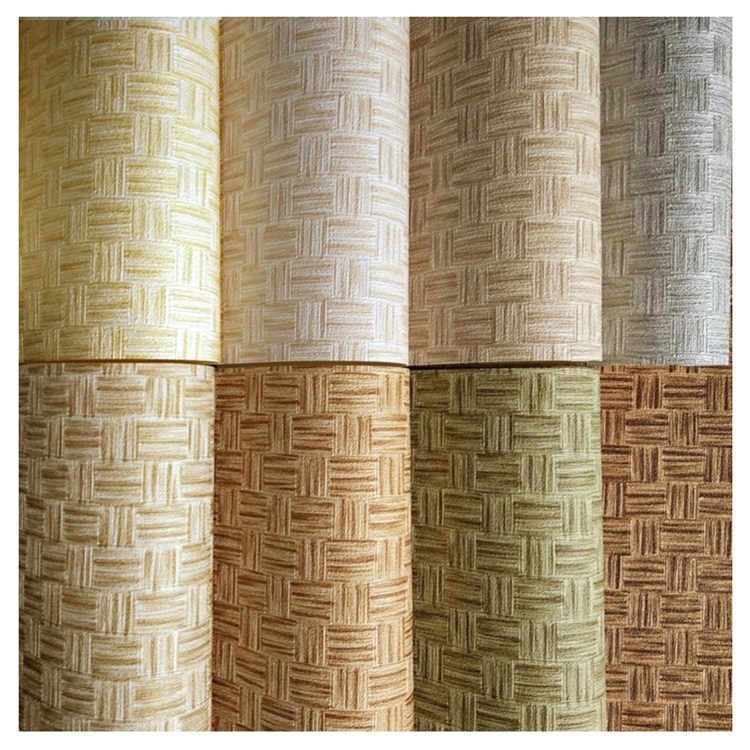
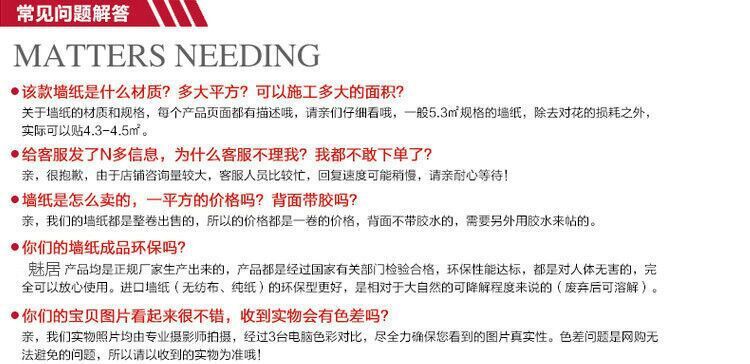
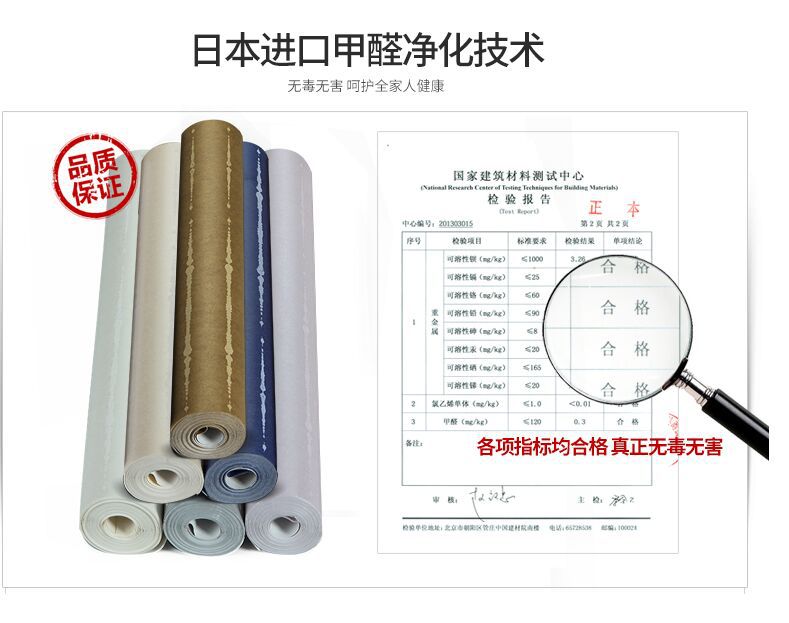
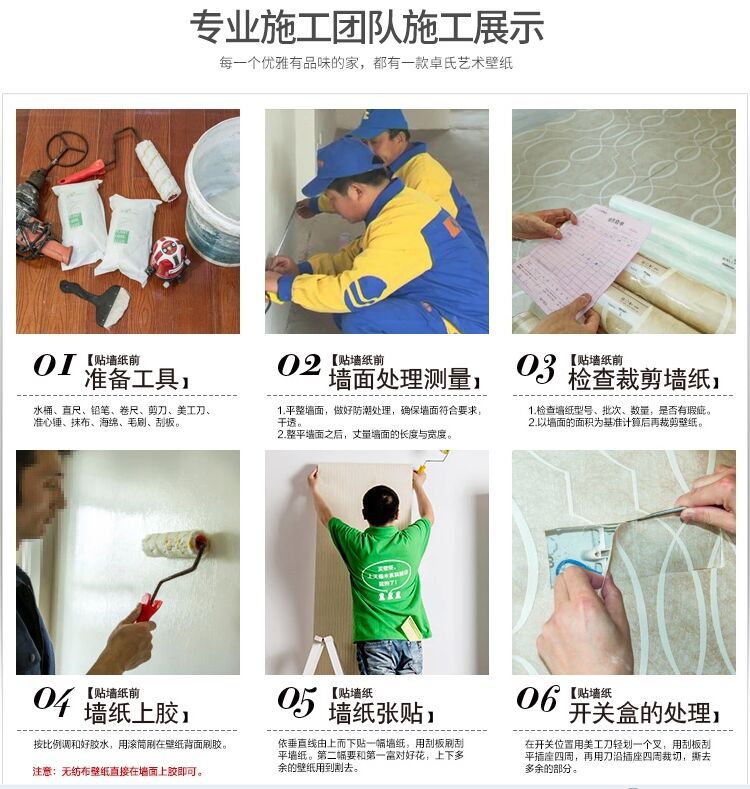
Made from pure non-woven fabric as the base material, it is printed with water-based ink and coated with special materials, then subjected to special processing. It has advantages such as sound absorption, no deformation, and strong breathing performance. Because it is extremely thin, it is very easy to apply, making it ideal for young people who like DIY.
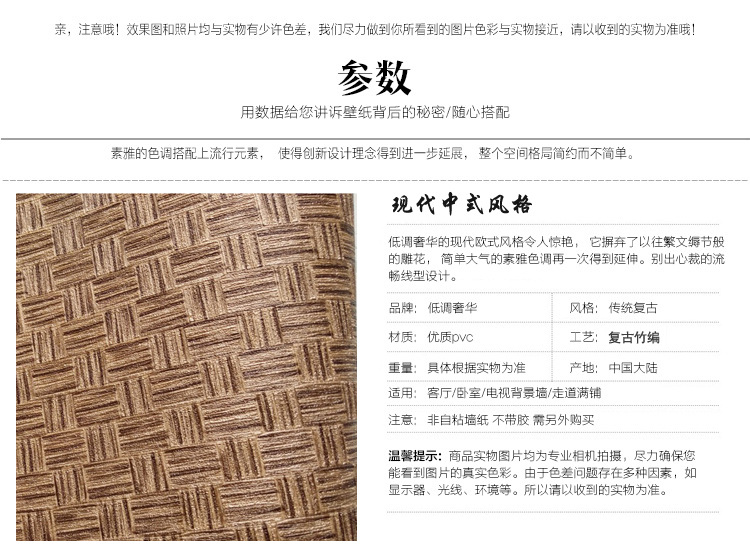
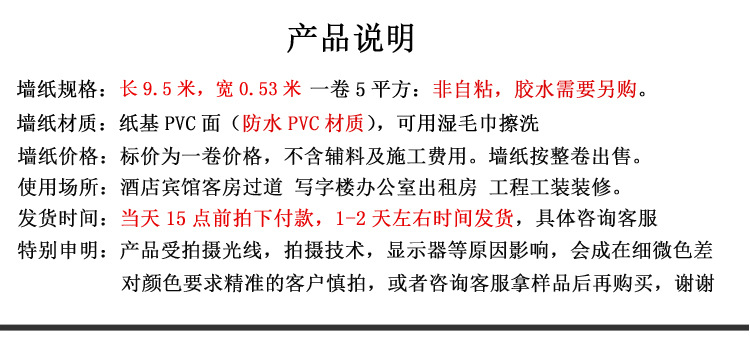
PVC vinyl wallpaper (based on pure paper or fabric)
This type of wallpaper is made by covering a layer of polyvinyl chloride film on a pure paper base (or nonwoven, woven base), followed by composite, embossing, and printing processes.Wallpaper printingExquisiteembossedGood texture, good waterproof and moisture-proof performance, durable, easy toMaintenance and MaintenanceThis type of wallpaper is currently the most commonly used and widely applied, which can be widely used in all home and commercial spaces.
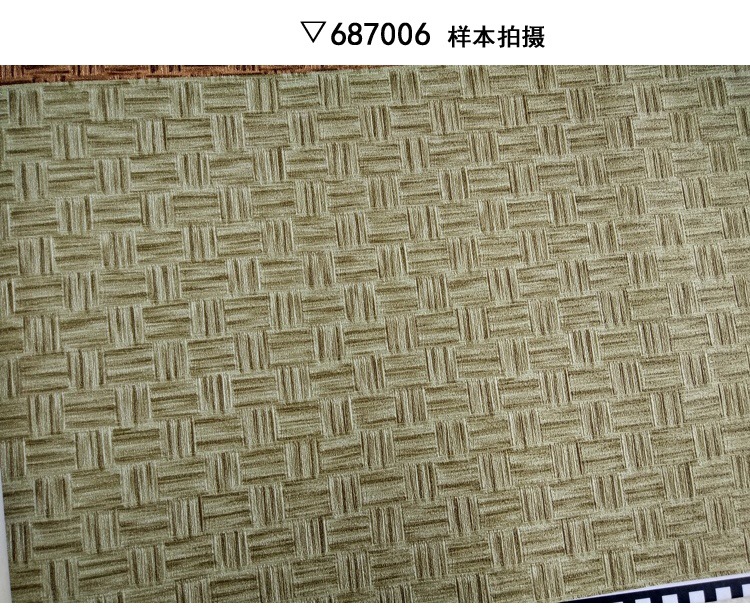
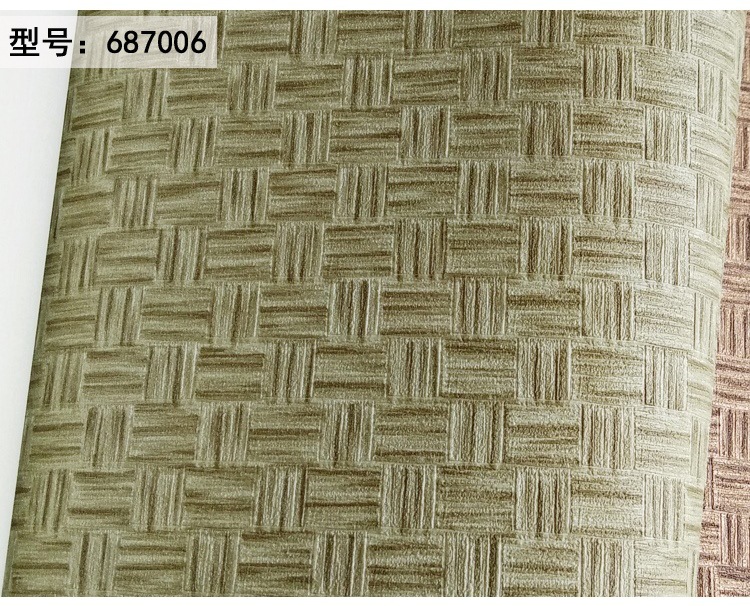
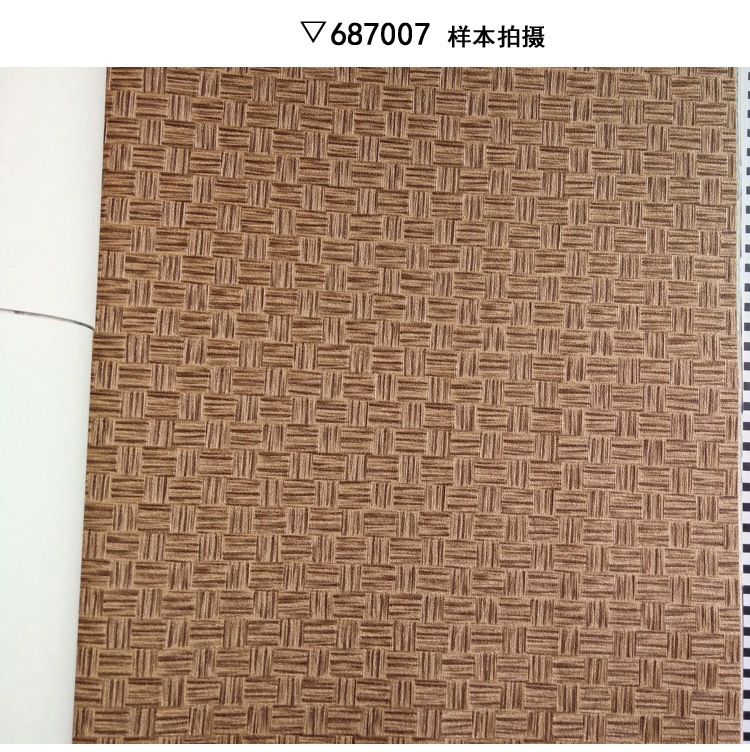
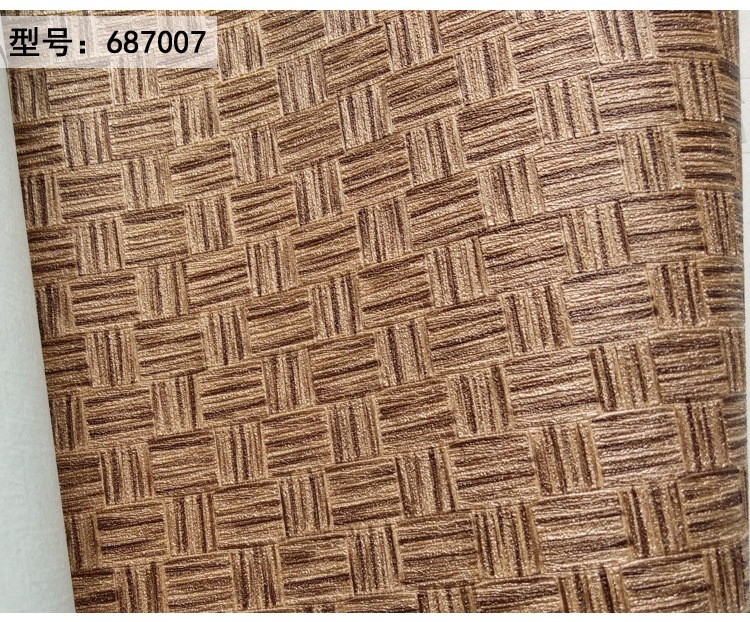
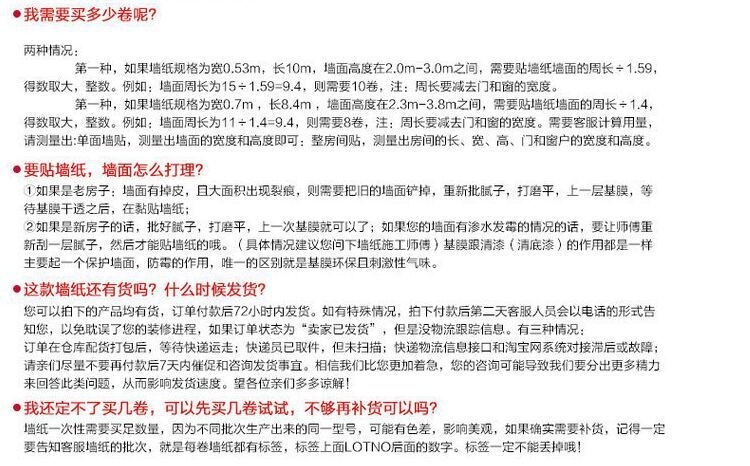
Wallpaper bubbles: The most common problem with wallpaper is bubbles, which are mainly caused by the uneven application of glue when pasting the wallpaper. This leads to surface contraction and separation from the base due to excessive moisture, resulting in some internal bubbles. In fact, the solution is very simple. Just use a common sewing needle to pierce the bubbles on the surface of the wallpaper, release the air, and then inject an appropriate amount of adhesive into the needle hole with a syringe. Finally, press the wallpaper flat, let it dry, and it's ready.
Moldy wallpaper: Moldy wallpaper usually occurs in rainy seasons and humid weather, mainly due to excessive moisture in the wall. For wallpaper with mild mold, ...SolutionAs follows: use a white towel to soak with an appropriate amount of clean water, or use soapy water to wipe it. The best solution is to go to a wallpaper store to buy a special mold remover.
Wallpaper creasing: The creasing of wallpaper may be due tobase treatmentUnclean, adhesive bond strength is too low, or packagingcornerThe reasons for the wallpaper edges being less than 2mm, etc., are due to various factors. The solution is to use a paste made for pasting wallpaper, apply it to the rolled edges, smooth out the areas that are peeling, and then use a smoothing tool to press the edges down firmly.hair dryerBlow for about 10 seconds, and then use it.Hand PressIn fact, until it is firmly stuck, use a hair dryer to blow it dry.
Wallpaper Cleaning: Use a damp or dry cloth to wipe away dirt; do not use any colored materials that might stain the wallpaper, as it can be difficult to remove; start by cleaning the wallpaper in secluded corners or behind doors to avoid creating a pattern.Adverse reactionscausing damage to the wallpaper




Update time:


TOP