Search history
Clear allSearch by image
XDrag and drop an image here or upload an image
Max 5MB per image
UploadSign In | Join

Search history
Clear allSearch by image
XDrag and drop an image here or upload an image
Max 5MB per image
UploadSign In | Join
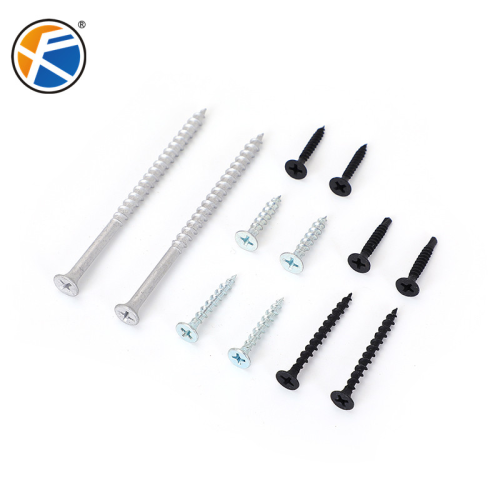
Drywall screws are a type of screw whose name is directly translated from the English term "Drywall Screw". Their most prominent feature in appearance is the trumpet-shaped head. There are double-threaded fine-tipped drywall screws and single-threaded coarse-tipped drywall screws; the main difference between them is that the former has double threads.
Product Introduction
The name of the drywall screw is directly translated from the English term "Drywall Screw". Its most prominent feature in appearance is the trumpet head design. There are double-threaded fine-thread drywall screws and single-threaded thick-thread drywall screws. The main difference between them is that the former has double threads, making it suitable for connecting gypsum boards with metal keels no thicker than 0.8 mm, while the latter is suitable for connecting gypsum boards with wooden keels.
The drywall screws series is one of the most important categories within the entire fastener product line. These products are primarily used for the installation of various gypsum boards, lightweight wall partitions, and ceiling trims.
Double-line fine teeth
Phosphated dry wall screws are the most basic product line, while blue-white zinc dry wall screws serve as a supplement. The application ranges and purchase prices of both are essentially the same. The slight difference is that black phosphated screws have better lubricity and a slightly faster penetration speed (the speed at which they penetrate a specified thickness of steel plate, which is a quality assessment criterion); whereas blue-white zinc screws offer a slight advantage in rust prevention, and their natural color is lighter, making it less likely to fade after painting or decoration.
There is almost no difference in anti-rust ability between blue-white zinc and yellow zinc; the only variation lies in usage habits or user preferences.
Single-wire thick thread
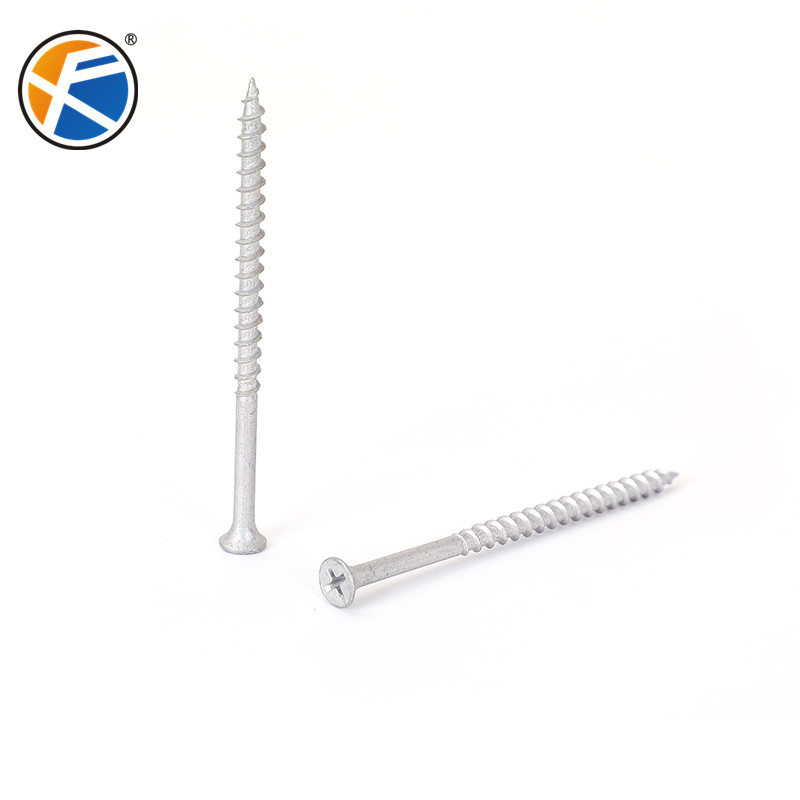
The threads of single-line thick-tritch dry-wall screws are wider, and the corresponding tapping speed is also faster. Additionally, since they do not damage the structure of the wood after being driven into it, they are more suitable for installing wooden keels than double-line fine-tritch dry-wall screws.
Abroad, construction generally places great emphasis on selecting appropriate fastening products. Single-wire coarse thread dry wall screws are alternative options to double-wire fine thread dry wall screws and are more suitable for connecting wooden keels. In the domestic market, double-wire fine thread dry wall screws have been used for a long time, and changing usage habits takes some time.
Self-drilling screws
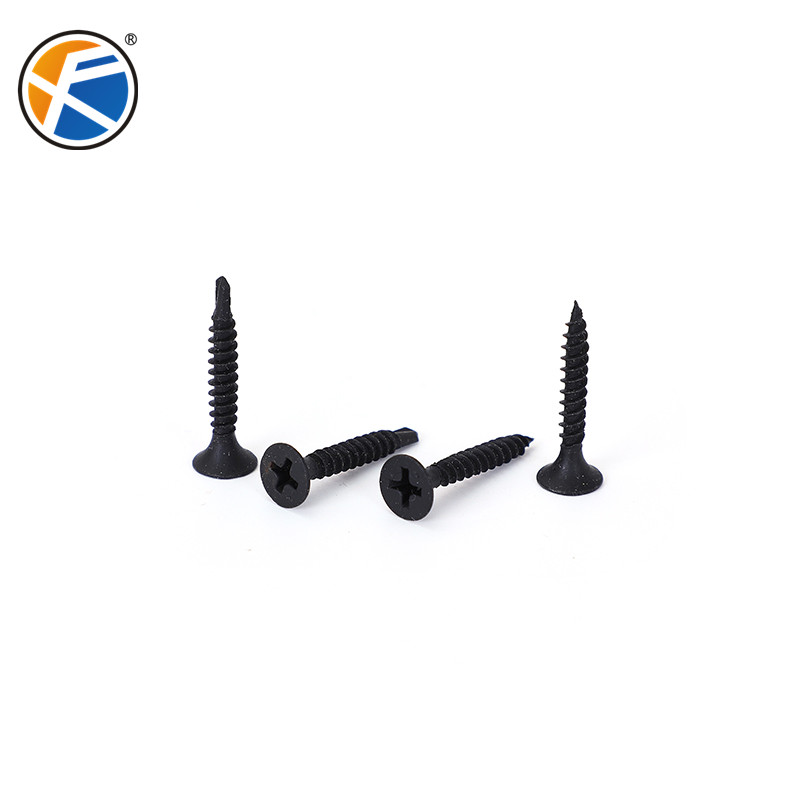
Used for the connection between gypsum boards and metal keels with a thickness not exceeding 2.3mm, available with either black phosphating or yellow zinc coating options. The application ranges and purchase prices are essentially the same for both. Yellow zinc offers a slight advantage in rust prevention, and the natural color of the product is light, preventing color bleeding after paint decoration.
The drywall screw is a type of nail; its name is directly translated from the English term “drywall screw”. The most prominent feature in its appearance is the horned head design. It is divided into double-line fine-tooth drywall screws and single-line thick-tooth drywall screws. The main difference between the two is that the former has a double thread.
Product Introduction
The name of the drywall screw is directly translated from the English term "drywall screw". Its main feature in appearance is the horn head modeling. It is divided into a double-wire fine-tooth drywall screw and a single-wire coarse-tooth drywall screw. The biggest difference between the two is that the former has a double thread, making it suitable for connecting gypsum boards, and the thickness of the metal keel should not exceed 0.8 mm. The latter is suitable for connecting gypsum boards with wood keels.
The drywall screw series is one of the most important categories within the entire fastener range. This product is primarily used in the installation of various gypsum board, light partition walls, and ceiling systems.
Double-line fine teeth
The phosphating drywall screws form the most basic product line, while the blue and white zinc drywall screws serve as a supplement. The application scope and purchase price of both are essentially the same. The slight difference is that black phosphating offers greater lubricity and a slightly faster attack rate (measured at the specified thickness of steel plate—a quality assessment indicator); additionally, blue and white zinc have a better rust resistance, and the product comes in a light color, making it less prone to paint damage after sanding.
There is hardly any difference in rust prevention ability between blue, white, and yellow zinc; the difference lies solely in usage habits or user preferences.
Single-line coarse teeth
The single-wire coarse-tooth drywall screw thread has a wider thread pitch, resulting in a faster penetration rate. Since it does not damage the wood material itself after penetrating, it is more suitable for installing wood keels compared to the double-wire fine-tooth drywall screw.
In foreign countries, the construction industry places great emphasis on selecting appropriate fastener products. Single-line coarse-tooth drywall screws are more suitable for replacing double-line fine-tooth drywall screws in the connection of wood keels. In the domestic market, double-wire fine-tooth drywall screws have been in use for a long time, and it will take some time to change people's usage habits.
Self-drilling nail
For the connection between gypsum board and metal keel with a thickness not exceeding 2.3mm, black phosphating and yellow zinc coating are optional. The scope and purchase price of both are essentially the same. Additionally, the yellow zinc provides a better rust effect, and the product color is light, making it less prone to paint damage upon panning.






Update time:


TOP