Search history
Clear allSearch by image
XDrag and drop an image here or upload an image
Max 5MB per image
UploadSign In | Join

Search history
Clear allSearch by image
XDrag and drop an image here or upload an image
Max 5MB per image
UploadSign In | Join
Langfang bohai environmental protection technology co. LTD. 9yr.
Contacts Wang Jianbing Chat
Mobile 18931685668
18931685668

WhatsApp +8618931685668
Abstract: Fiber-reinforced polymer (FRP) roofing panels have gained significant popularity in the construction industry due to their lightweight, durable, and weather-resistant properties. This article aims to provide a comprehensive analysis of the manufacturing process and material composition of FRP roofing panels. By understanding these aspects, engineers, architects, and manufacturers can make informed decisions regarding the design, production, and implementation of FRP roofing systems.
Table of Contents:
Introduction
FRP Roofing Panels: An Overview
Material Composition of FRP Roofing Panels 3.1 Resins 3.2 Fibers 3.3 Additives
Manufacturing Process of FRP Roofing Panels 4.1 Mold Preparation 4.2 Resin Application 4.3 Fiber Reinforcement 4.4 Curing Process 4.5 Finishing Touches
Quality Control in FRP Roofing Panel Production
Advantages and Limitations of FRP Roofing Panels
Applications of FRP Roofing Panels
Environmental Considerations
Future Trends and Innovations
Conclusion
Introduction: In recent years, the construction industry has witnessed a growing interest in using fiber-reinforced polymer (FRP) materials for various applications, including roofing systems. FRP roofing panels offer several advantages over traditional roofing materials, such as enhanced strength, corrosion resistance, and ease of installation. This article delves into the manufacturing process and material composition of FRP roofing panels to provide a comprehensive understanding of this innovative construction material.
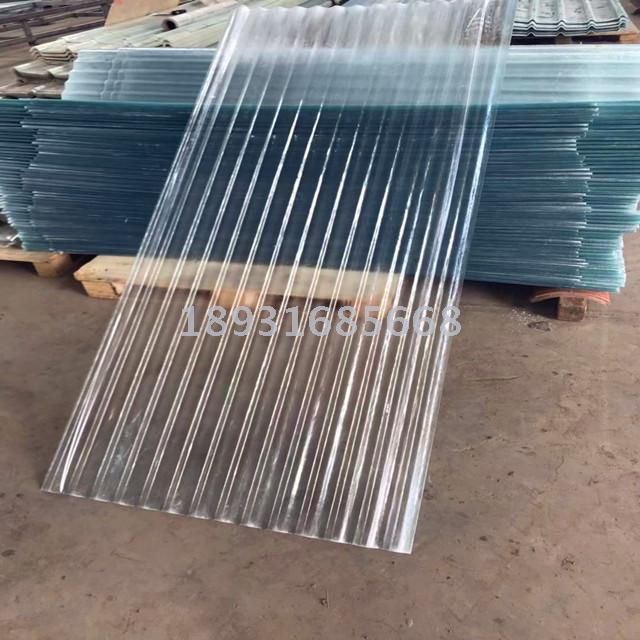
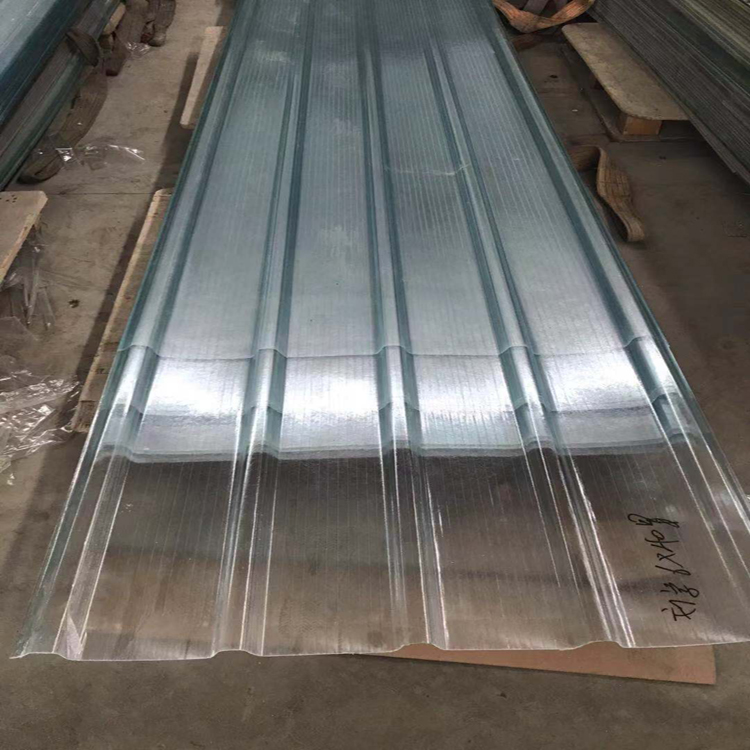
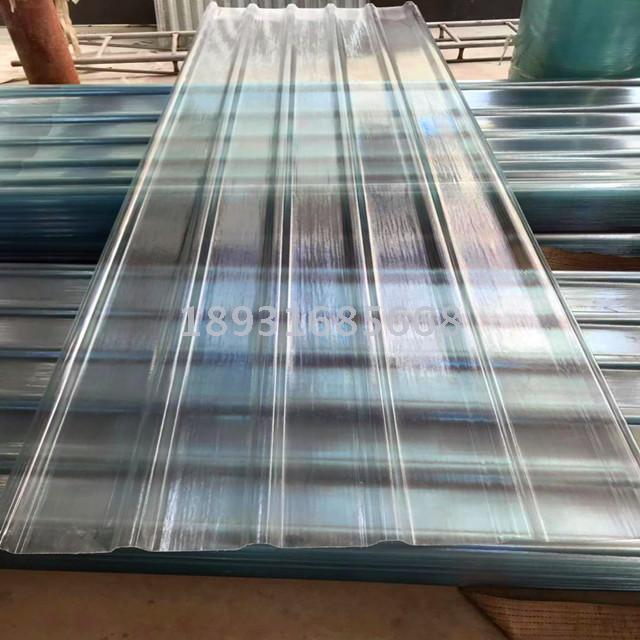
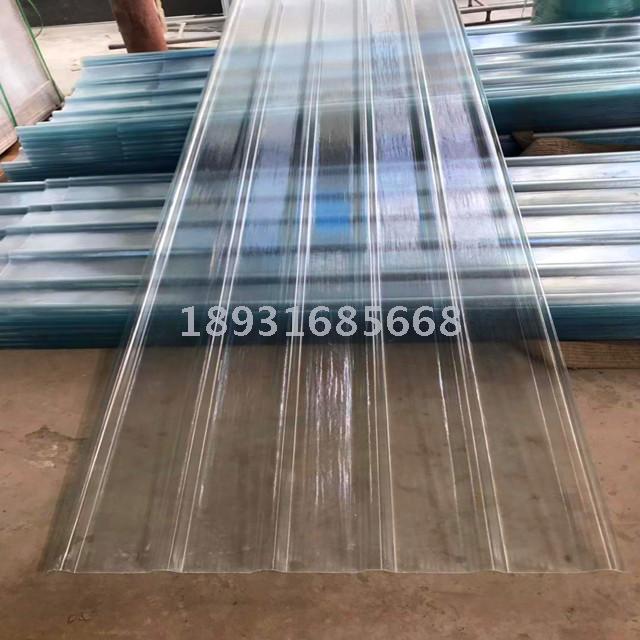
FRP Roofing Panels: An Overview: FRP roofing panels are composite materials composed of a polymer matrix reinforced with fibers. The combination of these materials results in a high-strength, lightweight, and durable roofing solution. These panels offer excellent resistance to environmental factors such as UV radiation, moisture, and chemicals. FRP roofing panels find applications in both residential and commercial buildings, providing an aesthetically pleasing and functional roofing system.
Material Composition of FRP Roofing Panels: FRP roofing panels are typically composed of three primary materials: resins, fibers, and additives.
3.1 Resins: Resins act as the matrix material in FRP roofing panels, providing cohesion and bonding between the reinforcing fibers. The most commonly used resin systems in FRP panels include polyester, vinyl ester, and epoxy. Each resin type offers distinct properties and performance characteristics, making them suitable for different applications. Polyester resins are widely used due to their cost-effectiveness, while vinyl ester and epoxy resins provide superior chemical resistance and mechanical properties.
3.2 Fibers: The reinforcing fibers in FRP roofing panels contribute to the material's strength and stiffness. Glass fibers are the most prevalent choice for roofing applications due to their excellent tensile strength and corrosion resistance. Other fiber options include carbon fibers, aramid fibers, and natural fibers such as flax or hemp. The selection of fiber type depends on the specific requirements of the roofing system, such as load-bearing capacity, thermal stability, and cost considerations.
3.3 Additives: Additives are incorporated into FRP roofing panels to enhance specific properties or facilitate the manufacturing process. These additives can include UV stabilizers, fire retardants, pigments for coloration, fillers for improving mechanical properties, and mold release agents. The addition of additives ensures that the FRP panels meet the desired performance standards and aesthetic requirements.
Update time:


TOP