Search history
Clear allSearch by image
XDrag and drop an image here or upload an image
Max 5MB per image
UploadSign In | Join

Search history
Clear allSearch by image
XDrag and drop an image here or upload an image
Max 5MB per image
UploadSign In | Join
Langfang bohai environmental protection technology co. LTD. 9yr.
Contacts Wang Jianbing Chat
Mobile 18931685668
18931685668

WhatsApp +8618931685668
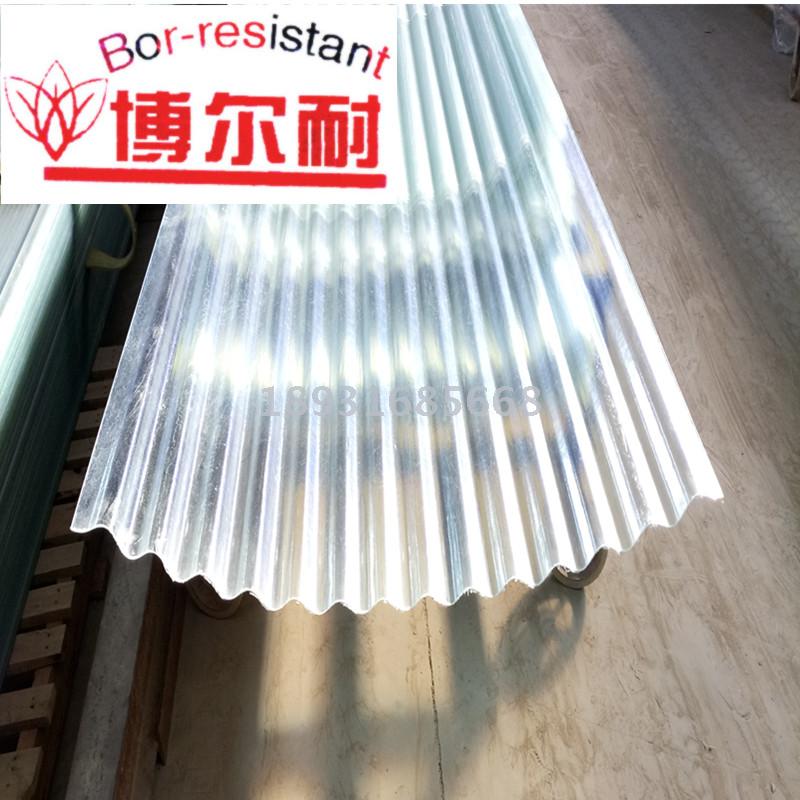
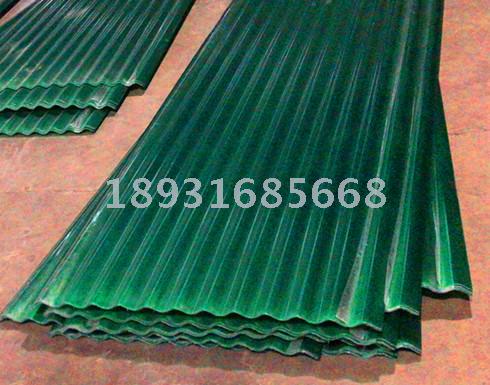
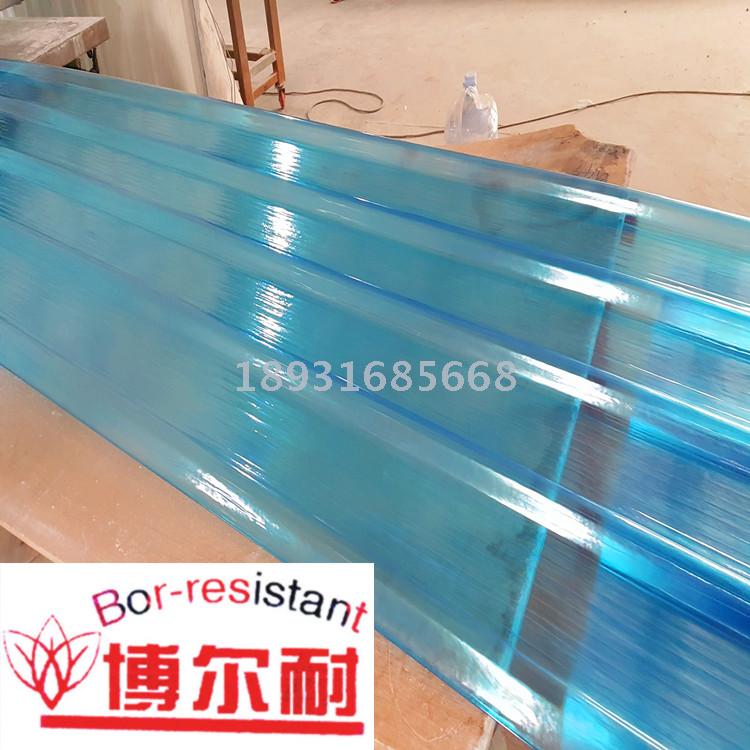
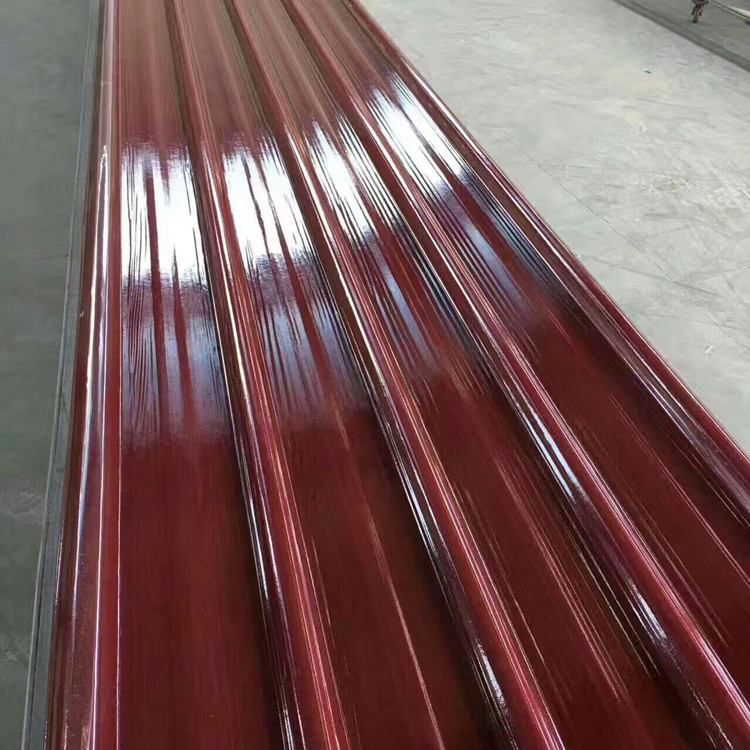
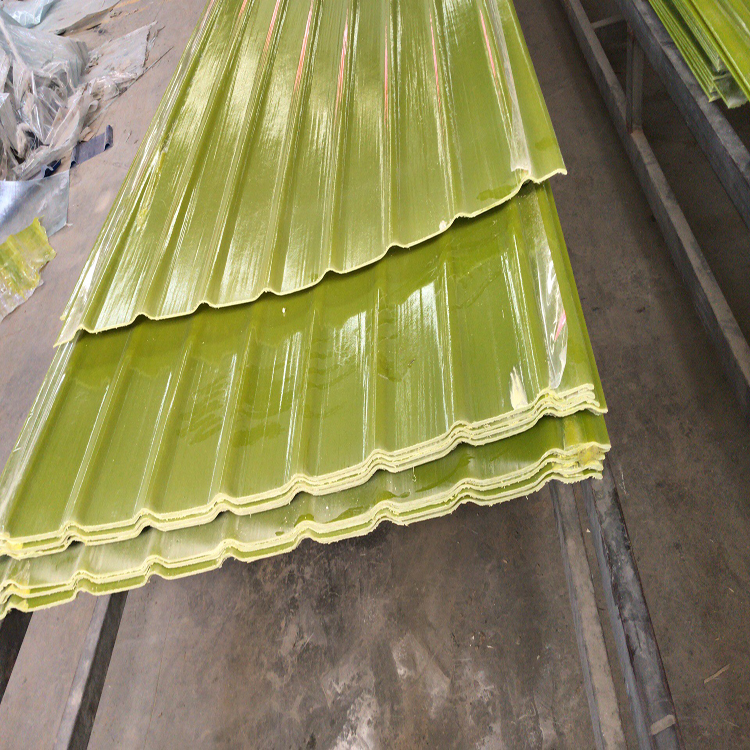
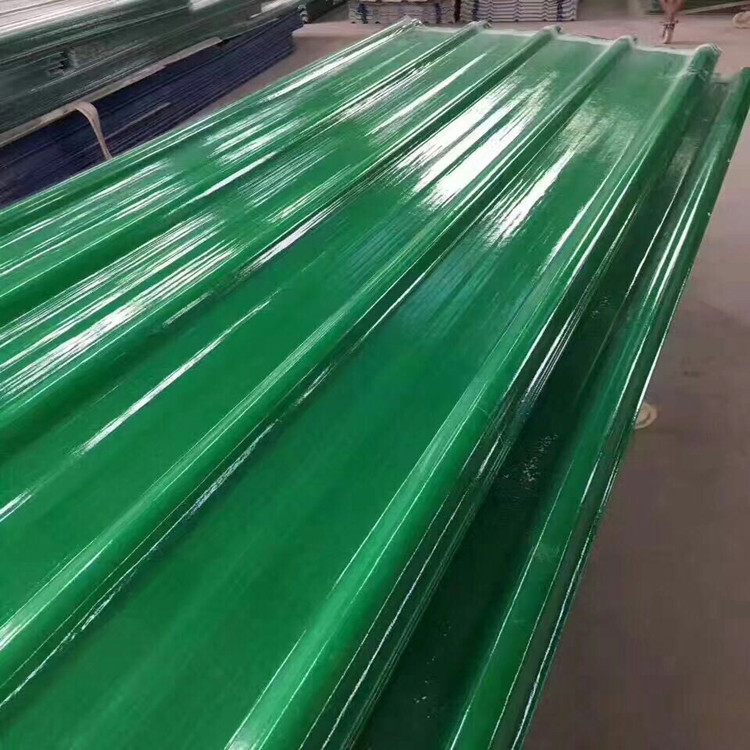
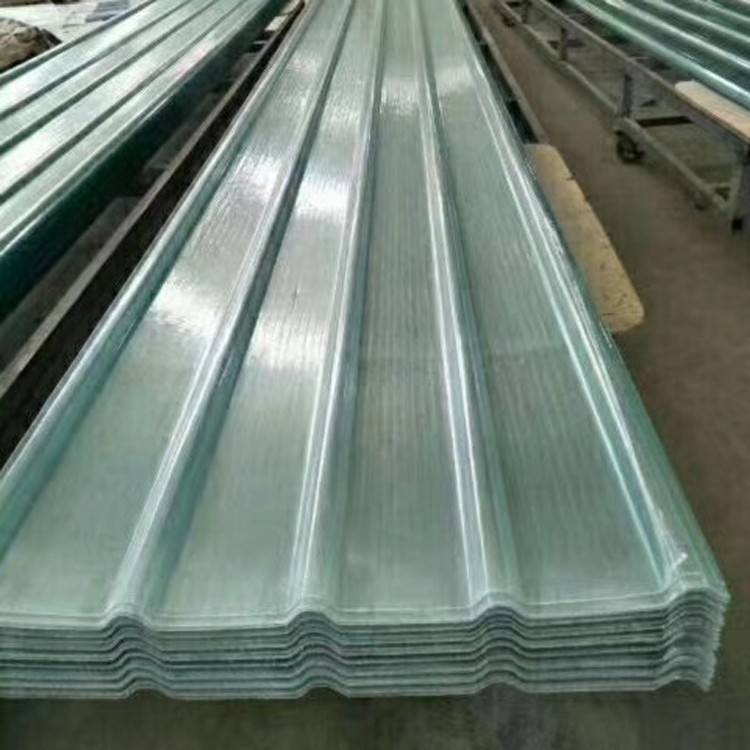
Title: Analysis of Manufacturing Process and Material Composition of FRP Roof Panels
Introduction: Fiber-reinforced polymer (FRP) roof panels are widely used in the construction industry due to their exceptional durability, lightweight nature, and resistance to corrosion. This article aims to provide an analysis of the manufacturing process involved in producing FRP roof panels, as well as an overview of their material composition.
a. Material Preparation: The first step in the manufacturing process is the preparation of the raw materials. The main components of FRP roof panels are fiberglass reinforcement and a polymer resin matrix. Fiberglass, in the form of continuous strands or chopped strands, is typically made from glass fibers that are bundled together. The polymer resin matrix is usually composed of polyester, vinyl ester, or epoxy resin.
b. Resin Application: In this step, the prepared fiberglass reinforcement is placed in a mold or on a production line. The resin matrix is then applied to the reinforcement using various techniques such as spraying, brushing, or dipping. This process ensures that the reinforcement is evenly coated with the resin, allowing for effective bonding and strength.
c. Curing: Once the resin is applied, the panel goes through a curing process. Curing involves subjecting the panel to controlled temperature and humidity conditions to promote the chemical reaction between the resin and the hardener, resulting in the solidification and hardening of the composite material. This step is crucial for achieving the desired mechanical properties of the FRP roof panel.
d. Trimming and Finishing: After the curing process, the FRP roof panels are trimmed to the required dimensions and any excess material is removed. The panels may also undergo additional finishing processes, such as sanding or coating, to enhance their appearance and performance characteristics. These steps ensure that the panels meet the required specifications and quality standards.
a. Fiberglass Reinforcement: The fiberglass reinforcement used in FRP roof panels provides strength and stiffness to the composite structure. It is typically made of glass fibers that are woven into a fabric or formed into mats. The glass fibers offer high tensile strength and excellent resistance to corrosion, making them suitable for outdoor applications.
b. Polymer Resin Matrix: The polymer resin matrix acts as a binder, holding the fiberglass reinforcement together and providing protection against environmental factors. Polyester, vinyl ester, and epoxy resins are commonly used in FRP roof panels. Polyester resin is cost-effective and offers good weather resistance. Vinyl ester resin provides superior chemical resistance, while epoxy resin offers exceptional mechanical properties and adhesion.
c. Additives and Fillers: To enhance specific properties of FRP roof panels, additives and fillers may be incorporated into the resin matrix. These additives can include UV stabilizers, fire retardants, color pigments, and anti-static agents. Fillers such as calcium carbonate or talc may be added to improve dimensional stability and reduce material costs.
Conclusion: The manufacturing process of FRP roof panels involves the preparation of fiberglass reinforcement, application of a polymer resin matrix, curing, trimming, and finishing. The material composition consists of fiberglass reinforcement, a polymer resin matrix (polyester, vinyl ester, or epoxy), and optional additives and fillers. Understanding the manufacturing process and material composition of FRP roof panels is crucial for designing, selecting, and utilizing these versatile and durable construction materials.
Update time:


TOP