Search history
Clear allSearch by image
XDrag and drop an image here or upload an image
Max 5MB per image
UploadSign In | Join

Search history
Clear allSearch by image
XDrag and drop an image here or upload an image
Max 5MB per image
UploadSign In | Join
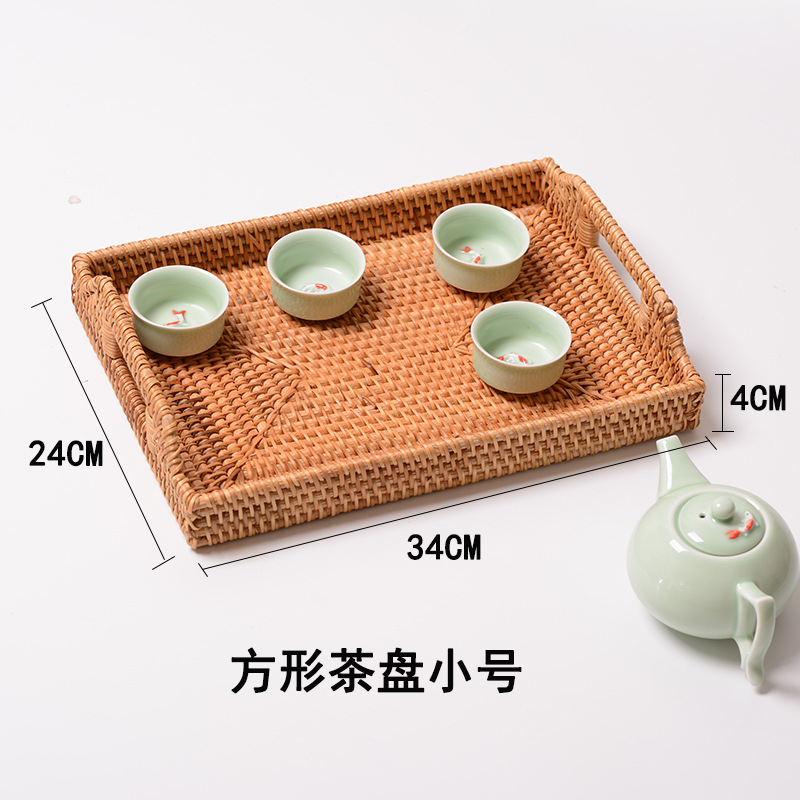
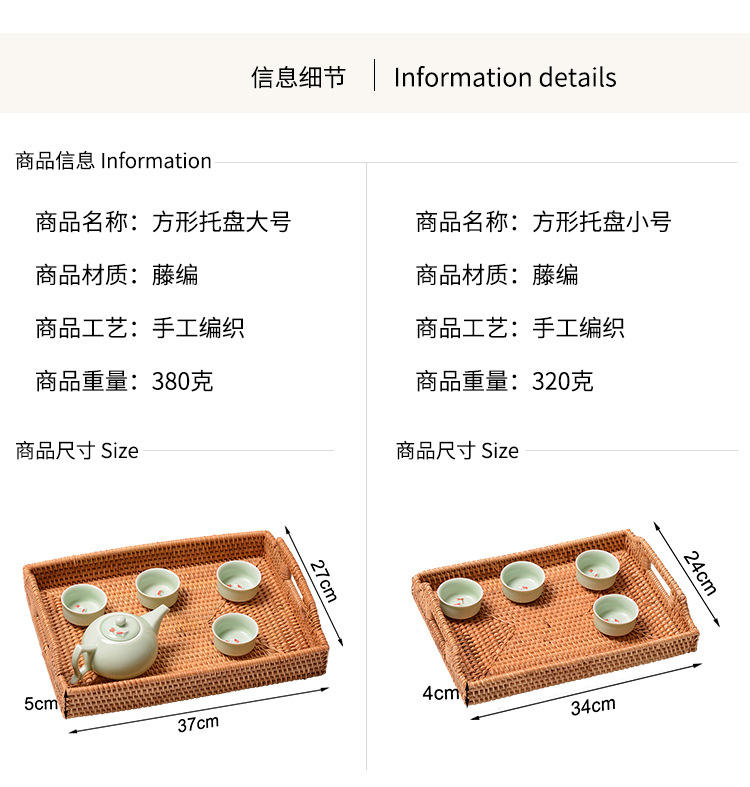
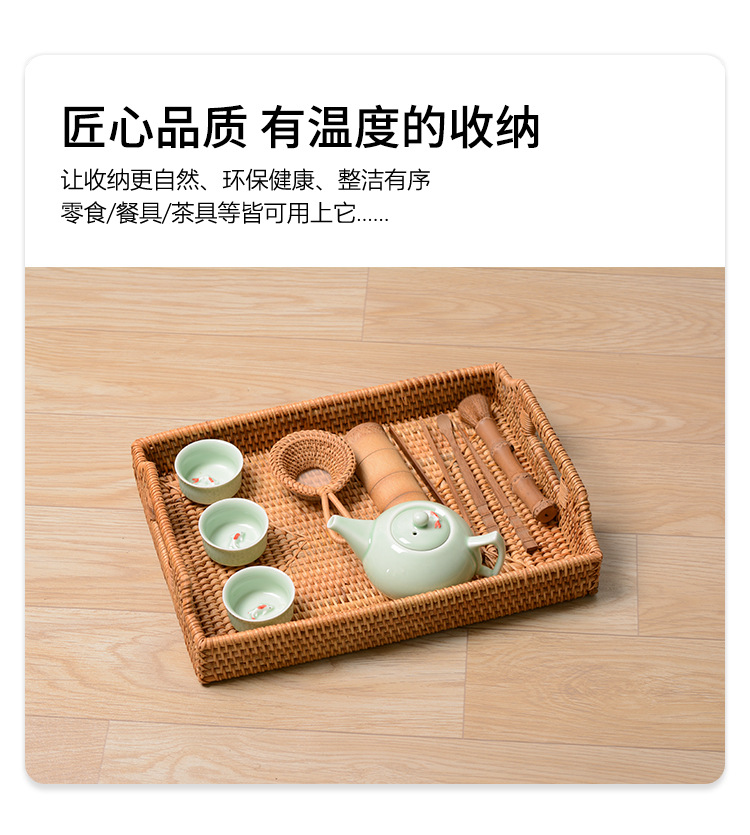
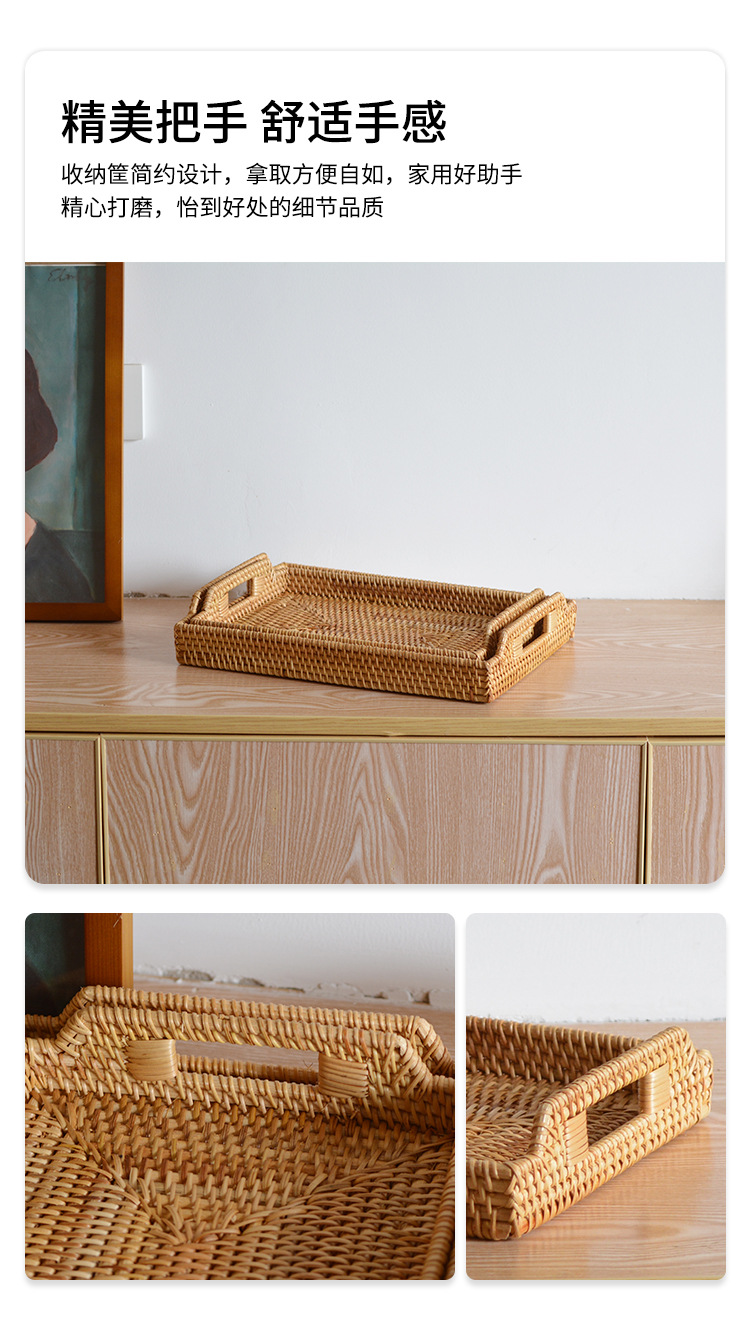
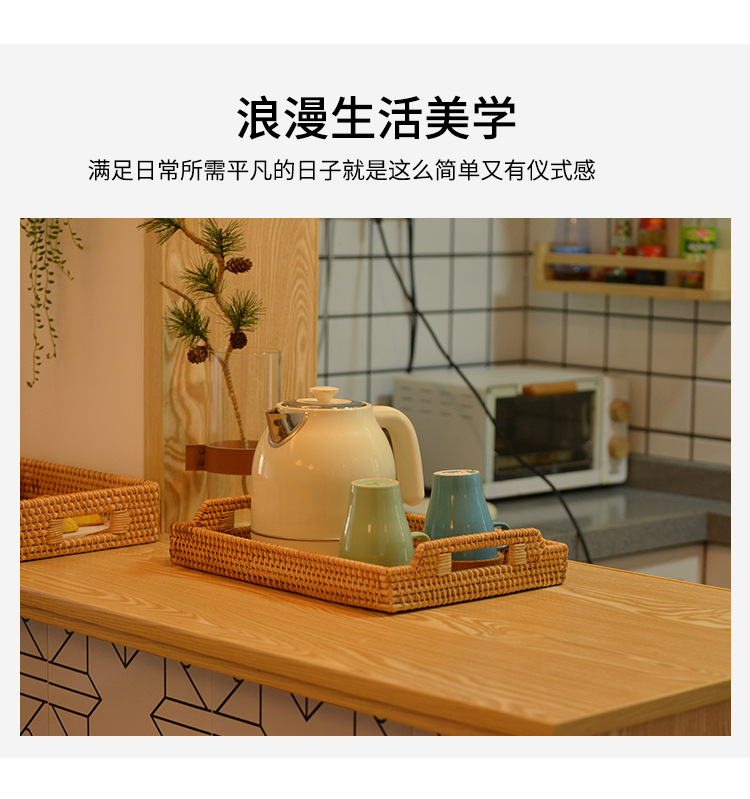
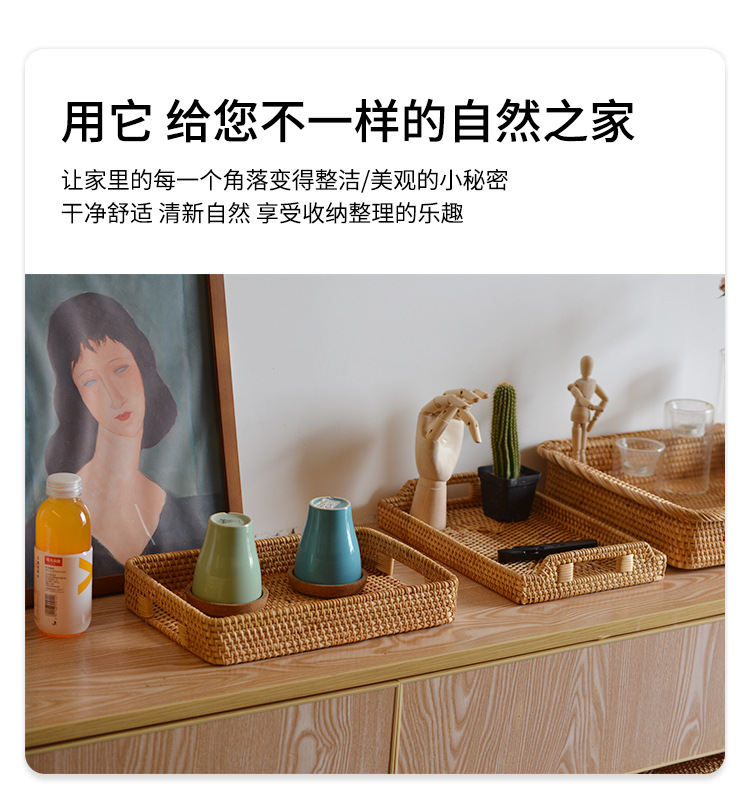
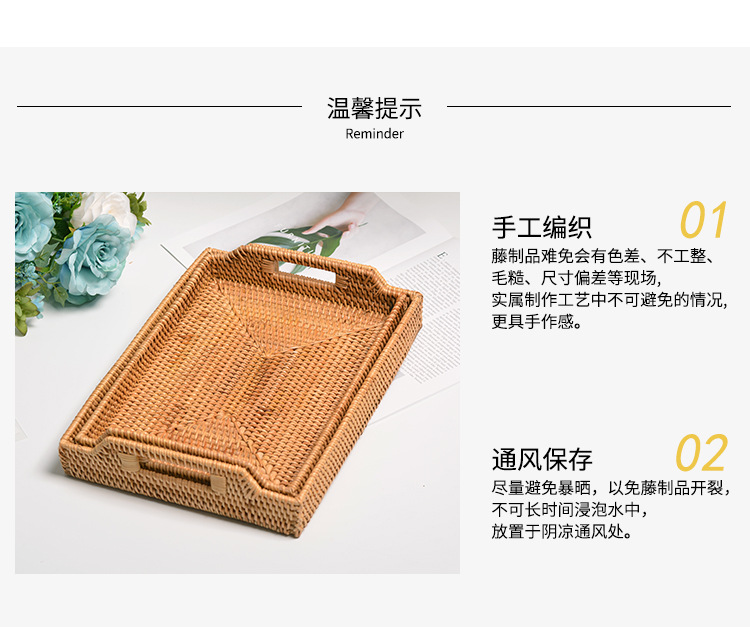
 square tea tray 34x24x4cm
方形茶盘34X24X4CM |
CN¥ 57.0 |
 square tea tray 36x26x4cm
方形茶盘36X26X4CM |
CN¥ 76.0 |
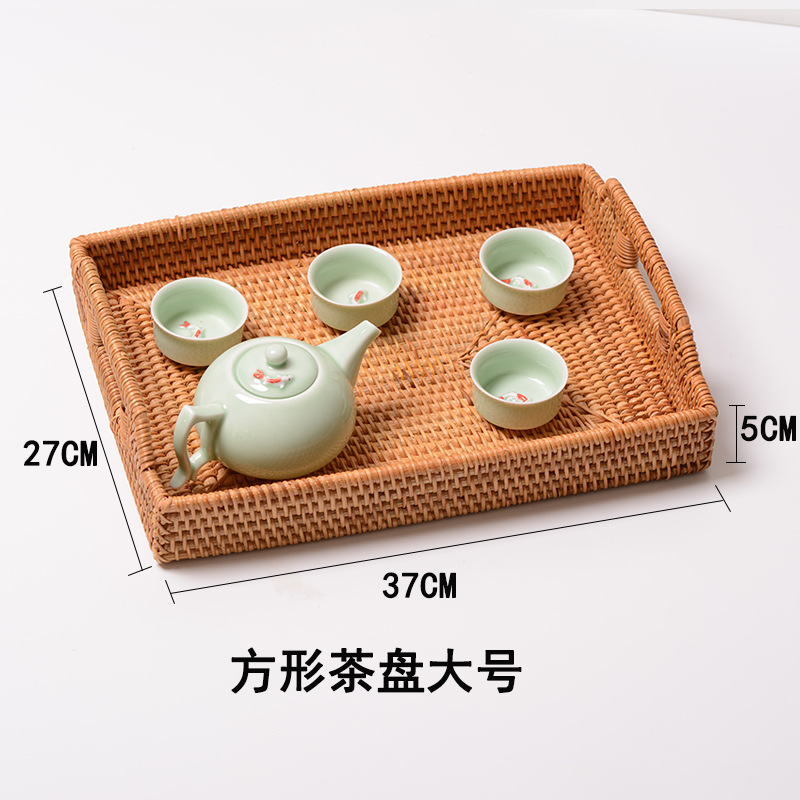
 square tea tray 37x27x5cm
方形茶盘37X27X5CM |
CN¥ 80.75 |
 square tea tray 43x29x5cm
方形茶盘43X29X5CM |
CN¥ 85.5 |
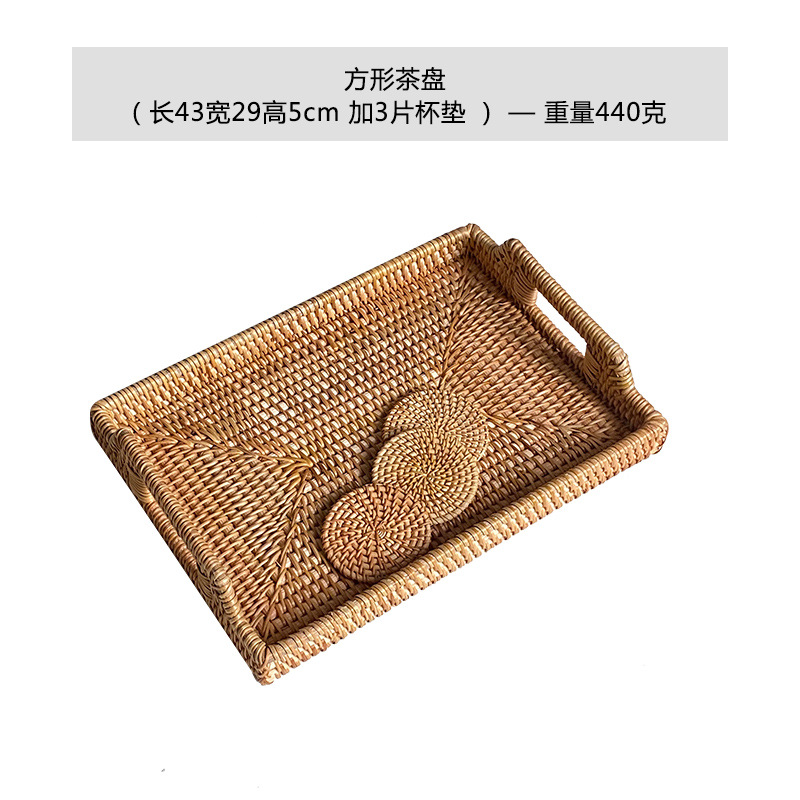 square tea tray 43x29x5cm (add 8 coasters and 3)
方形茶盘43X29X5CM(加8杯垫3个) |
CN¥ 95.0 |
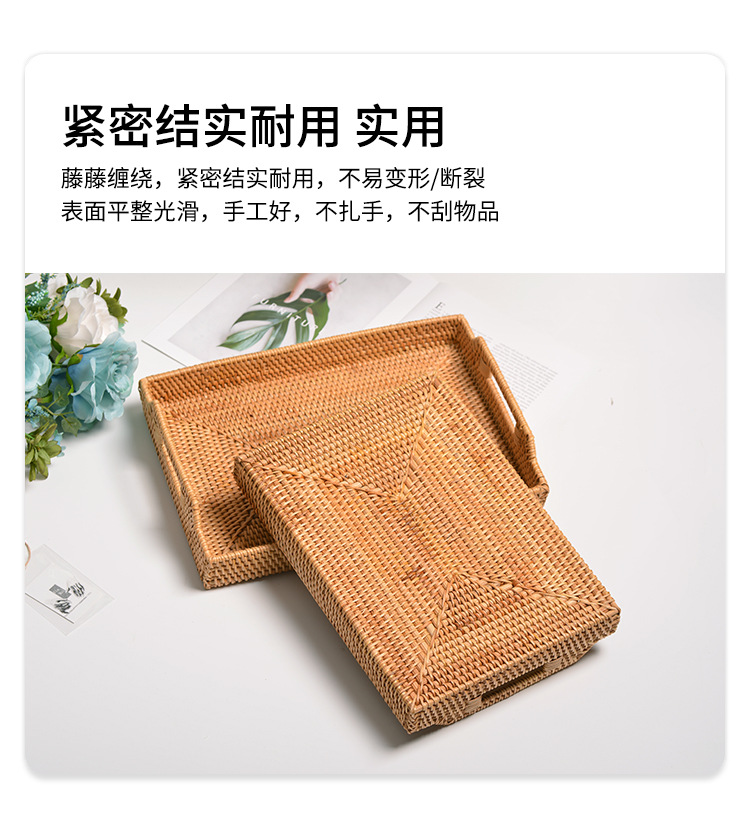
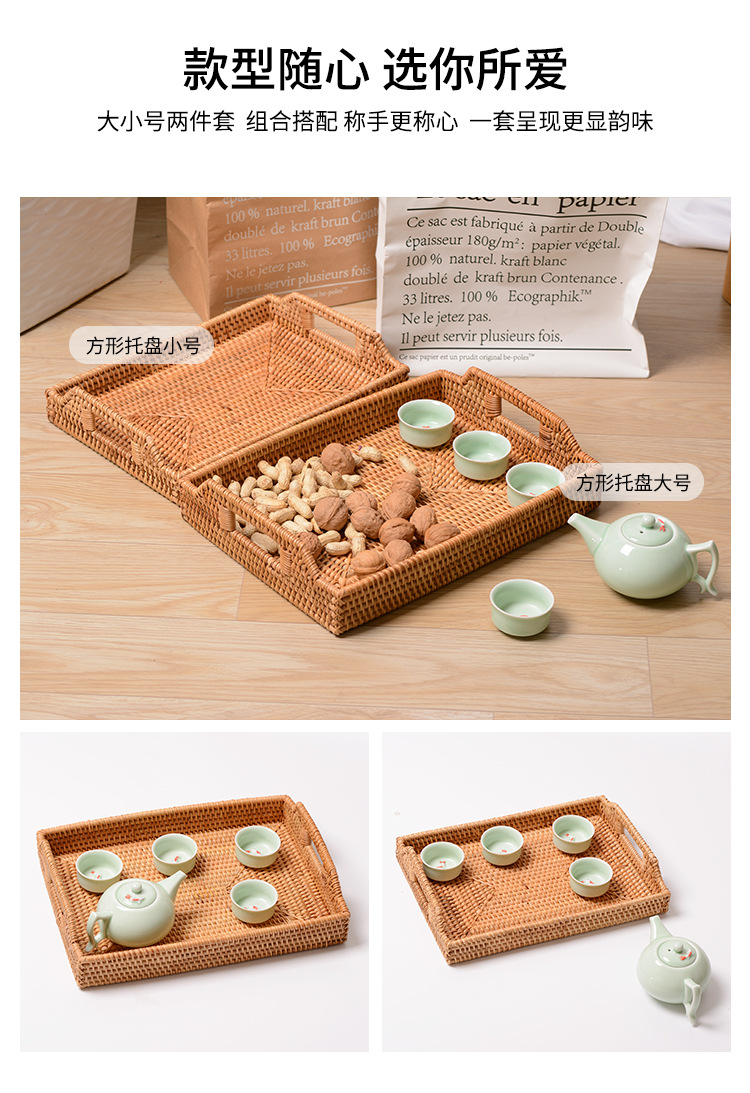
 square tea tray 2-piece set 34 and 37cm
方形茶盘2件套34和37cm |
CN¥ 133.0 |
 square tea tray 2-piece set 36 and 43cm
方形茶盘2件套36和43cm |
CN¥ 147.25 |
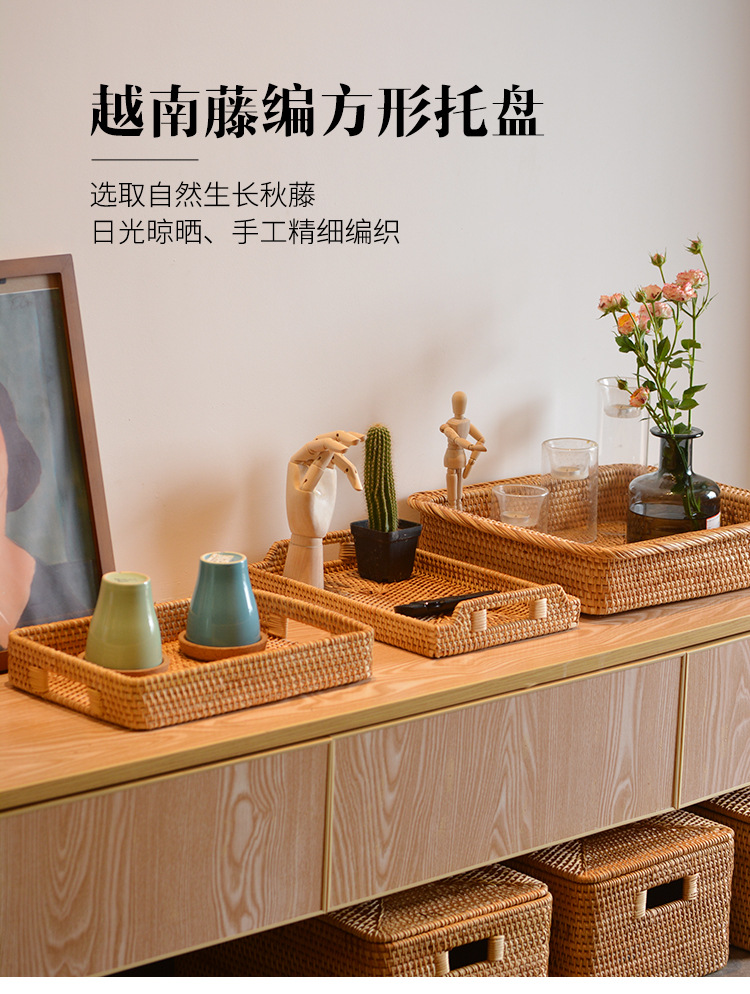
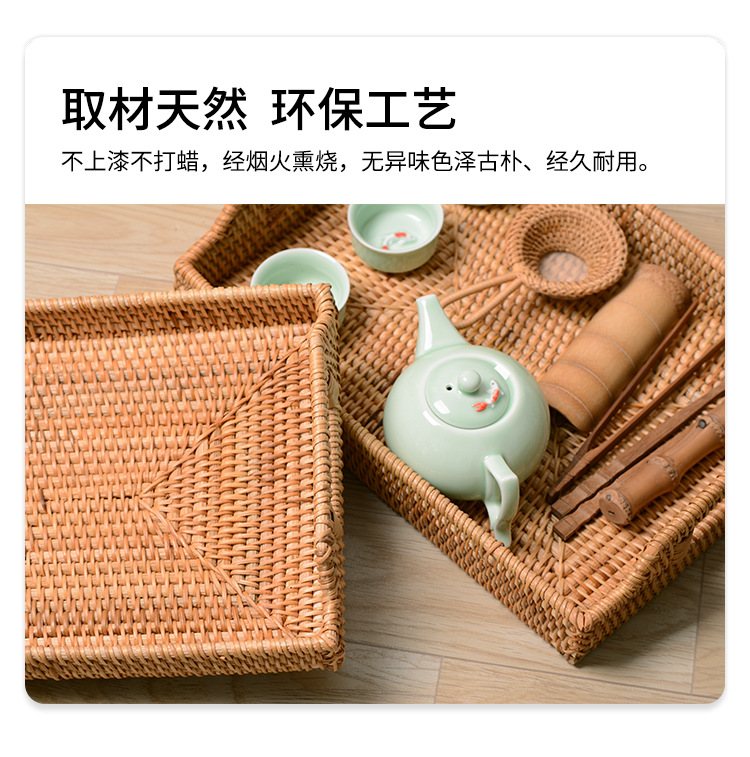
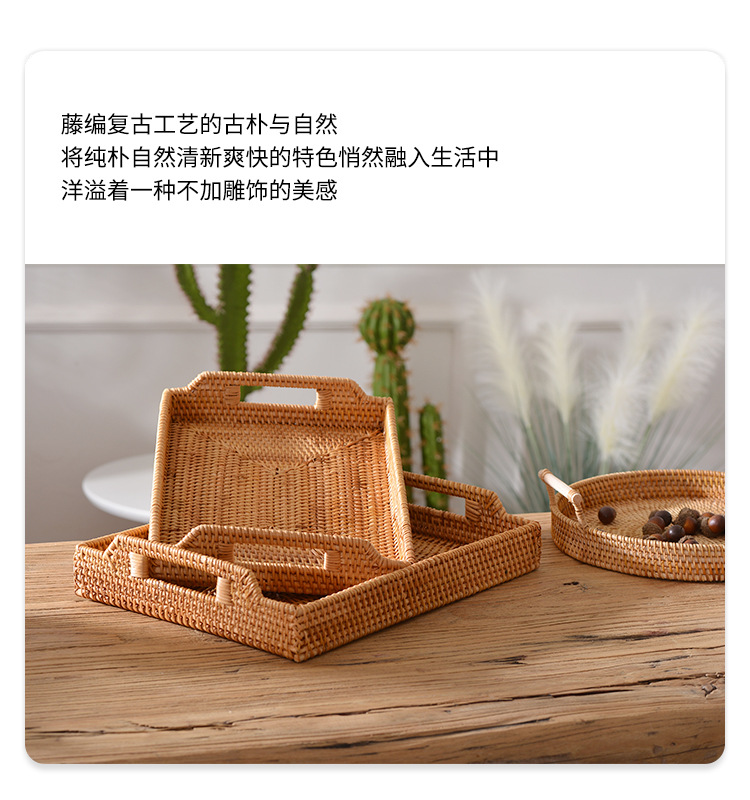
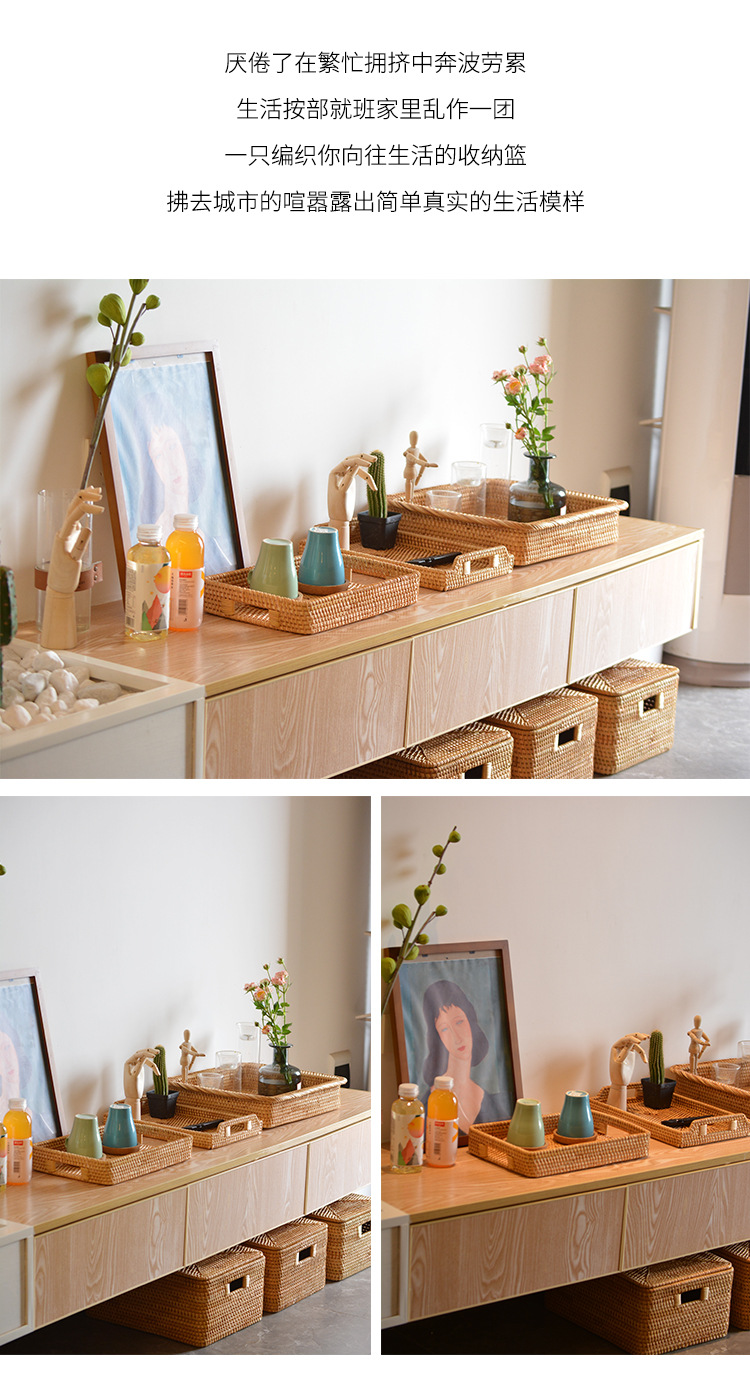
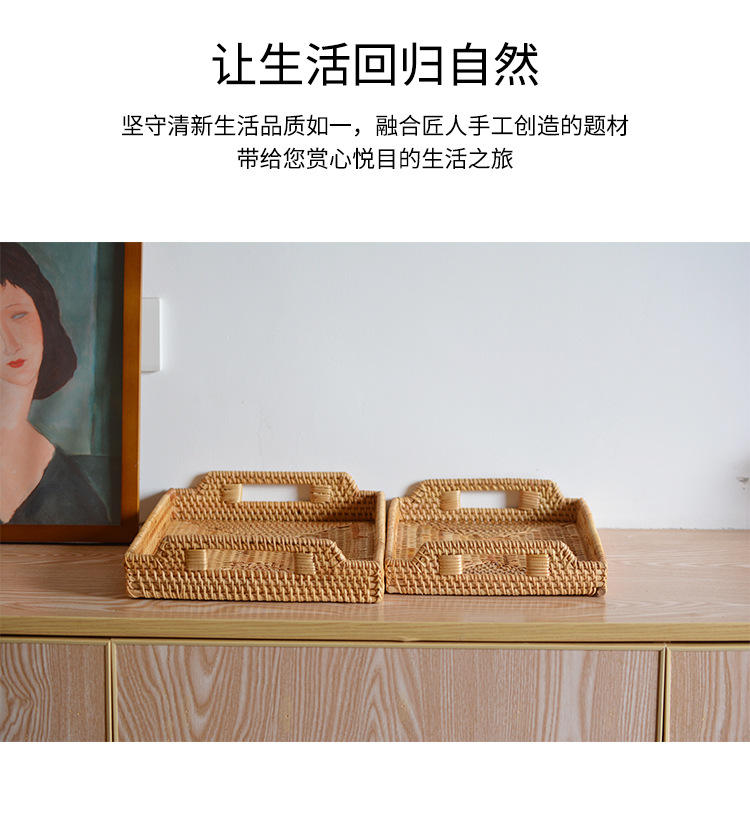
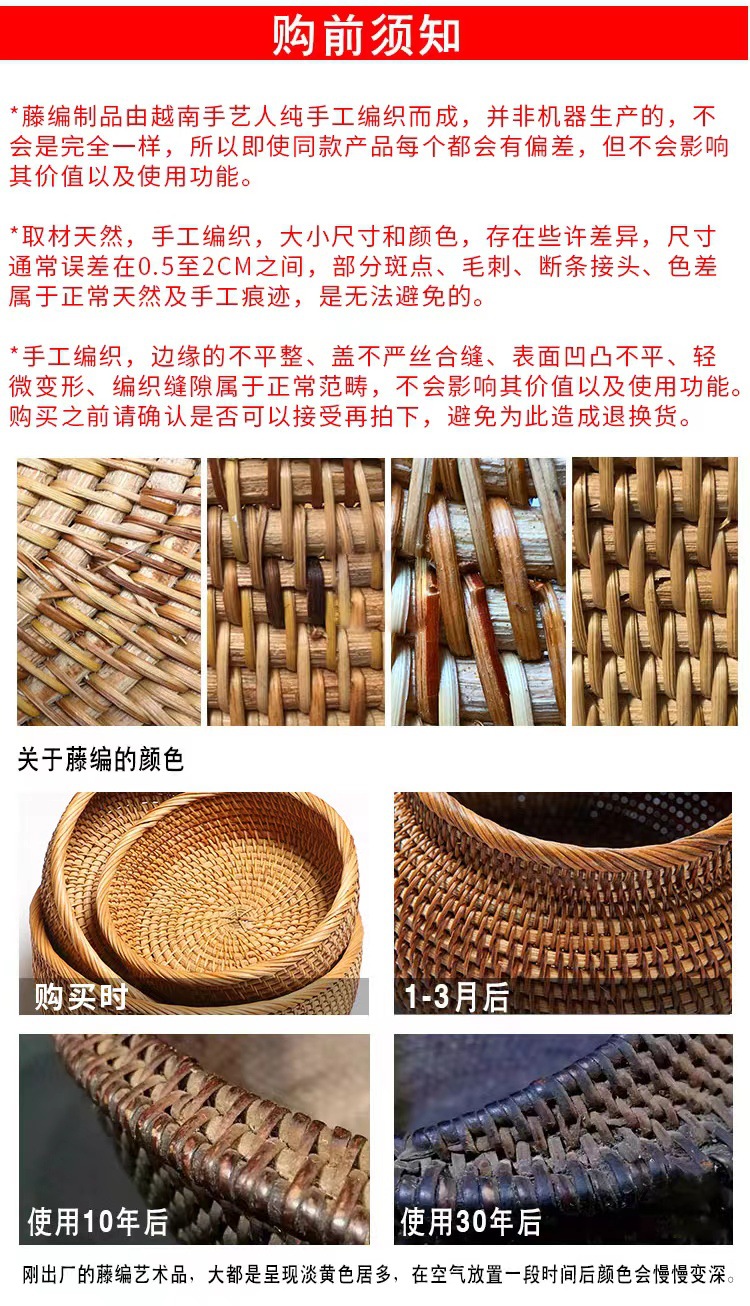
In the primitive old forest along the border with Myanmar, where Tengchong borders, there is an abundant production of a tough and long-stemmed vine plant - vine, whose skin has a smooth and glossy color, with a smooth touch, resembling bamboo but not bamboo, hence the name "vine bamboo." It is a high-quality natural weaving material. The Tengchong people use this to craft various daily utensils such as rattan chairs and baskets, with exquisite craftsmanship and a variety of varieties, which are durable and have been deeply loved by consumers throughout history.
—————————————————————————————————————————————————————————
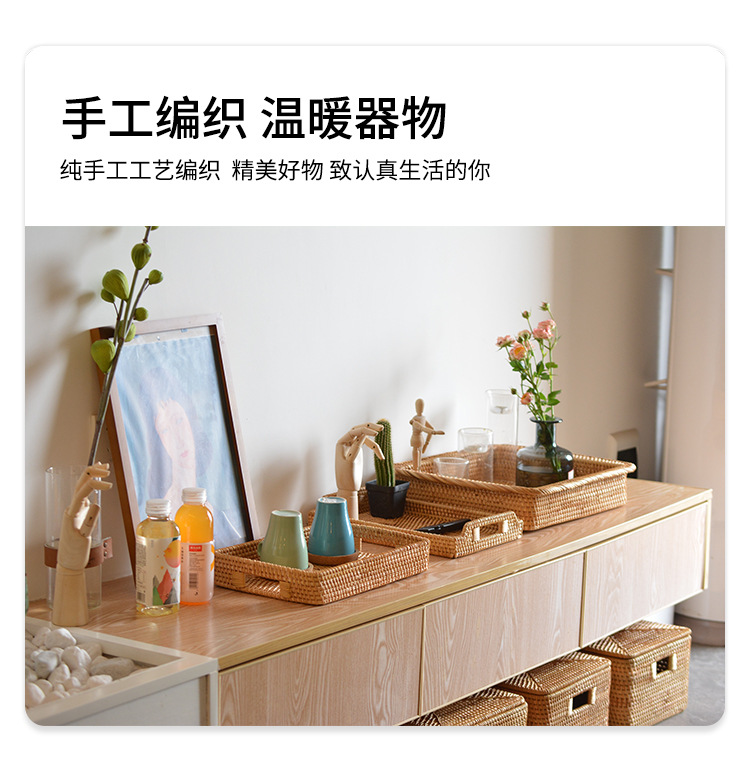
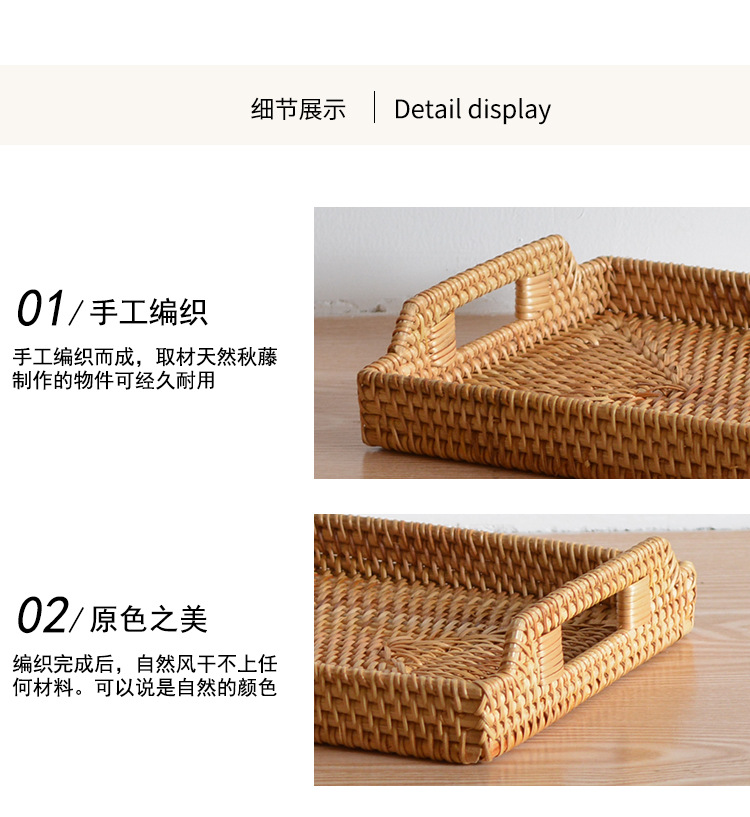
Rattan weaving generally goes through more than a dozen processes, including stripping the rattan (removing the nodules on the rattan), selecting the rattan, washing the rattan, drying the rattan, bending the rattan, pulling the rattan (sawing the rattan), shaving the rattan, bleaching, dyeing, weaving, and applying paint. Rattan weaving mainly uses rattan branches, rattan cores, or bamboo as the framework, and then weaves the rattan skin or tender rattan cores to fully utilize the softness and resistance to breaking of the rattan.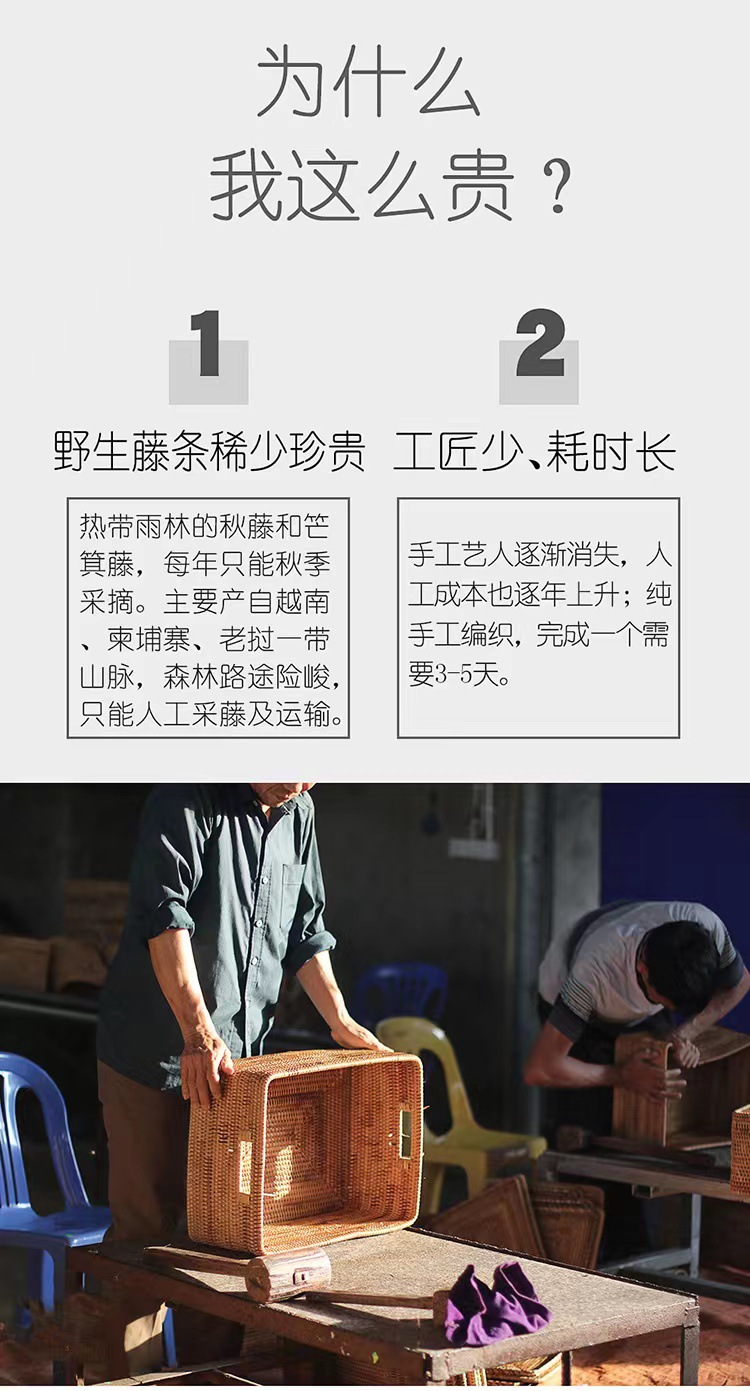
Update time:


TOP