
Search history
Clear allSearch by image
XDrag and drop an image here or upload an image
Max 5MB per image
UploadSign In | Join

Search history
Clear allSearch by image
XDrag and drop an image here or upload an image
Max 5MB per image
UploadSign In | Join

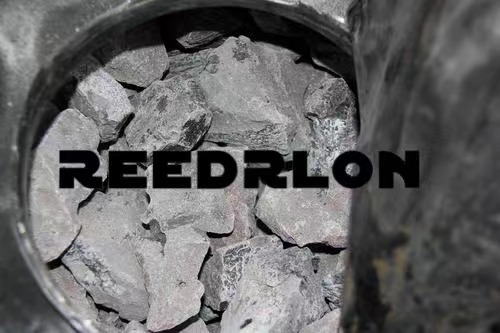
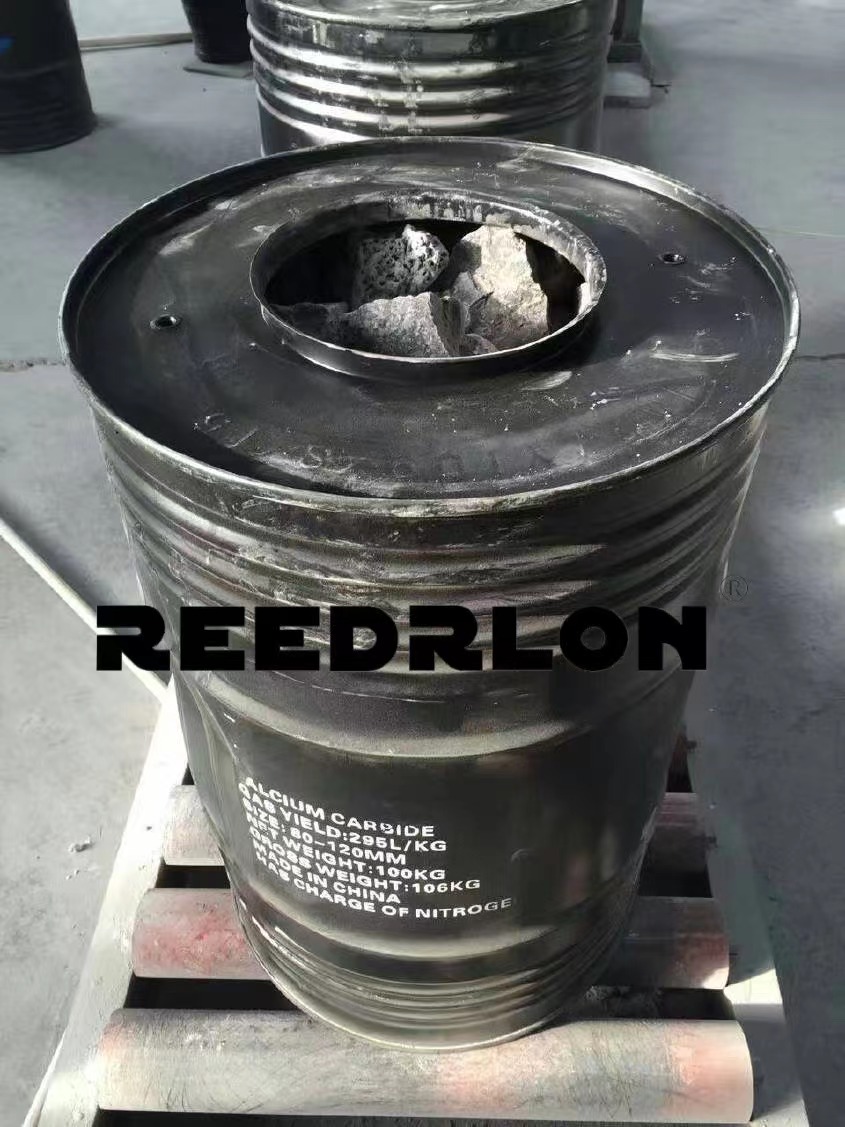
Electrolyte stone is CaC2, also known as calcium carbide. Electrolyte stone + water = calcium hydroxide + acetylene gas.
Acetylene gas can be used as fuel.
Main components of electrolytic stone
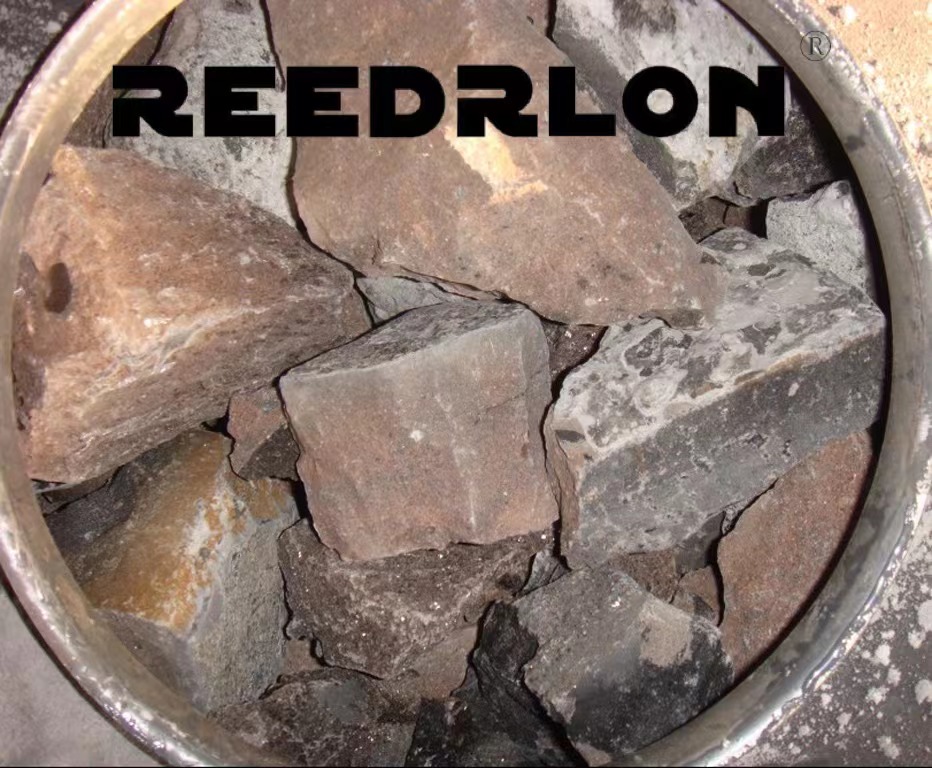
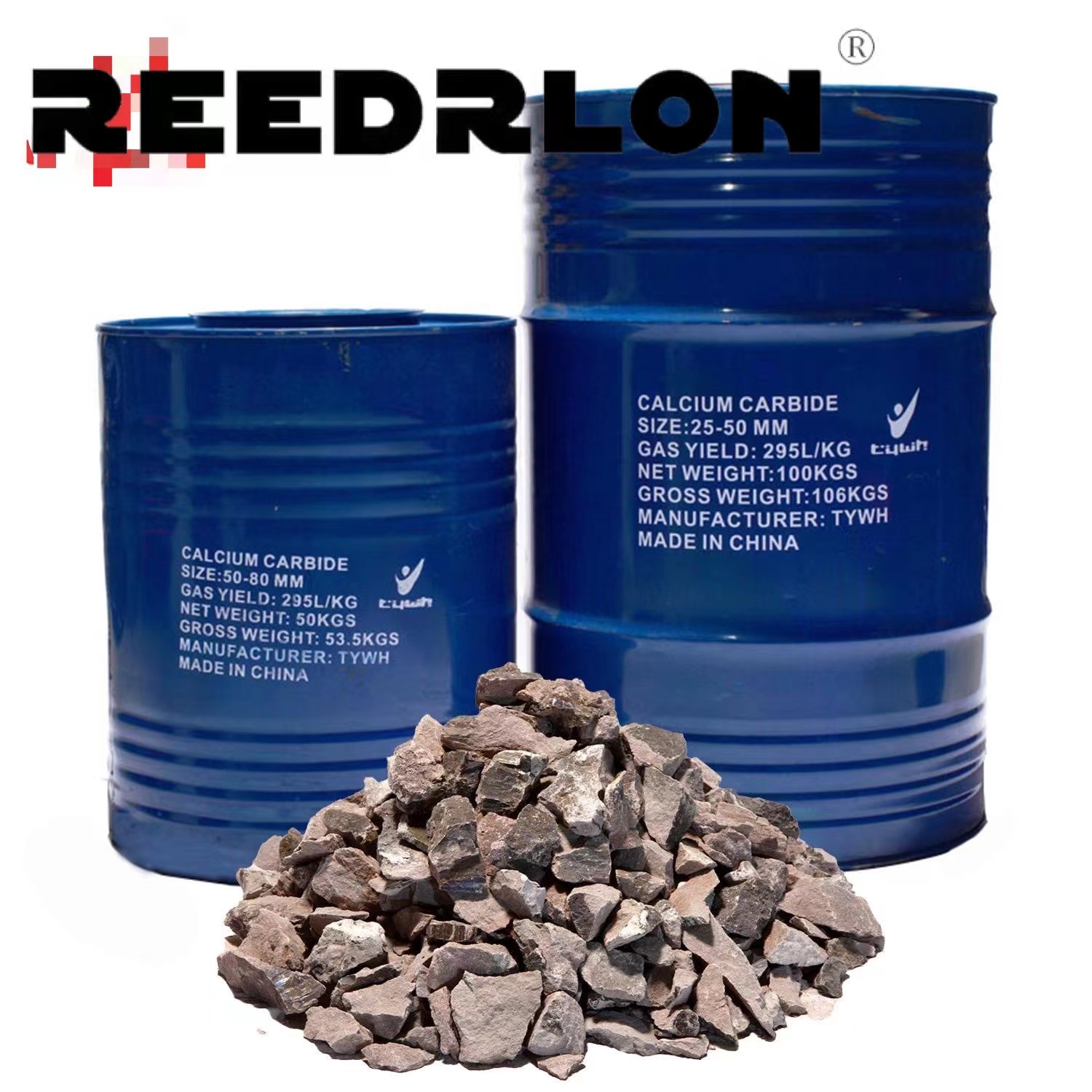
Physical and chemical properties: The ore is a yellow-brown or black blocky solid, while the pure substance is a colorless crystal (purple in cases with high CaC2 content). Density is 2.22 grams per cubic centimeter; melting point is 447°C, and boiling point is 2300°C. It reacts violently with water, producing acetylene and releasing heat. The melting point varies depending on the content of electrolite. Impurities: Due to the presence of impurities such as calcium arsenide (Ca3As2) and calcium phosphide (Ca3P2) in electrolite, toxic gases like hydrogen arsenide (AsH3) and hydrogen phosphide (PH3) are released when reacting with water. Therefore, acetylene produced from electrolite is toxic and must be removed using a concentrated H2SO4 and potassium dichromate solution.
Relative density (water = 1): 2.22

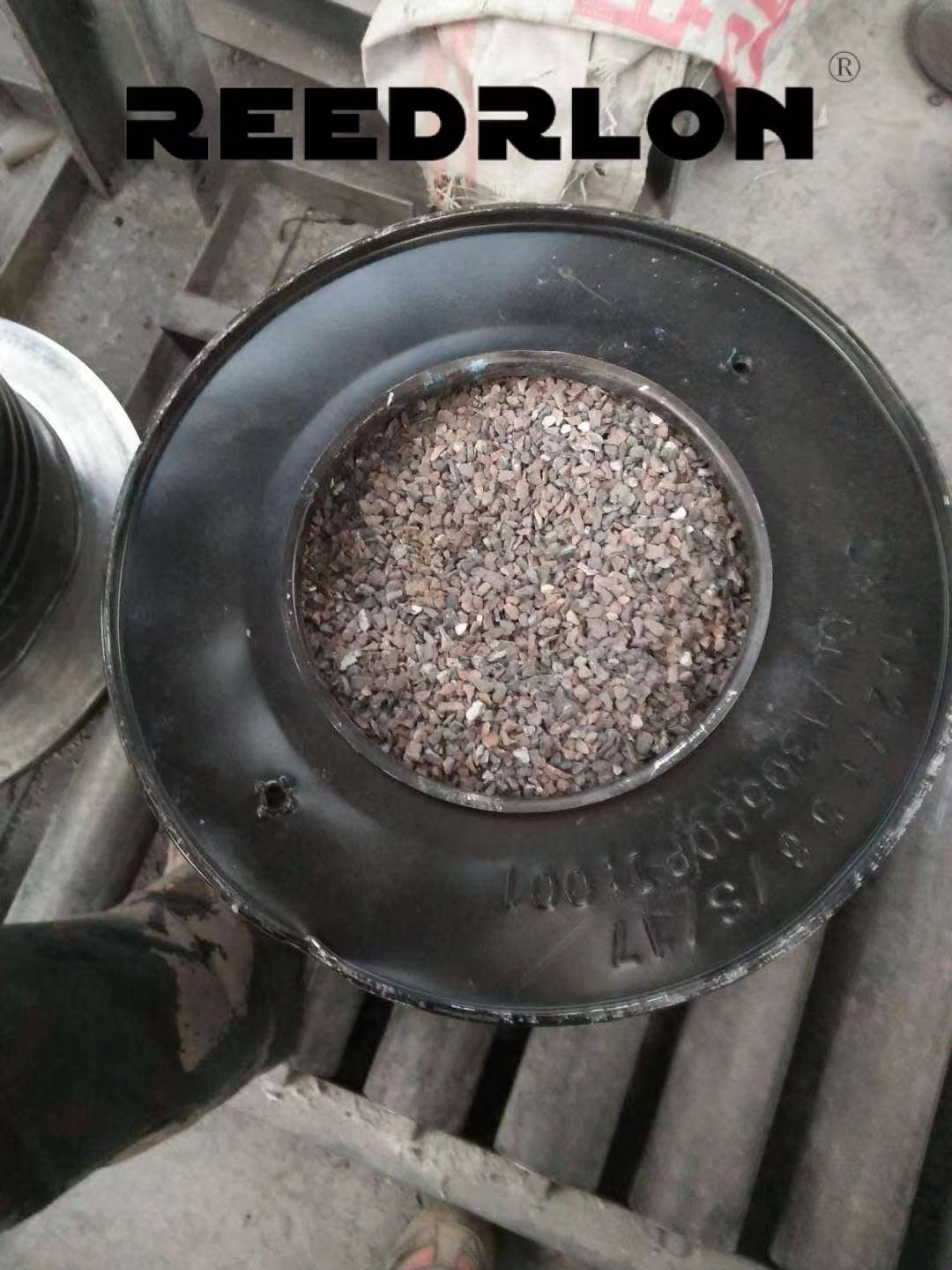
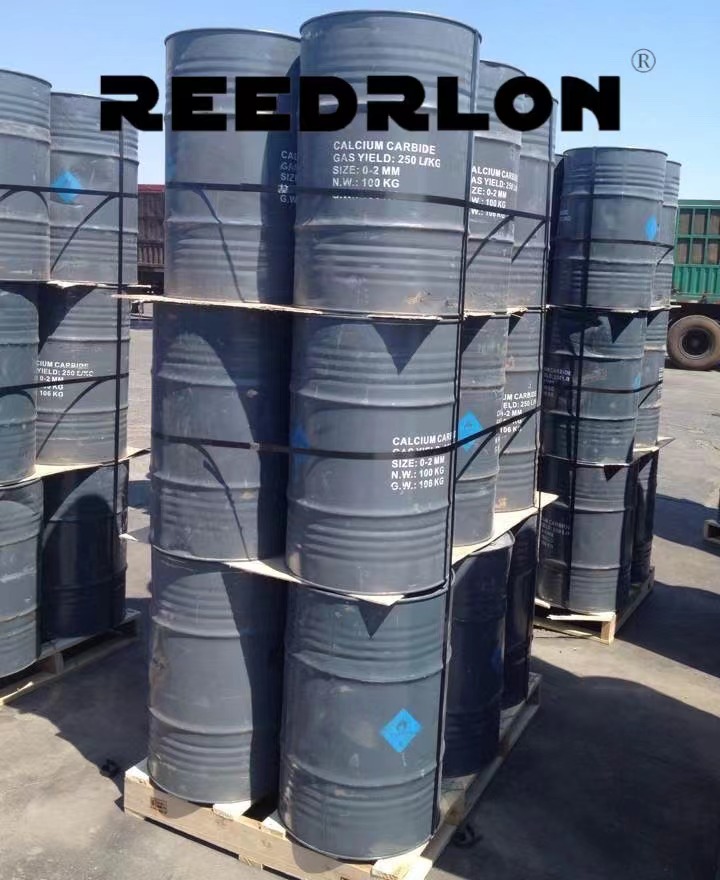
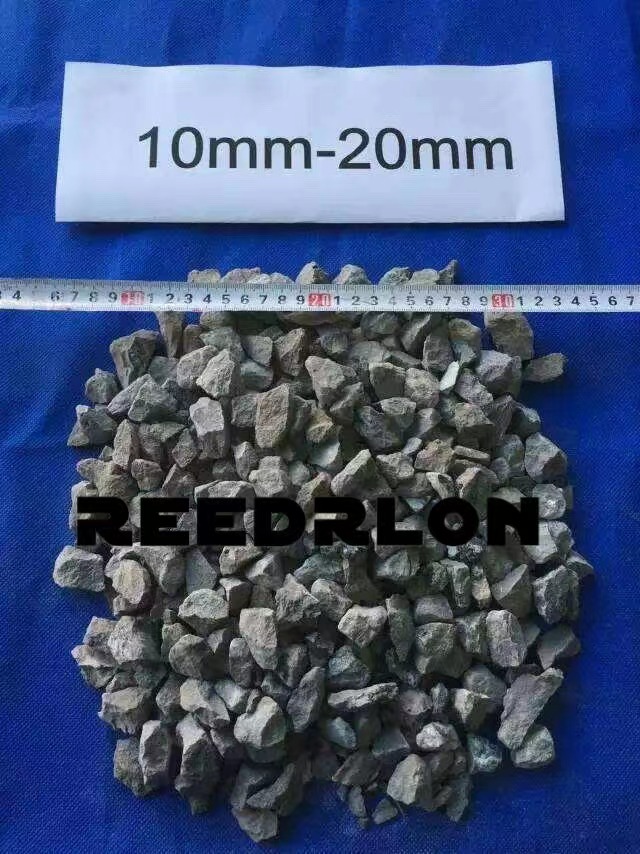
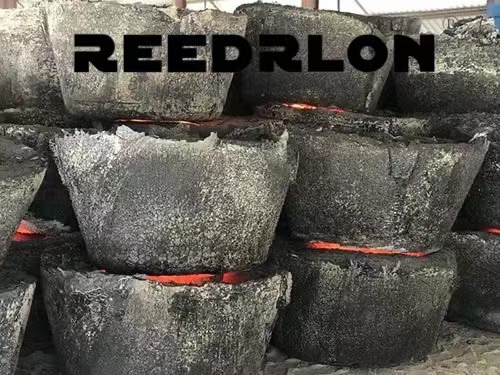
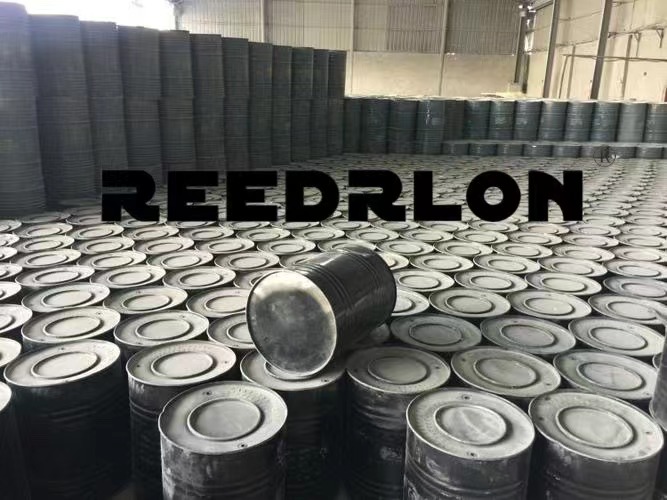
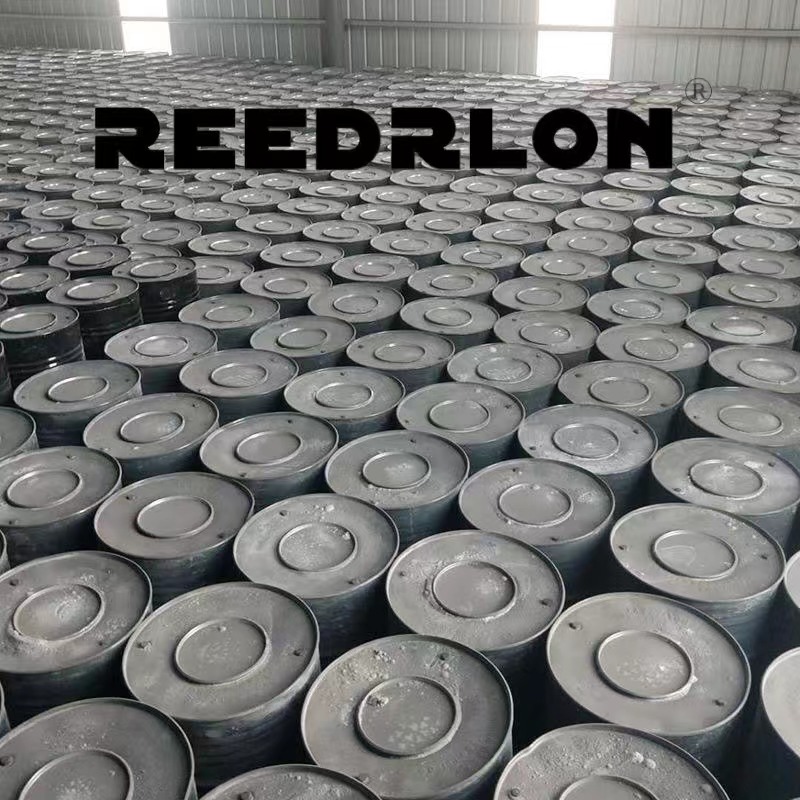
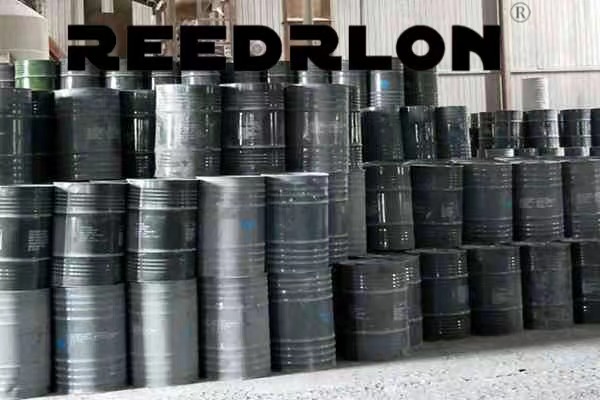
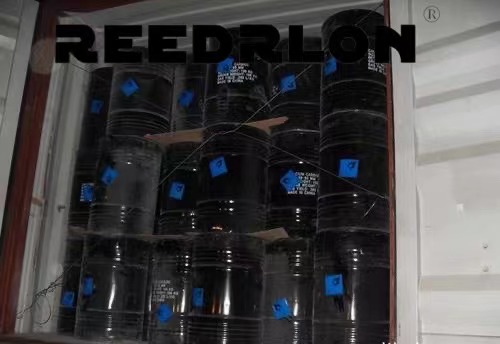
Product Images:
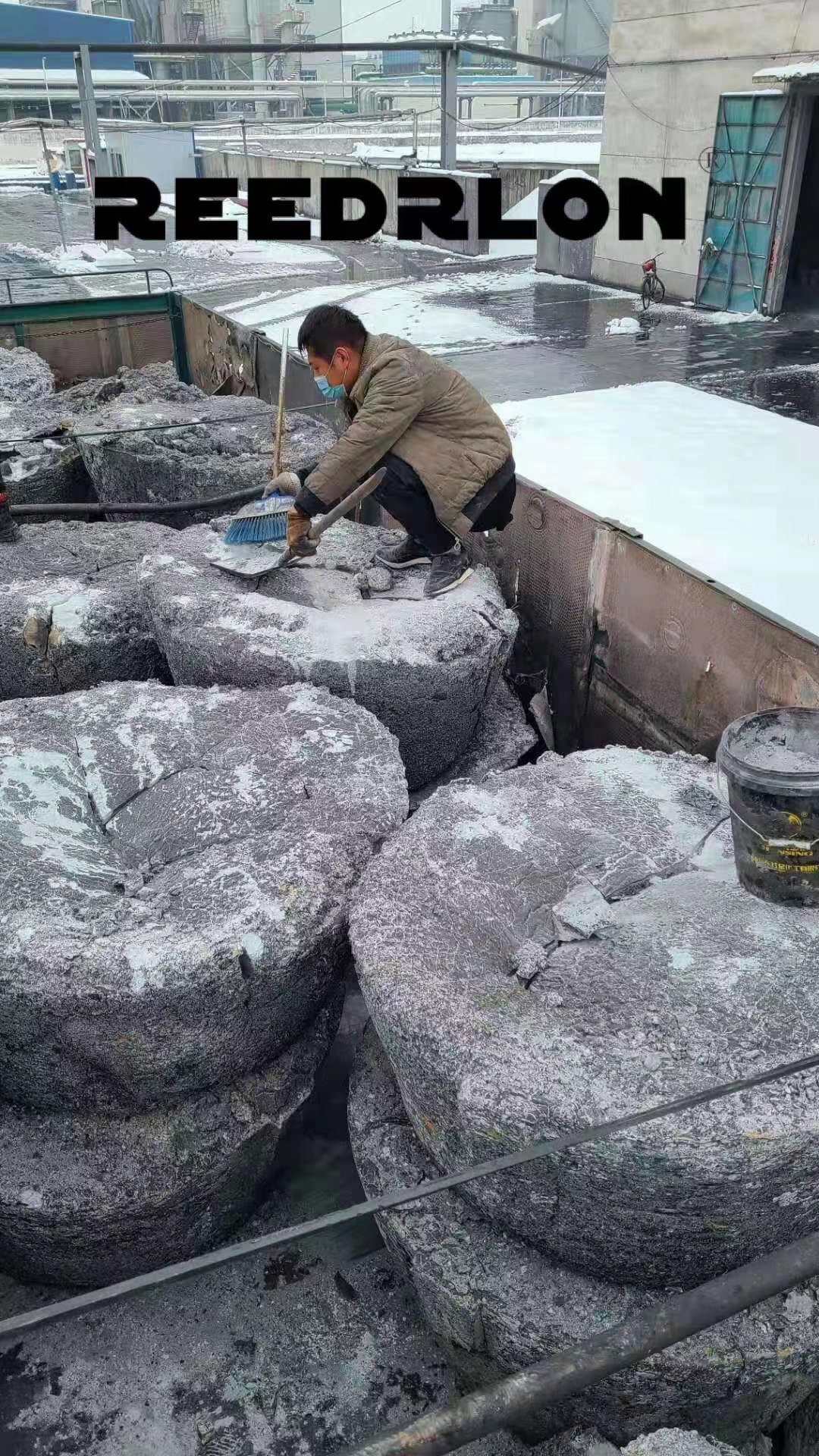
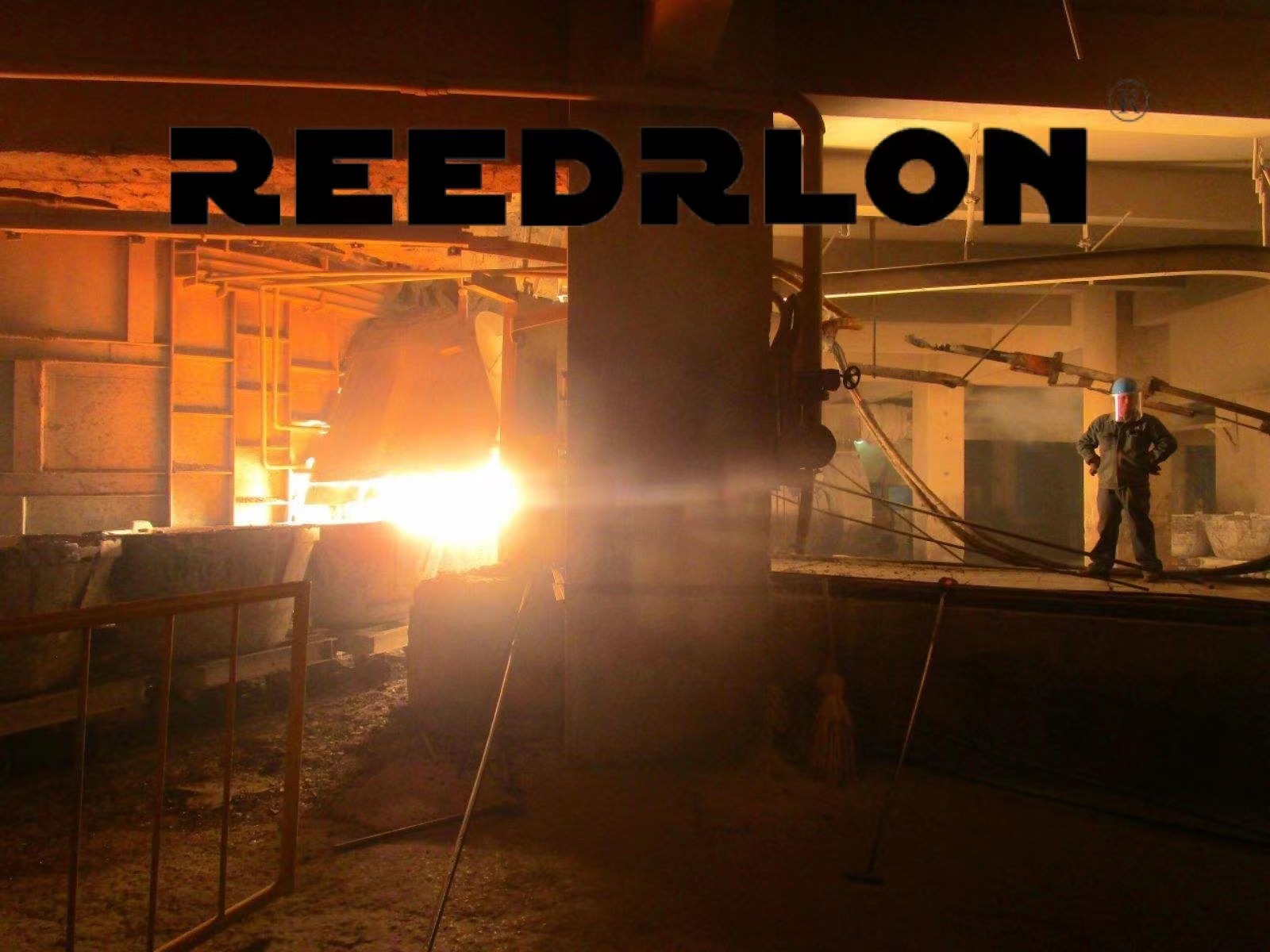
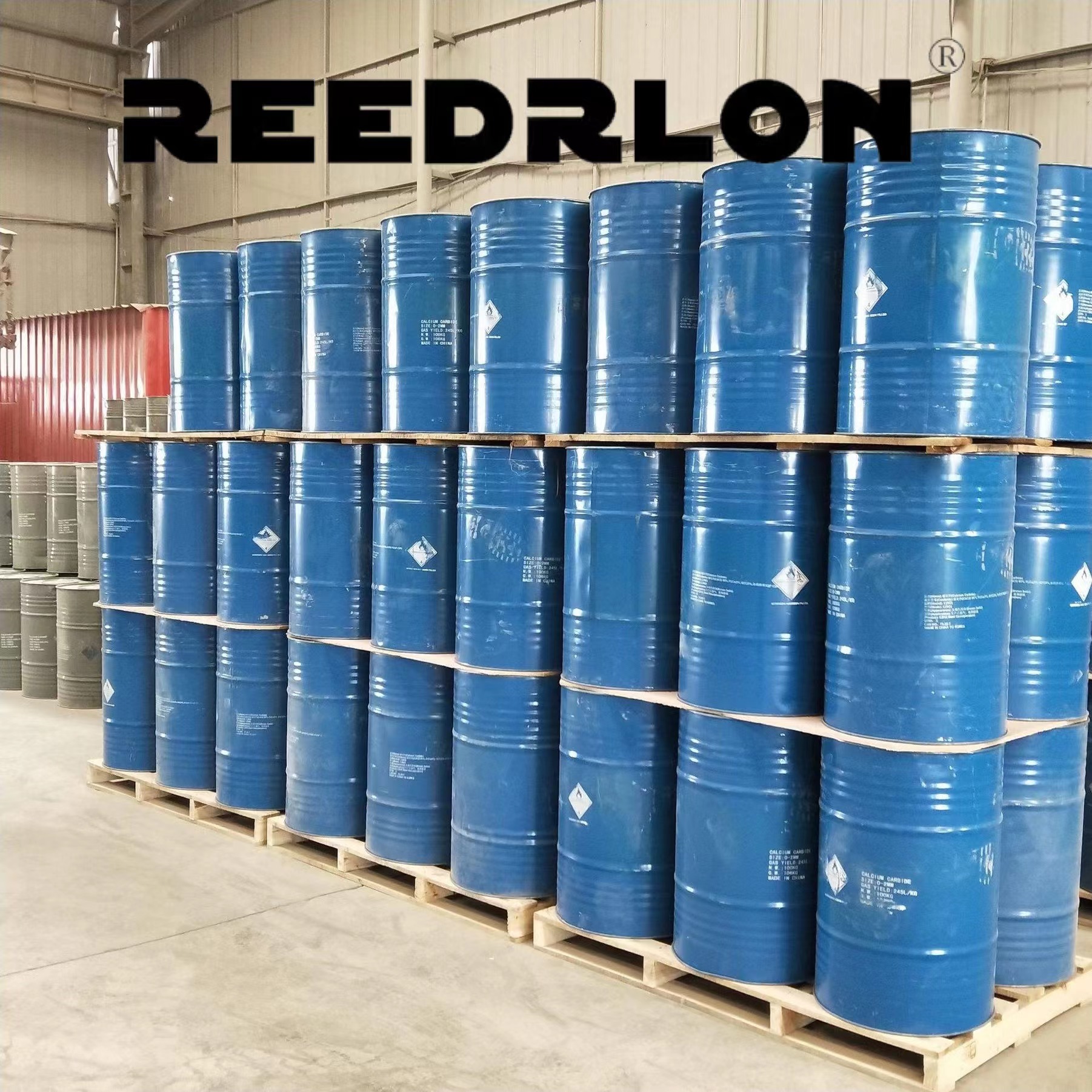
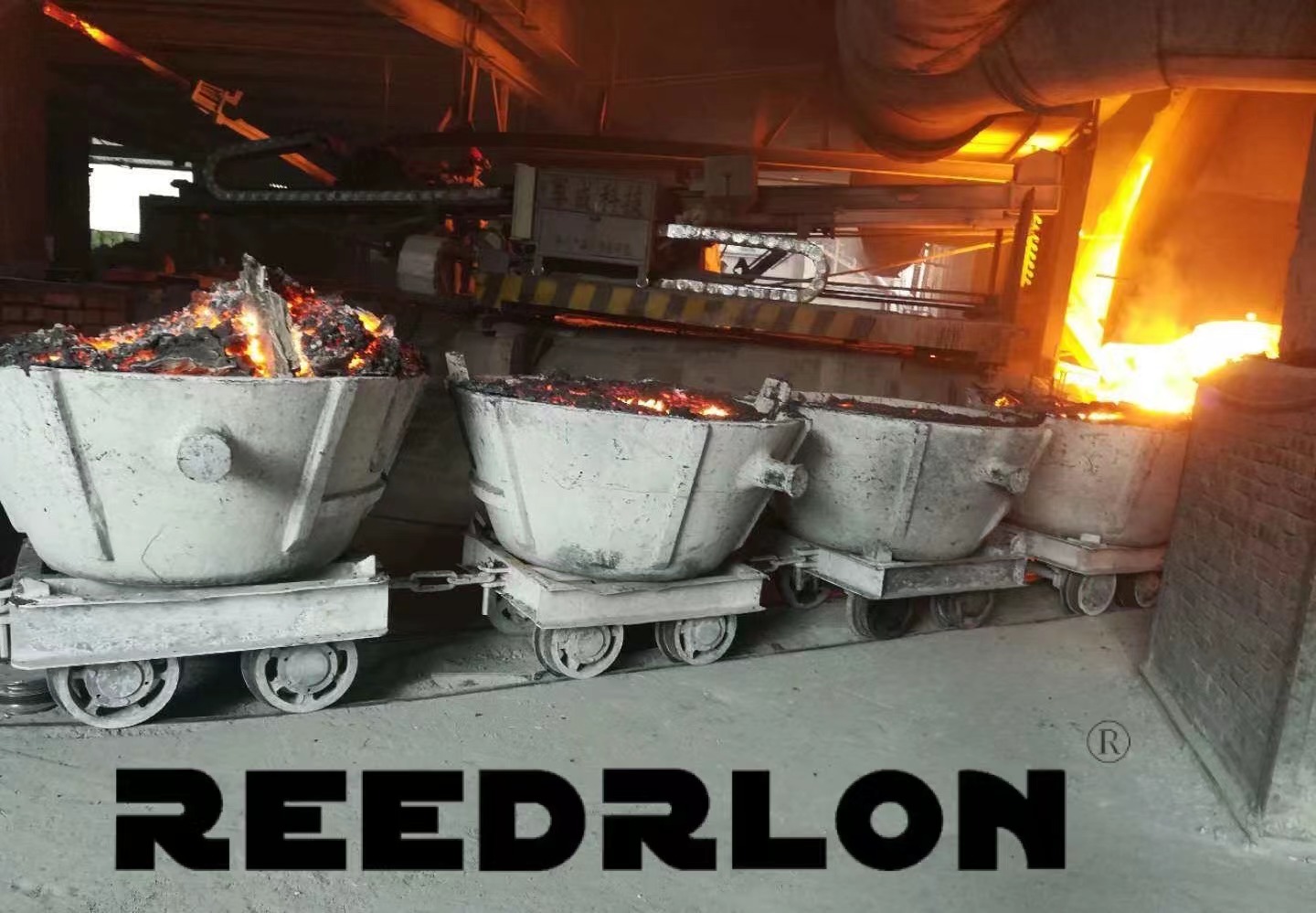
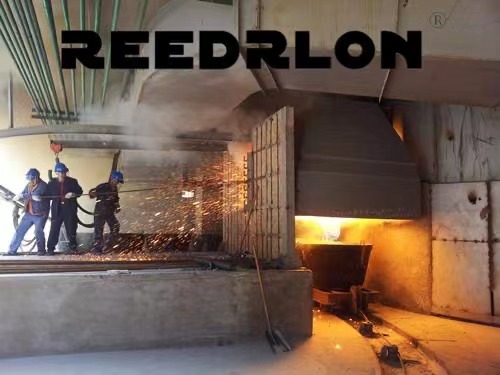
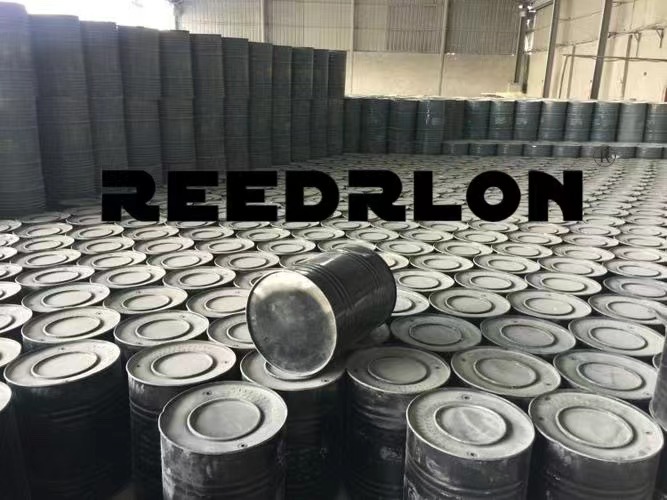
Factory images:


Update time:


TOP


