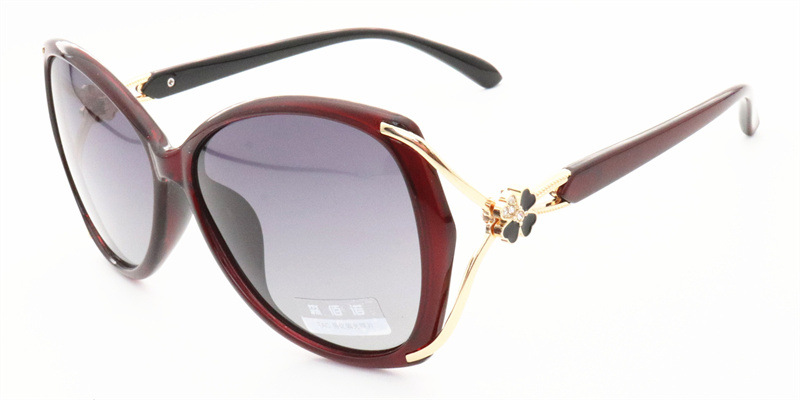
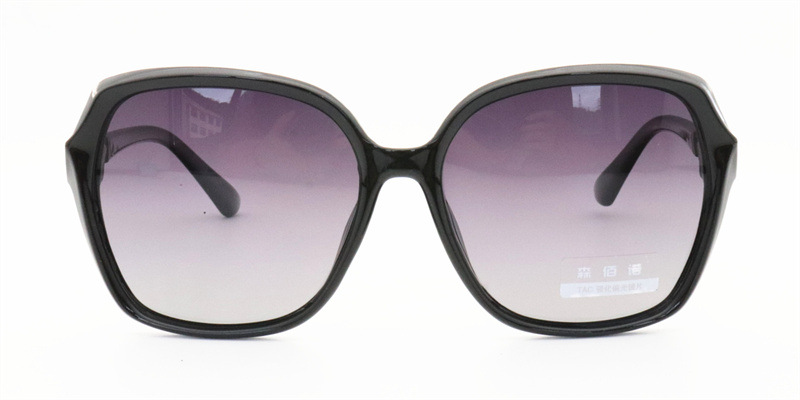
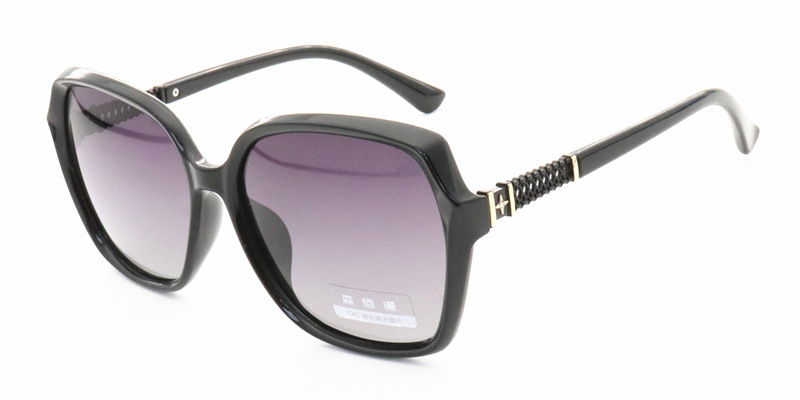
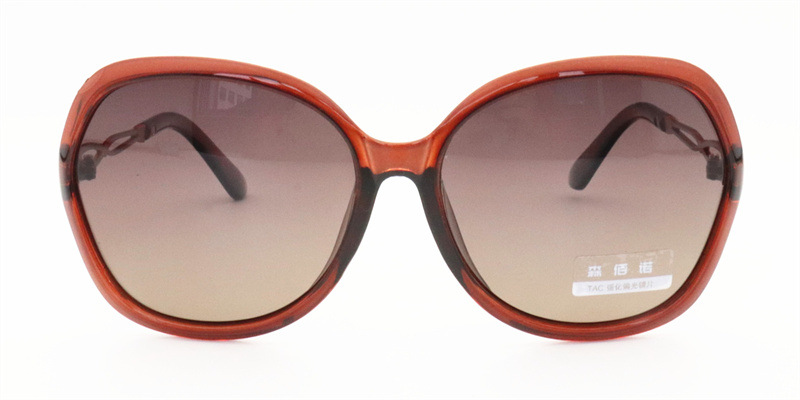
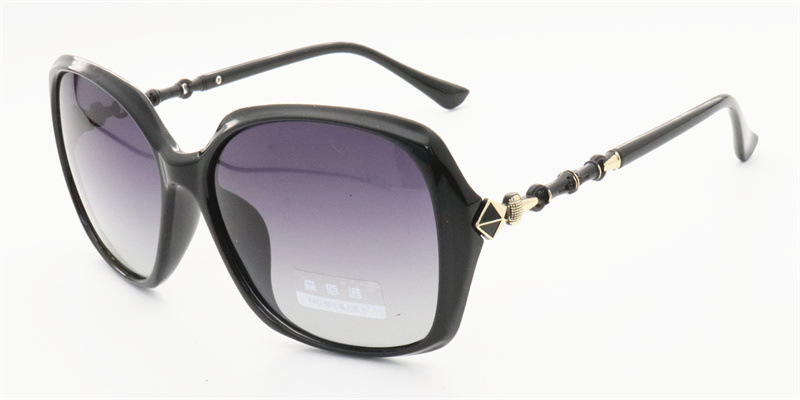
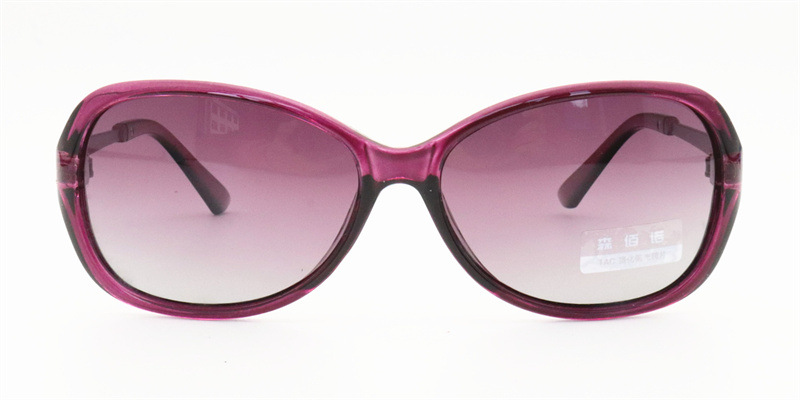
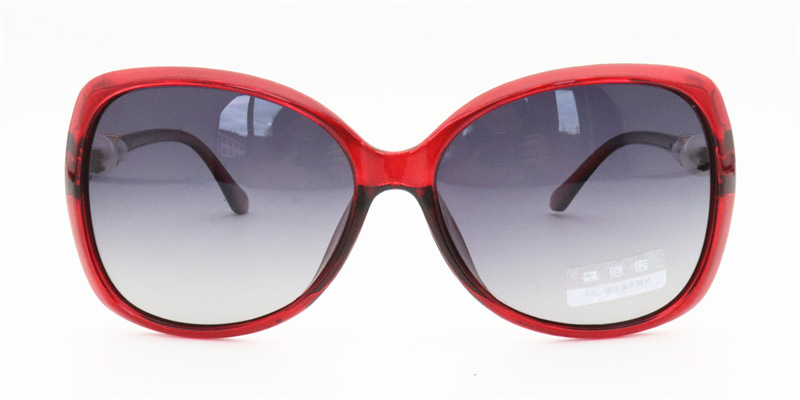
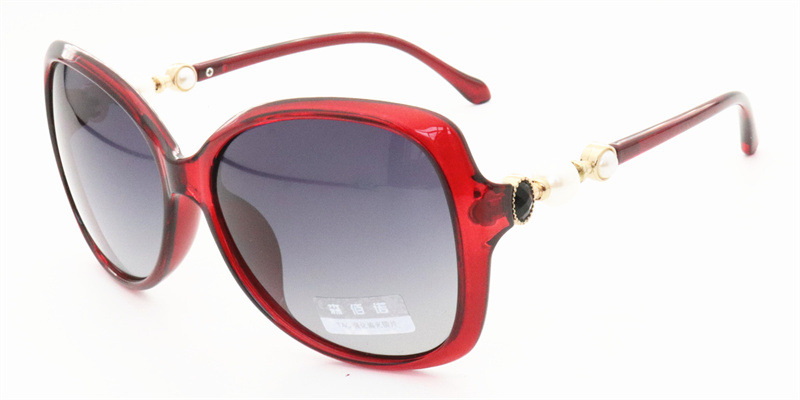
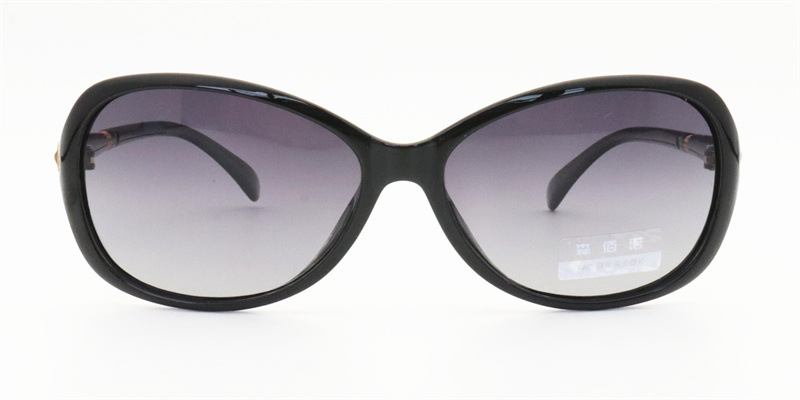
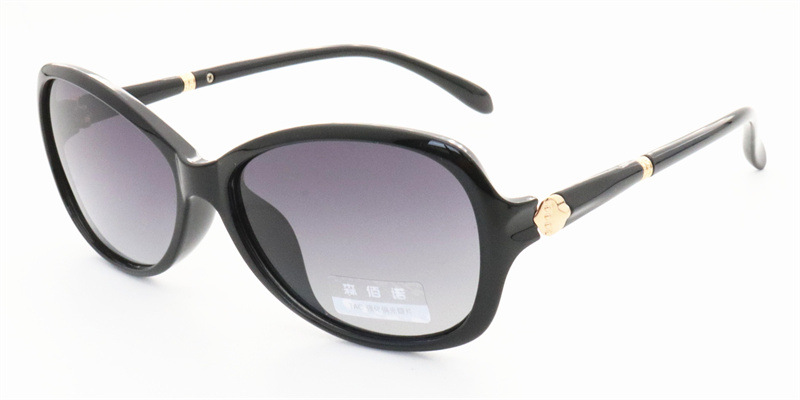
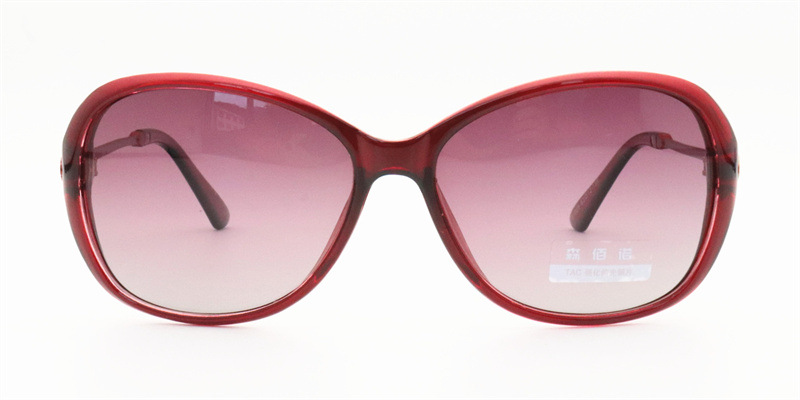
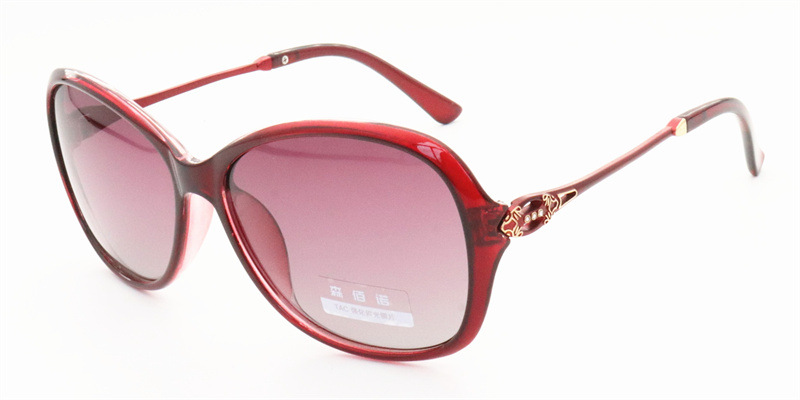
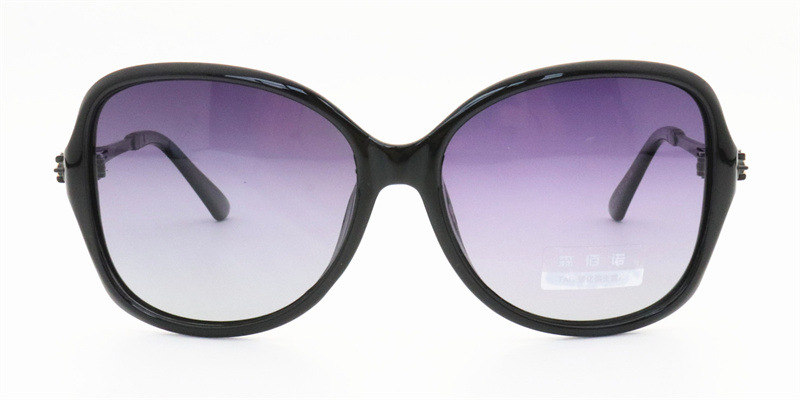
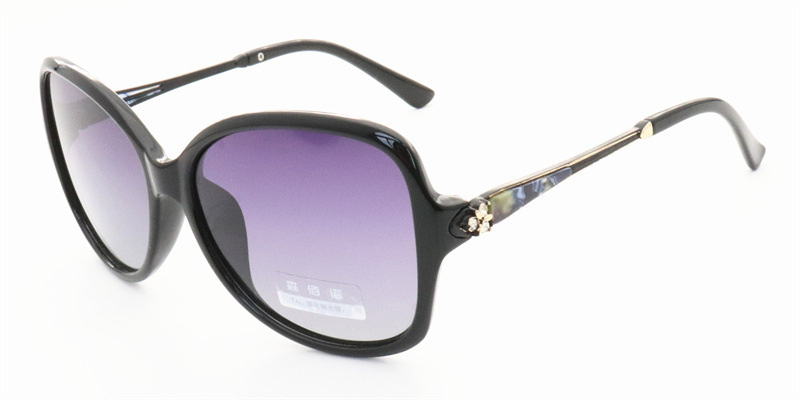
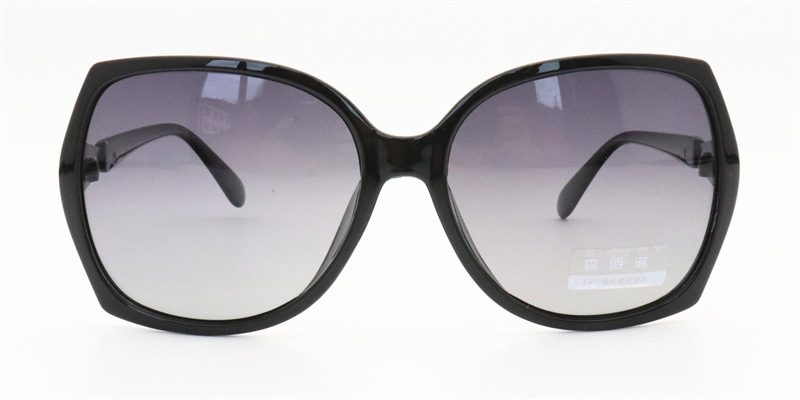
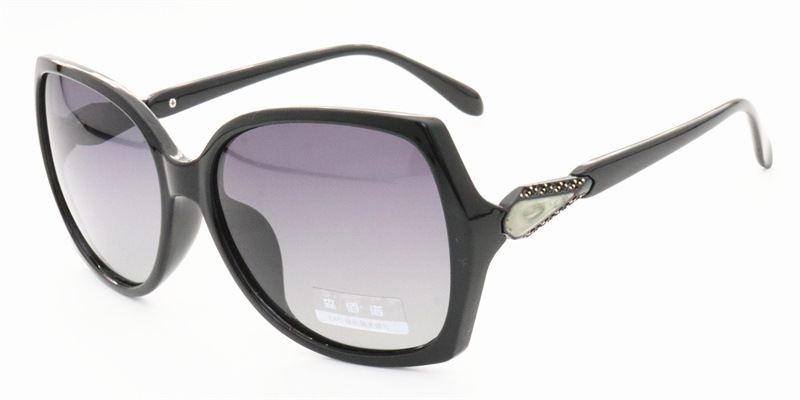
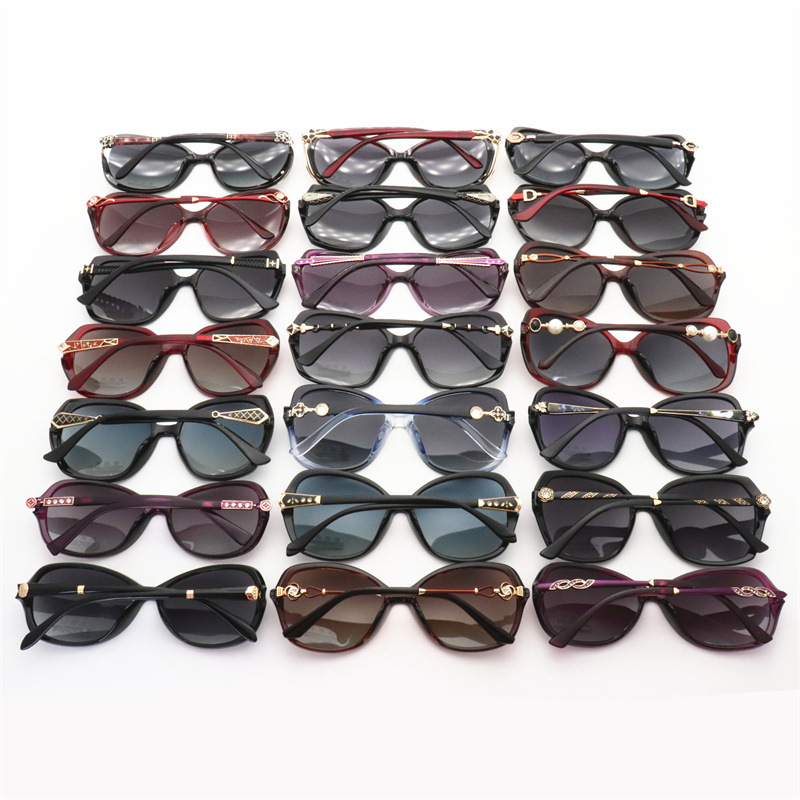
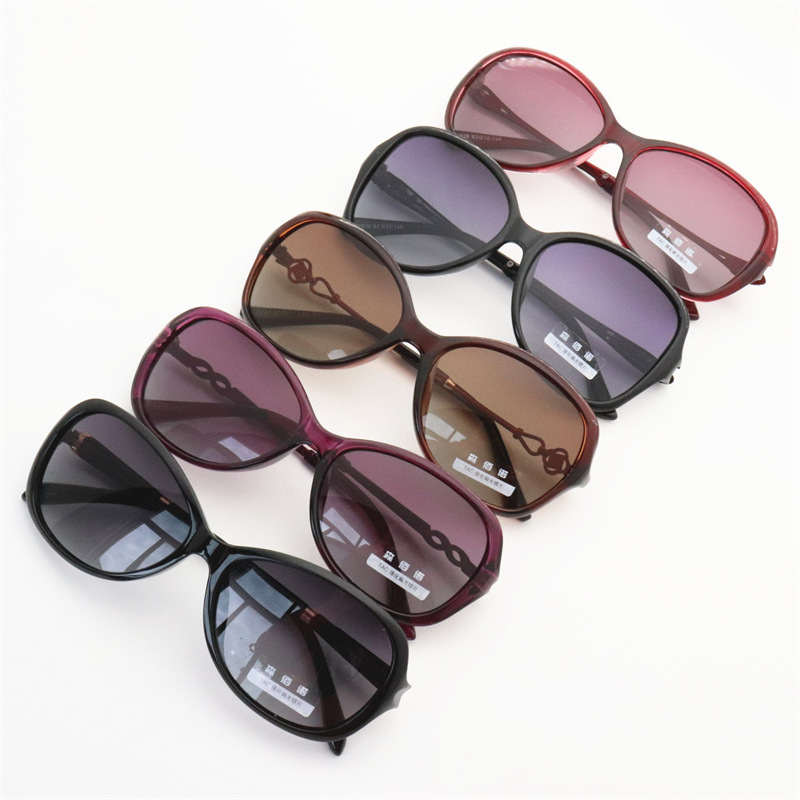
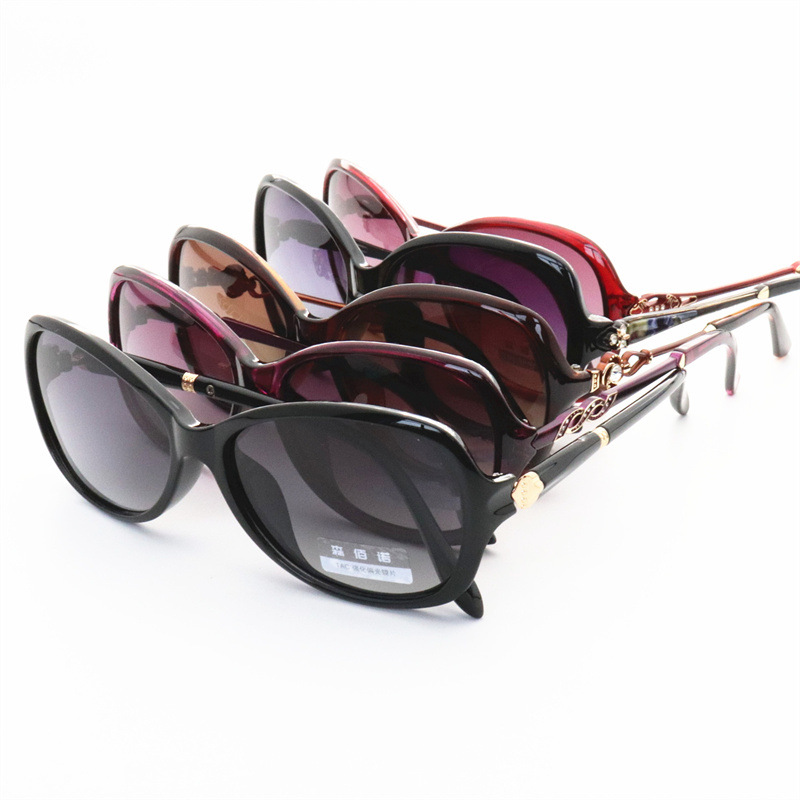
1 Definition
Polarized light, English name: polarized light
Explanation: Also known as polarized light. Visible light is an transverse wave, with its vibration direction perpendicular to the propagation direction. The vibration direction of natural light is arbitrary in the plane perpendicular to the propagation direction; for polarized light, its vibration direction is confined to a specific direction at a given moment.
2 Functions
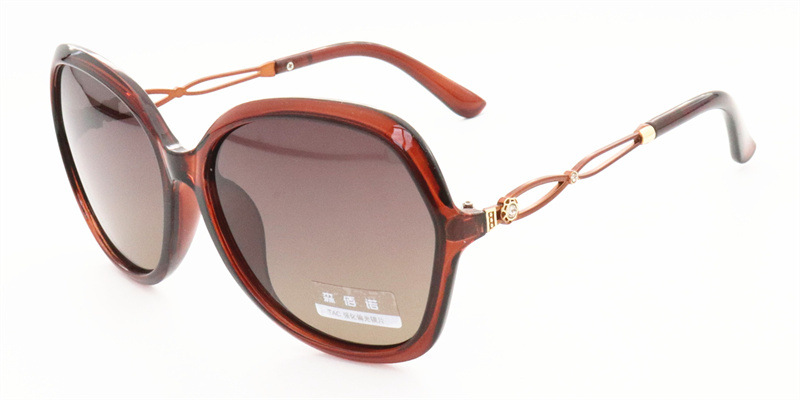
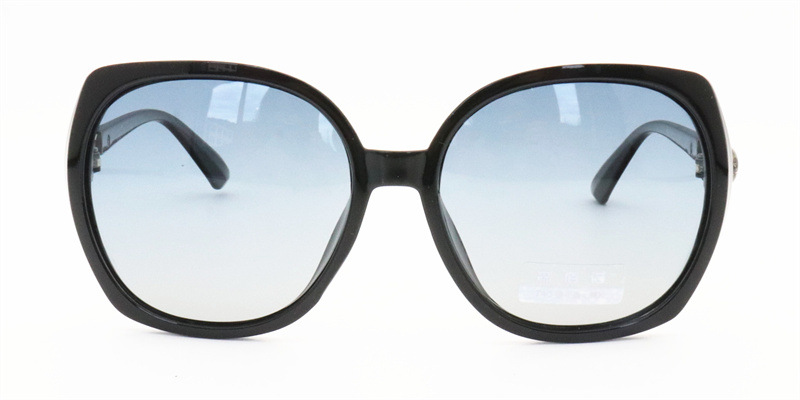
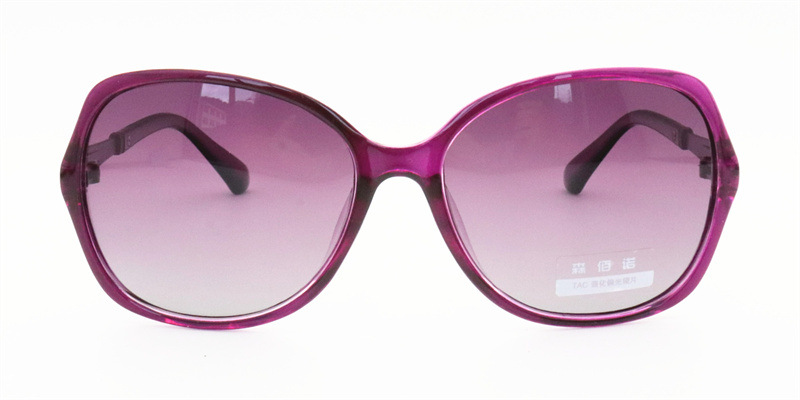
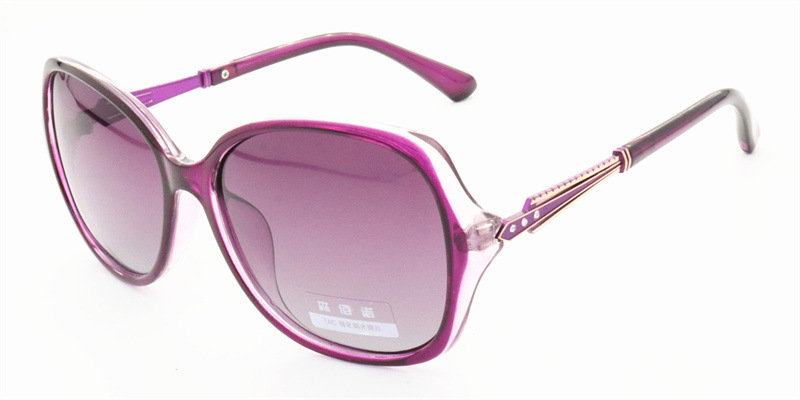
In life, there are many light sources that emit harmful rays, especially sunlight; the rays emitted by sunlight include: visible lightinfrared rays,Ultraviolet lightThree types include ultraviolet rays. Among them, ultraviolet rays can cause serious damage to the skin and eyes of the human body; visible light rays (310–780 nm); ultraviolet rays are further divided into UVA, UVB, and UVC (above 310 nm), including blue light. UVA, UVB, and UVC are harmful rays, and prolonged exposure can cause damage to the body. UVB has a severe impact on vision. (Tanning Ray) is the light that darkens the skin; most of the corners of the eyes absorb this UVB light, so it is essential to block such light sources. Polarized sunglasses can block all harmful rays while allowing visible light to pass through, effectively protecting the eyes. In addition to their basic UV protection function, polarized sunglasses also provide glare reduction, protection against road reflections, and water surface reflections, making them suitable for driving, fishing, travel, and daily use.
3 Manufacturing Principles
Polarized sunglasses can block uncomfortable intense light while protecting the eyes from UV damage. All of this is thanks to the metal powder filtration system, which "selects" the light as it enters. Polarized sunglasses can selectively absorb certain wavelengths of sunlight because they use very fine metal powders.Iron, Copper,Nickeletc.). In fact, when light hits the lenses, it is reduced through what is known as the “destructive interference” process. That is, certain wavelengths of light (here referring to UV a, UV b, and sometimes alsoinfrared rays) When passing through the lenses, on the inner side of the lenses, i.e., in the direction facing the eyes, they cancel each other out. The overlapping of light waves is not accidental: when a wave's peak merges with the trough of an adjacent wave, it results in cancellation. The destructive interference depends on the shape of the lenses.Refraction coefficient(The degree of deviation when light passes through different materials in the air), also depends on the lensesthicknessGenerally speaking, the thickness of the lenses varies little, while their refractive index differs based on chemical composition differences.
Polarized sunglasses offer another mechanism for eye protection.asphalt roadThe reflected light is a relatively special type of polarized light. What distinguishes this reflected light from light directly from the sun or any artificial light source is its orderliness. Polarized light is formed by waves that vibrate in a single direction, whereas ordinary light is composed of waves that vibrate in multiple directions. This creates a clear contrast, just like a group of disorganized people walking randomly versus soldiers moving in a neat formation. Generally speaking, reflected light is an ordered form of light. Polarizing lenses are particularly effective at blocking this type of light because their filtering properties come into play. These lenses allow only polarized waves that vibrate in a specific direction to pass through, as if "sorting out" the light. Regarding road reflection issues,
Wearing polarized sunglasses can reduce light transmission because it prevents light waves that are parallel to the road surface from passing through. In fact, the long molecules of the filtering layer are directed horizontally, allowing them to absorb horizontally polarized light. As a result, most reflected light is eliminated, while the overall lighting level in the surroundings remains unchanged.
Finally, the lenses of polarized sunglasses become darker when sunlight hits them. Once the illumination decreases, they become bright again. This is possible becauseSilver halideThe crystal is at work. Under normal conditions, it maintains the perfect transparency of the lenses. When exposed to sunlight, silver from the crystal separates out, and the free silver forms small aggregates within the lenses. These small silver aggregates are irregular in shape with interlaced patterns; they cannot transmit light but only absorb it, resulting in the lenses becoming darker. In both light and dark conditions,crystalThe weight is restored, and the lens returns to its bright state.
4 IdentificationUV (UVA protection level)
UVThe meaning of "standard" refers to the range of light perception by the human eye, which is 380~780 nm (visible light). Ultraviolet light refers to light with wavelengths below 380 nm (invisible light). UV3@0 means it can effectively block light with wavelengths below 380 nm. Since the UV4@0 standard also blocks some visible light, it results in a loss of certain colors.Polarized light (polarizing light, polarizing filter)
Color Saturation, causing the outline of objects to become blurred, leading to eye fatigue and discomfort. Polarized lenses are made based on the principle of light polarization—when the plane of light vibration is parallel to the polarization axis, a polarized filter allows polarized light to pass (similar to the mechanism of louvers). As a result, light rays are directed toward each other and enter the eyes, making surrounding objects appear clear without being harsh on the eyes. Another significant advantage is that these lenses are extremely lightweight, thin (0.8mm, 1.1mm), and impact-resistant. Therefore, they are ideal for wearing during driving and outdoor activities, and have gained widespread popularity in recent years.
Drivers tend to prefer wearing polarized sunglasses, as polarized lenses can not only block...Ultraviolet lightAdditionally, it can minimize and filter out reflected intense glare. For example, the strong headlights from oncoming vehicles while driving, or the intense glare caused by the UV-blocking window film applied to the rear window of a vehicle ahead, which is illuminated by the sun. This allows the wearer to clearly see what is in front of them.
5 Differences
Generally, sunglasses merely reduce light intensity because standard lenses cannot filter light. Therefore, they only lessen the strength of glare and ultraviolet rays—they cannot completely block these harmful lights. Their function is simply to minimize eye damage. However, the advantage of regular sunglasses is their popularity. Polarized lenses, on the other hand, due to their polarized properties, can completely block the dazzling glare caused by scattering, refraction, reflection, and other factors. They also block all harmful ultraviolet rays, preventing eyes from getting tired during prolonged exposure to strong light. This achieves true protection, while also making objects seen more clear and three-dimensional.
6 Categories
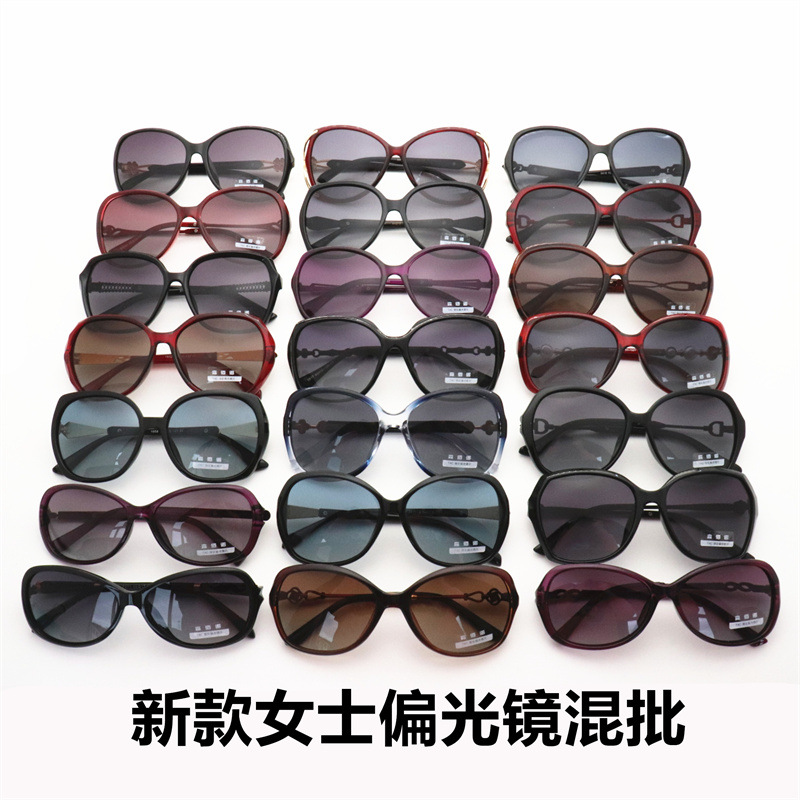
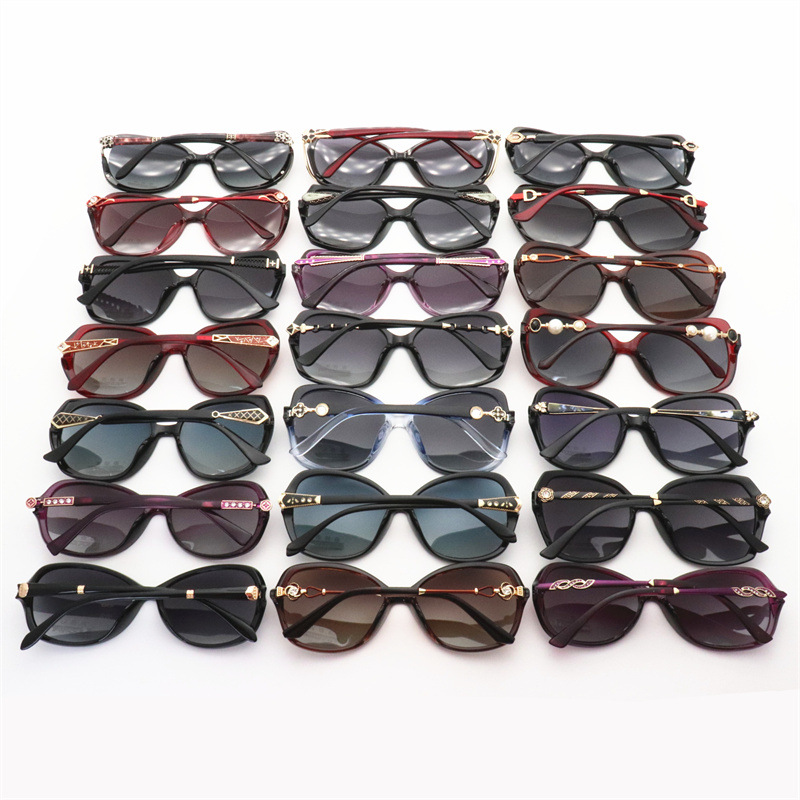
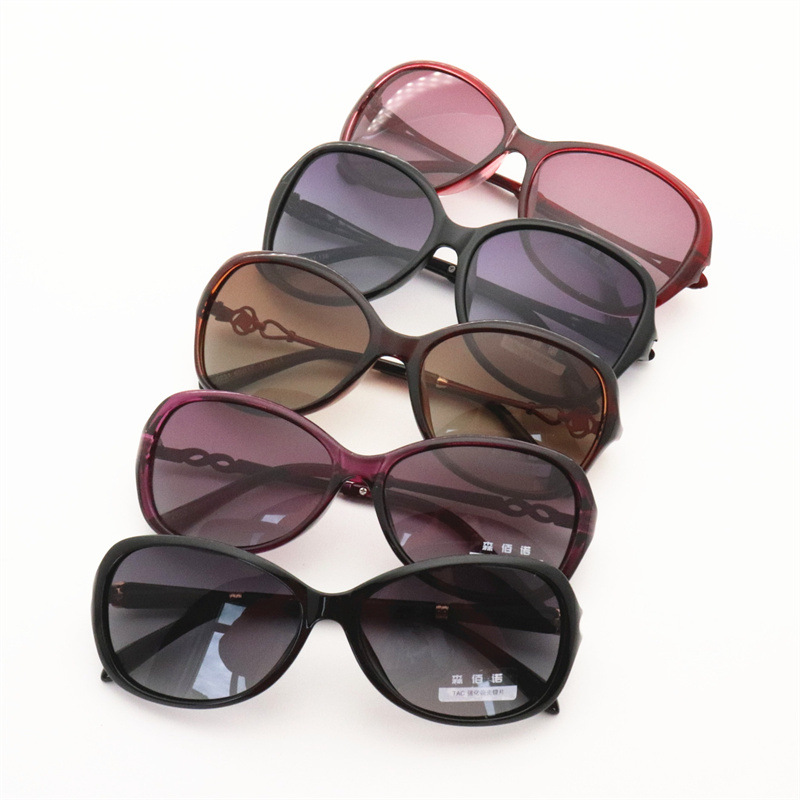
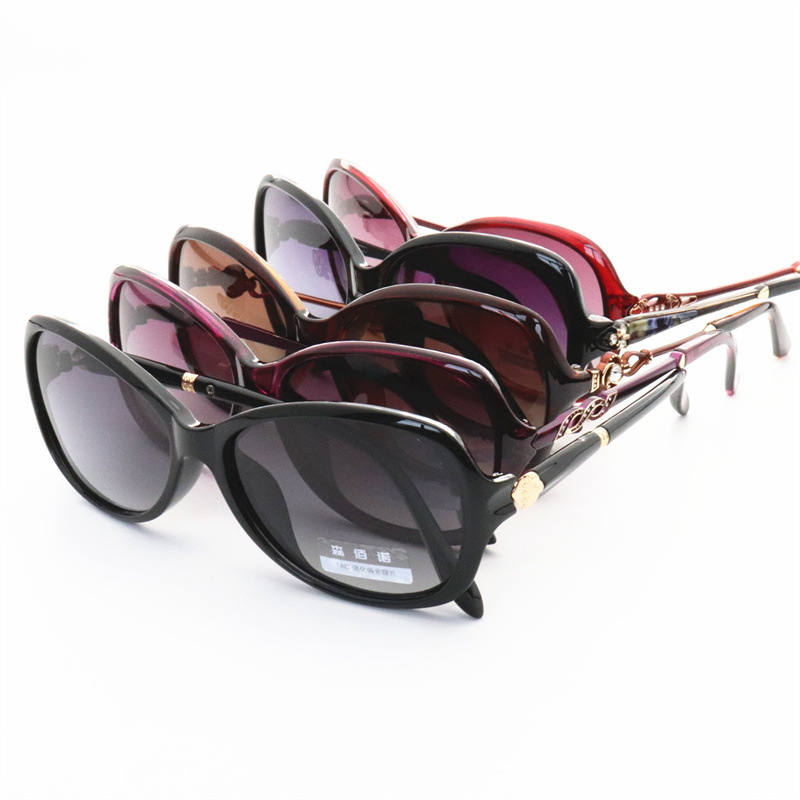
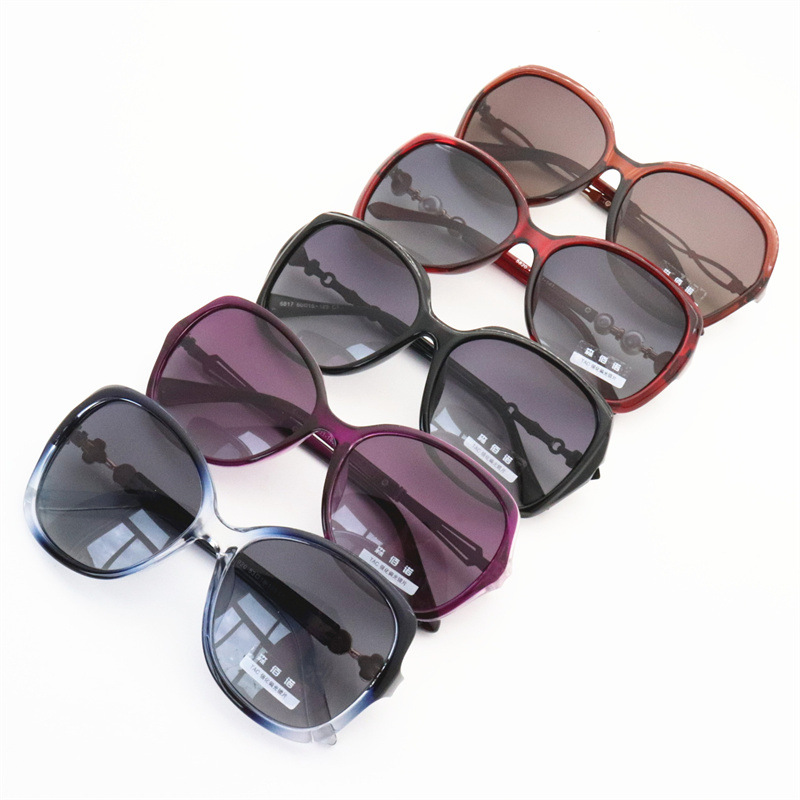
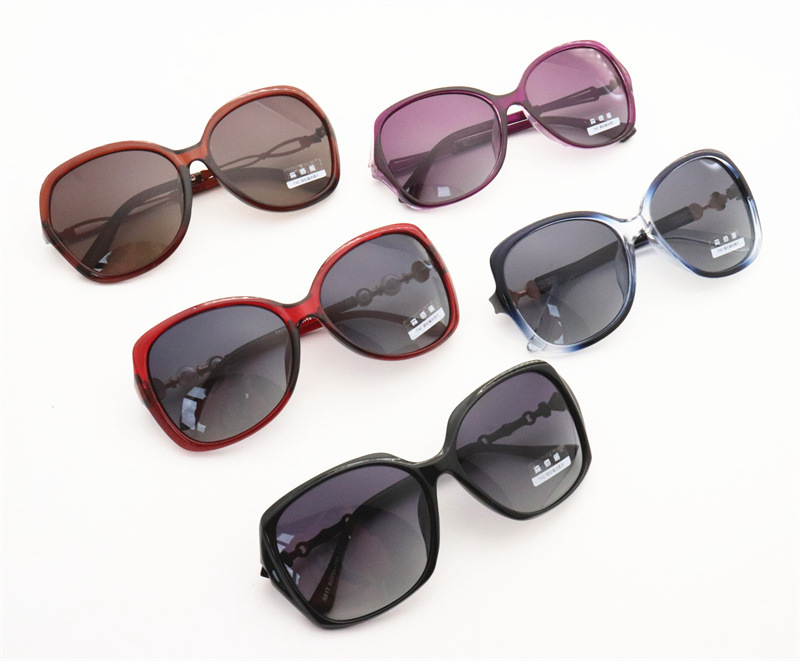
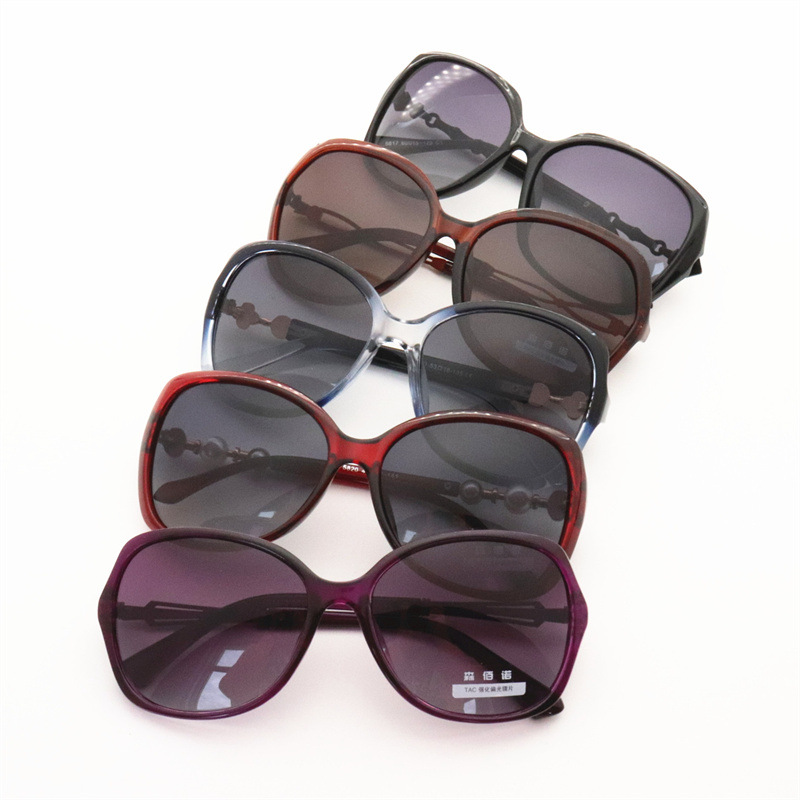
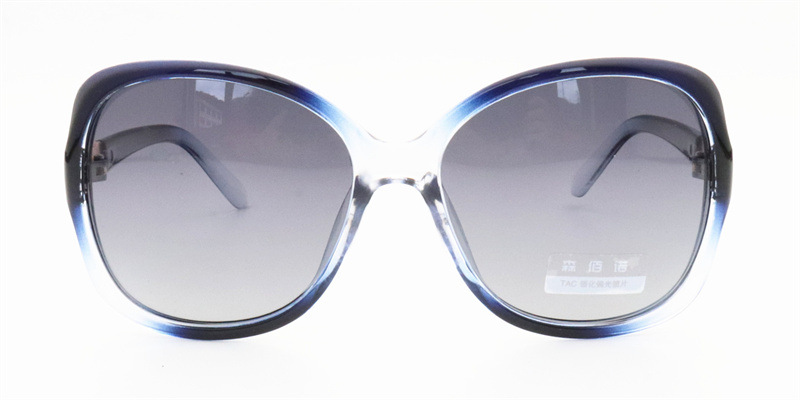
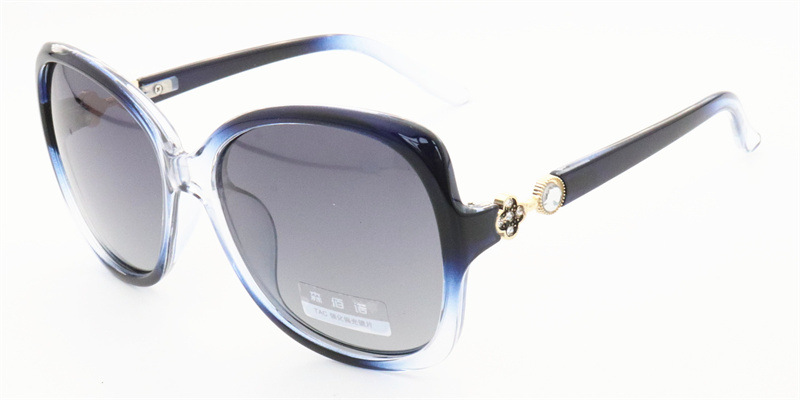
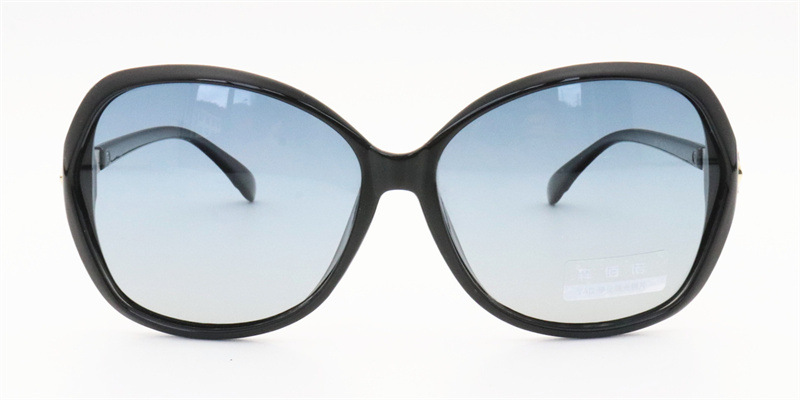
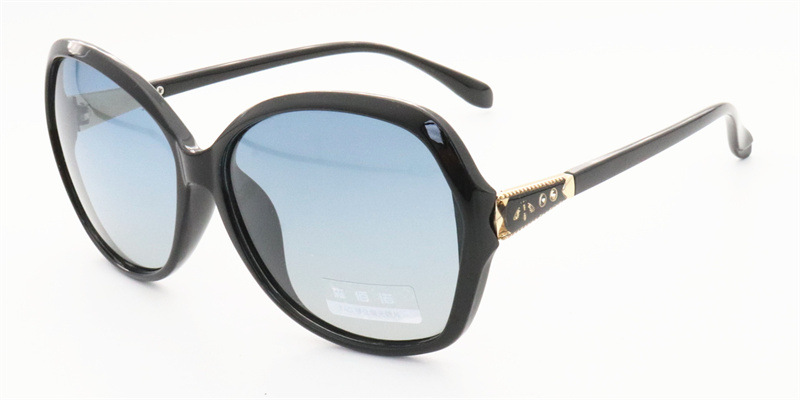
Polarized sunglasses can be categorized based on their use:Ski Goggles,Fishing MirrorPolarized driving glasses, outdoor sports glasses, golf glasses.
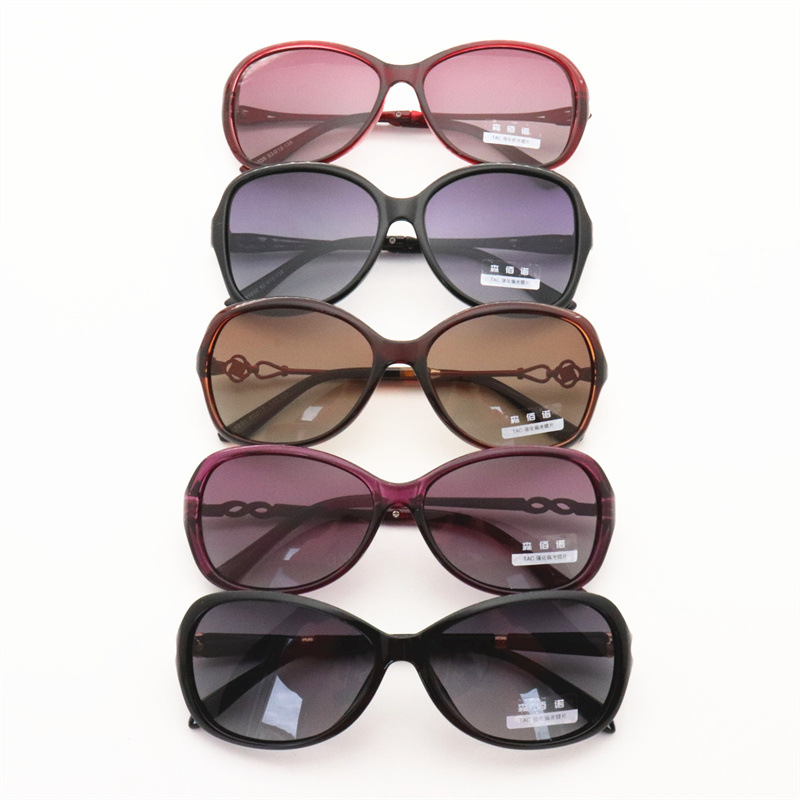
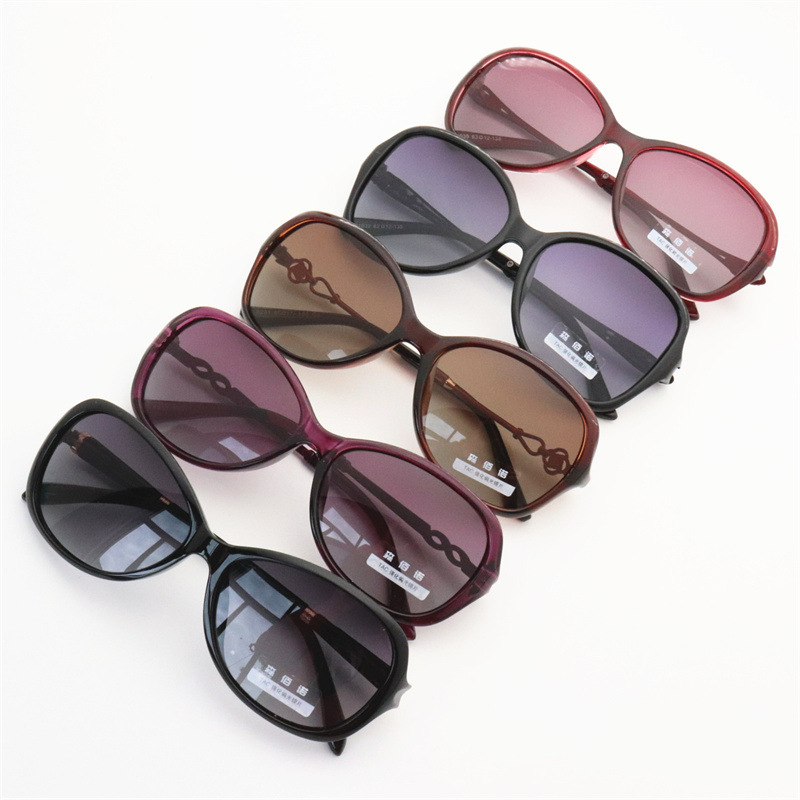
Polarized sunglasses can be categorized based on material: glass-based polarized sunglasses, resin-based polarized sunglasses, and TAC lens-based polarized sunglasses.
7 apps
In summer, anglers prefer wearing polarized glasses. Why? The reason is simple: polarized sunglasses filter polarized light. Wearing them while fishing makes it easier to see the fish and reduces eye fatigue. If the lenses are dark in color (such as brown or green-gray), they provide greater comfort during summer use.
Polarized lenses are widely recognized as suitable for driving. Light is partially polarized when reflected from an object's surface, resulting in glare. The opposite effect of glare is increased brightness and reduced color saturation; it also makes object outlines blurred, causing fatigue and discomfort with glasses. Polarized lenses are made based on the polarization principle of light and have the special function of effectively eliminating glare. They filter chaotic light, improving the driver's vision and enhancing the enjoyment of driving.
Friends who enjoy outdoor leisure travel also have a special preference for polarized lenses. Polarized lenses are composed of crystals arranged in a balanced pattern, which allows only light waves that match the crystal's alignment to pass through, while light waves at other angles are blocked. By adjusting the angle of the polarized lens properly, reflected light from water surfaces, glass, plants, and moisture can be blocked, while normal light can pass through partially, thereby enhancing contrast, reducing reflection, improving color accuracy of the scenery, and minimizing atmospheric fog effects. This helps you see the world clearly, offering a vibrant world with a bluer sky and more vivid, beautiful nature.
The polarizing angle and curvature of the lenses have been professionally designed and processed, ensuring no distortion or dizziness for users. The resin polarizing lenses are lightweight and resistant to breakage, making them easy and comfortable to wear. They are suitable for activities such as fishing, driving, sports, navigation, skiing, and hunting.