|
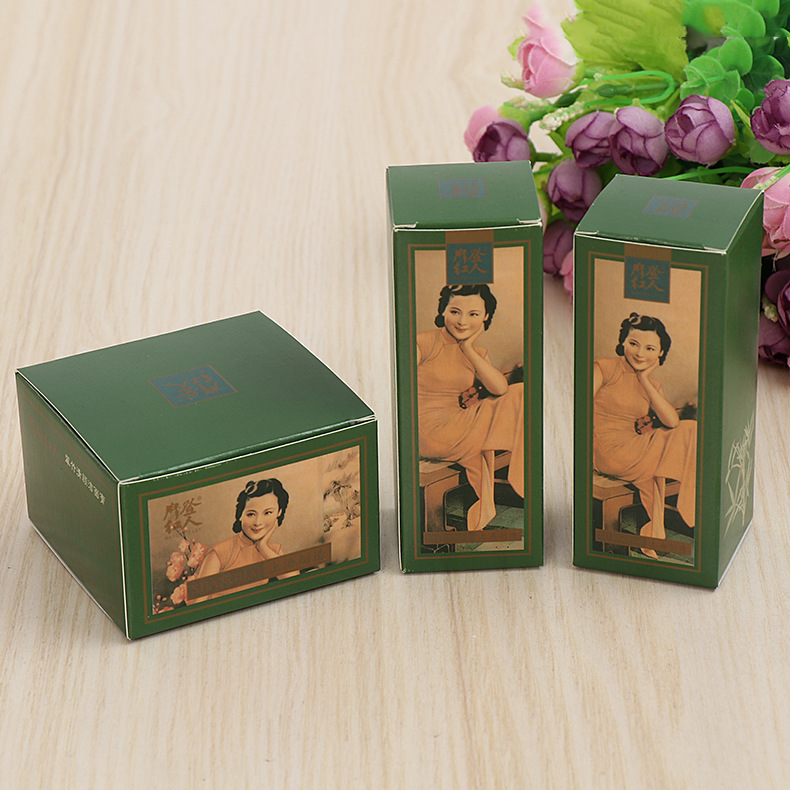
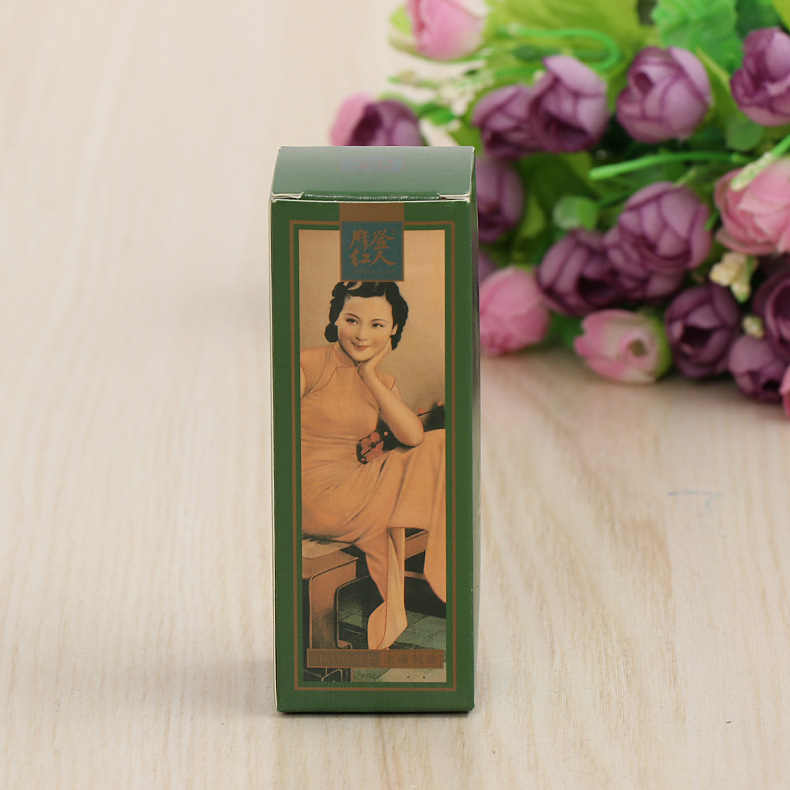
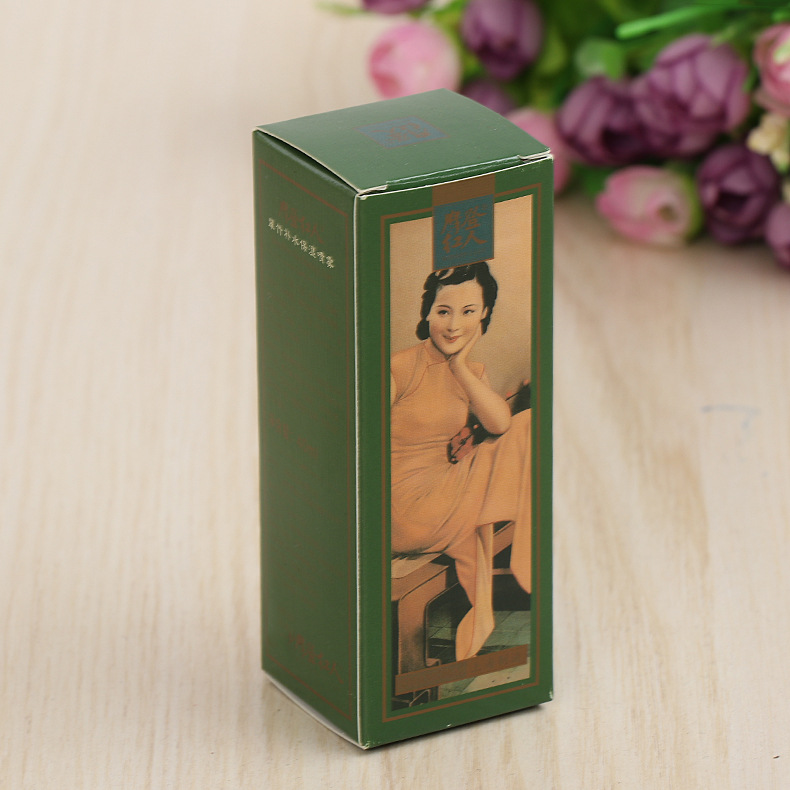
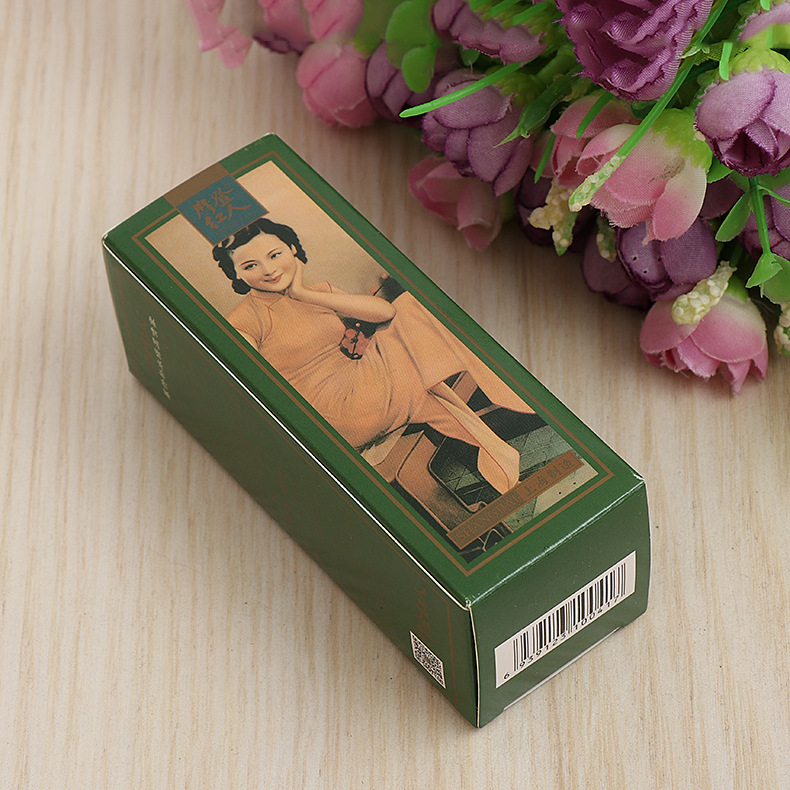
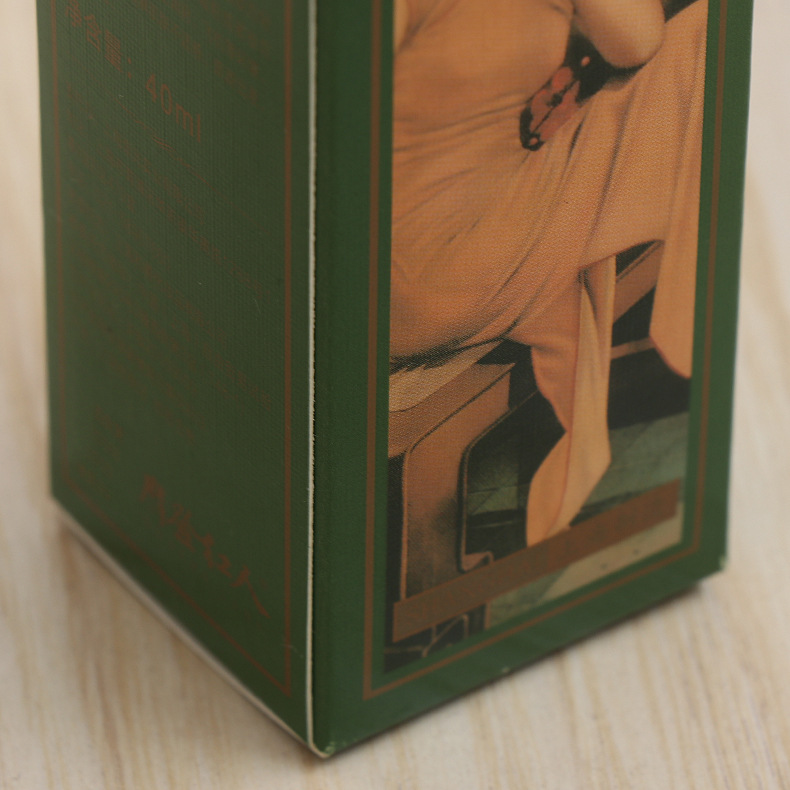
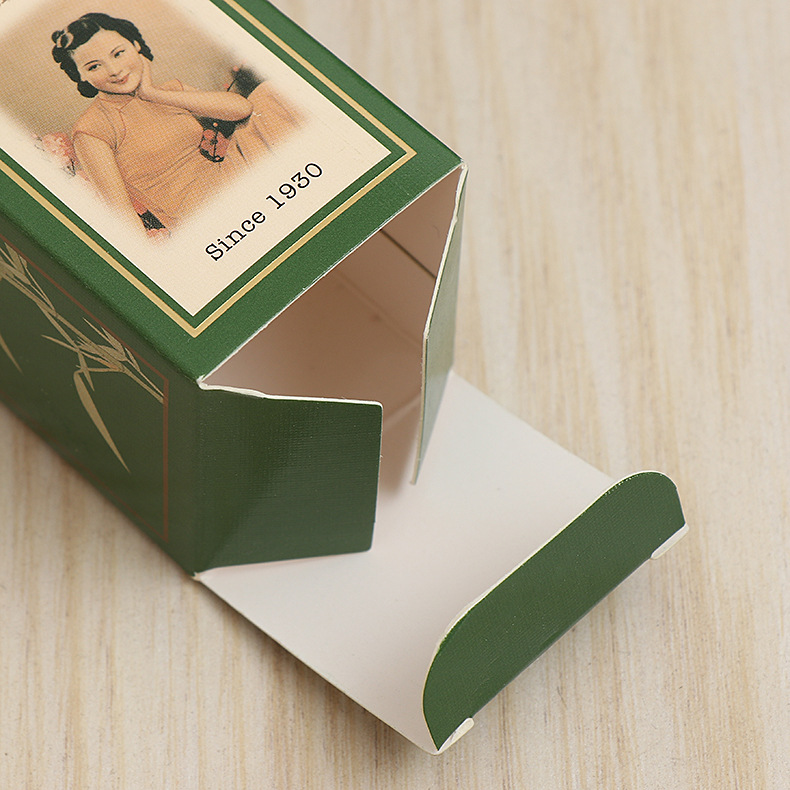
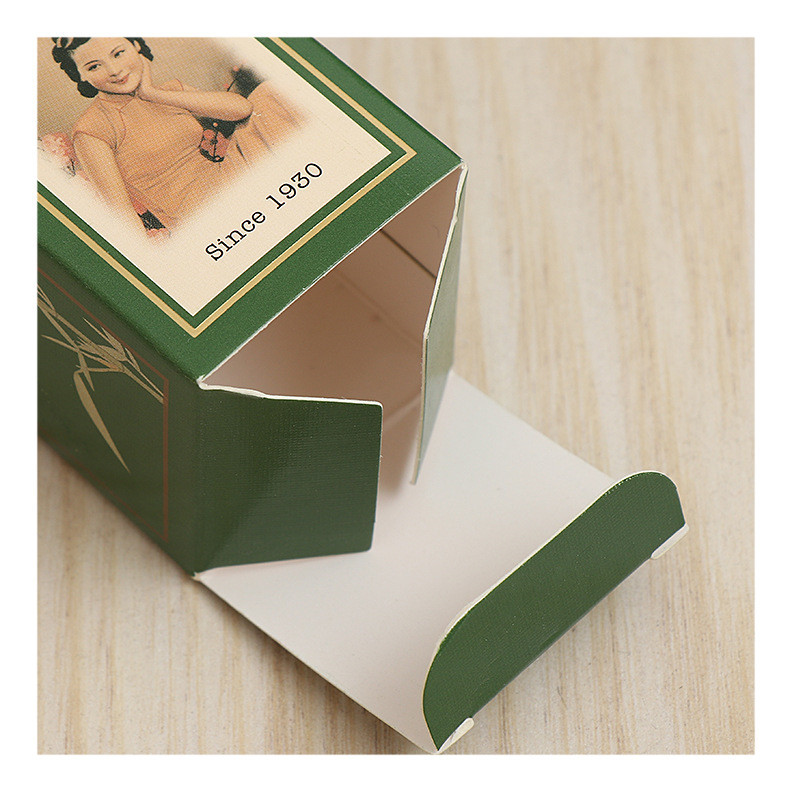
The paper box is a three-dimensional form, consisting of multiple surfaces that move, accumulate, fold, and enclose each other to create a multi-faceted structure. In three-dimensional composition, the surfaces divide space in the environment; by cutting, rotating, and folding these surfaces, different emotions are expressed. When considering the composition of the display surfaces of the paper box, attention should be paid to the connections between the display surface, side surfaces, top, and bottom, as well as the arrangement of packaging information elements.
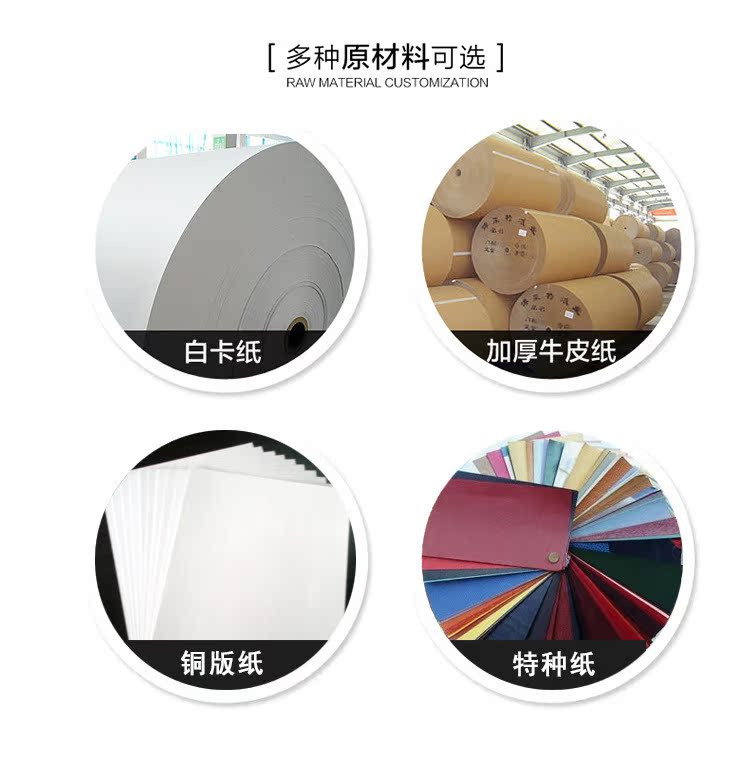
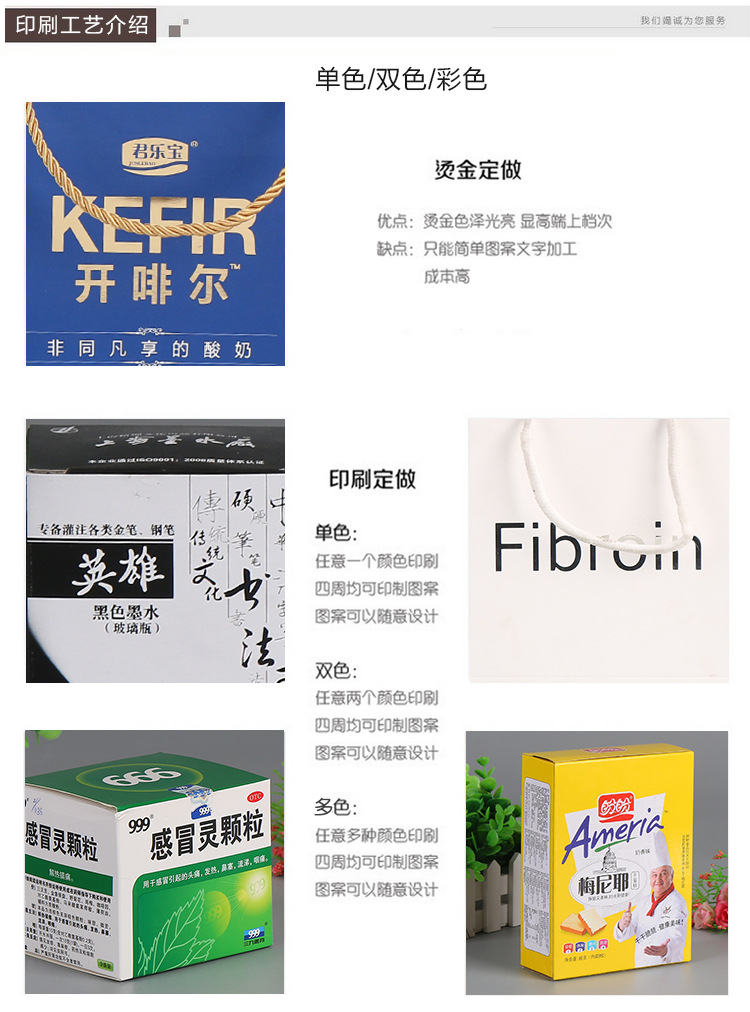
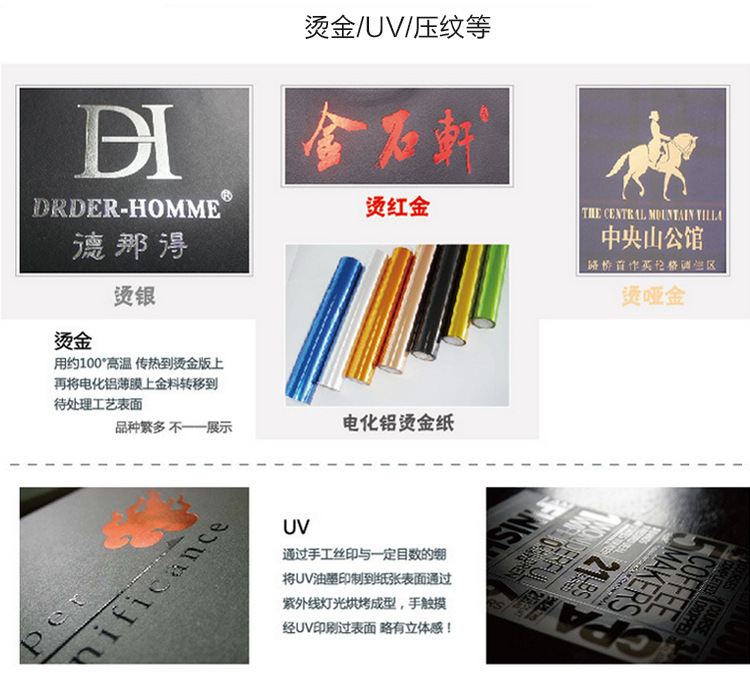
Paper box packaging largely uses its exquisite design and decoration to promote and beautify products, enhancing their competitiveness. Since the shape and structural design of paper boxes are often determined by the characteristics of the products being packaged, there are many styles and types, including rectangular, square, multi-sided, special-shaped boxes, and cylindrical ones. However, the manufacturing process is basically the same: selecting materials – designing patterns – creating templates – stamping – assembling into a box.
The raw material is pulp, typically corrugated paper, commonly used for holding items, and recyclable.
Paper product packaging is the most widely used type among packaging industrial products. Cartons are the primary form of transportation packaging, while paper boxes are commonly used for sales packaging of various products such as food, medicine, and electronics. With changes in transportation methods and sales practices, the designs of cartons and paper boxes have become increasingly diverse. Almost every new non-standard carton style comes with automated equipment, and the novelly designed paper boxes themselves have also become tools for product promotion. Chinbao Group believes that paper box packaging will develop in a more environmentally friendly and economical direction in the future, presenting even more innovative forms before us.
|