Search history
Clear allSearch by image
XDrag and drop an image here or upload an image
Max 5MB per image
UploadSign In | Join

Search history
Clear allSearch by image
XDrag and drop an image here or upload an image
Max 5MB per image
UploadSign In | Join
yiwu biotect medical Co.ltd 3yr.
Contacts Elena Chat
Mobile 13516898881
biotech0529

WhatsApp +8613516898881
Packaging method: Neutral packaging suitable for foreign trade
Due to the rules of the platform merchant festival, the default color for items in the actual size of 2.5cm*1m is randomly selected!!
Only random colors will be sent, thank you for your cooperation!!
The elasticity ratio exceeds2.2
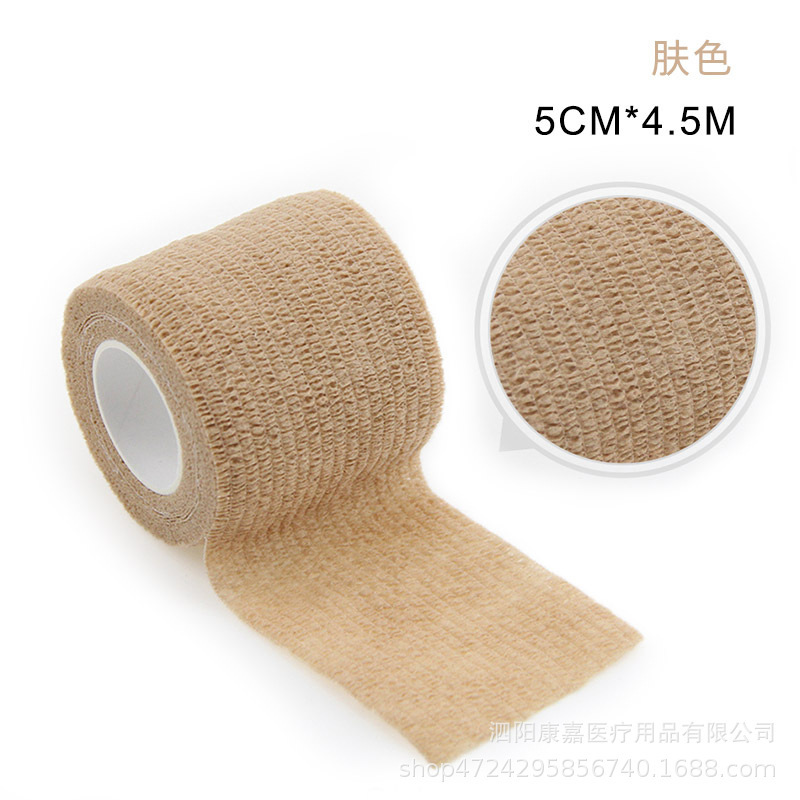
Good breathability, self-adhesive, suitable for all parts of the body
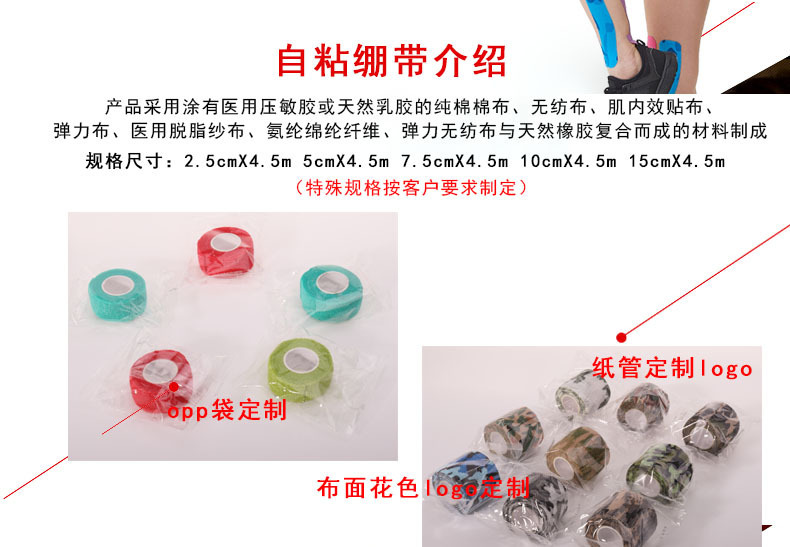
OPP film packaged separatelyPackaging method: Export blank packaging
A large quantity of in-stock items available for customization
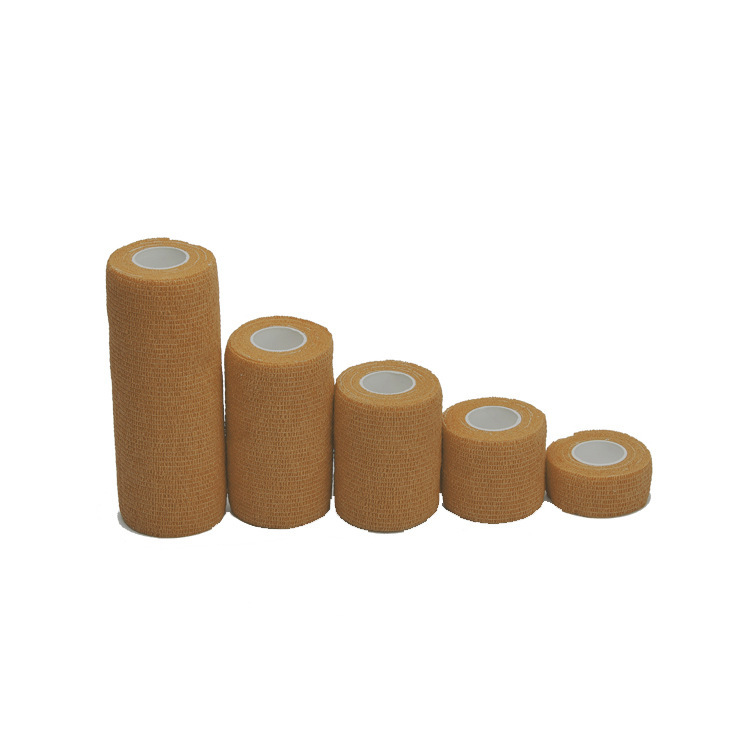
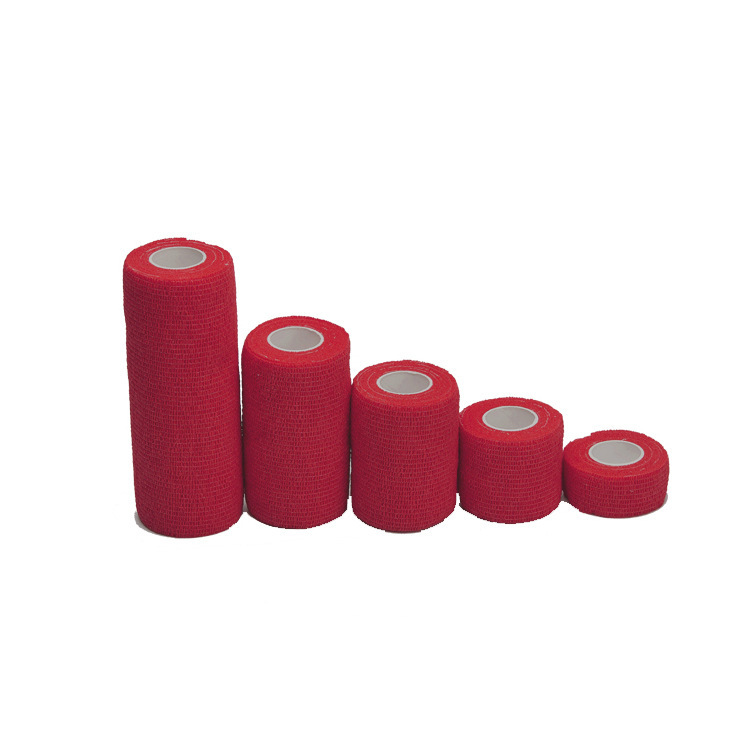
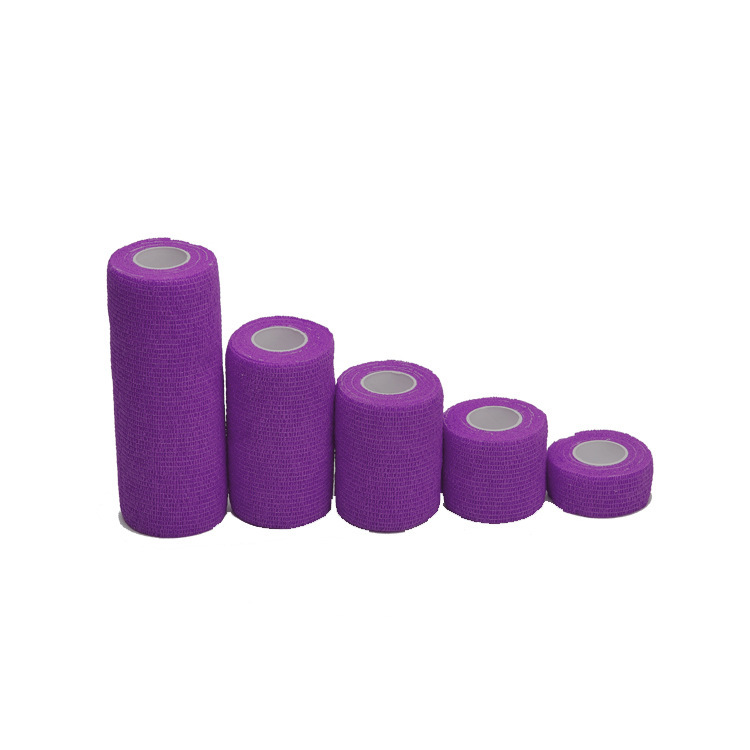
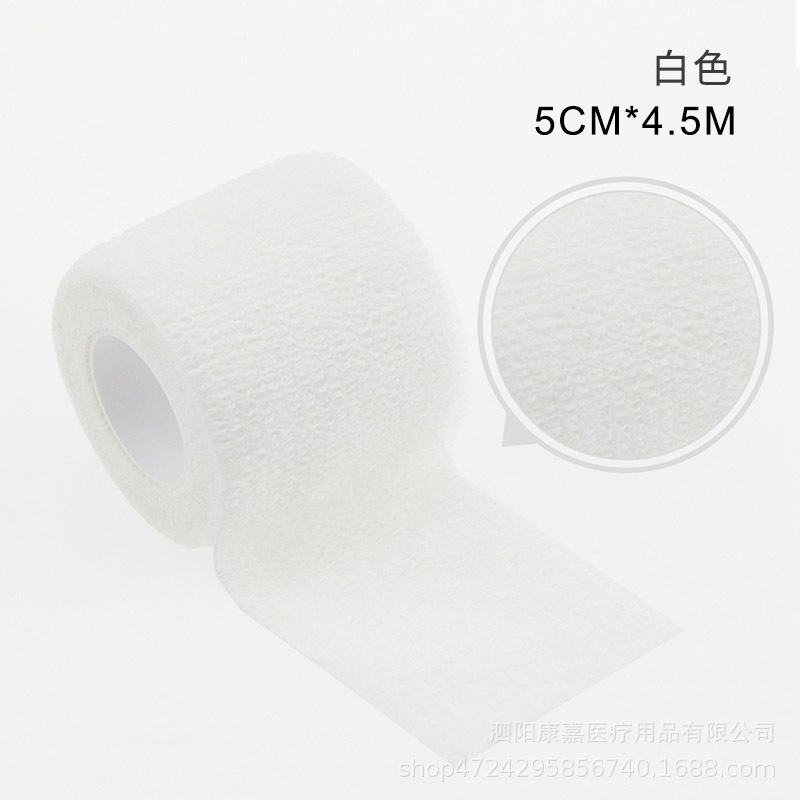
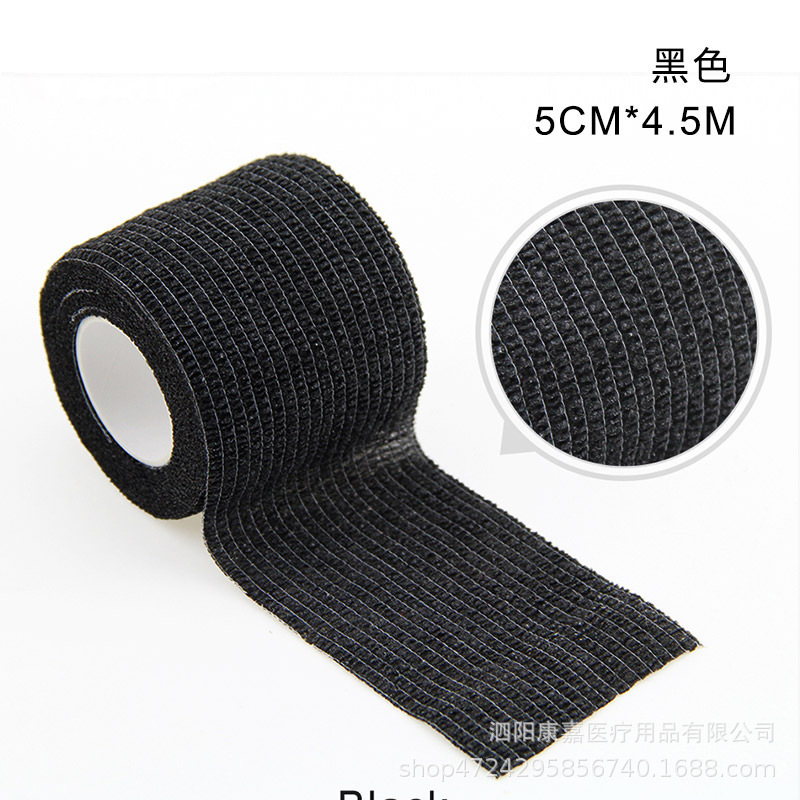
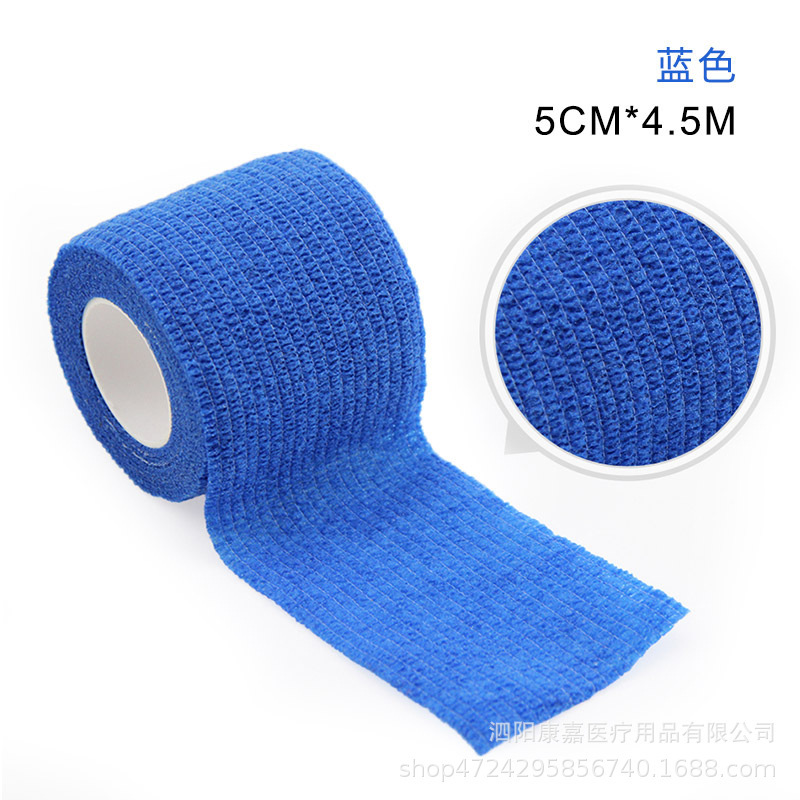
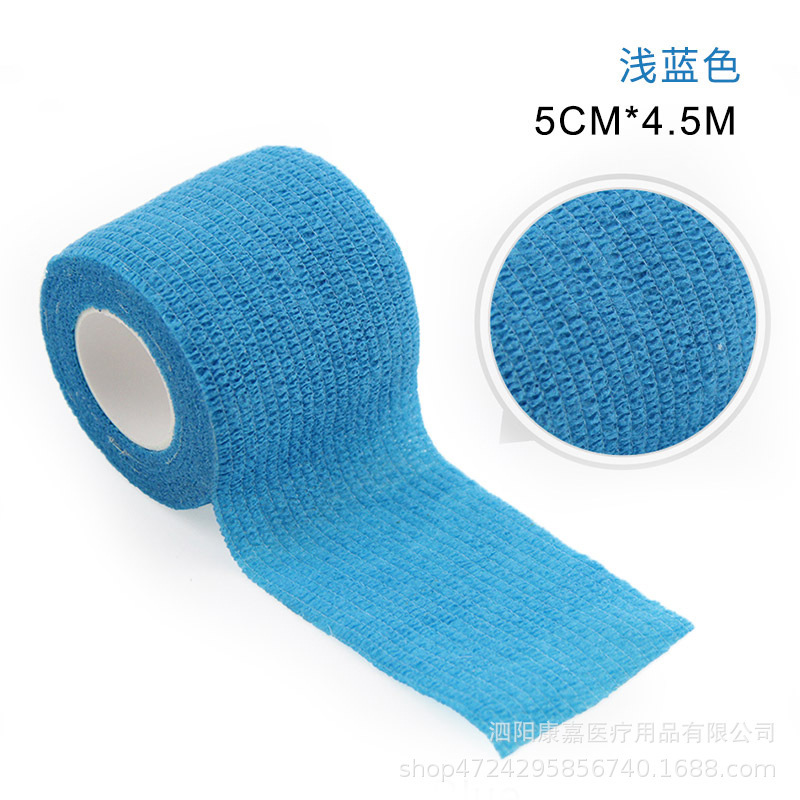
Various specifications: 2.5cm * 1m2.5 cm * 4.5 m
5 cm * 4.5 m 7.5 cm * 4.5 m 10 cm * 4.5 m
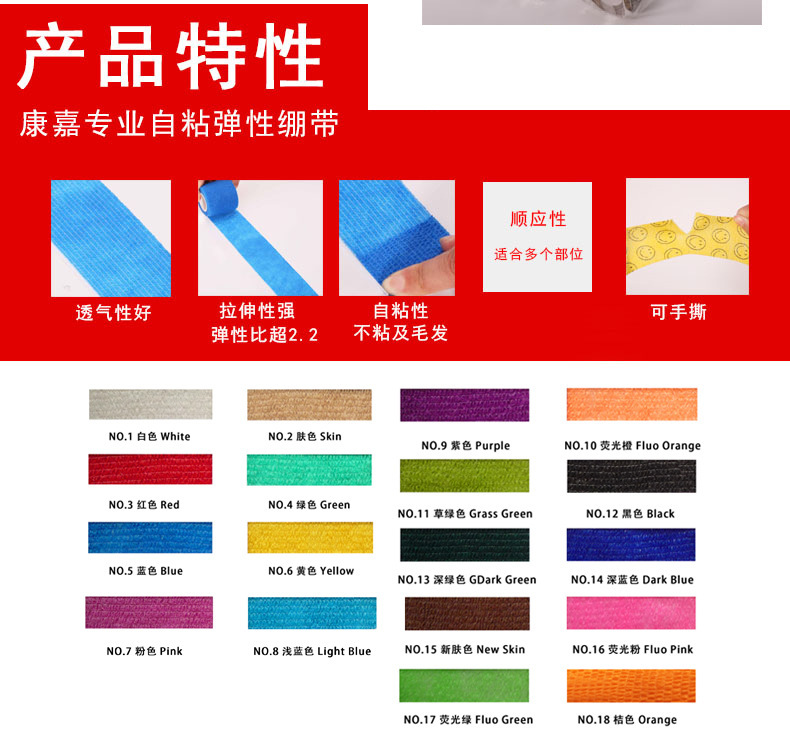
The actual color is based on the color card!!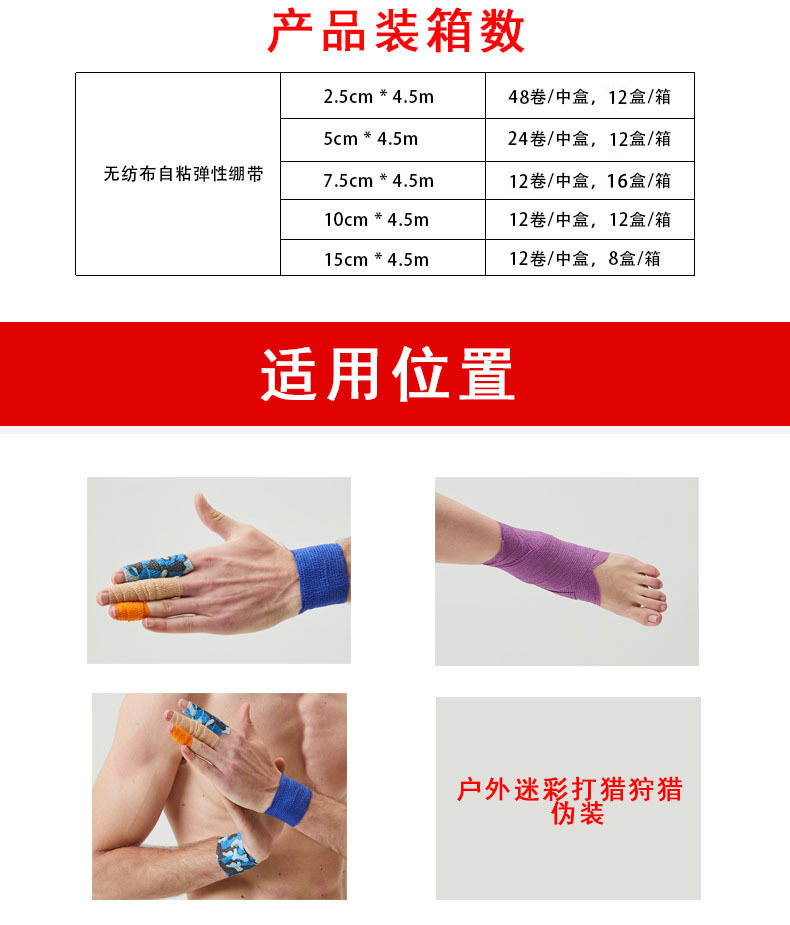
Bandaging Method
1. Circular Bandage Method
For areas with smaller skin or cylindrical structures, such as the hands, feet, wrists, and forehead, it is also used at the beginning of various bandages. Roll the bandage upward, hold it with the right hand, unfold it to about 8 cm, then use the left thumb to secure the end of the bandage on the area to be bandaged. The right hand performs continuous circular bandaging around the area, with the number of rolls determined as needed, and secure the end of the bandage with a twist cloth.
2. Spiral Bandaging Method
For areas with approximately equal circumferences, such as the upper arms and fingers. Start by wrapping two rolls in a circular pattern from the distal end, then wrap in a 30-degree spiral toward the proximal end. Each roll should overlap the previous one by 2/3, and the ends are secured with adhesive tape. When there is no bandage or temporary fixation splint available for emergency treatment, this method where the bandages do not overlap each other is called the snake-like wrapping technique.
3. Spiral Folding Bandage Method
For areas with varying circumferences, such as the forearms, calves, thighs, etc., first apply a circular bandage, then a spiral bandage. Next, use one thumb to press against the center of the roll, and with the other hand, fold the roll downward from that point, covering 1/3 or 2/3 of the anterior wound. Each fold must be arranged in a straight line, but not at the wound or bone protrusions.
4. “8” Shape Bandage Method
Used for bandaging and stabilizing clavicle fractures in joints such as the shoulders, elbows, wrists, and ankles. Taking the elbow joint as an example: first, apply two rolls of bandage around the middle of the joint in a circular pattern. The bandage starts above the joint, then wraps down below the joint via the flexed side, crosses over the back side of the skin to the flexed side of the limb, and then wraps back above the joint. Repeat this process continuously around the joint. Eight rolls are applied in succession, with each roll overlapping 2/3 of the previous one. Finally, apply two more circular rolls above the joint and secure it with adhesive tape.
5. Countercurrent Bandaging Method
Used on the head, fingertips, and skin edges, it involves a series of crosswise or forward/backward reverse bandages. After covering the treated area completely, circular bandaging is performed.
Update time:


TOP