Search history
Clear allSearch by image
XDrag and drop an image here or upload an image
Max 5MB per image
UploadSign In | Join

Search history
Clear allSearch by image
XDrag and drop an image here or upload an image
Max 5MB per image
UploadSign In | Join
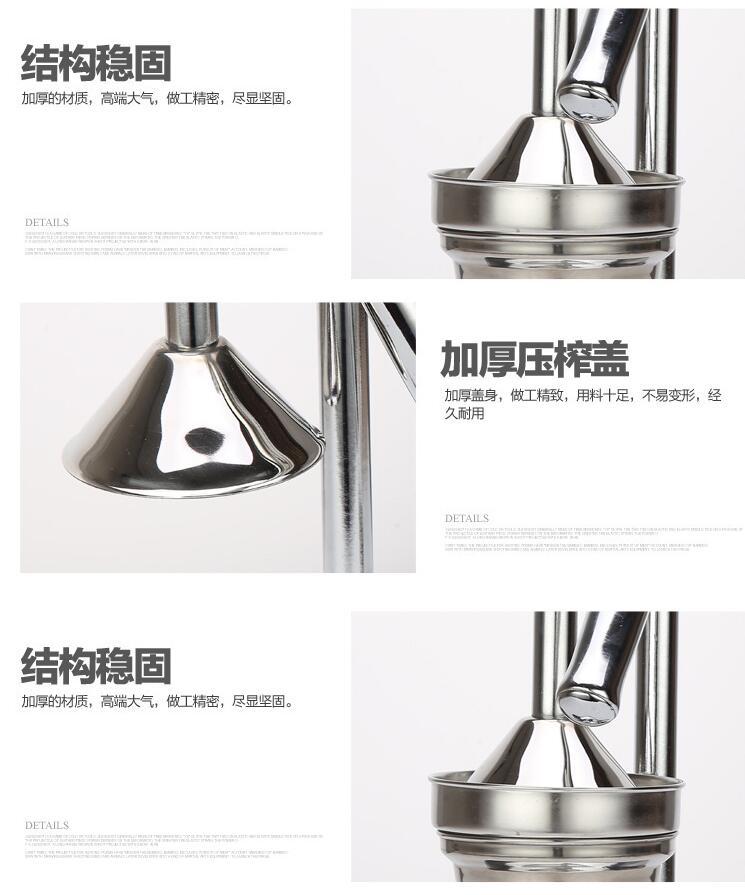
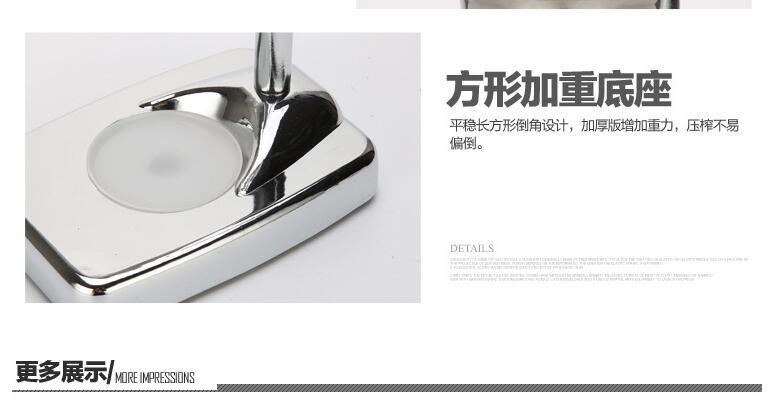
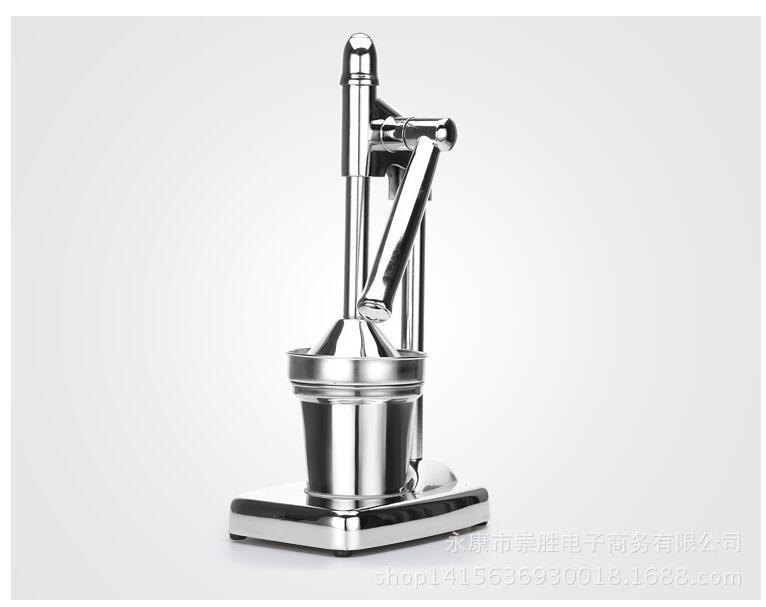
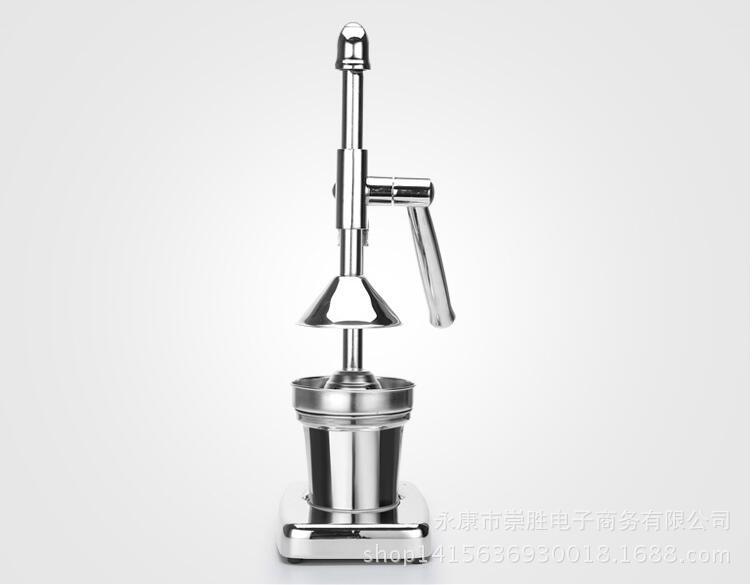
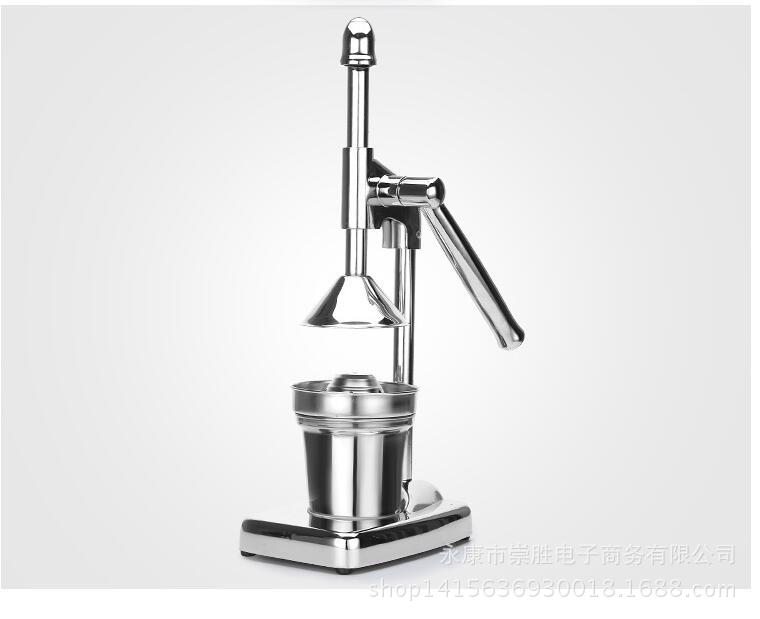
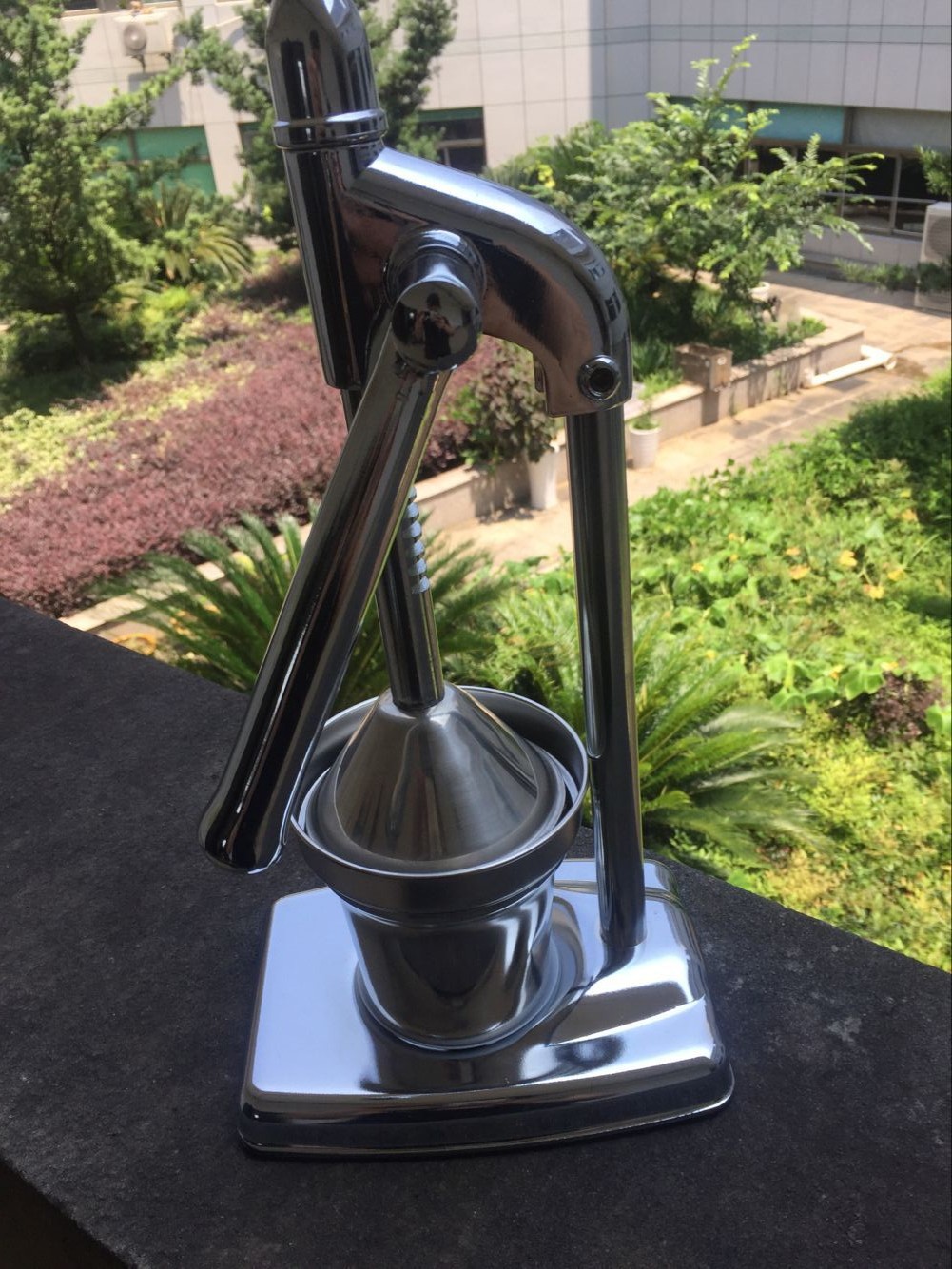
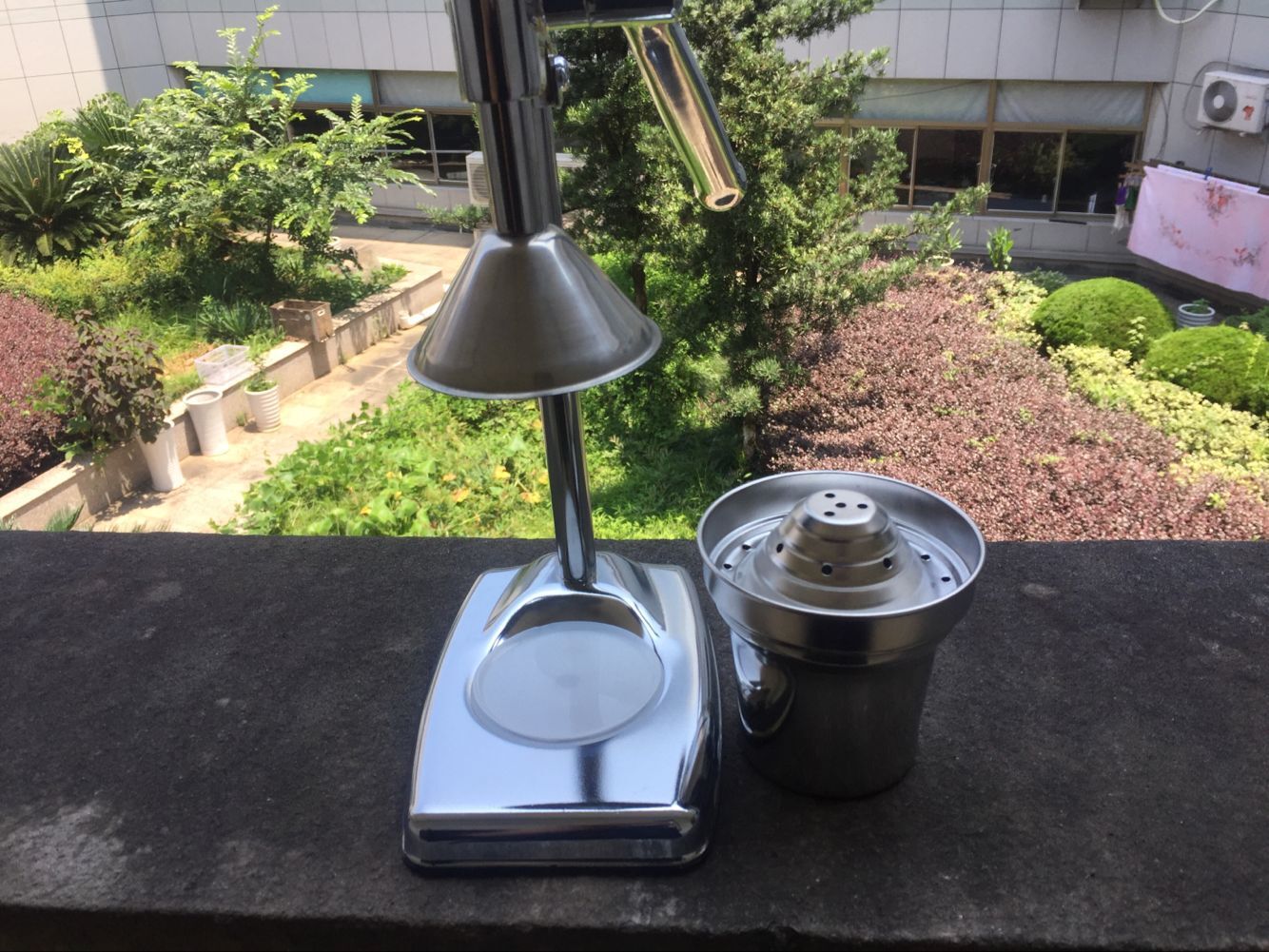
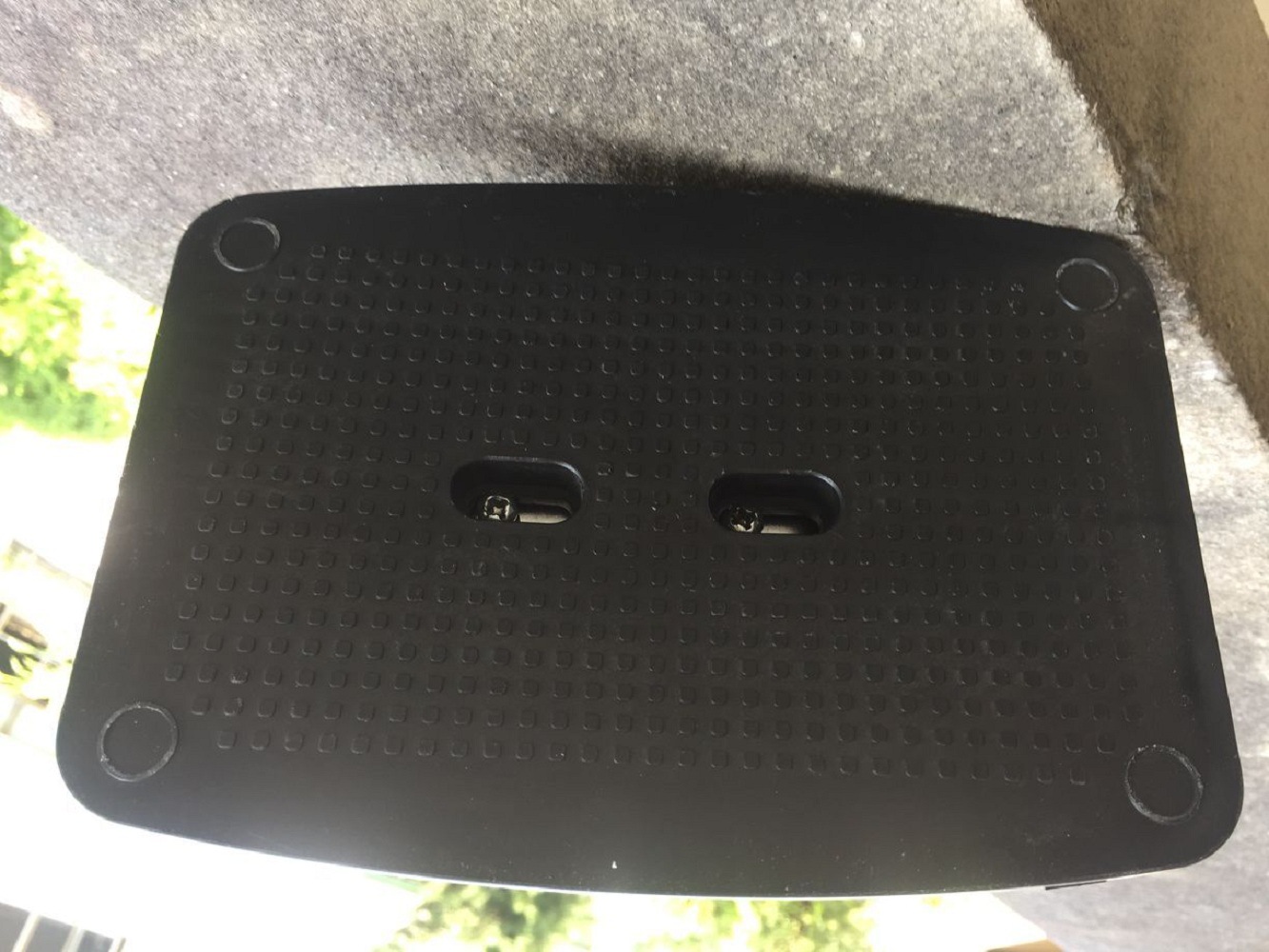
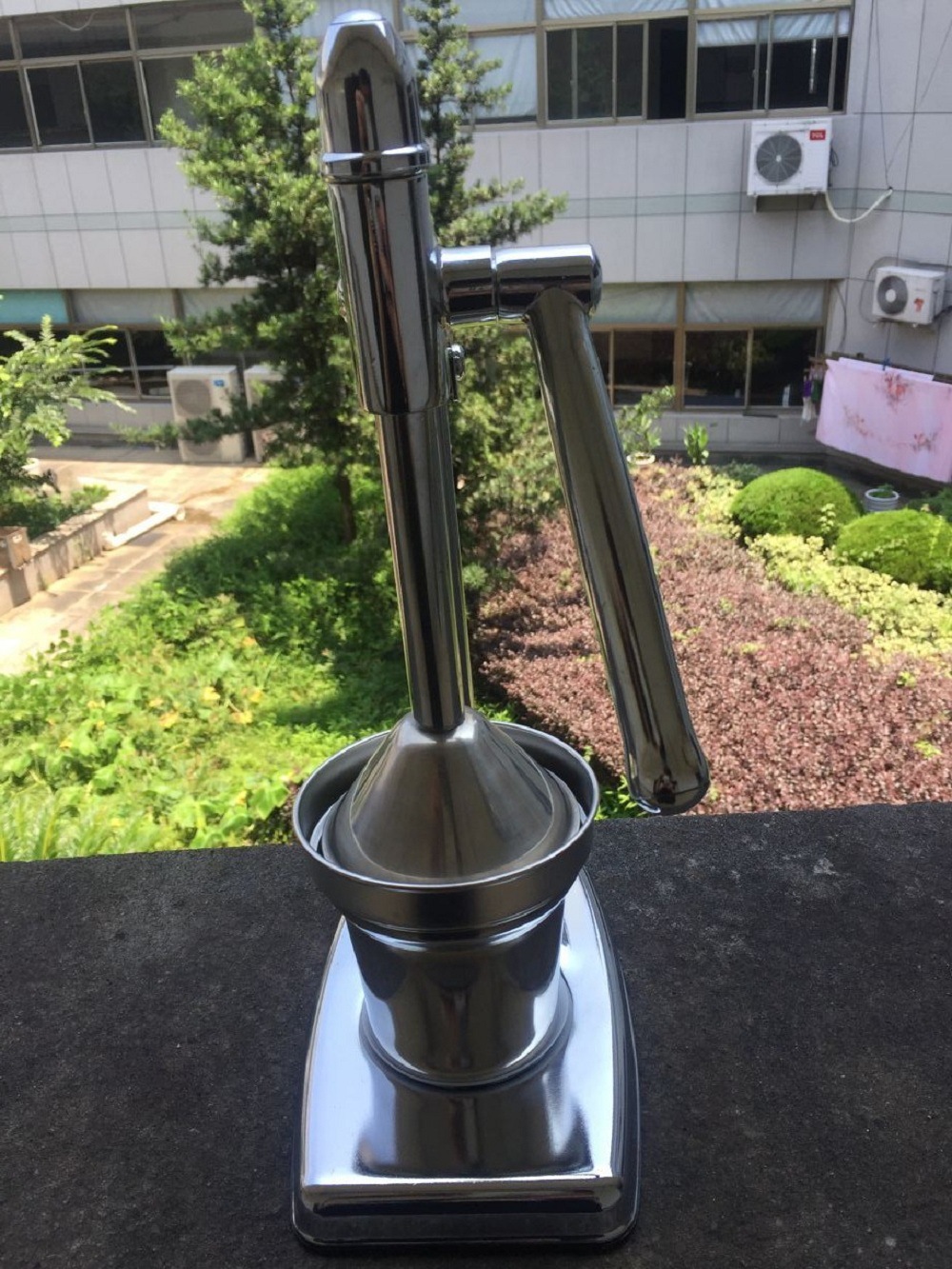
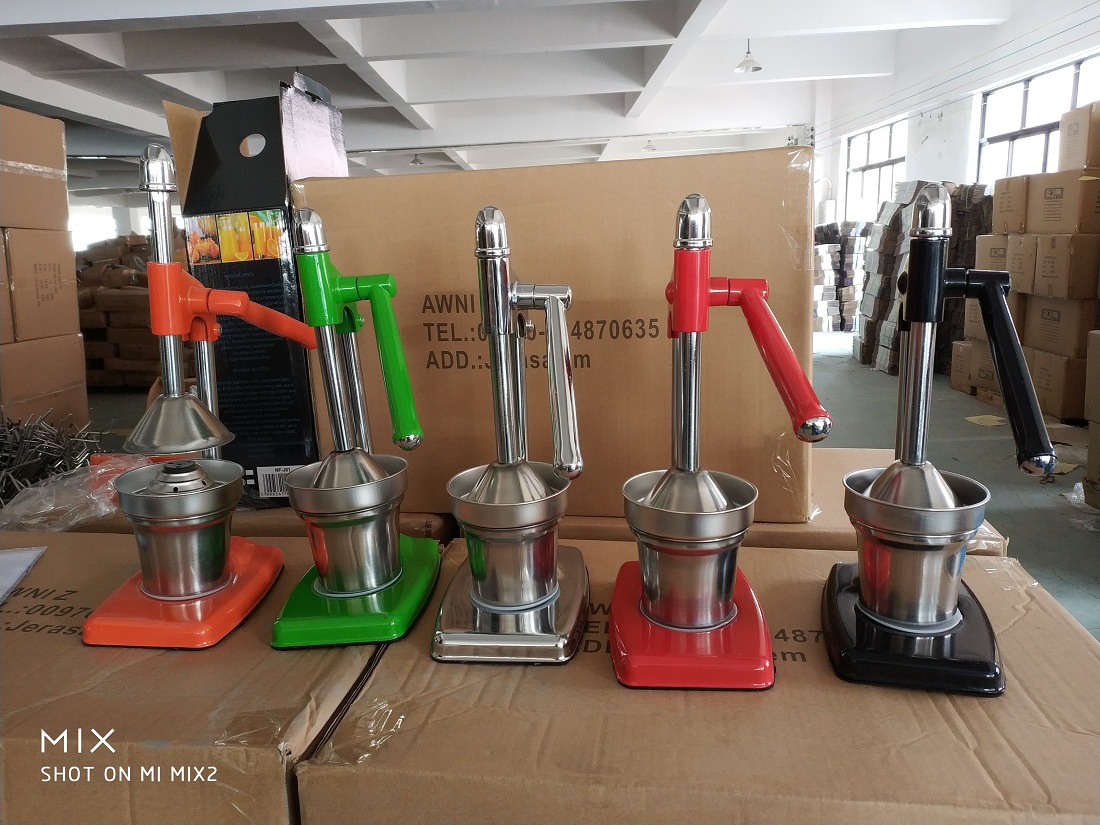
Stainless steel achieves its corrosion resistance through a very thin, strong, fine, and stable chromium-rich oxide film (protective layer) formed on its surface, which prevents further penetration of oxygen atoms and oxidation, thereby maintaining resistance to rusting.
Force. Once for some reason, this film is continuously damaged; oxygen atoms in the air or liquid will continuously penetrate, or iron atoms in metal will continuously separate, resulting in a loose oxygen
Iron oxidation occurs, and the metal surface begins to corrode continuously. There are many ways in which this surface film can be damaged.
Common types seen in daily life include the following:
1. The stainless steel surface is covered with deposits containing other metal elements or foreign metal particles. In humid air, the condensation water between these deposits and the stainless steel combines them together
A microbattery caused an electrochemical reaction, resulting in the damage to the protective film, which is referred to as electrochemical corrosion.
2. Organic liquid adhering to the stainless steel surface (such as fruits and vegetables, noodle soup, phlegm, etc.) forms organic acids in the presence of water and oxygen, and over time, these organic acids cause corrosion on the metal surface.
3. Stainless steel surfaces adhere to substances containing acids, alkalis, or salts (such as alkali or lime water splashes during wall decoration), leading to localized corrosion.
4. In polluted air (such as air containing high levels of sulfides, carbon oxides, and nitrogen oxides), when exposed to condensation water, liquid droplets of sulfuric acid, nitric acid, and acetic acid are formed, causing chemical corrosion.
Any of these conditions can damage the stainless steel surface protective film, leading to corrosion. Therefore, to ensure the metal surface remains permanently shiny and free from corrosion,
We suggest:
1. It is necessary to regularly clean and scrub the decorative stainless steel surface, remove attachments, and eliminate external factors that cause degradation.
2. In the coastal areas, stainless steel material 316 must be used, as 316 material can resist seawater corrosion.
3. Some stainless steel pipes on the market do not meet the corresponding national standards, and cannot meet the 304 material requirements. As a result, they will also cause rusting, which requires users to carefully select reputable manufacturers.
Products from home.
【Precautions】:
1. Stainless steel food containers must be scalded with boiling water several times before use for high-temperature sterilization.
2. Avoid spilling, falling, collision, and strong impacts, otherwise it may cause deformation of stainless steel products, affecting appearance and performance.
3. Stainless steel products should never be exposed to substances containing salt (or other acidic or alkaline substances) for long periods of time, to prevent rusting.
4. Sometimes, red rust spots may form on the inner surface of stainless steel utensils due to substances such as iron contained in the contents they hold. These can be treated by soaking them in warm water mixed with diluted vinegar for thirty minutes, followed by thorough cleaning.
5. Stainless steel utensils should be cleaned with soft cloths and food cleaner diluted in warm water. Do not use alkaline bleach, metal scrubbers, or chemical mops.
6. To prevent odors or stains, and for long-lasting cleanliness, after using stainless steel utensils, please clean them thoroughly and allow them to dry completely.
7. After stainless steel utensils are heated to high temperatures, do not touch them directly with your hands to avoid burns.
Maintenance of stainless steel kitchenware
Stainless steel kitchenware is beautiful and elegant, and very popular among people. However, when used in the kitchen and other areas, they tend to stick to oil stains, making cleaning quite difficult. Now, we introduce two methods for cleaning them:
1. Apply stain remover powder on the surface of kitchen utensils and wash them.
2. If the detergent cannot completely clean the stain, gently grind the affected area with fine sand to remove the stain.
Additionally, we can be more careful during use to prevent stains from accumulating. For example, add oil when using the cold pot, clean it afterward, and dry off any water marks. Using orange peel mixed with detergent to clean the surface can also make old kitchenware shine like new.
Instructions for Purchase
1. The product is an authentic item from the manufacturer.
The manufacturer has direct supply sources, a short production cycle, and high-quality products.
2. Self-service shopping
All items that are available for listing can be purchased in stock immediately. You can follow the purchase process to buy and pay online. (There may be occasional shortages; if you have already paid but the item is out of stock, we will contact you by phone within 48 hours.)
3. Regarding Colors
All products in this store are photographed in real life. The colors have been professionally verified, and they closely match the flat-lay images, although there are differences in color contrast and color temperature due to computer monitors.
4. Regarding customer service
If we cannot respond to your query promptly, it may be due to high volume of inquiries at that time or a system issue.
5. Regarding shipping
Unless there are special circumstances, we will ship the item to the address you provided within 48 hours after payment. If you need it sent to a different address, please make sure to indicate this in the WeChat chat record; otherwise, we will assume the address you provided for shipping.
6. Regarding shipping
If there are any special requirements for shipping, please communicate with customer service promptly. Both express delivery and freight services are available; orders will be shipped upon receipt of payment, and the shipping fee is charged to the recipient.
7. Regarding returns and exchanges
For quality issues, the seller is responsible for the return and shipping costs; for non-quality issues, the buyer is responsible for the shipping costs. (Note: Please check the item promptly upon receipt. If there are quality issues, contact our after-sales service within two days of signing for delivery; otherwise, we cannot determine whether the issue was caused during shipment or by the buyer during use.)
8. Regarding refunds
Dear customers, after our joint discussion and confirmation that a refund is possible, the finance department will process your refund within 48 hours. Since our refunds require approval from the finance staff, the customer service team is not responsible for the refund process. Therefore, please don’t worry!
Update time:


TOP